
How to Get Rid of Bagworms

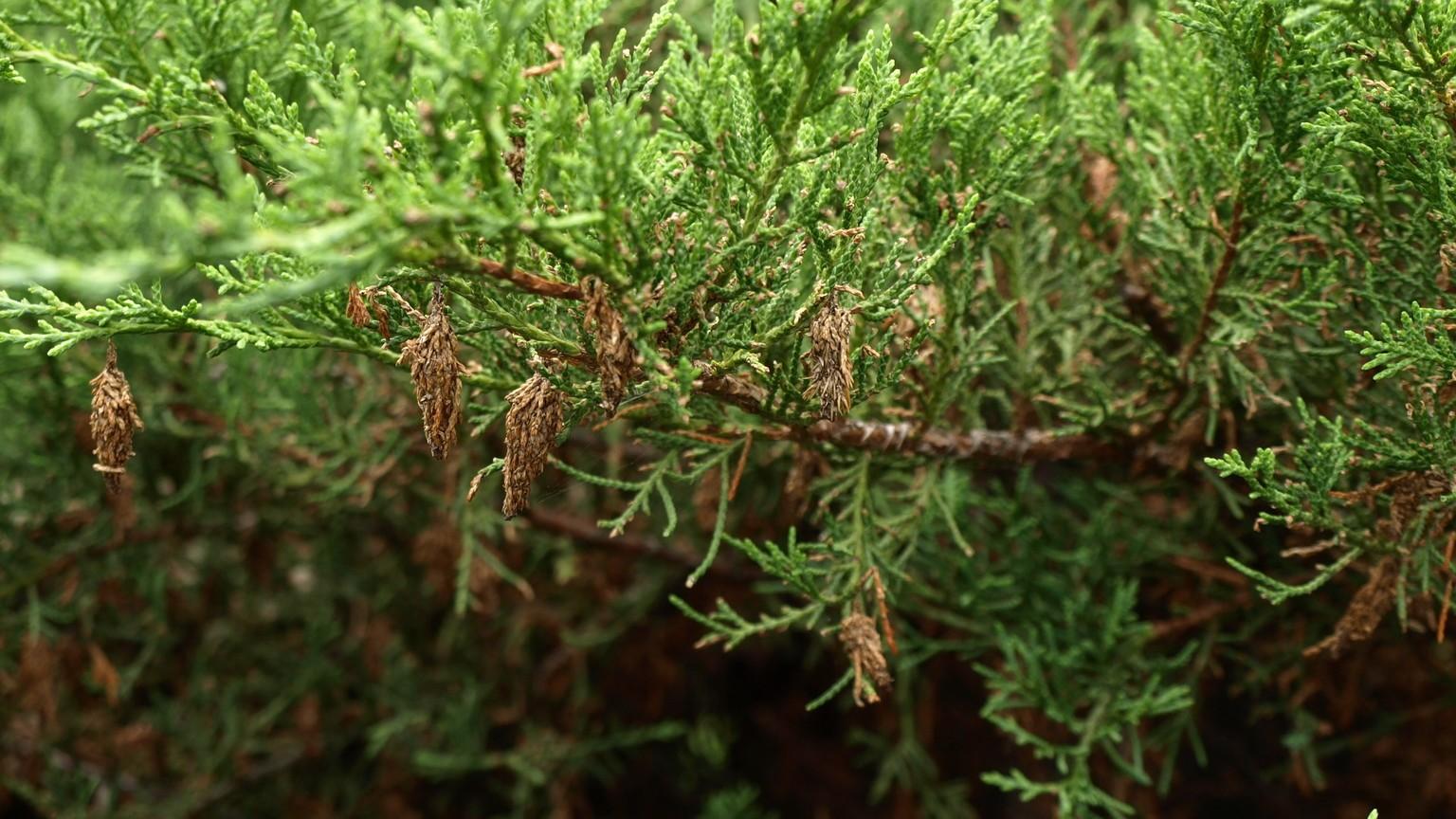
Bagworms are one of those pests that look almost charming at first. Little “pinecone” ornaments dangling from branches. Then you realize those ornaments are hungry caterpillars, and your evergreen is turning brown from the outside in.
The good news: you can get ahead of bagworms with the right timing and a simple plan. I am going to walk you through how to identify them, the key late-spring window to watch for, and which control method fits your tree, your comfort level, and your garden values.
What bagworms look like
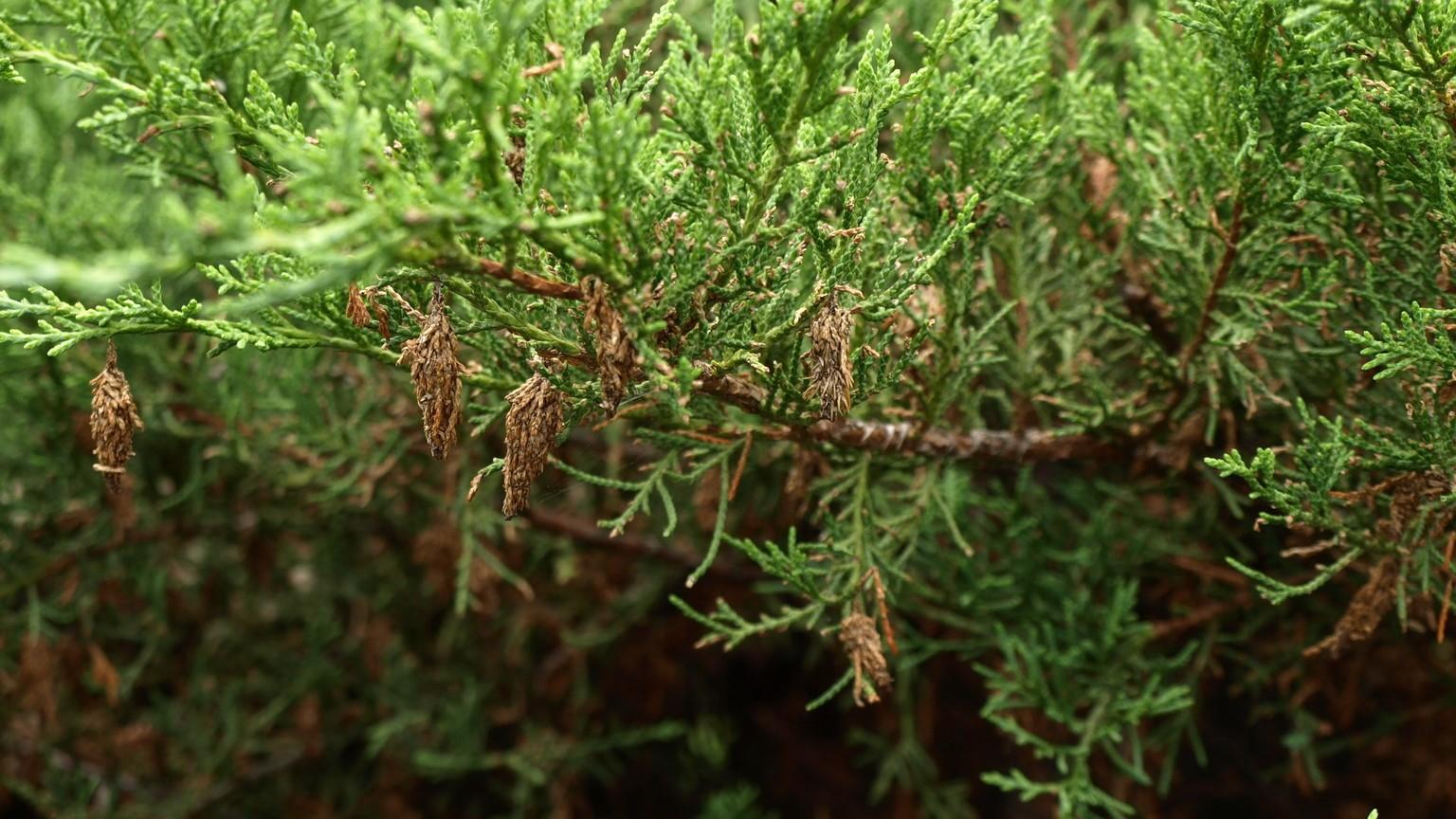
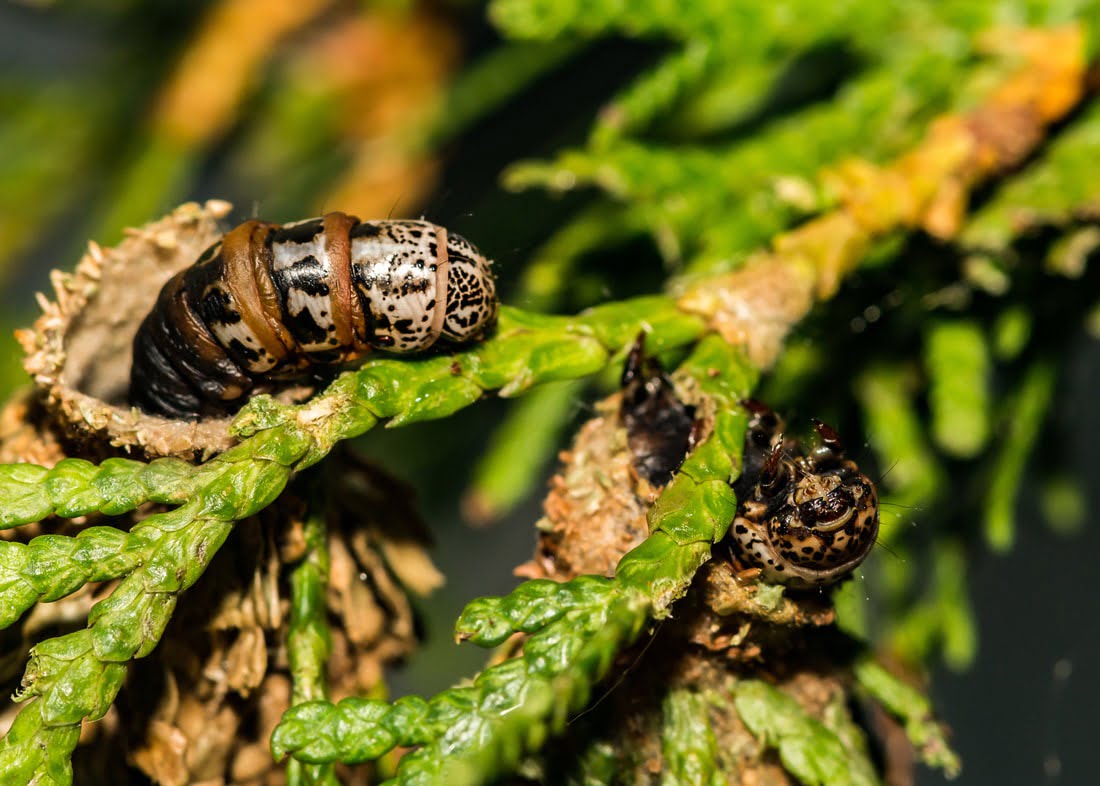
Bagworms are caterpillars that live inside a portable case (the “bag”) they build from silk and bits of the host plant. On evergreens, the bag often looks like a small cone covered in needles or scale-like foliage. On deciduous trees, it can look like a rough little pouch covered in tiny leaf fragments and twigs.
Common host plants
- Evergreens (most at risk): arborvitae (thuja), juniper, spruce, pine, cypress, and other false cypress types
- “Cedar” note: many plants called “cedar” in landscaping are actually junipers or arborvitae (for example, eastern redcedar is Juniperus), and bagworms commonly hit those
- Deciduous trees and shrubs: crabapple, maple, sycamore, honeylocust, willow, boxelder, rose of sharon, and more
Signs you have bagworms
- Hanging bags: 1/4 inch to 2 inches long, dangling like tiny ornaments
- Needle and leaf loss: chewed foliage, thinning, and see-through patches
- Evergreen browning: branch tips turn tan, then entire sections brown out
- Silk tie-down threads: fine webbing where bags are anchored
On arborvitae and juniper, bagworms can cause permanent dead patches because those plants do not reliably push fresh green growth from bare wood. That is why quick action matters.
Don’t confuse them with
A quick mis-ID check before you treat:
- Spider mites on evergreens: fine webbing and stippled, dusty-looking needles, but no dangling bags
- Pinecone-like galls: growths that are part of the plant tissue and do not peel off like a bag
- Debris caught in webs: random dead needles stuck in webbing, without a distinct, portable case
Lifecycle and timing
If you remember one thing, let it be this: Bt (Btk) works best and is most reliable when bagworms are small and actively feeding. As larvae get larger, their bags thicken, feeding patterns change, and sprays become harder to deliver effectively.
The basic timeline
- Late summer to fall: females stay in their bags, lay eggs inside, then die. Males become small moths and fly.
- Fall through winter: egg-filled bags hang on the plant, quietly waiting.
- Late spring into early summer: eggs hatch and tiny caterpillars emerge. This is prime control time.
- Summer: caterpillars grow, bags get bigger, and damage accelerates. Later, they attach the bag firmly to a branch to pupate.
In many areas of the U.S., hatch often happens around late May through June. In warmer regions it can be earlier, and in cooler regions it can be later. Watch your plants, not just the calendar, and consider local extension alerts if you have them.
Fast action plan
When you suspect bagworms, start with a simple sequence that saves the most plant tissue with the least effort.
- Confirm: look for hanging bags and fresh chewing on foliage.
- Hand-remove what you can: especially in fall, winter, and early spring.
- Spray during hatch season: use Bt (Btk) when larvae are small, typically late spring to early summer.
- Escalate only if needed: consider labeled non-Bt options or professional treatment when infestations are heavy or trees are too tall to treat well.
Method 1: Hand-removal
If your tree is small enough to reach, hand-picking is incredibly effective. It is also the best option when you want to avoid impacting beneficial insects.
When it works best
- Fall through early spring: you are removing egg bags before they hatch
- Anytime you can reach bags: it reduces the population immediately
How to remove bags
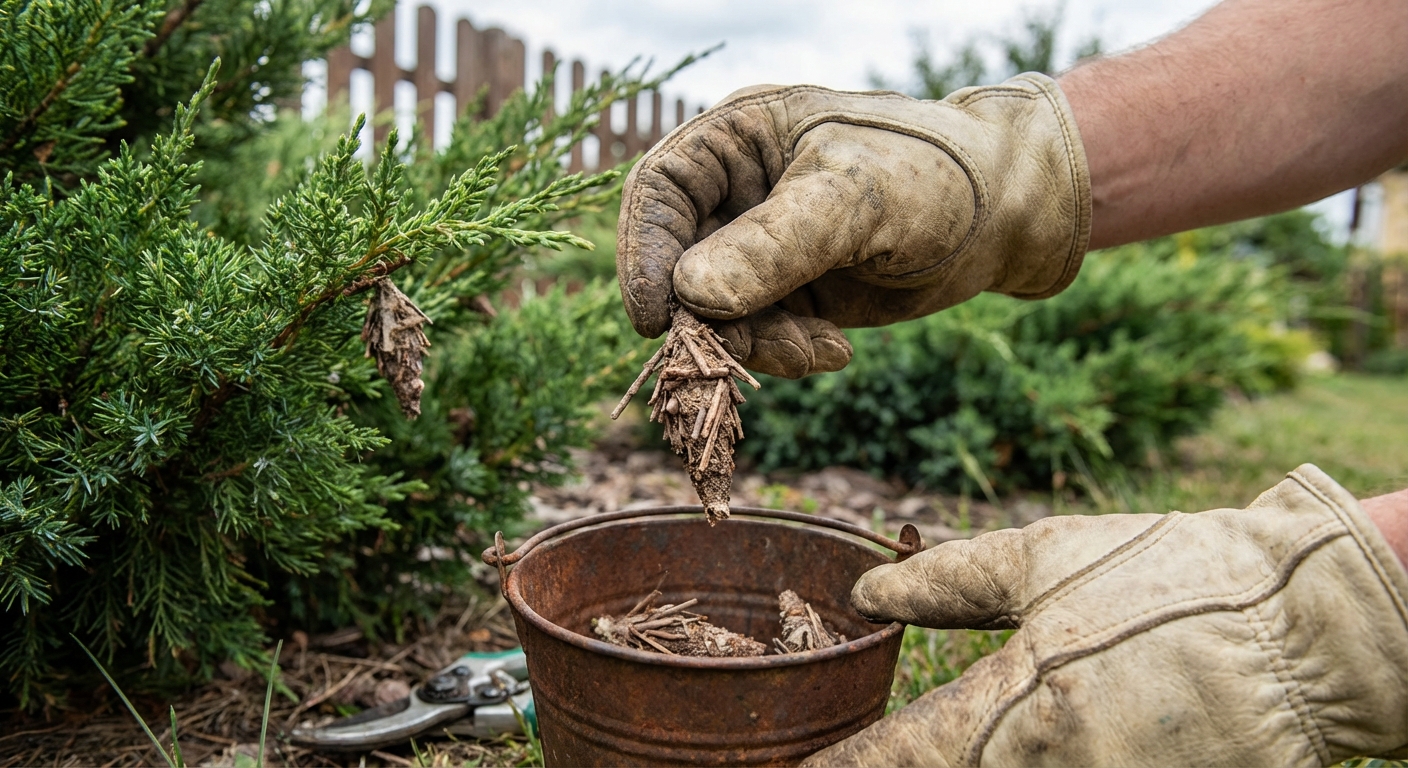
- Put on gloves and bring a bucket or bag.
- Gently pull each bag off the branch. Some are loosely attached, others are firmly silked on.
- Destroy the bags. Do not toss them on the ground.
How to dispose of bags
- Best: crush them, seal them in a bag, and put them in the trash
- If you prefer a soak: fully submerge in soapy water for several days, then seal and trash (a quick dunk is not always enough, especially for overwintering egg bags)
A quick note from someone who has done this for years: I like to make it a winter habit. Mug of tea in one hand, a small bucket in the other, and I “de-ornament” my arborvitae. It is oddly satisfying.
Method 2: Bt (Btk) spray
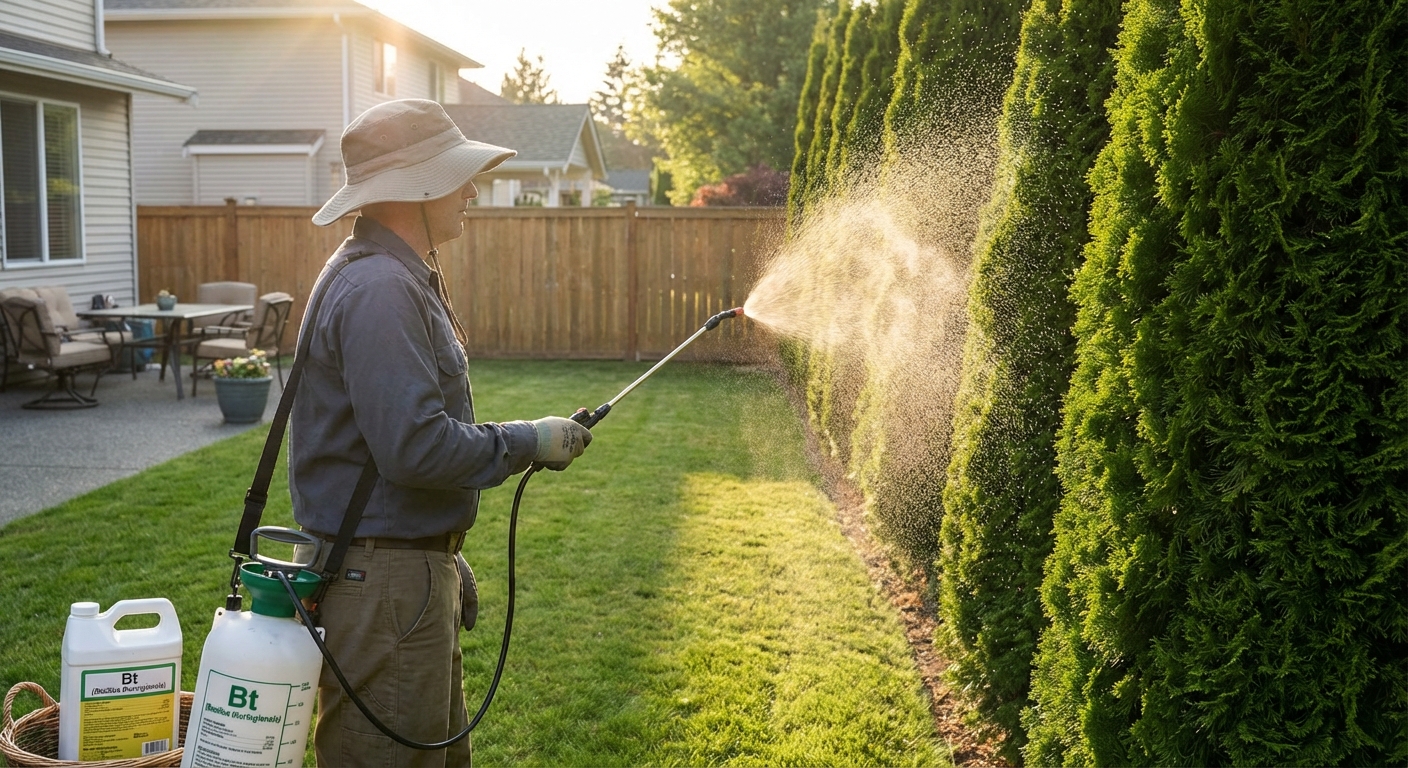
Bt (Bacillus thuringiensis var. kurstaki), often shortened to Btk, is a biological insecticide that targets caterpillars when they eat treated foliage. It is a favorite in organic gardening for a reason: it is selective and works very well when applied at the right time.
When to use it
- Start when you first notice tiny new bags or fresh feeding damage.
- Bag size is a helpful clue: Bt is most effective when bags are still small, often under about 1/2 inch.
How to apply it well
- Choose a calm day: avoid wind and rain in the forecast.
- Mix per label directions: follow the product label exactly.
- Spray thoroughly: coat the foliage where larvae are feeding. On dense evergreens, take time to cover the outer canopy well (that is where most feeding happens).
- Repeat: a second application in 7 to 10 days is often needed, especially after rain or heavy new growth.
Common Bt mistakes
- Spraying too late: efficacy drops as larvae get bigger and harder to reach
- Light coverage: bagworms must eat treated foliage for Bt to work
- One-and-done spraying: hatch can be spread out over time
How to check for hatch
If you want to time Bt like a pro, here are two simple ways to confirm larvae are active:
- Shake test: hold a white sheet of paper under a branch and give it a tap. Tiny larvae may drop down on silk threads or crawl on the paper.
- Scout for tiny bags: new bags are very small and blend in. Look closely at outer tips where new feeding starts.
Method 3: Other sprays
If bagworms are already mid-sized to large, you may need a different approach. Many general insecticides labeled for caterpillars can work, but they tend to be broader-spectrum than Bt, meaning they can affect more than the target pest.
For Leafy Zen readers who value pollinators and beneficial insects, my guidance is simple: use the least-broad option that will do the job, and only treat the plant that needs it. Avoid spraying when nearby plants are blooming and bees are active.
- Best window: earlier is still better, even with non-Bt products
- Application matters: most products require the caterpillars to contact or ingest treated foliage, so coverage and timing are everything
- Label is law: use only products specifically labeled for bagworms on that plant, and follow all restrictions
- Local guidance helps: your state extension office often lists effective active ingredients for your region
Systemic options
Systemic insecticides move into plant tissue. They can be helpful when:
- the tree is too tall to spray thoroughly
- infestations are recurring every year and severe
- you are trying to protect a valuable specimen that is already stressed
Important cautions
- Effectiveness varies: not every systemic works well on bagworms. Use only products specifically labeled for bagworms and for your plant type.
- Timing is not instant: systemics generally need time to move into tissue, and they work best when in the plant before or during early feeding.
- Pollinator risk: some systemic active ingredients can end up in nectar and pollen depending on the product and plant. Avoid treating plants that are blooming or that you manage as pollinator resources, and follow label restrictions closely.
- Application method matters: depending on the product and label, options may include soil applications, trunk sprays, or trunk injections. This is one of those times a licensed arborist can be worth it.
If you are debating a systemic for a large evergreen hedge (a very common bagworm scenario), it can be worth calling your local extension office or a licensed arborist for region-specific timing and product options.
Damage stages
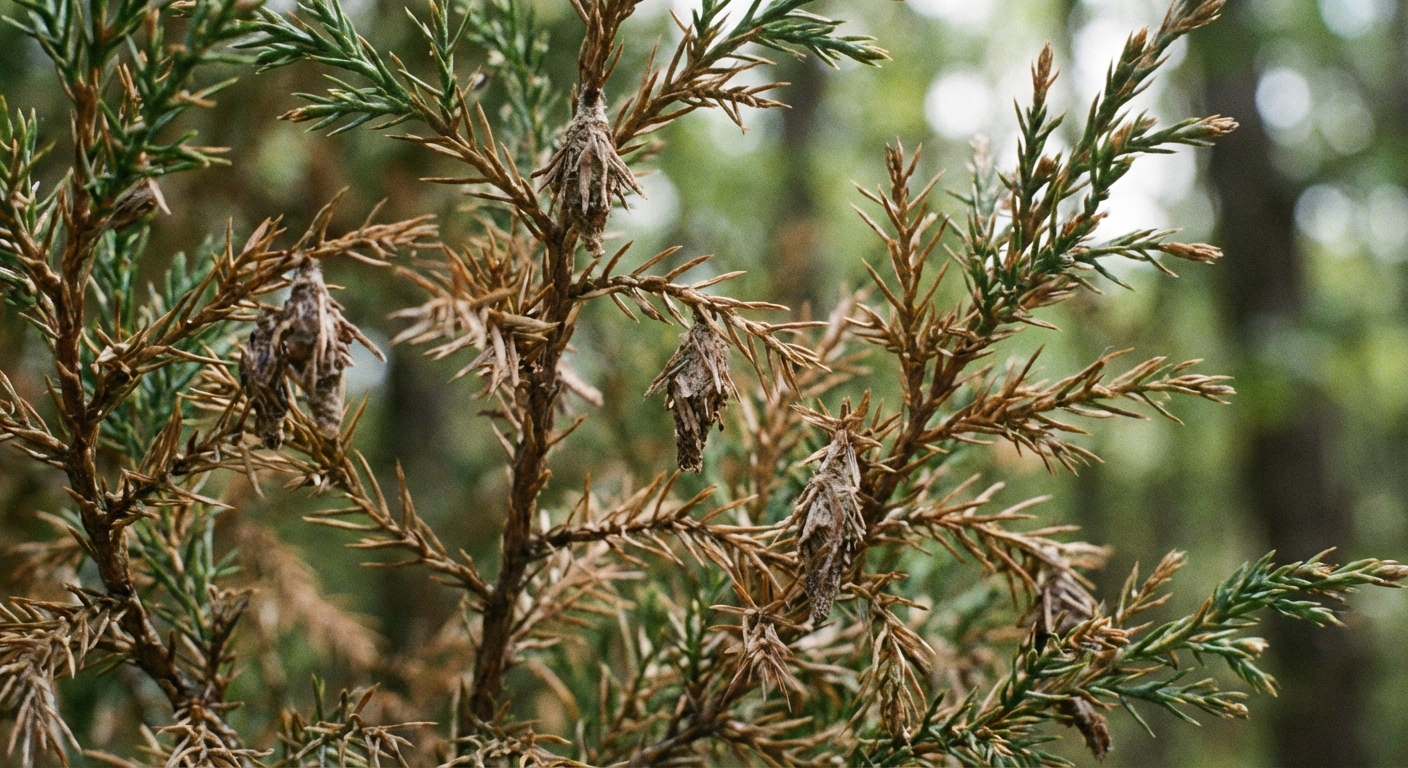
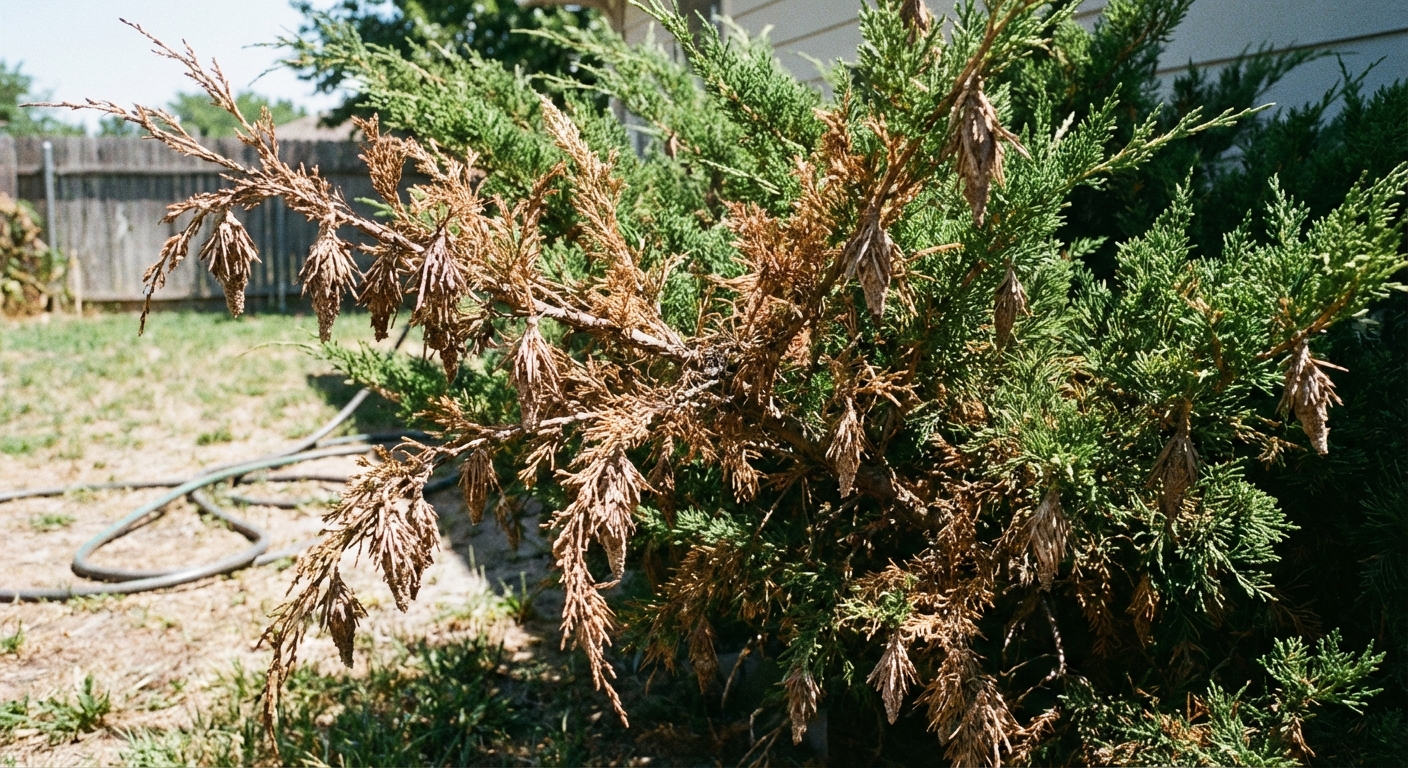
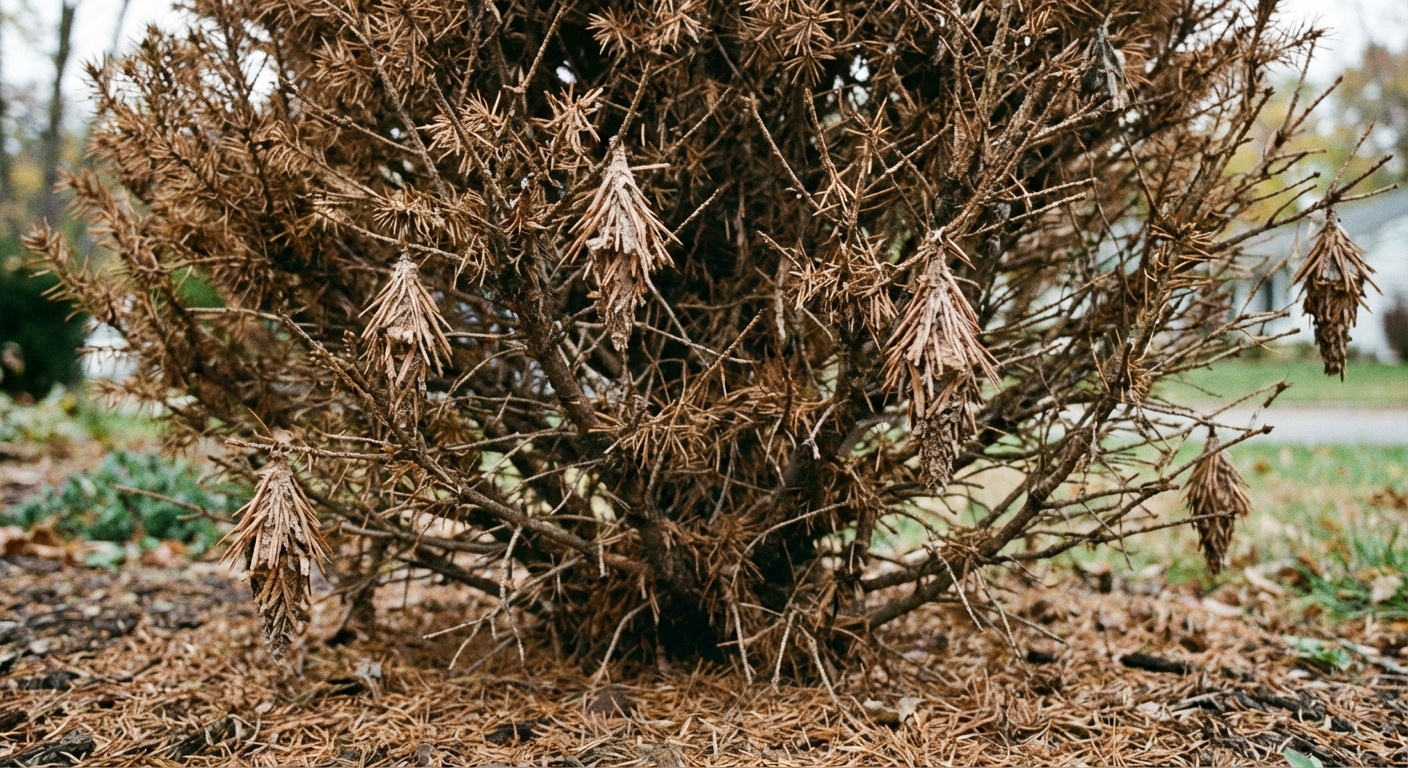
Use these photo references as a quick mental checklist when you are scouting.
Stage 1: Early feeding
Look for small chewing damage, slight thinning on evergreen tips, plus tiny bags that blend in.
Stage 2: Patchy browning
This is when most gardeners notice the problem. Bags are larger and more numerous, and sections of the plant turn tan.
Stage 3: Severe dieback
Evergreens may have bare, dead sections that do not fill back in. Deciduous plants may look ragged and thin.
Prevention
Bagworm control is much easier when you treat it like a yearly routine instead of a summer emergency.
- Winter scouting: look for bags after leaves drop, especially on evergreens where they stand out
- Hand-pick annually: removing 25 bags can mean removing hundreds or thousands of eggs
- Keep plants steady: water deeply during drought, mulch to protect roots, and avoid excessive nitrogen. Aim for balanced fertility that supports resilient growth.
- Check nearby plants: bagworms can spread through the landscape, especially when tiny larvae balloon on silk threads
Bagworm FAQ
Will bagworms kill my tree?
They can, especially on evergreens like arborvitae and juniper with repeated heavy feeding. One bad year can cause major browning. Multiple years can lead to dieback and death.
Do bagworms only attack evergreens?
No. They feed on many deciduous trees and shrubs too. Evergreens tend to show more lasting damage because they do not always regrow from old wood.
Is it urgent every time?
A few bags on a healthy deciduous tree may be mostly cosmetic. Heavy numbers, repeated years, or any significant infestation on arborvitae or juniper is worth treating promptly because recovery is limited.
Is it too late to treat if the bags are big?
Hand-removal still helps anytime you can reach the bags. Sprays are most effective when larvae are small, so if bags are large and firmly attached, focus on picking now and planning early treatment next hatch season.
Do birds eat bagworms?
Some birds will peck at them, but it is rarely enough to control an infestation. Think of birds as helpers, not your whole plan.
Simple checklist
- Now: hand-pick every bag you can find and dispose of them properly
- Late spring to early summer: spray Bt (Btk) when tiny larvae are actively feeding, then repeat in 7 to 10 days
- If the plant is too tall or the infestation is severe: consider professional help or a carefully chosen, properly labeled treatment, used with pollinator safety in mind
If you tell me what plant you are dealing with (arborvitae hedge, spruce, crabapple, and so on) and your general region, I can help you narrow down the most likely hatch window and the simplest plan for your yard.