
How to Get Rid of Armyworms

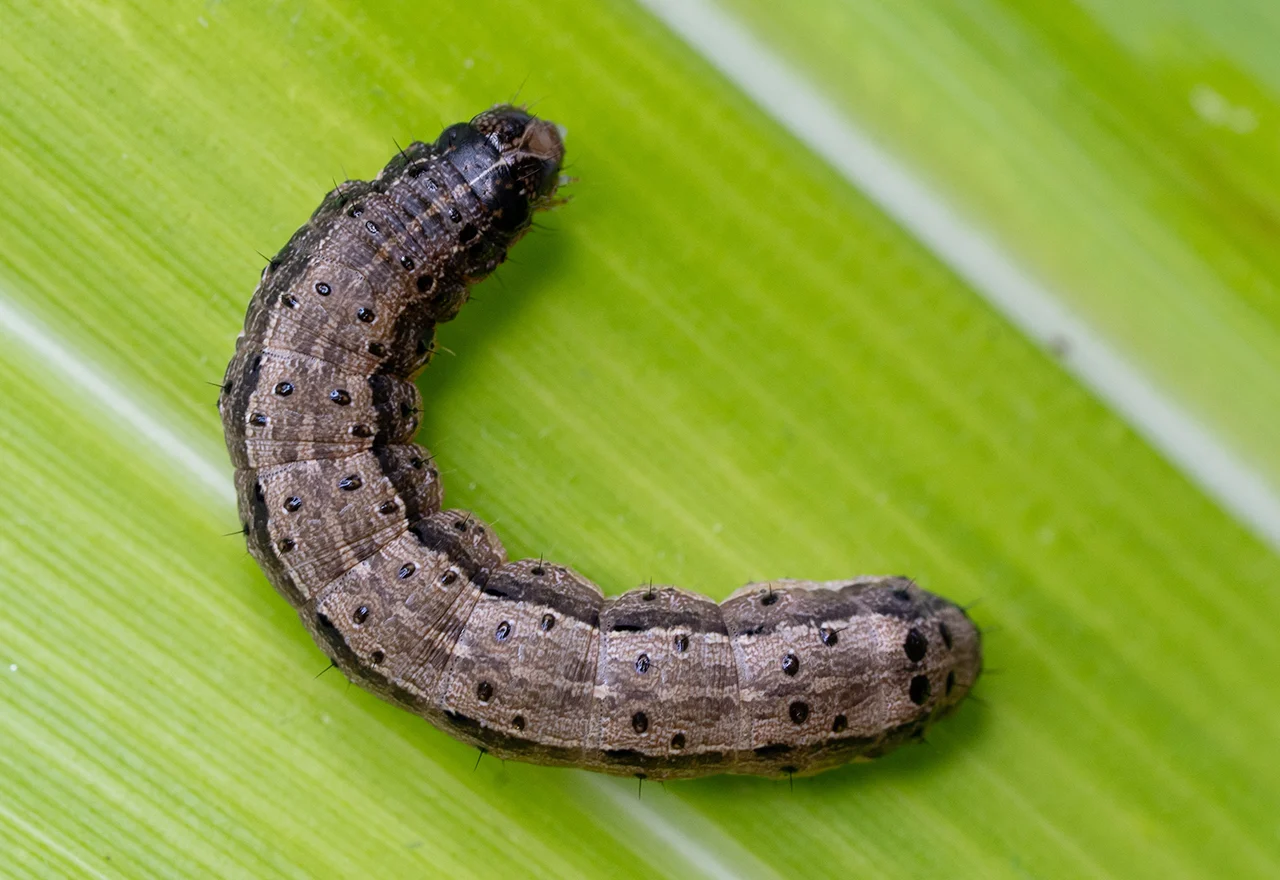
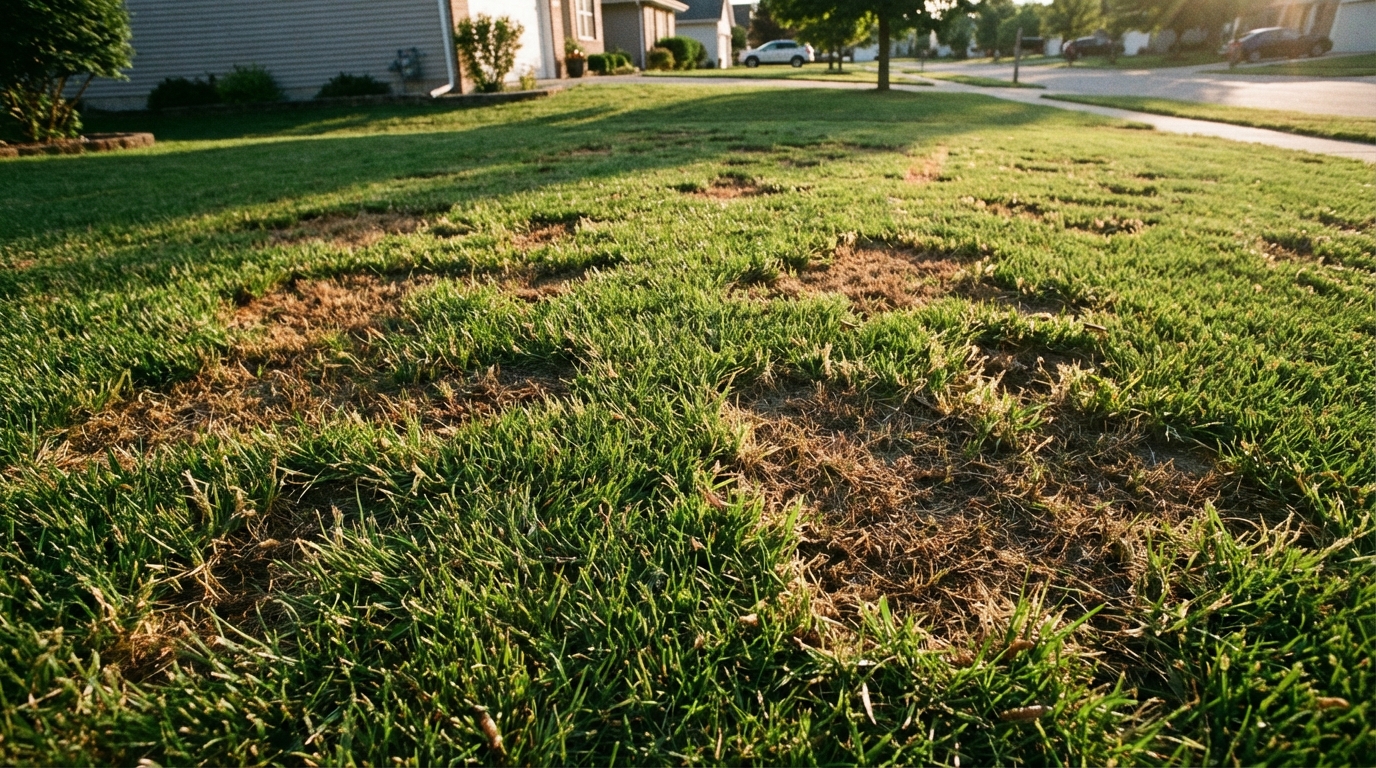
Armyworms have a talent for showing up quietly and then acting like they own the place. One day your lawn looks fine, the next you have ragged brown patches. Or your leafy veggies look like they have been put through a paper shredder overnight.
The good news is you can get armyworms under control without blasting your yard with harsh chemicals. The key is simple: confirm the pest, treat at the right time of day, and use a few organic tools that work best on small caterpillars.
Armyworms 101
“Armyworm” is a common name for several moth caterpillars that feed in groups and move across turf or crops like a tiny marching band. In home landscapes, the two you will hear about most are:
- Fall armyworm (Spodoptera frugiperda): a major lawn and garden pest in late summer and fall, especially after warm, humid weather. In cooler regions, it typically does not overwinter and can arrive later in the season via migration, often helped along by storm fronts.
- True armyworm (Mythimna unipuncta): more common in spring to early summer in many regions, often associated with grassy areas and small grains, but it can show up in home lawns too.
Both can chew grass blades down to the stems and can skeletonize leaves on vegetables and ornamentals. Their feeding can look sudden because they mostly eat at dusk, overnight, and early morning.
Fall vs true armyworm
You do not need to become an insect taxonomist to beat them, but a little ID helps with timing and expectations.
Fall armyworm clues
- Season: peaks in late summer through fall in many areas.
- Marking: larger larvae often show an inverted “Y” on the head.
- Body: can have noticeable striping and a slightly rough, bumpy look depending on age.
- Behavior: notorious for fast turf damage when populations are high.
True armyworm clues
- Season: often more common in spring to early summer outbreaks.
- Marking: typically has long stripes running the length of the body and a smoother appearance.
- Behavior: also feeds at night and can move in masses from weedy grassy areas.
If you are unsure: treat them the same way. Organic controls like Btk work on both when the caterpillars are small.
Confirming in 5 minutes
Before you spray anything, do a quick check. Armyworm damage can look like drought stress, fungus, chinch bugs, or even dog urine at first glance.
1) Do the tug test
Gently pull on damaged turf.
- If blades feel chewed and the area looks thinned out, leaf-feeding pests like armyworms may be involved.
- If the sod peels up easily like a loose carpet, that points more toward grub damage than armyworms.
2) Check at the right time
Go out with a flashlight at dusk or just after dark. You may see caterpillars feeding on blades or sitting at the thatch line.
3) Use a soapy water flush
This is my favorite low-effort scouting trick.
- Mix 1 to 2 tablespoons of mild dish soap in 1 gallon of water.
- Pour it slowly over a 1 to 2 square foot patch of affected turf.
- Wait 2 to 5 minutes. If armyworms are present, they often wriggle up to the surface.
When is it worth treating? If you consistently flush out multiple caterpillars in a small area (especially around 3 to 5 or more per square foot), treatment is usually justified. Thresholds vary by turf type, season, and region, so if you want a more precise number for your area, check your local extension recommendations.

Timing beats strength
Armyworms are easiest to control when they are small. Once they get big and hungry, damage accelerates and treatments are less effective.
- Best time of day to treat: late afternoon to evening. Caterpillars come out to feed and products last longer without harsh midday sun.
- Best time in the life cycle: as soon as you spot early damage or find small larvae with a flush test.
- After treatment: re-check in 24 to 48 hours, then again in about a week.
Natural controls that work
You can mix and match these approaches. In my own garden, I think in layers: knock down the active feeders, then make your yard less welcoming for the next wave.
Btk (Bt kurstaki) for feeding larvae
Btk is shorthand for Bacillus thuringiensis subsp. kurstaki, a naturally occurring soil bacterium that targets caterpillars when they eat treated foliage. It is one of the most useful organic tools for armyworms, especially when larvae are small.
- Where it shines: vegetable beds and ornamentals, where it is easier to coat the leaves the caterpillars are actively eating.
- Lawns: Btk can work in turf, but results are more variable because caterpillars often feed low in the canopy and hide at the thatch line. It is most effective when you catch early instars and get good coverage at feeding time.
- How to apply: spray to thoroughly coat grass blades and plant leaves. Aim for late afternoon or evening.
- Watering tip (important): for Btk, you generally do not want to water it in right after application. You want it on the foliage so caterpillars eat it. Avoid heavy irrigation immediately after spraying, and follow your product label.
- Reapply: Btk breaks down in sunlight and after rain. Plan to reapply according to the label, commonly every 5 to 7 days during active pressure.
Important: Btk only works when caterpillars eat it. It is not an instant contact kill. You should see feeding slow, then larvae die over the next day or two.
Spinosad for heavier pressure
If you are dealing with a more intense outbreak, or the caterpillars are getting bigger, spinosad can be a helpful organic-approved option (depending on the product). It works by ingestion and contact and can be faster than Btk in some situations.
- When to use: when you need a stronger knockdown, especially if larvae are no longer tiny.
- When to spray: evening is best.
- Pollinator caution: spinosad can harm bees if they contact fresh residue. Avoid spraying open blooms, avoid times when pollinators are active, and apply only where needed. Always follow the label.
Beneficial nematodes for thatch and soil
Beneficial nematodes are microscopic organisms that hunt certain pests in the soil and thatch zone. For armyworms, they are most useful when caterpillars hide at the thatch line or when you are trying to improve longer-term suppression.
- Look for: species commonly sold for caterpillars and soil pests such as Steinernema carpocapsae (often labeled for cutworms and caterpillars).
- Set expectations: results on armyworms in turf can be mixed and are highly dependent on timing, moisture, and temperature. Think of nematodes as a supportive tool, not a guaranteed overnight fix.
- Apply when: soil is moist and temperatures are within the product’s recommended range.
- Best timing: evening or on a cloudy day, since UV light can harm nematodes.
- Watering tip: lightly irrigate before and after application to move nematodes into the thatch and keep them alive.
Invite birds (and let them help)
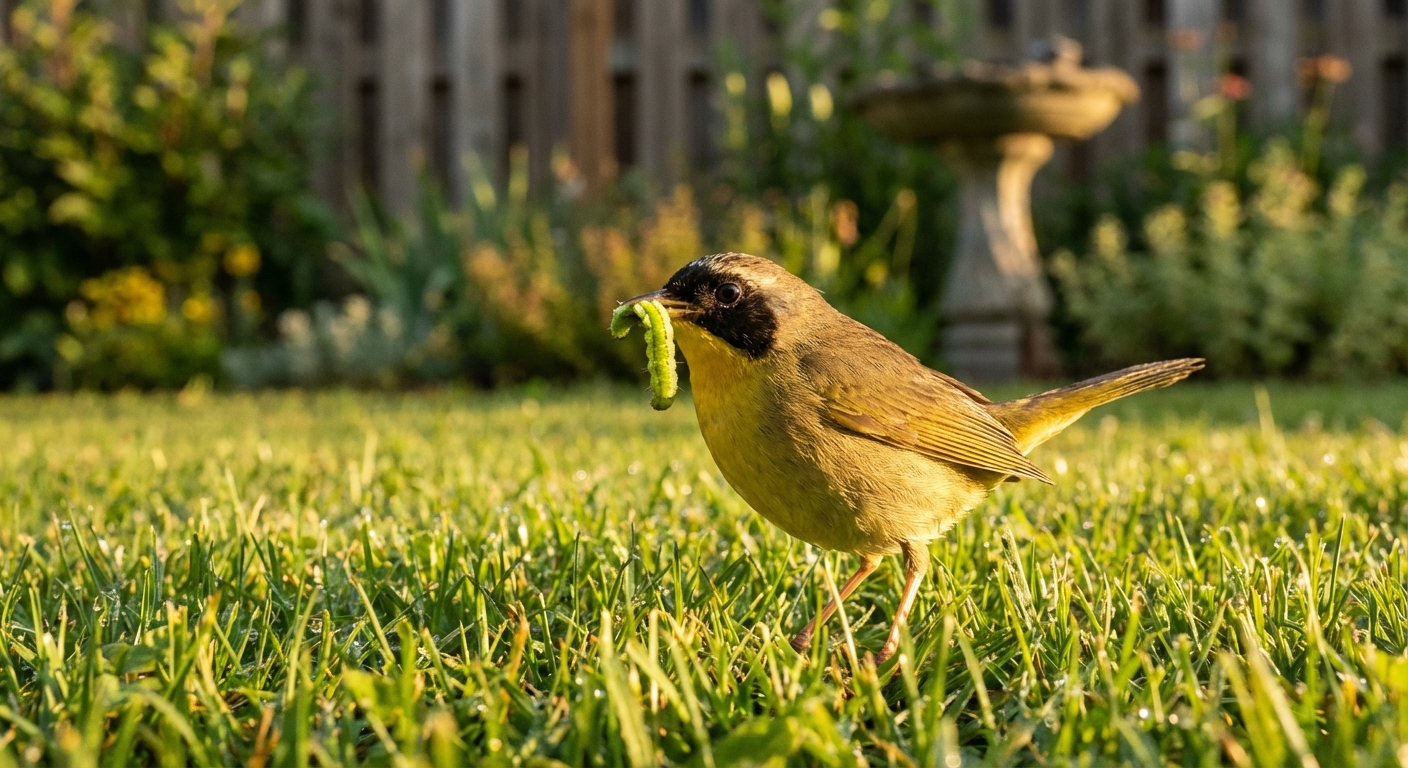
Birds are hungry, efficient pest patrol. When caterpillars are active, many common yard birds will absolutely take the free protein.
- Add fresh water: a birdbath or shallow dish, cleaned regularly.
- Plant shelter: dense shrubs or small trees nearby so birds feel safe while foraging.
- Skip broad-spectrum insecticides: they reduce food sources and can harm beneficial insects that birds rely on.
If you already have birds around, a flush test can be oddly satisfying. It is basically a dinner bell.
Prevent repeat attacks
Armyworms love stressed, tender growth and hiding places. Cultural controls are the quiet backbone of long-term success.
Lawn care tweaks
- Mow properly: avoid scalping. Keep grass at the recommended height for your species to reduce stress.
- Do not over-fertilize: heavy nitrogen pushes lush, tender growth that can be more attractive to chewing pests.
- Reduce thatch: excessive thatch creates daytime shelter. Core aeration and good mowing habits help over time.
- Water deeply, not constantly: frequent light watering can keep the thatch zone humid and cozy. Aim for deep, infrequent watering based on your turf needs and weather.
Garden bed habits
- Weed the grassy edges: many armyworm species develop on grasses and then move into nearby plants.
- Use row cover: it blocks moths from laying eggs on leaves, especially on young brassicas and greens.
- Hand-pick at dusk: for small plantings, a quick evening pass can remove a surprising number.
Simple seasonal calendar
Late summer to fall
- Scout weekly when nights are warm and humid, especially if fall armyworm is common in your area or being reported locally.
- At first signs of ragged patches or leaf chewing, flush-test and treat in the evening.
- Re-check after storms or heavy rain, which can shift populations and wash off sprays.
Spring to early summer
- Pay attention after rapid green-up and after rainy periods that boost grassy growth.
- Focus on lawn edges near fields, ditches, or weedy areas where outbreaks can start.
What not to do
- Do not wait for “one more weekend” if you suspect armyworms. The small ones become big ones fast.
- Do not rely on grub products to fix armyworms. Grubs are beetle larvae in the soil, not leaf-chewing caterpillars.
- Do not overwater a damaged lawn thinking it is drought. Confirm the cause first so you do not create perfect pest shelter.
Recovery
Once the feeding stops, your job shifts from defense to gentle repair.
For lawns
- Water appropriately for your turf type and weather, aiming for deep soakings rather than daily sprinkles.
- Raise mowing height slightly for a couple of weeks to reduce stress.
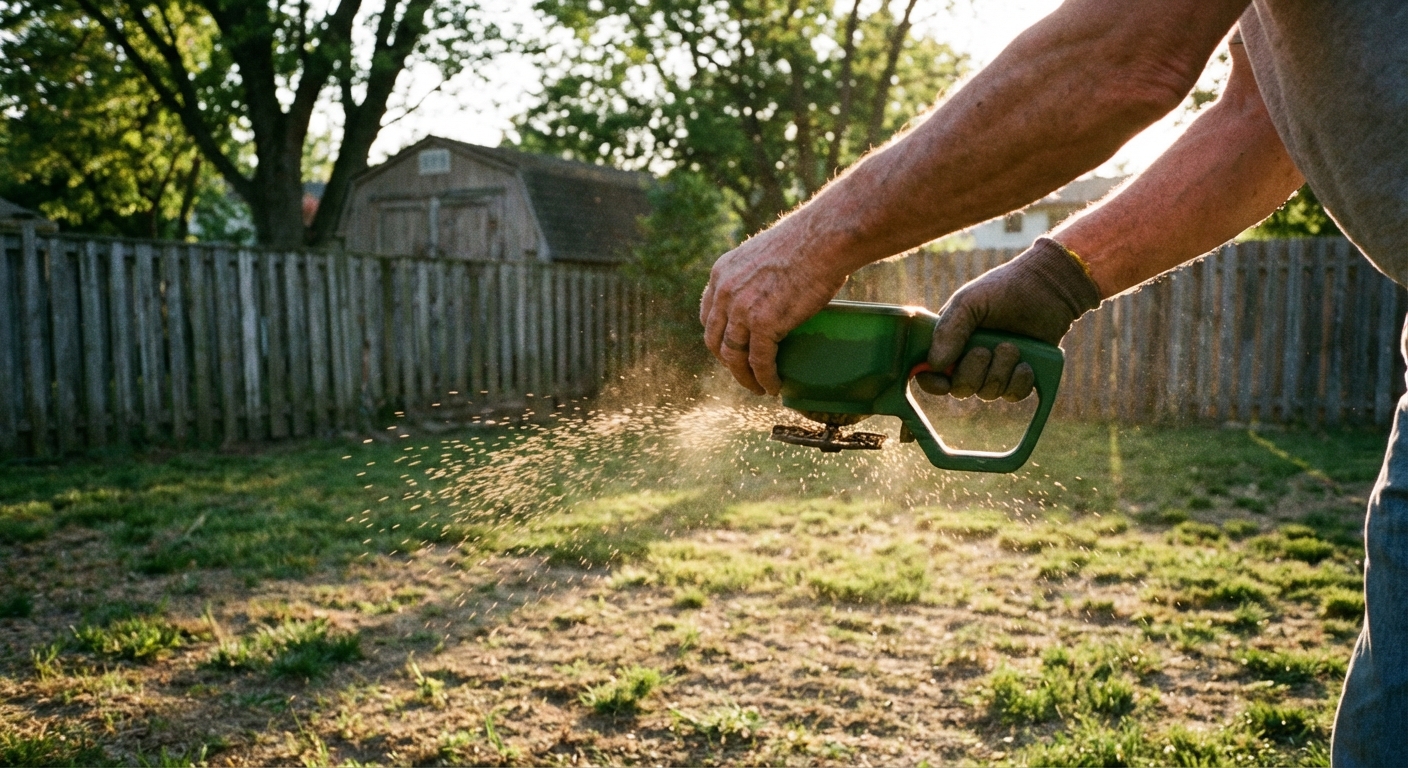
- If patches are thin, lightly rake, overseed (if seasonally appropriate), and keep seed evenly moist until established.
For garden plants
- Harvest what you can and remove badly shredded leaves to reduce stress and disease risk.
- Give a light compost top-dressing and consistent watering to support regrowth.
- Continue scouting at dusk for at least 1 to 2 weeks.
Quick FAQ
Will Btk harm bees or ladybugs?
Btk targets caterpillars (larvae of moths and butterflies) when they eat treated foliage. It is generally considered low risk to bees and many beneficial insects when used as directed, but it can affect non-pest caterpillars. Apply only where needed and avoid spraying host plants for butterflies you are trying to support.
How fast will I see results?
With Btk, you often see feeding slow within a day, with noticeable die-off in 24 to 72 hours depending on larval size, temperature, and coverage. Spinosad can act faster in some cases, but it still works best when applied correctly and timed to feeding.
Do I need to treat the whole lawn?
Not always. If damage is localized, spot-treat and monitor nearby areas. During heavy outbreaks, broader coverage can prevent the “march” into healthy sections.
Can I use nematodes and Btk together?
Yes. Many gardeners use Btk to control active leaf feeding while nematodes support longer-term suppression at the thatch and soil interface. Follow each product label and apply at appropriate times of day.
A calm plan
If you take nothing else from this page, take this: scout at dusk and treat early. Armyworms are very beatable when you catch them small. Use Btk for targeted control when you can get good leaf coverage, consider spinosad when pressure is high, add beneficial nematodes when conditions fit, and let your yard become a place where birds and beneficials want to stick around.
And if you are standing there staring at a brown patch thinking, “I have a black thumb,” please know this is not you. This is just a hungry caterpillar with good timing. We can outsmart that.