
How to Get Rid of Ants in Your Yard Naturally

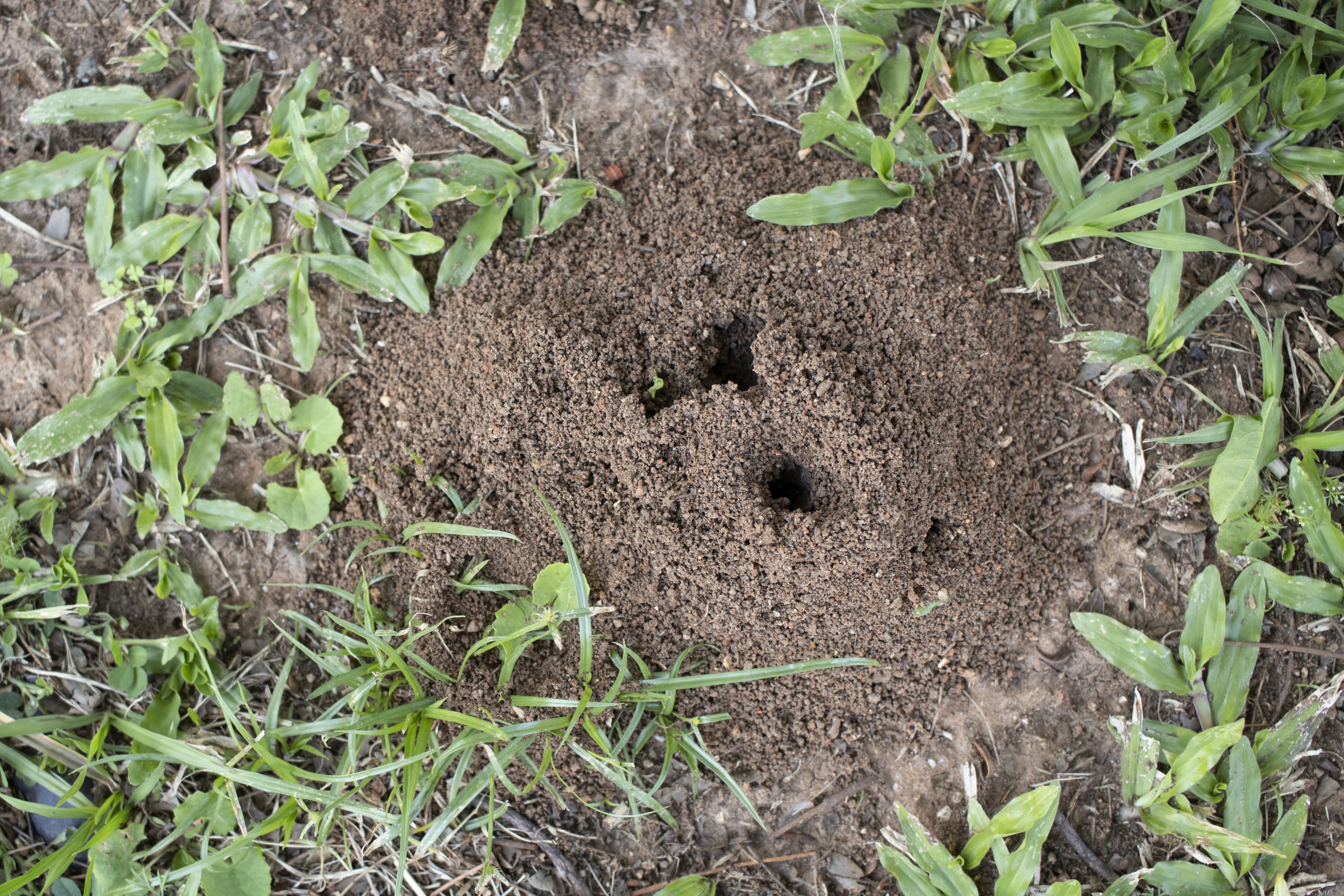
Ants are one of those yard guests that can be totally harmless one week and suddenly everywhere the next week. I actually like having some ants around because they can help aerate soil and move organic bits along. But when you’ve got mounds popping up in the lawn, ants farming aphids on your roses, or fire ants that make the yard feel off limits, it’s time for a gentle but determined intervention.
This guide sticks to natural, practical methods you can use right now, with notes on what tends to work best for common garden ants versus fire ants, plus how to protect vegetable beds while you do it. And hi, I’m Clara, the gardener behind the notes.
First, figure out what you’re dealing with
Different ants behave differently. The best natural treatment depends on whether you’re dealing with a nuisance colony that’s mostly in the soil, or a stinging species that needs a faster, more cautious plan. It’s worth getting as close to a positive ID as you can because some native mound-building ants can look a lot like fire ants from a distance.
Common garden ants
These are the small ants you see traveling in lines along edging, patios, mulch, or the base of plants. They often build small soil craters or nests under stones, timbers, and pavers. They can become a garden problem when they protect sap-sucking pests like aphids, scale, or mealybugs in exchange for honeydew.
Fire ants
Fire ants are aggressive and can sting repeatedly. Their mounds are often taller and fluffy-looking, and the obvious openings are frequently on the sides rather than right on top. If ants swarm quickly when the mound is disturbed, treat it like a fire ant situation and keep kids and pets well away.
If you’re unsure, take a clear close-up photo and compare it with your local extension office resources, or ask a local nursery. Knowing the target helps you choose the safest approach.
Before you treat: make your yard less inviting
Natural control works best when you remove the “ant amenities” first. This step alone can reduce pressure in a week or two.
- Water smarter. Many ants move into dry, compacted soil. Deep, infrequent watering and adding compost can help lawn and bed soil stay more balanced.
- Clean up fallen fruit and sugary spills. Rotting fruit under trees is basically an ant buffet.
- Trim plant touch points. Branches touching the house, fences, or raised beds create ant highways.
- Manage honeydew pests. If you’ve got aphids or scale, ants may keep returning no matter what you do to the nests. A strong spray of water, insecticidal soap, or encouraging lady beetles helps break that cycle.
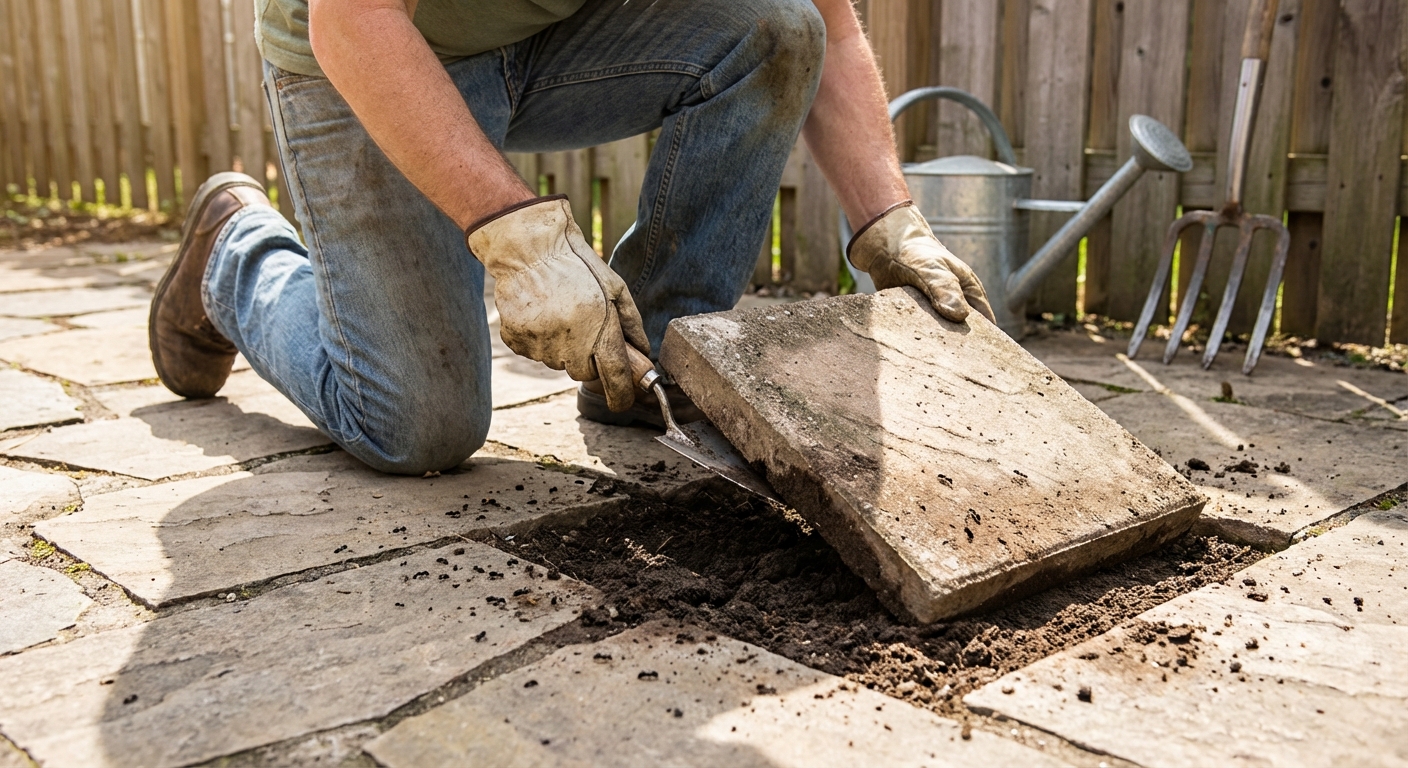
- Reduce hiding spots. Lift unused pots, boards, and stones. Refresh mulch that’s piled against stems and trunks.
Natural methods that actually work
Below are the tried-and-true tools: simple, affordable, and effective when used correctly. You can combine methods, but don’t stack everything at once. Change one variable, watch for 3 to 7 days, then adjust.
Quick heads-up: “Natural” does not automatically mean “non-toxic.” DE and borax can both harm living things if they’re misused, so handle them like real pest control, not like seasoning.
1) Boiling water for visible mounds
Boiling water is the most direct natural method, and it’s satisfying in a very “I’ve had enough of you, tiny roommates” kind of way.
- Best for: Single mounds in non-sensitive areas, cracks along sidewalks, gravel paths.
- Avoid in: Vegetable beds, near shallow roots, or anywhere you don’t want to scald plants and soil life.
How to do it:
- Boil 1 to 3 gallons of water (more for large mounds).
- In the cool of morning or evening, slowly pour directly into the center of the mound.
- Repeat in 1 to 2 days if you still see heavy activity.
Clara note: Boiling water is a blunt instrument. It can kill the queen if you hit the core, but it can also make surviving ants relocate. Use it as a spot treatment, not a whole-yard strategy.
2) Food-grade diatomaceous earth (DE) for trails and entrances
Food-grade DE is a natural powder made from fossilized algae. It works by abrading and disrupting the waxy outer layer of insects, which leads to dehydration. It’s not a poison, but it does not discriminate, so use it carefully to avoid harming beneficial insects.
- Best for: Ant trails, nest entrances, under pavers, around the base of raised beds (not inside), and along cracks.
- Avoid in: Areas where pollinators crawl frequently, and do not dust flowers.
How to do it:
- Choose food-grade DE only.
- On a dry day, apply a light, even dusting where ants travel.
- Reapply after rain or irrigation since moisture reduces effectiveness.
Safety: DE is dusty. Wear a mask and keep it out of eyes and lungs, especially on breezy days.
One more important tip: If you’re baiting (see below), don’t dust DE right on the same trail where the ants need to walk to the bait. You want the workers alive long enough to carry food back to the nest.
3) Borax bait stations for colony-level control
If you want to reduce a colony instead of just scattering it, baits are often the most effective natural-leaning option. Borax (sodium borate) works slowly, giving worker ants time to carry it back to the nest. The key is using a low concentration, so they do not die before sharing.
- Best for: Common garden ants, persistent trails, nests you can’t reach.
- Use caution: Around kids, pets, and wildlife. Place baits inside secure containers.
Bait matching tip: Some ants prefer sweets, others prefer protein and grease. If they ignore a sweet liquid bait for a couple of days, try a protein or grease-based ant bait (commercial options labeled for ants are usually easiest for that).
Simple DIY liquid bait (start low):
- Mix 1/2 cup sugar + 1 1/2 cups warm water + 1 to 2 teaspoons borax.
- Soak cotton balls and place them in a ventilated, lidded container with small holes (or use commercial bait stations).
- Set stations near trails, but away from vegetable beds and pollinator areas.
If ants are not taking it: Keep the sugar and water the same and adjust borax slightly, staying in the low range. Too strong and you’ll knock out workers before they share.
What to expect: You may see more ants for a day or two. That’s a good sign, it means they found the bait. Most people see a drop in 3 to 7 days, sometimes up to 2 weeks for large colonies.
Important: Borax is not the same as boric acid, but both should be treated as toxic if swallowed. Keep stations enclosed and inaccessible.
4) Beneficial nematodes (support, not a solo fix)
Beneficial nematodes are microscopic worms that help control certain soil-dwelling pests. For established ant colonies, results are inconsistent and very species-dependent. If you already use nematodes for grubs or larvae, think of any ant benefit as indirect support, not primary control.
- Best for: Gardeners who want a biological approach as part of integrated pest management, especially when you’re already targeting other soil pests.
- Most effective when: Soil is moist, temperatures are within the product’s recommended range, and you apply in the evening or on a cloudy day.
How to use them well:
- Buy from a reputable supplier and store as directed.
- Water the area first, apply, then keep soil lightly moist for at least a week.
- Avoid applying right before heavy rain (they can wash away) or during hot midday sun.
Clara note: I love nematodes for grubs and certain larvae, and I consider them a soil health ally. For ants, I count them as backup, not the main event.
5) Vinegar solutions for patios, edging, and trails
Vinegar is more of a trail disruptor than a colony eliminator. It removes scent trails ants use to navigate. This is great for hard surfaces and garden borders.
- Best for: Sidewalks, driveways, patios, tool sheds, the outside of raised beds.
- Avoid in: On plants and in garden soil. Vinegar can burn foliage, damage roots, and harm soil life in the spot you soak.
How to do it:
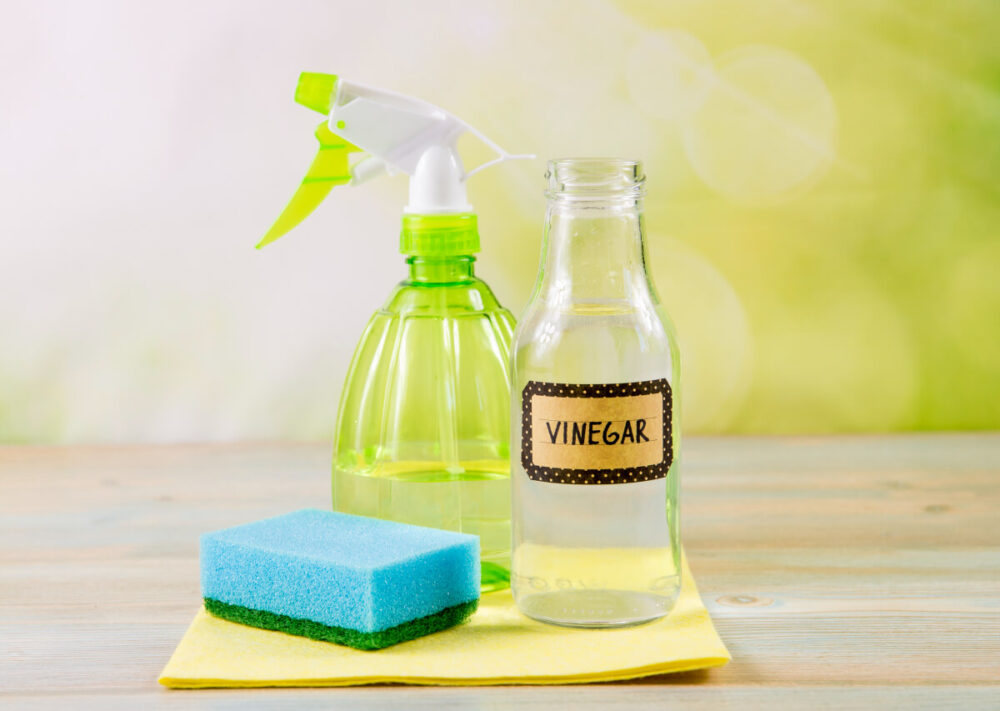
- Mix 1:1 white vinegar and water in a spray bottle.
- Spray trails, cracks, and entry points.
- Repeat daily for several days, especially after watering or rain.
Common ants vs fire ants
If you’ve got common garden ants
- Start with: Trail disruption (vinegar on hardscape) plus targeted DE where appropriate.
- Go deeper: Borax bait stations for colony reduction.
- Check plants: Treat aphids or scale so ants stop guarding them.
If you’ve got fire ants
Fire ants change the risk level, especially with children, pets, and anyone sensitive to stings.
- Do not: Kick, stomp, or rake mounds.
- Baits: Baiting is often the backbone of fire ant control programs, but borax is not the standard approach for fire ants and results can be inconsistent. For multiple mounds, check your local extension office guidance for fire ant baits and timing in your region.
- Boiling water: Can work on individual mounds, but it’s labor-intensive and may not solve a widespread problem.
If fire ants have multiple mounds across the yard, you may be at the point where targeted professional help is the safest option, especially if someone in your household is allergic.
Protect veggie beds while treating
Vegetable beds are their own little ecosystem, and we want to keep it thriving. Ants in veggie beds are often there for one of three reasons: dry soil, mulch cover, or honeydew pests on crops.
Veggie-safe priorities
- Fix the attractant. If ants are farming aphids on kale, beans, tomatoes, or peppers, address aphids first.
- Water consistency. Drip irrigation or soaker hoses keep soil evenly moist and less appealing for nest-building.
- Use physical barriers. A band of sticky barrier on supports (like tomato stakes) can reduce climbing, but keep it off plant stems and check it regularly so it doesn’t trap non-target insects.
What I avoid in veggie beds
- Boiling water: Can cook roots and beneficial soil life.
- Broadcasting DE: Dusting large areas can affect beneficial ground insects. If you use it, keep it minimal and targeted, and do not dust flowers.
- Open baits: Anything sweet can attract bees, wasps, pets, and curious kids. Use enclosed stations well away from edible areas.
Gentle options near beds
- Vinegar: Use only on the outside of bed walls or nearby hardscape, not in soil.
- Mulch management: Pull mulch back a couple inches from plant stems to reduce nesting right at the base.
- Hand disturbance: For small nests in pathways, gently turning soil and watering can encourage relocation without harsh inputs.

A simple 7-day plan
If you’re feeling overwhelmed, here’s a calm, step-by-step sequence that works in many yards.
- Day 1: Identify the hot spots. Mark mounds and main trails with small flags.
- Day 1 to 2: Spray vinegar solution on hard-surface trails and entry cracks.
- Day 2: Apply a light dusting of food-grade DE to dry trails and nest entrances away from flowers.
- Day 2 to 3: Set enclosed borax bait stations near trails (not in veggie beds). Leave them undisturbed. Keep DE off the bait path so workers can carry food home.
- Day 4: Re-check. If a single mound is still active in a non-sensitive area, consider boiling water.
- Day 7: Assess progress. Refresh bait if it dried out, and reapply DE only where needed after irrigation or rain.
Consistency matters more than intensity. Ant control is a slow conversation with the yard, not a one-day argument.
When to call a pro
I’m all for DIY, but there are times when bringing in a licensed pro is the safest and most practical path.
- Fire ants across multiple areas of the yard, especially near play spaces.
- Stings are happening or you’ve got a known allergy risk in the household.
- Ants are undermining pavers, retaining walls, or creating sinking areas.
- You’ve tried baits for 2 to 3 weeks with no meaningful reduction.
Ask a professional about integrated pest management and targeted treatments, and let them know you’re trying to minimize broad-spectrum sprays for pollinator and soil health.
Quick FAQ
Will ants hurt my plants?
Most ants do not directly damage plants. The bigger issue is that they protect pests like aphids and scale, which do weaken plants. If you see ants clustering on tender growth, check for sticky honeydew and tiny sap-suckers.
Do coffee grounds get rid of ants?
Used coffee grounds can temporarily disrupt trails in small areas, but they’re unreliable as a main solution. I treat them as compost ingredients, not pest control.
What’s the most effective natural method?
For common yard ants, enclosed borax bait stations tend to give the most reliable colony-level results, especially when you match the bait type to what they want (sweet vs protein). For single mounds in the lawn away from roots, boiling water can be effective. For ongoing prevention, removing attractants and managing honeydew pests is the long game that keeps ants from returning.
What if ants are showing up indoors?
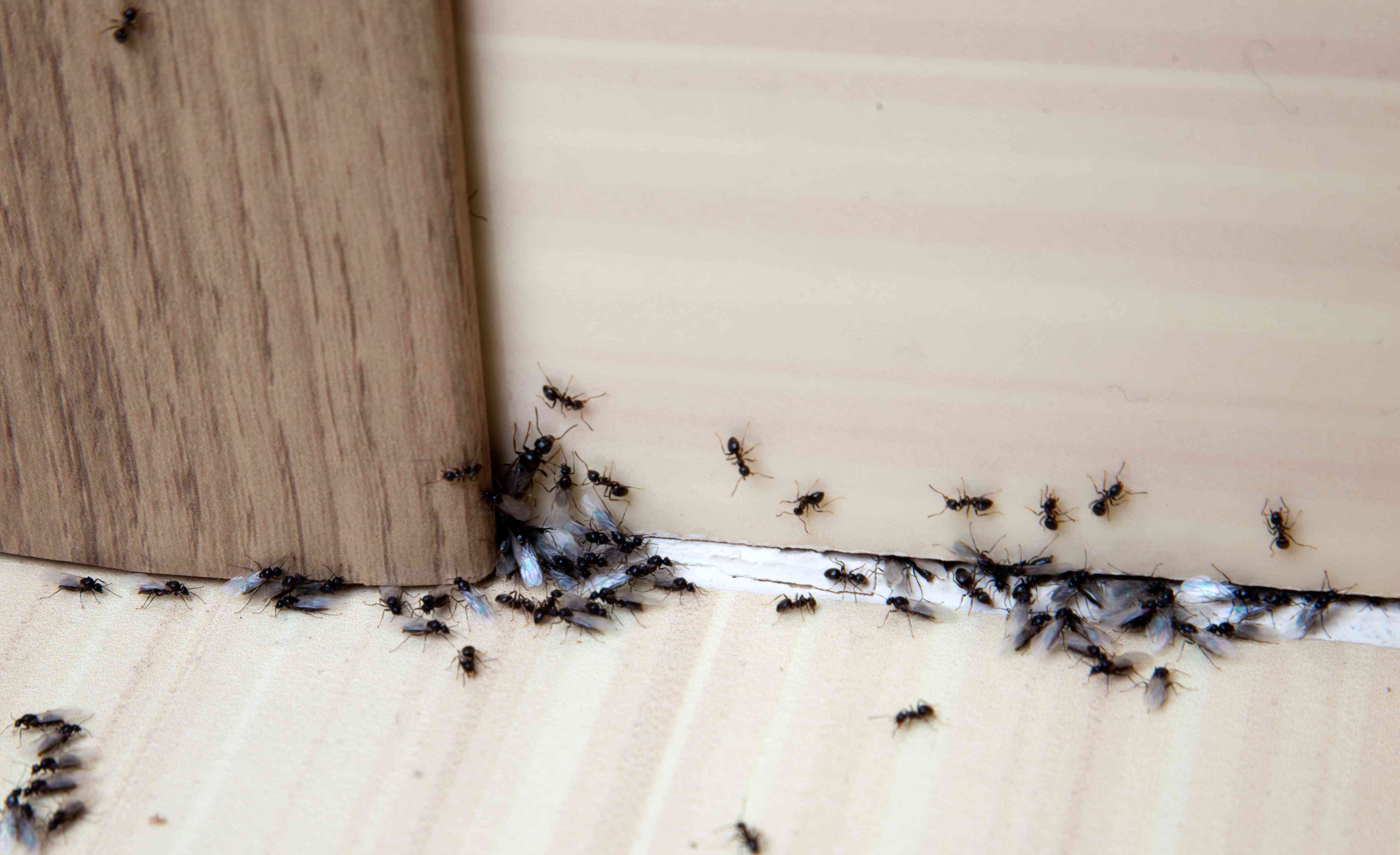
If you’re seeing heavy activity inside, focus on sealing entry points (caulk cracks, repair screens), removing indoor food sources, and addressing moisture like leaks. Outdoor treatment can help, but persistent indoor trails sometimes point to a nest in a wall void or under a slab, and that’s when a pro inspection can be worth it.
A final pep talk
Ants can make you feel like you’re losing a battle you never agreed to fight. You’re not. You’re simply nudging your yard back into balance. Start small, treat what you can see, and give each method time to work. And if you need to escalate, that does not mean you failed. It just means your particular patch of earth is lively, determined, and worth tending.