
How to Get Amaryllis to Rebloom Every Year

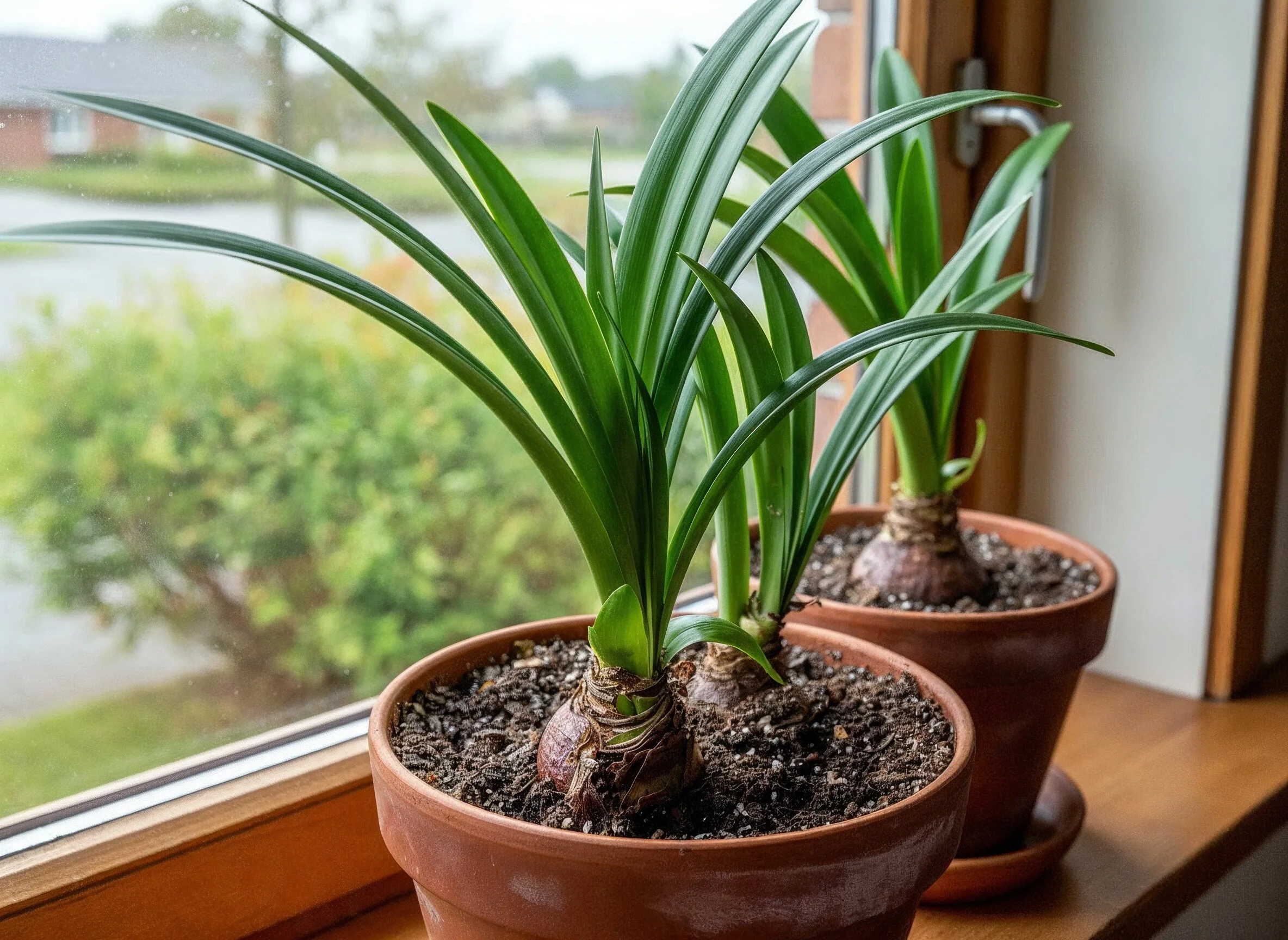
If your amaryllis exploded into gorgeous holiday blooms and then slowly turned into a pot of “now what,” you are not alone. The good news is that reblooming is not luck. It is a repeatable cycle. Once you understand what the bulb is trying to do, you can guide it year after year with a few well-timed shifts in light and water.
Think of an amaryllis bulb like a pantry. Flowering spends stored energy. Leaves rebuild the pantry. Dormancy is the quiet reset. Your job is to help it stock up, rest, then wake up right on cue.

Amaryllis rebloom basics
A “discard after bloom” approach treats amaryllis like a seasonal bouquet: enjoy the flowers, toss the bulb. A rebloom approach treats it like a long-term plant with a yearly rhythm. The big differences are:
- You keep the leaves growing for months. Leaves are not decoration. They are the bulb’s solar panels.
- You feed lightly but consistently. Rebuilding a bloom-sized bulb takes nutrition.
- You often add a rest period. Many people get the most dependable reblooming and timing with a cool, dry rest.
- You restart growth on a schedule. Timing warmth, light, and then water triggers the next flower stalk.
Step 1: After flowering
Cut the stalk, keep the leaves
When the last bloom fades, snip the flower stalk down to about 1 to 2 inches above the bulb. Leave the green leaves alone.
Also remove spent blooms. If your plant tries to set seed (you will see a swelling pod behind a faded flower), pinch that off too. Seed-making is a huge energy drain, and you want that energy going back into the bulb.
Light and water like a houseplant
Place the pot in the brightest spot you have. A sunny south or west window is ideal, and rotating the pot weekly helps leaves grow straighter.
- Water: Water when the top inch of potting mix feels dry. Soak thoroughly, then let excess drain. Do not leave the pot sitting in a saucer of water.
- Temperature: Normal indoor temps are fine, roughly 65 to 75°F.
Step 2: Leaf season
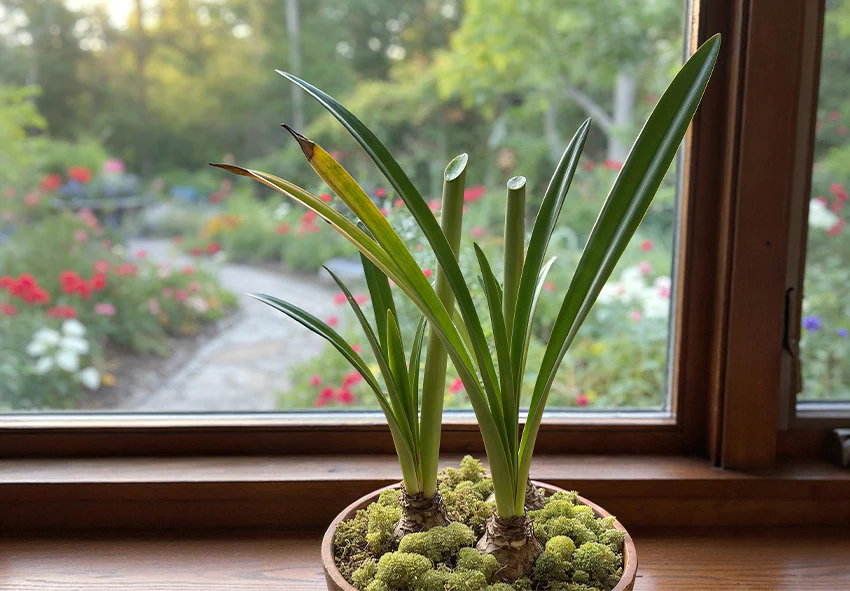
This is the part most people skip, and it is the part that makes reblooming happen. You are trying to grow big, healthy leaves for a long stretch.
Aim for at least 8 to 12 weeks of strong growth, but 3 to 5 months (spring through summer) is even better. More leaf time usually means a bigger pantry and better blooms.
Fertilize gently and regularly
Use a balanced fertilizer (something like 10-10-10 or 20-20-20) at half strength every 2 to 4 weeks. You can also top-dress with a small amount of compost if you are using a potting mix that drains well.
If you prefer organic: a mild fish emulsion or seaweed-based feed works nicely, but keep it light. Overfeeding can burn roots.
Summer outdoors (optional)
Once nights stay reliably above about 50°F, you can move the pot outdoors for a serious energy boost. Choose bright shade or morning sun with afternoon protection for the first week, then increase sun gradually. Too much sudden sun can scorch leaves. Many plants can handle more sun once acclimated, especially in mild climates.
- Keep it in a pot: This reduces pest issues and helps you control water.
- Watch for slugs and snails: They love tender amaryllis leaves.
- Also keep an eye out for mealybugs and spider mites: They are common pests indoors and can hitch a ride back inside.
- Bring it in before frost: Chilly nights are fine, freezing is not.
Step 3: Dormancy
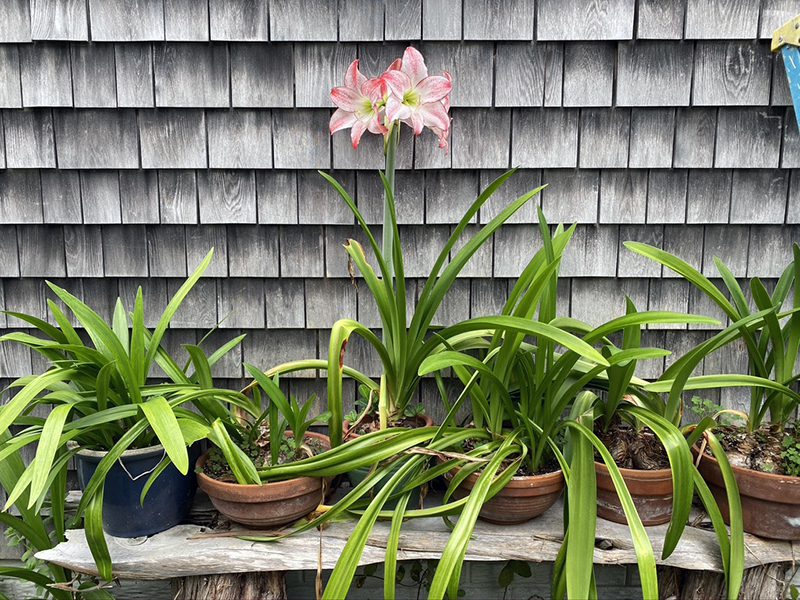
Dormancy is the reset button that helps the bulb set up next season’s bloom. In nature, many Hippeastrum (the plants commonly sold as amaryllis) experience a drier rest period. Indoors, we imitate that rhythm.
How to start dormancy
- Reduce watering gradually. Over 2 to 3 weeks, stretch the time between waterings.
- Stop watering. Once leaves begin to yellow, stop watering completely.
- Let foliage die back naturally. As leaves turn yellow and collapse, trim them off at the base of the leaf, just above the bulb’s neck. Do not cut into bulb tissue.
- Move the pot to a cool, dark place. Aim for a cool space, about 50 to 60°F, for 8 to 12 weeks. A basement, cool closet, or unheated room often works.
Keep it dry during dormancy. The number one way bulbs rot in storage is moisture that never fully dries.
One exception: if your storage spot is very warm or extremely dry, check the bulb about once a month. It should stay firm like an onion. If it starts to shrivel badly, you may need to adjust storage conditions rather than “watering a little,” since a sip in a cool pot can still invite rot.
How long to rest
Plan on 8 to 10 weeks as a sweet spot. Some bulbs respond well at 6 weeks, but if yours is stubborn, a longer rest often helps. Try not to push beyond 12 weeks unless you are intentionally delaying bloom.
Step 4: Wake and bloom
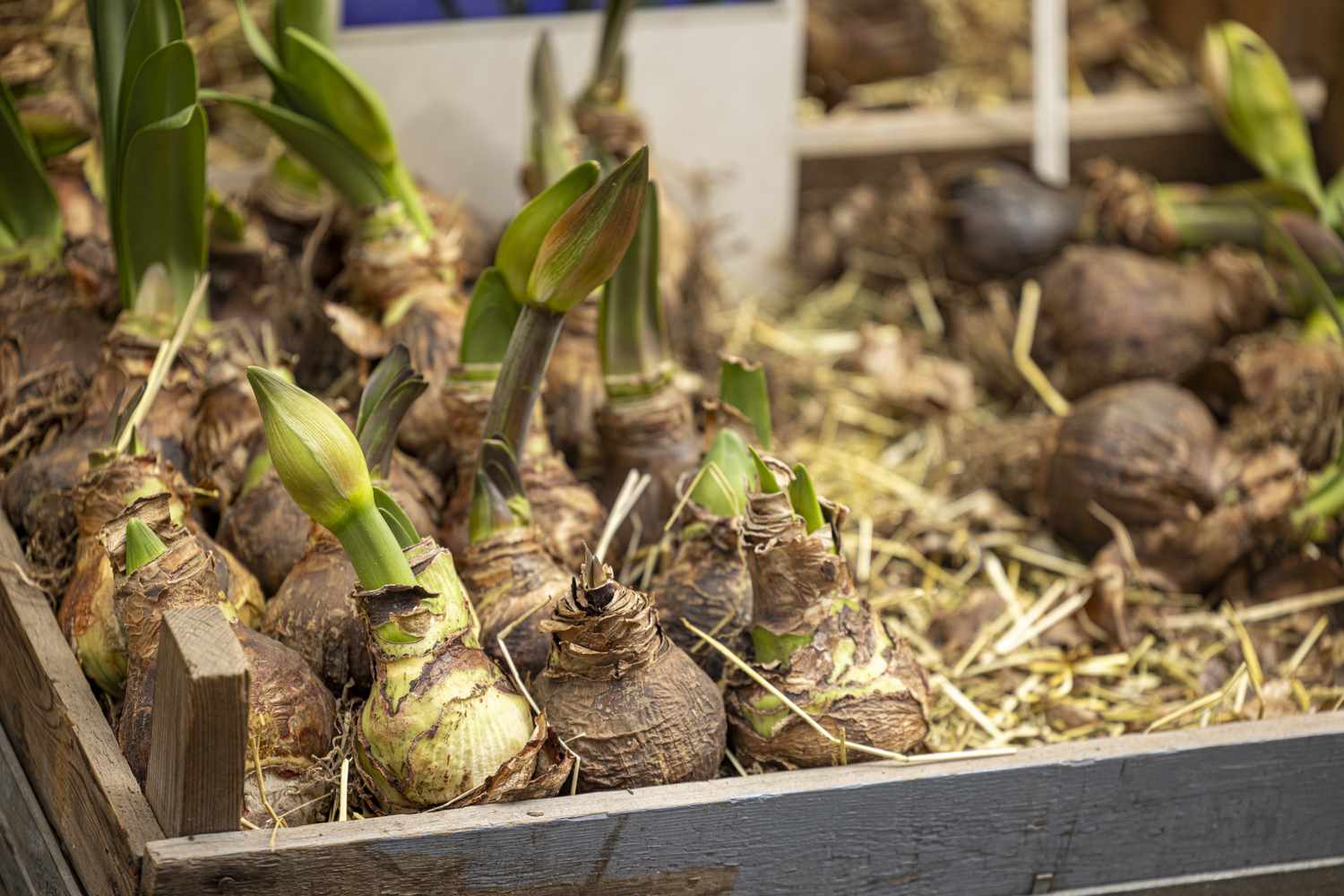
When you are ready for your amaryllis to bloom, reintroduce warmth and light first, then water modestly until you see growth.
Timing guide
Most amaryllis bloom about 6 to 10 weeks after they come out of dormancy, depending on bulb size, warmth, and variety.
- For December blooms: Wake the bulb in early to mid October.
- For February blooms: Wake in late November to early December.
- For spring blooms: Wake in January or later.
How to restart growth
- Bring the pot into bright light and warmth. A sunny window in a 65 to 75°F room is perfect.
- Refresh the pot if needed. If the potting mix is compacted or salty, repot into fresh, well-draining mix. Choose a pot that is only 1 to 2 inches wider than the bulb. Amaryllis like to be snug.
- Start watering sparingly. Give a small drink, then wait until you see new growth. Once a flower stalk or leaves are clearly growing, water more normally, keeping the mix lightly moist but never soggy.
- Stake if necessary. Flower stalks can get tall and top-heavy in lower light.
Clara tip: Warmth and light first. Water second. If you water heavily before you see growth, you are feeding the soil microbes more than the bulb. I talk to my ferns, yes, but I do not negotiate with amaryllis about soggy soil.
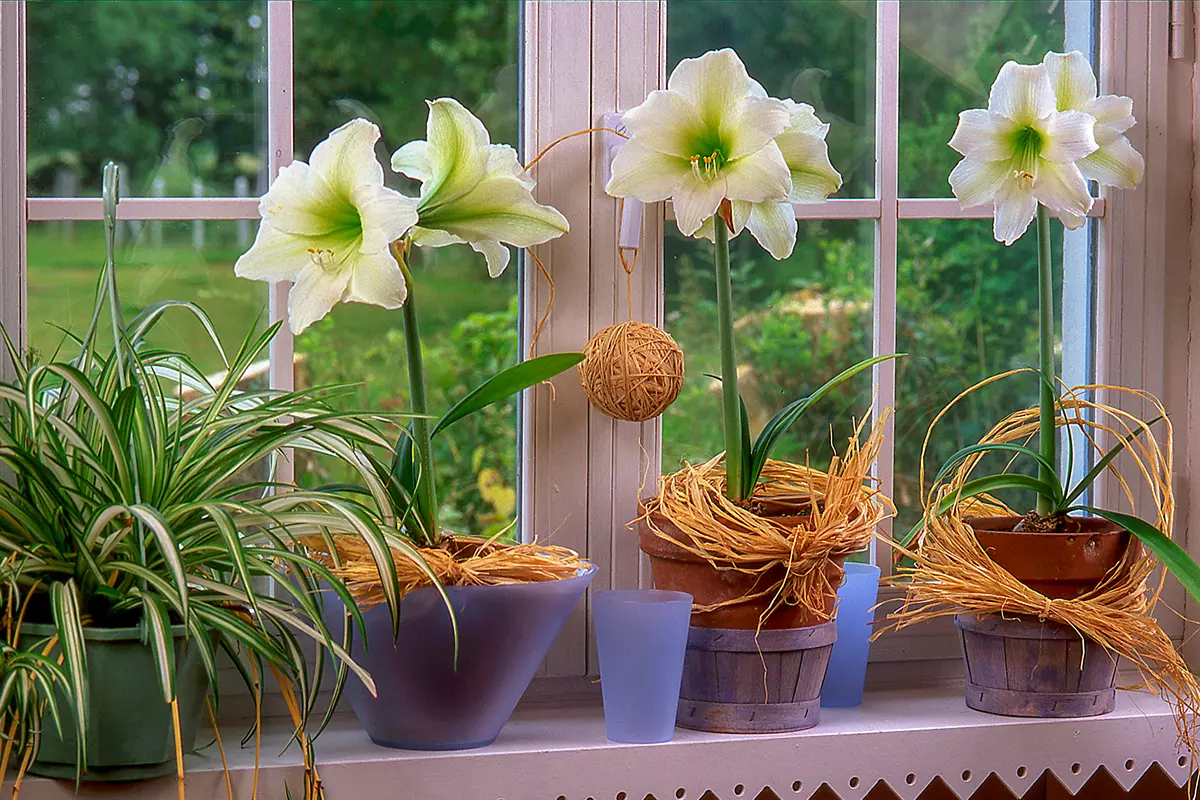
Quick checklist
- After bloom: Cut stalk, remove spent blooms or seed pods, keep leaves, bright light.
- Spring and summer: Water when top inch dries, fertilize every 2 to 4 weeks, grow lots of leaves (longer is better).
- Late summer and fall: Reduce water, stop watering, let foliage yellow, cool dry rest for 8 to 10 weeks.
- Restart: Warmth and bright light, then light watering until growth starts, then normal watering.
Sample timeline
If you like seeing it on a calendar, here is a common indoor rhythm:
- Bloom in December: Enjoy flowers.
- January to August: Leaf season, brightest light you have, light feeding.
- September to early October: Ease into dormancy, then cool and dry rest.
- Mid October: Wake up for holiday blooms.
Troubleshooting
Lots of leaves, no flowers
This is the classic “healthy but shy” amaryllis. Common causes:
- Not enough light during leaf season. Without bright light, the bulb cannot store enough energy for flowers.
- Rest was too short or too damp. A consistent dry rest helps signal blooming and makes timing more predictable.
- Bulb is too small or depleted. Some bulbs need a full season of strong leaf growth to size up again.
- Too much nitrogen, not enough balance. Heavy nitrogen can encourage leafy growth at the expense of flowers.
Fix: Give brighter light next season, fertilize lightly with a balanced feed, and commit to a solid 8 to 10 weeks of cool, dry rest.
Soft bulb
A firm bulb should feel solid like an onion. Softness usually points to rot, or sometimes severe dehydration.
- If it is soft and smells bad: That is likely rot.
- If it is slightly pliable but not mushy: It may be dehydrated from a long, warm rest or root loss.
Fix: Unpot and inspect. Trim any mushy, dark, or smelly tissue with a clean blade. Let cuts dry and callus in open air for a day, then repot in fresh mix. Some gardeners dust cuts with sulfur, which is a traditional bulb treatment. Cinnamon is sometimes used as a home remedy, but it is optional. The essentials are cleanliness, drying, and a fast-draining mix. Water very sparingly until new roots or growth appears. If the basal plate (the bottom) is mushy, the bulb often cannot recover.
Rot or constantly wet soil
Rot is usually a drainage issue, a too-large pot, or watering too much before new growth.
- Signs: Mushy neck, foul smell, collapsing leaves, or the bulb sinking in the pot.
- Clues your mix is staying too wet: Fungus gnats, sour-smelling soil, or algae on the surface.
- Fix: Repot into a smaller pot with excellent drainage. Use fresh potting mix amended with perlite or pumice. Keep the top third of the bulb above the soil line.
No growth after dormancy
If you wake the bulb and nothing happens after a few weeks, it usually means one of three things:
- The bulb is not viable. It may have rotted during storage.
- It is too cold. Cool rooms can slow growth dramatically.
- It needs more time. Some bulbs wake slowly, especially if they were stored extra cool.
Fix: Move it to a warmer bright spot. Hold off on frequent watering. If there is no growth after 4 to 6 weeks and the bulb feels hollow or mushy, it is likely done.
Leaves flop or look pale
- Cause: Low light or overly warm indoor conditions.
- Fix: Increase light, rotate the pot weekly, and keep temperatures moderate. If you can, a few hours of direct sun indoors makes a big difference.
Potting details
Use a snug pot
Choose a pot that leaves only 1 to 2 inches of space around the bulb. Too much extra soil stays wet longer and invites rot.
Planting depth
Keep about the top third of the bulb above the soil line. This reduces rot around the neck and makes watering easier to control.
Use fast-draining mix
A standard potting mix improved with perlite or pumice works well. If you tend to overwater, go even grittier. Amaryllis bulbs prefer a cycle of thorough watering followed by a partial dry-down, not constant moisture.
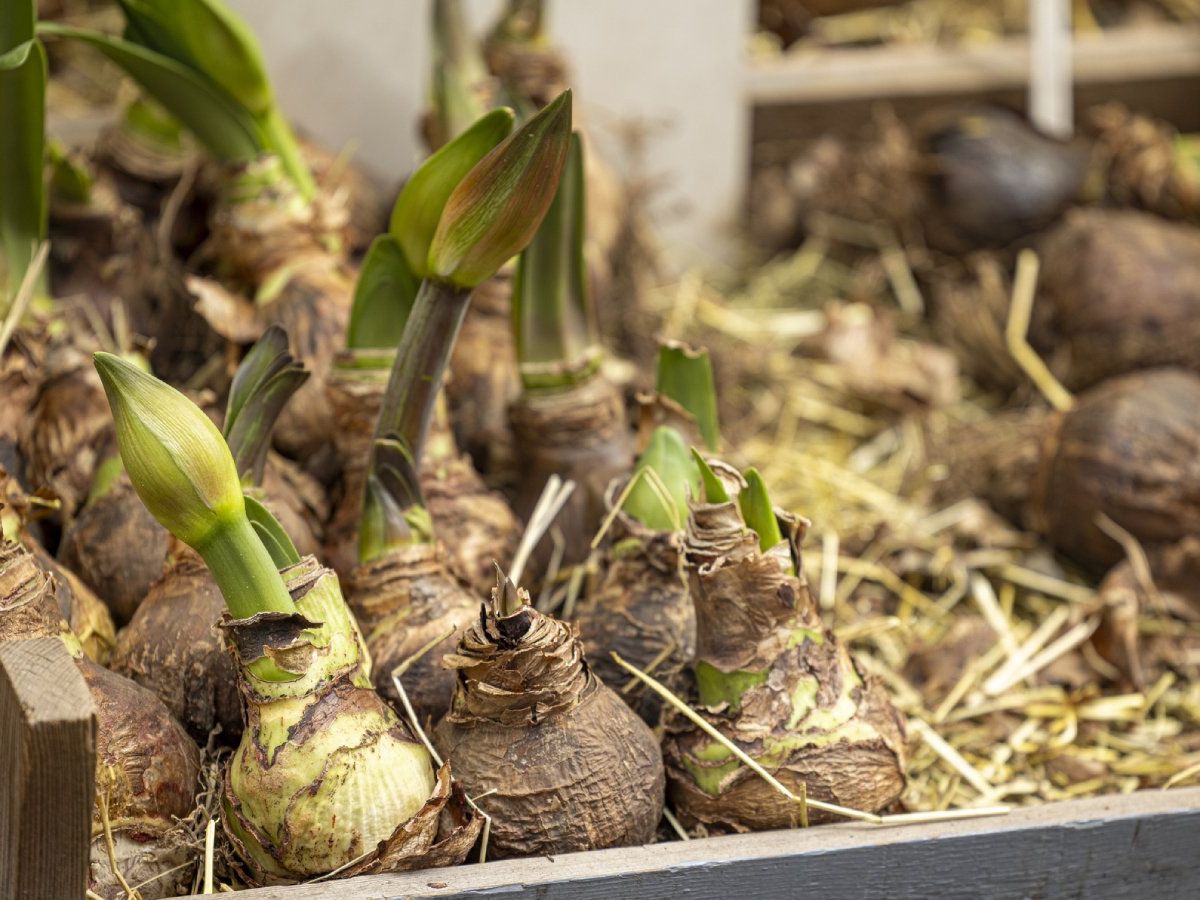
FAQ
Do I have to force dormancy?
Not always. Some bulbs can rebloom without a formal rest if they stay in active growth with excellent light and steady feeding. That said, most indoor growers get the most reliable results, and the easiest bloom timing, with a deliberate cool, dry rest.
Can I store the bulb bare-root?
You can, but it is riskier for beginners. Storing in the pot keeps roots more stable. If you store bare-root, keep it cool, dry, and well-ventilated, and check monthly for soft spots or excessive shriveling.
Should I cut green leaves to make it rest?
I do not recommend it. Let the plant decide when to yellow naturally as you reduce water. Cutting healthy green leaves reduces the energy the bulb can store.
It bloomed once, then only made one small stalk next year
It can be. Small or fewer blooms usually mean the bulb did not store enough energy. More light during the leaf season and a consistent fertilizing routine typically improves bloom count over time.
Bring it full circle
Reblooming amaryllis is less about perfect technique and more about honoring the plant’s rhythm. Let it bask and build with leaves. Give it a cool, dry pause. Then invite it back into the light with careful watering. Once you have done it once, you will start to feel the timing in your bones, like any good garden habit.
If you want, tell me when your amaryllis bloomed this year and roughly where you live. I can help you map a dormancy and wake-up calendar that fits your home and your holiday timing.