
How to Change Hydrangea Color (Blue vs Pink)

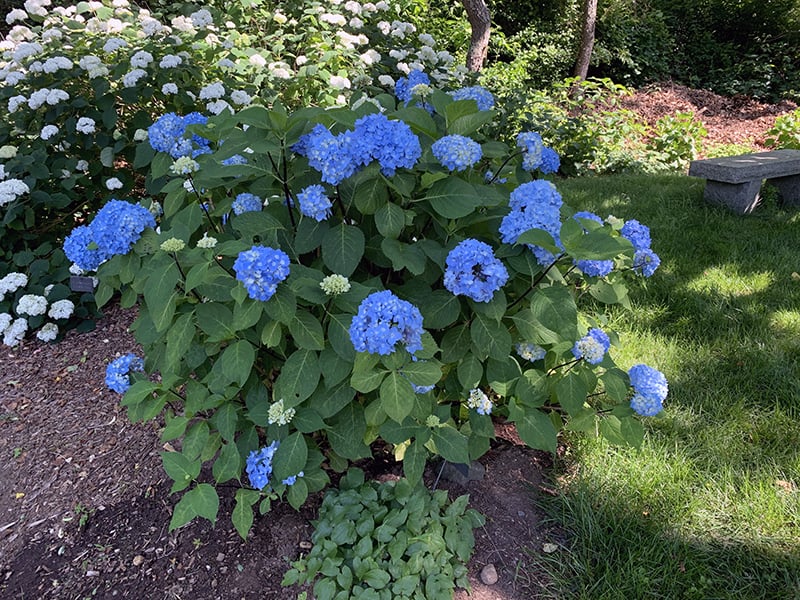
If you have ever looked at a neighbor’s electric blue hydrangeas and wondered why yours are stubbornly bubblegum pink, you are not alone. The good news is that for some hydrangeas, flower color is not a mystery or a genetic lottery ticket. It is chemistry.
The slightly humbling news is that it is slow chemistry, and it depends on more than a single “make it blue” product. To shift blooms reliably, you need to understand two big players: soil pH and aluminum availability.

Which hydrangeas can change color
Let’s start with the most important reality check: not every hydrangea is a mood ring.
These usually respond to soil changes
- Bigleaf hydrangea (Hydrangea macrophylla): This is the classic blue or pink “mophead” and “lacecap” hydrangea. Most color-change advice is about this species.
- Mountain hydrangea (Hydrangea serrata): Closely related to bigleaf. Many cultivars shift similarly, often a bit more delicately.
These do not change blue vs pink the way you want
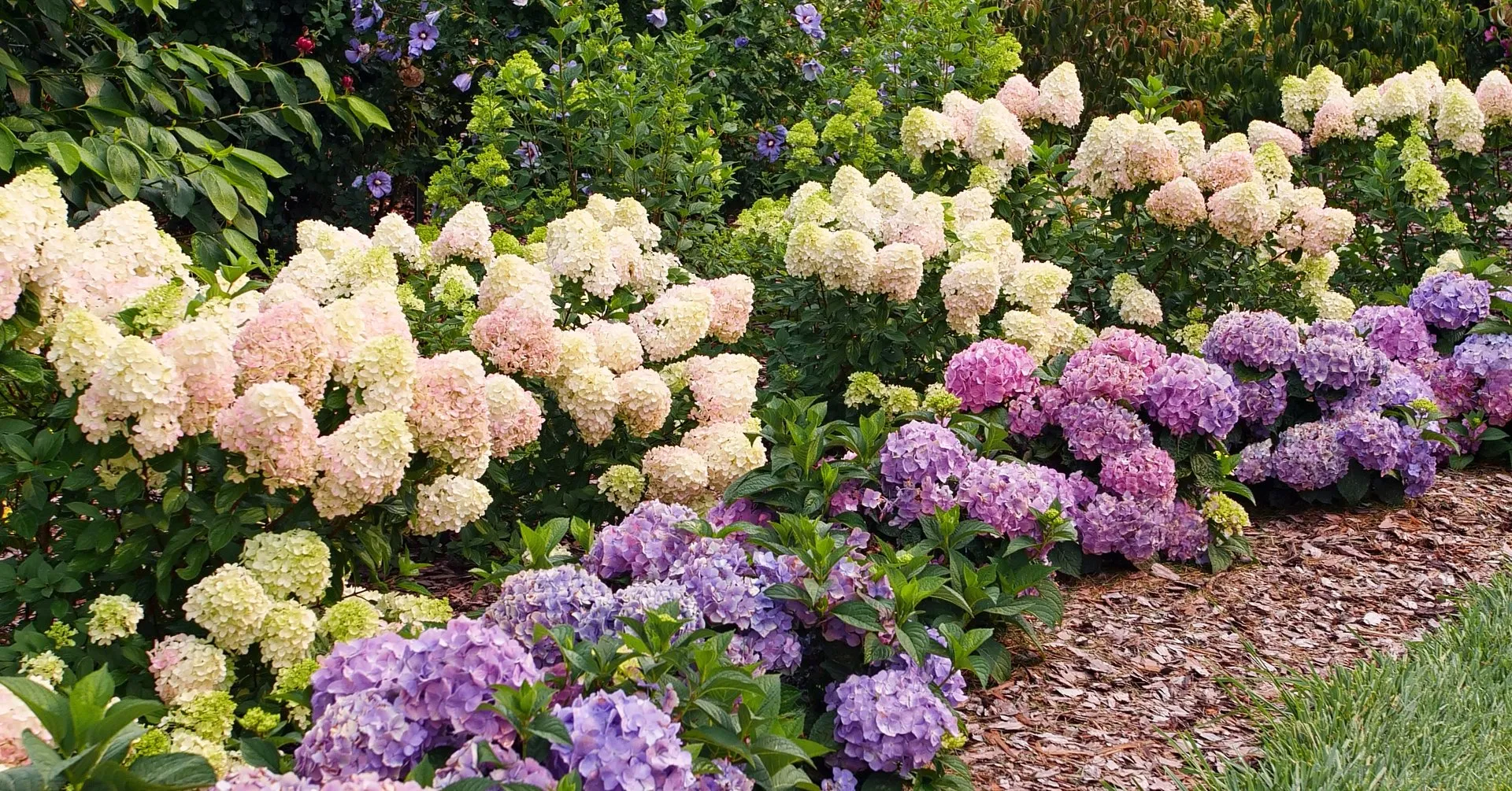
- Panicle hydrangea (Hydrangea paniculata): Think ‘Limelight’ and ‘Little Lime’. They bloom white to green to blush to pinkish as flowers age, but soil pH will not turn them blue.
- Smooth hydrangea (Hydrangea arborescens): ‘Annabelle’ types stay white or greenish. pH does not create blue or pink.
- Oakleaf hydrangea (Hydrangea quercifolia): Color shifts happen with season and sun, not with pH manipulation for bloom color.
Also note: even within bigleaf and mountain hydrangeas, some cultivars are bred to be redder, whiter, or more stable. White-flowering types typically stay white, although they can show faint tints as blooms age.
The science in plain language: pH plus aluminum
Hydrangea color is less about the plant “liking” acid or alkaline soil and more about what the soil makes available.
Here is the core rule
- Blue blooms happen when the plant can take up aluminum and move it into the flower pigments.
- Pink blooms happen when aluminum is less available to the plant.
Soil pH controls aluminum availability. In acidic soil, aluminum becomes more soluble and easier for roots to absorb. In more alkaline soil, aluminum gets tied up and becomes harder for the plant to access.
Helpful target ranges
- For blue: aim for about pH 5.0 to 5.5 (sometimes up to 5.8 depending on soil and cultivar).
- For pink: aim for about pH 6.0 to 6.5.
If you take nothing else from this page, take this: you cannot “force blue” in soil with low aluminum, and you should not try to push pH to extremes to compensate. Instead, you adjust pH thoughtfully and, when needed, manage aluminum with the right amendment.
Step one: Test before you treat
I know soil testing is not the romantic part of gardening. But guessing with hydrangeas often leads to disappointment and stressed plants.
What to test
- Soil pH
- Optional but very helpful: soil test that includes aluminum and basic nutrients
How to test
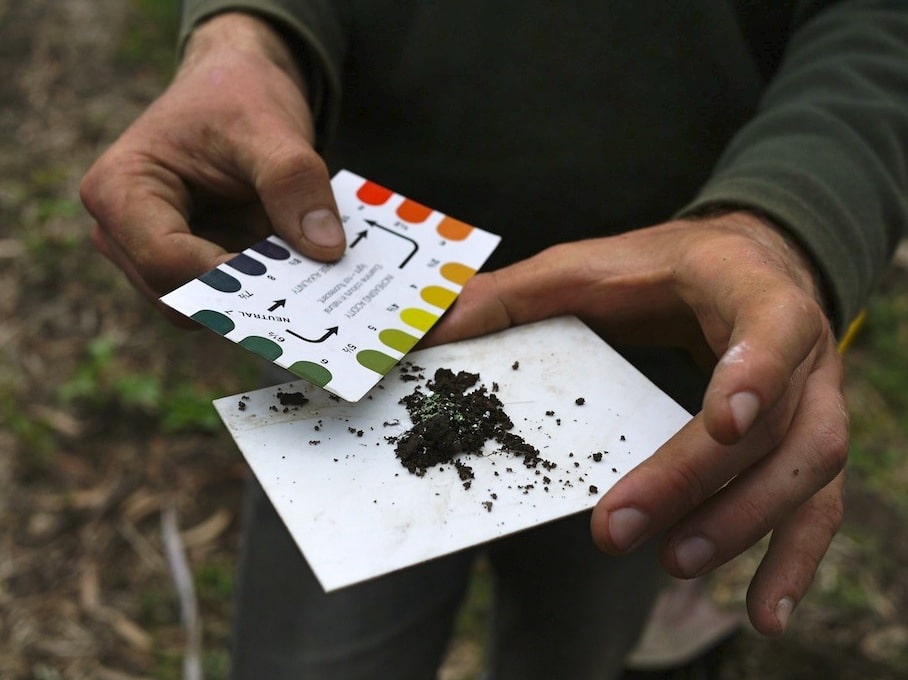
- Home pH kits and meters are fine for a rough starting point, especially if you repeat readings.
- Lab tests (often through your local extension office) give clearer guidance, especially if you have very sandy soil, heavy clay, or naturally alkaline conditions.
Test in the root zone, not right at the surface mulch. If you have multiple hydrangeas in different spots, test them separately. One side of a house can have entirely different soil behavior than the other.
How to make hydrangeas bluer
To coax bigleaf or mountain hydrangeas toward blue, your job is to lower pH and make sure aluminum is available.
Best tools for the job
- Elemental sulfur: The most reliable long-term acidifier. Soil microbes convert it over time, so it works gradually.
- Aluminum sulfate: Adds aluminum and lowers pH more quickly than sulfur, but it is easier to overdo. Use carefully.
- Acidic organic matter (supporting role): Pine needles, leaf mold, and compost help soil structure and moisture, but they rarely shift pH dramatically on their own.
When to apply
- Late fall through early spring is ideal for most gardeners because you are setting the stage before heavy bloom development.
- Early summer adjustments can influence later bloom color a bit, but do not expect instant changes on flowers that already opened.
What “blue” timing really looks like
Most of the time, you will see meaningful changes in the next bloom cycle, not next week. In containers, changes can happen faster because you control the soil volume. In the ground, especially with clay or alkaline water, it can take a season or two to dial it in.
A gentle, practical approach
Instead of chasing a dramatic pH drop overnight, aim for small steps, retest, and adjust again. Hydrangeas are forgiving, but roots are not fans of sudden chemical swings.
Safety note: Avoid applying aluminum sulfate repeatedly at heavy rates. Too much aluminum can harm roots, and aggressive acidification can interfere with nutrient uptake.
How to make hydrangeas pinker
To shift blooms toward pink, you raise pH so aluminum becomes less available.
Best tools for the job
- Garden lime (calcitic lime) or dolomitic lime: Raises pH gradually. Dolomitic lime also adds magnesium, which can be helpful if your soil is low.
- Wood ash: Raises pH, but it is potent and variable. I use it cautiously, and only if I know my soil needs it.
When to apply
- Fall or early spring is best so pH shifts can stabilize before peak growth.
- Avoid heavy applications during heat stress when plants are already working hard to stay hydrated.
What pink can look like
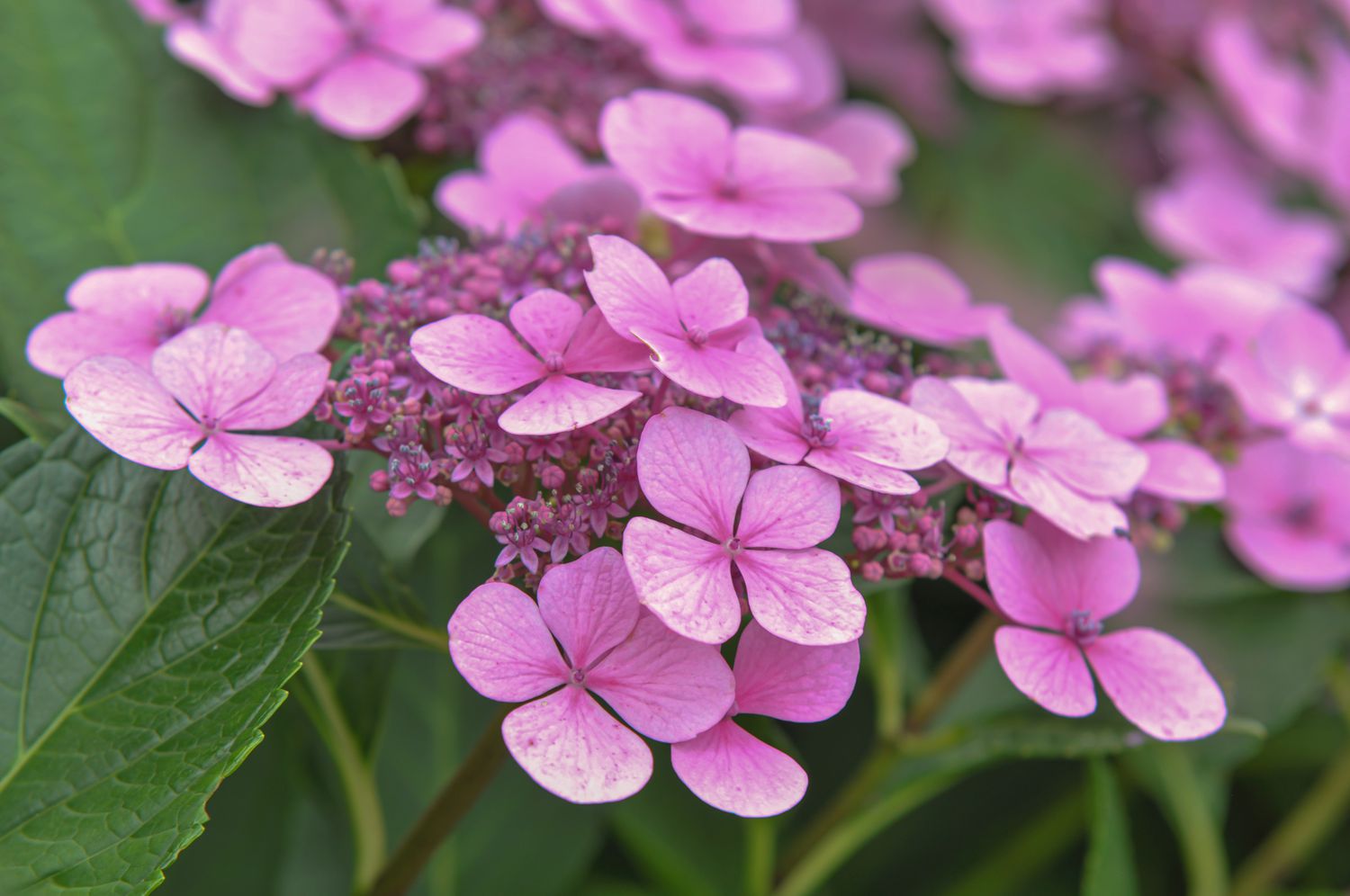
Pink ranges from soft shell-pink to deeper rose, depending on cultivar, light levels, and bloom age. If your hydrangea is genetically inclined to lavender, you might land in the “purple zone” between pink and blue, which is honestly one of my favorites.
Mophead vs lacecap: do they behave differently?
Both mophead and lacecap forms are usually Hydrangea macrophylla, and both can respond to soil chemistry.
- Mopheads often show color shifts more boldly because the flower clusters are dense and the showy sepals dominate the look.
- Lacecaps can still change color, but the overall effect may feel subtler because you are seeing both the outer showy florets and the inner fertile flowers.
In other words, do not assume your lacecap “is not working.” It might be working, just quietly.
Regional caveats that can sabotage your best efforts
Hydrangea color can be wonderfully predictable in one yard and maddening in another. These are the usual culprits.
Naturally alkaline soil (common in many western regions)
If your native soil sits at pH 7.5 or higher, lowering pH for blue blooms can be an ongoing project. You can still succeed, but you will likely need:
- regular retesting
- gradual sulfur applications over time
- organic matter to improve soil biology
- and sometimes container growing for full control
Hard, alkaline irrigation water
Even if you acidify soil, alkaline water can slowly push pH back up. If your water leaves white mineral crusts on pots or fixtures, consider:
- collecting rainwater when possible
- mulching to reduce irrigation needs
- testing soil pH a couple of times per season until things stabilize
Heavy clay vs sandy soil
- Clay holds onto nutrients and buffers pH changes. Adjustments take longer, but they also last longer once you get them right.
- Sandy soil changes faster, but also drifts faster. Think gentle, more frequent check-ins.
Cold climates and bloom loss
If winter kills bigleaf hydrangea buds (common in colder zones with older cultivars), you may have fewer blooms to “read” for color changes. In that case, focusing on winter protection or choosing a reblooming cultivar can matter more than pH tweaks.
What not to expect (and common myths)
Myth: Coffee grounds will turn hydrangeas blue
Coffee grounds are fine in compost and can support soil life, but they are not a reliable pH lever in most garden soils. If you love using them, compost them first and think of them as soil food, not a color switch.
Myth: One application changes the flowers instantly
Color is usually decided as buds develop. You may see partial shifts, mixed-color heads, or gradual changes across the season. That is normal.
Myth: Panicle hydrangeas can be made blue
Nope. Hydrangea paniculata will not turn blue from acid soil. Their color changes are tied to flower age, sun, and cultivar, not aluminum uptake in the same way.
Myth: Lower pH is always better for blue
Extremely low pH can stress plants and create nutrient problems. Blue is about available aluminum in a healthy range, not about making your soil as acidic as possible.
A simple seasonal plan (no panic, no overcorrecting)
Late winter to early spring
- Test soil pH.
- Choose your direction: blue (acidify) or pink (raise pH).
- Apply elemental sulfur or lime according to label directions and your test results.
Mid-spring
- Mulch with compost or leaf mold to keep moisture steady and support soil microbes.
- Water deeply, less often, to encourage strong roots.
Early summer
- Observe bloom color and take notes.
- If needed, make small adjustments, not big swings.
Fall
- Retest pH if you are still not where you want to be.
- Make another gentle application of sulfur or lime if tests call for it.
If you keep a tiny garden journal, write down pH, what you applied, and what color you got. Hydrangeas are excellent teachers when you treat them like a slow, seasonal experiment.
Quick troubleshooting
My hydrangea is purple, not blue or pink
You are likely living in the in-between zone, often around pH 5.6 to 6.0, or you have moderate aluminum availability. Decide which direction you want and adjust slightly.
Blooms changed color on the same plant
That can happen when soil pH varies across the root zone, or when amendments were not evenly distributed. It can also happen as blooms age. If you want uniform color, work on uniform soil conditions and be patient.
Leaves look yellow or growth is weak after amendments
You may have pushed pH too far or created a nutrient imbalance. Stop adding amendments, water normally, and retest. If you suspect severe stress, a lab soil test is worth it.
My favorite “gentle win” for beginners: containers
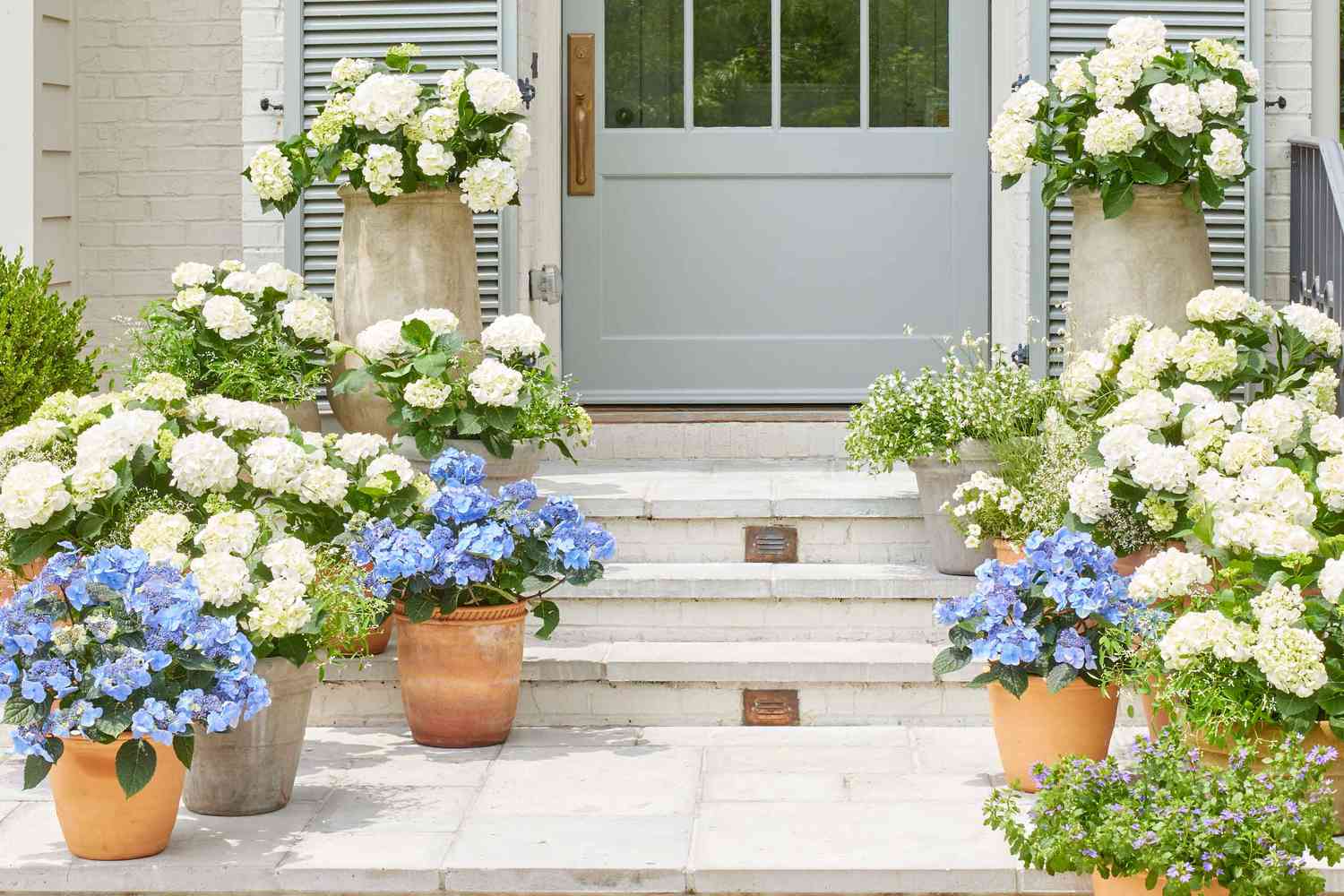
If you really want true blue blooms in an area with naturally alkaline soil and water, growing bigleaf hydrangeas in a large container can be the easiest path. You control the potting mix pH, you can use rainwater, and adjustments take effect faster because the soil volume is limited.
Just commit to consistent watering, because containers dry out faster than in-ground beds.
The Leafy Zen takeaway
Changing hydrangea color is not a trick. It is a relationship with your soil. When you focus on pH, aluminum availability, and timing, the plant usually follows your lead.
If your blooms do not shift right away, that does not mean you failed. It just means your garden is doing what gardens do best: moving at the speed of seasons, not the speed of shopping carts.