
How To Care For Amaryllis After Blooming

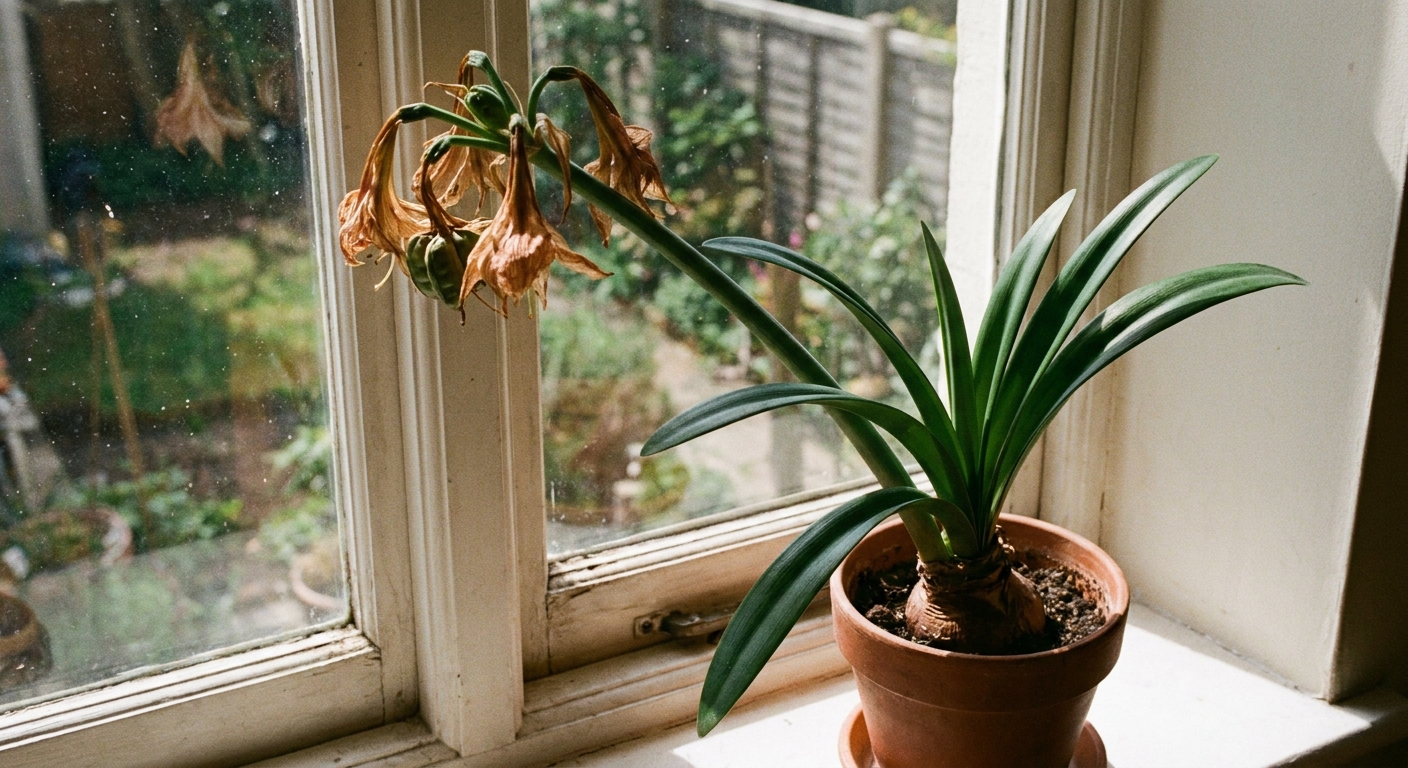
When an amaryllis finishes its big, showy bloom, it can feel like the party is over. But this is actually the most important stretch of the plant’s year. Those strap-like leaves are little solar panels, busy storing energy back into the bulb so it can flower again.
The goal after blooming is simple: keep the leaves healthy long enough to recharge the bulb, then (for most indoor amaryllis) give the bulb a proper rest so it can set buds for next time.
Quick safety note: Amaryllis (Hippeastrum) is toxic if chewed by cats and dogs. If you have curious pets, keep the pot out of reach.

Right after flowering: what to cut and what to keep
Step 1: Remove the spent flowers
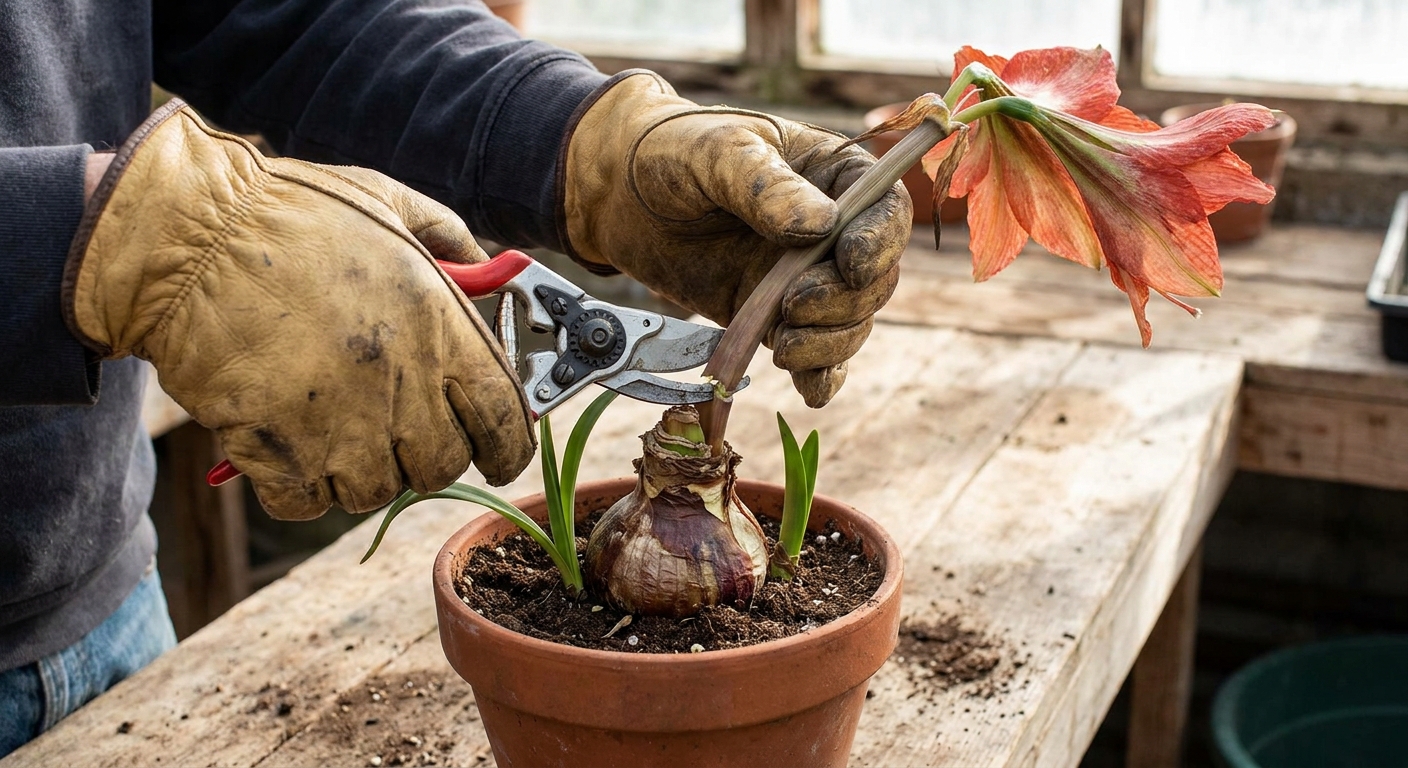
As soon as each bloom wilts, snip it off so the plant does not waste energy making seeds. Use clean scissors or pruners and cut just below the flower.
Step 2: Decide what to do with the flower stalk
Once all blooms on that stalk are finished, you have two good options:
- Cut the stalk back to about 1 to 2 inches above the bulb. This tidies the plant and may help the bulb keep more energy for leaves and storage.
- Leave the stalk until it yellows if you like a more hands-off approach, then remove it once it dries.
Do not cut the leaves. The leaves are your rebloom insurance policy.
Leaf care is the whole game
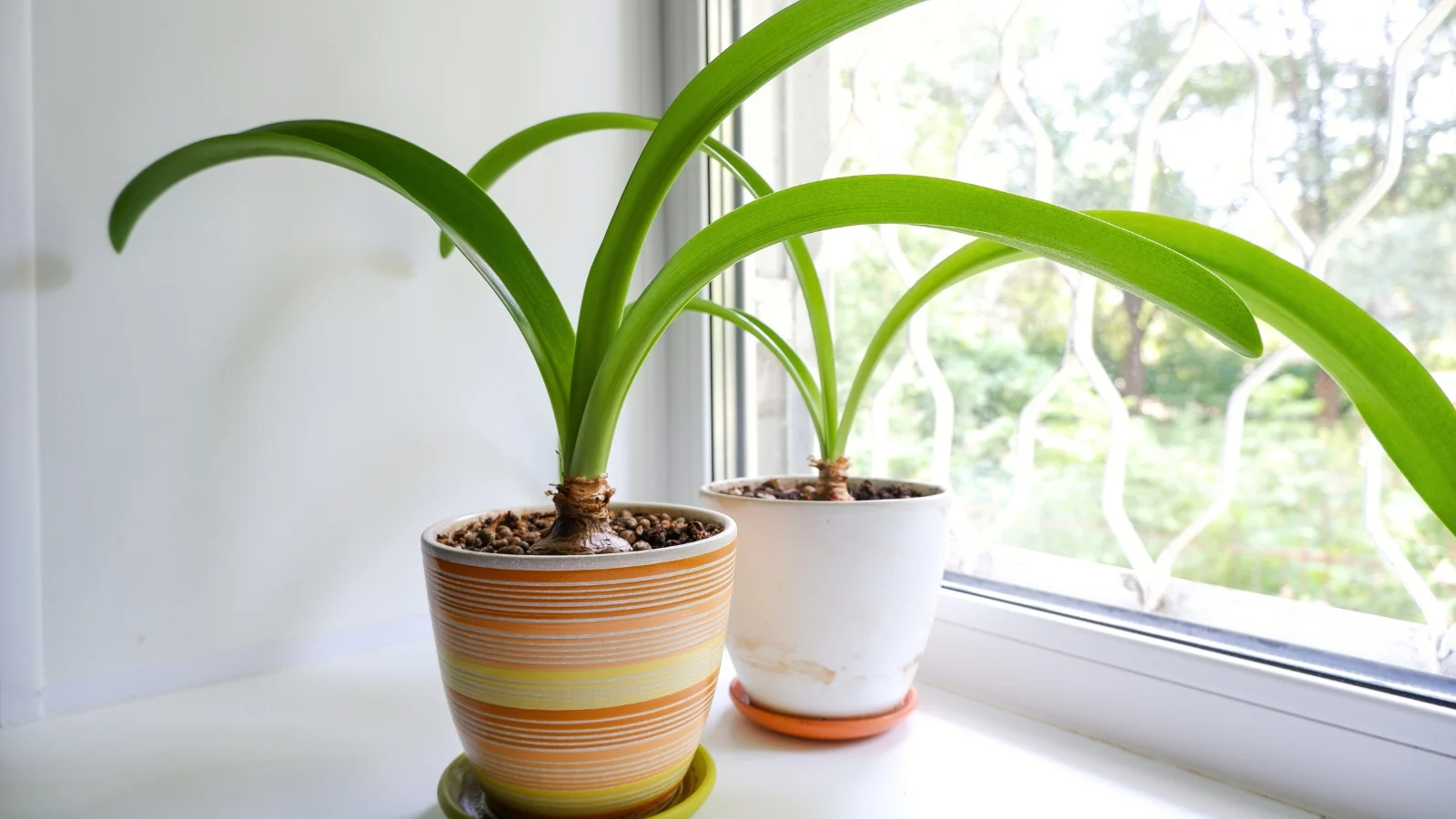
After blooming, amaryllis shifts into a leafy growth phase. Your job is to keep it in bright light, watered properly, and fed consistently.
Light: give it the brightest spot you have
Place your amaryllis in bright light, ideally near a sunny window. A south or west window is usually perfect indoors, as long as the plant is not pressed against hot glass. Rotate the pot weekly so leaves grow evenly instead of leaning.
Water: keep it lightly moist, never soggy
Water when the top inch of soil feels dry. Then water thoroughly and let excess drain away.
- Avoid standing water in a saucer. Bulbs rot quickly if they sit wet.
- If your pot has poor drainage, consider repotting after the growing season.
Fertilizer: feed the bulb to fuel next year’s bloom
Once blooming is done and leaves are actively growing, start fertilizing.
- Frequency: every 2 to 4 weeks
- Type: a balanced houseplant fertilizer (for example, something close to 10-10-10 or 20-20-20), diluted to half strength
- Tip: water first if the soil is very dry, then fertilize to avoid stressing roots
If you prefer organic: a gentle liquid seaweed or fish-based fertilizer works beautifully. Just follow label directions and do not overdo it.
Can I put my amaryllis outdoors?
Yes, and it often helps. Fresh air and stronger light can build a bigger, stronger bulb.
When to move it outside
Wait until all danger of frost is past and nights are reliably mild.
How to transition without sunburn
Amaryllis leaves can scorch if they go from indoor light to full sun overnight.
- Start in bright shade for several days.
- Move to morning sun and afternoon shade or dappled light.
- Keep it protected from heavy rain, which can waterlog pots.
Outdoors, continue the same rhythm: water when the top inch dries and fertilize every few weeks.
Warm climates: do I still need dormancy?
If you garden in a warm region where amaryllis can live outside year-round (often in-ground), it may not go fully dormant the way an indoor holiday bulb does. Many growers simply let the plant keep making leaves, and it blooms when conditions line up. Indoors, we usually use a planned rest to control timing and improve rebloom odds.
Should I repot after blooming?
Only if it needs it. Amaryllis actually blooms best when slightly snug in its pot.
Repot if you notice any of these
- Roots circling tightly and pushing the bulb up
- Soil that drains poorly or smells sour
- A pot with no drainage hole
How to repot the right way
- Choose a pot only 1 to 2 inches wider than the bulb.
- Use a well-draining mix. A quality potting soil with extra perlite works well.
- Plant so the top one-third to one-half of the bulb sits above the soil line.
How to prepare amaryllis for dormancy
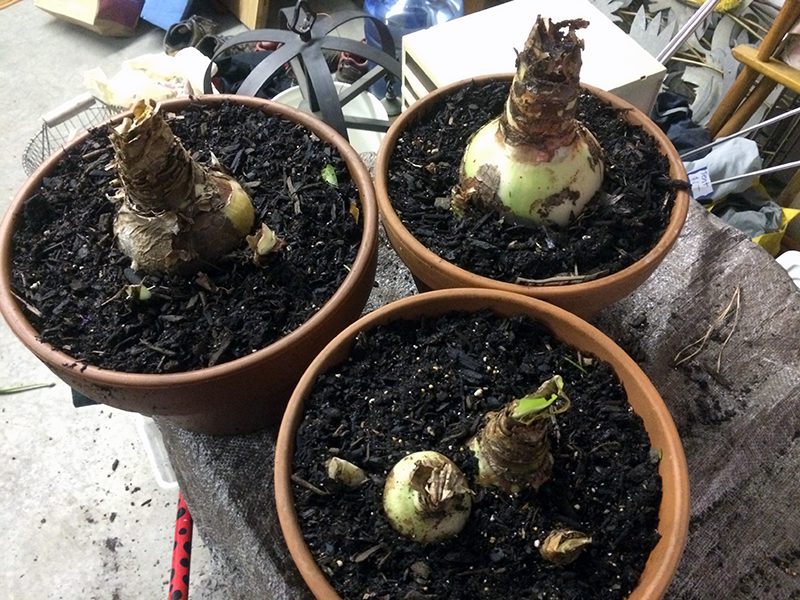
Many Hippeastrum bulbs rebloom best with a rest period, and it is especially common (and useful) for indoor holiday amaryllis. That said, some cultivars can rebloom without enforced dormancy if they get very strong light and steady growth. Think of dormancy as a reliable tool, not a strict rule.
Timing: when to start
A common schedule is to begin dormancy in late summer to early fall, about 8 to 12 weeks before you want to restart growth.
Step-by-step dormancy routine
- Stop fertilizing about 6 to 8 weeks before dormancy.
- Reduce watering gradually. Let the soil dry more between waterings.
- When leaves start yellowing, stop watering.
- Cut back dead leaves once they yellow and pull away easily. Do not yank green leaves.
- Move the pot (or bulb) to a cool, dry place for about 8 to 12 weeks. Low light is fine. Darkness is optional. What matters most is cool and dry.
Temperature target: roughly 50 to 60°F is ideal. Avoid freezing temps.
How to get it to bloom again
After the rest period, you get to wake your bulb up and start the cycle again.
Restarting growth
- Bring the bulb back into warm, bright conditions.
- Trim away any fully dried roots or papery outer layers only if they are loose.
- If the soil is old or compacted, top-dress with fresh mix or repot.
- Water lightly at first. Too much water before new growth can cause rot.
- When you see new growth (a green shoot or leaf), water more regularly.
When to expect blooms
With a healthy bulb and good conditions, blooms often appear about 6 to 10 weeks after restarting growth. Timing varies by bulb size, cultivar, and how warm and bright your setup is.
Stake it early if needed
Flower stalks can get top-heavy. A simple stake added early prevents the classic amaryllis flop.
Quick timeline you can follow
- After blooms fade: deadhead flowers, cut stalk when finished, keep leaves.
- Spring and summer: bright light, regular watering, feed every 2 to 4 weeks.
- Late summer: stop fertilizing, begin reducing water.
- Fall: let leaves yellow, stop watering, rest bulb 8 to 12 weeks.
- Winter: bring back to warmth and light, water lightly, then normally once growth starts.
Troubleshooting common post-bloom problems
Leaves are turning yellow right after blooming
A little yellowing can happen, but rapid yellow leaves usually point to:
- Overwatering (most common)
- Not enough light
- Natural leaf aging if the plant was stressed during bloom
Adjust care and focus on bright light and careful watering.
My amaryllis made leaves but no flowers next year
This is almost always a recharge problem. The bulb needs enough time with healthy leaves and enough light to store energy. Make sure you:
- Keep leaves growing for months, not weeks
- Provide very bright light or outdoor time
- Fertilize consistently during active growth
- Consider a planned rest period, especially for indoor holiday bulbs
The bulb feels soft
A soft bulb can signal rot. Unpot it and inspect:
- Trim away mushy tissue with a clean blade.
- Let the bulb dry for a day in a warm, airy spot.
- Repot in fresh, well-draining mix and water sparingly.
If the rot is extensive or the base plate is compromised, the bulb may not recover, and that is not a personal failure. It is just biology doing its thing.
Sticky leaves or cottony clumps
Indoors, amaryllis can occasionally pick up mealybugs or scale. Wipe pests off with a cotton swab dipped in rubbing alcohol, then keep an eye out for repeat visitors. If fungus gnats show up, let the top of the soil dry a bit more between waterings and avoid leaving water in the saucer.
Little Clara pep talk
Amaryllis teaches patience in the most dramatic way. It gives you fireworks, then asks you to care for a bundle of leaves for months with no applause. But those leaves are quietly building your next bloom.
If you do two things well, you are set: bright light and steady feeding during leaf season, then a true rest if your bulb benefits from it. The rest is just you and your bulb getting to know each other, one watering at a time.