
Heuchera (Coral Bells) Care: Color, Sun, and Division

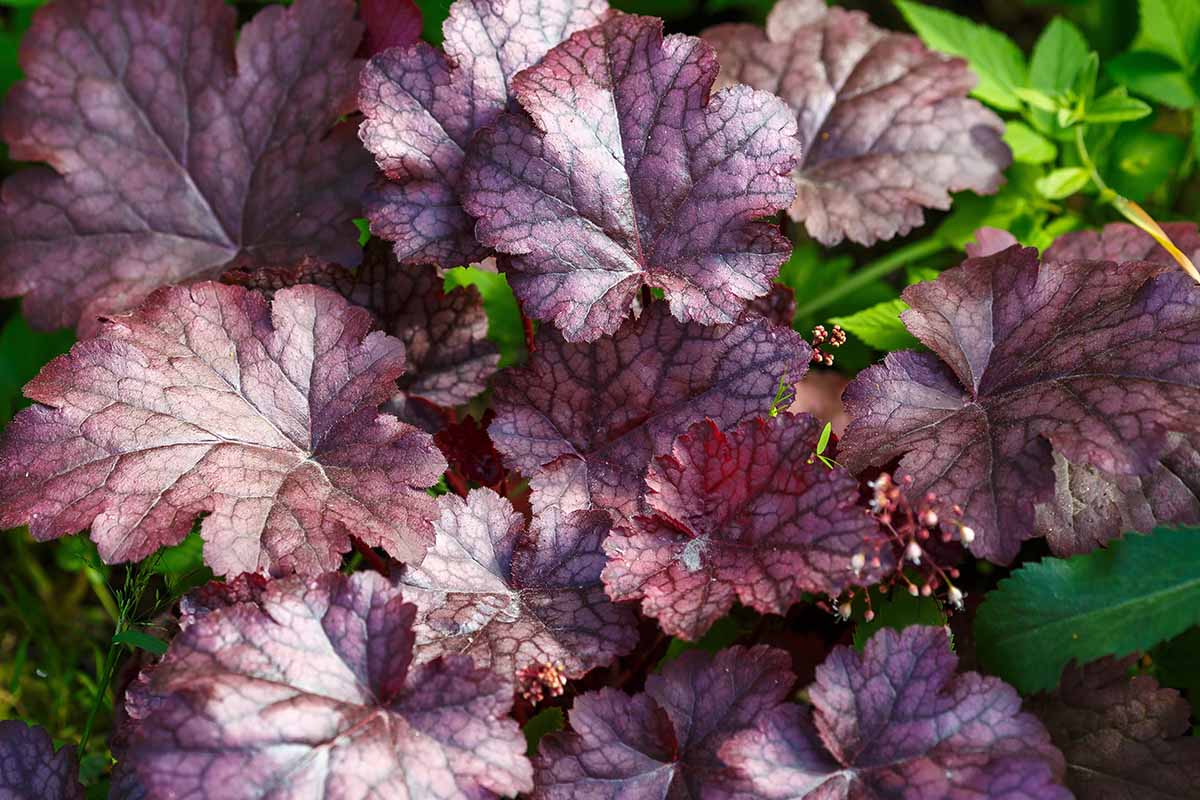
Heuchera, also called coral bells, is one of my favorite “I swear I can garden” plants. It often gives you year-round interest in many areas, outrageous leaf colors (lime, caramel, obsidian, raspberry), and delicate flower wands that float above the foliage like little fireworks. The secret is matching the right cultivar to the right light, then keeping the crown dry and happy. Do that, and heuchera becomes the easy, dependable friend in your shade border that makes hostas look even better.

Quick care snapshot
- Light: From bright shade to part sun, depending on cultivar and heat. Morning sun is usually best.
- Soil: Loose, humus-rich, and very well-drained. Neutral to slightly acidic is fine.
- Water: Even moisture while establishing, then moderate. Avoid soggy crowns.
- Hardiness: Many are hardy in USDA Zones 4 to 9, with real variation by cultivar. In warm zones, heat and humidity can be the limiting factor, so check the plant tag and local performance.
- Maintenance: Tidy leaves in spring, reset plants if crowns creep up, divide every few years.
Sun and color: what cultivars tolerate
Heuchera is often labeled a “shade plant,” but leaf color and climate change everything. The same variety that glows in Oregon shade can look washed out or crispy in a hot inland summer. Your goal is bright light without scorching heat.
A light rule that works
- Hot summers (regular 90°F/32°C days): Aim for bright shade or morning sun, afternoon shade.
- Mild summers: Many cultivars can take part sun and some tolerate more sun if soil stays evenly moist.
- Deep shade: Leaves often get bigger but colors can fade and plants can thin over time.
Color-by-color light guidance
Use this as a starting point, then adjust based on how your plant responds over a few weeks.
- Dark purple and near-black foliage: Often looks best with some sun (especially morning sun) to deepen color. In hot climates, too much sun can still scorch leaf edges.
- Lime and chartreuse foliage: Usually happiest in bright shade. Too much sun can bleach the color to yellow-white and stress the plant.
- Caramel, amber, and peach foliage: Typically prefers part shade. In strong sun the warm tones can fade and leaves may get crispy.
- Silver and heavily veined types: Often tolerate more light than you would guess, but they still want protection from harsh afternoon sun in hot zones.
- Red and pink tones: Color is often strongest with morning sun or dappled light. Too much shade can push them toward green.
My test: If the leaf edges look dry and papery, it is too much sun or not enough consistent moisture. If the plant is healthy but the color looks “meh,” it often wants a touch more light.
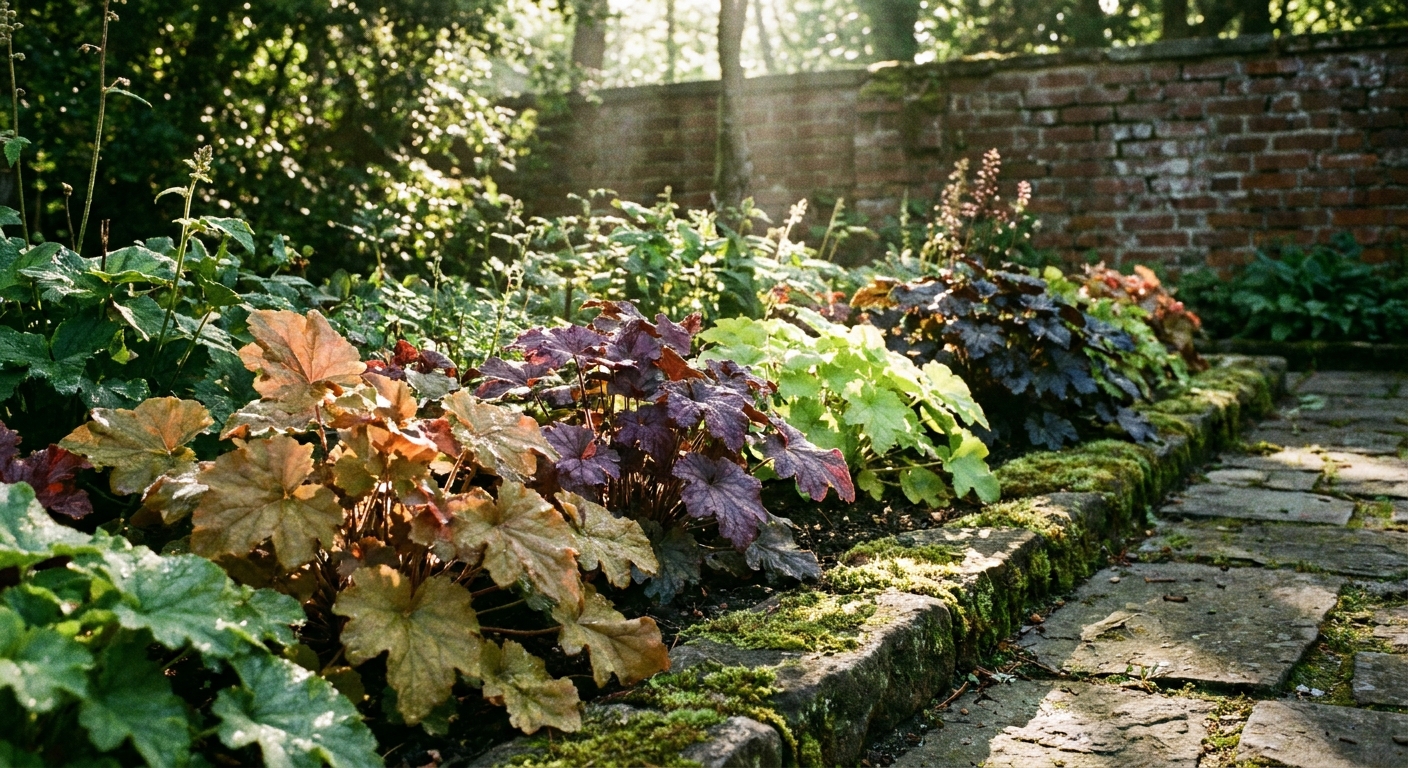
Why color fades (and what to do)
Color shifts are normal. Heuchera is a living mood ring. Some cultivars change through the seasons, and even the same plant can look different in spring versus late summer.
Common reasons foliage loses punch
- Too much shade: Anthocyanin-rich colors (purples, reds) tend to fade to green.
- Too much sun or heat: Leaves bleach, scorch, or look dull and tired.
- Low fertility: Heuchera does not need heavy feeding, but very lean soil can reduce vigor and color.
- Age and crowding: Older clumps get woody at the crown and can produce smaller, less vibrant leaves.
- Seasonal change: Many varieties intentionally flush brighter in cool weather, then soften in heat.
Fixes without drama
- Shift the light: Move it in early fall or spring to a spot with morning sun and afternoon shade.
- Refresh the soil: Top-dress with compost and a little leaf mold. Think “forest floor,” not “fertilizer factory.”
- Reset the crown: If the crown is woody or sitting above soil level, it is time to lift and reset.
Crown rot: the big heartbreak
If coral bells fail, it is usually not because you forgot to whisper encouragement (though I do). It is because the crown stayed wet, especially when heat and humidity team up with poor drainage. The crown is where leaves meet roots, and it needs airflow and drainage.
Signs you are heading toward crown rot
- Leaves suddenly collapse even when soil seems moist
- Center of the plant turns mushy or smells sour
- Blackened tissue at the crown or roots
Prevention that works
- Plant a little high: Set the crown slightly above the surrounding soil line. Water runs away instead of pooling.
- Improve drainage: Work in compost for structure, and if your soil is heavy, add pine fines or a gritty amendment. Avoid making a bathtub of amended soil surrounded by clay. Improve a wider area if you can.
- Mulch smart: Keep mulch pulled back from the crown by an inch or two. Mulch should protect roots, not smother the neck.
- Water at the base: Drip or a gentle soak near the soil is better than overhead watering that keeps the crown damp.
- Choose the right spot: Avoid low pockets where water lingers, especially in winter.
Winter heaving in cold zones
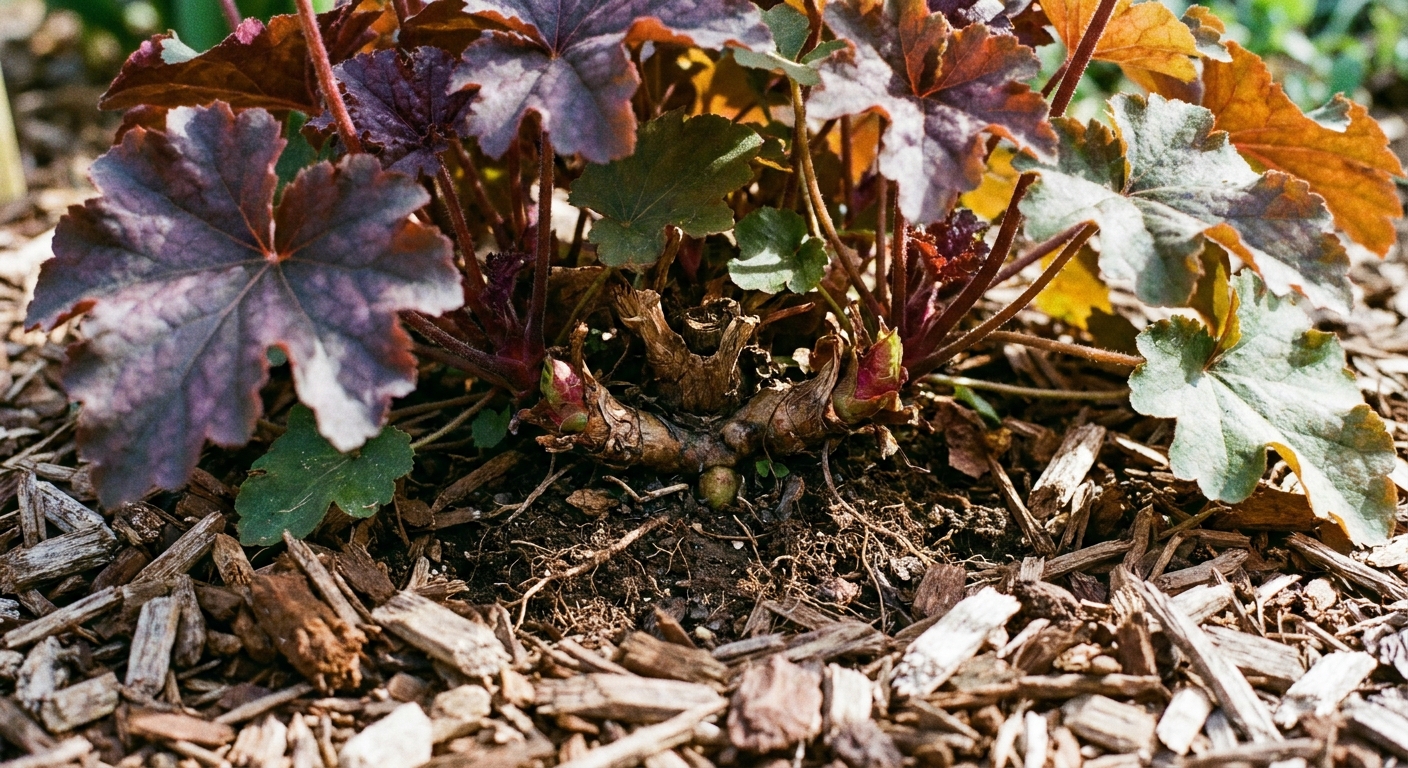
In Zones 4 to 6 especially, heuchera can heave out of the soil over winter. Freeze-thaw cycles push the shallow root crown upward, leaving it exposed and more vulnerable to drying winds and rot.
How to tell you have heaving
- The plant sits higher than it did in fall
- You can see roots at the soil surface
- The crown looks perched, wobbly, or loose
Simple heaving prevention
- Mulch after the ground freezes: Once soil is cold and firm, add a light insulating layer (shredded leaves, pine needles, or straw). The goal is to reduce temperature swings, not trap moisture.
- Avoid late-season nitrogen: Tender late growth is more likely to suffer winter damage.
- Plant in spring or early fall: Give roots time to anchor before deep cold.
What to do in early spring
On the first mild day when soil is workable, gently press the plant back down and add soil under and around the roots. If the crown is tall and woody, treat it like a cue to lift and reset the plant (more on that next).
Lifting and dividing
Heuchera does not always need division on a strict schedule, but most clumps benefit every 3 to 5 years, or sooner if the crown is creeping up and getting woody. Think of division as a reset button that keeps foliage lush and reduces crown problems.
Best time to divide
- Early spring: My favorite in cold climates. Plants rebound fast as temperatures warm.
- Early fall: Great in mild climates where you have 6 to 8 weeks before hard freezes.
Step-by-step division
- Water the day before: Hydrated roots handle disturbance better.
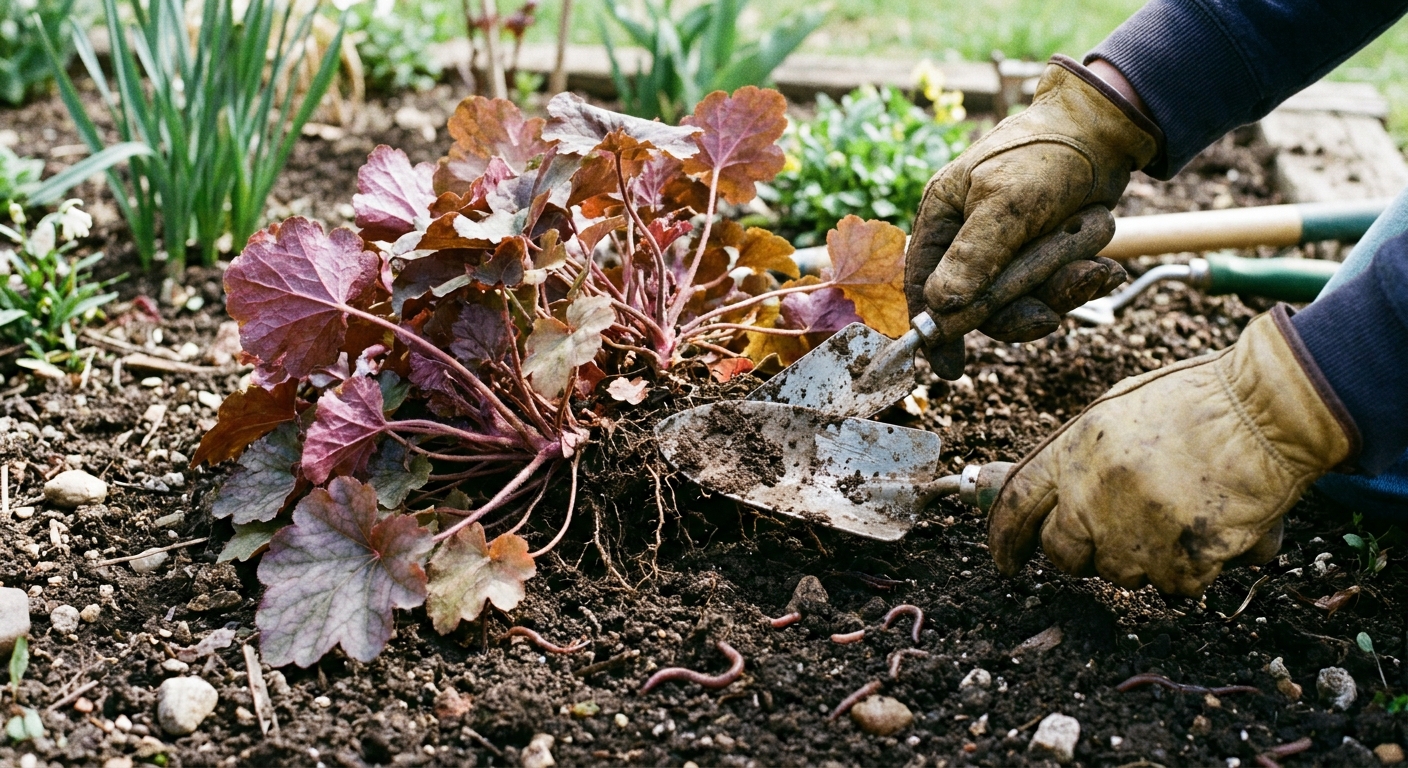
- Lift the clump: Use a spade or garden fork and dig a wide circle to keep roots intact.
- Find the “neck”: You will often see a woody stem section where older leaves were attached.
- Split into sections: Use a clean knife or your hands to separate healthy rosettes, each with roots attached.
- Trim the worst: Remove any mushy tissue and snip off ragged roots. Keep firm, healthy parts.
- Replant with the crown slightly proud: Reset divisions with crowns just above the soil line.
- Water in and baby it for a week: Even sun-tolerant varieties appreciate a gentle recovery period.
Lift and reset (no dividing)
Yes, you can just reset it. If your plant is still vigorous but has climbed up over time, lift it, add soil or compost beneath, and replant at the correct height. I call this “tucking it back into bed.”
Watering and feeding
Heuchera prefers steady moisture, but it hates wet feet. Once established, it can handle short dry spells in shade, though leaf quality is better with consistent watering.
- Watering: Deep soak when the top inch of soil is dry. In containers, check more often, especially in warm weather.
- Fertilizer: If your soil is decent, compost in spring is usually enough. If growth is weak, use a light, balanced organic fertilizer once in spring. Avoid heavy feeding, which can push soft growth and reduce color intensity.
- Mulch: A thin layer is helpful for moisture stability, just keep it off the crown.
Container growing
Coral bells are pot superstars, but containers magnify the two things they dislike most: soggy mix and sudden temperature swings.
- Pot and mix: Use a pot with drainage holes and a high-quality potting mix amended with a little pine fines or grit for faster drainage.
- Watering: Water when the top inch dries, then let excess drain. Do not let the pot sit in a saucer of water.
- Winter protection: In cold zones, move pots to a sheltered spot (out of wind, out of full winter sun) and keep the mix barely moist. Containers can freeze solid faster than the ground.
Pruning and cleanup
Coral bells are semi-evergreen in many regions. Those older leaves can look tired by late winter, but they are also protecting the crown.
- In late winter or early spring: Snip off tattered outer leaves at the base. Let the fresh center growth take over.
- After flowering: You can cut flower stalks down for a tidier look, or leave them for pollinators and a little airy movement.
- If foliage looks ratty in summer heat: Remove the worst leaves and focus on keeping the crown dry and roots evenly moist. New leaves often rebound when temperatures cool.
Design tips: with hostas
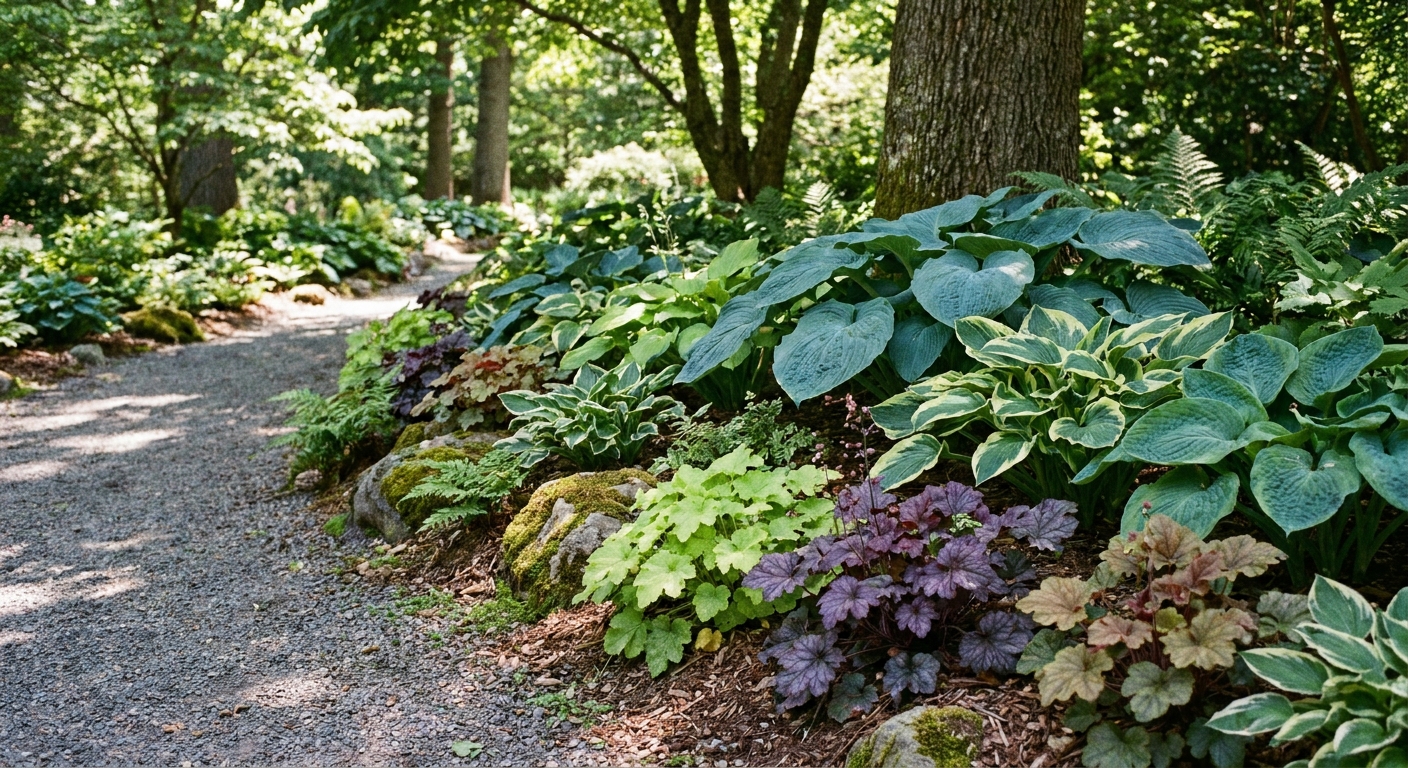
Hostas and heuchera are the peanut butter and chocolate of shade gardening. Hostas bring big, calm leaves. Heuchera brings sparkle, contrast, and that juicy color that makes a shady bed feel intentional.
Easy combos
- Dark heuchera + blue hosta: Near-black or deep purple leaves make blue hostas look even bluer.
- Lime heuchera + green hosta: Chartreuse heuchera brightens a sea of green and reads like sunlight in shade.
- Caramel heuchera + gold hosta: Warm tones together feel cozy and woodland-y, especially with brown mulch or stone.
- Silver heuchera + variegated hosta: Silver picks up the light parts of variegation and keeps the planting from looking busy.
Placement tricks I use
- Edge the path: Heuchera stays lower than many hostas, so it works as a colorful front border.
- Repeat in groups: Plant 3 or 5 of the same heuchera cultivar in a drift for a designer look.
- Give it breathing room: Hostas expand. Leave space so heuchera crowns are not shaded out and kept too damp.
- Mix textures: Pair ruffled heuchera with smooth hosta, or smooth heuchera with heavily corrugated hosta for contrast.
Pests and diseases
Heuchera is generally low-drama, but a quick check now and then saves you a lot of head-scratching later.
- Vine weevil (especially in pots): Adults notch leaf edges; larvae can chew roots. If plants wilt for no obvious reason, check the root zone. Beneficial nematodes are a common control option.
- Slugs and snails: More of a seedling and fresh-growth problem in damp shade. Hand-pick, use traps, or iron phosphate bait if needed.
- Foliar leaf spots and rust: Usually show up as speckling or dusty-looking patches in humid weather. Improve airflow, avoid overhead watering, and remove badly affected leaves.
- Powdery mildew: Can pop up in dry shade with poor airflow. Thin crowded plantings and keep stress low with consistent moisture.
Troubleshooting
Leaves look scorched or crispy
- Likely cause: Too much sun, heat, or inconsistent moisture.
- Fix: Provide afternoon shade, water deeply, and consider relocating in fall or spring.
Plant looks tall and woody at the base
- Likely cause: Natural crown rise over time.
- Fix: Lift and reset the crown height, and divide if needed.
Center dies out or turns mushy
- Likely cause: Crown rot from poor drainage, heat and humidity, or mulch piled against the plant.
- Fix: Remove affected parts, replant healthy divisions in better-drained soil, and keep mulch away from the crown.
Color is dull even though the plant is healthy
- Likely cause: Not enough light, or seasonal softening in summer.
- Fix: Try a brighter spot with morning sun. Expect best color in cool spring and fall weather for many cultivars.
A gentle seasonal routine
- Spring: Clean up old leaves, top-dress with compost, reset any heaved plants, divide if needed.
- Summer: Water during dry spells, keep crowns dry, snip tired leaves if they are dragging down the look.
- Fall: Plant or move heuchera early enough to root in, avoid heavy fertilizing, keep mulch off the crown.
- Winter: In cold zones, add light mulch after soil freezes to reduce heaving. Do not smother the crown.
If you take only one thing from me and my chatty ferns, let it be this: heuchera wants drainage and gentle light. Give it those, and it will reward you with color that makes your shade garden feel alive even when the flowers are taking a break.