
Hellebore Care

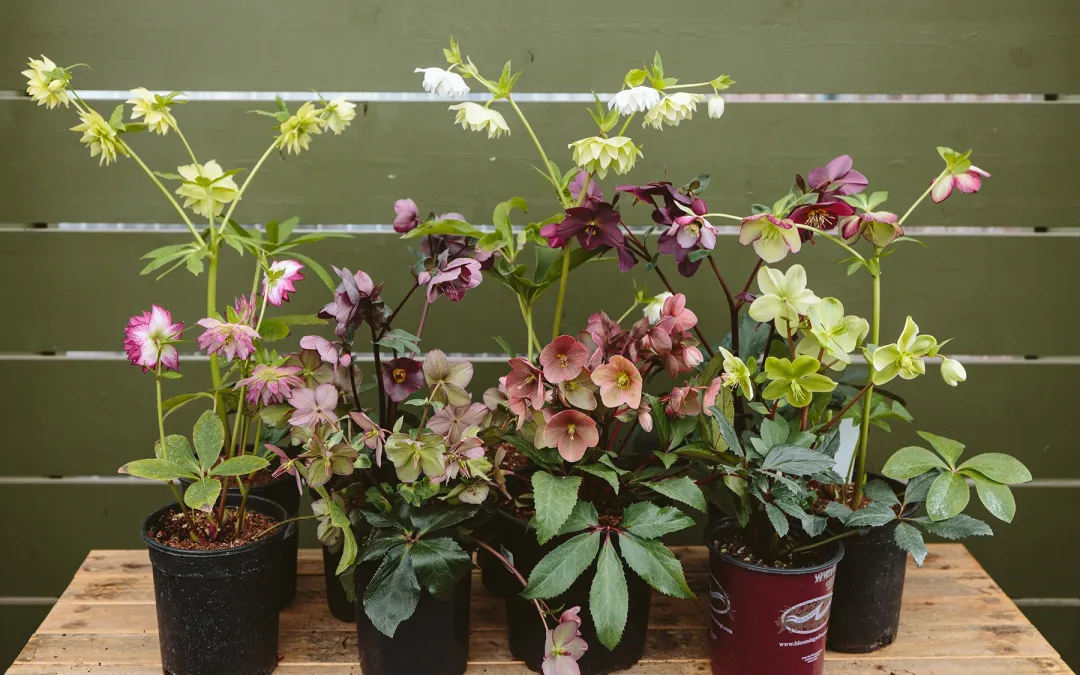
Hellebores are the quiet heroes of the shade garden. When most plants are still thinking about waking up, hellebores are already showing off those nodding, lantern-like blooms in late winter to early spring. They are tough, long-lived, and surprisingly forgiving once you give them two things they deeply crave: steady moisture and excellent drainage.
If you have ever stood in a shady corner of your yard and thought, “Nothing wants to grow here,” hellebores are about to change your mind.
Quick safety note: hellebores are toxic if ingested and the sap can irritate skin, so keep them away from curious pets and kids and wear gloves when cutting.

Meet the hellebore family
Most garden hellebores fall into a few main groups. Knowing which kind you have helps you time pruning and understand what the leaves will do through the seasons.
Evergreen, semi-evergreen, and deciduous
- Evergreen hellebores keep foliage through winter in many climates. The leaves can look tired by late winter, but they are still there. The most common are Lenten rose (Helleborus x hybridus) and Corsican hellebore (Helleborus argutifolius).
- Semi-evergreen hellebores usually hold leaves, but may look rough or collapse after hard freezes, then rebound. A classic example is stinking hellebore (Helleborus foetidus), a stem-forming (caulescent) hellebore where individual stems age out after they bloom, rather than the whole plant neatly dying back each winter.
- Deciduous hellebores drop their leaves and return fresh from the crown. True deciduous examples include Helleborus viridis and Helleborus thibetanus (availability varies by region).
In plain language: evergreen and semi-evergreen types usually appreciate a late winter cleanup, while deciduous types often handle the seasonal reset on their own.
Bloom timing and what the “flowers” are
Those long-lasting “petals” are actually sepals. True petals are tiny and tucked inside. That is why hellebore blooms can look beautiful for weeks, sometimes longer depending on weather and cultivar. Over time, the sepals fade from cream to green, blush to dusty rose, or near-black to antique plum.
Where hellebores thrive
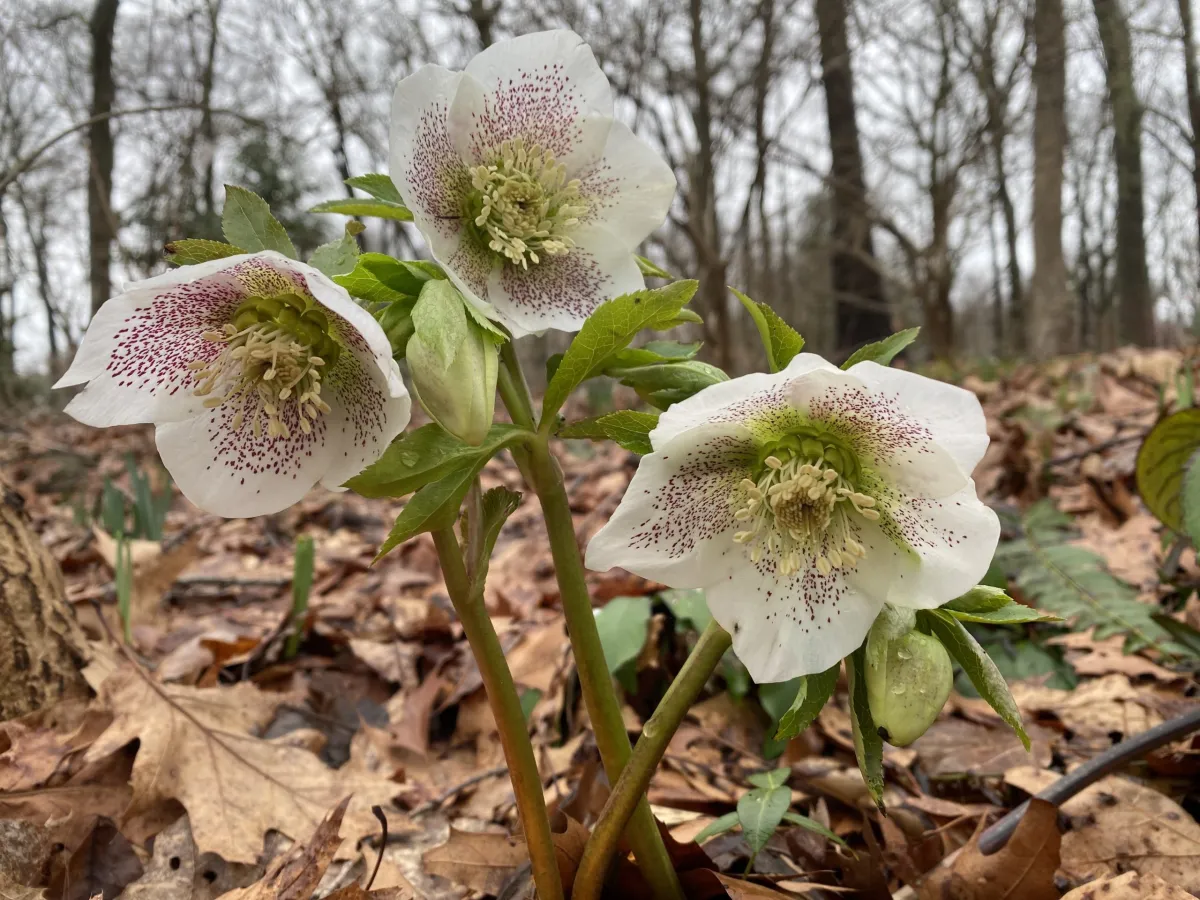
If I could bottle the secret to happy hellebores, it would be this: bright shade plus well-drained, humus-rich soil.
Hardiness note: many common garden hellebores (especially H. x hybridus) thrive in roughly USDA Zones 4 to 9, with bloom timing shifting earlier in mild climates and later where winters linger.
Light: shade is not darkness
- Best: dappled shade under deciduous trees, or morning sun with afternoon shade.
- Okay: deeper shade, especially in hot climates, but blooms may be fewer.
- Not ideal: harsh afternoon sun in summer, which can scorch leaves and stress plants.
Under a leafless tree canopy in early spring, hellebores often get plenty of light. That timing is perfect for them.
Soil: rich, loose, and living
Hellebores love soil that holds moisture but never stays soggy. Think forest floor: crumbly, dark, and full of decayed leaves.
- Work in compost or well-rotted leaf mold before planting.
- Aim for a neutral to slightly alkaline soil if you can, but do not stress. Many hellebores adapt well.
- Mulch annually with shredded leaves or compost to feed soil life and keep roots cool.
Drainage: the make-or-break detail
Hellebores dislike wet feet, especially in winter. If your soil is heavy clay, you have options:
- Plant on a slight mound so water drains away from the crown.
- Amend the planting area broadly with compost to improve structure over time.
- Choose a raised bed in shade if your site is consistently waterlogged.
How to plant hellebores
Hellebores are not fussy, but planting depth matters more than people realize.
Best planting time
- Fall is ideal in many climates because roots establish while temperatures are mild.
- Early spring also works well, especially for nursery plants you bring home while they are blooming.
Step-by-step planting
- Dig a wide hole about twice the width of the root ball.
- Loosen surrounding soil so new roots can expand easily.
- Set the plant high, not deep. The crown should sit at or slightly above soil level. Burying the crown is a common cause of rot.
- Backfill with native soil mixed with compost. Avoid creating a “pot” of fluffy soil surrounded by hard clay.
- Water deeply to settle soil, then mulch lightly, keeping mulch pulled back from the crown.
If you are planting multiple hellebores, give them space. A mature plant often reaches 18 to 24 inches wide or more.
Bloom care
Hellebores offer a choose-your-own-adventure moment after flowering. Do you tidy or let them do their wild, woodland thing?
Deadheading: when and why
Deadheading means removing spent flower stems. You might do it if:
- You want a cleaner look.
- You want the plant to put energy into roots and leaves instead of seed.
- You want to prevent lots of seedlings, especially if you have named cultivars you want to keep true.
To deadhead, follow the flower stem down and snip it near the base with clean pruners. Wear gloves if you have sensitive skin.
Letting seed: the magic and the surprise
If you leave flowers in place, many hellebores will self-seed. This is wonderful in a naturalistic shade garden, but there is a catch: seedlings from hybrids often do not look exactly like the parent.
- Pros: free plants, charming drifts over time, great for filling in under shrubs.
- Cons: you may lose a rare color form, and seedlings can pop up where you did not plan.
If you want some seedlings but not a takeover, remove most spent blooms and leave a few to set seed.
Seed patience pays off: hellebore seedlings often take 2 to 3 years (sometimes longer) to bloom.
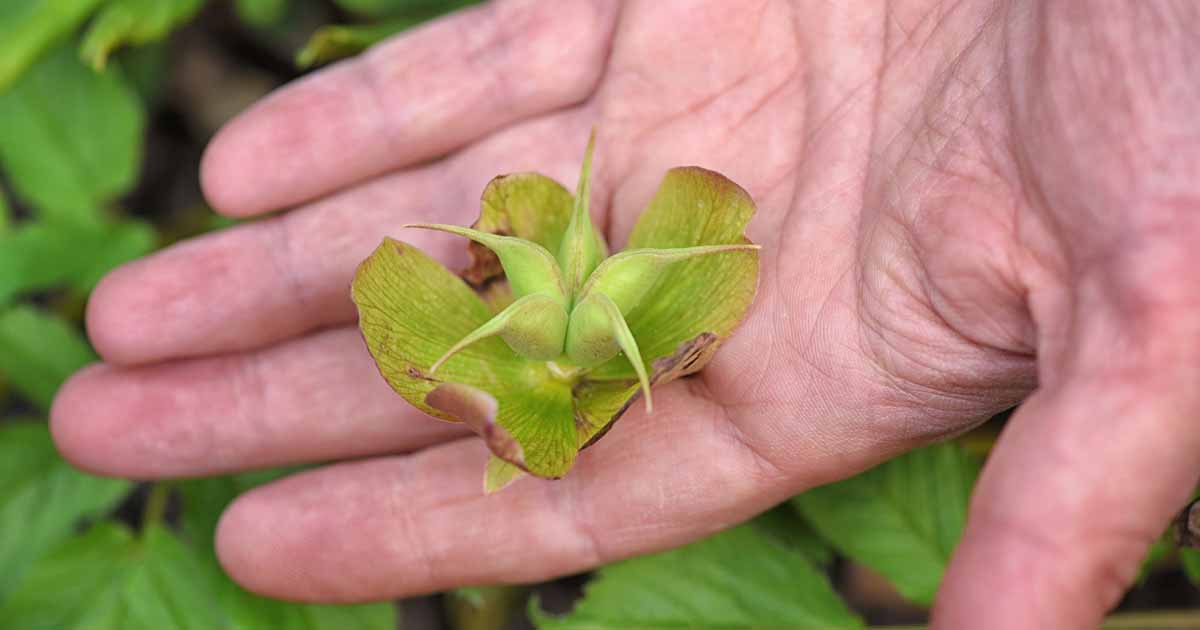
If you want to collect seed, watch for plump pods and harvest just as they begin to split. Otherwise, they can drop seed quickly.
Should you remove green blooms?
When hellebore blooms turn green, they are often still attractive and still feeding the plant. If you like the look, leave them. If you prefer tidy, cut them once they start to look papery or flop.
Evergreen cleanup
For many evergreen and semi-evergreen hellebores, the best thing you can do each year is a late winter haircut.
When to cut back old leaves
In late winter, just as flower buds rise, older leaves can look flattened, spotted, or tired. Removing them:
- shows off blooms instead of hiding them
- improves airflow
- reduces disease carryover like leaf spot
How: Use clean pruners and cut old leaves at the base, taking care not to nick new flower stems. I like to do this on a dry day.
Stem-forming types (like H. foetidus): do not shear the whole plant to the ground. Instead, remove the oldest, spent stems after they finish blooming, and let the fresh growth carry the show.
Watering and feeding
Hellebores reward steady care, not heavy-handed pampering.
Watering
- New plantings: water regularly during the first growing season, especially in dry spells.
- Established plants: water during prolonged droughts. Shade gardens can still get surprisingly dry under tree roots.
A simple rule: water when the top couple inches of soil feel dry, and always water deeply rather than frequently sprinkling.
Fertilizing
If your soil is rich in organic matter, you may not need fertilizer at all.
- Top-dress with compost in early spring or fall.
- If growth is weak, use a balanced, slow-release organic fertilizer in spring, following label rates.
Avoid high-nitrogen feeds that push lots of leafy growth at the expense of blooms.
Dividing and moving
Hellebores are not like hostas that beg to be divided. Many hellebores prefer to be left alone, and some take a year or two to rebound after division.
Which hellebores divide well
- Helleborus x hybridus can be divided, but do it sparingly.
- Helleborus orientalis types are often the ones gardeners attempt to divide.
- Some species and stem-forming types are better grown from seed or purchased as new plants.
Best time to divide or transplant
Early fall is usually best. Soil is warm, air is cooler, and roots can establish before winter. In colder climates, very early spring can work too, but flowering may be reduced that year.
If you need to move a hellebore, do it in fall when you can, and take as much rootball as possible. They resent root disturbance, but they will forgive you faster if you replant promptly and keep the soil evenly moist while they re-establish.
How to divide (gentle method)
- Water the plant the day before.
- Dig a wide circle around the clump and lift it carefully.
- Shake or wash off enough soil to see the crown and growing points.
- Use a clean knife or spade to cut into sections, making sure each piece has healthy roots and at least one strong growth point.
- Replant immediately at the same depth, water well, and mulch lightly.
If you want more hellebores without stressing the mother plant, letting a few seedlings grow is often the kindest option.
Common pests
Hellebores are fairly resilient, but a few pests can show up, especially in mild, damp weather.
Aphids
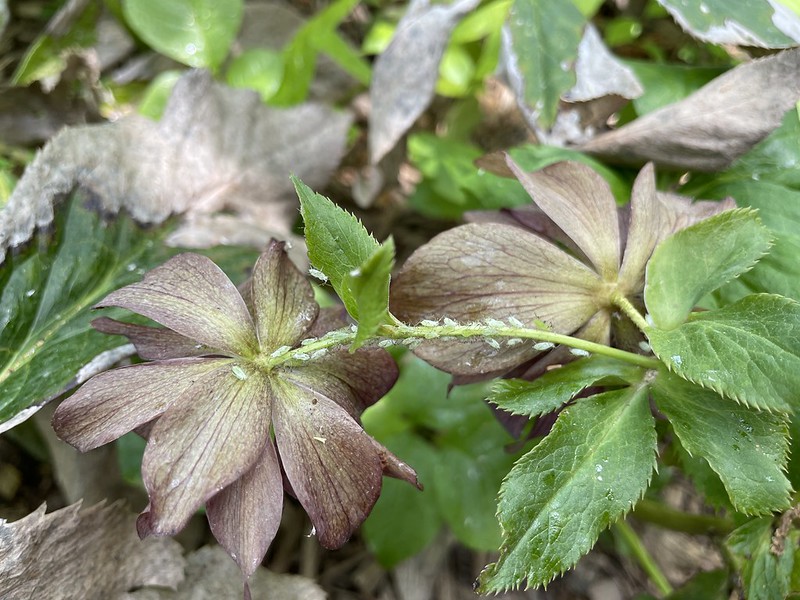
Aphids often cluster on new growth and flower stems. They can also spread disease.
- Blast them off with a strong spray of water.
- Pinch off heavily infested stems.
- Use insecticidal soap if needed, spraying in the cool part of the day.
Slugs and snails
They chew ragged holes in leaves, especially on young plants.
- Hand-pick at dusk.
- Use iron phosphate bait if pressure is high.
- Keep mulch from piling against crowns where slugs hide.
Vine weevil (in some regions)
Adults notch leaf edges, but larvae are the bigger problem because they can chew roots.
- Look for notched leaves as a clue.
- Use beneficial nematodes for larvae in appropriate seasons, following product directions.
Common diseases
Most hellebore problems trace back to a few repeat offenders: crowded plants, lingering damp on foliage in cool weather, and soil that stays wet around the crown and roots.
Hellebore leaf spot
What you see: dark spots or blotches on leaves, sometimes with yellowing around them. It often ramps up on older foliage by late winter.
What helps:
- Cut back old leaves in late winter and dispose of them. If infection is heavy, bag and trash the leaves instead of composting.
- Water at soil level, not overhead.
- Give plants spacing for airflow.
Gray mold (Botrytis)
What you see: fuzzy gray growth on flowers or leaves, especially in cool, wet weather.
- Remove affected parts promptly and discard them.
- Improve airflow and avoid crowding.
- Clean up plant debris around the crown.
Crown and root rot
What you see: sudden wilting, yellowing, or collapse, especially after wet weather, sometimes with a soft or blackened crown.
- Improve drainage and avoid planting too deep.
- Keep mulch pulled back from the crown.
- If a plant is badly rotted, removal is often the only practical option.
Black death (serious)
What you see: dramatic black streaking or netted black patterns on leaves and stems, distorted growth, and overall decline. This is linked to a virus and is believed to be spread by sap-sucking insects like aphids.
What to do: If you strongly suspect black death, the safest move is to remove and dispose of the entire plant to protect nearby hellebores. Do not compost it. Disinfect tools between plants.
Simple tool hygiene: clean off soil, then disinfect blades with a suitable disinfectant, following label directions and contact time.
Shade garden design
Hellebores are at their prettiest when you plant them where you can see the flowers. Remember, blooms nod downward.
Place them where you look down
- along a path edge
- near steps or a patio
- at the front of a shade border
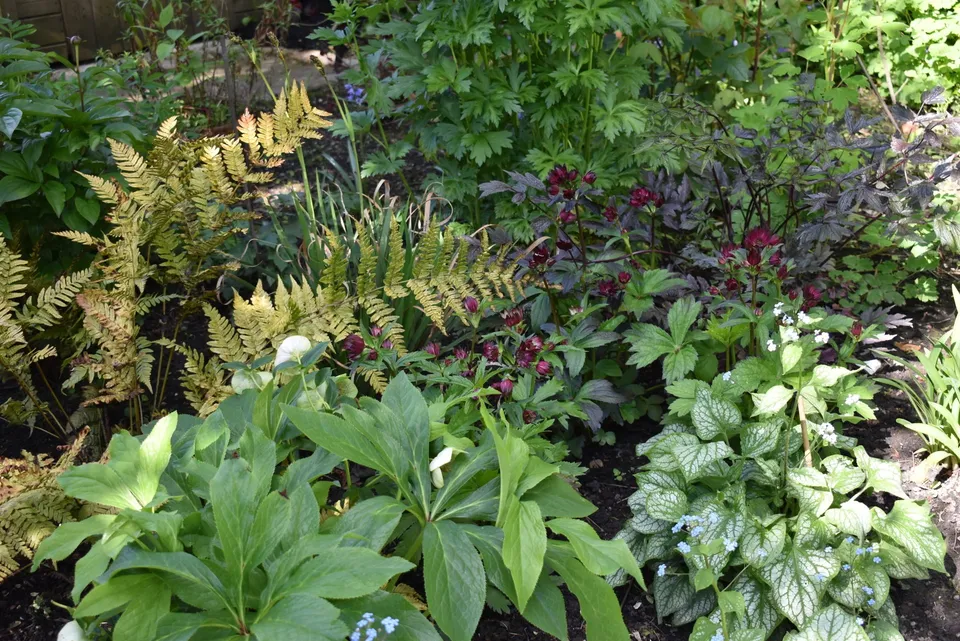
Pairing ideas
- Early spring: snowdrops, crocus, and species tulips threading between hellebore clumps
- Late spring: pulmonaria, brunnera, and epimedium for a soft woodland feel
- Summer: ferns, hostas, and heuchera to carry the shade garden through heat
- Structure: boxwood, sarcococca, or shade-tolerant shrubs behind them for evergreen backbone
Quick care checklist
- Light: dappled shade or morning sun with afternoon shade
- Soil: compost-rich, evenly moist, well-drained
- Planting depth: crown at or slightly above soil level
- Late winter: cut back old evergreen leaves to highlight blooms and reduce leaf spot
- After bloom: deadhead for tidiness or leave some flowers to set seed
- Divide or move: only when necessary, ideally in early fall
- Watch for: aphids, slugs, leaf spot, crown rot, and signs of black death
If you are still nervous, here is my most encouraging hellebore truth: once they settle in, they are the kind of plant that quietly forgives you for being human. Give them shade, decent drainage, and a little seasonal cleanup, and they will show up for you every year like an old friend.