
Haworthia Care

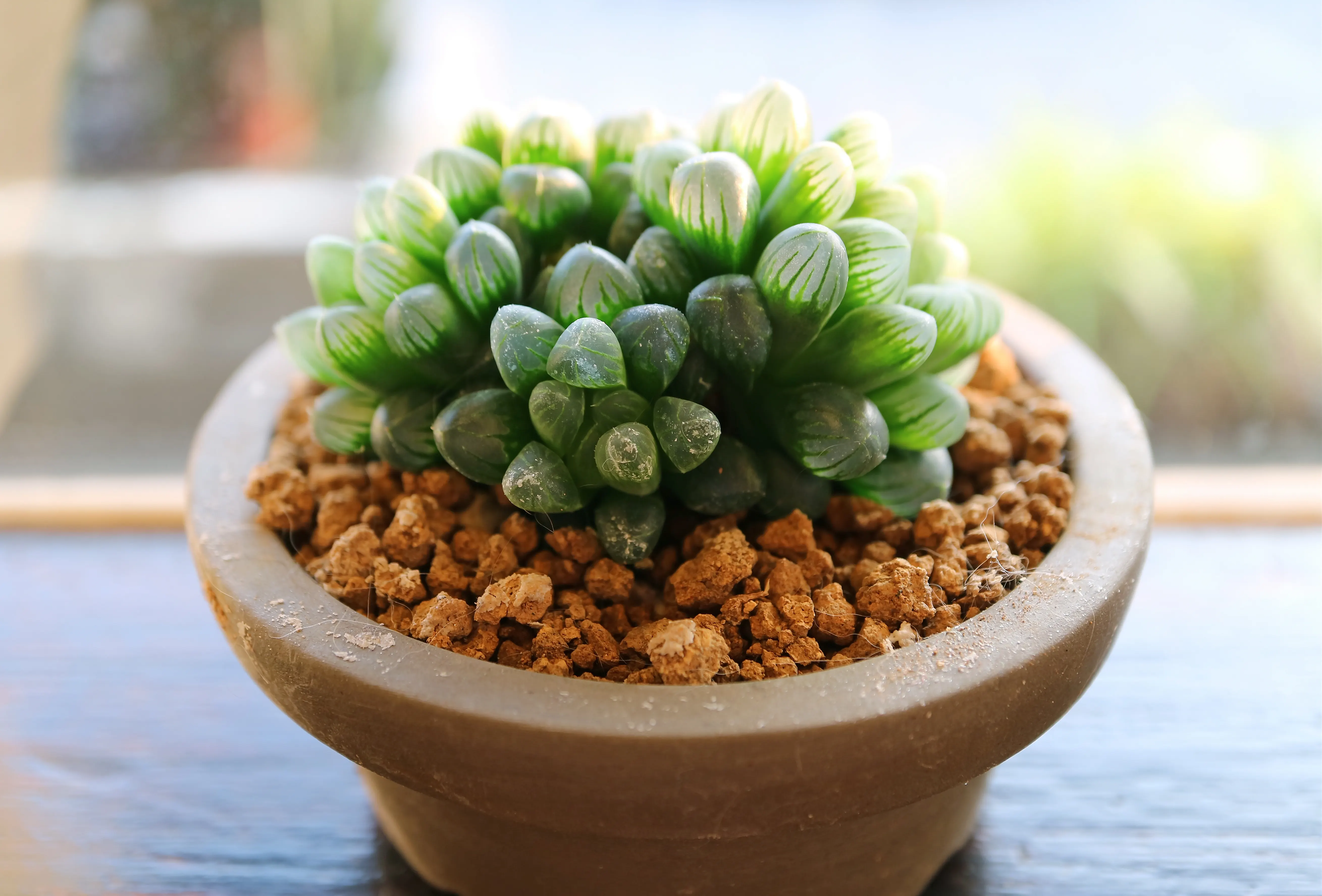
Haworthias are the quiet overachievers of the succulent world. They stay small, handle indoor light better than many succulents, and forgive the occasional missed watering. If you have ever called yourself a black thumb, this is the plant I would gently slide into your cart while you were not looking.
Most “haworthias” you find in shops are rosette-forming plants with firm, striped or translucent-tipped leaves, like Haworthiopsis attenuata (often sold as “zebra haworthia”). Quick note for the plant-nerd corner of your brain: some plants still sold as Haworthia have been reclassified into Haworthiopsis or Tulista, but the care is very similar across the group. Once you learn the rhythm, they are wonderfully low drama.
Quick care snapshot
- Light: Bright, indirect light is best. Handles bright shade or medium indoor light better than many succulents, but still needs a bright spot long-term.
- Water: Soak and dry. Water thoroughly, then let the soil dry out all the way before watering again.
- Soil: Fast-draining cactus mix improved with extra grit for faster drainage and more airflow.
- Pot: Drainage hole required. Small, snug pots help prevent staying wet too long.
- Propagation: Easiest from offsets (pups) that form around the base.
Light requirements
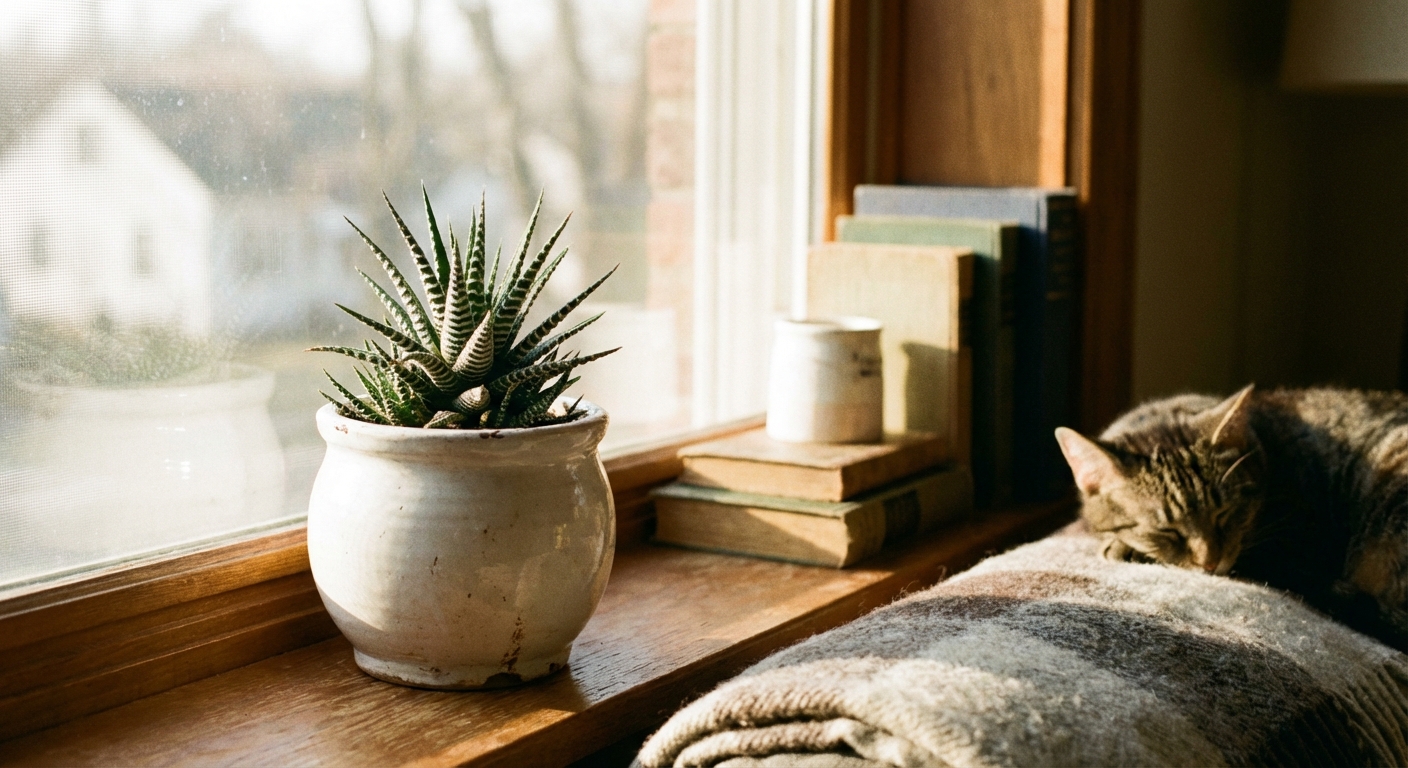
If haworthia care had one secret, it would be this: give it plenty of light without roasting it. In nature, many haworthias grow tucked among rocks or under shrubs, protected from harsh midday sun, especially behind heat-trapping glass.
Best light
Bright, indirect light keeps the rosette compact and the markings crisp. A few feet back from a sunny window, or in an east-facing window with gentle morning sun, is often perfect.
Can it tolerate low light?
Somewhat, and that is part of why beginners love it. Haworthias can survive in lower light for a while, but they tend to stretch over time and slowly lose their crisp form. If your home is dim, put yours in the brightest spot you have and consider a small grow light in winter.
Direct sun warning
Strong direct sun, especially hot afternoon sun through glass, can cause bleaching or brown, crispy patches. If you move it to brighter light, increase exposure gradually over 1 to 2 weeks.
Watering the beginner-friendly way
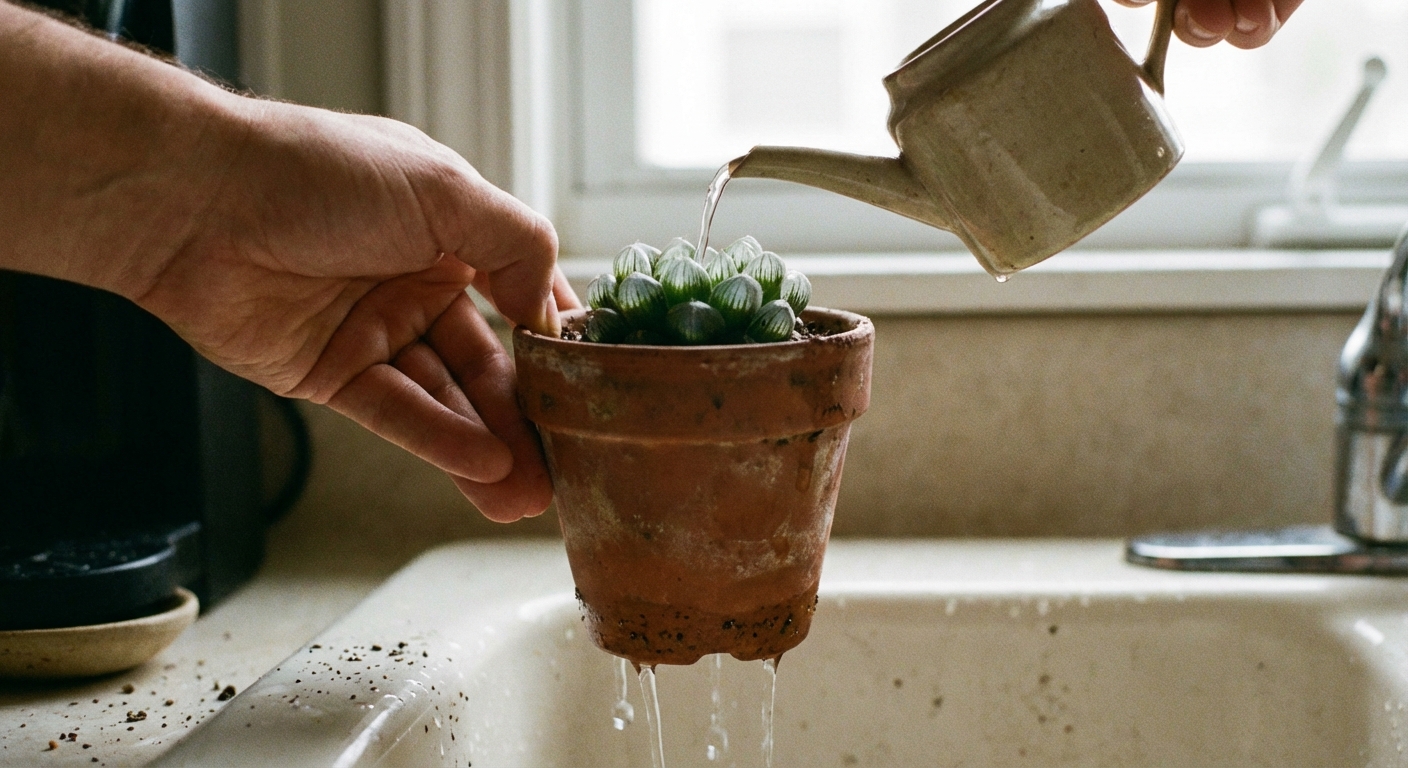
Haworthias store water in their leaves, so they would rather be a little too dry than a little too wet. The easiest method is the classic succulent rule: soak and dry. (Translation: skip the tiny “just a sip” top-offs. They keep the roots damp and grumpy.)
How to water (soak and dry)
- Water until it runs freely out the drainage hole.
- Let the pot drain completely. Never let it sit in a saucer of water.
- Do not water again until the soil is dry from top to bottom.
How often should you water?
Instead of a strict schedule, use the plant and the soil as your calendar. Typical indoor ranges:
- Brighter and warmer setups: sometimes as often as weekly once the mix is fully dry.
- Average indoor conditions: often every 2 to 4 weeks during active growth.
- Cooler and dimmer homes: every 4 to 6+ weeks, and occasionally monthly or longer.
My favorite beginner check: lift the pot. A dry pot feels noticeably lighter. You can also use a wooden skewer pushed to the bottom. If it comes out cool and damp, wait.
Signs you are underwatering vs overwatering
- Underwatering: Leaves look thinner, slightly wrinkled, or less plump. The plant still feels firm, just thirsty.
- Overwatering: Leaves become soft, translucent, or mushy. The base may darken. Soil stays wet for days.
Soil mix that prevents root rot
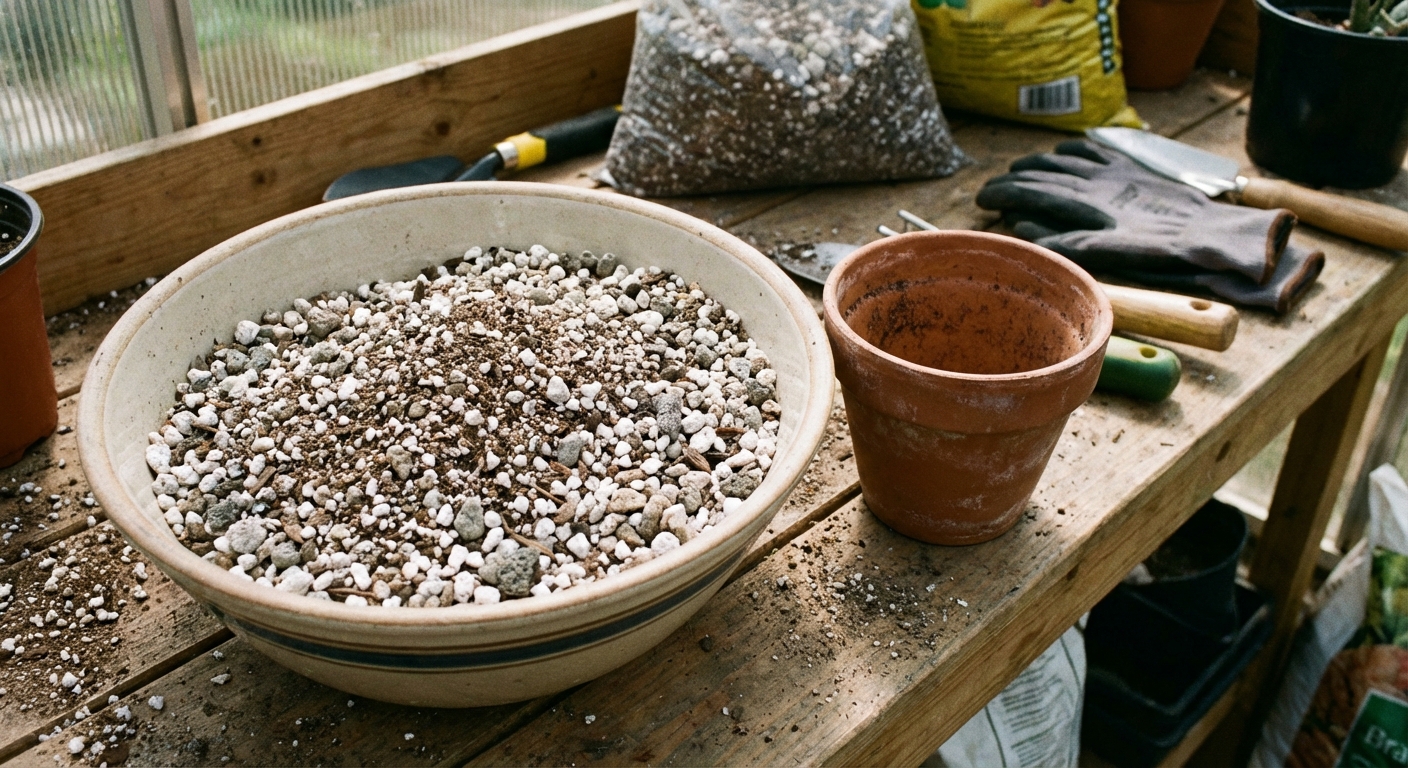
Most haworthia problems come down to one thing: roots staying wet too long. The fix is a gritty, fast-draining mix that dries evenly and lets air reach the roots.
Easy soil recipe
You can start with a bagged cactus and succulent mix, then improve it:
- 2 parts cactus/succulent potting mix
- 1 part pumice, perlite, or crushed lava rock
If your home is humid or you tend to water a little too lovingly, bump the grit up to a 1:1 ratio (half mix, half mineral). Haworthias do not need rich soil. They need breathing room.
Pot choice matters
- Drainage hole: Non-negotiable.
- Terracotta: Great for beginners because it dries faster.
- Pot size: Slightly snug is best. Oversized pots hold extra wet soil.
Propagation by offsets (pups)
When your haworthia is happy, it often produces little offsets around the base. This is the easiest propagation method and it feels like the plant is giving you tiny gifts.
When to separate offsets
Wait until the pup is at least about 1 to 2 inches wide and has a few firm leaves. If it already has some roots, even better.
Step-by-step offset propagation
- Let the soil dry for several days before you start. Drier soil makes the job cleaner and reduces rot risk.
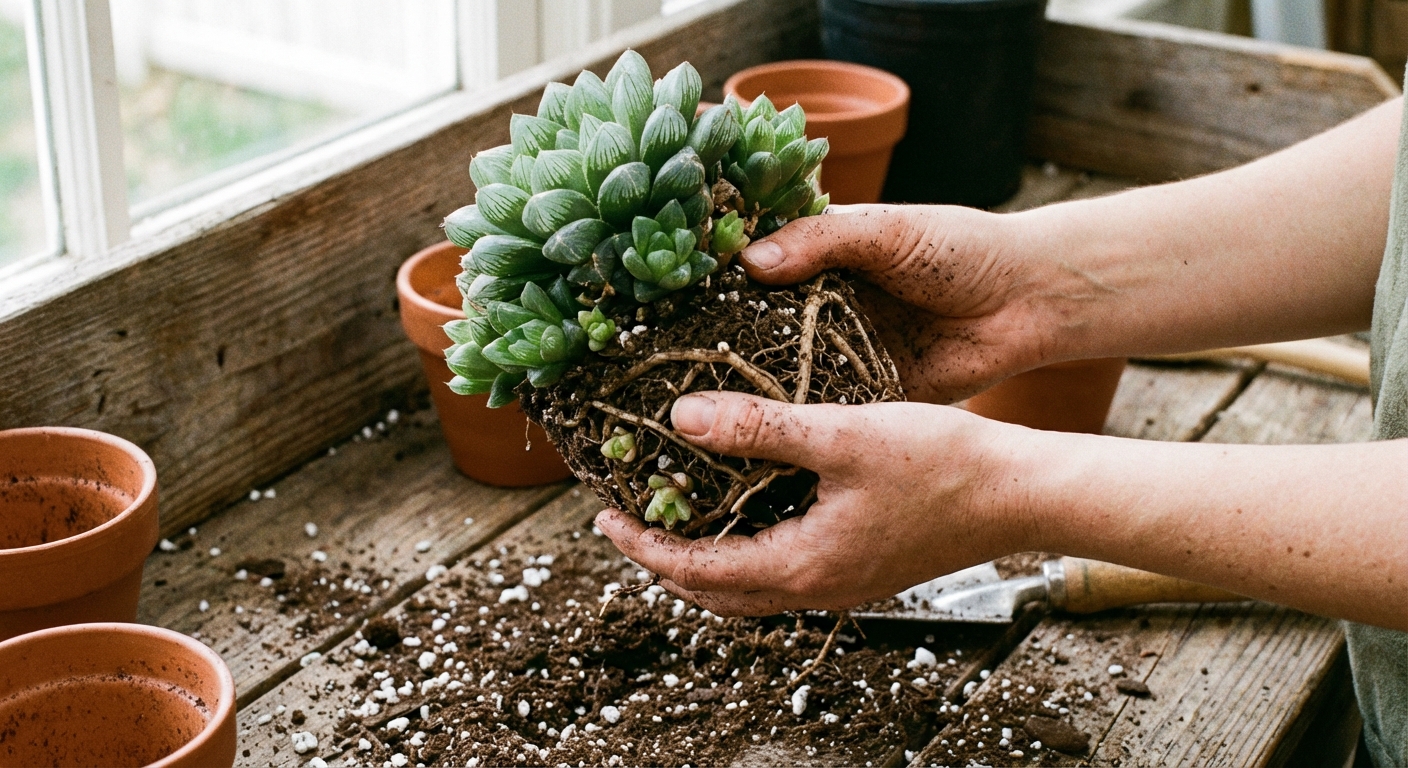
- Unpot the plant and gently brush soil away from the base to find where the pup connects.
- Separate the offset with a gentle twist. If needed, use a clean knife to cut the connection.
- Let it callus in a dry, shaded spot for 24 to 72 hours so the cut end can dry.
- Pot it up in dry gritty mix.
- Wait to water about 5 to 10 days, then water lightly. After that, return to soak-and-dry.
Keep the new baby in bright, indirect light while it settles in. Strong sun plus fresh roots can be a rough introduction.
Common problems and how to fix them
Haworthias are forgiving, but they do have a few predictable ways of telling you what they need. If you can learn to read their body language, you are set.
Etiolation (stretching)
What it looks like: The rosette opens up and elongates, leaves lengthen, and the plant leans toward the light.
Why it happens: Not enough light.
What to do:
- Move it to brighter indirect light, closer to a window, or add a grow light.
- Rotate the pot every week or two for even growth.
- Know this: stretched growth will not shrink back. Aim for healthier new growth going forward.
Root rot
What it looks like: Mushy or translucent leaves, a loose wobbly plant, blackened roots, or a sour smell from wet soil.
Why it happens: Too much water, soil that holds water, a pot without drainage, or watering heavily during dormancy.
What to do:
- Unpot immediately and remove all wet soil.
- Trim away black, slimy roots with clean scissors.
- Let the plant dry for 1 to 3+ days, until any cuts feel dry and sealed.
- Repot into dry gritty mix in a pot with drainage.
- Hold off watering for 7 to 14 days, then resume soak-and-dry.
Leaves turning brown or pale
Common causes: Too much direct sun, sudden change in light, or heat stress.
What to do: Shift to bright shade or filtered light and acclimate slowly.
Soft leaves but soil is dry
This is often simple thirst. Give a full soak, then let it dry completely. If it does not firm up within a week or two, check the roots. A plant with damaged roots can look thirsty even when you water it.
Pests (the usual suspects)
Indoors, the main ones are mealybugs and scale. If you spot cottony bits in the leaf joints or small sticky bumps, isolate the plant and dab pests with 70 percent isopropyl alcohol on a cotton swab. Recheck weekly for a few rounds because they love a comeback tour.
Seasonal care and simple routines
Haworthias have a seasonal tempo that surprises people. Many are cooler-season or shoulder-season growers, and they can slow down when conditions are extreme. The safest rule is simple: when growth slows, watering slows.
Spring and fall
- This is often prime time. Many haworthias actively grow in these milder seasons.
- Water a bit more often, but only after the mix dries completely.
- Fertilize lightly if you want: a diluted cactus fertilizer once or twice during the growing season is plenty.
- Repot if the plant is crowded or the soil has broken down, usually every 2 to 3 years. Spring or early fall is ideal.
Summer
- In peak heat, many haworthias slow down or go semi-dormant.
- Reduce watering during hot spells and do not “help” with extra drinks. Overwatering a resting haworthia in summer is a classic path to root rot.
- Give bright shade and good airflow. Avoid hot afternoon sun through windows.
Winter
- Growth often slows in low light. Water less and let the pot dry fully, often for longer stretches.
- Keep it away from cold drafts and windows that get icy at night.
- Temperature note: haworthias are not frost-tough. Aim to keep them above about 50°F / 10°C, and never let them freeze.
Why haworthias are so forgiving
If you remember nothing else, remember this: a haworthia would rather you wait a little longer than water a little sooner. Give it bright, gentle light, a gritty mix, and a pot with drainage. Then let it do what it does best, which is quietly thrive while you build confidence.
And if you catch yourself chatting with it while you check the soil? Welcome. My ferns and I have been expecting you.