
Goldfish Plant Care

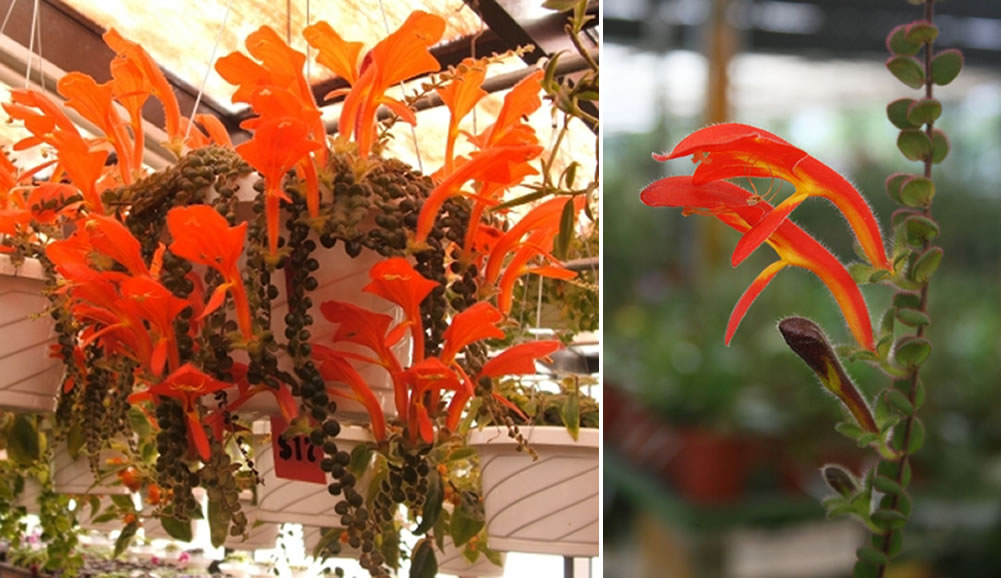
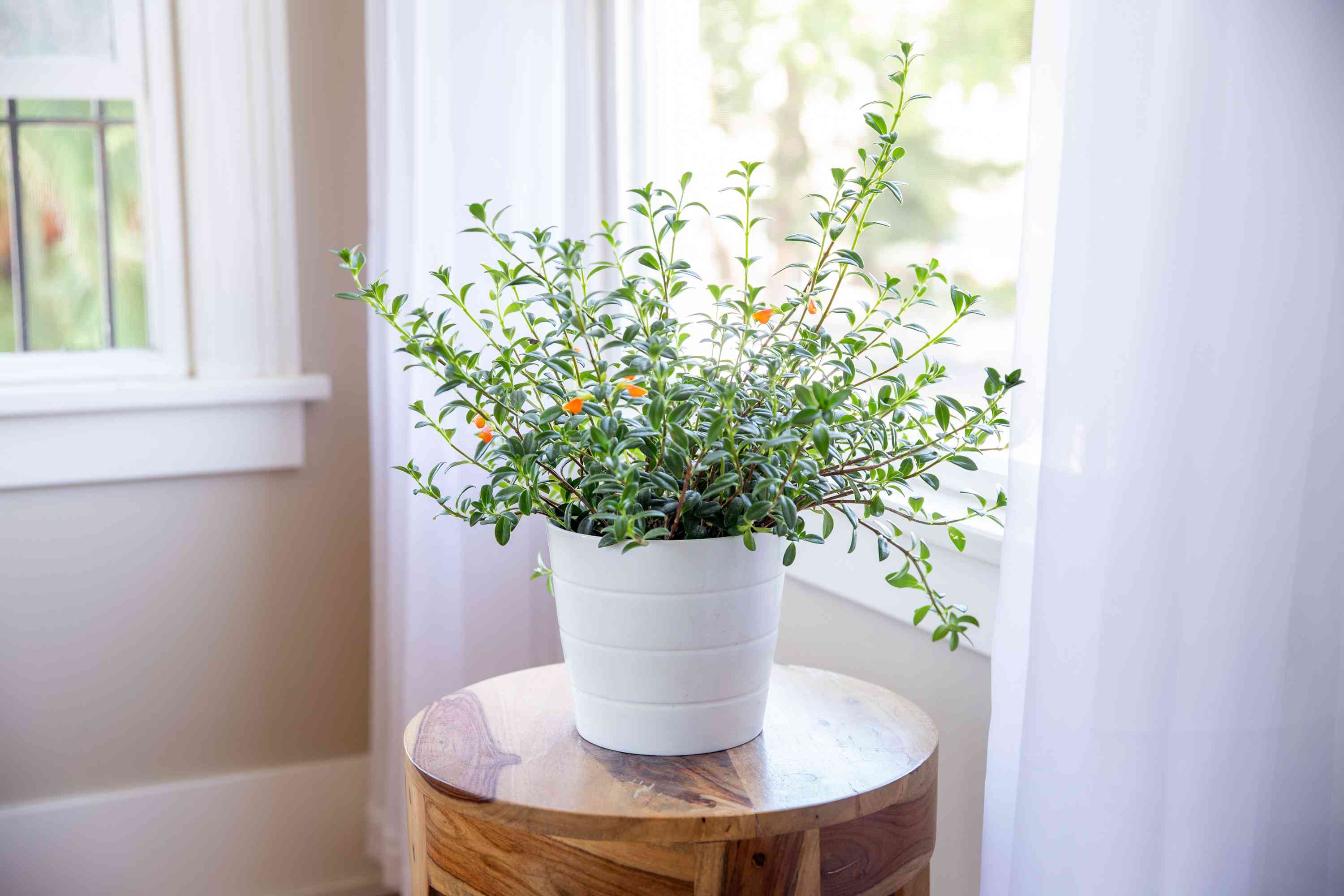
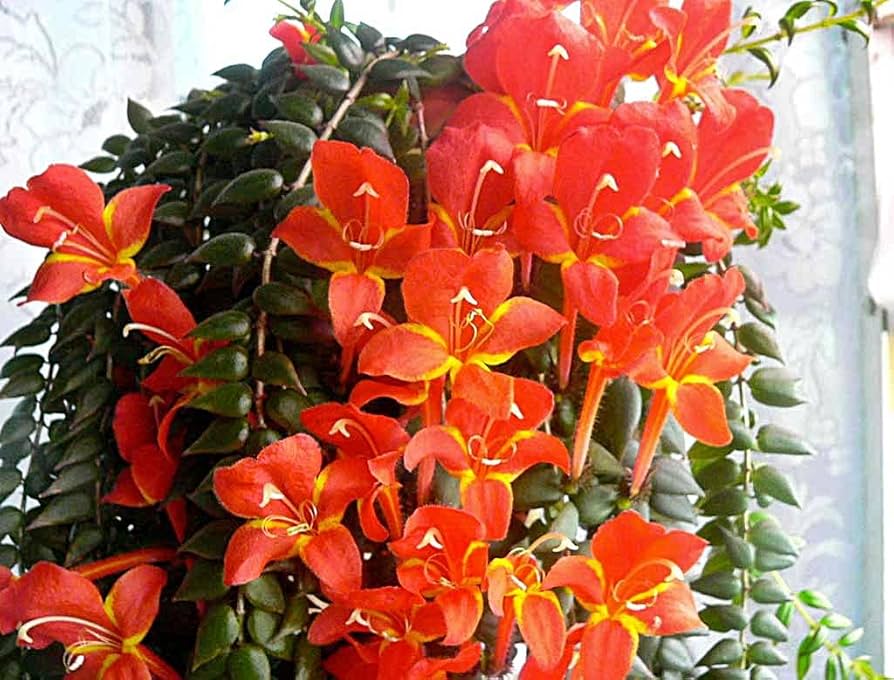
If you have ever wished your houseplant would surprise you with tiny, bright orange “goldfish” swimming out of the leaves, meet the goldfish plant. This common name is most often used for Nematanthus (the classic “puckered” blooms), but you will also see it on some Columnea species and hybrids (often called the “flying goldfish plant”). Both are trailing, tropical members of the Gesneriaceae family, which also includes African violets and their close cousin, the lipstick plant. Give them the right light and a little extra humidity, and they will happily bloom from a hanging basket like a living firecracker.
What makes a goldfish plant special
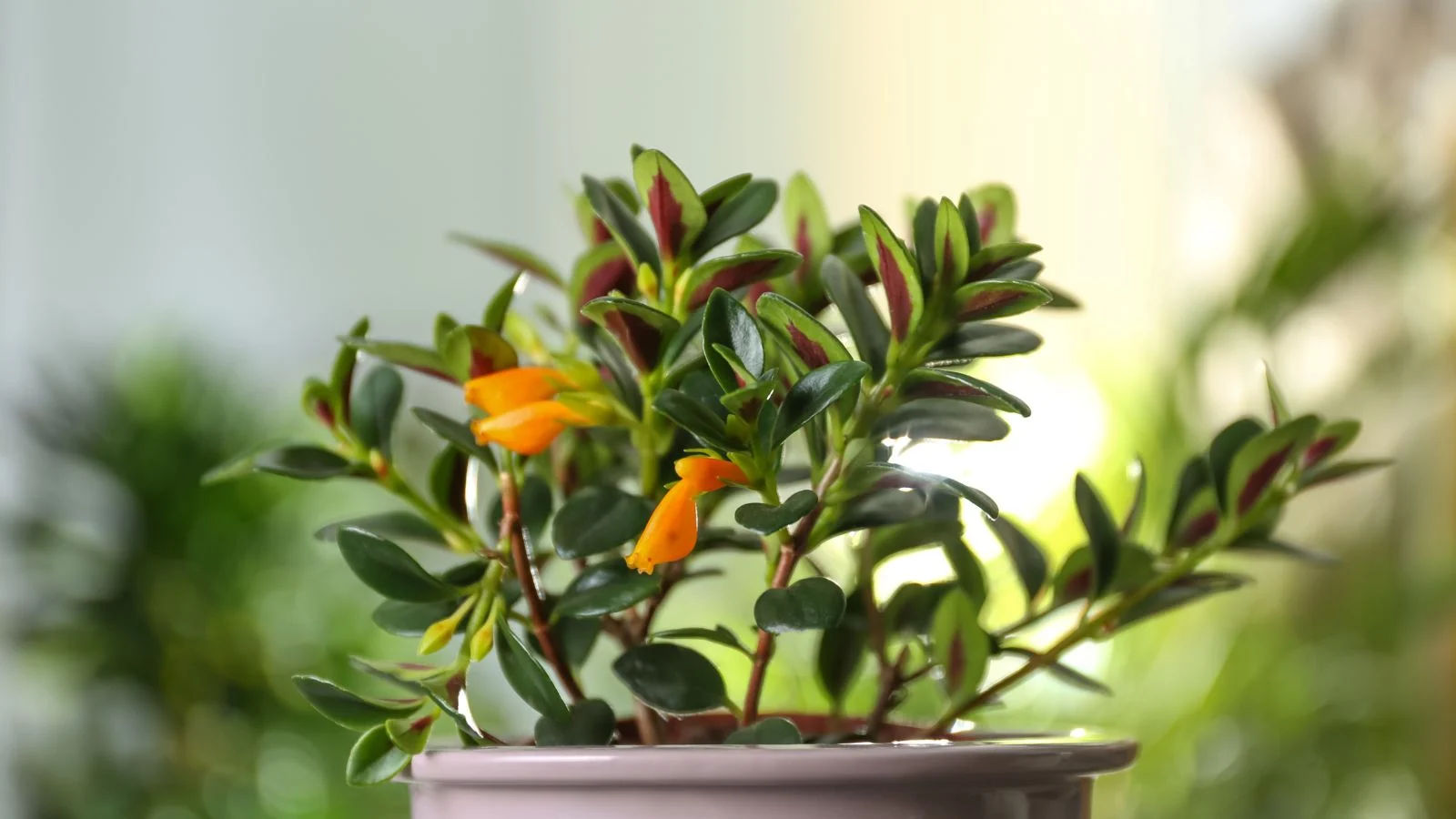
Goldfish plants are grown for their orange to red tubular blooms that look like tiny fish. Depending on the plant, the “fish” can look a little different.
- Nematanthus types: plumper flowers with that classic “puckered mouth” look
- Columnea types: more open, hooded tubular flowers, often described as “flying” goldfish
- Botanical name: usually Nematanthus (often sold as goldfish plant), and sometimes Columnea (often sold as flying goldfish plant)
- Growth habit: Trailing, perfect for hanging baskets and high shelves
- Bloom season indoors: Often late winter through spring, but hybrids can bloom at other times with good conditions
- Plant family: Gesneriaceae (think African violet vibes, but in a cascade)
If you already grow a lipstick plant, you are in very familiar territory. Goldfish plants typically want bright light, even moisture, airy soil, and steady humidity.
Light: bright and gentle
Light is the make or break factor for blooming. Goldfish plants want bright, indirect light, plus a bit of softer direct sun.
Best window directions
- East: Ideal. Gentle morning sun helps with blooms.
- South: Great if you soften it with a sheer curtain or set the plant a foot or two back.
- West: Can work, but watch for hot afternoon sun scorching the leaves.
- North: Often too dim for reliable flowering, unless you supplement with a grow light.
How to tell if the light is right
- Too little light: Long, thin stems, fewer leaves, and lots of green growth with no flowers.
- Too much sun: Pale patches, crispy edges, or leaves that look sun-faded.
If your plant looks healthy but refuses to bloom, adjust light first. Move it a little closer to the window or add a small grow light for 10 to 12 hours a day.
Water: moist, not soggy
Goldfish plants like consistent moisture, but they hate sitting in water. Think “wrung-out sponge,” not “swamp.”
When to water
- Water when the top 1 inch of soil feels dry.
- In brighter light and warmer months, that may be weekly or even a bit more often.
- In winter or lower light, it might slow down to every 10 to 14 days.
How to water
- Water slowly until it drains from the bottom.
- Let it drain fully, then empty any saucer or cachepot.
- Avoid repeated tiny sips. Deep watering encourages healthier roots.
Practical tip: If you are using a hanging basket with a liner, make sure it still drains well. I love a pretty basket as much as anyone, but roots need oxygen more than décor.
Humidity and temp
In their native tropical habitats, goldfish plants enjoy humid air. Most homes run dry, especially in winter, so a little humidity can mean the difference between “fine” and “flowering.”
Humidity target
- Aim for 50% to 70% if you can.
- They can survive lower humidity, but may drop buds or get crispy tips.
Easy ways to increase humidity
- Humidifier: The most reliable option, especially in winter.
- Pebble tray: Helps a little, best in smaller spaces.
- Plant grouping: Creates a gentler, more humid microclimate.
- Bathroom with bright light: A lovely spot if you have a window.
Temperature
- Ideal range: 65°F to 80°F (18°C to 27°C)
- Keep away from cold drafts, hot vents, and heater blasts.
Sudden swings can cause buds to drop. If your plant is blooming and you move it from a cozy shelf to a drafty windowsill, it may protest.
Soil and pot
Goldfish plants do best in a mix that holds some moisture but drains quickly. If the roots cannot breathe, the plant will sulk, and sometimes rot.
Beginner potting mix
- 2 parts high-quality indoor potting mix
- 1 part perlite or pumice
- 1 part fine orchid bark (optional, but wonderful for airflow)
Pot choice: Use a pot with drainage holes. A slightly snug pot is fine. Overpotting often leads to slow-drying soil and root issues.
Fertilizer: light feeding
Goldfish plants are not heavy feeders, but they do appreciate gentle nutrition when they are actively growing.
- Feed in spring and summer every 2 to 4 weeks with a balanced liquid fertilizer at half strength.
- Pause or reduce feeding in fall and winter unless your plant is actively growing under strong light.
If you are aiming for blooms, a fertilizer slightly higher in phosphorus can help, but do not overdo it. Too much fertilizer can cause weak growth and salt buildup.
Pruning: make it fuller
Goldfish plants naturally trail, but without pruning they can get leggy. A little trimming tells the plant, “Hey, branch out!”
When to prune
- After a big bloom flush, or anytime stems look long and sparse.
- Light pinching throughout the growing season keeps the basket full.
How to prune
- Use clean scissors or snips.
- Trim back trailing stems by 1 to 3 inches, cutting just above a leaf node.
- Save the cuttings for propagation.
Do not be shy. These plants respond beautifully to pruning, and the goal is lots of tips, because tips are where flowers love to form.
How to get more blooms
When a goldfish plant is happy, it blooms like it is trying to show off. When it is not, it grows leaves and silently judges you from the shelf. If yours is stuck in “leaf mode,” work through this checklist.
Bloom checklist
- Increase light: Bright, indirect light is the number one bloom driver.
- Keep moisture consistent: Avoid repeated drought-to-drench cycles.
- Boost humidity: Buds form more reliably in moderately humid air.
- Do not overpot: Slightly snug roots often bloom better.
- Feed lightly: Half-strength fertilizer during active growth.
- Prune for more tips: More branching means more potential bloom sites.
Seasonal cues
Many goldfish plants bloom best after a slightly cooler, brighter winter period. You do not need to chill it dramatically, just aim for steady bright light and temperatures closer to the mid 60s°F at night if your home allows.
Propagation: easy cuttings
One of the most satisfying things about goldfish plants is how easily they share themselves. Propagation is also the best way to thicken up an older plant, because you can root cuttings and tuck them back into the pot.
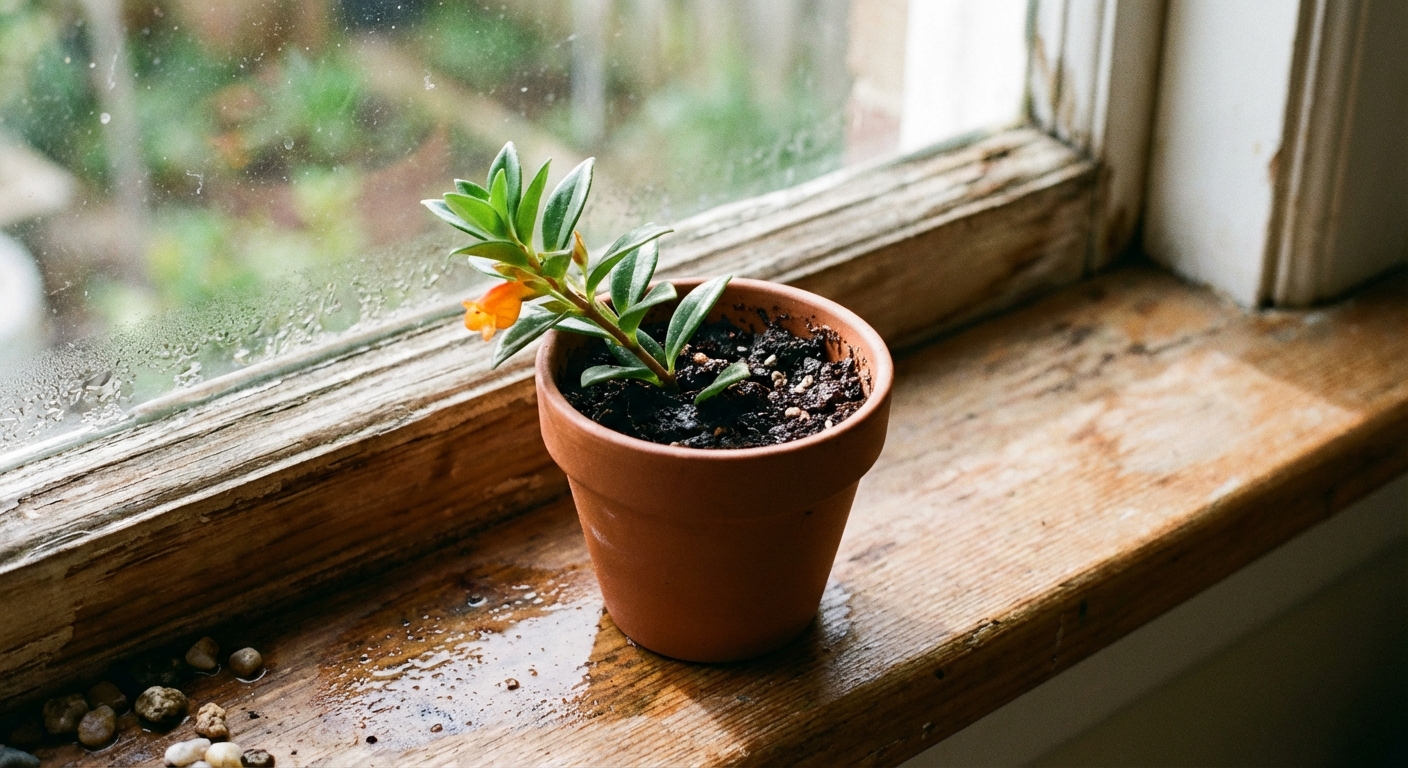
How to propagate in soil
- Take a 3 to 5 inch cutting with several leaves.
- Remove the bottom leaves, leaving a few at the top.
- Dip the cut end in rooting hormone (optional, not required).
- Plant into a small pot of lightly moist, airy mix.
- Cover loosely with a clear bag or place in a propagation box to hold humidity.
- Keep warm, bright, and out of direct sun.
Roots often form in 2 to 4 weeks. Give a gentle tug. Resistance means roots are anchoring.
Can you propagate in water?
Yes, but I prefer soil for goldfish plants because the roots transition more smoothly. If you do water-prop, pot up as soon as you see a small cluster of roots, not when the jar looks like spaghetti.
Common problems
Yellow leaves
- Most common cause: Overwatering or slow-draining soil.
- Fix: Let the top inch dry, improve drainage, and check the pot for standing water.
Crispy leaf edges
- Most common cause: Low humidity or inconsistent watering.
- Fix: Increase humidity and water more evenly.
Leggy growth
- Most common cause: Not enough light, plus no pruning.
- Fix: Brighter light and regular pinching back.
Buds drop
- Most common causes: Dry air, drafts, or sudden changes in watering.
- Fix: Stabilize the environment, add humidity, and keep moisture consistent.
Few or no flowers
- Most common cause: Insufficient light.
- Fix: Move closer to a bright window or add a grow light.
Goldfish vs lipstick plant
If you are deciding which one to grow, here is the friendly summary: both are trailing Gesneriads that like bright light, steady moisture, and humidity. The difference is the flower shape.
- Goldfish plant (Nematanthus or Columnea): fish-like orange blooms, from puckered and plump to hooded and “flying,” depending on the genus.
- Lipstick plant (Aeschynanthus): Tubes that emerge from a darker calyx, like a lipstick tube opening.
They look beautiful together in matching hanging baskets, especially if you want that “tiny tropical greenhouse” feeling indoors.
Beginner care summary
- Light: Bright, indirect, with gentle morning sun if possible
- Water: When top 1 inch is dry, never let it sit in water
- Humidity: Aim for 50% to 70% for best blooming
- Soil: Airy and fast-draining, pot with drainage holes
- Prune: Pinch and trim for bushiness and more blooms
- Propagate: Stem cuttings root easily in warm, humid conditions
If you are nervous, start simple: give it bright light, keep the soil lightly moist, and add a little humidity. Then watch closely. Goldfish plants are excellent teachers, and once you learn their rhythm, they will reward you with a whole school of orange “fish” all year long.