
Get Rid of Wasps Naturally (Without Harming Bees)

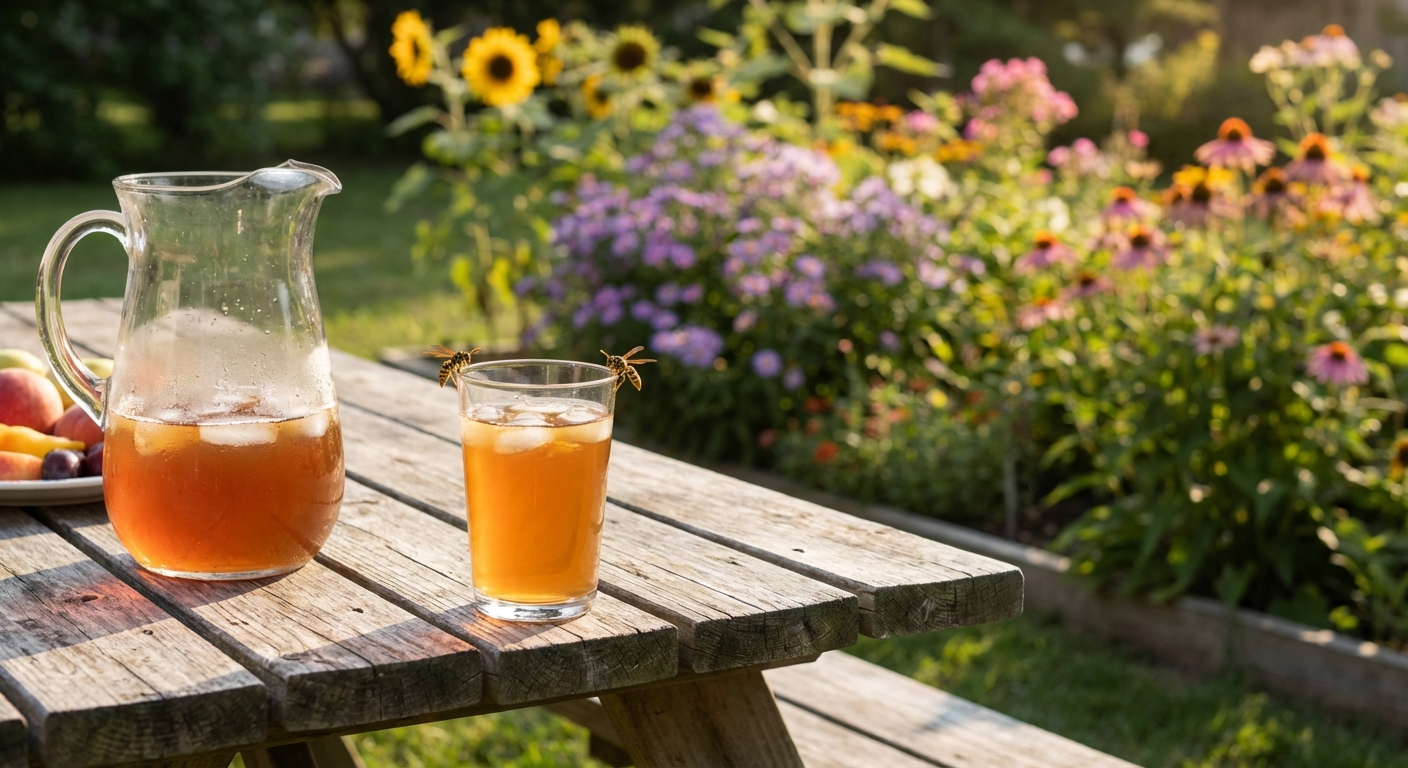
Wasps have a way of turning a peaceful backyard into a jumpy, drink-covering, “everyone go inside” situation. I get it. But I also want you to know something calming right up front: you can reduce wasps without waging chemical war on your whole yard, and without putting bees at risk.
The goal is not to sterilize your outdoor space. The goal is to remove the incentives that invite wasps to move in, then use targeted, bee-safer strategies to knock down the population pressure around patios, play areas, and doors.

Bees vs wasps: quick ID
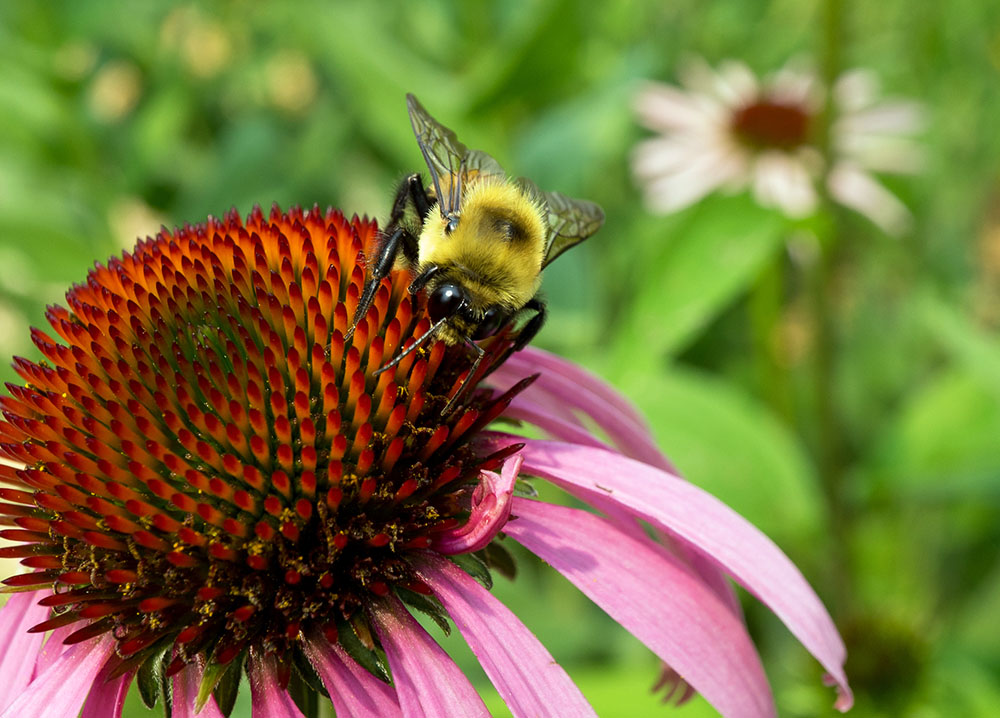
Before you set a trap or knock down a nest, make sure you are dealing with wasps. Bees are vital pollinators, and many bee species are gentle unless handled. Some wasps also visit flowers and can contribute to pollination, though far less than bees. The ones that cause most yard trouble tend to be aggressive scavengers or fierce defenders of their nest.
Fast visual clues
- Body shape: Many wasps have a narrow “waist” and a smooth, shiny look. Many bees look rounder and fuzzier.
- Legs in flight: Wasps often dangle longer legs when they fly. Bees typically look more compact.
- Behavior at food: Wasps love meat, sugary drinks, and garbage. Many bees focus on flowers, though a few may investigate sweet drinks in late summer.
- Sting behavior: Many wasps can sting multiple times. Honey bees usually sting once in defense.
Common yard culprits
- Yellowjackets: Small, bright yellow and black, fast flyers. Often nest in the ground and show up at outdoor meals late summer.
- Paper wasps: Longer-bodied, often brownish or reddish with yellow. Make open, umbrella-like paper nests under eaves and rails.
- Bald-faced hornets: Actually a type of yellowjacket. Black and white, build large aerial paper nests in trees or on structures.
Tip: If you see a fuzzy bee working flowers with “pollen pants” on its hind legs, that is a bee doing good work. Give it space and a quiet thank-you nod.
Which wasps matter most
“Wasp” covers a big range of insects, and not all of them are backyard villains. Many solitary wasps (like mud daubers and many parasitic wasps) are low-drama and helpful in the garden. The big patio problems are usually social wasps like yellowjackets and paper wasps, because they defend a shared nest and, later in the season, they actively scavenge for your food.
Where wasps nest
Finding the nest is half the battle. The other half is choosing a method that targets the wasps, not every beneficial insect in your yard.
Ground nests
Yellowjackets often nest in old rodent burrows, under landscape timbers, along slopes, or beneath dense groundcover. If you see wasps repeatedly entering and exiting one spot in the lawn, that is your clue.
Extra caution: Ground nests can be hard to see, and mowing or vibrations nearby can trigger defensive behavior. Mark the area and give it a wide berth until it is handled.
Aerial paper nests
Paper wasps and bald-faced hornets build papery nests under eaves, in sheds, in shrubs, and in tree branches. The open-comb paper wasp nests are easier to spot. Hornet nests can be football-sized and hidden in foliage.
Wall voids and cavities
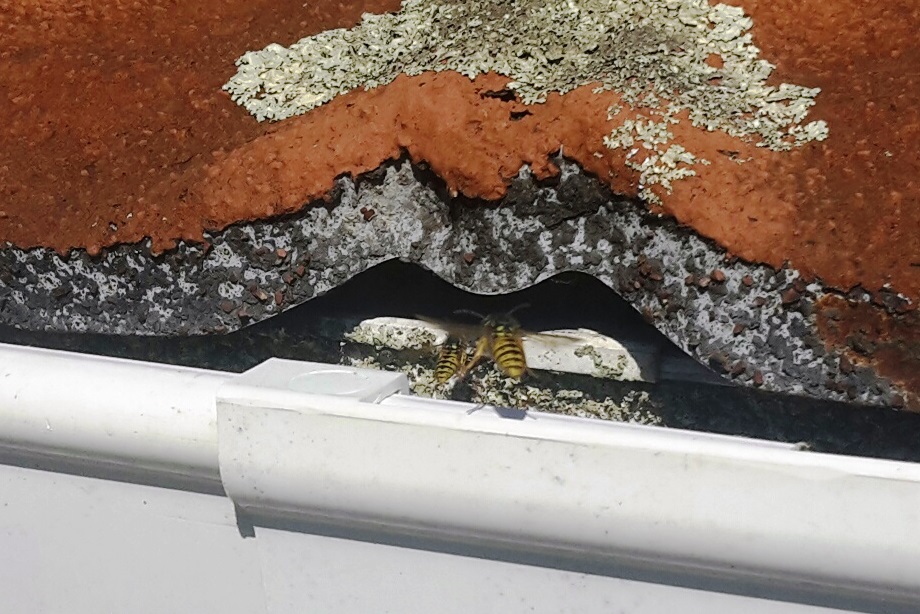
Wasps sometimes move into gaps in siding, attic vents, soffits, or around utility penetrations. These are the situations where DIY efforts can go sideways fast.
Safety checklist
I am all for natural methods, but I am even more for you staying safe.
- Know your allergy status: If anyone in your home has a sting allergy, treat any nest activity as a professional job.
- Keep kids and pets away: Rope off the area with a chair, bucket, or temporary barrier.
- Dress for it: Closed shoes, long pants, long sleeves, gloves, and eye protection. Move slowly.
- Pick the right time: Evening or very early morning is safest because most wasps are in the nest and less active.
- Go easy on light: Do not shine a bright flashlight directly at a nest. If you need light, use a red filter or indirect light.
- Have an exit: Never corner yourself on a ladder or in a tight stairwell.
Prevent wasps naturally
Prevention is the most pollinator-friendly strategy because you are not poisoning anything. You are just making your yard less attractive to the wasps that cause trouble.
1) Remove food and drink cues
- Use cups with lids outdoors, especially for soda, juice, and sweet cocktails.
- Cover serving platters and bring food inside promptly.
- Wipe down sticky tables and rinse recycling cans that held sweet drinks.
- Pick up fallen fruit under trees (a huge late-summer wasp magnet).
2) Make garbage boring
- Use tight-fitting trash lids and rinse bins when they get syrupy.
- Bag meat scraps well and take them out promptly.
- Keep compost covered. Avoid adding meat or oily foods to backyard compost.
3) Seal entry points
For wasps nesting in structures, prevention is often about blocking easy real estate.
- Repair torn window screens.
- Seal gaps around hose bibs, vents, and utility lines with appropriate materials.
- Add fine mesh to vents if needed (do not block airflow).
- Check soffits and eaves for small openings.
4) Water wisely
Wasps drink water and hunt near it. Fix leaky spigots and avoid leaving pet bowls out all day. If you want to be extra kind to pollinators, set a shallow birdbath away from your patio with a few stones for safe landing.
Bee-safer ways to reduce wasps
Here is the heart of the plan: targeted actions that focus on wasps, timed and placed to reduce risk to bees.
Option A: Wasp traps (placed smart)
Traps work best for yellowjackets and other scavenging social wasps. The trick is bait choice, timing, and placement. Done poorly, traps can pull more wasps toward your hangout zone, so be intentional.
- Place traps away from people: 20 to 30 feet from patios, doors, play areas, and grills. You are luring wasps away, not inviting them closer.
- Keep away from flowers: Hang traps away from blooming beds so you are not competing with (or interfering with) pollinator activity.
- Hang at the right height: About 4 to 6 feet off the ground, in partial shade if possible.
- Use the right bait for the season:
- Spring to early summer: Wasps hunt protein for growing larvae. Use a protein bait like a small piece of fish or deli meat inside the trap.
- Late summer to fall: Wasps crave sugar. Use something sweet like overripe fruit or a small amount of juice.
- Reduce bee interest: Avoid honey water and strongly floral scents. If you use a sweet bait, a small splash of vinegar may reduce bee interest in some yards, but it is not foolproof. You can also use a commercial yellowjacket lure that is designed to be more selective than a generic sweet bait.
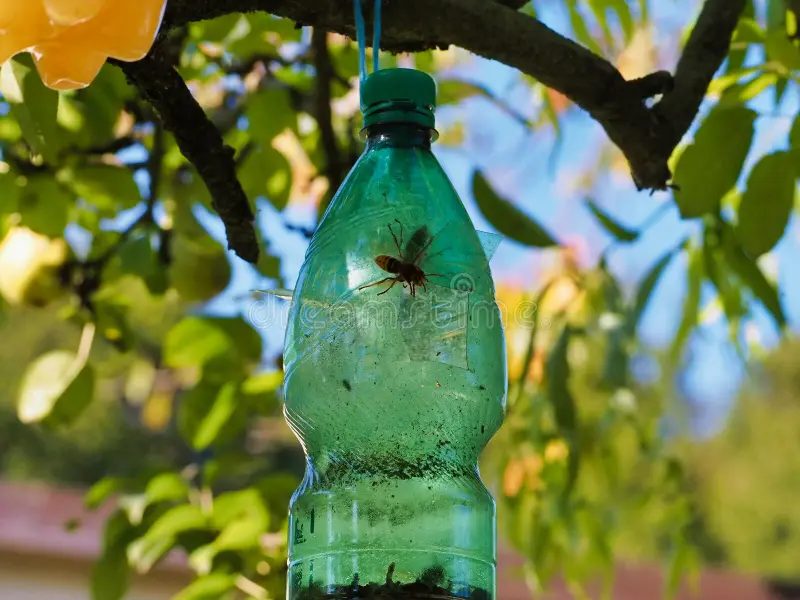
Simple DIY trap (for yellowjackets): Use a bottle trap with a small entrance that suits wasps, not big, open bowls. Add your seasonal bait, hang it well away from seating and blooms, and empty it regularly. If bees show interest, stop using sweet bait and switch to protein, or move the trap farther from flowers.
Option B: Stop nests early
Early season is your best friend. Small nests are easier to manage and less likely to trigger defensive swarming.
- Paper wasp starter nests: In spring, you may spot a tiny open comb under an eave with just a few adults. If it is in a high-traffic spot, you can often remove it at dusk with a long tool and a bucket, then wash the spot with soapy water to remove scent cues. If it is tucked away and not bothering anyone, consider leaving it. Paper wasps also hunt garden pests.
- Discourage rebuilds: After removal, reduce nesting sites by keeping eaves tidy and sealing small gaps.
Important: If the nest is larger than your fist, in a wall void, or you cannot reach it safely, skip DIY and move to the “call a pro” section.
Option C: Scent deterrents (small help)
Some strong scents can discourage wasps from hanging out in a specific spot, but they do not erase an established nest. Think of these as boundary-setting, not eviction notices.
- Peppermint oil: In some yards it helps deter wasps from hovering around door frames or seating areas. Use sparingly and spot-test surfaces. Keep essential oils away from pets, especially cats, and avoid spraying directly on flowers where pollinators forage.
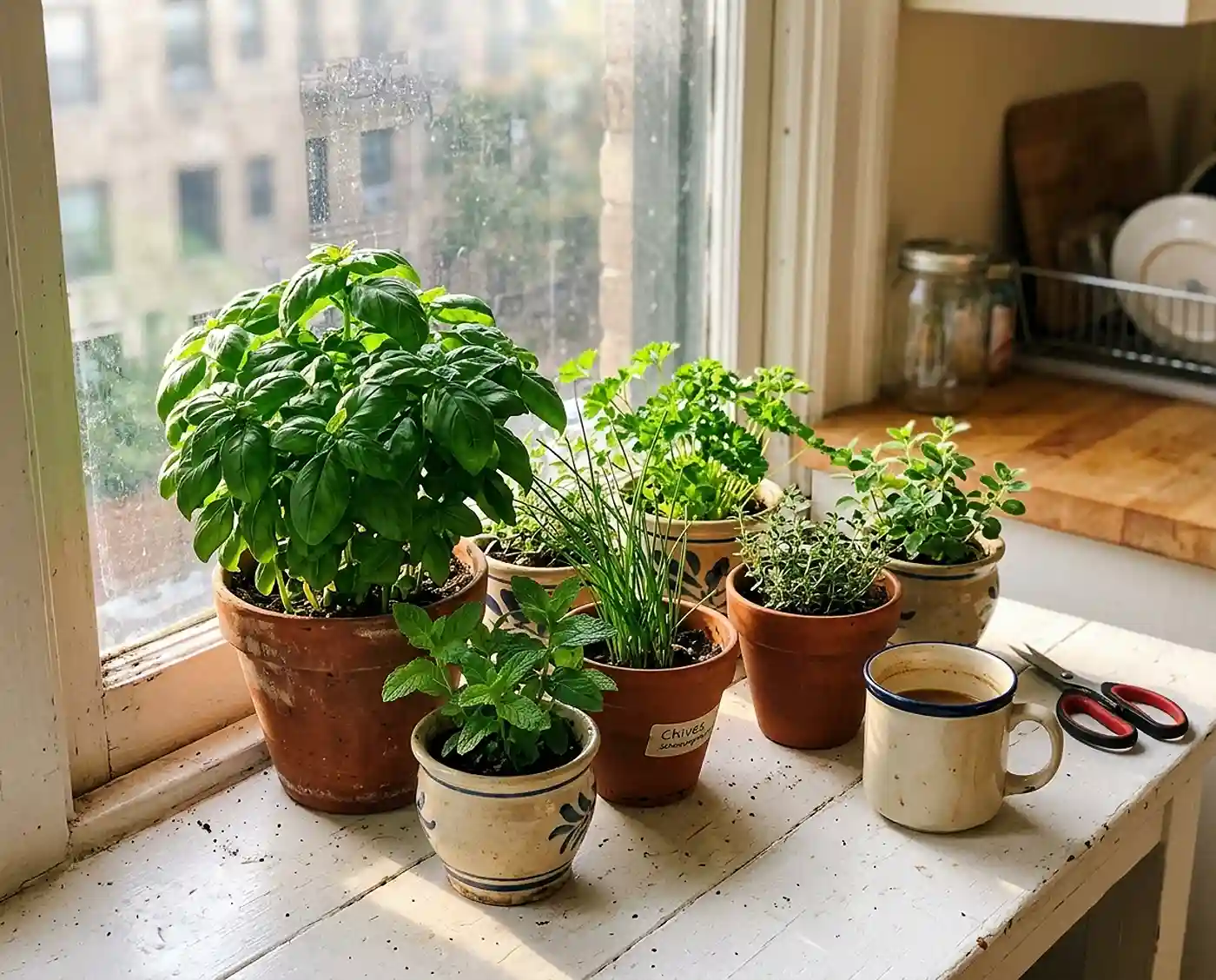
- Fresh herbs near seating: Mint, basil, and rosemary can make a patio less attractive to scavengers, while giving you something delicious to harvest. Herbs are not a force field, but every little nudge helps.
What not to do
- Do not spray broad insecticides: Even “natural” sprays can harm bees, butterflies, and beneficial predators if applied on blooms or drifted into habitat.
- Do not flood or burn ground nests: This can be dangerous, ineffective, and damaging to soil life.
- Do not swat at wasps: Sudden motion makes stings more likely. Move calmly and cover sweet drinks.
- Do not block a nest entrance in a wall: Trapped wasps may chew into the living space or find a new exit indoors.
Best timing
Wasps are seasonal. If you match your approach to their life cycle, you will do less work for better results.
- Early spring: Queens start new nests. Catching small nests early helps prevent a late-summer explosion.
- Mid-summer: Colonies grow. Focus on prevention and trap placement well away from seating and blooms.
- Late summer to early fall: This is peak nuisance time. Wasps get bolder as natural food sources shift. Use sanitation plus targeted traps away from people.
- After hard frosts in many regions: Many colonies collapse. Remove old aerial nests in winter if you want, but know that these social wasps typically do not reuse old nests.
When to call a pro
Sometimes the most responsible choice is hiring a licensed pro, especially when safety is on the line. A good professional can use targeted methods and remove nests without blanket spraying.
Call a pro if:
- The nest is in a wall, attic, soffit, chimney, or other enclosed space.
- You see heavy traffic in and out of a single hole in the ground (a large yellowjacket colony).
- Anyone in the household has a known sting allergy.
- You cannot access the nest safely without a ladder or squeezing into tight areas.
- You have been stung already while trying to locate it.
Questions to ask:
- Can you confirm the insect ID before treatment?
- Can you do physical removal or targeted application rather than broad spraying?
- How will you protect nearby flowering plants and pollinator areas?
- Will you seal entry points after removing a nest from a structure?
If you get stung
Most stings are painful but manageable. Still, take them seriously.
- Clean and calm: Wash with soap and water. Apply a cold compress for 10 minutes on, 10 minutes off.
- Reduce swelling: Elevate the area if you can. An over-the-counter antihistamine may help with itch and swelling (follow label guidance).
- Watch for severe symptoms: Trouble breathing, throat tightness, facial or tongue swelling, widespread hives, dizziness, or vomiting can signal anaphylaxis. Call emergency services right away.
- Multiple stings: If someone gets many stings, especially a child or older adult, seek medical advice promptly.
Bee-friendly habits
I want your yard to be a place where pollinators thrive and you feel comfortable barefoot in the grass. These habits do both.
- Plant for bees, not for scavengers: Keep blooms in garden beds and away from outdoor dining zones, so pollinators stay where you want them.
- Leave habitat, just not by the door: A messy corner with native plants and a brush pile can support beneficial insects, while your patio area stays tidy.
- Skip perfume-like floral sprays: They can confuse and attract insects to high-traffic areas.
- Keep outdoor meals tight: Lids, quick cleanup, and covered bins are the simplest wasp control you will ever do.
Quick troubleshooting
“Wasps are dive-bombing our drinks.”
Switch to lidded cups, move food inside sooner, wipe surfaces, and hang a trap 20 to 30 feet away from the seating area. In late summer, also check for fallen fruit and rinse recycling.
“They keep coming back to the same corner.”
Look up. Paper wasps often start nests under eaves, porch rails, and outdoor furniture. Remove tiny starter nests at dusk if they are in a high-traffic spot, then clean the area with soapy water and reduce ledges and gaps.
“I cannot find the nest.”
Stand at a distance and watch flight lines. Wasps tend to fly a repeatable path to their entrance. Morning light can make the pattern easier to see.
A final note
If you are feeling jumpy, you are not alone. Wasps hit that primal “danger” button. But with a little observation, tidy habits, and a trap placed thoughtfully away from where you sit and where pollinators forage, most yards settle down fast.
And when you do spot a bee working your flowers, let that be your tiny reminder that your garden is alive, functioning, and worth protecting, even while you reclaim your patio.