Get Rid of Voles Naturally

If you have plants that look fine one day and then suddenly wilt, topple, or pull up like a loose wig the next, you are not imagining things. Voles can quietly chew through roots, crowns, bulbs, and tubers underground and leave you standing there with a sad little plant in your hand and a lot of questions.
The good news is you do not need harsh poisons to get your garden back. You can interrupt vole activity right where it happens: under cover, along runways, and around the roots they love most. Below is exactly how I do it in an organic garden, step by step, with options for different yard sizes and budgets.
Voles vs. moles
Before you treat anything, make sure you are dealing with voles and not moles. The strategies overlap a little, but the signs are different because these animals behave differently.
Vole signs
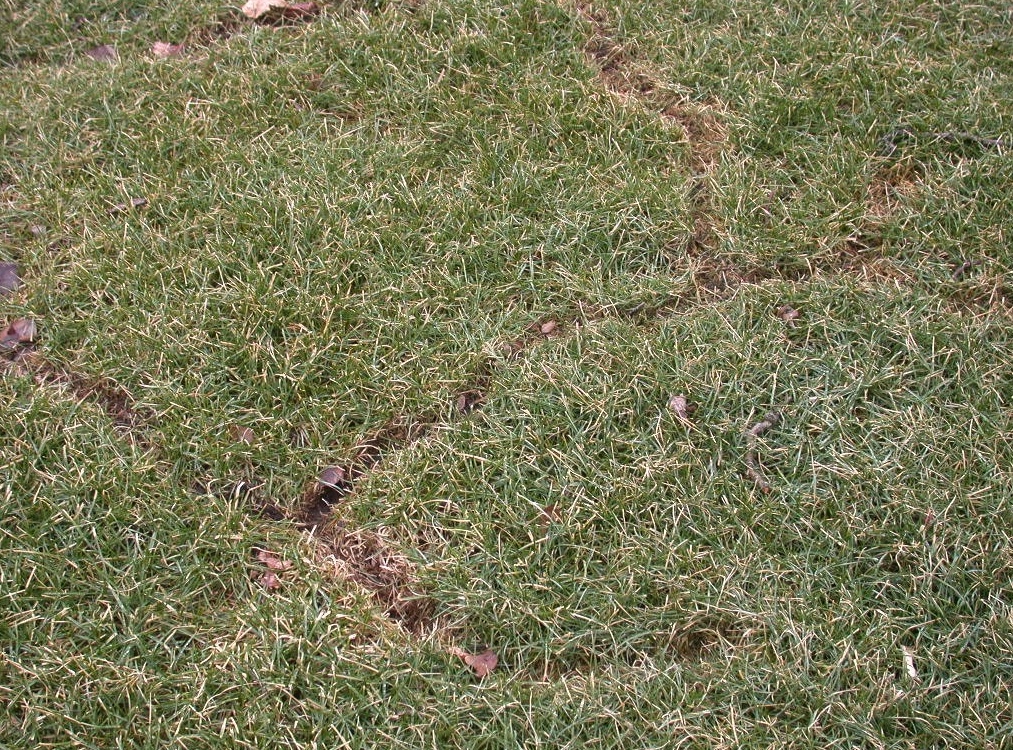
- Surface runways: narrow, shallow paths in grass or mulch, often about 1 to 2 inches wide, where vegetation is clipped low. You may also find small openings leading into the runway network.
- Chewing at the base of plants: shallow tooth marks on crowns and stems, especially near the soil line.
- Bulb and root damage: tulips, crocus, lilies, potatoes, carrots, beets, and young tree roots can be hollowed out.
- Girdling in winter: bark chewed around the base of shrubs and young trees, often under snow cover or mulch.
- Droppings: small, dark pellets, usually about 1/8 to 1/4 inch, near runways or openings.
Mole signs
- Raised ridges: long, raised tunnels in the lawn like a little speed bump.
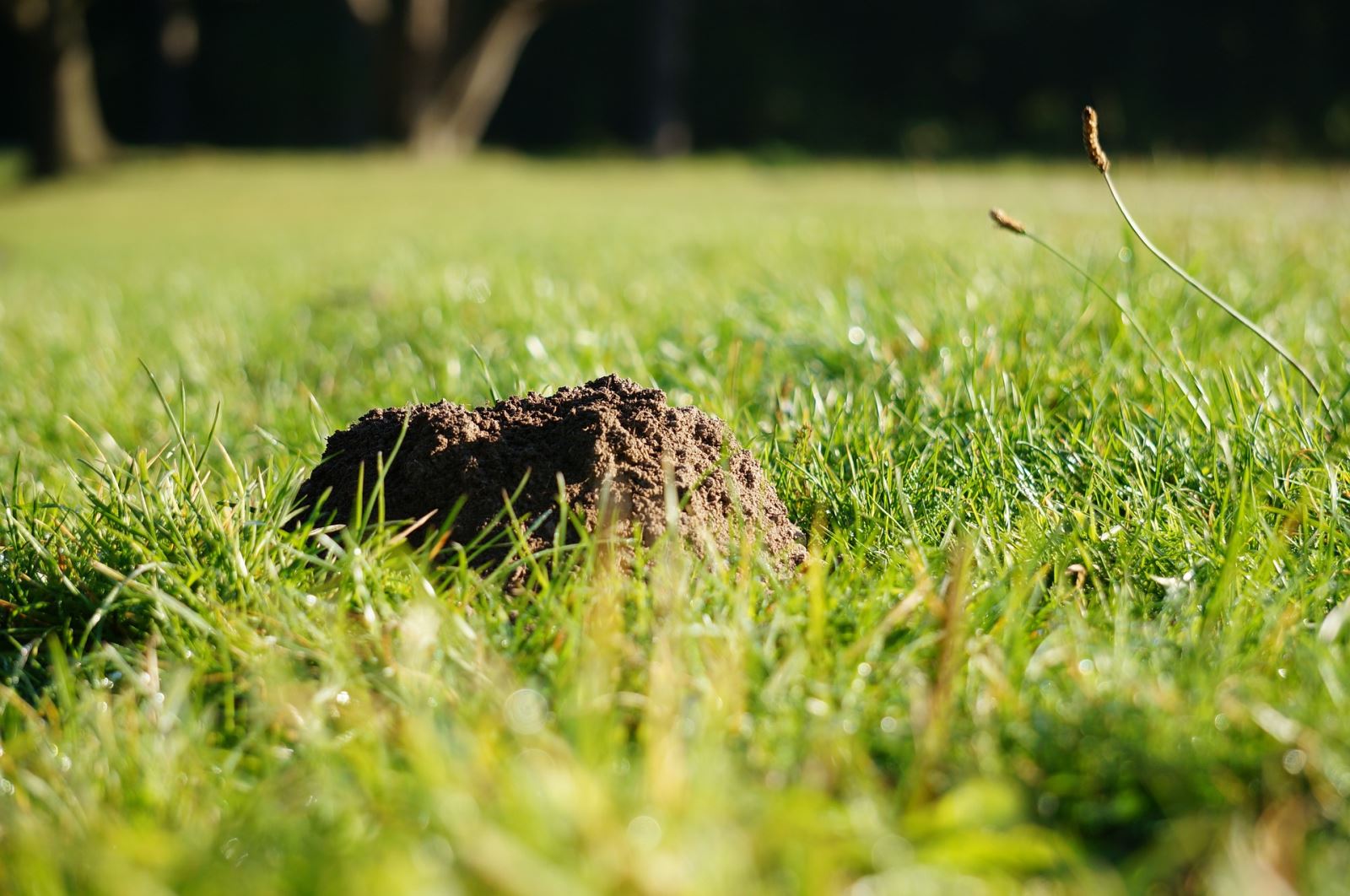
- Molehills: volcano-shaped mounds of fresh soil.
- Plant issues are indirect: moles mainly eat earthworms and other soil invertebrates, so plants suffer from root disturbance, not chewing.
Quick test: If you see mounds of soil, think moles. If you see surface runways and chewed plants or missing bulbs, think voles.
Why voles move in
Voles are small rodents that love three things: cover, food, and safe travel routes. In a garden, that often means:
- Thick mulch piled against crowns and trunks
- Dense groundcovers, ornamental grasses, ivy, and weedy edges
- Boards, tarps, stacked pots, and brush piles that create hideouts
- Easy meals like tender roots, bulbs, and tubers
When you make the garden less comfortable for them, you usually reduce damage dramatically, even if you never get to “zero voles.”
When damage spikes
Vole damage often ramps up in fall as they stock up, and in winter when snow and mulch give them a safe “roof” to travel under. In spring, their runways can be easier to spot once things green up, which makes it a great time to do cleanup, set barriers, and confirm where they are most active.
Start with cover removal
I know, I know. Everyone wants the magic repellent. But with voles, removing cover is the foundation. It makes everything else you do more effective because voles hate feeling exposed.
Open up runways
- Mow grass shorter along fences, hedges, and garden borders where runways form.
- Pull tall weeds and clear dense thatch, especially in fall before snow cover arrives.
- Thin groundcovers near beds and the base of shrubs. Keep a few inches of open space around the crowns of perennials.
- Move clutter like boards, stored pots, and tarps off the ground or onto shelves.
Mulch without making a vole hotel
Mulch is wonderful for soil. Voles also think it is wonderful for hiding. You can still mulch, just do it thoughtfully.
- Keep mulch 2 to 3 inches deep in most beds.
- Pull mulch 3 to 6 inches back from the base of young trees and shrubs.
- Avoid thick, fluffy blankets of straw or leaves right over crowns in vole-prone areas. Use compost, shredded leaves, or wood chips in a thinner layer instead.
Active runway test
If you are not sure which paths are active, do this simple check:
- Flatten a runway with your foot or a rake, or lightly cover it with a thin sprinkle of grass clippings or leaves.
- Check in 24 hours: active runways usually get reopened or re-cleared quickly.
- If you want a second confirmation, tuck a tiny piece of apple or carrot near the runway edge and see if it disappears overnight.
Hardware cloth basics
If you take one “standard spec” from this whole article, make it this: use 1/4-inch hardware cloth. Bigger openings can let voles squeeze through, and small gaps are basically welcome signs.
- Choose 1/4-inch mesh.
- Fit it tight to the soil with no gaps at edges and corners.
- When making guards or cages, give plants room to grow and plan to check yearly so the guard does not become its own problem.
Natural repellents
Repellents are best as a supporting tool. They can help in some situations, but results vary with product, soil moisture, weather, and how many voles you are dealing with. For consistent protection, barriers and cover removal are more reliable.
Castor oil (may help)
Castor-oil-based products are commonly used to make soil areas less appealing for burrowing pests. They do not “poison” the animal in the way rodenticides do. Instead, they may make treated areas unpleasant enough that voles choose easier routes elsewhere.
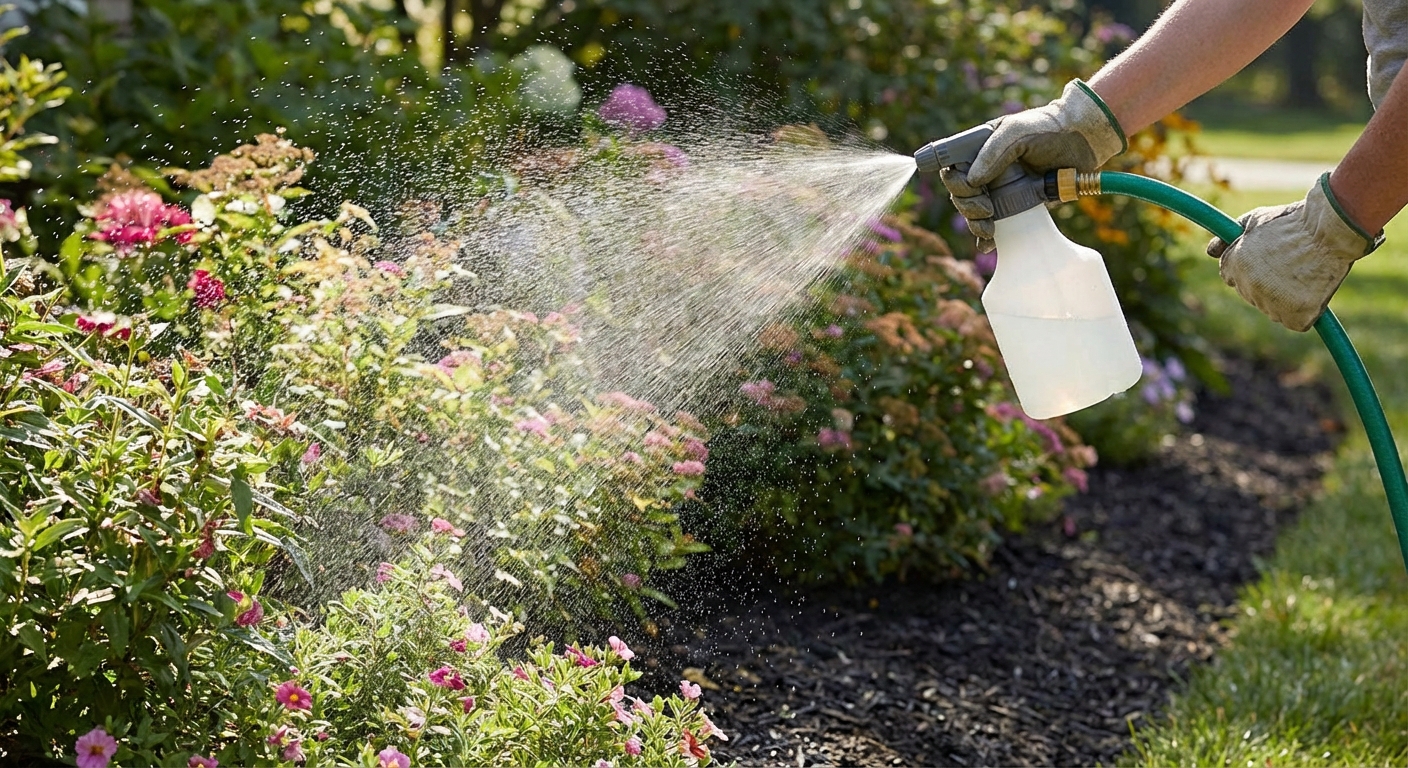
- Use a ready-to-spray product labeled for voles or burrowing rodents, or a hose-end attachment version for lawns.
- Follow the label closely, especially around edible gardens.
- Reapply after heavy rain and on a schedule during active seasons. Most products require repeat applications to maintain any effect.
- Focus on runways and borders first, then expand outward if damage continues.
Tip from my own garden: Do one treatment ring around your most precious beds first, like bulbs, potatoes, and young shrubs. You will get a clearer read on whether it is helping before you treat everything.
Garlic, peppermint, hot pepper
These can help in small areas, but they tend to wash away quickly outdoors. If you use them, think of them as short-term protection for a specific bed, not a whole-yard solution.
Avoid: mothballs and other off-label chemical deterrents. They can harm pets, wildlife, and soil life, and they are not a responsible garden fix.
Physical barriers
If you want the most reliable, non-toxic control, barriers are your best friend. They require some effort up front, then they quietly do the job for years.
Bulb cages
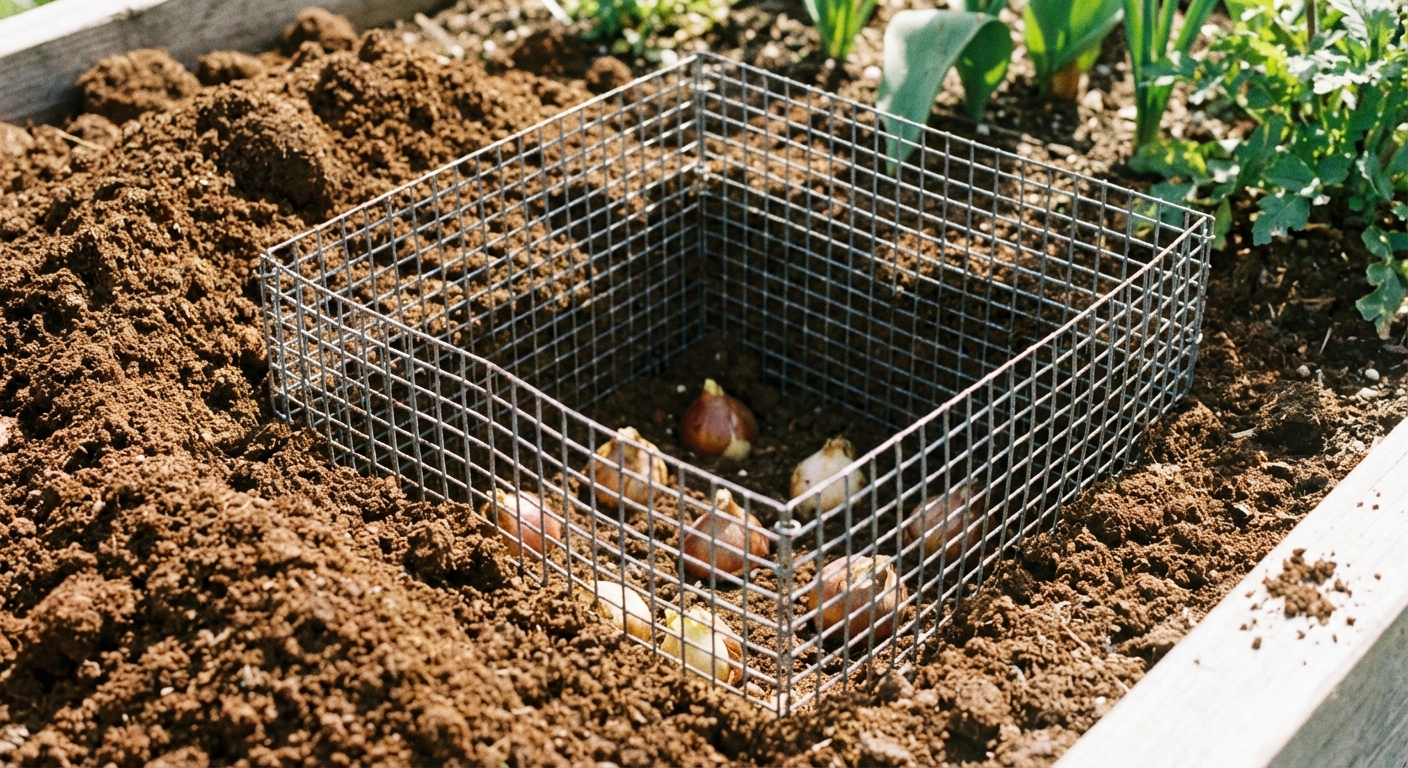
For tulips, crocus, lilies, and other irresistible bulbs, plant them inside hardware cloth cages.
- Use 1/4-inch hardware cloth (that small opening is important).
- Make a box or basket shape with the bottom and sides enclosed.
- Leave the top open if you want, but keep the sides high enough that voles cannot chew in from the side.
- Backfill with soil, plant bulbs, and water in.
This is one of those “do it once, thank yourself every spring” kind of tasks.
Raised beds
Voles can move into raised beds like they are luxury condos, especially when there is nearby cover to hide in and a soft, protected bed to tunnel into from the edges or from underneath.
- Line the bottom with 1/4-inch hardware cloth before filling.
- Make sure the cloth extends to the edges with no gaps.
- If a bed is already built, you can sometimes retrofit by lifting soil and adding mesh, but it is more work.
Tree and shrub guards
In winter, voles can chew bark at the base of young fruit trees and ornamentals, especially under snow or thick mulch.
- Wrap trunks with hardware cloth cylinders or tree guards.
- Set guards on soil, not mulch, so voles cannot slip underneath unnoticed.
- If vole pressure is high, bury the bottom edge 1 to 2 inches to discourage digging under.
- Keep the guard snug but not tight, and leave room for trunk growth.
- In snowy climates, extend protection high enough to account for typical snow depth.
- Check at least yearly and adjust or replace so the guard does not rub or constrict the trunk.
Encourage predators
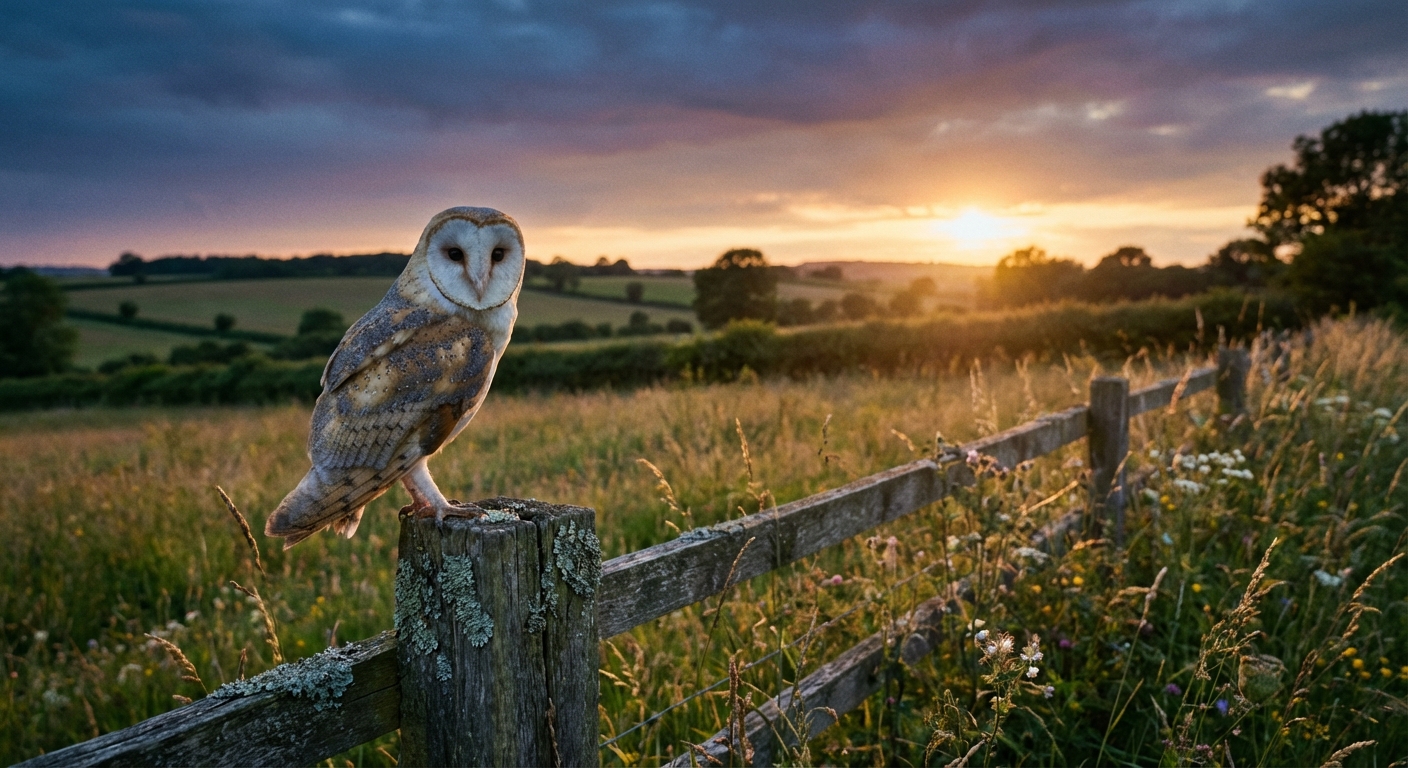
Voles are an important food source for many predators. If you make your garden welcoming to them, you often get long-term pressure on vole populations.
Owls and hawks
- Install an owl box if your area is suitable for local owl species.
- Add a raptor perch in an open part of the yard so hawks have a hunting lookout.
- Keep some open sight lines by trimming back overgrown edges.
Other hunters
- Snakes (non-venomous species) are excellent rodent control. A tidy rock edge and a little habitat can help, but keep it balanced with kid and pet safety.
- Outdoor cats do hunt voles, but they also hunt songbirds. If you have cats, consider a catio or supervised outdoor time to protect wildlife.
- Foxes, coyotes, weasels and other predators are effective but depend on your location.
Important safety note: Avoid rodenticide baits. Secondary poisoning is a well-documented risk with many rodenticides (especially anticoagulants), and it can kill the very predators you want working for you. Risk varies by active ingredient and how baits are used, but in an organic, predator-friendly garden, skipping baits is the safest lane.
Protect bulbs and roots
If you grow what voles love, you can still harvest well. You just need a little extra strategy around the underground buffet.
Bulbs
- Plant in hardware cloth cages whenever possible.
- Consider less tasty bulbs in high-pressure areas. Many gardeners report that daffodils, alliums, and some hyacinths are less appealing than tulips and crocus.
- Keep bulb beds clean and open after planting. Thick groundcover is an invitation.
Potatoes, carrots, beets
- Grow in lined raised beds or large containers where possible.
- Harvest promptly and do not leave mature roots sitting in the soil longer than needed.
- Keep paths and bed edges weed-free so runways are harder to maintain.
Young perennials
If you have a plant that keeps disappearing, treat it like a priority patient.
- Gently dig around the plant and check for chewed roots or tunnels.
- Replant with a hardware cloth collar around the root zone if feasible.
- Reduce mulch thickness around that crown and clear nearby cover.
Trapping
If damage is severe, you may need to reduce the local population while you improve habitat and add barriers.
- Snap traps (common choice): When used correctly, snap traps set directly in active runways are often considered one of the quickest, most humane options. Place them in the runway and cover with an upside-down nursery pot or a small tunnel cover (with entry holes) so the vole feels safe and pets stay out.
- Use traps labeled for voles and place them directly in active runways.
- Check traps daily and follow local regulations for handling and disposal.
- Trapping works best in combination with runway disruption and cover removal.
Live trapping and relocation is often not recommended or legal in many areas, and relocated animals frequently do not survive. If you choose trapping, aim for the most humane and lawful method available where you live.
7-day plan
Day 1 to 2
- Walk the garden edges and beds. Look for runways, openings, fresh chewing, and plant collapse.
- Do the active runway test so you are not guessing.
- Mark the worst areas with small stakes so you can track changes.
Day 3 to 4
- Mow and trim edges.
- Pull weeds and thin groundcovers.
- Reduce mulch near crowns and trunks.
Day 5
- Install guards on young trees and shrubs (and set them on soil, not mulch).
- Add hardware cloth protection where it matters most: bulbs, raised beds, and root crops.
Day 6
- If you choose to use castor oil, treat runways, borders, and around vulnerable beds.
- Set a reminder to reapply based on the product label and weather.
Day 7
- Add a raptor perch or evaluate owl box placement.
- Recheck your marked zones weekly and note what improves.
Frequently asked questions
Will voles go away on their own?
Sometimes populations crash naturally, but damage can be heavy before that happens. Habitat changes and barriers prevent repeat problems even when vole numbers rebound.
Do coffee grounds or eggshells repel voles?
They are not reliable vole repellents outdoors. If you enjoy using coffee grounds for soil, use them for compost and fertility, not as pest control.
Is castor oil safe around vegetables?
Use products according to the label and avoid spraying edible portions of plants. For food gardens, I prefer applying along borders and runways and relying on barriers for the beds themselves.
What if I have moles and voles?
It happens. Focus on vole controls for the chewing damage and bulb loss, and address moles separately if the tunneling is disrupting roots. Clearing cover and using barriers still helps a lot either way.
One last gentle reminder
Voles can make you feel like you are losing a secret underground battle. You are not failing. You are just learning your garden’s ecosystem and adjusting the welcome mat.
Start with cover removal, protect what you cannot afford to lose with hardware cloth, then layer in repellents (with realistic expectations) and predator support. Give it a couple of weeks, keep notes, and you will almost always see the damage slow down and your confidence grow back.