
Get Rid of Sod Webworms Naturally

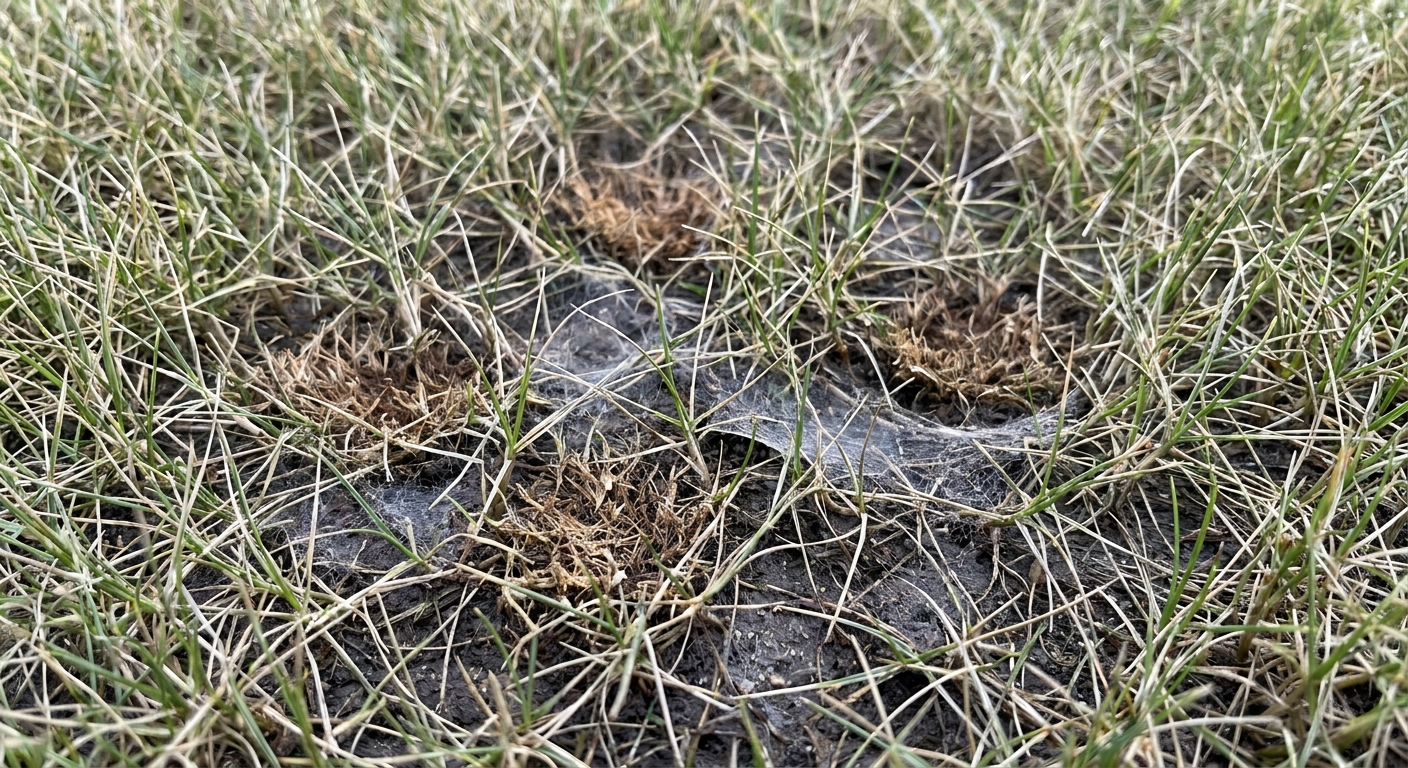
If your lawn has started looking like it is quietly giving up in scattered patches, sod webworms might be the little night-shift snackers behind it. I know, the name sounds like something from a fantasy novel. But sod webworms are very real, very common, and very manageable with natural methods once you know what you are looking for.
The good news: you do not have to blanket-spray your yard with harsh chemicals. With a little detective work and a few lawn-friendly tools, you can knock them back and help your grass fill in again.
When to be extra alert: In many areas, sod webworm damage tends to peak in mid-to-late summer and into early fall, especially during hot, dry stretches when turf is already stressed.

What they are (moths vs larvae)
Sod webworms are the larval stage of small lawn moths. You may notice the adult moths first because they are easy to spot at dusk. They are usually small, tan, and they do a quick zigzag flight just above the grass when you walk through the lawn.
Moth stage
- What you see: Small tan or buff-colored moths fluttering low over turf at dusk.
- What they do: Lay eggs in grass.
- Damage level: Basically none. They are more like a warning flag that larvae may arrive soon.
Larval stage (the webworm)
- What you do not see easily: Small caterpillars hiding in the thatch and top layer of soil.
- What they do: Feed at night on grass blades (and in heavier infestations, sometimes crowns near the thatch line), then hide in silky tunnels during the day.
- Damage level: This is the stage that causes brown patches and thinning turf.
So if you are only chasing moths, you are usually chasing the wrong target. For natural control, we focus on the larvae and their habitat.
Damage signs and silk tunnels
Sod webworm damage often sneaks in looking like drought stress, dull nutrition, or a watering issue. The difference is in the details and in the timing. Regular irrigation can also mask the “droughty” look at first, even while chewing continues down in the thatch.
Common signs in the grass
- Small, irregular brown patches that can merge into larger thin areas.
- Ragged, chewed grass tips, especially noticeable in the morning when the lawn is evenly lit.
- Birds pecking, or skunks and raccoons digging in the lawn as they hunt for larvae.
- More damage during hot, dry stretches when turf is already stressed.
Silk and tunnels in the thatch
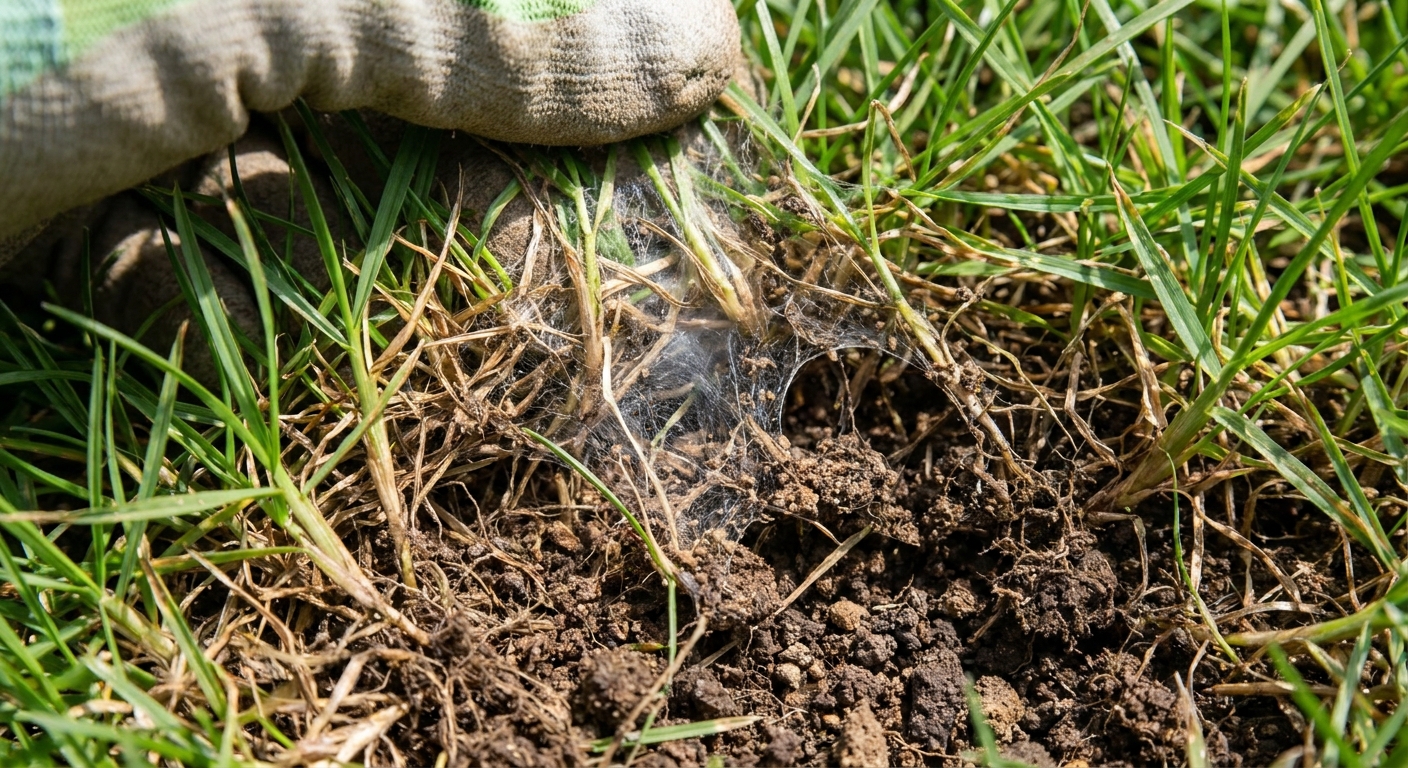
Webworms make fine silken threads that bind bits of grass and debris. In heavier infestations, you may notice light webbing at the soil surface, especially early in the morning with dew. If you part the grass at the edge of a damaged patch, you might see little gritty pellets too. That is frass, which is caterpillar poop and one of the least glamorous but most helpful clues.
Quick scouting tip: If you suspect webworms but cannot find them, check after dusk with a flashlight. They feed at night, and this is when they are most likely to be out working.
Confirm with a flush test
Before you treat anything, confirm. Sod webworms hide well, and lawn damage can have a dozen causes. My favorite low-effort confirmation is a quick flush test that encourages larvae to wriggle up to the surface.
Dish soap flush test
What you need: A bucket, water, and plain liquid dish soap.
Mix 1 tablespoon of liquid dish soap into 1 gallon of water.
Pick a spot at the edge of damage, not the dead center. That is where active feeding often is.
Slowly pour the solution over about 1 square yard of turf.
Wait 5 to 10 minutes and watch closely.
If sod webworms are present, small caterpillars may surface and squirm around. You might also see other lawn insects. That is normal. You are looking for slender caterpillars, often greenish, tan, or gray, sometimes with darker spots.
A couple of important notes: Rates can vary by local extension guidance. Stick with mild, non-antibacterial soap (skip heavy degreasers), and if you used more than one gallon, rinse the area afterward with plain water.
How many is “a problem”? Thresholds vary by region and how perfect you want your turf. Many homeowners start considering treatment when counts are consistently “high” in multiple spots. If you want a hard number, check your local extension office for thresholds in your grass type and area.
Do not confuse lookalikes
Leafy Zen already has deep dives on armyworms and cutworms, so here is the quick “yard triage” version to keep this page from blurring together.
- Sod webworms: Hide in thatch and silky tunnels, feed mostly at night, damage often looks like scattered thinning and small brown patches. You may see moths fluttering low at dusk.
- Armyworms: Often feed in groups and can mow down larger areas fast. Outbreaks can look dramatic and sudden, like a wave moved through.
- Cutworms: More likely to cut seedlings or chew at the base of young plants. In turf they are less “patchy nibble” and more “chewed down at the base” in localized spots.
If you are unsure, the flush test plus a close look at webbing and thatch behavior is your best next step.
Natural and low-toxicity control
The goal is to target larvae while protecting pollinators, soil life, and your future self. Many of the best controls work best when larvae are small, so timing matters.
1) Water to reduce stress
Sod webworms love stressed turf. Deep, infrequent watering supports deeper roots and helps grass outgrow some feeding.
- Water early morning so blades dry quickly.
- Aim for deep soak rather than daily sprinkles, adjusting for your grass type and local weather.
- Avoid pushing lush, tender growth with heavy nitrogen during an active infestation.
2) Mow smart
Scalping your lawn can turn a small problem into a big one. Keep mowing height appropriate for your turf type and keep blades sharp. Removing too much leaf area stresses the plant and reduces its ability to recover.
- Follow the one-third rule: never remove more than one-third of the blade length at a time.
- Bag clippings only if you are dealing with heavy pest pressure and lots of damaged tips. Otherwise, mulching clippings helps feed the soil.
3) Reduce excessive thatch
That layer of dead stems between soil and green blades is prime hiding space for webworms. A little thatch is normal, but a thick layer is an invitation.
- Rake out heavy thatch in small areas.
- Consider core aeration if the lawn is compacted and thatch builds up regularly.
- Topdress lightly with compost to encourage soil biology that breaks down thatch over time.
4) Beneficial nematodes
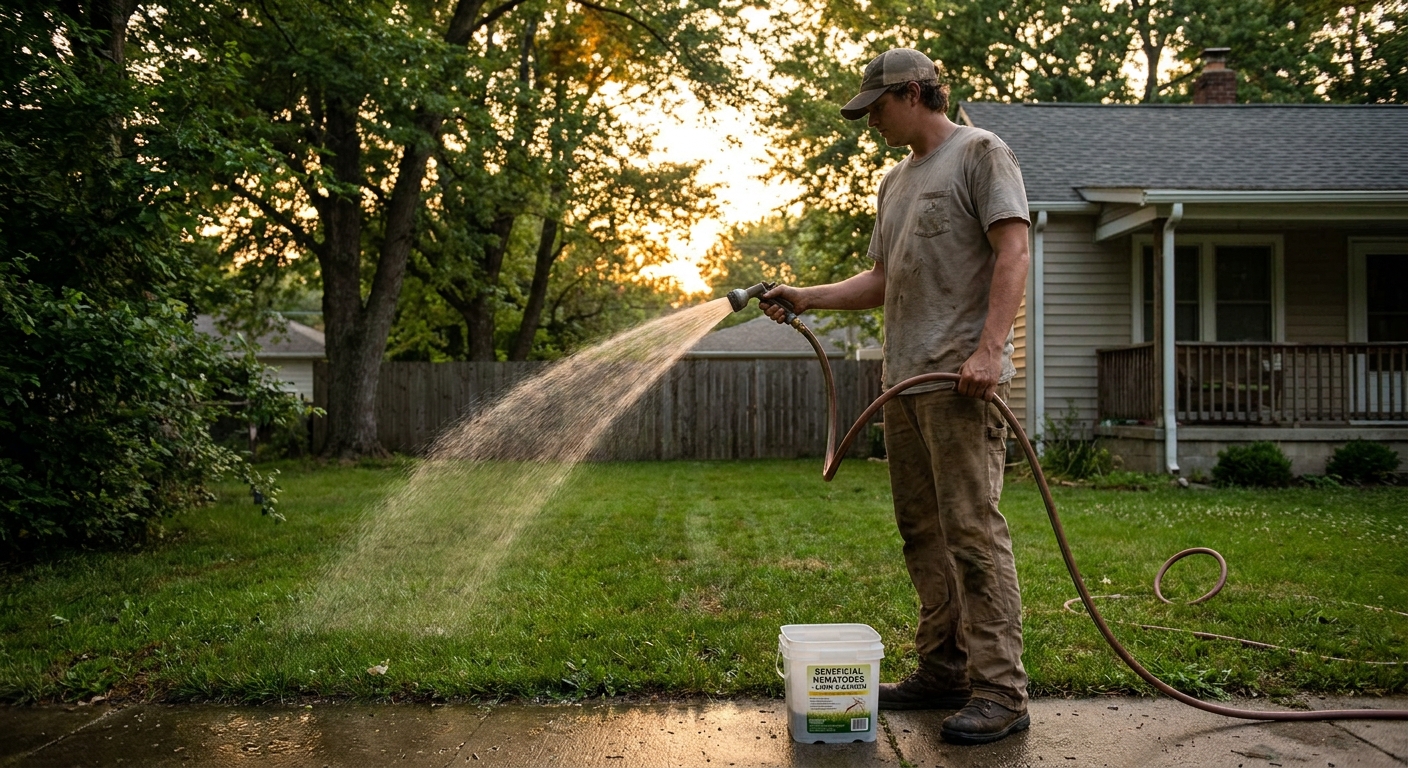
If you want a genuinely organic, soil-based approach, beneficial nematodes are one of my favorite options. They are microscopic organisms that seek out and parasitize certain insect larvae in the soil and thatch.
- Look for nematodes labeled for lawn caterpillars or turf pests. Common options include Steinernema carpocapsae and, depending on region and conditions, sometimes S. feltiae or S. riobrave. Check local recommendations for best match.
- Apply in the evening or on a cloudy day, and water in as directed so they move into the thatch and soil.
- Keep the area slightly moist for several days after application. Nematodes need moisture to travel.
Buy from a reputable supplier and check the shipping and storage instructions. These are living organisms, not a product that likes sitting in a hot garage.
5) Bt-k for small larvae
Bt-k (Bacillus thuringiensis var. kurstaki) is a naturally occurring soil bacterium used to target many leaf-eating caterpillars. It works best on small larvae and needs to be eaten, so it is about timing and coverage.
- Apply in late afternoon or early evening when larvae are more likely to feed.
- Coverage into the thatch matters. Webworms feed low, so spray volume and getting product down where they eat makes a difference.
- If it fits the product label and your lawn schedule, mow shortly before application (and remove clippings) to improve access to the feeding zone.
- Follow label directions carefully and reapply as directed, especially after heavy rain or irrigation.
- Spot treat affected areas first rather than blanket spraying the entire yard.
Important: Bt is still a pesticide, even though it is considered lower-toxicity. Use it thoughtfully and only where needed.
6) Spinosad (use with care)
Spinosad is derived from a soil bacterium and can be effective against caterpillars, but it can also harm beneficial insects if misused. If you choose it, reserve it for confirmed infestations and apply with precision.
- Apply at dusk when pollinators are not active.
- Avoid spraying flowering weeds in the lawn. Mow them first.
- Spinosad is typically more hazardous while wet. Once it dries, risk to foraging bees generally drops, so keep people and pets off until the treated area is fully dry.
- Follow label directions exactly.
7) Encourage natural predators
This is the slow and steady plan that pays off every season. Birds, ground beetles, and beneficial wasps all help keep caterpillars in check.
- Keep a small area of native plants nearby if you can, even a border. It supports predator diversity.
- Limit broad-spectrum insecticides that wipe out the helpful insects along with the pests.
Timing and seasonality
Sod webworms commonly have multiple generations in warmer regions, so you can see them more than once in a season. Depending on species and location, that can mean two, three, or more generations. Treatment is most effective when larvae are small, before they have done weeks of feeding.
- Mid-to-late summer into early fall: This is a common peak window for visible lawn damage in many regions.
- If you see moths at dusk: Start scouting for damage and do a flush test soon.
- If you see damage: Confirm with a flush test, then treat targeted areas promptly.
- If the lawn is already thin: Combine control plus recovery steps so the turf can bounce back.
Repair your lawn
Once webworms are under control, your job shifts to helping grass reclaim space. Bare soil is a magnet for weeds, so think of repair as prevention too.
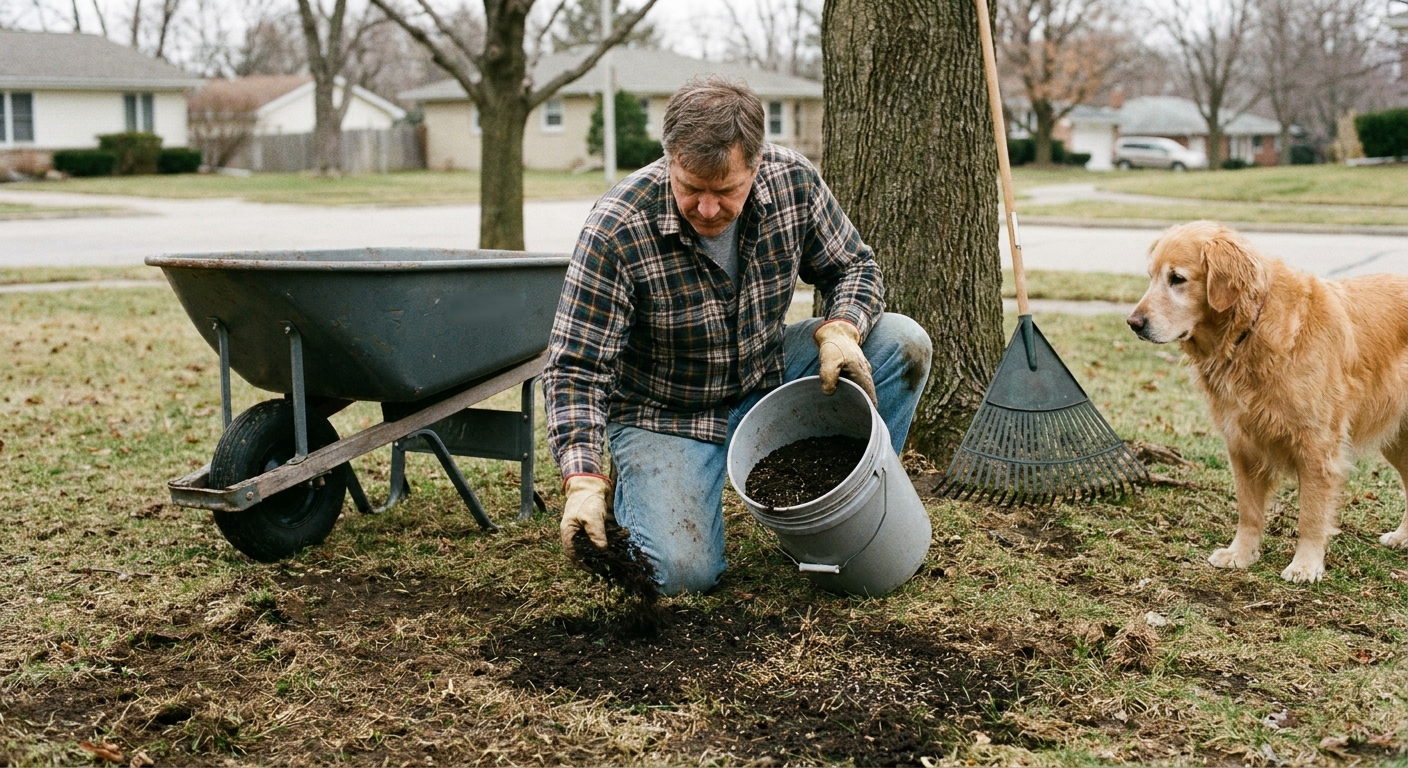
Step 1: Rake and tidy
- Gently rake out dead grass and loosen the surface so seed or new growth can contact soil.
- Remove clumps of thatch where webworms were hiding.
Step 2: Topdress with compost
Add a thin layer of finished compost. You are feeding soil microbes and giving stressed turf a softer landing.
Step 3: Overseed or plug
Match seed to your grass type and season. Cool-season lawns often repair best with fall overseeding. Warm-season grasses often fill in during their active growing period.
Extra organic-friendly upgrade: If you are overseeding a cool-season lawn, consider endophyte-enhanced turfgrass (common in many cultivars of tall fescue and perennial ryegrass). Endophytes are natural fungi living inside the plant that can help deter certain turf-feeding insects, including sod webworms, without adding more spray to your routine.
Step 4: Water for establishment
Keep the top layer of soil lightly moist until new seedlings are up and growing, then transition back to deep, infrequent watering.
Step 5: Mow gently
Wait until new grass is tall enough for mowing, and keep the mower blade sharp. A clean cut heals faster than a shredded one.
Quick checklist
- Watch for moths at dusk, then scout for damage (especially mid-to-late summer into early fall).
- Look for ragged grass tips, small brown patches, and fine webbing near the soil surface.
- Confirm with a dish soap flush test.
- Reduce stress: mow higher, water deeper, and avoid excess nitrogen.
- Target larvae with beneficial nematodes or Bt-k if needed, and use spinosad carefully and precisely if you go that route.
- Repair thin spots with compost and overseeding or plugs (bonus points for endophyte-enhanced seed in cool-season lawns).
If you are dealing with this right now, leave a comment below with your grass type, your general region, and what time of year you are seeing the damage. I can help you narrow down timing, confirm the most likely culprit, and choose the gentlest option that actually works.