
Get Rid of Nutsedge Naturally

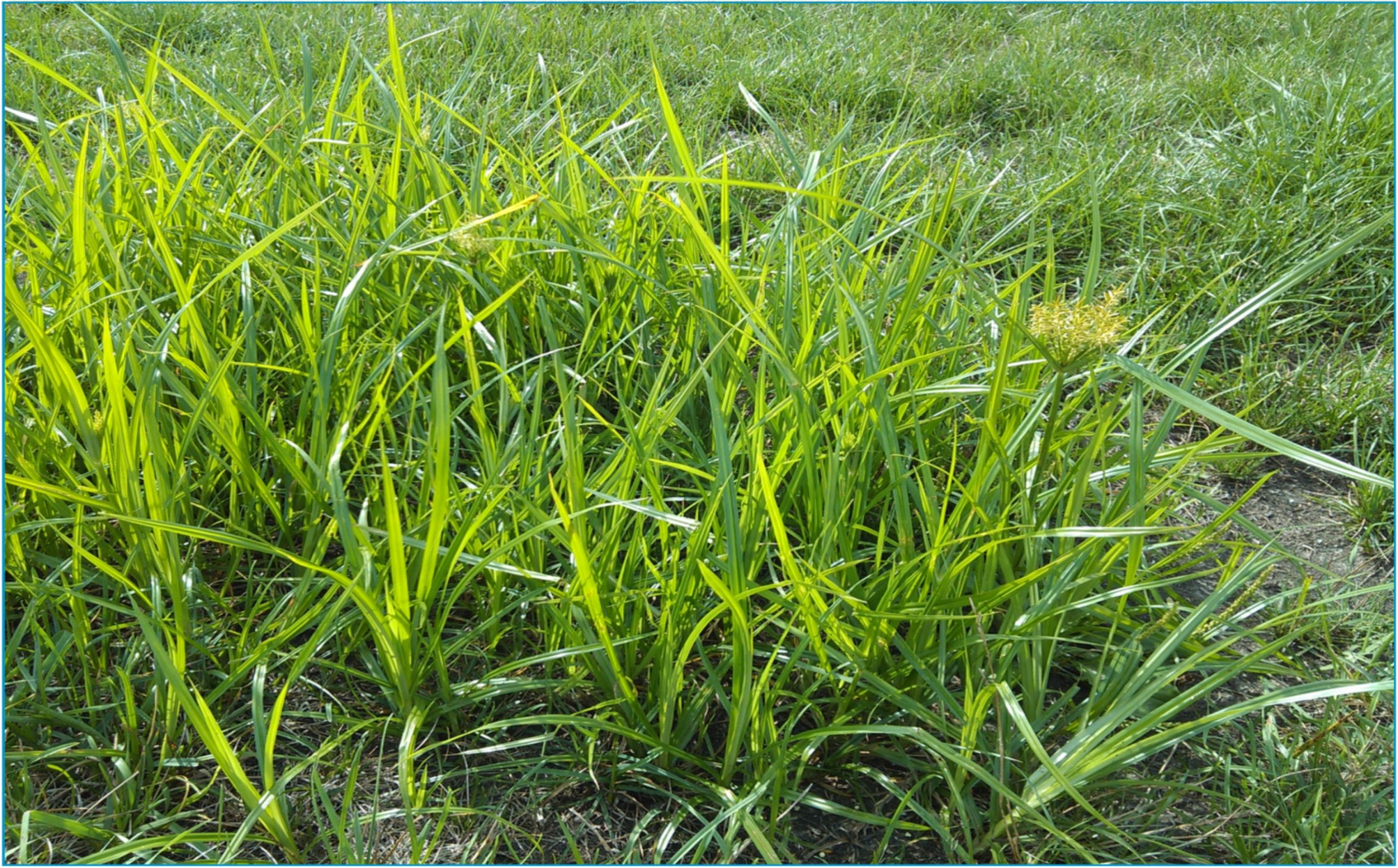
Nutsedge has a way of popping up exactly where you want your lawn to look calm and even. One week it is a slightly brighter patch, and the next it is a little jungle of upright, shiny blades that grow faster than everything else.
The good news is you can get nutsedge under control naturally. The honest news is that it is rarely a one-and-done weed because it spreads from underground tubers (often called “nutlets”) that store energy like a pantry. Our job is to stop feeding that pantry and slowly empty it.

First, make sure it is actually nutsedge
Before you change your whole lawn routine, confirm you are dealing with nutsedge (often called nutgrass). It behaves differently than grassy weeds like crabgrass.
Quick nutsedge ID checks
- It grows faster than your turf and often looks lighter green and glossier.
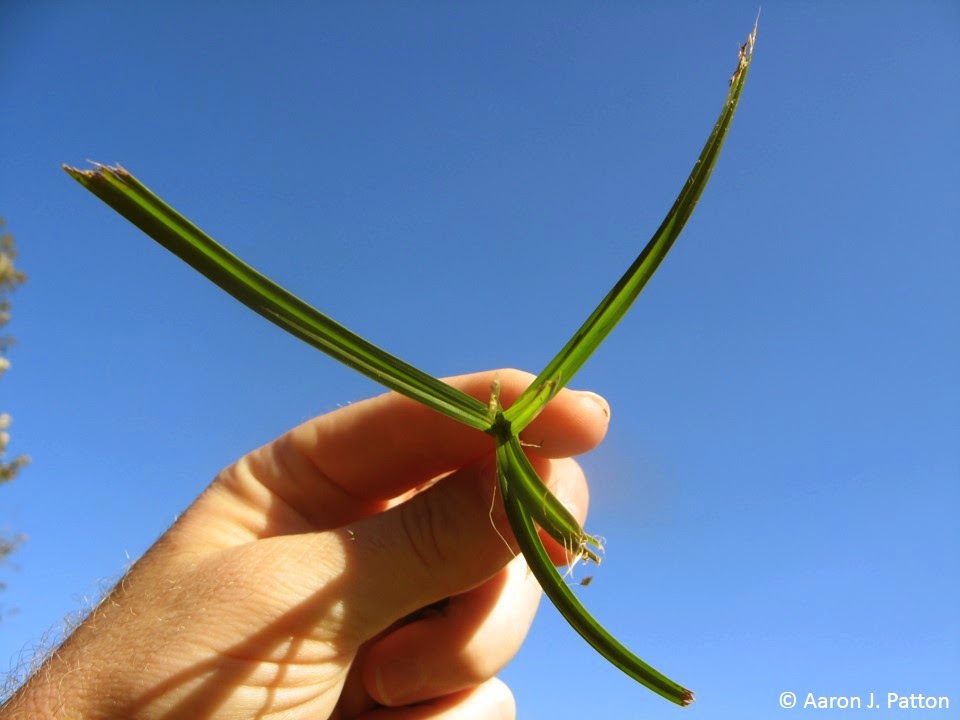
- Stems feel triangular if you roll one between your fingers. Gardeners call this “sedges have edges.”
- Leaves come up more upright than most turfgrass blades.
- It often shows up where soil stays moist such as low spots, near downspouts, compacted areas, or overwatered zones.
If you are still unsure, let one or two shoots grow for a bit and look for the seedhead later in the season. Not every lawn patch will produce an obvious seedhead, and seeds are usually not the main way nutsedge spreads in lawns, but the seedhead can be a helpful ID clue when it appears. You will usually see a distinctive, spiky cluster that looks nothing like lawn grass seedheads.
Yellow vs purple nutsedge
Both are sedges and both spread underground, but there are a couple clues that help you tell them apart. Knowing which one you have helps you predict how aggressive it might be and what conditions are inviting it.
One quick note: color and seedhead traits can vary by region and growing conditions, so if you need a definitive ID, your local extension guide is the gold standard.
Yellow nutsedge (Cyperus esculentus)
- Color: often yellow-green.
- Seedhead: often golden to straw-colored as it matures.
- Growth habit: common in lawns, especially where soil stays moist.
- Underground: forms tubers (“nutlets”) at the ends of rhizomes.
Purple nutsedge (Cyperus rotundus)
- Color: often deeper green, sometimes with a darker, tougher look.
- Seedhead: often reddish-purple to brownish-purple.
- Growth habit: often more aggressive in warm climates.
- Underground: more likely to form chains of tubers along rhizomes, which can make it extra persistent.
Either way, the natural strategy is the same: remove the “welcome mat” conditions, strengthen the turf, and repeatedly interrupt the sedge’s ability to refill those tubers.
Fix the real cause: moisture, drainage, and compaction
If nutsedge is thriving, it is often telling you something about your soil. I know it is tempting to focus on the blades you can see, but nutsedge is usually a “symptom weed.” Fixing the conditions that favor it is the most natural control you can do.
Also worth saying out loud: once nutsedge is established, it can hang on even in a reasonably well-managed lawn. Improving conditions still helps, but you may be working a longer game.
Common moisture problems that invite nutsedge
- Overwatering: frequent shallow irrigation keeps the top layer damp, which sedges love.
- Poor drainage: clay soil, low spots, or that one area where water sits after rain.
- Compaction: foot traffic, pets, heavy mowers, or construction squeeze out oxygen and slow drainage.
- Downspout runoff: roof water dumping into one corner of the lawn.
- Irrigation issues: broken heads, overspray into one zone, or a sprinkler that keeps soaking the same strip.
Natural fixes that actually help
- Water less often, but deeper: aim for infrequent, deep watering so the surface dries between cycles. Early morning is best.
- Check coverage: fix leaking or misaligned sprinkler heads so you are not accidentally creating a wet “nutsedge lane.”
- Redirect runoff: extend downspouts, add splash blocks, or route water into a rain garden bed.
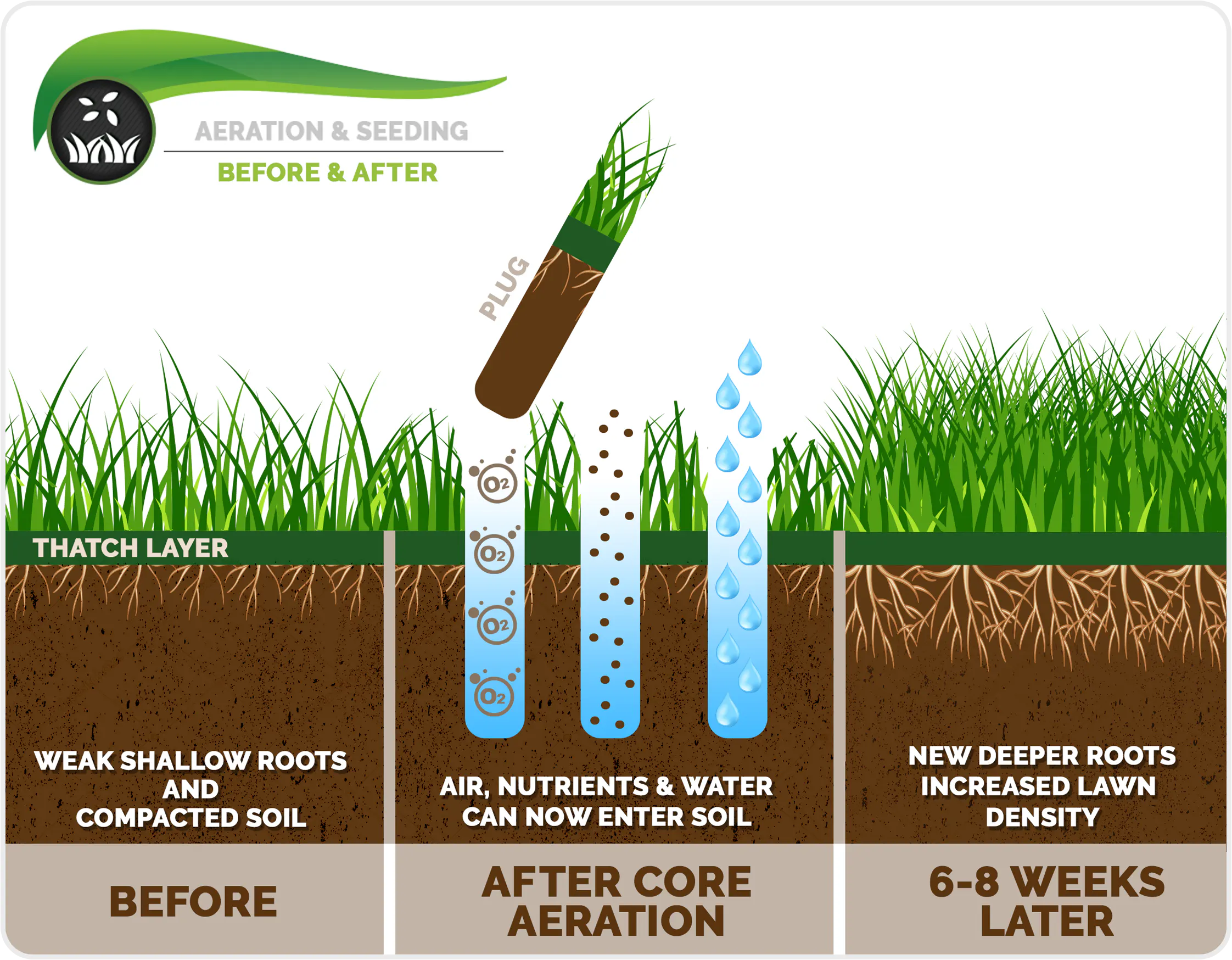
- Aerate compacted areas: core aeration opens channels for air and water movement. Topdress lightly with compost to improve soil structure over time.
- Level minor low spots: a thin topdressing (sand-compost mix appropriate to your soil) can reduce puddling.
When the top few inches stop staying constantly damp, nutsedge loses a major advantage and your turf gets a chance to compete again.
Mowing: when it helps and when it hurts
Mowing can be either a quiet ally or an accidental fertilizer for nutsedge. The goal is to strengthen your turf and avoid giving nutsedge the perfect opening.
What helps
- Mow high for your grass type: taller turf shades the soil, cools the surface, and reduces the light nutsedge tends to thrive with. For many cool-season lawns, that is often around 3 to 4 inches. For many warm-season lawns, it is typically lower, but still within the recommended “high end” for that species.
- Keep blades sharp: clean cuts help grass recover faster and thicken.
- Mow frequently enough to avoid scalping: removing too much at once stresses turf and opens space.
What hurts
- Scalping or mowing too short: this is one of the fastest ways to invite nutsedge because it removes shade and weakens grass roots.
- Letting nutsedge get tall between mows: it can photosynthesize aggressively and pump energy down into tubers.
One nuance: repeated mowing does not kill established nutsedge the way it can knock back some broadleaf weeds. Nutsedge regrows from underground reserves. High mowing helps by boosting turf competition, not by directly defeating the sedge.
Hand removal: do it right (or do not bother)
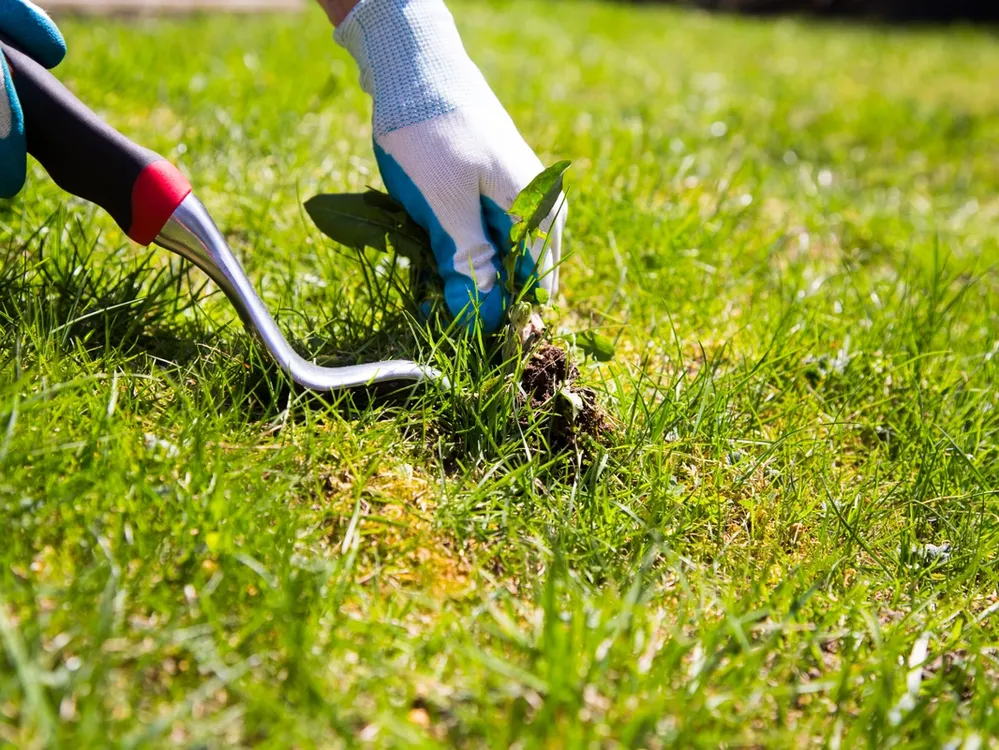
Pulling nutsedge can work in small patches, but only if you remove the plant without snapping it off at the surface. If you just yank the leaves, it comes right back, sometimes within days.
The sweet spot is pulling it young. Many extension sources recommend tackling nutsedge before it gets established, often described as before about the 5-leaf stage. Once it is bigger and more connected underground, pulling can snap rhizomes, leave tubers behind, and in some cases stimulate more shoots from the underground network. That does not mean you can never hand-pull it, but it does mean timing and technique matter.
How to pull nutsedge with the best chance of success
- Pull when the soil is moist, not soggy: after a light rain or watering, the roots slide out more cleanly.
- Use a narrow weeding tool: a dandelion weeder or hori-hori helps you loosen soil beside the plant.
- Work slowly: follow the stem down and lift from underneath rather than ripping upward.
- Bag what you pull: if seedheads are present, do not leave it on the lawn.
Even with careful pulling, you may not get every tuber (“nutlet”). That is okay. Think of hand removal as reducing the amount of green growth that is feeding the underground pantry.
Smothering and organic suppression options
In lawns, we cannot simply sheet-mulch everything unless you are willing to renovate a section. But you can still use “smothering logic” in targeted areas, and you can use organic products that suppress growth while you fix the underlying moisture problem.
Option 1: Solarization for a renovation patch
If nutsedge is concentrated in a section you are willing to re-seed or re-sod, solarization can be effective in hot weather. Nutsedge can be harder to solarize than many weeds because tubers can sit deeper, so think in terms of results, not the calendar.
- Cut the area as low as your turf allows without tearing it up.
- Water the soil, then cover tightly with clear plastic, edges sealed with soil or boards.
- Leave in place 4 to 8+ weeks during the hottest part of the year, longer if you are not getting strong heat or you still see live growth.
- Remove, amend with compost if needed, then replant turf.
This is most practical for a distinct patch, not an entire lawn.
Option 2: Mulch smothering in beds next to the lawn
Nutsedge often creeps from beds into lawn edges. In garden beds, a thick organic mulch layer can reduce new shoots, but it rarely eradicates nutsedge on its own. Plan on follow-up.
- Lay cardboard (plain, no glossy coatings) over the soil.
- Wet it thoroughly.
- Cover with 3 to 4 inches of wood chips or leaf mulch.
Expect nutsedge to spear through seams and thin spots. Spot-pull those shoots quickly and keep topping up mulch.
Option 3: Organic spot suppression products (what to expect)
There is no truly “instant” organic spray that selectively kills nutsedge in turf without harming grass. Most natural contact herbicides (like horticultural vinegar or fatty acid soaps) burn back top growth, and nutsedge can regrow from tubers.
If you use an organic contact product, treat it as a repeated weakening tool for small infestations, and keep it off desirable grass as much as possible.
- Timing: apply to young, actively growing nutsedge, then repeat as directed.
- Goal: reduce leaf area again and again so the plant cannot replenish tubers.
- Tradeoff: you may spot-damage nearby turf and will need to overseed thin areas.
- Safety: even “natural” products can burn skin and eyes. Wear eye protection and gloves, and avoid drift onto plants you want to keep.
Starve the tubers with turf competition
Nutsedge wins where grass is struggling. Thick turf is your most natural “herbicide.” Every step that improves lawn density makes nutsedge work harder for light, water, and space.
Natural cultural practices that help
- Overseed (cool-season lawns): fill thin spots in early fall so grass crowds sedge the following spring and summer.
- Warm-season lawns: focus on thickening with proper mowing, fertility, and plugging or sprigging during active growth, since overseeding is usually not the main strategy.
- Feed the soil, not just the grass: a thin compost topdressing can improve microbial life and drainage over time.
- Use slow-release, lawn-appropriate fertility: avoid overdoing quick nitrogen, which can push lush growth without deep roots.
- Fix shade issues: prune lower tree limbs if the lawn is thinning from low light, then consider shade-tolerant turf varieties or convert hard-shade zones to beds.
If you do only one thing this season, do this: reduce constant wetness and help your lawn thicken. That combination is what makes nutsedge slowly run out of steam.
Keep it from spreading
Nutsedge mostly spreads underground, but we can still help it travel less by being careful with how we move soil and equipment around the yard.
- Clean tools and mower decks: especially if you are digging or mowing through a dense patch, knock off clinging soil before moving to a clean area.
- Avoid moving infested soil: tubers can hitchhike in soil clumps during edging, grading, or filling low spots.
- Watch new soil and sod: inspect for suspicious upright, glossy shoots in the first few weeks.
A simple natural plan you can follow
If you are feeling overwhelmed, here is a calm, realistic approach that works with the seasons.
Week 1
- Identify nutsedge and mark the worst spots.
- Adjust irrigation: water less often, deeper.
- Redirect downspouts and address any obvious soggy zones.
- Check sprinklers for leaks and overspray.
Weeks 2 to 6
- Mow at the high end of the recommended height for your grass.
- Hand-remove small clusters after rain, ideally while shoots are still young.
- Core aerate compacted areas if you can.
Late summer into fall (especially for cool-season lawns)
- Overseed thin areas and keep seed moist until established.
- Topdress lightly with compost to improve soil texture.
Next spring and summer
- Stay consistent with watering and mowing.
- Spot-remove new shoots early before they refill the underground pantry.
Timeframe expectation: depending on how established the patch is and what is going on with drainage, meaningful improvement can take 1 to 3 seasons. The wins compound as the turf thickens and the soil stops staying constantly wet.
Nutsedge control is a patience game, but the win is bigger than one weed. You end up with healthier soil, deeper-rooted grass, and a lawn that is simply harder for weeds to push around.
Common mistakes that make nutsedge worse
- Watering every day: it trains shallow turf roots and keeps the surface wet.
- Scalping the lawn: short mowing opens sunlight and space for sedge.
- Ignoring drainage: without correcting moisture, nutsedge keeps returning.
- Relying on one-time pulling: it usually takes repeated removals to weaken tubers.
- Leaving bare patches: any open soil is an invitation. Fill with overseeding or sod plugs.
When to consider stronger intervention
If nutsedge covers large areas and your lawn is declining, it may be time for a targeted renovation of the worst sections, plus a serious drainage plan. There is no shame in that. Nutsedge is persistent, and sometimes the most natural long-term solution is to change the site conditions and reestablish dense turf where it can actually thrive.
This article focuses on non-chemical options. If you decide you want to explore selective sedge herbicides, they do exist, but product choice and timing vary by grass type and region. Your local extension office and local regulations are the best guides for that path.
If you want, you can take a clear photo of the plant (including the base and surrounding area) and compare it to extension resources, or bring a sample to a local nursery for confirmation. Getting the ID right is half the battle.