
Get Rid of Ground-Nesting Bees in Your Lawn Without Harming Pollinators

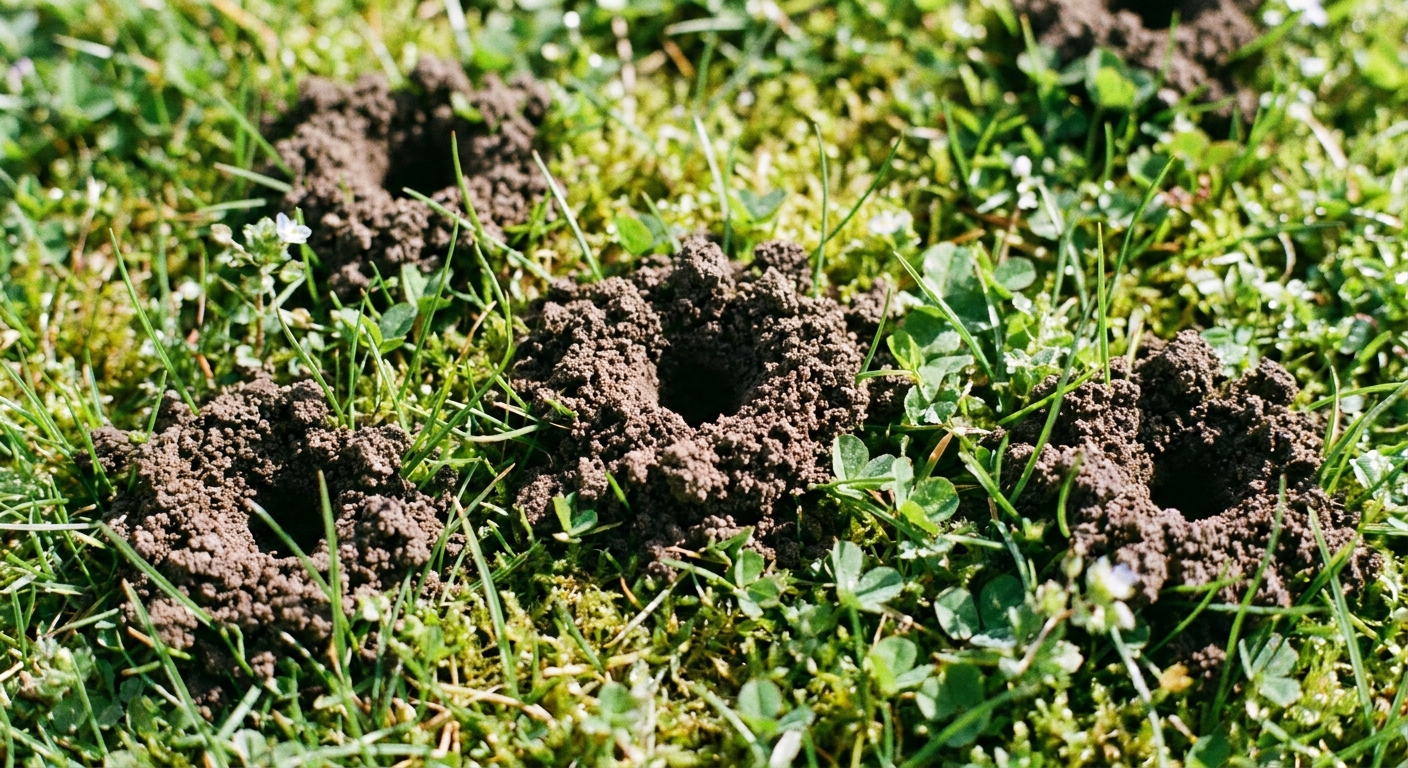
When you spot little soil volcanoes in the lawn or a steady stream of insects popping in and out of the ground, it is easy to go straight to panic mode. Take a breath. Many of the “bees in the grass” people worry about are actually solitary ground-nesting bees (including mining bees), gentle early-season pollinators that are just renting your yard for a few weeks.
The goal here is simple: keep your family comfortable and safe while also protecting beneficial pollinators. That means identifying what you are dealing with first, then choosing the least-harm option that actually works.
ID caution: If you cannot confidently identify what is coming and going, treat it as potentially hazardous, keep your distance, and manage it like a wasp nest until proven otherwise.

First, identify what is nesting in your lawn
Ground-nesting insects get lumped together, but the best solution depends on whether you have solitary bees (usually low risk) or yellow jackets (can be aggressive and dangerous).
Solitary ground-nesting bees (mining bees and relatives)
- Behavior: Generally non-aggressive. Males cannot sting. Females can sting but rarely do unless handled or stepped on.
- Season: Often show up in early spring for a short window, usually a few weeks (commonly around 3 to 6), but it varies by species, region, and weather.
- Nest entrances: Many small round holes, often with a little fan or “mini volcano” of loose, freshly excavated soil beside the entrance.
- Traffic pattern: Quick ins and outs, usually in sunny parts of the yard. You may see them hovering low over the ground.
- What they want: Bare or thin grass and well-drained soil.
Yellow jackets (a type of wasp)
- Behavior: Defensive and can sting repeatedly. A mowed-over nest can trigger a painful swarm response.
- Season: Typically build up through summer into early fall.
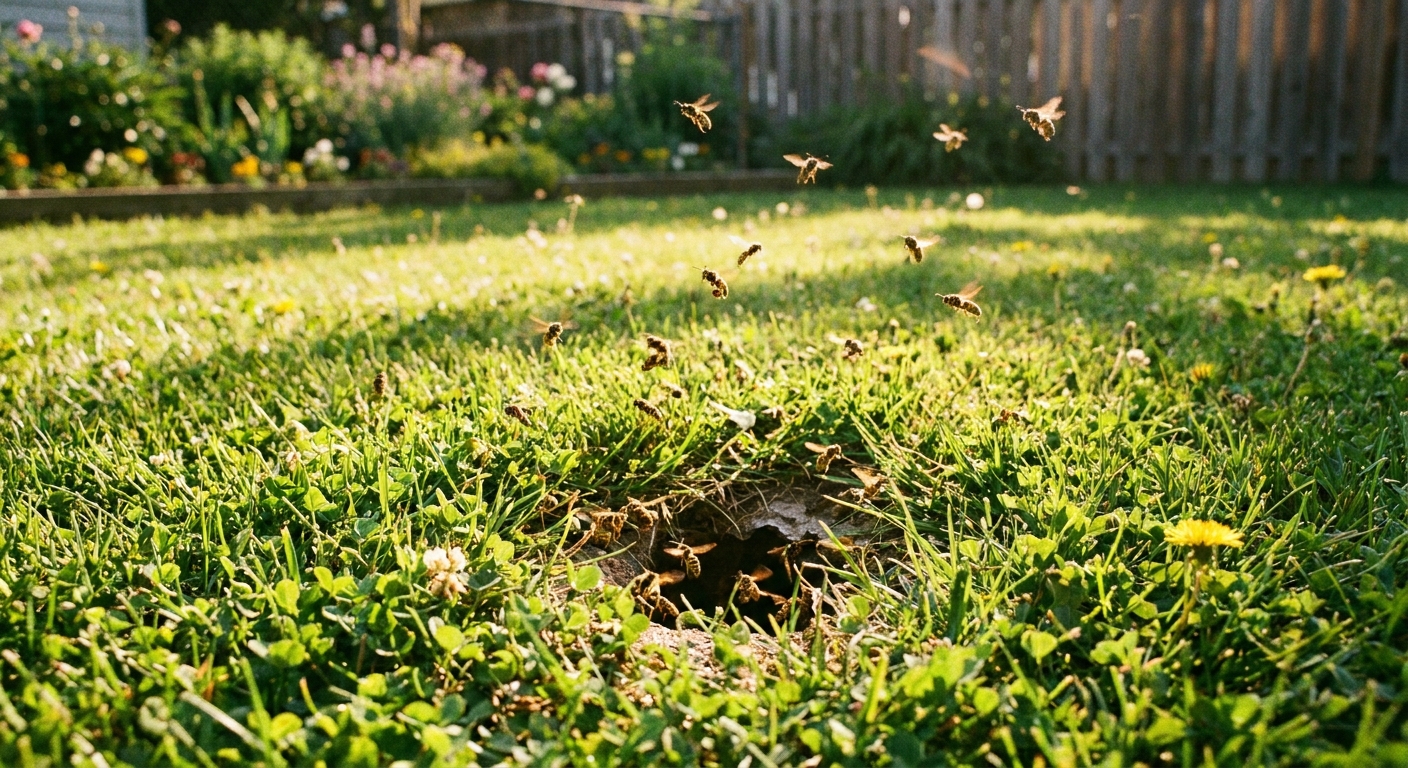
- Nest entrance: Often one main hole, sometimes with a noticeable “highway” of wasps flying in and out. Less tidy soil piles than many solitary bees.
- What they want: Existing cavities (old rodent burrows, voids under roots, landscape edges), not just loose soil.
Quick gut-check: If they seem calm and you see lots of small individual holes, you likely have solitary bees. If you see sleek, bright yellow and black insects with a rapid, purposeful flight pattern and a single busy entrance, treat it like yellow jackets.
Common look-alikes: Ant mounds and earthworm castings do not have steady “flight traffic.” Cicada killer wasps are very large and intimidating but are usually less aggressive than yellow jackets and tend to nest in bare soil edges, not thick turf.
When to leave them alone
If these are mining bees or other solitary ground nesters and the nest area is not in a high-traffic spot, the kindest and easiest “control” is simply time.
- They are temporary. Solitary bee activity usually fades after a few weeks.
- They are helpful. Early-season pollinators support fruit trees, berries, and spring blooms when fewer insects are active.
- They do not form big colonies. Many nests close together can look dramatic, but each hole is usually one female’s work, not a shared hive.
My gentle rule: if the insects are not aggressive and the nest area is not where kids, pets, or the mower must go, fence it off with a little temporary boundary and let them finish their season.
Easy safety steps
- Mark the area with small flags or stakes so nobody steps on it by accident.
- Create a simple barrier using a few garden stakes and string.
- Mow around the area for a couple weeks, or raise your mower deck if you must pass nearby.
- For lawn health and low disruption, water early in the morning. Avoid evening watering since wet turf overnight can encourage fungal disease.
When to take action fast
Even pollinator-friendly gardeners have lines, and safety comes first. Take action if:
- The nest is right next to a doorway, patio, playset, or dog run.
- Someone in your household has a known sting allergy, a history of anaphylaxis, or a respiratory condition that could complicate a reaction.
- You are dealing with yellow jackets or you are not sure what it is.
- There is frequent stinging or aggressive behavior.
- The nest is inside a retaining wall, under a stoop, or in a place where you cannot safely manage it.
If yellow jackets are suspected, skip the DIY heroics. Ground nests can be unpredictable, especially in late summer when populations peak. Keep people and pets away, mark the zone clearly, and avoid mowing anywhere near the entrance.
Pollinator-safe ways to discourage solitary bees
If you have confirmed that these are solitary ground-nesting bees, you can discourage nesting without broadcast lawn insecticides.
1) Fix the conditions they love
Solitary bees choose lawns with easy digging. Your long-term solution is to make the lawn a little less appealing.
- Overseed thin areas in fall (best) or spring using a region-appropriate grass seed.
- Topdress lightly with compost to improve soil structure and help turf fill in. Aim for about 1/4 inch.
- Reduce bare patches around edging, paths, and sunny slopes. Those are prime nesting spots.
2) Adjust watering
Solitary bees often prefer dry, well-drained soil. During their active window, keeping the surface from being powder-dry every sunny morning may discourage new digging in some yards.
- Water for lawn health: deeply and less often, preferably early morning.
- If you are trying to move activity away from one spot, a brief, light surface soak early morning for a few days may discourage digging. Avoid creating muddy runoff, and do not overdo it since frequent wetness can increase turf disease risk.
3) Mow a little higher in spring
Short, scalped lawns expose warm bare soil. A slightly higher mowing height can reduce the “perfect landing strip” effect.
- In spring, try mowing at 3 to 4 inches for most cool-season grasses.
- Avoid scalping, especially in sunny areas where nests pop up.
4) Cover a problem patch temporarily
If there is a specific strip that keeps getting nests, you can cover it during the active season:
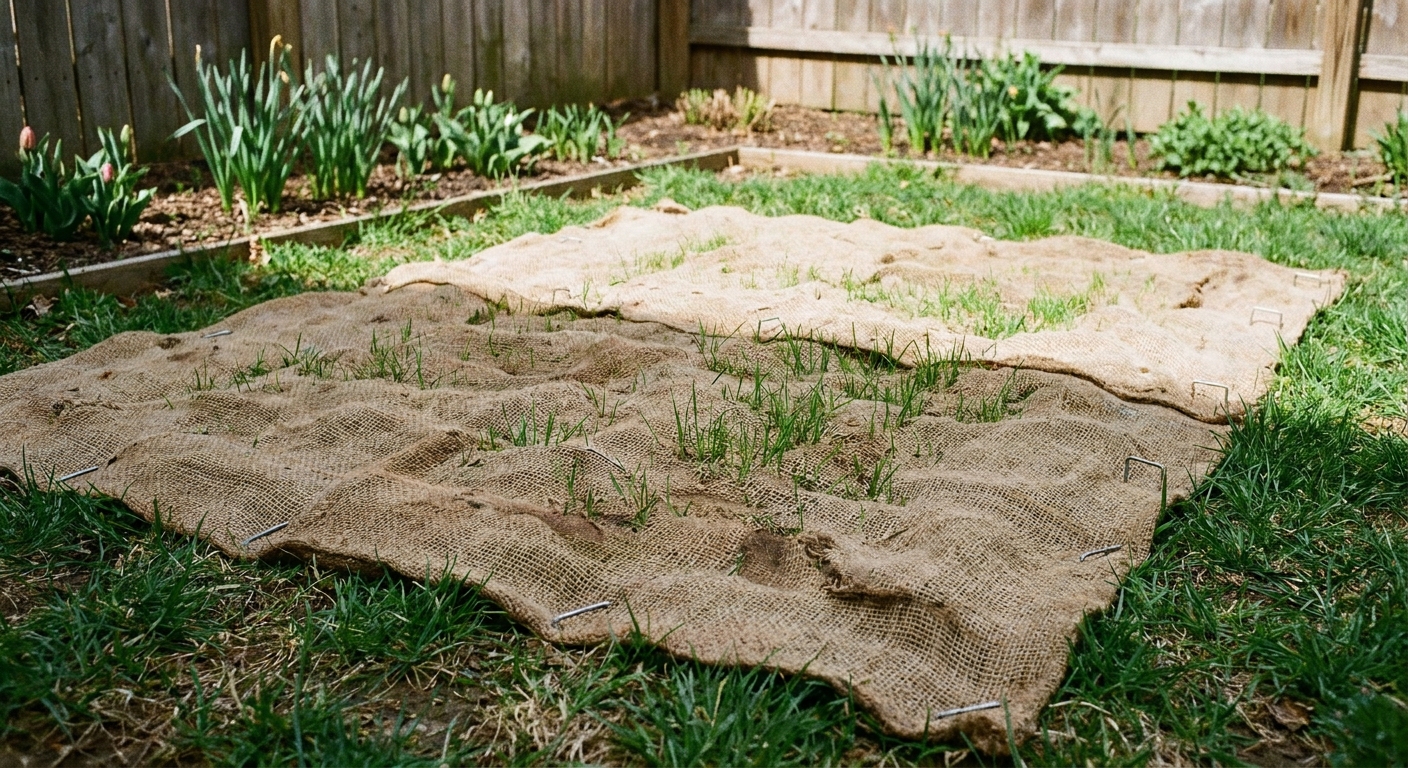
- Lay down burlap for 2 to 3 weeks, secured with pins.
- If you use fabric, choose a light-colored, breathable material and check it on warm days so the surface does not overheat.
- This blocks access and can cool and shade the soil surface, encouraging bees to choose another site.
Alternatives to spraying
Broadcast lawn insecticide treatments are tempting because they are marketed as simple, but they often do more harm than good. They can affect beneficial insects beyond the target and they rarely solve the underlying “why here” problem.
If it is solitary bees
For mining bees and most other solitary ground nesters, insecticides are usually unnecessary. They are seasonal, low-risk, and valuable.
If it is yellow jackets
Yellow jackets are a different story. If you must treat, targeted approaches reduce off-target exposure.
- Do not use flowering weeds as a treatment zone. Mow or remove blooms like clover and dandelions near the nest first so pollinators are not drawn into the area.
- Avoid daytime treatment. Pollinators are active then, and yellow jackets are more likely to be defensive.
- Prefer professional, nest-specific treatment rather than lawn-wide applications. Many treatments are most effective when done at dusk or after dark, when activity drops and more wasps are in the nest.
On LeafyZen, my bias is always toward habitat and timing first. Insecticides are the last rung on the ladder, not the first.
Timing tips for next year
Here is the part most people miss: if you want fewer ground nests next year, you plan for it in late summer and fall, not in the middle of spring panic.
Fall checklist
- Aerate if needed, then overseed thin areas so grass thickens before spring.
- Topdress with compost to improve turf vigor and reduce bare soil.
- Fix drainage issues that create alternating hard-dry and muddy zones.
- Edge and reseed along sidewalks and driveways where soil often stays exposed.
Early spring checklist
- Raise mower height a bit.
- Spot-seed small bare patches as soon as soil temps are suitable.
- Keep traffic off thin sunny spots until grass wakes up.
What not to do
A few common moves can make the problem worse or create unnecessary harm.
- Do not pour gasoline or chemicals into holes. It is dangerous, illegal in many places, and can contaminate soil and groundwater.
- Do not flood the lawn repeatedly. You can damage turf and still not solve the issue.
- Do not plug holes during active nesting. Solitary bees can dig new exits. For yellow jackets, plugging can make things more dangerous because they may chew out elsewhere and you are forcing the conflict.
- Do not spray flowering weeds. Pollinators visit blooms, and residues can hurt the very insects you are trying to protect.
- Do not assume “bee” equals “honeybee.” Most ground nesters are solitary native species.
When to call a pro
Call a licensed pest management professional if any of these are true:
- You suspect yellow jackets and the nest is near a high-traffic area.
- Someone in the home has a sting allergy, a history of anaphylaxis, or health issues that could complicate a reaction.
- The nest is in a structural void (under concrete, inside a retaining wall, near a foundation).
- You have seen aggressive guarding behavior, multiple stings, or swarming.
- You are unsure of the ID and cannot observe safely from a distance.
When you call, ask directly: “Can you confirm whether this is yellow jackets or bees, and use the most targeted treatment possible?” A good pro will be comfortable with clear ID at least to the bee versus wasp level, and will explain how they will minimize impact on non-target insects.
Quick FAQ
Will ground-nesting bees sting if I mow?
Solitary ground-nesting bees are unlikely to sting during mowing, but mower vibrations can stress them and increase the chance of defensive behavior if you pass directly over active holes. Yellow jackets, on the other hand, are much more likely to respond aggressively to mowing near a nest entrance.
Do they reuse the same holes every year?
They often return to the same general area if conditions stay ideal, especially sunny, well-drained, thin turf. Thickening the grass and reducing bare patches is the best long-term deterrent.
Are ground-nesting bees protected?
Rules vary by location and species, but in general, native bees are beneficial and best managed with non-lethal prevention when possible. If you suspect an endangered species or have a large, unusual aggregation, your local extension office can help with identification.
What is the fastest pollinator-friendly solution?
For solitary bees, the fastest solution is usually temporary avoidance plus barrier marking for a few weeks. Then do the longer-term turf fixes in fall.
A calm plan for today
If you want the simplest, safest next step, do this:
- Observe from a distance for a few minutes and identify: solitary bee style activity (many small holes, calm traffic) or yellow jacket style traffic (one busy entrance, defensive vibe, summer peak).
- If it looks like solitary bees, mark the area, mow around it briefly, and plan fall overseeding.
- If it looks like yellow jackets or you are unsure, keep people and pets away and call a pro.
And if you are feeling a little rattled, you are not alone. The first time I found ground nests in a city lawn years ago, I was convinced I had a full-blown invasion. Turns out it was a short spring visit from hardworking native bees. A few small adjustments, a little patience, and both the lawn and the pollinators did just fine.