
Get Rid of Fungus Gnats Naturally

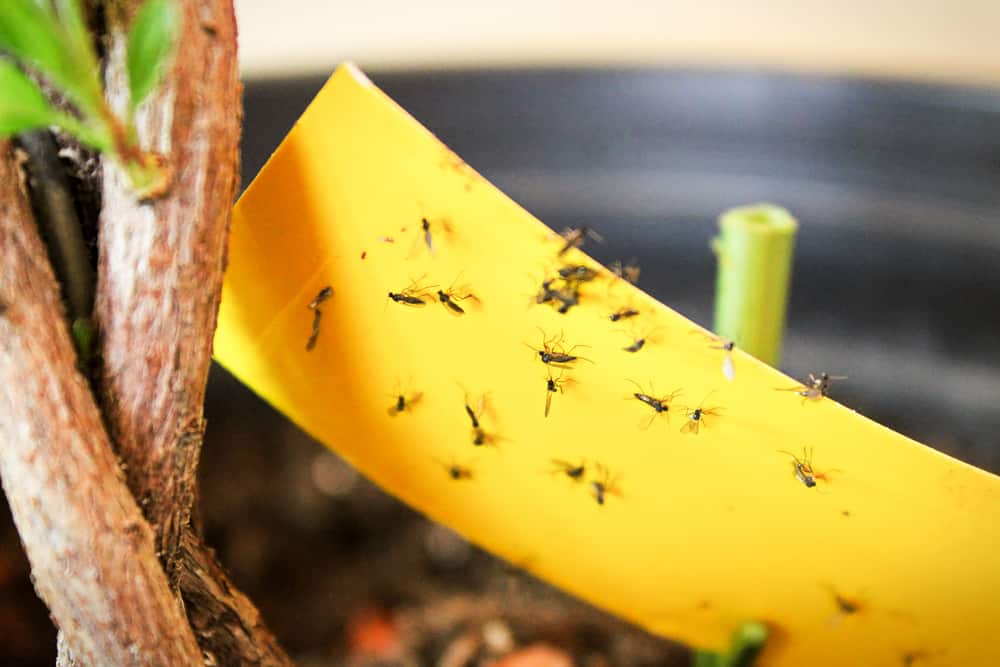
If you have tiny little flies hovering around your houseplants like they pay rent, you are not alone. Fungus gnats are one of the most common indoor plant pests, and they love the same things many houseplants love: warm rooms and consistently damp potting mix.
The good news: you can get rid of fungus gnats naturally. The even better news: you do not need to toss your plants, nuke your home with chemicals, or accept your fate as a human fly trap.
First, make sure it is fungus gnats
Fungus gnats are small, dark, delicate-looking flies that tend to linger near the soil surface. They are most noticeable when you water, bump the pot, or walk by and they flutter up in a little cloud.
Quick ID checklist
- Adults: Tiny gray-black flies, about the size of a sesame seed, with long legs and a slow, floaty flight.
- Where they hang out: On the soil surface and around the drainage holes, not usually on leaves.
- Larvae: Little translucent worms in the top 1 to 2 inches of soil, sometimes with a shiny black head.
Common lookalikes: Fruit flies (usually around fruit, drains, and trash, and they move faster) and shore flies (more robust, stronger fliers, often tied to algae growth). If the bugs live in your potting mix, fungus gnats are the usual suspects.
Why fungus gnats keep coming back
Let me gently say the quiet part out loud: fungus gnats are rarely about “dirty plants.” They are about consistently wet soil. Adult gnats lay eggs in moist potting mix. The larvae feed on fungi and decaying organic matter, and sometimes nibble tender roots, especially in seedlings or stressed plants.
When the top layer never gets a chance to dry, you are basically setting out a welcome mat.
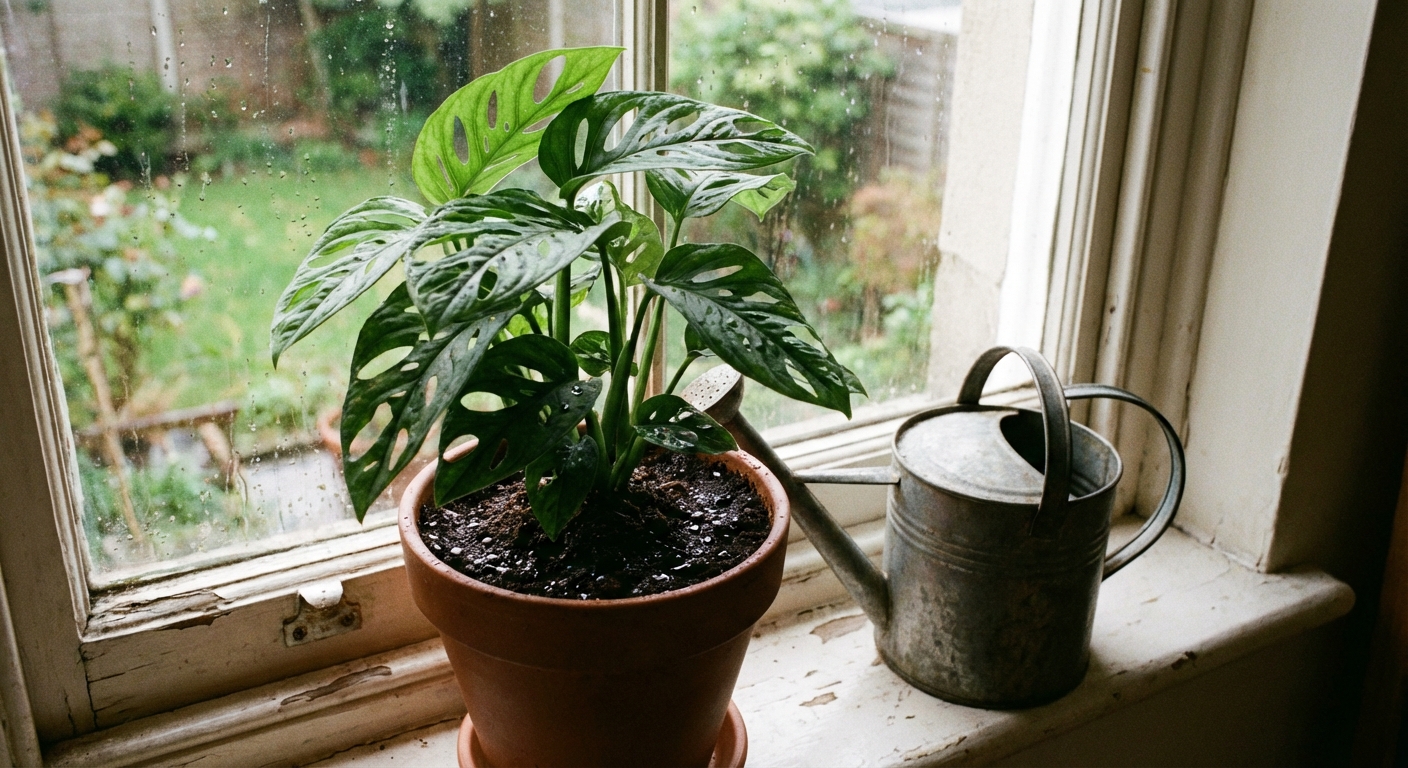
The natural 3-part plan that works
To beat fungus gnats, you want to do three things at once:
- Catch the adults so they stop laying eggs.
- Kill the larvae living in the top layer of soil.
- Change the conditions so the soil is no longer a nursery.
Step 1: Use sticky traps
Yellow sticky traps are simple, cheap, and weirdly satisfying. They do not solve the problem alone, but they make a huge dent fast by catching the flying adults.
How to use sticky traps
- Place traps right at the soil line, not up in the foliage.
- Use 1 trap for small pots, and 2 to 3 traps for larger planters.
- Replace when they are covered or dusty, usually every 1 to 2 weeks.
Clara note: If you want to know whether your treatment is working, sticky traps are your scorecard. You should see fewer gnats trapped each week.
Step 2: Treat the soil
This is where most people either win fast or stay stuck. Adults are annoying, but larvae in the potting mix are the engine of the problem. Pick one of the natural drenches below (or rotate if you need to), and stay consistent for a few weeks.
Option A: BTI soil drench
If you want the gold standard for indoor fungus gnat larvae control, this is it. BTI (Bacillus thuringiensis subspecies israelensis) is a beneficial bacteria used to target certain fly larvae. It is commonly sold as Mosquito Bits or Mosquito Dunks.
It is low drama, low odor, and very effective when used correctly.
How to use BTI
- Soak Mosquito Bits (or a piece of a Dunk) in water to make “BTI tea,” then use that water to thoroughly drench the potting mix.
- Apply so the top few inches of soil get saturated (that is where the larvae live).
- Repeat on a schedule for 2 to 4 weeks, especially if you have a heavy infestation.
- Keep sticky traps up at the same time so adults do not keep restarting the cycle.
Clara note: If neem oil is not your vibe (smell, sensitivity, or you just want the most reliable option), BTI is usually the easiest “why did I wait so long” switch.
Option B: Neem soil drench
Neem oil can help with fungus gnat larvae when used as a soil drench. It works best as part of a routine, not as a one-and-done miracle.
Neem soil drench basics
- Use a cold-pressed neem oil product meant for plants.
- Mix according to the label. If your neem needs an emulsifier, a small amount of gentle liquid soap is often used, but follow your product directions.
- Water the plant with the mixture so it soaks the top few inches of soil.
- Repeat every 7 days for 3 to 4 weeks to catch multiple life cycles.
Neem tips
- Test on one plant first, especially for sensitive plants like ferns or some orchids.
- Do not apply in harsh direct sun right after treatment.
- Do not overdo it. Stronger is not better with neem.
If you are also tempted to spray leaves, you can, but for fungus gnats the main issue is in the soil. Focus there.
Step 3: Fix watering
This is the part that makes your results stick. Fungus gnat larvae need consistently moist conditions near the surface. Your job is to make the top layer less inviting.
A simple watering reset
- Let the top 1 to 2 inches of potting mix dry before watering again (for most common houseplants).
- Water deeply, then let excess drain fully. Never let pots sit in a saucer of water.
- If you tend to water “just a little” every few days, switch to watering less often but more thoroughly.
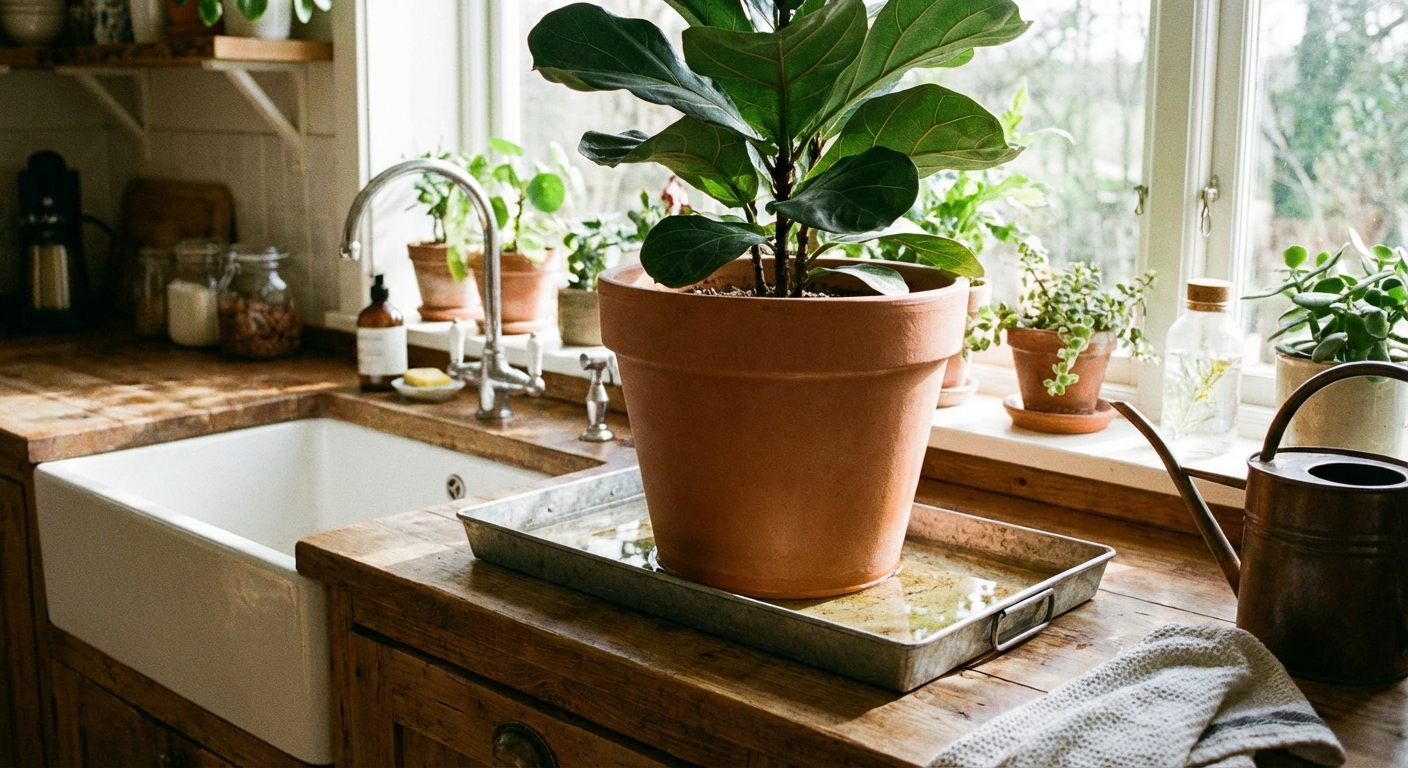
Bottom watering can help during an active infestation because it keeps the surface drier. Set the pot in a tray of water for 15 to 30 minutes, then remove and drain. Use this alongside sticky traps and a soil drench so you are still breaking the life cycle.
Optional boosters
If your infestation is stubborn or you just want to speed things along, these add-ons can help.
Remove the top layer
Scoop off the top 1 inch of potting mix where eggs and larvae tend to live, then replace it with fresh, dry mix. This works best when paired with sticky traps and better watering.
Top-dress the surface
A thin layer of coarse material can make it harder for adults to lay eggs and can reduce surface moisture.
- Coarse sand
- Fine gravel
- Lava rock
Keep it thin enough that water can still move through, and avoid sealing the soil like concrete.
Beneficial nematodes
If you want a natural biological control that feels like calling in the tiny, professional cleanup crew, look for beneficial nematodes like Steinernema feltiae. They hunt fungus gnat larvae in moist potting mix.
- Use them as a soil drench, following the product directions closely.
- Apply to already moist soil, and keep the mix lightly moist for a short period so they can move and work (this is one time “slightly moist” is on purpose).
- They are living organisms, so store and use as directed, and check expiration dates.
Diatomaceous earth
Food-grade diatomaceous earth (DE) can help by scratching and dehydrating insects that crawl through it. It is most useful as a dry top layer on the soil surface, not mixed into wet soil.
- Apply a very light dusting to dry soil.
- Reapply after watering, since wet DE is basically just sad mud.
- Avoid breathing the dust when applying.
Repot if soil stays wet
If your potting mix is very dense or old, repotting can be a game-changer. Choose a fresher, airier mix suited to your plant, and make sure the pot has a drainage hole. Gnats love soggy soil, but roots hate it too.
What not to do
- Do not only treat the air. Swatting adults helps your mood, but larvae in the soil are the engine of the problem.
- Do not keep the soil wet “because the plant needs it.” Most houseplants prefer a dry-down period. Overwatering is usually the real issue.
- Do not reuse contaminated potting mix indoors. If it is full of larvae and stays wet, it will restart the cycle.
- Do not ignore drainage. A pretty cachepot with no drainage is a fungus gnat spa.
Prevention
Once you have them under control, prevention is mostly about habits and a little quarantine.
My simple prevention checklist
- Quarantine new plants for 1 to 2 weeks and add a sticky trap during that time.
- Water with intention: check soil with your finger, a chopstick, or a moisture meter before watering.
- Empty saucers after watering so roots do not sit in water.
- Refresh old mix if it has broken down into a dense, peat-heavy sponge.
- Store potting mix sealed in a bin with a lid. Open bags can become gnat nurseries.
Timeline
Most people see noticeable improvement in 7 to 14 days when they combine sticky traps with better watering and a larva treatment (BTI, neem, or nematodes). Full control often takes 3 to 4 weeks because you are interrupting a life cycle that keeps looping.
If your traps are still filling up after a month, take a closer look at drainage and soil structure. Something is staying wet long enough for larvae to keep developing.
Quick FAQ
Are fungus gnats harmful to my plant?
Adults are mostly annoying. Larvae can stress plants by nibbling fine roots, especially seedlings, cuttings, or already unhappy plants. Getting them under control is worth it.
Is BTI safe for houseplants?
When used as directed on the product label, BTI products like Mosquito Bits or Dunks are widely used in plant care for fungus gnat larvae. Stick to label rates and use them as a soil drench, not as a mystery-concentrate experiment.
Can I just let the plant dry out completely?
For drought-tolerant plants, a longer dry spell can help. For thirstier plants, aim for a consistent dry top layer, not bone-dry soil all the way through. The goal is to dry the nursery zone, not punish the roots.
Will neem oil hurt beneficial soil life?
Neem is generally considered a softer option than many synthetics, but any treatment can affect soil organisms. Use the minimum effective amount, follow label directions, and focus on improving watering so you do not need repeated treatments long-term.
Simplest starter plan
- Put yellow sticky traps in every affected pot today.
- Let the top 1 to 2 inches of soil dry before watering again.
- Do a BTI soil drench (Mosquito Bits or Dunks) on schedule for 2 to 4 weeks, or use neem weekly for 3 to 4 weeks.
And when you catch yourself apologizing to your plants, take a breath. Fungus gnats happen to the best of us. The fix is not fancy. It is consistent, soil-smart care.