
Get Rid of Creeping Charlie Naturally

Creeping Charlie has a special talent for making good gardeners feel like they are failing. One week you have a few scalloped leaves sneaking through the grass, and the next week you have a minty little carpet sprawling through every shady edge.
The good news is you can get rid of creeping Charlie naturally. The honest news is that it rarely happens in one weekend. This weed is a persistent, stolon-happy spreader, so the key is identification + timing + density + persistence. Let me walk you through a plan that works with your yard’s ecology instead of fighting it with harsh shortcuts.

Identify creeping Charlie first
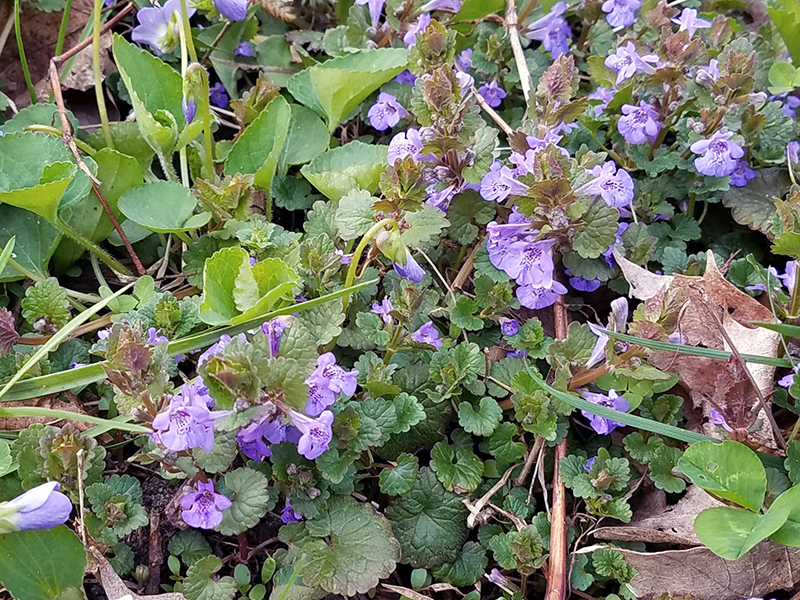
Creeping Charlie (also called ground ivy, Glechoma hederacea) is a low-growing perennial in the mint family. It spreads by creeping stems (stolons) that root at nodes, forming dense mats that smother turf.
Key ID clues
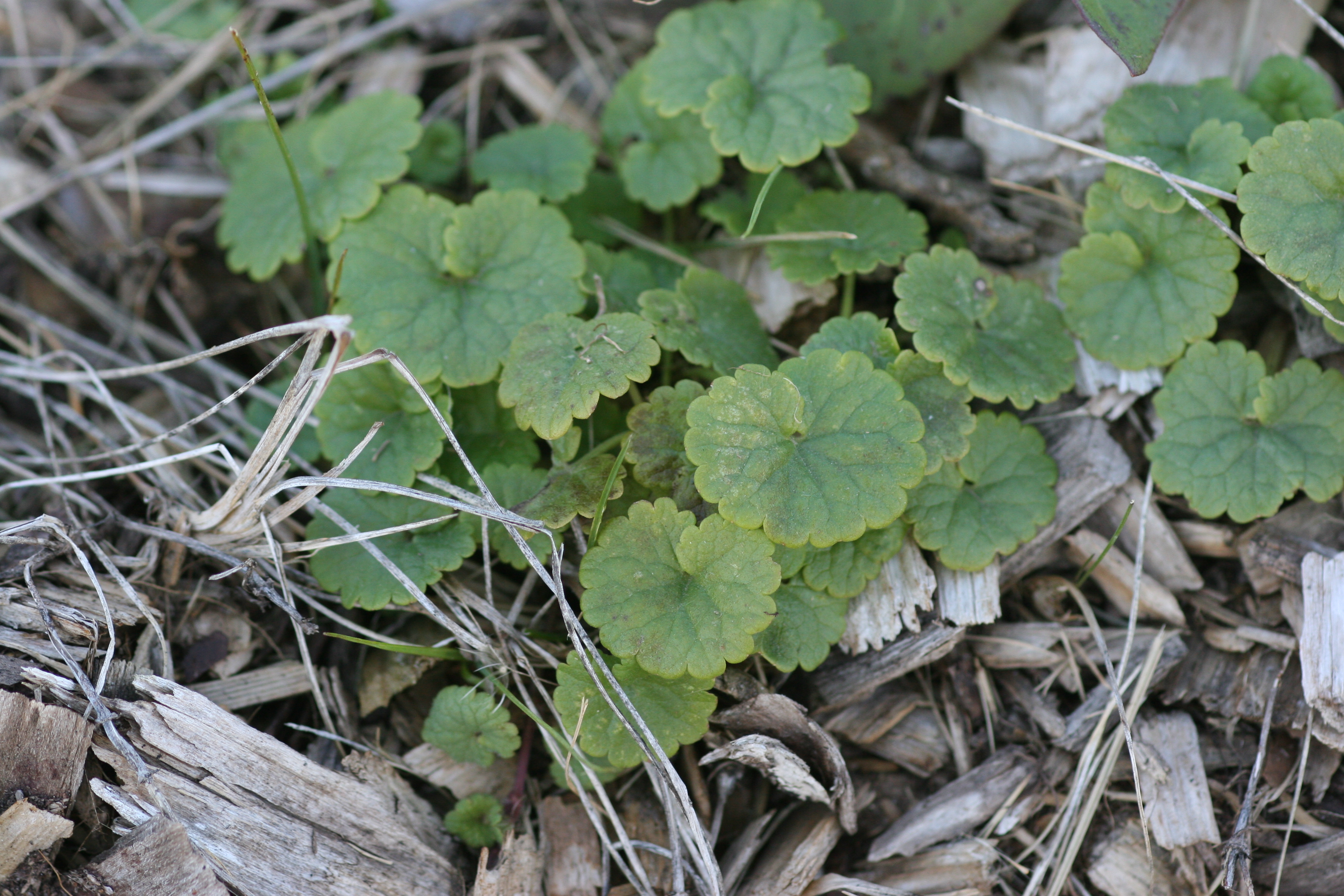
- Leaves: Round to kidney-shaped with scalloped edges, usually opposite on the stem.
- Stems: Square-ish stems that creep along the soil surface and root where they touch down.
- Flowers: Small purple to bluish, trumpet-shaped flowers in spring.
- Scent: When crushed, it often smells minty or herbal.
- Habit: It makes a connected mat, especially in shade and thin grass.
Quick test: Gently lift a patch. If it comes up like a woven blanket with multiple rooted spots along runners, you are likely dealing with creeping Charlie.
Common lookalikes
This matters because the natural approach changes depending on what you actually have.
Henbit and purple deadnettle
- Henbit: Upright-ish spring annual with more deeply lobed leaves and stems that do not create long creeping runners.
- Purple deadnettle: Often has purplish top leaves and a more triangular leaf shape, also more upright.
- Both: Tend to disappear as heat arrives if your lawn thickens. Creeping Charlie does not politely leave.
Wild violets
- Leaves: Heart-shaped, not scalloped-round.
- Flowers: Classic violet flowers on individual stems.
- Habit: Clumps more than mats, though it can spread over time.
Dollarweed (pennywort)
- Leaves: Round “lily pad” leaves with the stem attaching near the center, not the edge.
- Clue: Often signals consistently wet soil.
Why it spreads
Creeping Charlie is an opportunist. It loves the places where grass struggles, then it takes advantage of that weakness.
The big drivers
- Shade: Many turf grasses thin out under trees, fences, and north-facing sides of homes. Ground ivy tolerates shade much better.
- Thin or stressed turf: Compacted soil, low mowing, drought stress, and low fertility create bare spots. Creeping Charlie happily stitches those spots together.
- Moist soil: It thrives in moist, cool conditions and spreads fast in spring and fall.
- Low mowing: Scalping weakens grass crowns and lets creeping stems grab light.
If you only remove the weed but never fix the turf conditions, creeping Charlie simply returns to the same open invitation.
Natural removal
Think of this as integrated weed management for a home lawn. We combine mechanical removal with turf strengthening so the lawn can hold the line.
Step 1: Choose a battle zone
If creeping Charlie is everywhere, do not try to clear your whole property in one go. Start with the most visible areas or the places where grass still has a chance, like the sunny edge of the patch. You will build momentum.
Step 2: Pull it right
Hand removal works best when the soil is moist, like the day after a rain or after a deep watering. Your goal is to pull up the creeping stems and as many rooted nodes as you can.
- Use a hand fork, hori-hori, or dandelion weeder to lift roots and runners.
- Grab a handful near the base and pull slowly so you lift runners instead of snapping them.
- Work in small sections. Shake off soil so you are not exporting your topsoil with the weed.
- Bag it if it has flowers or lots of nodes. Do not toss fresh runners into compost unless you hot-compost reliably, because it can re-root.
Step 3: Smother what you cannot pull
For dense mats, smothering is one of my favorite natural tools, especially in beds, along fence lines, and in non-turf spaces.
In garden beds and borders
- Cut or rake the foliage down low first.
- Lay plain cardboard (remove tape) with edges overlapping 6 inches.
- Add 2 to 4 inches of mulch on top to keep it from shifting and to block light.
Leave it in place for a full season if possible. Creeping Charlie is stubborn, so longer coverage works better than a quick week-long attempt.
In lawns (small patches)
Smothering in turf means you are sacrificing that patch of grass temporarily, but it can be worth it for an aggressive infestation.
- Lay cardboard over the patch and overlap seams well.
- Top with a thin layer of compost or topsoil to hold it down.
- Water it in and let the cardboard break down in place. It will soften, settle, and decompose. That is the point.
- After about 4 to 8 weeks in warm weather (or once the patch underneath is clearly weakened), add a fresh 1/4 to 1/2 inch of compost on top and seed right over it (or patch with sod). Keep the surface evenly moist while seed establishes.
Step 4: Thicken the lawn
This is the part that makes natural control stick.
- Mow higher: Aim for 3 to 4 inches for most cool-season lawns. Taller grass shades the soil and makes it harder for ground ivy to spread.
- Overseed: In fall for cool-season grasses, or late spring for warm-season grasses. Choose shade-tolerant mixes for tree areas.
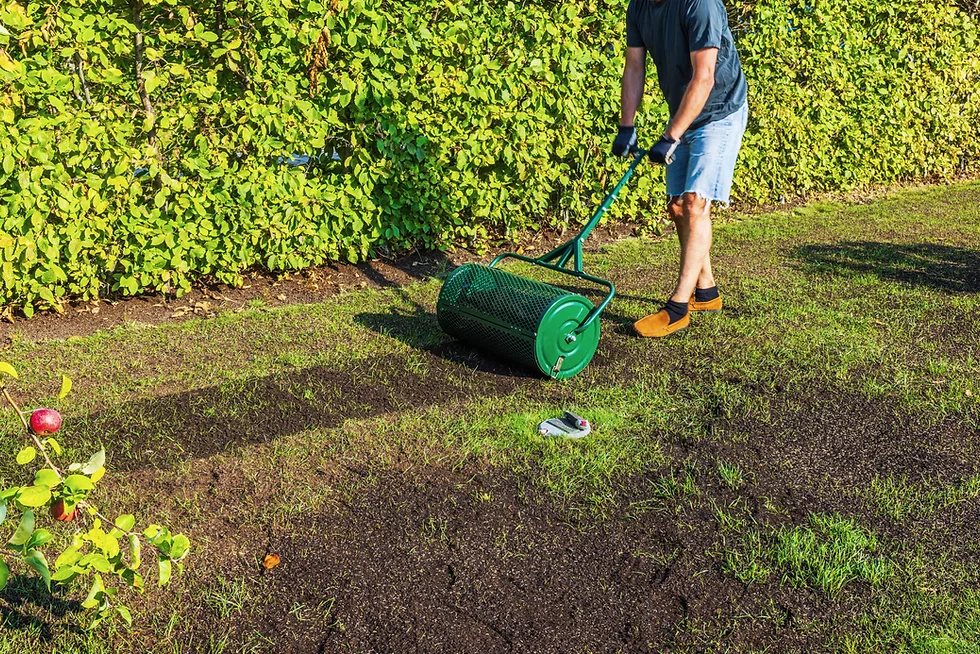
- Topdress lightly: A thin layer of compost (about 1/4 inch) supports soil life and helps seedlings establish.
- Aerate compacted soil: Especially in high-traffic zones. Compaction favors weeds by stressing grass.
- Water deeply, less often: Encourage deeper grass roots instead of constantly moist surface conditions.
- Fertilize thoughtfully: Use soil test results if you can. Over-fertilizing can create weak, lush growth, while under-fertilizing leads to thin turf.
Best timing
Creeping Charlie has seasonal rhythms. Match your efforts to those rhythms and you will get more results with less exhaustion.
Early spring
- Great time to identify patches and start pulling while soil is moist.
- Remove before it flowers and sets seed, though it spreads more by runners than seed.
Late spring to summer
- Growth can slow in heat, but it can still creep in irrigated shade.
- Focus on mowing high and maintaining turf health.
- Smothering can work well in warm weather if edges are sealed and mulch stays in place.
Early fall
- Prime season for overseeding and turf repair.
- Cool temperatures and more consistent moisture help grass establish and begin competing.
- Pulling is effective again as creeping Charlie perks back up.
Late fall
- Keep leaves from matting down on the lawn. Wet leaf layers create the same shady, moist conditions creeping Charlie loves.
A multi-season plan
If you want a plan that fits real life, here is a simple approach that works even if you only have an hour here and there.
Season 1: Reduce the mat
- Hand-pull after rain, focusing on edges and smaller colonies first.
- Smother dense patches in beds and borders with cardboard and mulch.
- Raise mowing height to reduce stress on grass.
Season 2: Rebuild the turf
- Aerate compacted areas.
- Topdress with a thin layer of compost.
- Overseed heavily in fall (cool-season lawns) or appropriate timing for your grass type.
- Water seeds gently and consistently until established.
Season 3: Patrol and prevent
- Spot-pull new runners before they knit together.
- Maintain thicker turf with proper mowing and watering.
- Address shade: prune lower tree branches lightly or switch problem areas to shade-loving groundcovers or mulch paths.
Most yards see a major improvement in one year, then a big shift from “constant battle” to “occasional touch-ups” in year two.
DIY remedies
Vinegar sprays
Household vinegar or stronger horticultural vinegar can burn leaves, but it is non-selective and often does not kill the whole plant, especially the rooted nodes. It can also damage soil life if overused. I consider it a last resort for cracks in hardscape, not lawns.
Boiling water
Effective at killing foliage on contact, but it also kills grass and nearby plants. Save it for driveway seams, not turf.
Mulch alone
Mulch helps, but creeping Charlie can creep through thin mulch. For established patches, use cardboard plus mulch for reliable smothering.
More fertilizer
Feeding can help your grass compete, but it is not a magic wand. Pair it with mowing height, overseeding, and fixing compaction.
Borax
Borax is the most shared DIY “natural” cure online, and it is also one of the riskiest. Borax adds boron, a micronutrient plants need only in tiny amounts. The problem is that the line between “tiny helpful amount” and “too much” is thin, and excess boron can cause long-lasting soil toxicity. It can damage or kill grass, ornamentals, trees, and garden plants, and it can persist in soil because it does not break down like a typical organic amendment.
In other words, borax can turn a creeping Charlie problem into a soil problem. If you want a natural approach you can feel good about long-term, stick with pulling, smothering, and making the turf dense enough to compete.
Change the space
Some spots are basically creeping Charlie paradise: deep shade, damp soil, and grass that has been struggling for years. In those areas, you have options that are still natural and still beautiful.
- Create a mulch bed under trees with a clean edge.
- Add stepping stones or a simple path where traffic keeps turf thin.
- Plant shade-tolerant groundcovers suited to your region to fill the niche so weeds have less room.
There is no shame in admitting grass is not the right plant for every square foot of a yard. A calm, low-maintenance shade bed can feel very Leafy Zen.

Quick checklist
- Confirm ID: scalloped leaves, creeping runners, purple spring flowers, minty scent.
- Pull when soil is damp, remove runners and rooted nodes.
- Smother dense patches with cardboard plus mulch.
- Mow higher and avoid scalping.
- Fix thin turf: aerate, compost topdress, overseed at the right season.
- Repeat for multiple seasons, then spot-patrol.
Creeping Charlie control is less about one perfect trick and more about steady pressure plus a lawn that can finally hold its ground. Stay consistent, and you will see the mat loosen, the grass thicken, and the workload shrink.