
Get Rid of Chinch Bugs Naturally

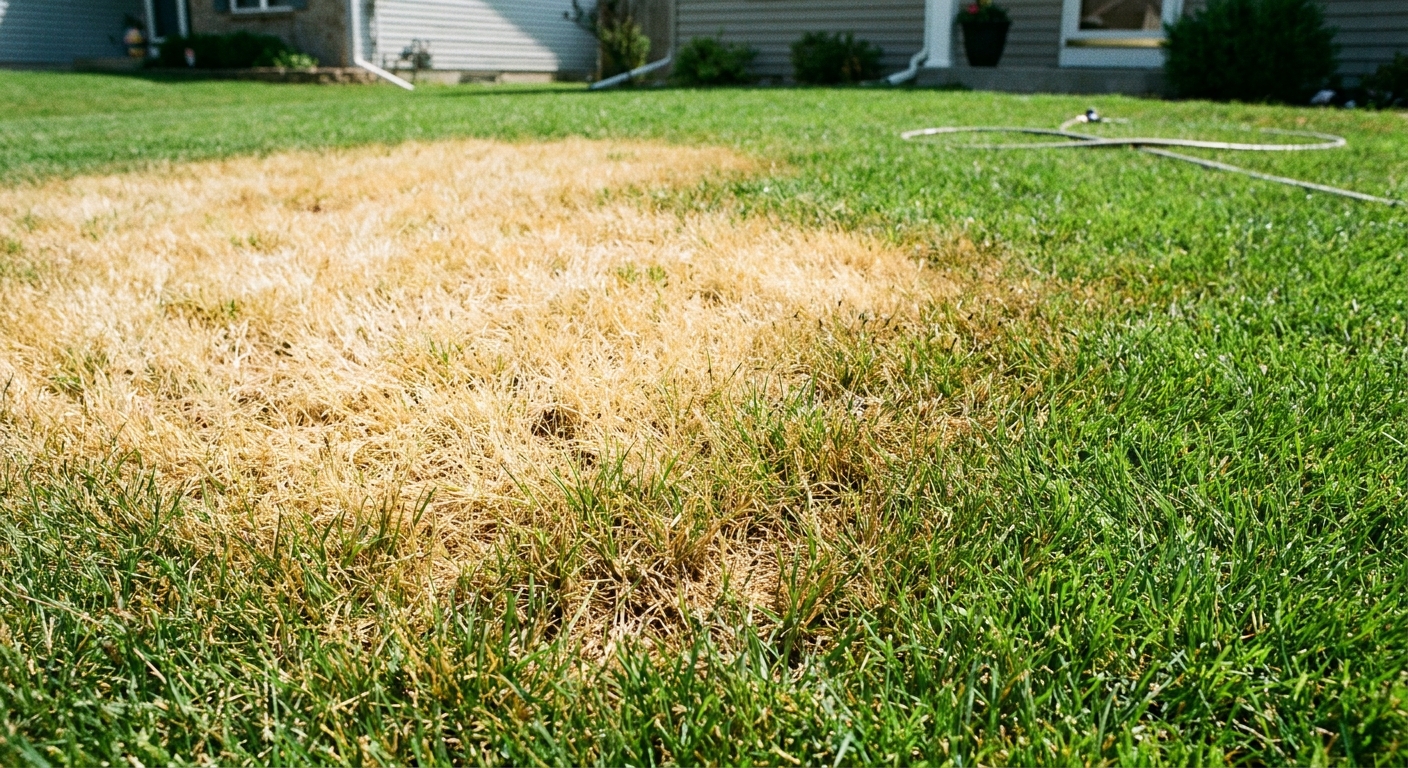
If your lawn has straw-colored patches that seem to spread overnight, your first instinct is usually, “I must be underwatering.” Sometimes that is true. But if you water and the grass still looks crispy, chinch bugs might be sipping your turf dry from the base of the blades.
The good news is you can manage chinch bugs naturally without going scorched-earth on your yard or your soil life. The trick is to identify them correctly, change the conditions they love, and be patient with the recovery timeline.
Quick note: “Chinch bug” can mean different species depending on where you live, and what they look like (and which grasses they prefer) can vary. If you can, compare what you find to photos from your local extension office.

What chinch bug damage looks like (and what it is not)
Chinch bugs are tiny insects that feed by piercing grass stems and sucking out juices. Their feeding and saliva disrupt normal water movement in the plant, so the turf can look drought-stressed even when the soil has moisture.
Typical chinch bug symptoms
- Irregular yellow patches that turn tan or brown, often starting in hot, sunny areas.
- Damage that expands outward, with a noticeable “front line” where green meets yellow.
- Grass that feels dry and brittle even if you have been watering.
- More severe injury during heat, especially in midsummer.
Common look-alikes
- Drought stress: often more uniform and dull or gray-green, footprints linger when you walk across the lawn, and it usually improves within a day or two after deep watering.
- Dog urine: often small spots with a darker green ring around the edge.
- Fungal disease: may show spots on blades, mycelium in mornings, or patterns tied to shade and poor airflow.
- Grubs: turf peels back like a loose carpet and you can find C-shaped larvae in soil.
If you are not sure, do the quick confirmation tests below before you treat anything.
How to confirm chinch bugs in 10 minutes
Chinch bugs hide down in the thatch and at the crown of the grass. You are rarely going to spot them just standing and staring at the lawn, even though I have absolutely tried.
What you are looking for
- Size: roughly 3 to 4 mm (about 1/6 inch).
- Nymphs: often orange to red with a pale band.
- Adults: commonly darker with lighter wings folded over the back.
Reality check: color and markings vary by species and region (for example, southern chinch bugs in St. Augustine versus hairy chinch bugs in cool-season lawns). When in doubt, match your insects to local extension photos.
1) The coffee can “float test”
This is my favorite because it is oddly satisfying.
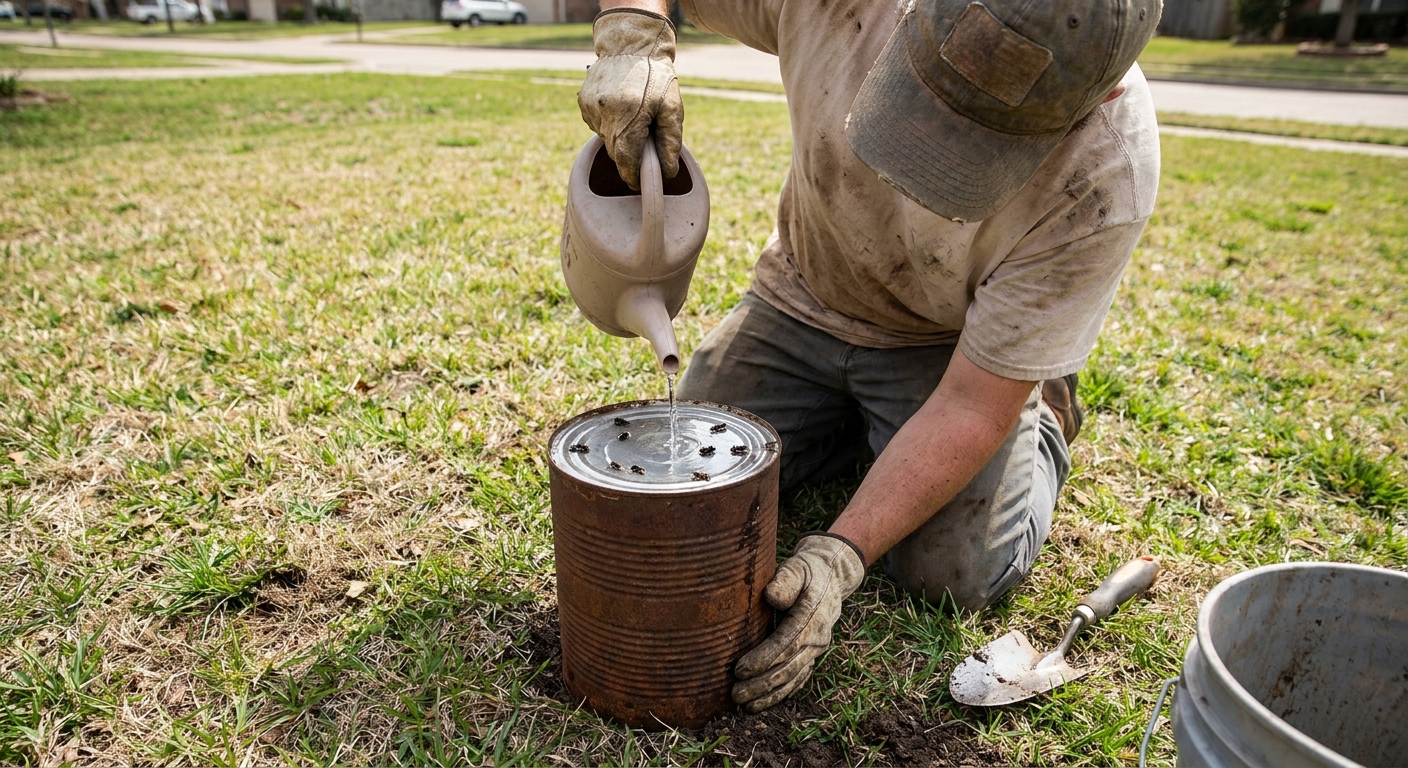
- Use a bottomless metal can (coffee can size works well) or a short section of PVC pipe.
- Safety first: if you cut a can yourself, the edges can be razor sharp. File them down, wrap the rim with tape, and wear gloves.
- Press it 2 to 3 inches into the turf at the edge of a damaged patch (where green meets yellow).
- Fill the can with water and keep it topped up for 5 to 10 minutes.
- Watch for insects floating up.
Tip: If you only see a few random “specks,” repeat the test in 2 to 3 spots. Chinch bugs are usually most concentrated at the advancing edge, not the center of a fully browned patch.
2) The “part the grass at the border” check
Kneel at the edge of the patch and gently part the grass down to the thatch line. In a heavier infestation, you may see chinch bugs darting around near the soil surface, especially on warm afternoons.
Where chinch bugs thrive
Chinch bugs love the same conditions that stress grass: heat, dryness, and a thick thatch layer that offers shelter.
- Hot, sunny lawns, especially south or west exposures.
- Dry periods and lawns watered lightly and frequently (shallow roots make turf less resilient).
- Thick thatch (around 1/2 inch or more, depending on turf) where bugs can hide and eggs can survive.
- Over-fertilized lawns with lots of tender growth.
- Susceptible grasses: St. Augustine is a classic target in warm regions. Cool-season lawns can also be hit (hairy chinch bug is a common culprit).
Natural control starts with flipping these conditions so the lawn favors the grass, not the bugs.
Natural, low-impact ways to get rid of chinch bugs
Think of this as a layered plan: you reduce stress first, then knock back the population with gentle tools, then help the lawn regrow.
Step 1: Water deeply, not constantly
When chinch bugs are active, drought stress makes damage look dramatic and spread faster. Your goal is to support the grass without creating a soggy surface layer.
- Water early morning so blades dry quickly.
- Water deeply to encourage roots (enough to moisten several inches down), then let the surface begin to dry before the next watering.
- Avoid daily light sprinkling, which keeps roots shallow and can worsen stress.
Reality check: Watering will not reliably “drown” chinch bugs, but it helps your grass survive while you tackle the cause.
Step 2: Reduce thatch carefully
Thatch is not inherently evil, but a thick mat is chinch bug paradise. If your thatch layer is truly excessive, plan to address it during the right season for your grass.
- Warm-season lawns (like St. Augustine): be cautious with aggressive power raking. Consider gentler options like core aeration and light topdressing first, and only vertical mow or dethatch when the grass is actively growing and vigorous enough to recover (timing varies by region).
- Cool-season lawns (like fescue, bluegrass, rye): light dethatching is often best in early fall.
After any thatch work, keep mowing height appropriate and avoid over-fertilizing. Healthy, moderate growth is your friend.
Step 3: Mow a little higher (and keep blades sharp)
Scalped lawns heat up fast. A slightly taller canopy shades the soil, protects crowns, and reduces stress.
- Raise your mowing height one notch during heat waves.
- Sharpen the mower blade. Ragged cuts lose more water and invite problems.
Step 4: Spot-treat with insecticidal soap (a low-persistence contact option)
If you have confirmed chinch bugs, insecticidal soap can reduce numbers by contact. It tends to work best on nymphs and requires good coverage down where the bugs live, which is the hard part in turf.
- Choose a true insecticidal soap labeled for outdoor insects (not dish soap).
- Apply in the cooler part of the day to reduce plant stress.
- Soak the thatch zone at the edge of damage where bugs are feeding.
- Repeat as needed per label directions. One spray rarely solves an outbreak.
Tip from the soil-loving crowd: Spot treatment beats blanket spraying. Aim for the border of the patch and nearby turf where the “front” is moving. Also remember this is not selective. Anything you hit directly can be affected.
Step 5: Consider beneficial microbes (when appropriate)
Some homeowners have success using biological lawn treatments that support soil life and help suppress pests. Options vary by region and product availability, so read labels carefully and match the product to chinch bugs.
- Bacillus thuringiensis (Bt) products are strain-specific and often target caterpillars or mosquitoes, so they are not a universal chinch bug fix.
- Entomopathogenic fungi (for example, Beauveria-based products) can infect chinch bugs, but field results vary and humidity and coverage matter.
If you go this route, treat it like a longer-term ecosystem tool, not an instant rescue.
Step 6: Encourage natural predators
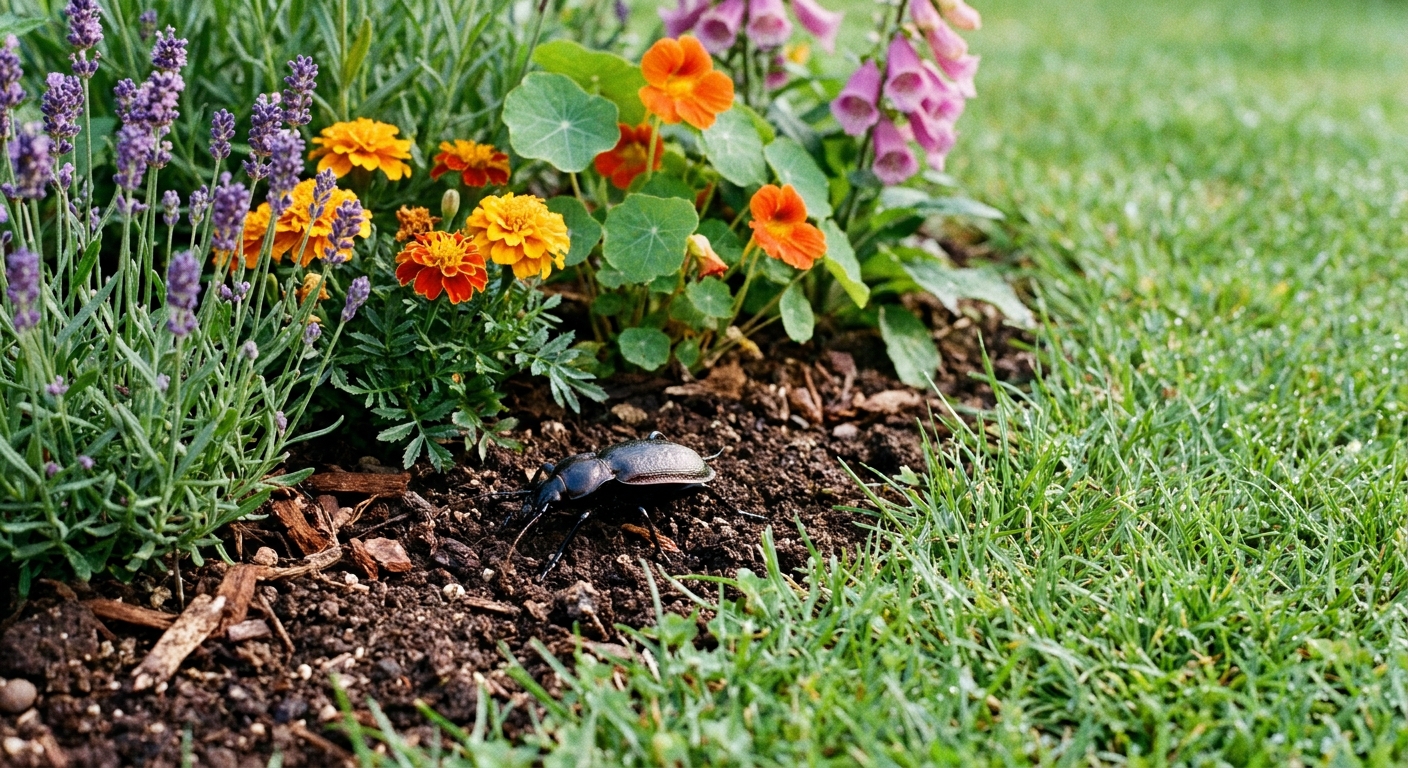
A chemically quiet lawn tends to host more of the helpers that eat pests: big-eyed bugs, ground beetles, spiders, and birds. You do not need to “buy” these in most cases. You need to stop accidentally evicting them.
- Avoid broad-spectrum insecticides.
- Keep a small, diverse planting bed nearby if you can. Even a strip of flowering natives helps beneficial insects.
What to do with the damaged patches
Chinch bugs do the worst feeding at the crown. If crowns are dead, grass will not “green back up” no matter how lovingly you whisper to it.
How to tell if grass can recover
- Recoverable: You see green at the base, stolons or runners still look alive, and the patch responds a bit after stress is relieved.
- Not recoverable: Crowns are brown and mushy or brittle, runners snap easily, and the patch keeps expanding despite watering and treatment.
If the grass is mostly alive: nurse it back
- Keep foot traffic off the patch.
- Continue deep, infrequent watering while roots reestablish.
- Topdress lightly with compost (a thin layer) to support soil biology and moisture retention.
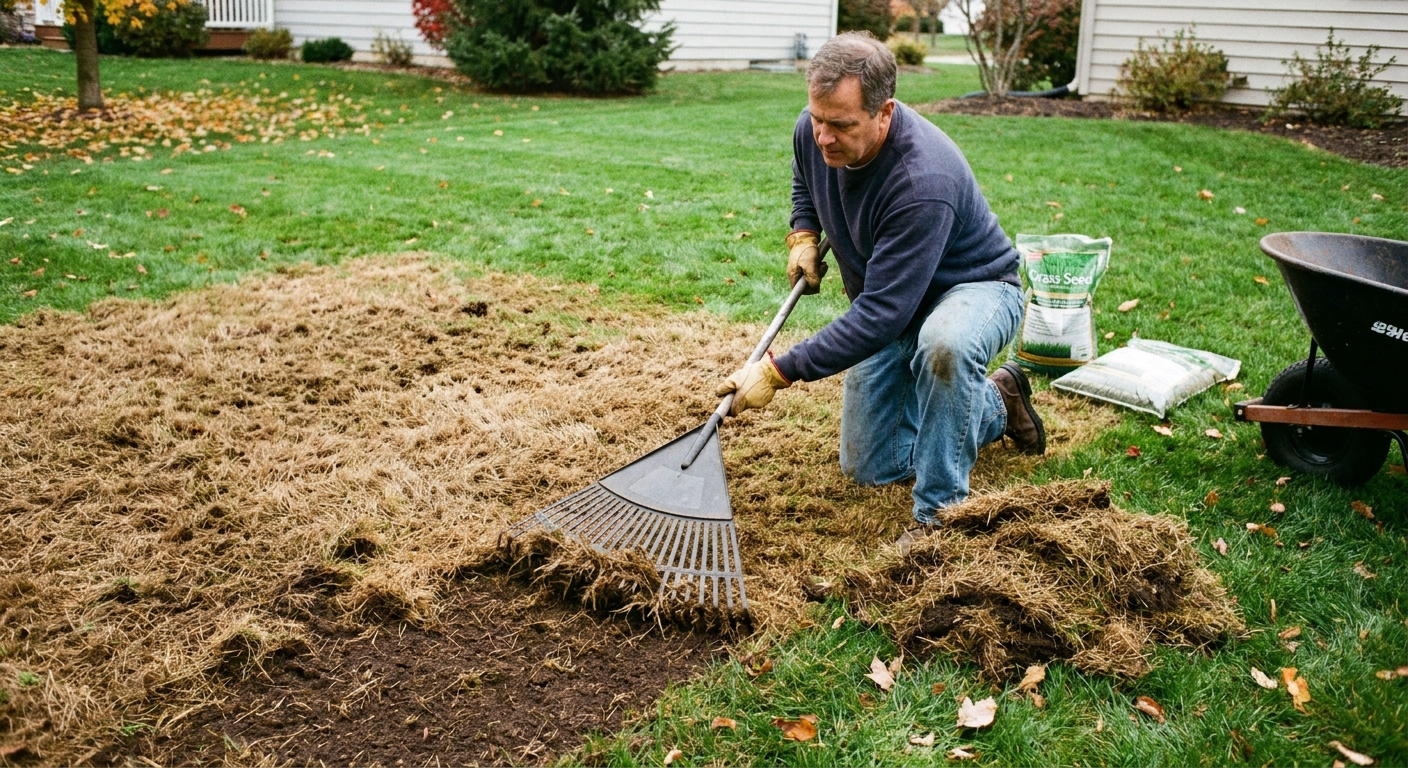
If the area is dead: renovate or reseed
When you have bare soil, you have an opportunity to rebuild the lawn in a healthier way.
- Rake out dead material and loosen the top inch of soil.
- Add a light layer of compost.
- Reseed (cool-season lawns) or plug, sod, or sprig (many warm-season lawns).
- Water lightly and frequently until establishment, then transition to deeper watering.
Realistic timelines
Natural lawn care is not slow because it is ineffective. It is slower because it is working with biology and regrowth, not just blasting symptoms.
- Within a few days: After correcting watering and starting spot treatments, the patch may slow down rather than racing outward (weather and infestation level matter). Existing brown grass will not turn green again.
- Within 1 to 2 weeks: You should see fewer bugs on the float test and the border should look more stable.
- Within 3 to 6 weeks: If crowns survived, you may see new growth filling thin areas, especially during active growth season.
- Within 6 to 12 weeks: Renovated or reseeded areas begin blending in, depending on grass type, temperatures, and irrigation consistency.
If damage continues to expand quickly after you have confirmed chinch bugs and adjusted watering and thatch issues, it is time to intensify the approach or consult a local extension office for region-specific guidance.
When to escalate
If you have confirmed chinch bugs (ideally in multiple spots), the population stays high, and damage keeps spreading, you have a couple of practical next steps.
- Get local thresholds and timing: Extension offices can tell you what species is common in your area and what level of bugs typically justifies stronger action.
- Use targeted products carefully: If you choose a conventional turf insecticide, follow the label exactly, treat only the affected area and advancing border when possible, and avoid broad, preventive blanket spraying. Active ingredients and timing vary by region and turf type, so local guidance matters here.
- Call a pro if needed: Especially if you have St. Augustine under heat stress, or repeated outbreaks, a reputable lawn care professional can help you avoid doing more damage than the bugs.
Prevention for next season
Once you have dealt with chinch bugs, prevention is mostly about keeping the lawn resilient.
- Test your soil and fertilize based on results, not habit. Overfeeding can make turf more attractive and less resilient.
- Aim for thicker turf through overseeding (where appropriate) and proper mowing height.
- Watch the thatch layer yearly and address it before it becomes a problem.
- Scout during heat: check the sunny edges of driveways, sidewalks, and south-facing slopes.
I know lawn pests can make you feel like your yard is a battleground. But most of the time, chinch bug control is less about “killing everything” and more about changing the conditions so your grass can win. Keep it simple, keep it steady, and give your lawn time to heal.
Quick checklist
- Confirm chinch bugs with the float test at the edge of damage (test 2 to 3 spots).
- Water deeply in the morning, avoid frequent shallow watering.
- Reduce excessive thatch in the proper season for your grass type (be gentle with St. Augustine).
- Mow a bit higher and sharpen blades.
- Spot-treat confirmed areas with insecticidal soap if needed (coverage and repeat applications matter).
- Renovate dead patches with seed, sod, plugs, or sprigs.
- Expect recovery over weeks, not days.