
Gardenia Care Indoors

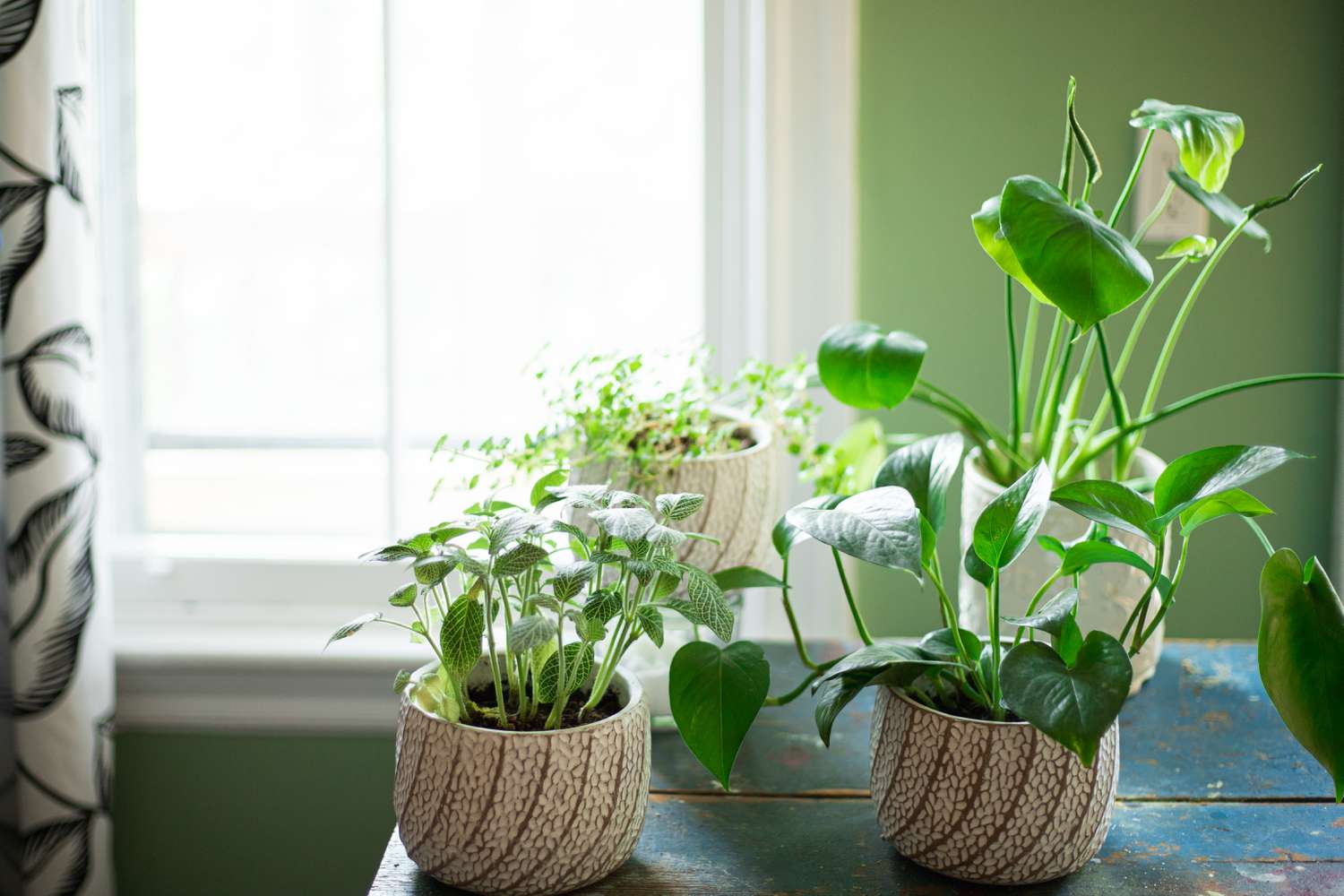
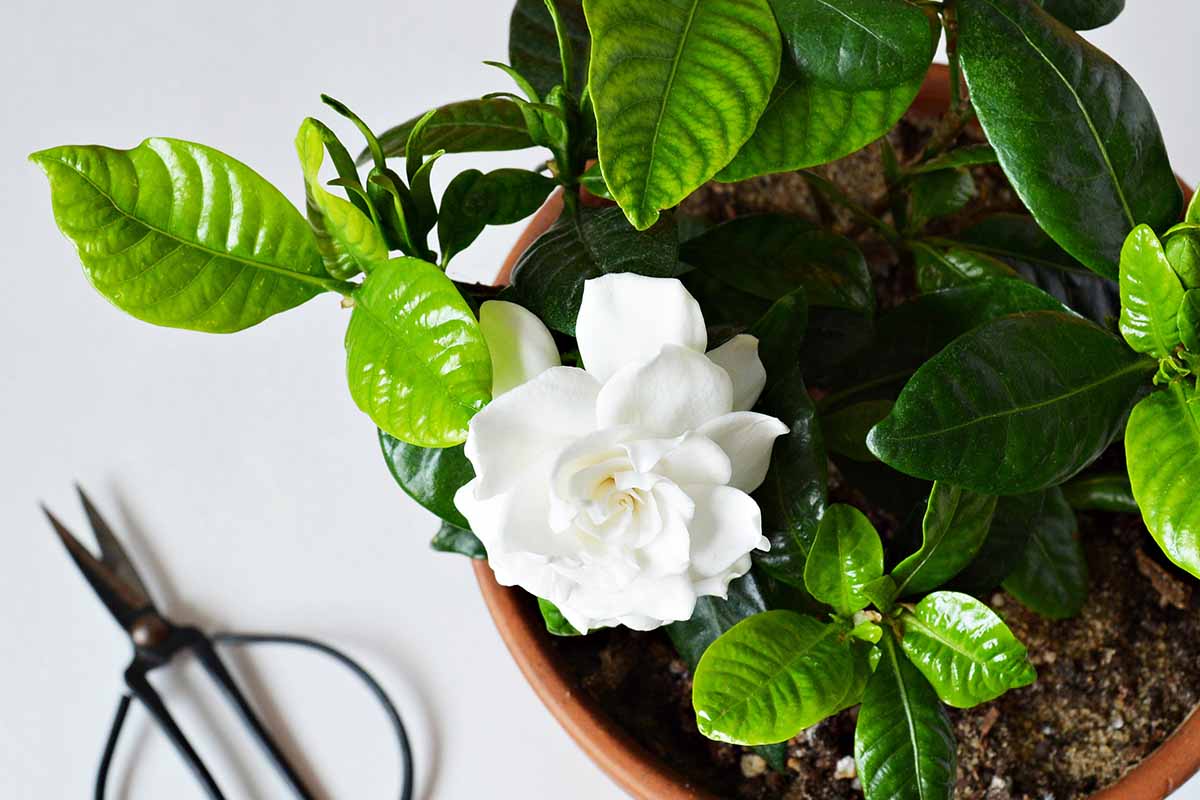
Indoor gardenias are the divas of the houseplant world in the sweetest way. Give them what they crave and they reward you with glossy leaves and that creamy, perfume-on-the-air bloom that makes you stop mid-sentence and inhale. But if something is even slightly off, you’ll hear about it through yellow leaves, crispy tips, and buds that drop like they changed their mind.
Let’s get you back to steady growth and actual flowers. I’ll walk you through the four big indoor needs for gardenias, then we’ll troubleshoot the common frustrations with clear action steps.

What gardenias want indoors
Most indoor gardenias are Gardenia jasminoides, evergreen shrubs from warm, humid climates. Indoors, they’re happiest when these basics stay consistent:
- Acidic, airy soil that drains well but stays lightly moist
- Deep watering followed by a partial dry-down, not tiny sips every day
- Bright indirect light with a little gentle morning sun if possible
- Higher humidity plus stable temperatures and fewer drafts
Consistency matters more than perfection. Gardenias don’t like sudden changes like moving to a new window, letting the pot go bone-dry, or blasting them with a heating vent.
Soil and acidity
If your gardenia keeps yellowing despite “doing everything right,” soil pH is often the culprit. Gardenias are acid-loving plants. When the mix creeps too alkaline, the roots can’t access iron and other micronutrients as easily. The leaves respond by turning pale and yellow, especially newer growth.
One quick note: several issues can look like iron chlorosis, including high-bicarbonate water, cold and soggy soil, or root stress. That’s why pattern plus conditions matter.
Best soil mix
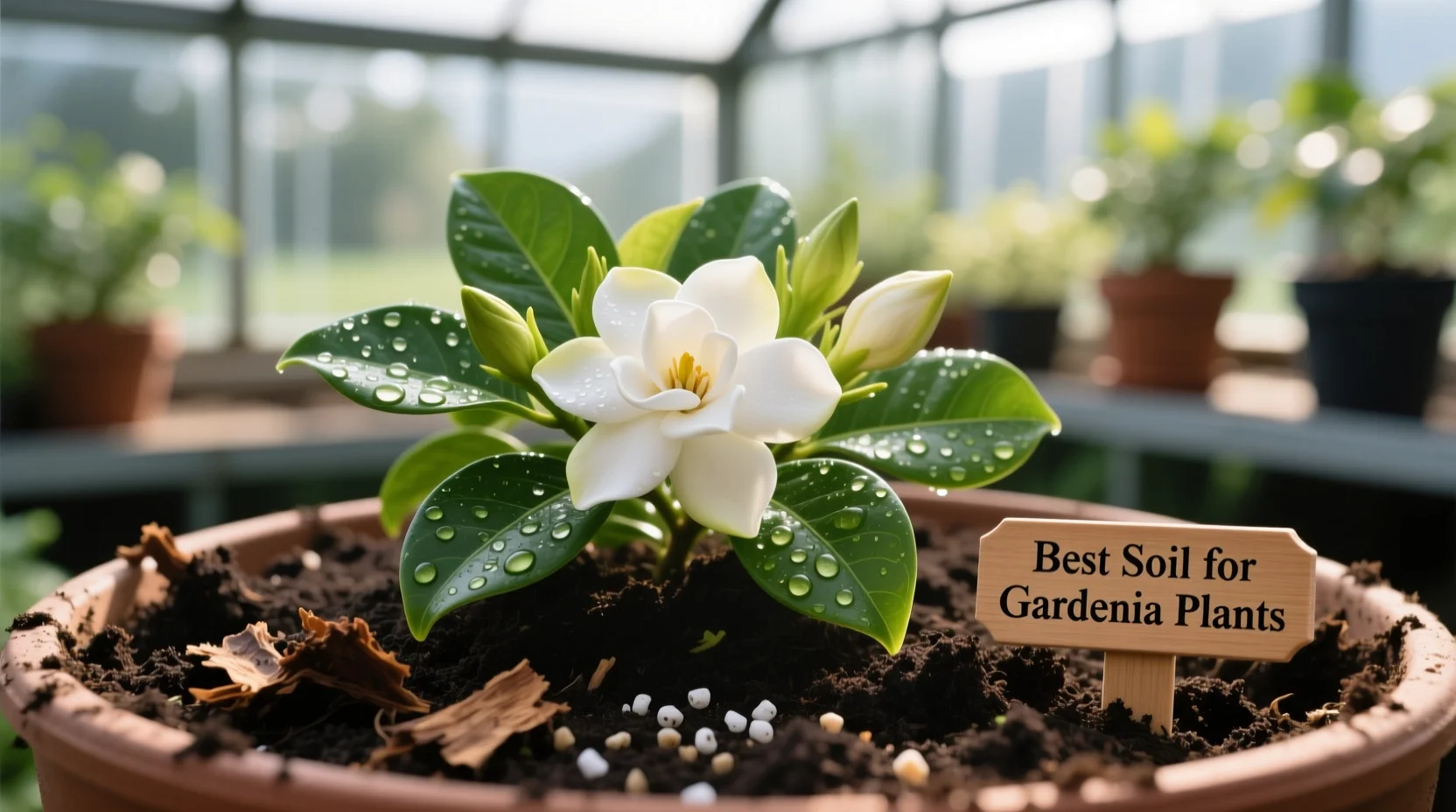
Aim for a mix that’s acidic and fast-draining but still holds some moisture. You can buy an azalea or camellia mix, or build your own.
- Simple blend: 2 parts peat moss or coco coir, 1 part pine bark fines, 1 part perlite
- Bonus for stability: add a small handful of worm castings for gentle nutrition
Choose a pot with a drainage hole. If the pot is decorative, use it as a cover pot and keep the gardenia in a plastic nursery pot inside.
How acidic?
Gardenias generally prefer soil around pH 5.0 to 6.5. Indoors, you don’t need to obsess, but if problems repeat, test the soil or your water. Alkaline, hard tap water can slowly push pH upward over time.
Quick acidity support
- Use an acid-forming fertilizer labeled for azalea or camellia during the growing season.
- If your water is hard, alternate with filtered water or collected rainwater if you have it.
- Don’t overdo “home fixes” like heavy vinegar watering. It can swing pH too fast and stress roots.
Watering
Gardenias want evenly moist soil, not constantly wet soil. Indoors, the top layer can look dry while the center stays damp, so finger testing is your best friend.
A simple routine
- Check the soil by inserting your finger 1 to 2 inches down. If it feels dry at that depth, it’s time. (This is a starting point. Small pots dry faster, large pots dry slower, and very chunky mixes can dry quickly.)
- Water thoroughly until excess drains from the bottom.
- Empty the saucer after 10 to 15 minutes so roots aren’t sitting in water.
- Repeat when needed. Frequency changes with light, season, and indoor heat.
Signs you’re watering too much
- Yellow leaves that feel soft, not crisp
- Soil that smells sour or stays wet for days
- Leaf drop plus slow growth
Signs you’re watering too little
- Crispy leaf edges or tip burn
- Buds dropping before opening
- Pot feels very light and soil pulls away from the sides
My gentle rule: never let a gardenia go from “soaked” to “dust dry.” That big swing triggers stress responses, and bud blast is one of them.
Light
Gardenias indoors need more light than many people expect. They can survive in medium light, but buds and blooms need bright conditions.
Ideal placement
- East window: excellent, with mild morning sun
- South or west window: good if you use a sheer curtain or pull the plant back a bit to avoid harsh afternoon sun
- North window: usually not enough for reliable flowering
If your plant leans or stretches, it’s asking for more light. Rotate the pot a quarter turn weekly so it grows evenly.
Grow light option
If you’re fighting winter darkness, a small LED grow light can be a game changer. Aim for a bright, full-spectrum light positioned above the plant, used consistently each day. Consistency helps gardenias keep their internal “calendar” steady.
Humidity
Most homes run 30 to 40 percent humidity in winter, sometimes lower. Gardenias prefer higher humidity, especially when forming buds and opening flowers. Low humidity plus warm indoor air is a classic recipe for bud drop and spider mites.
What actually helps
- Humidifier nearby: the most reliable option. Place it a few feet away so foliage isn’t constantly wet.
- Humidity tray: a shallow tray with pebbles and water under the pot. The pot should sit on the pebbles, not in the water. This is supplemental, not a humidifier replacement, but every little bit helps.
- Plant grouping: clustering plants raises local humidity a bit.
- Bathroom or kitchen placement: great if the light is bright enough and temperatures stay stable.
Misting isn’t the hero
A quick mist feels lovely, but it rarely raises humidity for long. It can also encourage spotting on leaves if air circulation is poor. If you mist, do it in the morning and make sure leaves dry by evening.
Fertilizer basics
Gardenias like to be fed, but they don’t like to be overfed, especially indoors.
- What to use: an acid-forming, azalea-type fertilizer (often labeled for azalea, camellia, rhododendron, or gardenia). A balanced or slightly higher-nitrogen option is fine during leafy growth, as long as it’s meant for acid-loving plants.
- When and how often: during active growth in spring and summer, feed lightly about every 2 to 4 weeks, or follow the label at a reduced strength.
- Big safety rule: don’t fertilize a dry or stressed plant. Water first, then feed. Skip feeding during winter unless it’s clearly pushing new growth.
Temperature targets
“Stable” is the goal, but it helps to have numbers in mind. Indoors, gardenias typically do best with days around 65 to 75°F and nights around 60 to 65°F. Avoid hot blasts from vents, and in winter, keep them from pressing against cold window glass at night.
Troubleshooting: yellow leaves
Yellow leaves are your gardenia waving a tiny flag. The fix depends on which leaves are yellow and what the soil feels like.
Step 1: spot the pattern
- New leaves yellowing first, sometimes with greener veins: often iron uptake issues from high pH, high-bicarbonate water, or cold, wet soil. Root stress can mimic this, too.
- Older leaves yellowing and dropping: can be natural aging, low nitrogen, or watering stress.
- Random yellow leaves plus limp growth: often overwatering or poor drainage.
Step 2: do the right thing
- If soil stays wet for days: pause watering, increase light if possible, and ensure the pot drains freely. Consider repotting into a chunkier mix if the soil is dense.
- If you suspect pH or hard water: switch to rainwater or filtered water for a few weeks and use an azalea-type fertilizer per label.
- If leaves are pale overall: feed lightly during active growth. Gardenias don’t like heavy fertilizing indoors.
When to repot: if the mix is old and compacted, if water runs down the sides and never soaks in, or if roots are circling tightly. Repot after flowering if possible, or during spring when growth resumes. Don’t jump to a huge new pot, either. Overpotting raises the risk of soggy soil and unhappy roots.
Troubleshooting: bud drop
Bud blast is the heartbreak moment where the plant looks like it’s about to bloom, then the buds turn brown and fall. The cause is usually stress, not lack of effort.
Most common causes
- Low humidity
- Inconsistent watering, especially letting the pot dry out too much
- Temperature swings from heaters, fireplaces, or cold window glass at night
- Drafts from doors or HVAC vents
- Moving the plant once buds are forming
- Low light during bud development
How to stop it
- Pick a spot and keep it there until after flowering.
- Stabilize watering. Check at the same time every few days and water deeply when the top 1 to 2 inches are dry.
- Raise humidity with a humidifier or tray, especially in winter.
- Buffer the temperature. Pull the plant a few inches away from cold glass at night and keep it away from vents.
- Boost light gently by moving closer to a bright window or adding a grow light.
Once buds are set, think “steady and calm.” Gardenias bloom best when they feel safe.
Troubleshooting: spider mites
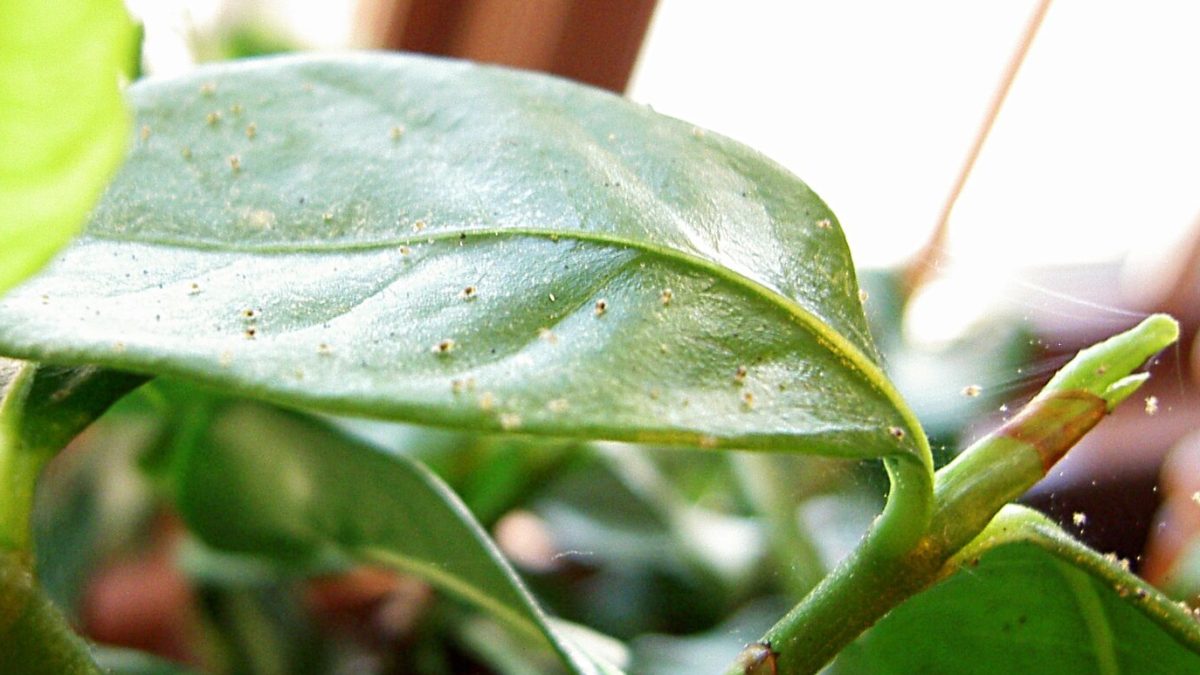
Spider mites love dry indoor air and stressed plants. You might notice tiny stippling on leaves, dullness, leaf drop, or fine webbing near leaf joints.
Confirm first
Hold a white paper under a leaf and tap the foliage. If tiny specks fall and smear when you rub them (often tan, brownish, or reddish depending on the mite and what it’s been feeding on), mites are likely.
Action plan
- Isolate the plant to protect your other houseplants.
- Rinse thoroughly in the shower or sink, focusing on the undersides of leaves.
- Treat with insecticidal soap or horticultural oil according to label directions. Cover both leaf surfaces.
- Repeat every 5 to 7 days for several rounds to catch new hatchlings.
- Fix the environment by raising humidity and keeping the soil evenly moist. Mites return when conditions stay dry.
Tip: Avoid spraying oils in hot direct sun. Even indoors, a strong window beam can contribute to leaf burn on treated foliage.
Other common pests
If you notice sticky residue on leaves or nearby surfaces, check for scale or mealybugs. They often hide along stems and leaf joints. The stickiness (honeydew) can lead to sooty mold, which looks like a smudgy black film. Treat by wiping pests off, then follow with insecticidal soap or horticultural oil per label, repeating as needed.
Winter stress
Winter is when many indoor gardenias struggle, even if you’ve been doing great all summer. Light drops, heaters dry the air, and the plant’s growth slows, which changes how quickly the soil dries.
Winter checklist
- Light: move closer to your brightest window or add a grow light.
- Water: water less often, but still water deeply. Always check the soil first.
- Humidity: run a humidifier, especially if you’re heating your home.
- Temperature: aim for steady indoor temps and keep the plant away from drafts.
- Fertilizer: ease up in winter. Feed lightly only if the plant is actively growing.
If it looks sad but alive
Don’t panic prune and don’t overcorrect with a bunch of changes at once. Choose one stabilizing move, usually humidity plus a better watering rhythm, and give it two to three weeks. Gardenias respond slower than we want, but they do respond.
Quick diagnosis
- Yellowing new leaves: check pH and water quality, ensure warm roots and good drainage
- Yellowing older leaves: check watering swings, consider gentle feeding in spring and summer
- Buds drop: stabilize watering, increase humidity, stop moving the plant, reduce drafts
- Fine webbing and speckled leaves: spider mites, rinse and treat repeatedly, raise humidity
- Crispy edges: low humidity or underwatering, check soil moisture and run a humidifier
- Sticky leaves: check for scale or mealybugs, then treat and repeat
A calmer rhythm for blooms
If you want one simple mantra for indoor gardenias, it’s this: acidic soil, bright light, steady moisture, and humid air. When those four pieces click into place, leaves deepen to that rich, glossy green and the plant starts holding onto buds instead of dropping them in protest.
And if you’re feeling discouraged, please know this isn’t a “black thumb” issue. Gardenias are just very honest plants. Once you learn their language, they become surprisingly loyal housemates. Mine still gets a little pep talk when buds appear. I swear it helps.