
Garden Phlox Care and Powdery Mildew Prevention

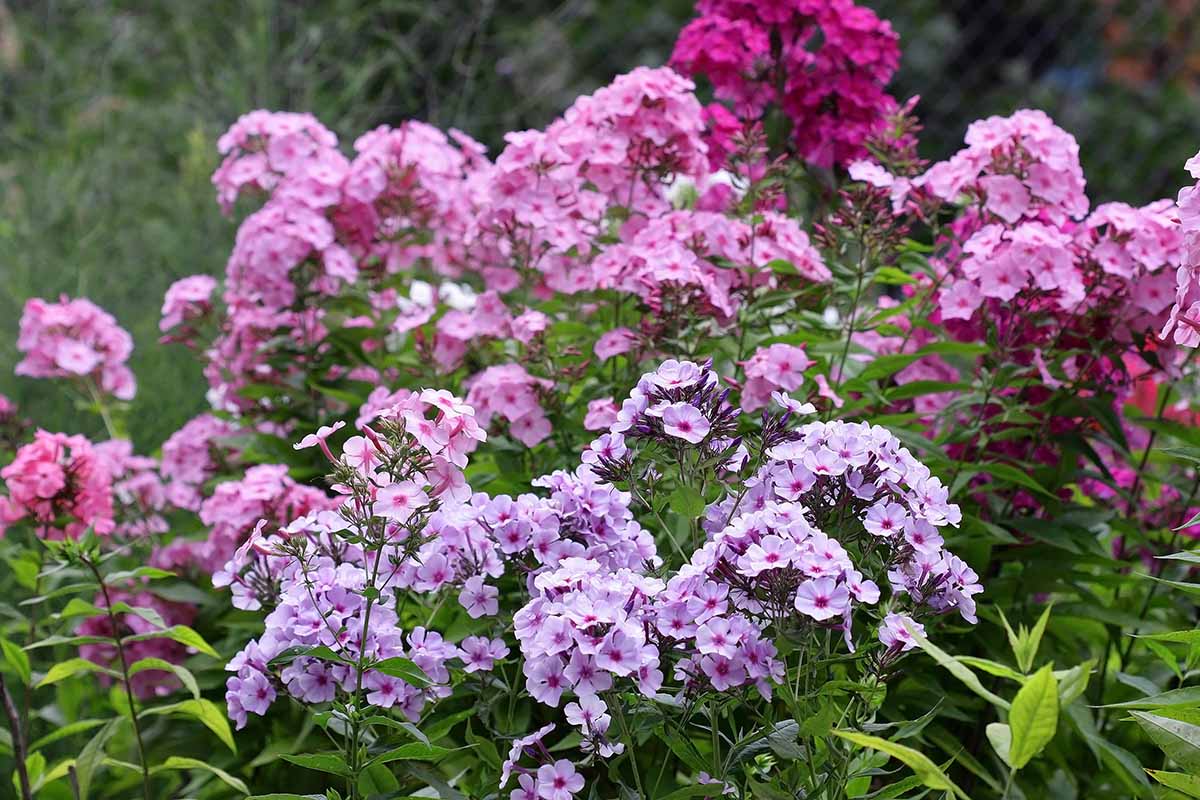
Garden phlox (Phlox paniculata) is one of those old-fashioned summer perennials that feels like it belongs beside a porch swing. When it is happy, it throws up tall wands of fragrant blooms in pinks, purples, and whites that practically hum with butterflies.
But yes, we need to talk about the powdery mildew. That ghostly white coating on leaves is common with phlox, especially in humid summers or crowded beds. The good news is you can prevent most of it with a few simple, plant-friendly habits. And if it shows up anyway, early action makes a huge difference.

Quick phlox profile
- Botanical name: Phlox paniculata
- Type: Herbaceous perennial
- Height: Often 2 to 4 feet (some taller)
- Bloom time: Mid to late summer
- Light: Full sun is best for blooms and mildew prevention
- Soil: Fertile, moisture-retentive, well-drained
If you only remember one thing: sun + airflow is the mildew prevention combo that does the heavy lifting.
Where garden phlox thrives
Light
Aim for at least 6 hours of sun. Morning sun is especially helpful because it dries dew quickly, and less lingering humidity around leaves usually means less mildew pressure. In very hot climates, light afternoon shade can prevent stress, but do not tuck phlox into deep shade and expect clean foliage.
Soil
Phlox likes a soil that stays evenly moist but never swampy. Think “wrung-out sponge.” If your bed dries hard and fast, add organic matter like finished compost to improve water-holding without making it soggy.
Mulch
A 2 to 3 inch layer of shredded leaves or clean straw mulch helps keep roots cool and moisture steady. Keep mulch pulled back 1 to 2 inches from the crown so stems are not sitting in damp debris.
Airflow and spacing
Powdery mildew loves still, humid air. Garden phlox is leafy and upright, so it is easy for the middle of a clump to become a little jungle if we let it.
- Space plants about 18 to 24 inches apart for many garden varieties, but do not be afraid of 24 to 36 inches for extra-vigorous or very tall cultivars. (Best tip: check the tag for expected mature width.)
- Thin crowded clumps in spring by removing a few of the weakest stems at ground level. This opens the center like a well-pruned shrub.
- Avoid planting phlox behind dense shrubs where air cannot move.
My personal test: if you cannot comfortably slide your hand between mature plants, airflow is probably not great.
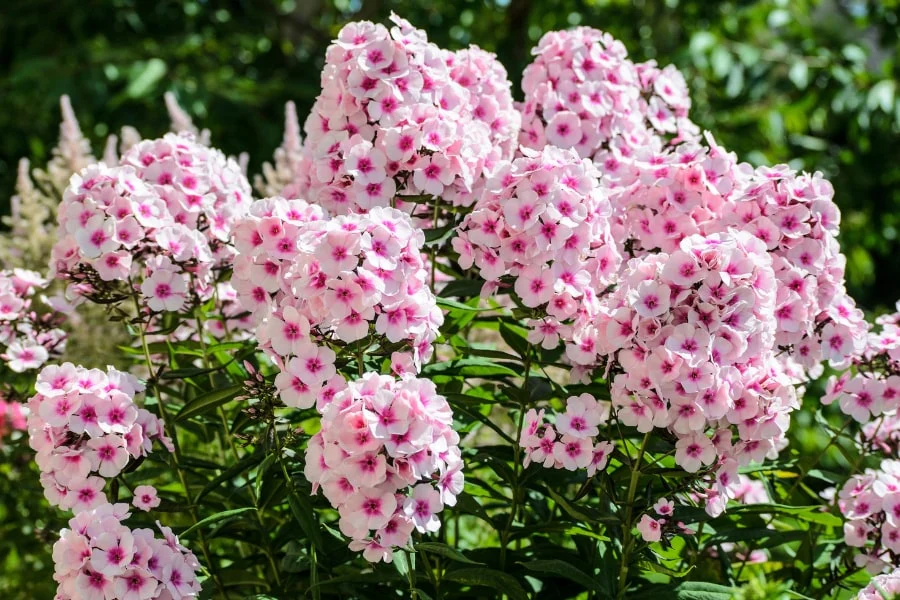
Watering and humidity
Powdery mildew does not need wet leaves to infect the way many leaf-spot diseases do, but prolonged humidity, poor airflow, and stressed plants make it worse. Overhead watering late in the day can also keep the canopy humid longer, which is basically a mildew spa day.
Best watering habits
- Water in the morning so plants face the day dry and perky.
- Water at the base using a soaker hose or drip line.
- Deep, less often beats frequent sprinkles. Aim to keep soil evenly moist, especially during bud set and bloom.
If you use overhead watering, do it early and avoid soaking the foliage right before dusk.
Resistant varieties
If powdery mildew is a yearly headache where you garden, choosing resistant cultivars is not “cheating.” It is smart gardening. Resistant does not mean immune, but it usually means the plant stays attractive longer with fewer interventions.
Look for cultivars commonly sold as mildew-resistant, such as:
- ‘David’ (white, classic, reliable)
- ‘Jeana’ (lavender-pink, beloved by pollinators)
- ‘Shortwood’ (pink, sturdy growth)
- ‘Delta Snow’ (white with a soft pink eye, often reported as strong, though performance can vary by region)
Also consider height and habit when you choose a variety. Taller, heavier bloom heads usually need more space and earlier support to stay looking their best.
Tip from the nursery aisle: if the tag mentions “good air circulation” or “mildew resistance,” take that hint seriously and give it the spacing it deserves.
Staking tall stems
Garden phlox can get top-heavy, especially after rain. Staking early keeps stems upright and prevents those mid-season snaps that never heal quite right.
Easy staking options
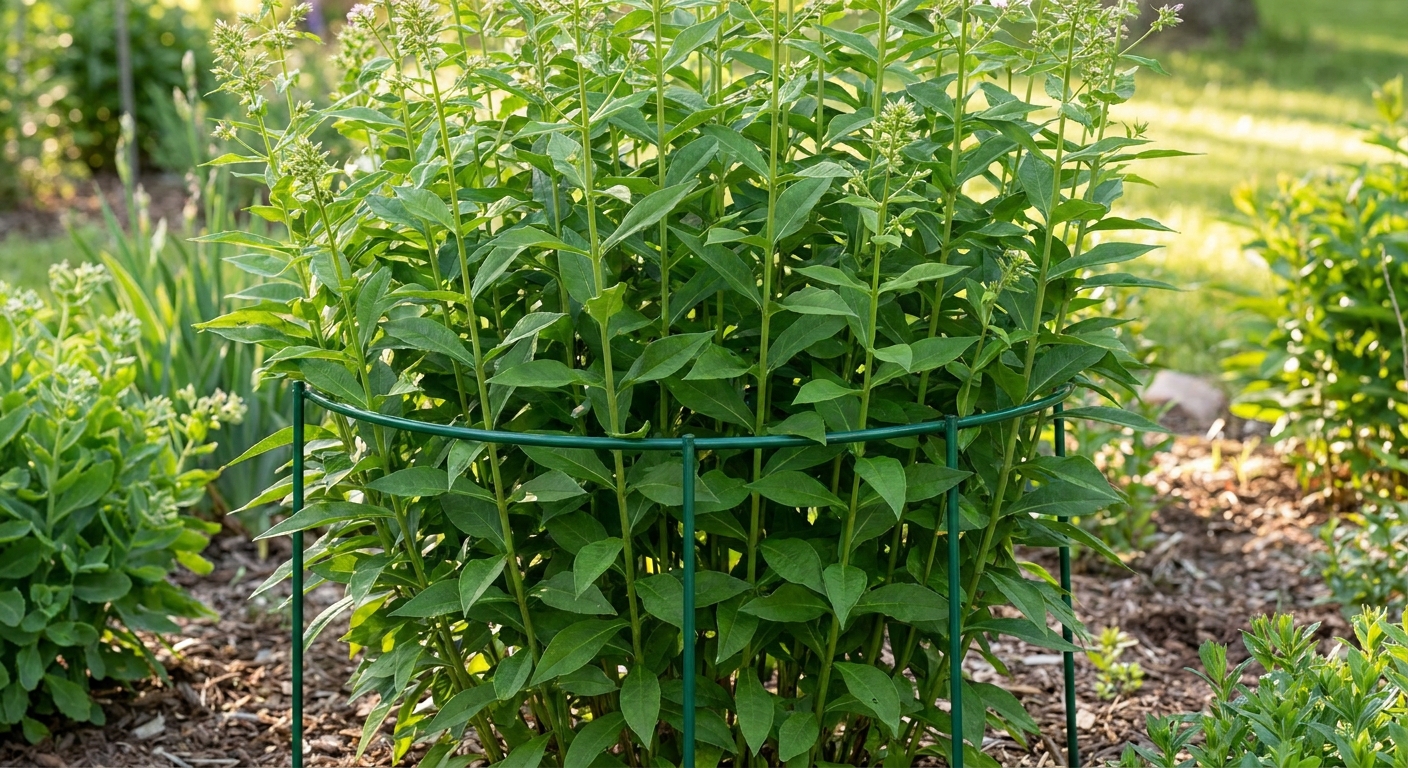
- Ring supports: Place in spring when stems are 8 to 12 inches tall and let phlox grow through.
- Pea brush or twiggy branches: A wonderfully low-tech, natural-looking support tucked around the clump.
- Soft ties to discreet stakes: Use garden tape or cloth strips and tie loosely.
A gentle rule: stake before the flop, not after.
Deadheading
Deadheading does two nice things: it keeps your phlox looking tidy, and it encourages the plant to put energy into new blooms rather than seed.
How to deadhead phlox
- When a flower cluster fades, snip the stem back to the next strong set of leaves or a side shoot with buds.
- For a longer show, deadhead regularly through peak bloom.
- At season’s end, you can leave a few seed heads if you like the look, but remove anything that looks diseased.
If you keep up with deadheading, you often get a second wave of smaller blooms that feels like a sweet little encore.
Dividing every few years
Phlox clumps get crowded over time. Crowding means less airflow, more competition for water, and often more mildew. Dividing refreshes the plant and gives you freebies for other spots in the garden.
When to divide
- Early spring as new growth emerges, or
- Early fall when temperatures soften and roots can settle before winter
How to divide
- Water the plant the day before if the soil is dry.
- Dig up the clump, keeping as many roots intact as possible.
- Split into sections with healthy roots and several shoots each.
- Replant at the same depth, water deeply, then mulch.
After dividing, that first year can bring the cleanest foliage you have seen in ages, especially if you also improve spacing and sun exposure.
When you see white powder
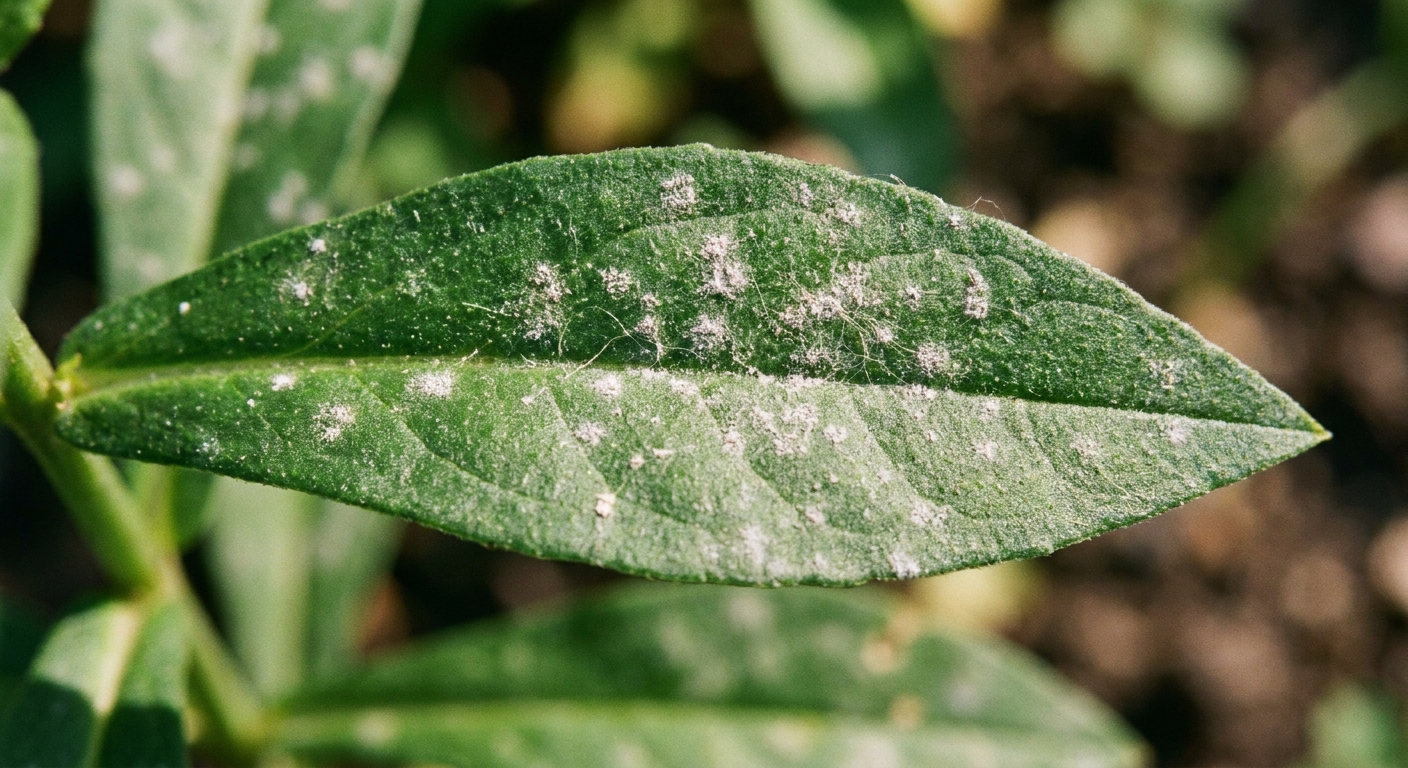
Powdery mildew usually starts as small white patches on upper leaves, then spreads until foliage looks dusty, dull, and tired. Once it is heavy, you cannot reverse the leaf damage, but you can slow the spread and protect new growth.
Step 1: Confirm it is powdery mildew
Look for a white, floury coating on leaves and sometimes stems. Leaves may curl, yellow, or brown at the edges as it progresses. If you see dark spots with yellow halos, or mushy black tissue, that is likely a different issue.
Step 2: Prune for airflow
- Clip off the worst affected leaves and a few crowded stems at the base.
- Do not strip the plant bare in summer heat. Aim for “open and breathable,” not “scalped.”
Step 3: Clean up
- Do not compost heavily infected leaves if your compost does not get hot. Bag them or dispose of them with yard waste.
- Sanitize pruners with alcohol or a disinfecting wipe between plants if disease is widespread.
Step 4: Water and fertilize with restraint
- Keep watering consistent at the base. Drought stress makes mildew worse.
- Avoid high-nitrogen fertilizer in mid-season. It pushes tender new growth that mildew adores.
Step 5: Use an organic spray if needed
If mildew is spreading quickly, choose a product labeled for powdery mildew and follow the label exactly. Common lower-impact options include:
- Potassium bicarbonate (often effective as a knockdown on early infections)
- Horticultural oils or neem oil (best used preventively or at first signs; avoid applying in high heat, often above about 85 to 90°F, or as the label directs)
- Sulfur (effective, but not for every plant situation)
Spray in the cool of morning or early evening and test on a small section first. If you use oils, do not apply them close to sulfur applications. A common safety buffer is about 2 weeks, but always follow product directions to avoid leaf burn.
One reassuring note: powdery mildew is usually host-specific. Phlox mildew is not likely to jump to unrelated plants in your garden.
What not to do
- Do not crowd plants or let clumps turn into a solid wall of foliage.
- Do not blast phlox with high-nitrogen fertilizer once summer is rolling.
- Do not water overhead late in the day if you can avoid it.
- Do not ignore early spots and hope they will behave.
Seasonal checklist
Spring
- Thin stems for airflow
- Add compost around the root zone
- Set ring supports early
- Mulch and start base watering habits
Summer
- Water in the morning at soil level
- Deadhead for repeat blooms
- Scout weekly for white patches and act early
Fall
- Cut back spent stems after frost, especially if mildew was present
- Clean up fallen leaves and debris
- Divide if clumps are crowded (early fall timing)
Sanitation helps beds look tidy and can reduce local spore pressure, but mildew levels next year still depend heavily on weather, airflow, and variety.
Winter
- Let beds rest, but keep notes on which clumps struggled so you can thin, divide, or replace with resistant varieties next season
Common questions
Will powdery mildew kill my garden phlox?
It rarely kills established phlox outright, but it can weaken plants over time and make them look rough by mid-summer. Prevention and early action keep the plant vigorous.
Should I cut phlox back if it gets mildew?
You can remove the most infected leaves and crowded stems right away. If the plant looks terrible, a harder cutback can encourage fresh growth, but do it only if the plant has enough season left to recover and you can keep it well-watered.
Why does my neighbor’s phlox look perfect while mine gets mildew?
Usually it is a mix of variety choice, sun exposure, and airflow. Even small differences like being closer to a fence or planted a few inches tighter can change how quickly foliage dries and how humid the plant’s microclimate becomes.
A gentle final nudge
If garden phlox has ever made you feel like you are failing, I want to lovingly take that burden off your shoulders. Powdery mildew is common, and it is not a moral judgment on your gardening skills. Give your phlox sunshine, space, steady watering, and a little haircut now and then. It will repay you with that dreamy, honey-sweet summer bloom show.