Gaillardia Care and Deadheading

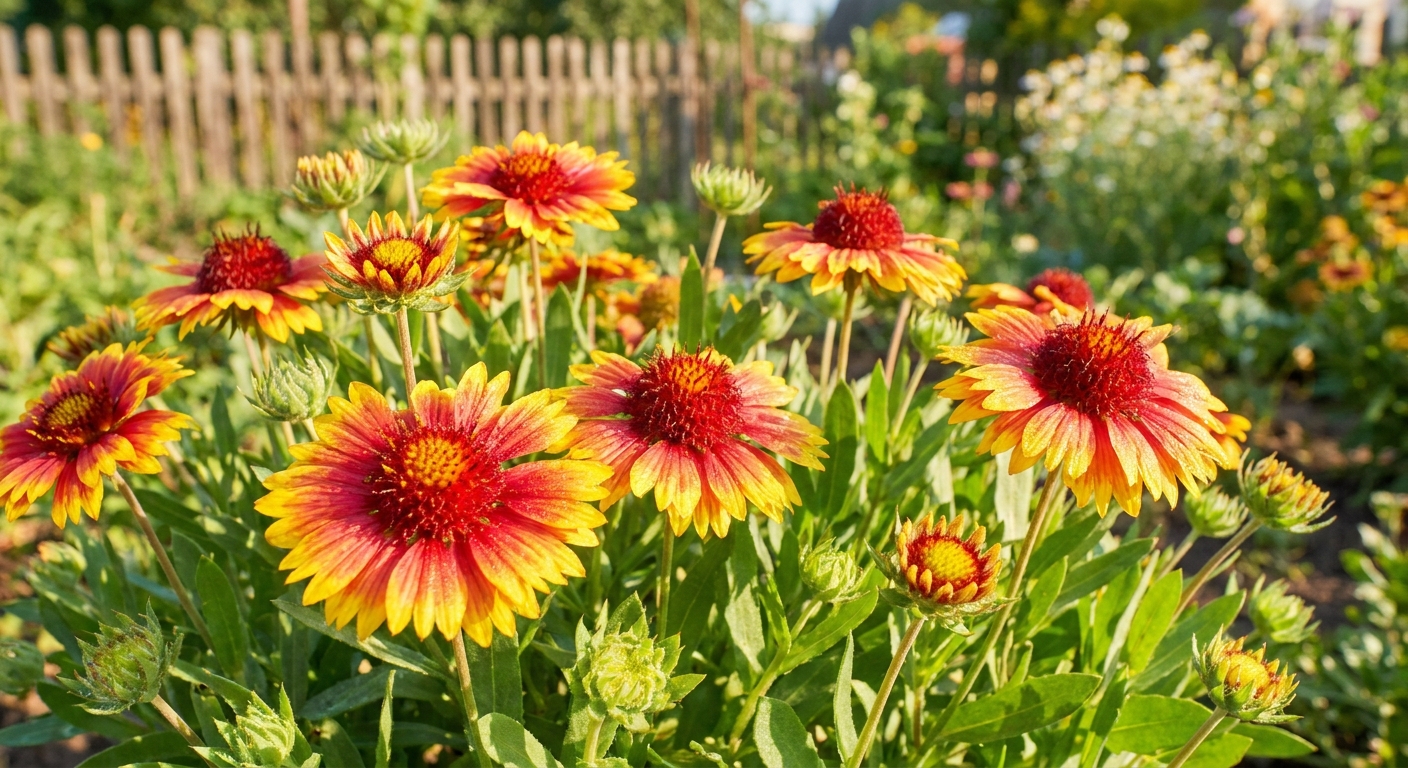
Gaillardia, also called blanket flower, is one of those perennials that looks like it should be fussy. Hot colors, long bloom time, pollinators buzzing like a tiny airport. But give it two things and it settles right in: sun and drainage. The rest is mostly about small seasonal habits, especially deadheading, that keep the plant looking fresh and blooming generously instead of leaning hard into seed production.

What gaillardia wants most
Sun that is unapologetically sunny
Blanket flower performs best in full sun, meaning at least 6 hours of direct light. In most climates, 8 or more hours is even better. In very hot, high-sun areas, a touch of afternoon shade can be helpful, especially during heat waves. In partial shade it will often stretch, bloom less, and flop more. If you have one spot that bakes in summer and you never know what to do with it, gaillardia is a strong candidate.
Fast drainage, not rich soil
Gaillardia is happiest in average to lean soil. Overly rich soil or constant moisture can shorten its lifespan. The goal is a root zone that dries out reasonably between waterings.
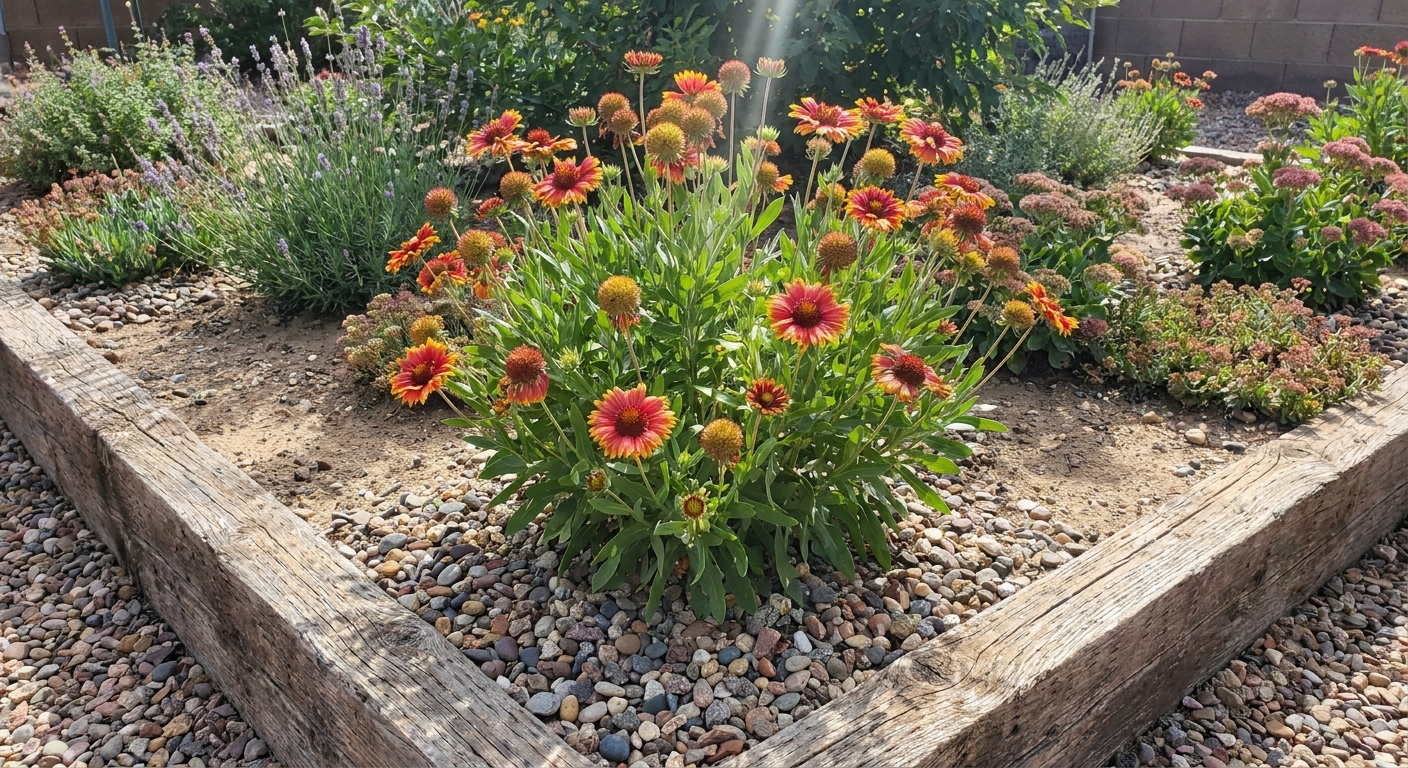
- Great soil: sandy loam, gravelly beds, raised beds, sloped areas.
- Tricky soil: heavy clay that stays wet after rain, or beds with automatic irrigation hitting daily.
If your soil is heavy, the most reliable fix is planting a bit high (a gentle mound) or using a raised bed. You can also work in coarse compost to improve structure over time. Adding grit like expanded shale can help in some situations, but it is not a magic wand for clay unless you amend at scale. If you are not sure what you are working with, do a quick drainage test: dig a hole about 12 inches deep, fill it with water, let it drain, then fill it again. If the second fill drains in a few hours, you are in good shape. If it is still holding water the next day, go raised.
Planting basics
Spacing and airflow
Give gaillardia some personal space. Most varieties do well with 12 to 18 inches between plants, and larger types may want closer to 18 to 24 inches. Spacing helps with airflow (less mildew) and makes flopping less likely because plants dry faster after rain.
Hardiness and lifespan
Gaillardia is often grown as a perennial in many regions (commonly in USDA Zones 3 to 10, depending on the species and cultivar), but it can behave like a short-lived perennial, especially in humid summers, heavy soils, or winter-wet spots. If it does not last forever in your garden, that is not you failing. It is gaillardia being gaillardia. The good news is that it is easy to replant and often self-sows when you let a few seed heads mature.
Choose compact varieties when you can
If flopping has been an issue for you, look for compact or shorter cultivars. They tend to stay tidier without needing much support.
Watering: the establishment sweet spot
Once established, gaillardia is fairly drought tolerant. But the first season is where gardeners accidentally set it up for struggle, either by letting it dry to a crisp too often, or by keeping it constantly wet.
First 4 to 8 weeks after planting
- Water deeply when the top couple inches of soil are dry.
- Aim the water at the base, not over the foliage.
- Let the soil breathe between waterings. Gaillardia likes a cycle of wet then dry.
In hot, windy, or very fast-draining sites, “established” can take longer than 8 weeks, so stay flexible. The plant should be rooting in and putting on steady new growth before you treat it like a true low-water perennial.
After it is established
In the ground, many gardeners can rely on rainfall except during hot, dry stretches. In containers, expect to water more often because pots dry fast. The key is still the same: good drainage and no standing water.
Deadheading: more blooms, less mess
Deadheading is simply removing spent blooms. With gaillardia, it usually encourages more flowering and keeps the plant looking tidier. Some varieties keep blooming even if you leave a few seed heads, but regular deadheading typically extends the best-looking part of the show.
When to deadhead
Start as soon as the petals look tired or the flower head begins to dry and fade. If you catch it early and often, the plant tends to rebloom more quickly.
How to deadhead (two easy methods)
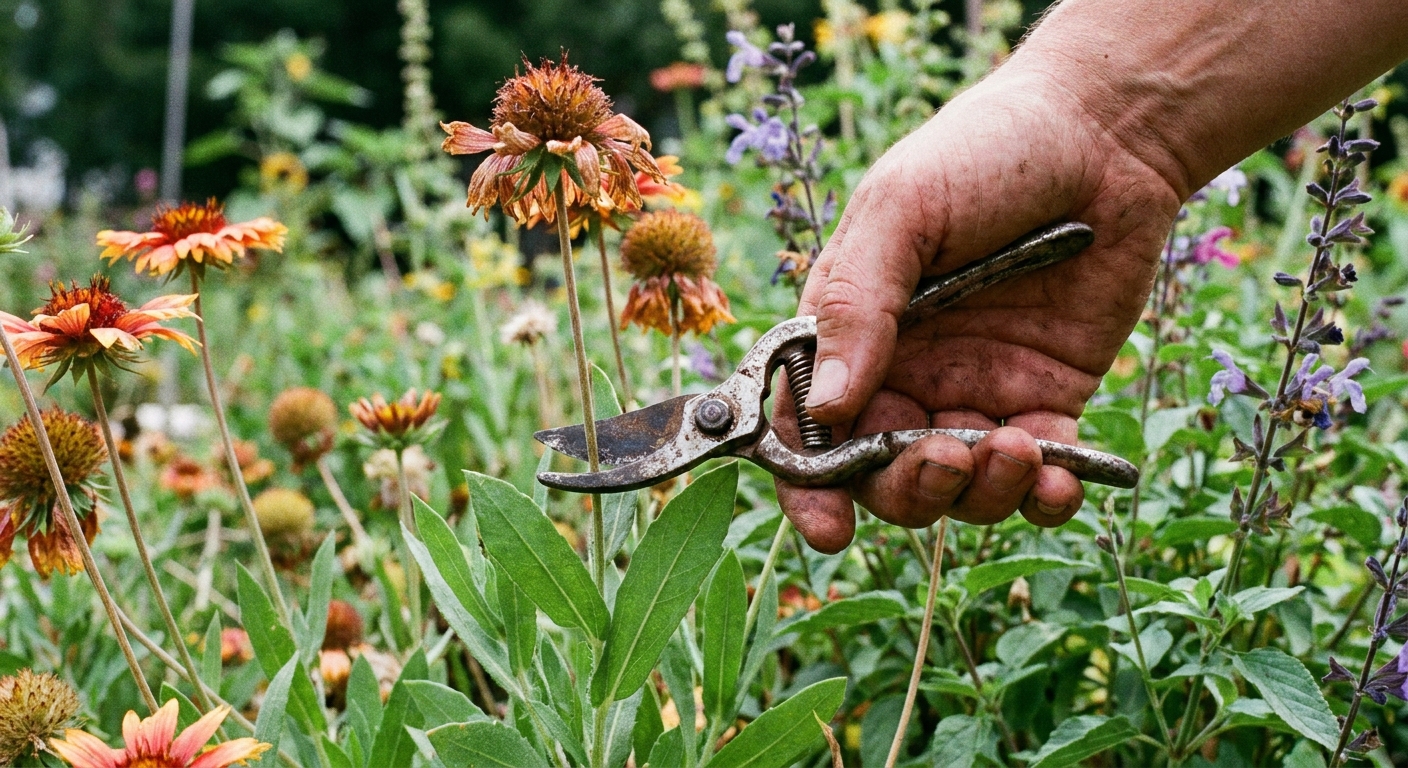
- Pinch and snip: Follow the flower stem down to the next set of leaves or a side bud, then snip just above it with clean scissors or pruners.
- Shear lightly: If your plant has lots of spent blooms at once, shear the plant back by about one-third. This looks dramatic for a week, then it often rebounds with a flush of new growth and blooms.
If you are deadheading regularly, you will also reduce the chance of stems collapsing under the weight of old flower heads.
Deadheading vs leaving seed heads
This is where you get to choose your own garden mood.
- Deadhead for: maximum flowering, a neater look, less self-seeding, and a longer bloom season.
- Leave some seed heads for: a more naturalized look, possible self-seeding, and winter texture. Birds may also pick at seeds, especially later in the season.
My favorite compromise is to deadhead through most of summer, then leave a handful of late-season seed heads in early fall so the plant can wind down naturally. One note if you are growing named cultivars: seedlings may not look exactly like the parent plant, which can be either a fun surprise or a mild identity crisis, depending on your personality.
Stopping gaillardia from flopping
Flopping usually happens when stems get tall and soft, then flowers add weight. It is common, and it is fixable.
Common causes
- Not enough sun: the plant stretches toward light.
- Too much nitrogen: lush, floppy growth instead of sturdy stems. This can happen with heavy feeding or very rich compost.
- Overwatering: encourages softer growth.
- Long stems with lots of spent heads: deadheading helps.
Simple fixes that work
- Move it to more sun if possible, especially if it gets shaded in late afternoon.
- Skip fertilizer unless your soil is truly depleted. Gaillardia usually does not need it.
- Try the “Chelsea chop” style trim: cut stems back by about one-third in late spring to early summer. You may get slightly later blooms, but sturdier plants.
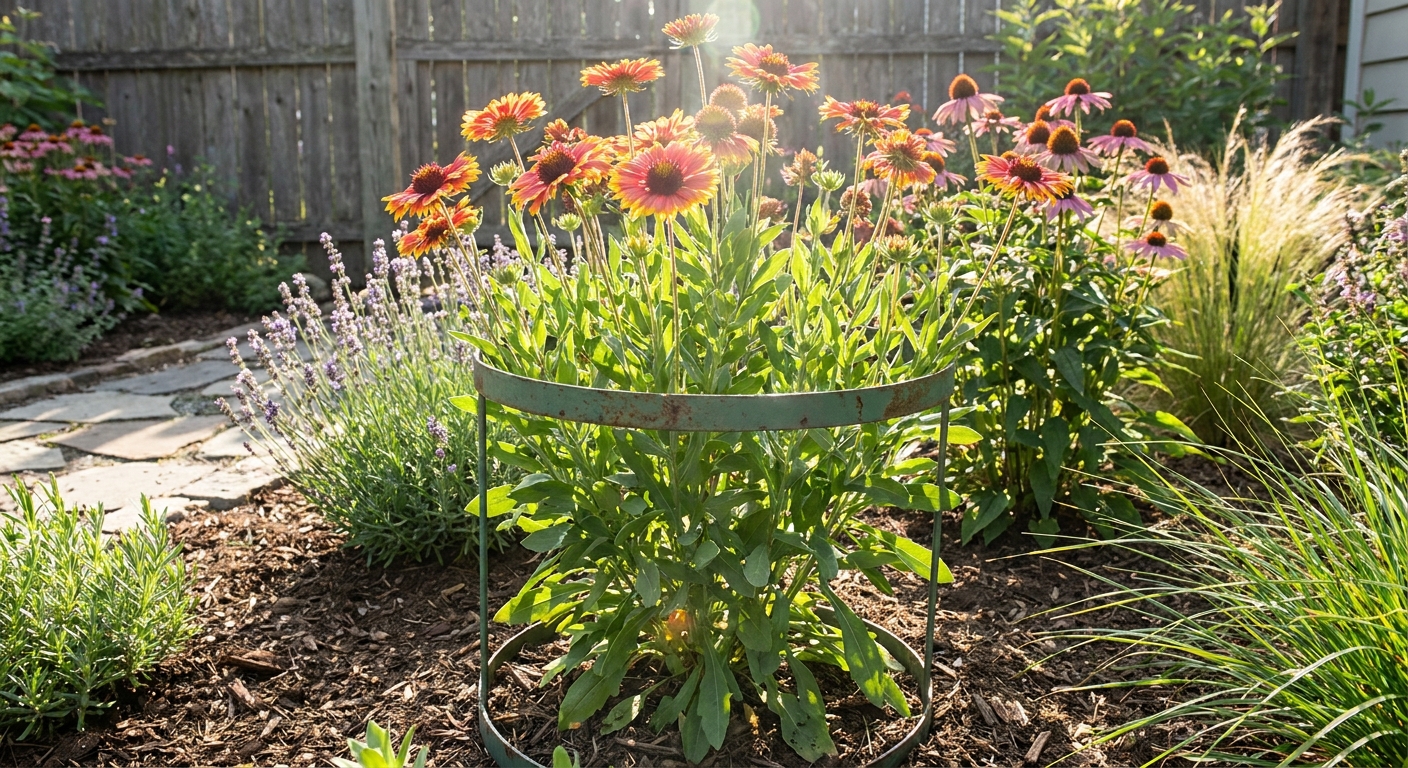
- Use discreet support like a small peony ring or a few twiggy stakes early in the season. Putting support in late is always harder.
Dividing: when it helps
Some gaillardia varieties are shorter-lived perennials, especially in humid climates or heavy soils. Dividing can help refresh a vigorous clump, improve airflow, and keep blooming strong. That said, not every plant responds like a champion. If your gaillardia is already declining from poor drainage or crown rot, division is not a cure. Fix the site first.
When to divide
- Best: early spring as new growth begins, or early fall when heat eases.
- How often: when clumps are robust and crowded, or when the center thins and flowering drops. For many gardens, that is roughly every 2 to 4 years, but let the plant tell you.
How to divide
- Water the day before so the plant is less stressed.
- Dig around the clump and lift it with as much root as you can.
- Use a clean knife or spade to cut into sections. Each division should have healthy roots and a few growing points.
- Replant at the same depth in well-draining soil, water in, and mulch lightly.
After dividing, expect a short reset period. The plant may look a bit sulky for a week or two, then it usually rebounds.
Powdery mildew: what helps
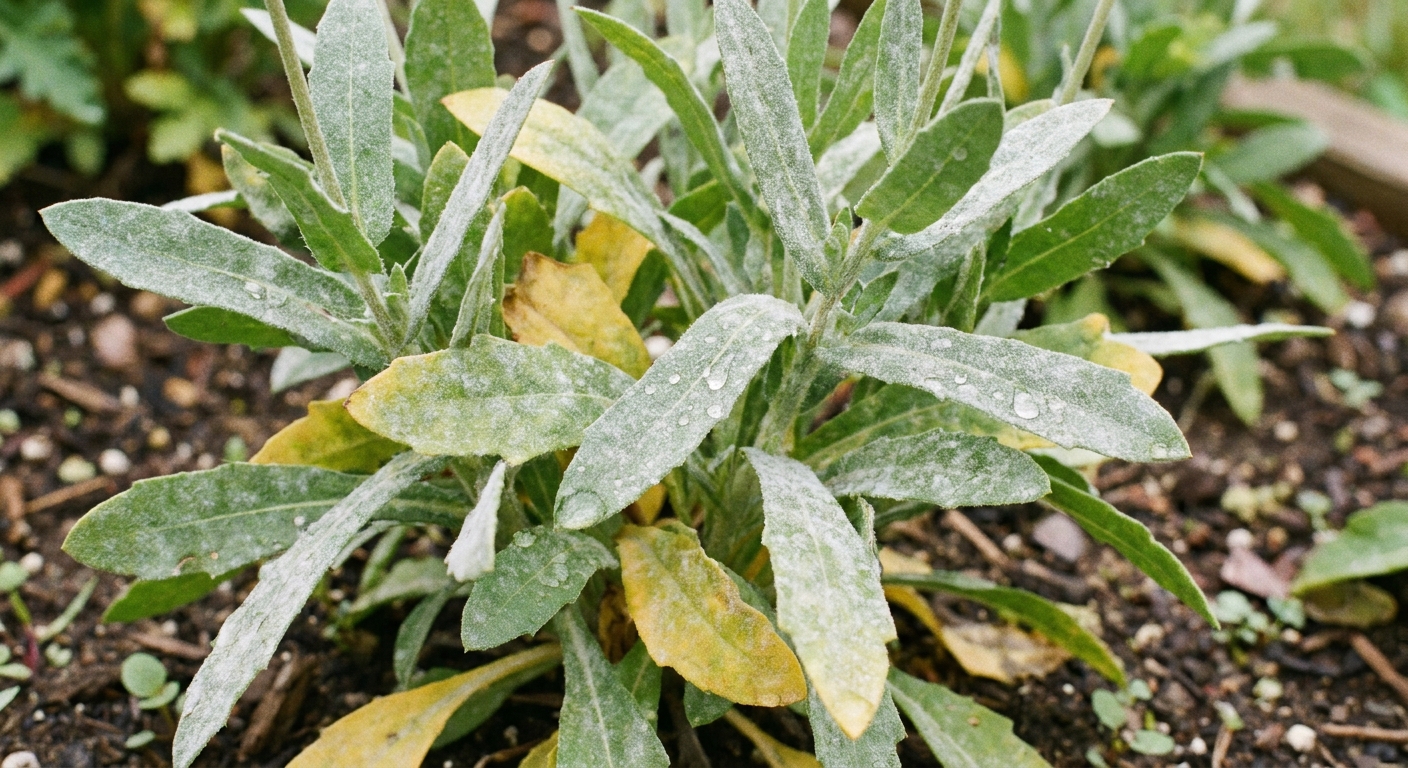
Powdery mildew looks like a pale, dusty coating on leaves. Gaillardia is not the most mildew-prone plant in the world, but it can show up in humid weather, crowded beds, or when foliage stays damp.
Prevention basics
- Give it space: good airflow is your best friend.
- Water the soil, not the leaves: drip irrigation or a careful hose at the base helps.
- Morning watering: if leaves get wet, they dry faster.
- Avoid high-nitrogen feeding: tender new growth is more susceptible.
- Clean up: remove heavily infected leaves and toss them in the trash, not compost.
If you already see it
Start by thinning the plant and adjusting watering habits. In many home gardens, that alone stops mildew from escalating. If it keeps spreading, consider an organic option labeled for powdery mildew, like potassium bicarbonate or horticultural oil, and follow label directions carefully. Spray in the cooler part of the day and test on a small area first to avoid leaf damage.
Seasonal rhythm
Spring
- Cut back old stems if you left them for winter interest.
- Divide if clumps are crowded or thinning in the center (and the plant is otherwise healthy).
- Optional: trim back by one-third in late spring to reduce flopping.
Summer
- Deadhead regularly for the longest bloom run.
- Water during extended drought, especially for first-year plants.
- Watch for mildew during humid stretches and improve airflow early.
Fall
- Decide whether to deadhead or leave seed heads for texture and reseeding.
- In wet climates, keep mulch light and away from the crown to avoid rot.
Winter
- Leave some stems if you like winter structure, or cut back once the plant is fully dormant.
- Focus on drainage. Winter wet is harder on gaillardia than winter cold.
Quick troubleshooting
- Lots of leaves, few flowers: not enough sun, too much fertilizer, or soil is too rich.
- Plant flops: increase sun, cut back by one-third in late spring, deadhead more often, use light support, or switch to a more compact cultivar.
- Leaves look dusty white: powdery mildew. Thin for airflow and water at the base.
- Plant declines after a wet season: drainage issue. Replant in a raised area or mound, and ease up on irrigation.
If you take only one thing from this page, let it be this: gaillardia forgives a missed deadheading session, but it rarely forgives soggy feet. Give it sun, give it drainage, and then enjoy the fireworks.