
Force Flowering Branches Indoors

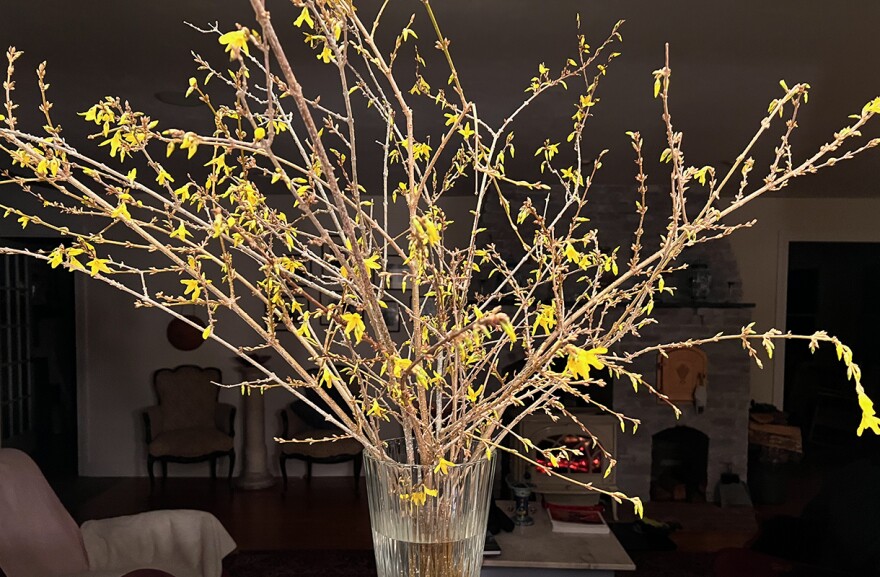
There is a particular kind of winter restlessness that no houseplant can fully fix. If you have ever stood at a window and begged the world to hurry up and green already, forcing flowering branches is your gentle little shortcut. You clip a few budded stems from the garden, tuck them into water, and watch spring happen right on your kitchen counter.
It is not fussy or expensive, just wildly satisfying. Also, your plants do not mind. In fact, the pruning often helps them, as long as you cut thoughtfully and at the right time.

How branch forcing works
Most spring flowering shrubs and trees set their flower buds the previous growing season. Those buds sit dormant through winter, protected by bud scales like tiny jackets. Outdoors, a combination of chilling hours and warming temperatures tells the buds when it is safe to open.
Indoors, you are basically offering the buds two essentials:
- Hydration so water can move up the stem
- Warmth to nudge buds out of dormancy
Light is helpful, but often not the make-or-break factor for bud break on many woody branches. Bright, indirect light simply makes it easier to enjoy the show and can help any leaves that appear look healthier.
One note that will save you a lot of second-guessing: bloom timing varies wildly by species, cultivar, winter chill, and room temperature. Think of the ranges below as “often” and “typically,” not promises.
Best branches to force
You can force a lot of woody plants, but some are especially cooperative. Here are my favorite almost foolproof picks, plus what to expect from them indoors.
Forsythia
The classic. Forsythia is one of the earliest, brightest rewards, with buds that swell quickly and open into sunshine yellow flowers.
- Indoor bloom time: often 7 to 14 days, depending on chill and indoor temperature
- What it looks like: clusters of bright yellow flowers along bare stems
Flowering cherry (Prunus)
Cherry branches feel like magic because the flowers are so delicate. Choose branches with plump flower buds rather than skinny leaf buds.
- Indoor bloom time: often 10 to 21 days, sometimes longer
- What it looks like: soft white to pink blossoms, sometimes lightly fragrant
Magnolia
Magnolia buds are fuzzy, sculptural, and slow to open, but the payoff is dramatic. These are best when buds are noticeably swollen outdoors.
- Indoor bloom time: often 2 to 4 weeks, depending on bud maturity at harvest
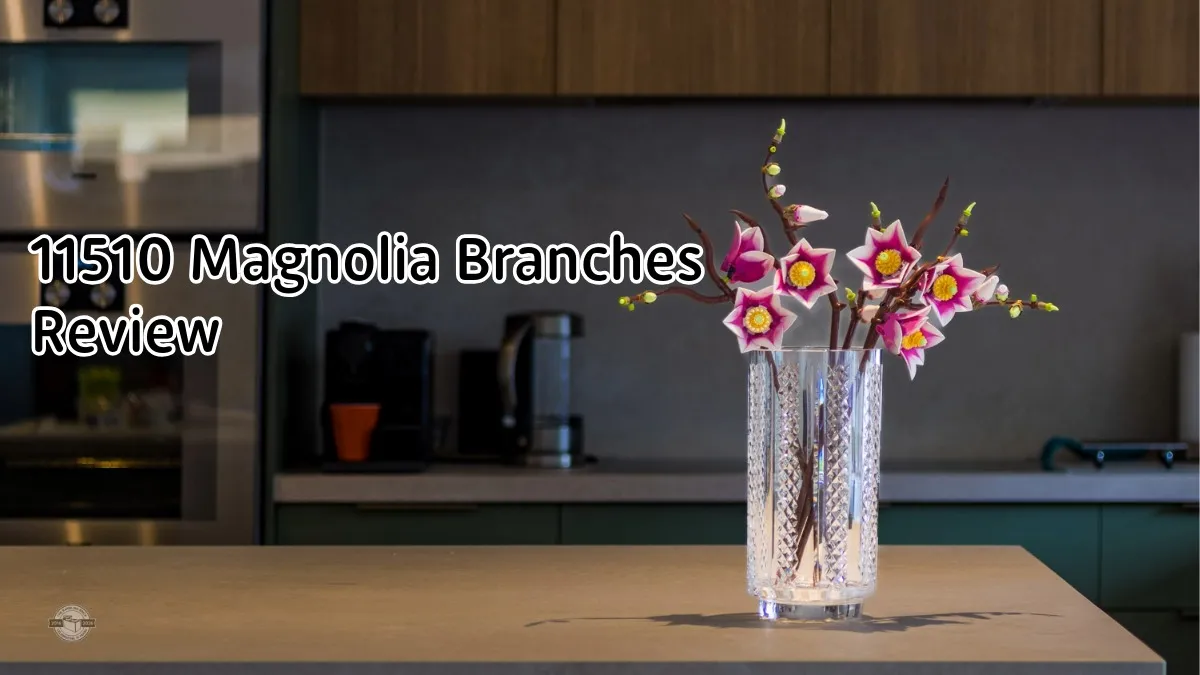
- What it looks like: large, elegant blooms, white to pink to purple depending on variety
Redbud (Cercis)
Redbud flowers bloom right on the wood in little rosy clusters. Indoors, they read as cheerful and modern, especially in a simple vase.
- Indoor bloom time: often 10 to 21 days
- What it looks like: pink to magenta pea-like blossoms hugging the stems
More easy options
If your yard (or region) leans different, you can also try pussy willow, quince, crabapple, serviceberry, witch hazel, or viburnum. Some varieties are eager, some are stubborn, and that is half the experiment.
When to cut
The biggest secret to success is not the vase. It is cutting at the right bud stage.
General sweet spot
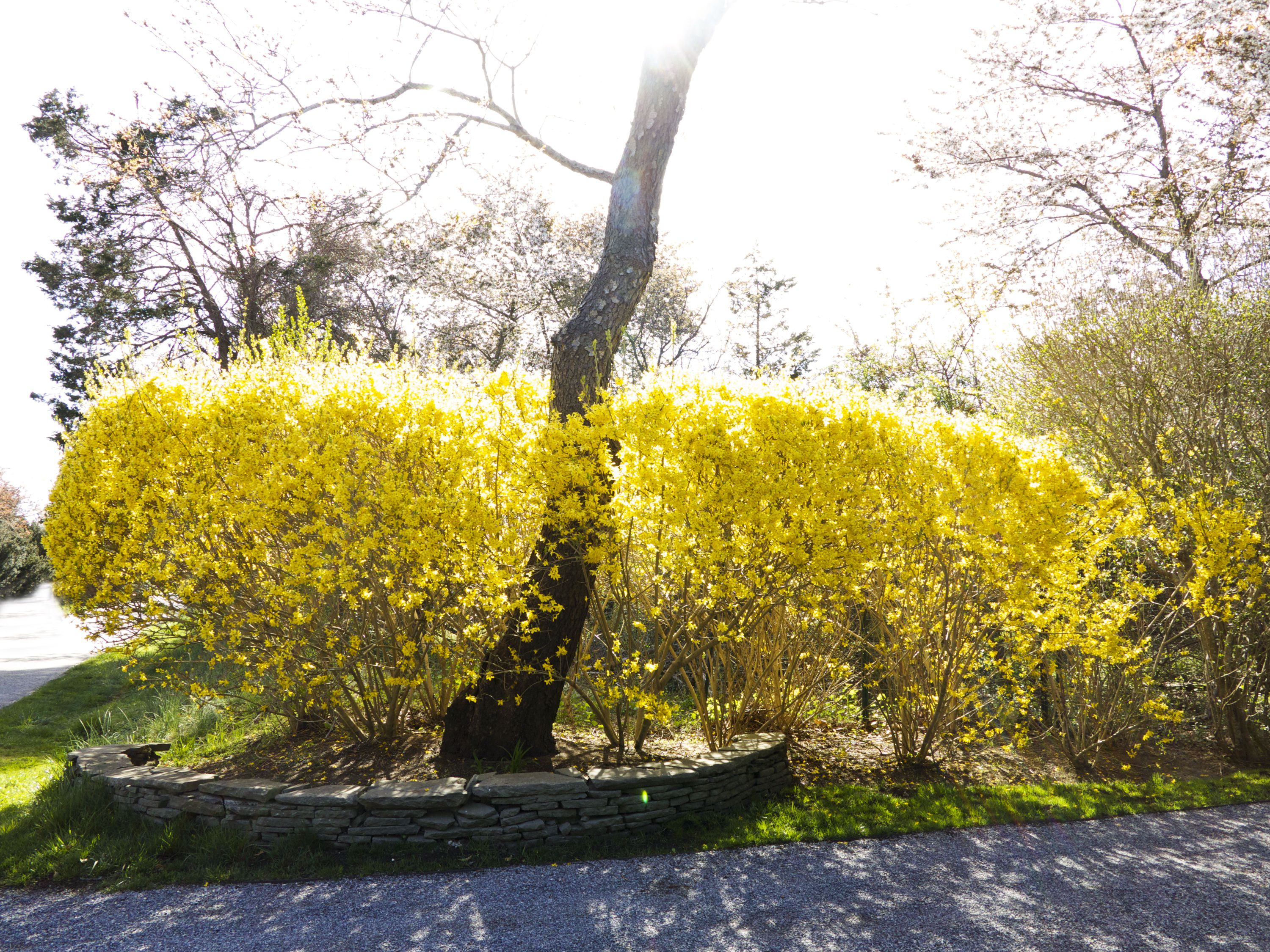
- Late winter through early spring, after the plant has had a good cold period and buds are starting to look awake
- Look for buds that are plump and swollen. On many plants, you will see a bit of bud scale separation.
Flower buds vs. leaf buds
On many species (especially cherries), flower buds are rounder and leaf buds are narrower and pointier. Aim for stems with plenty of round buds for the best show.
Weather matters
If it has been unusually warm for weeks and the plant is close to blooming outdoors, forcing will be faster. If it is still deeply cold and buds are rock hard, you can cut, but you may wait longer indoors for progress.
One more honest note: some species simply need more winter chilling than others. In mild-winter years, or if you cut very early, certain branches may leaf out but refuse to flower, or they may take their sweet time.
Tip from my own slightly impatient self: if you are unsure, cut a few test stems first. If they swell within a week, you are in business.
How to cut safely
Think of this as a pruning session with a bouquet as a bonus.
- Use clean, sharp pruners to make crisp cuts that do not crush the stem.
- Choose pencil-thick to thumb-thick stems with lots of buds. Avoid weak, spindly growth.
- Cut selectively, taking from areas you would want to thin anyway, like crossing branches or overly dense spots.
- Do not overharvest. A good rule is to take no more than about 10 to 20 percent from a shrub or small tree in a season, less if it is young or stressed.
If you can, cut on a day above freezing. Frozen stems can be slower to hydrate and may not take up water as readily, so consider this gentle guidance rather than a hard rule.
A quick ethics note
Skip protected wild plants, do not cut from public parks or street trees without permission, and always take care not to damage the plant’s structure. (Later in spring, also be mindful of nesting birds before you prune.)
Condition stems
This is the part most people skip, and it is why buds dry out instead of blooming.
Step by step
- Cut stems longer than you think you need. You can always trim later for arranging.
- Bring them inside right away and place them in a sink, tub, or tall bucket of lukewarm water.
- Re-cut the base underwater if possible, or at least re-cut immediately before placing in the bucket. Take off 1 to 2 inches from the bottom at a sharp angle.
- Remove any buds, leaves, or twigs that would sit below the waterline. Submerged material rots fast and clouds the vase.
- Let branches soak for several hours or overnight in a cool room. This helps them rehydrate before they try to bloom.
Should you split stems?
Optional: for very woody, thick stems (often magnolia or older branches), you can split the last inch of the base with pruners. It is not required for most stems, and it only helps if you keep it neat. I avoid smashing, which can create a ragged mess that invites bacteria. Clean cuts win in my house.
Vase setup
Once conditioned, move your branches into a vase where you can enjoy them.
Water and additives
- Use room-temperature water. Very cold water can slow uptake.
- Skip sugar. It tends to feed bacteria. If you want to use something, a floral preservative is fine, but not required.
Where to place them
- Start cool and bright: a bright spot out of direct hot sun, away from heating vents.
- Move warmer to speed up blooms: once buds are swelling, a slightly warmer room helps them open.
- Avoid fruit bowls nearby: ripening fruit releases ethylene gas, which can shorten bloom life for many flowers. The effect varies with woody branches, but it is an easy thing to avoid.
Temperature targets
- For bud break: aim for about 60 to 65°F (15 to 18°C).
- To speed things up: warmer rooms work, but flowers often fade faster.
- To stretch the show: cooler nights help blooms last longer.
Support for tall stems
Branches can be top-heavy. A heavier vase, a few smooth stones in the bottom, or a narrow-necked vessel can keep arrangements upright.
Water changes
If you do only one thing, do this: keep the water clean.
- Change the water every 2 to 3 days, sooner if it looks cloudy.
- Rinse the vase each time to reduce bacteria buildup.
- Re-cut the stem bases every water change or two, especially if buds seem stalled.
- Mist buds lightly if your home is very dry. Many buds appreciate a little humidity, but do not drench open blossoms.
You will know things are on track when buds noticeably swell and color begins to show at the tips.
Bloom timeline
Branch forcing is a slow reveal, which is part of the charm.
Days 1 to 3
- Buds hydrate and begin to plump
- Stems may look unchanged, but they are drinking
Days 4 to 10
- Forsythia often starts to pop
- Cherry and redbud buds swell and show color
Days 10 to 28
- Cherry and redbud usually bloom
- Magnolia may open, depending on bud maturity at harvest
Once flowers open, cooler temperatures help them last longer. If your bouquet is peaking and you want to stretch it, move it to a cooler room at night.
Troubleshooting
Buds dry up and fall off
- Likely cause: stems did not hydrate well or water got dirty
- Try: re-cut stems, refresh water, move to a cooler spot, and mist buds lightly
Lots of leaves, few flowers
- Likely cause: you cut mostly leaf buds instead of flower buds, or the plant did not get enough chill
- Try: choose rounder buds next time, take stems from more mature wood, and cut later in the season
Water smells bad
- Likely cause: submerged twigs or bacterial growth
- Try: strip below-water growth, scrub vase, change water more often
No progress after two weeks
- Likely cause: buds were too dormant when cut, the branch needed more chilling, or the room is very cool
- Try: give it time, move slightly warmer, and re-cut stems
After bloom
When the last petals drop, you have a few lovely, low-waste options.
Compost the stems
If the branches are small enough, chop them into shorter pieces and add them to your compost. Woody material is a “brown” carbon source and balances kitchen scraps beautifully. It does break down slowly, so if you have a small compost system, snip into 2 to 6 inch sections so they soften faster.
Use them as mulch
If you have a chipper or access to municipal yard waste processing, branches can become path mulch or shrub bed topping. I adore turning bouquet leftovers back into soil armor.
Try rooting, if appropriate
Some shrubs root from cuttings more readily than others. Forsythia can sometimes root if you treat stems like cuttings, but forcing branches are often older wood and may not root reliably. If you want to try, set aside a few straight stems, trim them into cutting lengths, and root separately rather than leaving them in the decorative vase.
A simple monthly plan
If you want ongoing blooms instead of one big burst, cut in small batches.
- Week 1: forsythia
- Week 2: redbud
- Week 3: flowering cherry
- Week 4: magnolia (or another round of forsythia if you want instant gratification)
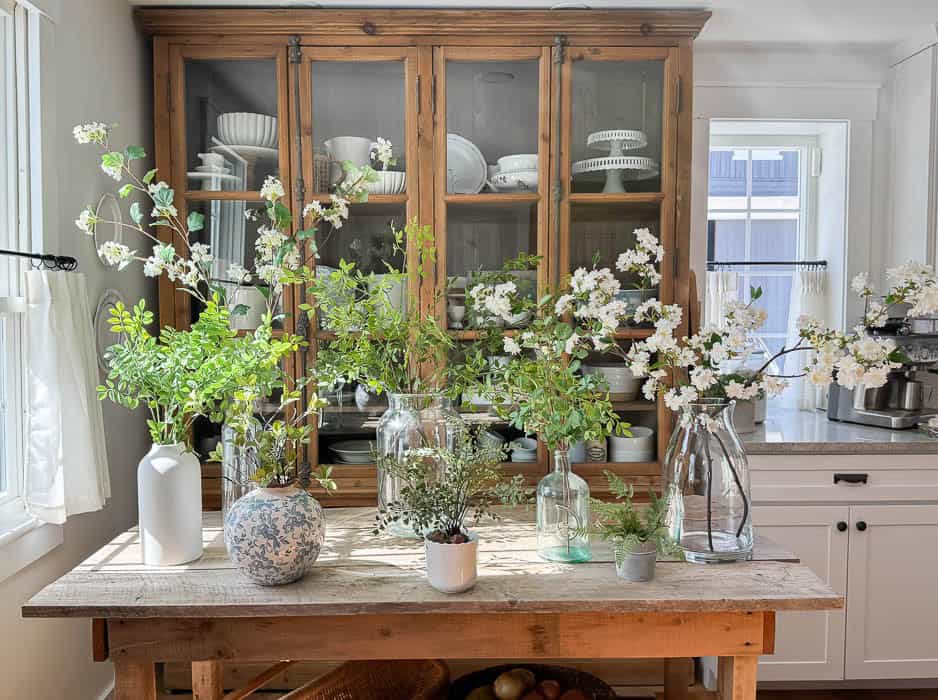
It is like staging a slow spring parade through your living room, one bud at a time.
Gentle reminders
Forcing branches is not about perfection. Some stems will bloom spectacularly, some will sulk, and sometimes you will learn that a particular shrub in your yard is a late bloomer. That is just gardening in its most honest form.
Clip thoughtfully, keep the water clean, and let the buds do what they have been practicing for months. Spring is already inside those branches. You are simply giving it a warm place to unfold.