
Fishbone Cactus Care and Propagation

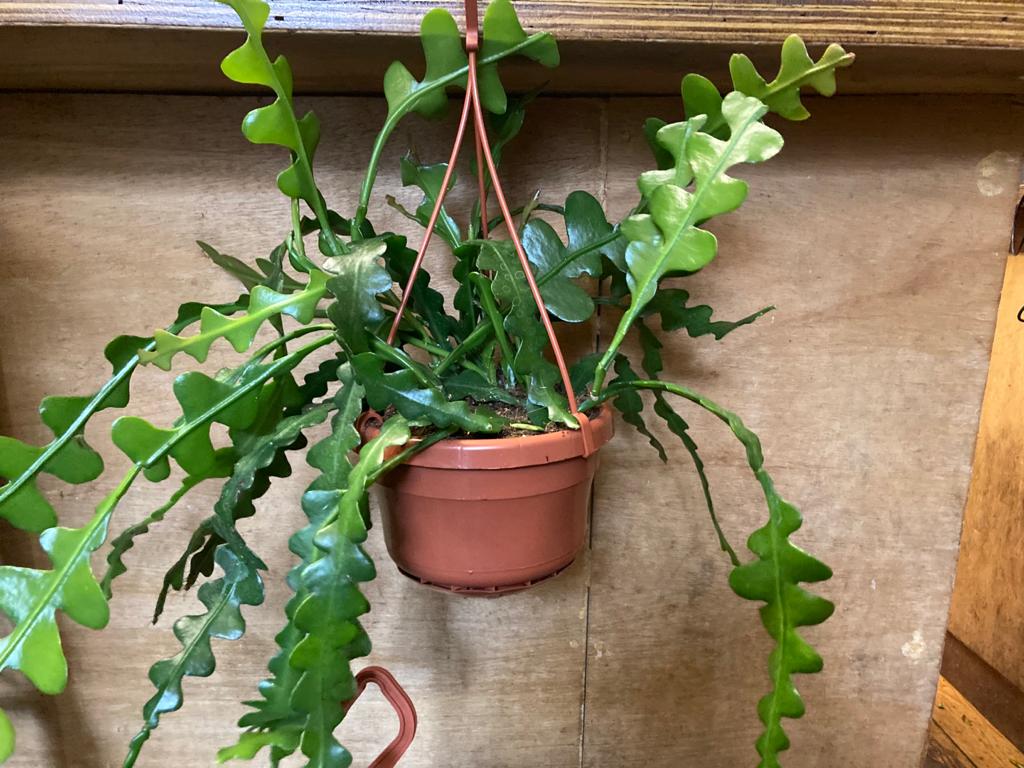
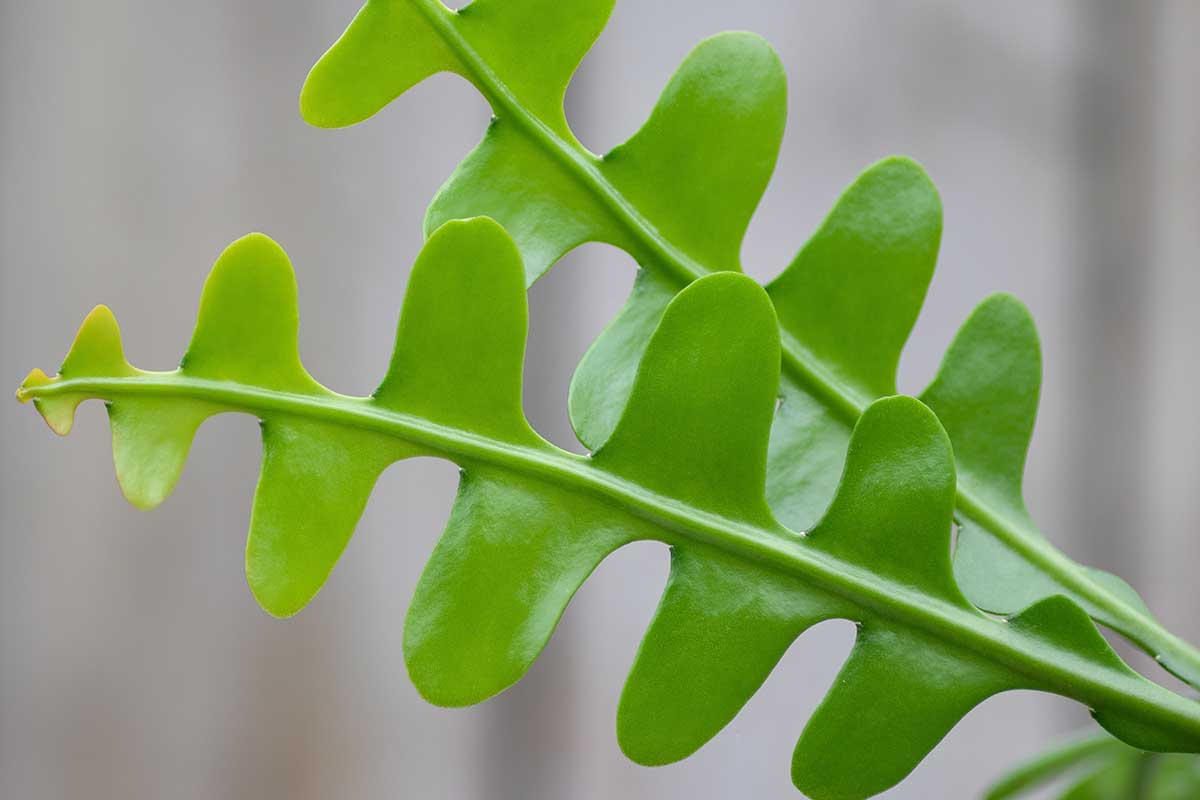
The fishbone cactus (Epiphyllum anguliger) is one of those plants that makes people stop mid-scroll. Those zigzag, “ric-rac” stems look like they were cut with fancy pinking shears, and when it’s happy it rewards you with big, fragrant, night-blooming flowers that feel downright magical.
Here’s the important thing: despite the word cactus, this is an epiphytic cactus. In the wild it grows in tree nooks and leaf litter in humid forests, not baking in desert sand. Treat it more like an orchid-y houseplant that happens to be a cactus, and you will do great.

Quick care snapshot
- Light: Bright, indirect light. Gentle morning sun is fine.
- Water: Water when the top 1 to 2 inches of mix dries, then drain fully.
- Soil: Airy epiphyte mix, not heavy cactus sand.
- Humidity: Moderate to high is ideal, 40 to 60% is a sweet spot.
- Temp: 60 to 80°F (16 to 27°C). Avoid cold drafts.
- Fertilizer: Light feeding in spring and summer, back off in fall and winter.
- Bloom trigger: Cool, drier winter rest plus bright light.
Understanding what it is (and why that changes care)
Fishbone cactus is an epiphyte, meaning it naturally clings to trees and grows in pockets of decomposing leaves, moss, and bark. That habitat is airy, organic, and quick-draining, but it also stays slightly moist more often than desert soil.
So the two biggest mistakes I see are:
- Too much harsh sun (stems bleach or scorch).
- Too little water for too long (stems shrivel, growth stalls).
If you’ve been treating it like a desert cactus, consider this your permission slip to soften the rules.
Light: bright, filtered, and consistent
A fishbone cactus thrives in bright, indirect light. Think “near a sunny window, but not pressed against hot glass at noon.”
Best windows
- East-facing: My favorite. Morning sun is usually gentle enough to encourage growth and future blooms.
- South-facing: Great if you filter it with a sheer curtain, or place the plant a few feet back from the window.
- West-facing: Can work, but watch for afternoon scorch.
Signs your light is off
- Too much light: Yellowing or bleached patches, crispy edges, reddish stress tones that persist.
- Too little light: Slow growth, thin weak segments, no blooms even after a winter rest.
If you move it to brighter light, do it gradually over 1 to 2 weeks so the stems can adjust.
Watering: the soak-and-drain rhythm that prevents rot
Fishbone cactus likes a rhythm that’s a little different from most cacti. It does not want soggy roots, but it also does not want to be bone dry for weeks.
How to water
- Check the mix: When the top 1 to 2 inches are dry, it’s usually time.
- Water deeply: Drench until water runs out the drainage holes.
- Drain completely: Never let the pot sit in a saucer of water.
Seasonal adjustment
- Spring and summer: Water more regularly as growth speeds up.
- Fall: Start stretching the time between waterings.
- Winter rest: Water lightly, just enough to prevent severe shriveling.
Common watering symptoms
- Wrinkled, limp stems: Often underwatering, or roots that cannot take up water due to rot.
- Mushy base, black spots, sour smell: Overwatering and poor airflow in the potting mix.
- Dry brown tips: Sometimes underwatering, sometimes low humidity, sometimes salt buildup from fertilizer or hard water.
If you are unsure whether it is thirsty or rotting, gently slide the plant from its pot and check the roots. Healthy roots are pale and firm. Rotting roots are dark, mushy, and fragile.
Humidity and airflow: lush forest vibes, not swampy soil
Because it’s an epiphyte, fishbone cactus appreciates moderate humidity. You do not need a rainforest cabinet, but if your home is very dry in winter, your plant will usually look perkier with a little help.
Easy humidity boosters
- Group plants together to create a small humid microclimate.
- Use a humidifier nearby during winter heating season.
- Try a pebble tray (pot sits above the water line, not in it).
Misting is optional. It can help temporarily, but it does not replace steady room humidity. If you mist, do it in the morning so stems dry by nightfall.
Soil and pot choice: airy, chunky, and fast draining
This is where fishbone cactus care really clicks. A standard dense “cactus soil” can stay too compact for an epiphyte, especially indoors.
My favorite potting mix
Aim for something that drains quickly but still holds a little moisture:
- 2 parts quality potting mix (or coco coir based mix)
- 1 part orchid bark
- 1 part perlite or pumice
If you already have a good cactus mix, you can “epiphyte-ify” it by adding orchid bark and extra perlite.
Pot and drainage
- Drainage holes are non-negotiable.
- Terracotta: Helps the mix dry faster, great for heavy waterers.
- Plastic: Holds moisture longer, great if your home is very dry.
Fishbone cactus can be a little top-heavy as it trails. A wider, stable pot or a hanging basket makes life easier.
Fertilizing for growth and blooms
Fishbone cactus is not a heavy feeder, but light, steady nutrition during active growth helps it build the energy needed for flowering.
Simple feeding routine
- Spring to late summer: Feed every 4 to 6 weeks with a balanced fertilizer at half strength.
- Early fall: Taper off.
- Winter: Skip fertilizer during rest.
If you are specifically aiming for blooms, some growers switch to a slightly higher phosphorus fertilizer in late spring and summer. The bigger picture still matters most: bright light, a mature plant, and a proper winter rest.
Winter rest: the not-so-secret bloom trigger
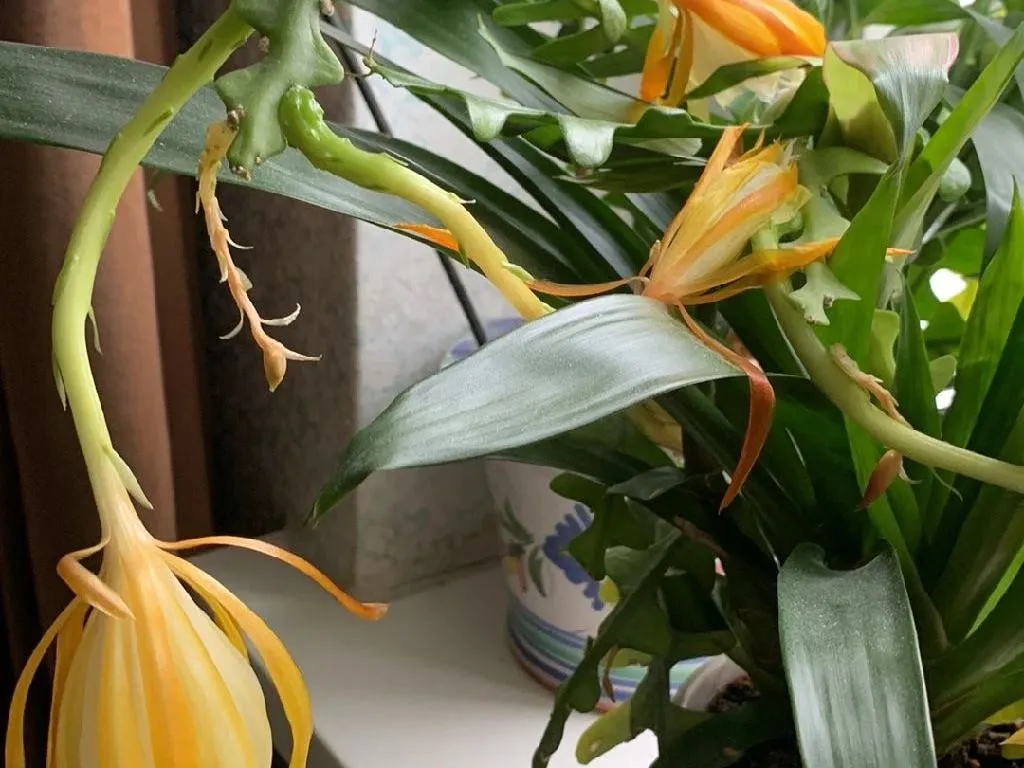
Fishbone cactus often blooms after a cooler, drier winter period. Indoors, we can mimic that without making the plant miserable.
How to give a gentle winter rest
- Light: Keep it bright. This is not the time to shove it into a dark corner.
- Temperature: Aim for cooler nights if possible, roughly 55 to 65°F (13 to 18°C). Avoid frost and cold drafts.
- Water: Water less often. Let the mix dry more between waterings, but do not let the plant stay shriveled for long stretches.
- Fertilizer: None.
When spring returns and you resume regular watering and light feeding, the plant often responds with buds if it’s mature enough.
How to encourage blooms (without stressing the plant)
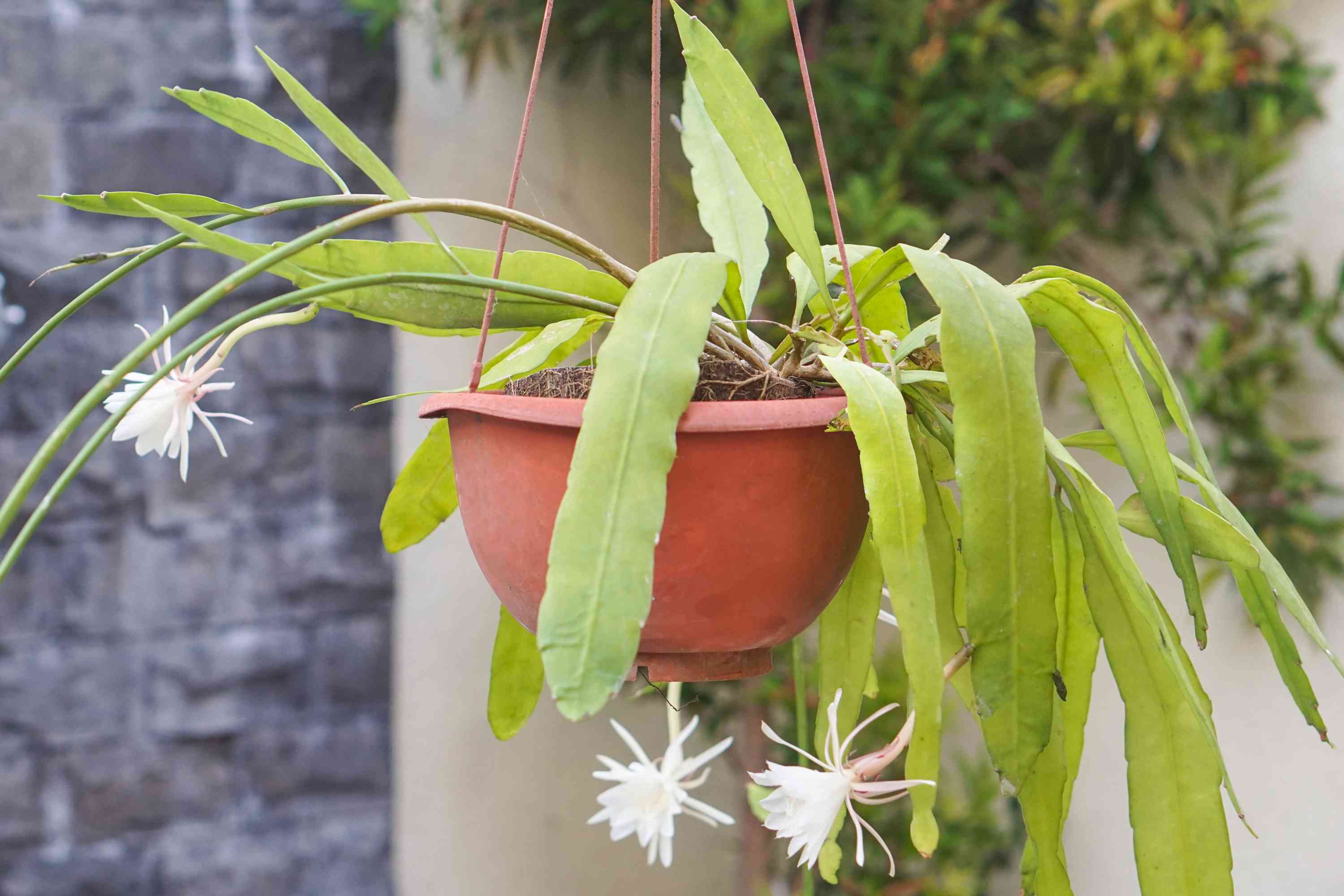
Those famous flowers usually show up on established plants. If yours is still small, focus on healthy growth first. A fishbone cactus that is actively growing and slightly root snug tends to bloom more readily than one that is constantly repotted and fussed over.
Bloom checklist
- Maturity: More stems, longer segments, and a well-established root system.
- Bright indirect light: Consistent year-round.
- Winter rest: Cooler and a bit drier for several weeks.
- Don’t rotate constantly: Once buds form, sudden changes in light direction can sometimes cause bud drop.
- Skip big changes: Avoid repotting or heavy pruning right before expected bloom time.
And a small note from my own slightly quirky gardening heart: if you catch it blooming at night, take a moment. The scent and the softness of those petals feel like the plant is telling you, “Yes, you got it right.”
Propagation from cuttings (step by step)
Fishbone cactus is wonderfully easy to propagate. The key is letting the cut end callus so it does not rot in the mix.
What you’ll need
- Clean scissors or pruners
- A small pot with drainage
- Chunky, airy mix (like the one above)
Propagation steps
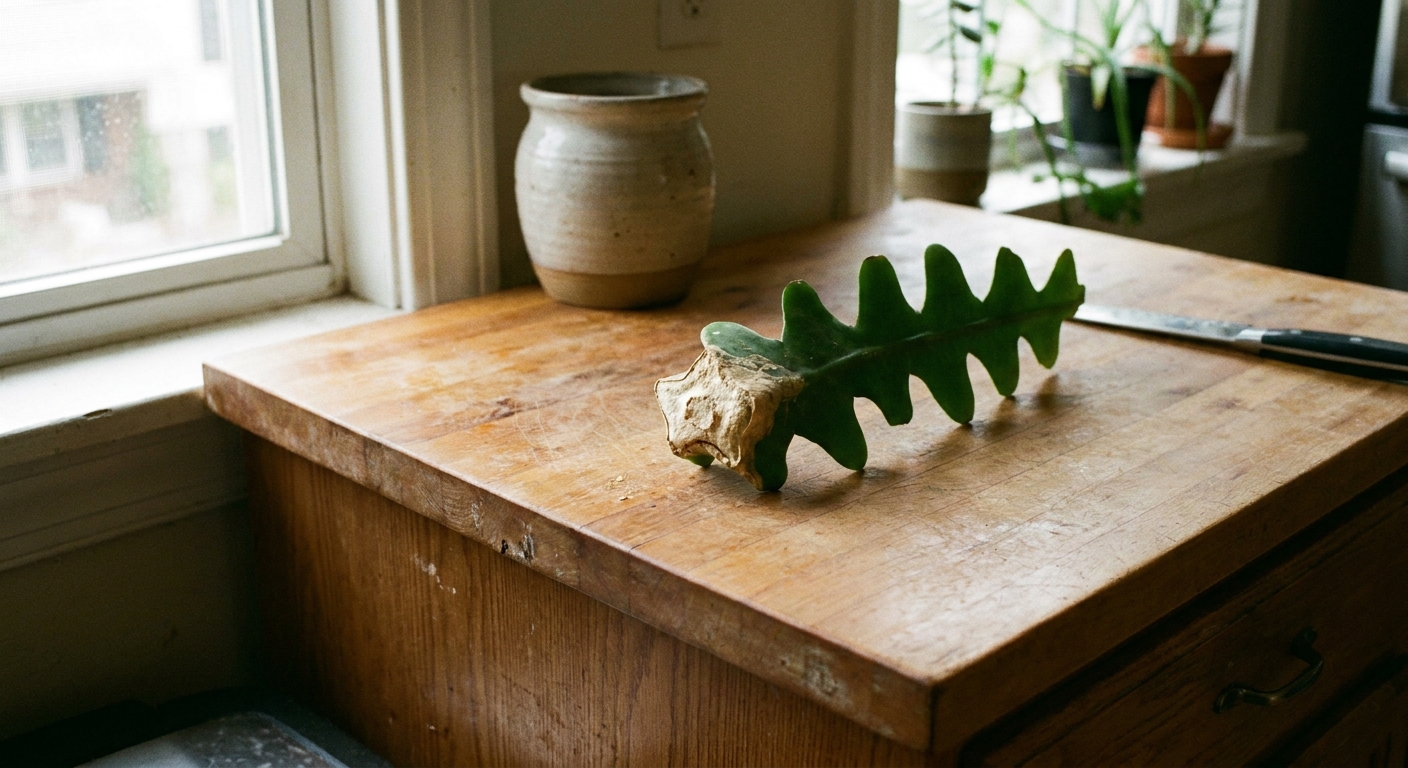
- Cut a healthy segment: Choose a firm, green piece at least 4 to 8 inches long.
- Let it callus: Set it on a counter out of direct sun for 2 to 5 days, until the cut end feels dry.
- Plant shallowly: Insert the cut end about 1 inch into slightly damp mix. You can also lay long segments on the surface and pin them gently where nodes touch the mix.
- Hold back on water: Wait about a week before watering again, then water lightly. After roots form, transition to normal watering.
- Give bright, indirect light: Avoid hot sun while it’s rooting.
Rooting usually takes a few weeks, sometimes longer depending on warmth and light. If the cutting shrivels a bit at first, that can be normal. If it turns mushy, it was too wet.
Repotting and pruning
When to repot
Repot every 2 to 3 years, or when the mix breaks down and stays wet too long. Spring is ideal. If you see roots circling heavily or poking out of the bottom, it’s ready.
How much bigger
Go just 1 to 2 inches wider. Oversized pots dry slowly and invite rot.
Pruning
Trim only what you need for shape, damage, or propagation. Always use clean tools. If you prune heavily, expect the plant to focus on regrowth before blooming again.
Troubleshooting common problems
Wrinkled stems
- Most common cause: Underwatering.
- Also check: Root rot. If the mix is wet and stems are wrinkled, inspect roots.
Yellowing
- Too much sun or sudden light change.
- Too much water in a dense mix.
- Nutrient issues if it has not been fed in a long time, especially during active growth.
Black or brown spots
- Sunburn: Usually looks bleached first, then turns brown.
- Fungal issues: Often linked to poor airflow, wet stems, and consistently wet mix.
Pests
Watch for mealybugs and scale tucked into creases. Dab with isopropyl alcohol on a cotton swab, then follow up with insecticidal soap if needed. Quarantine new plants for a couple of weeks if you can. It saves heartbreak later.
Fishbone cactus vs. ric-rac lookalikes: how to tell them apart
“Ric-rac cactus” gets used as a catch-all name, and several plants share that zigzag vibe. Here are the most common mix-ups and what to look for.
Epiphyllum anguliger (true fishbone cactus)
- Teeth: Deep, symmetrical zigzags, like a fish skeleton.
- Stems: Flat, fairly broad segments with smooth surfaces.
- Growth habit: Trailing, often used in hanging baskets.
- Flowers: Large, showy, typically night-blooming and fragrant.
Disocactus anguliger (same plant, new classification)
You may see this name on tags. Many growers and shops still use Epiphyllum, but Disocactus is a commonly accepted updated genus for this species. Care is the same.
Selenicereus anthonyanus (often called “zig zag cactus”)
- Teeth: More dramatic, jagged lobes with a “dragon spine” look.
- Texture: Often looks more sculptural and deeply lobed than fishbone cactus.
- Flowers: Also large and showy, with a different form and timing depending on conditions.
Euphorbia tithymaloides (devil’s backbone, not a cactus)
- Big giveaway: Upright, woody stems and small leaves.
- Warning: Milky sap that can irritate skin and eyes. Handle with care.
If you’re unsure, check the stem thickness and growth habit. Fishbone cactus is a flat, trailing epiphyte with pronounced, even zigzags and no milky sap.
Final little confidence boost
If you remember just two things, let them be these: bright indirect light and an airy mix that drains fast. From there, watering becomes much less scary, and blooms become a matter of time and a good winter rest.
And if you slip up, welcome to gardening. Plants are remarkably forgiving teachers. This one just happens to teach in zigzags.