
Elephant Ear Plant Care Outdoors

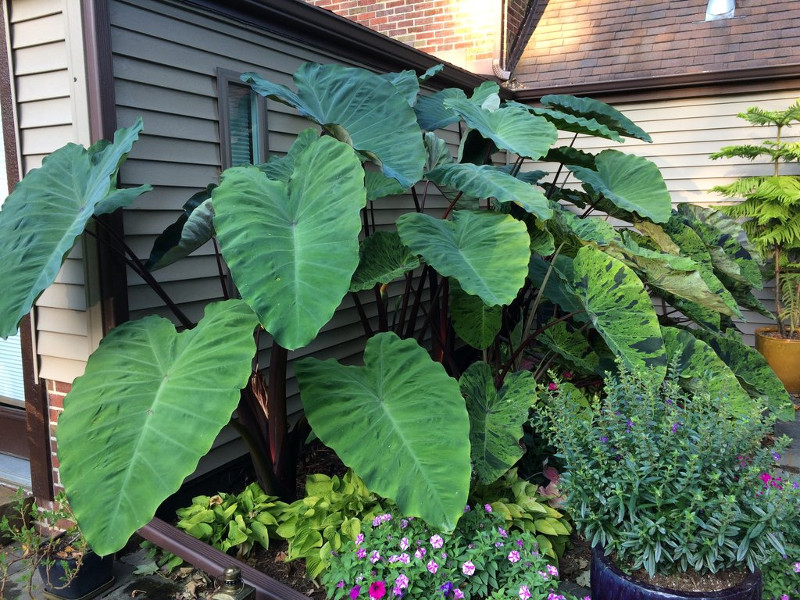
Elephant ears are the plants that make a yard feel like a tiny vacation. Big, swishy leaves. Tropical attitude. And the satisfying thump of a new leaf unfurling after a warm rain.
But “elephant ear” is a nickname, not a care guide. Outdoors, the most common groups you will run into are Colocasia (think taro) and Alocasia. Some gardeners also meet Xanthosoma, which is often sold under the same nickname and can confuse the shopping trip. They can look similar from across the patio, but they do not all want the same soil moisture. Get the moisture piece mostly right, and the rest becomes much easier.
Alocasia vs Colocasia: moisture is the big lever
If you remember nothing else, remember this (with one important word: generally):
- Colocasia generally tolerates wetter feet. Consistently moist soil, and even boggy conditions, are often fine when the plant is actively growing.
- Alocasia generally wants more drainage. It prefers evenly moist soil, but it is more prone to rot if it stays saturated.
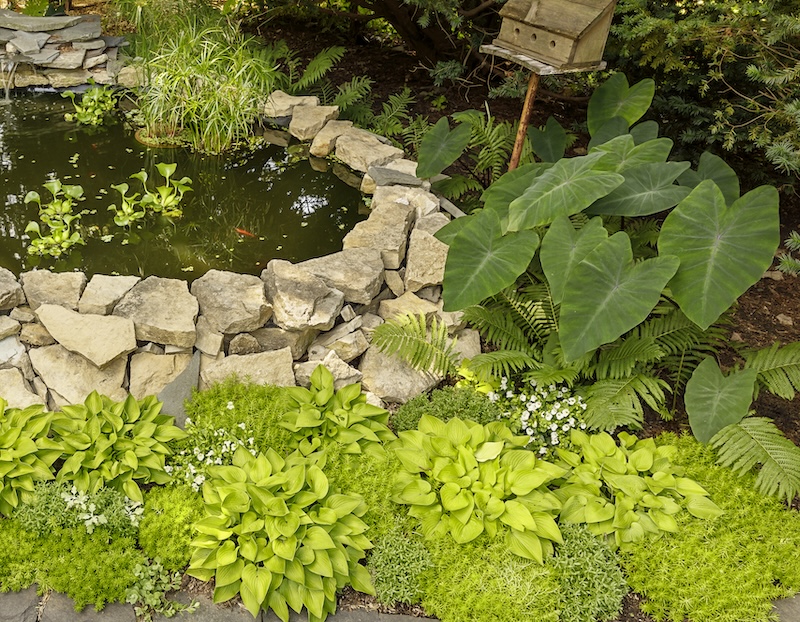
I tell people to picture Colocasia happily standing at the edge of a pond with its toes in the mud, while Alocasia is nearby on a slightly higher bank where water moves through the soil instead of pooling.
Quick reality check: “Wet-tolerant” does not mean “invincible.” Even Colocasia can rot in stagnant, airless, anaerobic potting mix, especially in cool weather or in a container that never gets a chance to breathe.
Quick ID tips
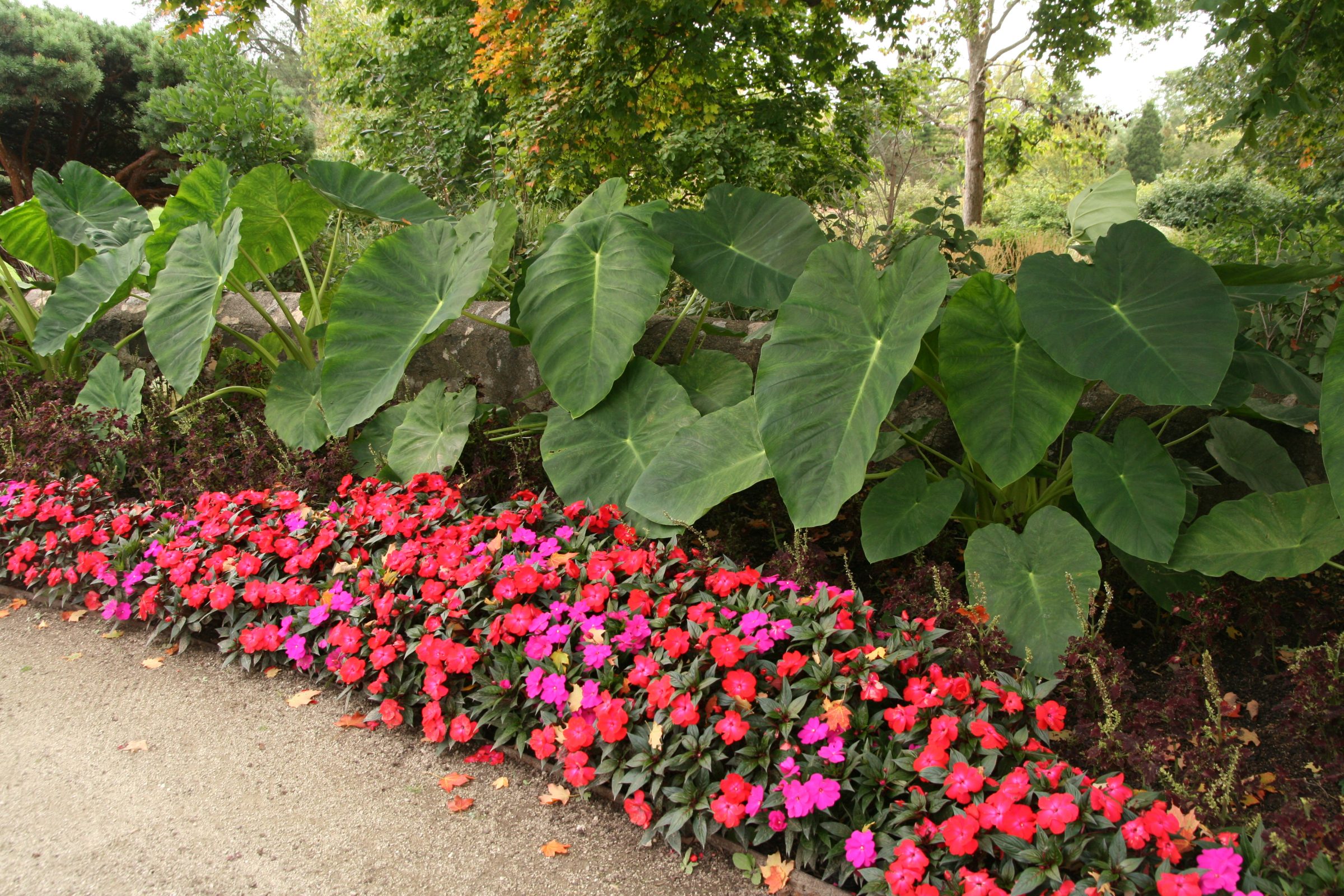
- Colocasia leaves often droop or angle downward, with the leaf stem attaching closer to the center of the leaf underside (peltate attachment).
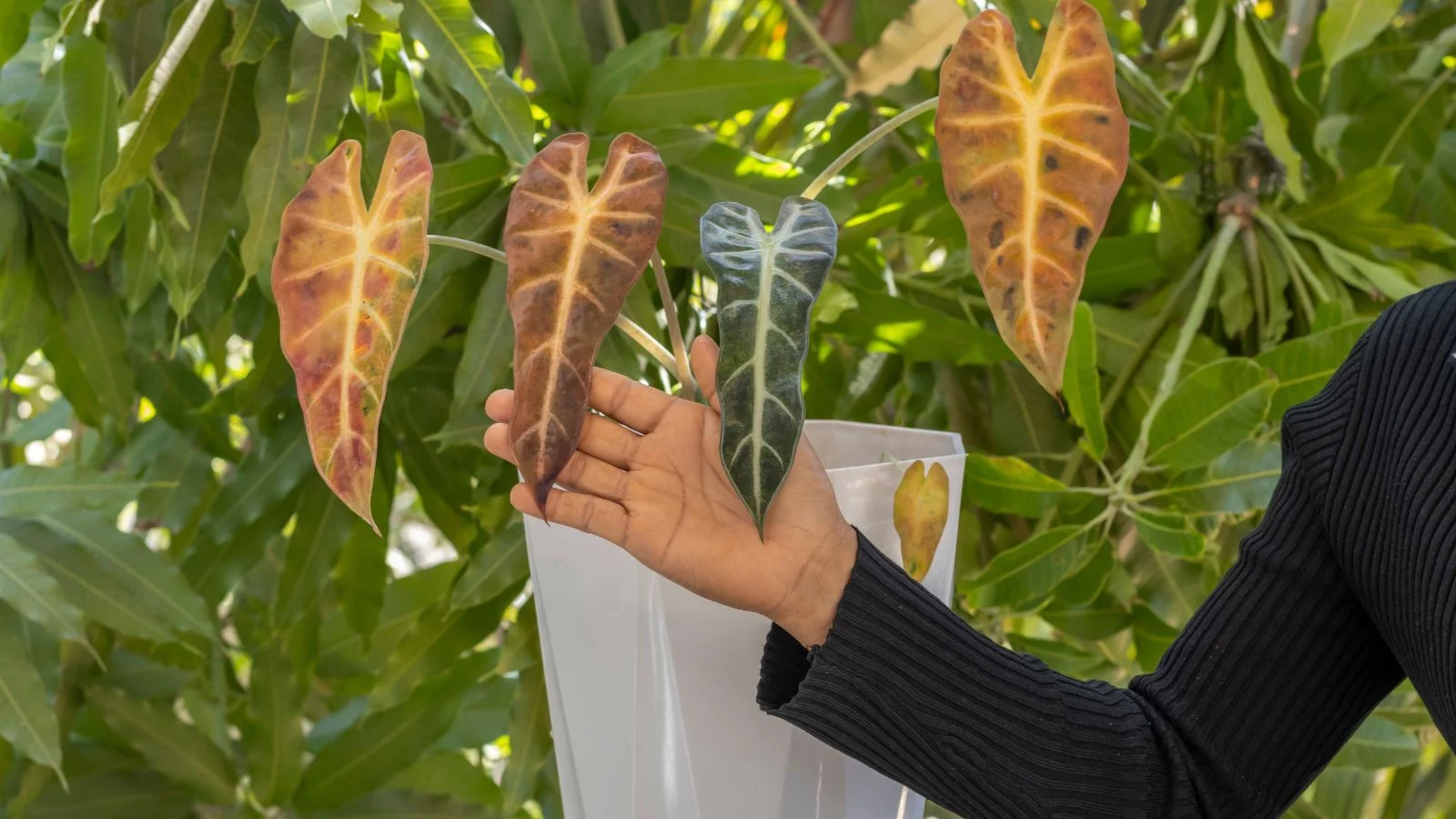
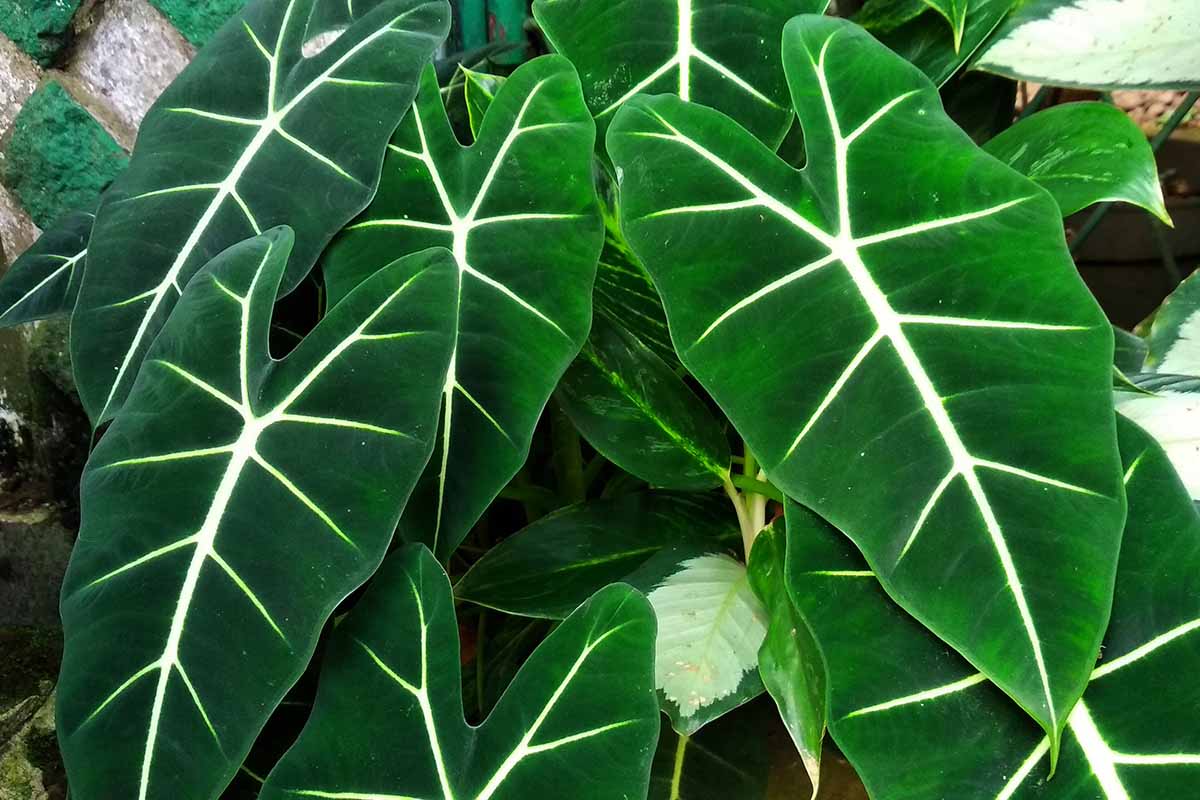
- Alocasia leaves often hold more upright and can look a bit stiffer or more sculptural, depending on the variety.
- Xanthosoma often has more arrow-shaped leaves and tends to prefer rich, evenly moist soil with good drainage (not a swamp), but the tag and cultivar details matter.
There are exceptions because cultivars vary, but those cues help when you are standing at the nursery trying to decide what your yard can realistically provide.
Where elephant ears thrive outdoors
Light
Elephant ears love warmth and long days. Outdoors, most varieties do best with:
- Morning sun and afternoon shade in hot climates
- More sun in cooler or coastal climates, especially for darker-leaved varieties that need extra light to color up
Too much intense midday sun can cause crispy edges, especially if the soil dries even briefly. Too much shade can mean fewer leaves and slower growth. Moisture is the big lever, but light and feeding still steer the size and speed.
Wind
Those giant leaves are basically sails. A windy corner can turn them into tattered flags in a week. If your site is breezy, tuck plants near a fence, hedge, or other windbreak, or plan to grow them in large containers you can shift slightly.
Size
Elephant ears vary wildly. Some stay patio-friendly, while others go fully prehistoric. Check the tag for height and spread, and size your spacing and containers with that future leaf span in mind.
Soil and water
Colocasia: confidently moist, sometimes boggy
Colocasia is a dream if you have a low spot that stays damp, heavy soil that holds water, or you want a dramatic planting near a water feature. Aim for:
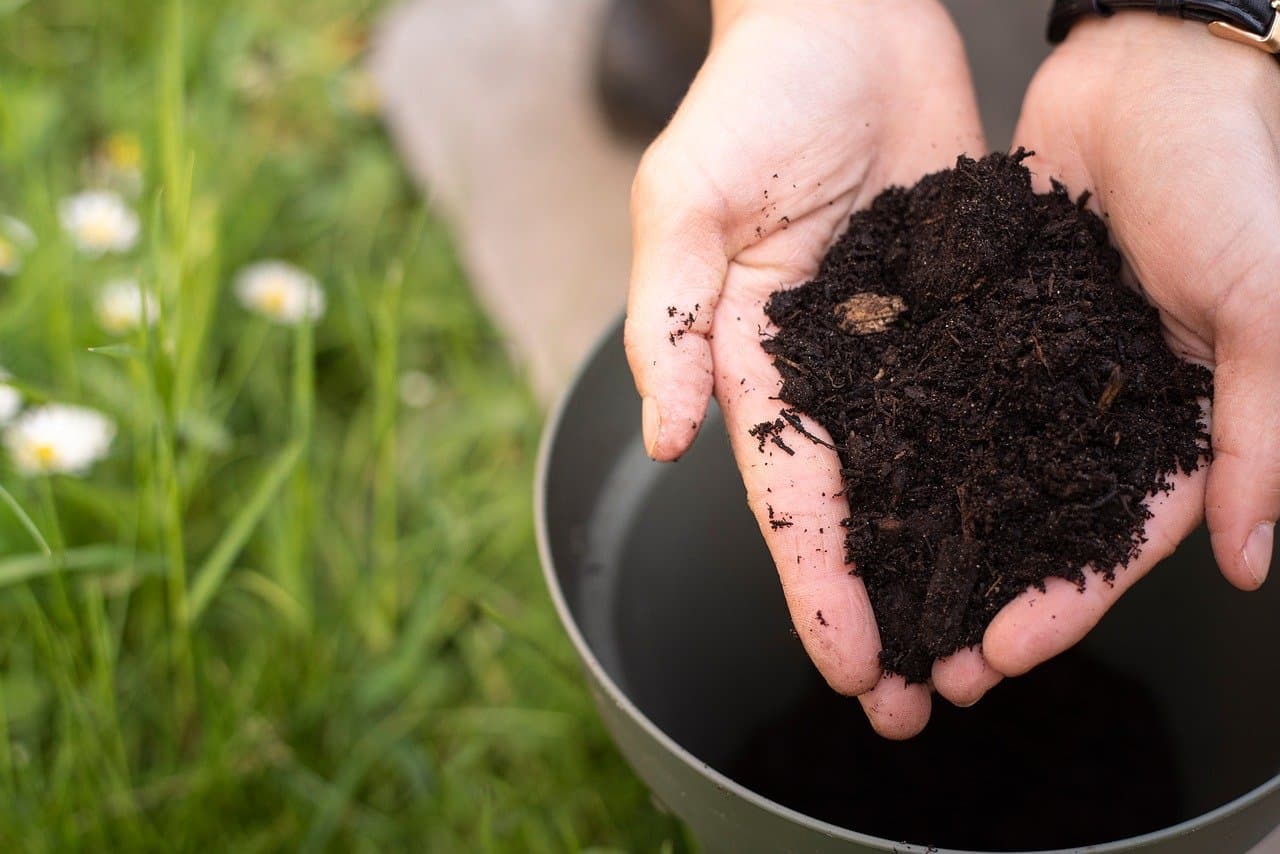
- Rich soil with lots of organic matter
- Consistent moisture, with less worry about occasional sogginess during warm, active growth
- Mulch to keep roots cool and reduce evaporation
At pond edges or in containers sitting in a shallow water tray, Colocasia often explodes with growth during peak summer heat.
Alocasia: moisture yes, puddles no
Alocasia can absolutely live outdoors for the warm season, but it needs better drainage. Aim for:
- Loose, airy soil that holds moisture but drains freely
- Deep watering when the top inch or two begins to dry
- No standing water around the root zone for long periods
If you have clay soil, Alocasia is usually happier in a raised bed or a large container where you can control the mix.
Indoor note: If you grow Alocasia as a houseplant, the setup changes. Indoor light, humidity, and potting mix choices are a whole different puzzle. For outdoor summer care, stick with the drainage-first approach above and adjust when you bring it inside.
Container water quality tip
If you grow in pots and use fertilizer regularly, salts can build up and cause leaf-edge burn. Every few weeks, water deeply enough that excess runs out the bottom to help flush the mix.
Planting outdoors
When to plant
Elephant ears hate cold soil. Wait until after your last frost and when nights are reliably warm. If you want a simple target, aim for soil temperatures around 60°F / 15 to 16°C and rising. If the ground still feels chilly to your hand, the plant will sit and sulk instead of growing.
How deep to plant
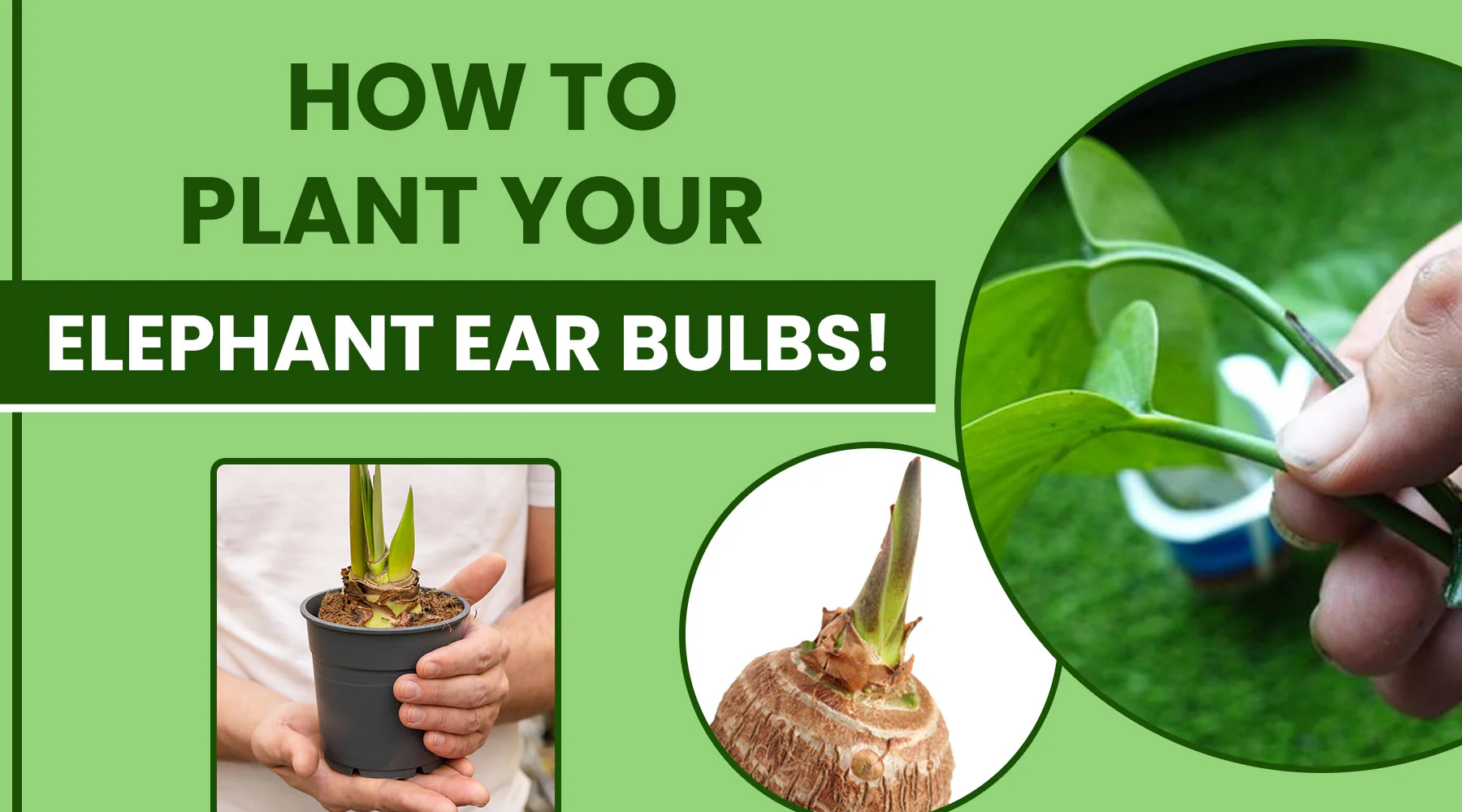
Many elephant ears are sold as corms or tubers (those labels are often used interchangeably on packages). A good rule of thumb is:
- Plant about 2 to 4 inches deep for small to medium pieces
- Go a bit deeper for larger corms (often 4 to 6 inches), and always follow the package directions if provided
- Pointed side up if you can tell, but do not panic if you cannot. They usually figure it out.
Spacing
Give them room. Outdoors, many varieties spread wider than you expect once leaves size up. Check the tag, but a common comfortable spacing is 2 to 4 feet for larger types.
Fertilizer
Elephant ears are hungry plants. If you want those dramatic, dinner-plate leaves, feed them through the growing season.
What to use
- Balanced organic fertilizer (like a general-purpose blend) works well for steady growth.
- Slightly higher nitrogen can encourage lush leaf production, especially early in the season.
- Compost and worm castings are wonderful add-ons for soil health and moisture retention.
How often
For in-ground plantings, many gardeners get great results with a slow-release organic fertilizer at planting time plus a midseason top-up. For containers, nutrients wash out faster, so plan on lighter, more regular feeding during active growth.
If you see pale leaves, slow growth, or smaller new leaves in midsummer, that is often a gentle nudge that it is time to feed.
Cold hardiness and overwintering
This is where outdoor elephant ear care gets personal, because your winter decides everything.
Know your zone
Some elephant ears can overwinter in the ground in warmer regions, while others need to be lifted and stored like dahlias. As a broad guideline:
- Colocasia includes varieties that can be surprisingly hardy in mild winters, especially with mulch, but many are still treated as tender in cold zones.
- Alocasia is generally less cold-tolerant and is often overwintered indoors or stored dormant in cooler climates.
Because hardiness varies by species and cultivar, use the plant tag as your starting point and then watch how your microclimate behaves. A south-facing wall, urban heat, or consistently mulched beds can change what is possible.
Lifting before frost
If your winters freeze, the safest move is to lift and store. Here is a simple, low-stress method:
- Wait for foliage to die back after the first light frost, or lift earlier if a hard freeze is coming.
- Do not wait for the ground to freeze. Lift before soil freezes solid so the corms are not damaged in place.
- Cut stems down to a few inches.
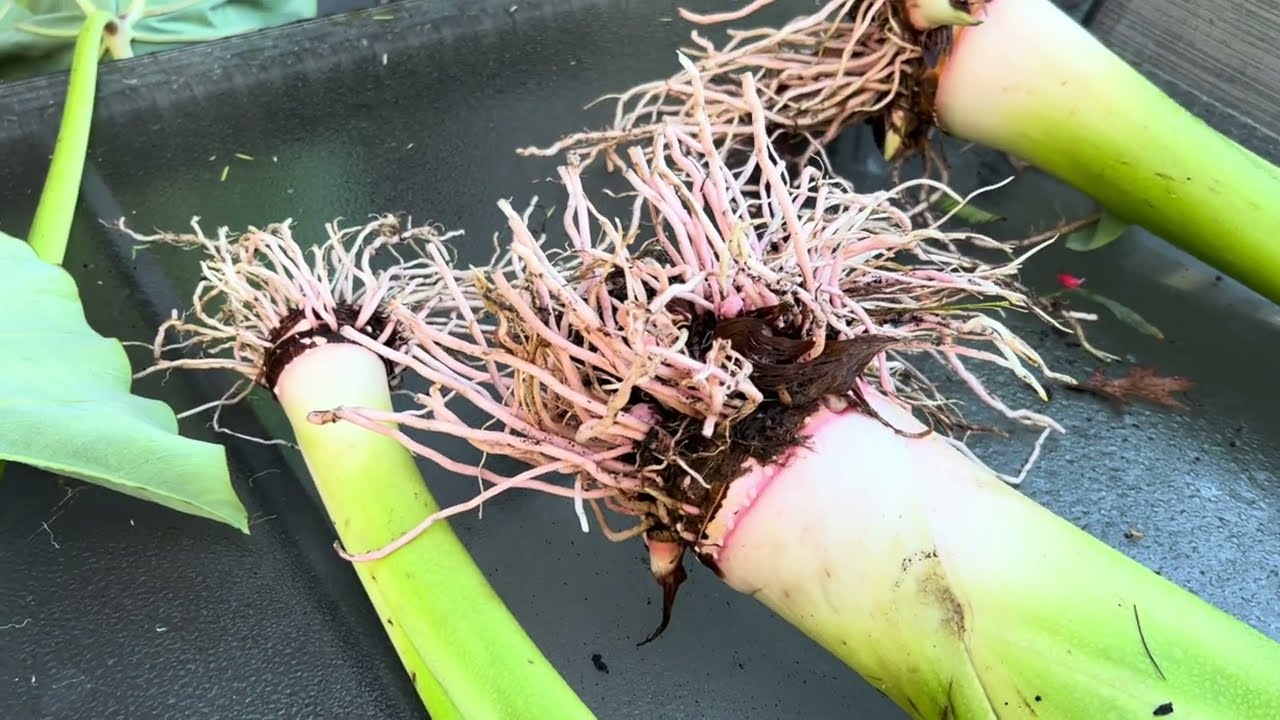
- Dig carefully around the root mass and lift it out.
- Shake off excess soil and let it dry in a sheltered spot for a day or two.
- Store cool, dark, and dry in breathable material (paper bag or box with dry peat moss or wood shavings), checking monthly for rot or excessive shriveling.
In spring, pot them up early indoors if you want a head start, or plant outdoors once nights warm again.
Containers and pond edges
Containers
Containers are perfect if you want tropical impact on a patio or need to move plants when temperatures swing. Choose a pot that is wider than you think. Elephant ears bulk up fast.
- Colocasia in pots can handle more frequent watering and can even sit in a shallow tray of water in summer.
- Alocasia in pots should have excellent drainage holes and a chunky mix so water does not linger.
Tray-of-water caution: This trick is best in warm weather when the plant is actively growing. Refresh the water regularly and do not let it become a mosquito nursery. If nights are cool or growth slows, stop the tray and let the pot drain normally.
Pond edges
If you have a pond, bog garden, or even a consistently damp swale, Colocasia is the plant that makes it look intentional and lush. Keep it fed and wet, and it will do the rest.
Pests, safety, and problems
Safety
Most elephant ears contain calcium oxalate crystals and can be irritating or toxic if chewed or eaten. Plant with care if you have curious kids or pets, and wear gloves if you have sensitive skin.
Common pests
- Spider mites (especially in hot, dry weather): rinse leaves with a strong spray of water and keep plants evenly watered.
- Aphids and mealybugs: wash off with water or treat with insecticidal soap as needed.
- Slugs and snails: look for nighttime chewing and use traps or barriers if they are turning leaves into lace.
- Leaf spot in humid weather: improve airflow, avoid soaking foliage late in the day, and remove the worst leaves.
Leaves tearing or looking shredded
- Likely cause: wind or hail
- Fix: move containers to shelter, add a windbreak, and trim only the worst leaves if needed
Yellowing leaves
- Likely causes: natural aging of older leaves, nutrient shortage, inconsistent watering, or salt buildup in containers
- Fix: feed lightly, stabilize watering, flush containers occasionally, and remove fully yellow leaves at the base
Drooping in the afternoon
- Likely causes: heat stress or dry soil
- Fix: water deeply and consider shifting to more afternoon shade in hot climates
Soft, smelly base or sudden collapse
- Likely cause: rot from waterlogged soil, especially for Alocasia
- Fix: improve drainage immediately, reduce watering, and replant into a better mix if in a container
In a nutshell
If you want the simplest success plan, here it is:
- Match the plant to your moisture: Colocasia for wetter spots, Alocasia for better-drained beds and pots. If the tag says Xanthosoma, treat it as moisture-loving but still drainage-aware.
- Give warmth and bright light: sun with protection from harsh afternoon heat in hot climates.
- Feed through summer: big leaves require big nutrition.
- Have a winter plan: mulch in mild zones, lift and store before the ground freezes in cold zones.
And if a leaf gets torn, a stem snaps, or you misjudge the watering once, welcome to gardening. Elephant ears are surprisingly forgiving when their roots are happy. Start there, and you will be watching new leaves unfurl before you know it.