
Echinacea Care: Deadheading, Division, and Reblooming

Echinacea, better known as coneflower, is one of those perennials that makes you feel like a gardening genius even when you are still learning. Give it sun, decent drainage, and a little room to breathe, and it will reward you with daisy-like blooms that pull in bees and butterflies like a magnet.
But if you want more flowers, a tidier border, or stronger plants that do not fizzle out after a few years, the real magic is in three habits: deadheading , smart division, and a few small tweaks that encourage reblooming.

Soil, sun, and spacing basics
Before we get snip-happy, it helps to set echinacea up with the conditions it likes best. Healthy plants rebloom more reliably, handle deadheading better, and recover faster after division.
Sun
- Full sun is best: aim for 6 to 8 hours of direct sun.
- Part shade can work, especially in hot climates, but plants may get a bit leggier and bloom less.
Soil and drainage
- Drainage matters more than richness. Coneflowers hate sitting in wet soil, especially in winter.
- Ideal soil: average garden loam that drains well. Sandy or gritty soils are often perfect.
- If your soil is heavy clay: work in compost plus grit (like pine fines or coarse sand) and consider planting on a slight mound or raised bed.
Skip heavy feeding. Too much nitrogen can mean lush leaves and fewer flowers, plus floppier stems.
Spacing
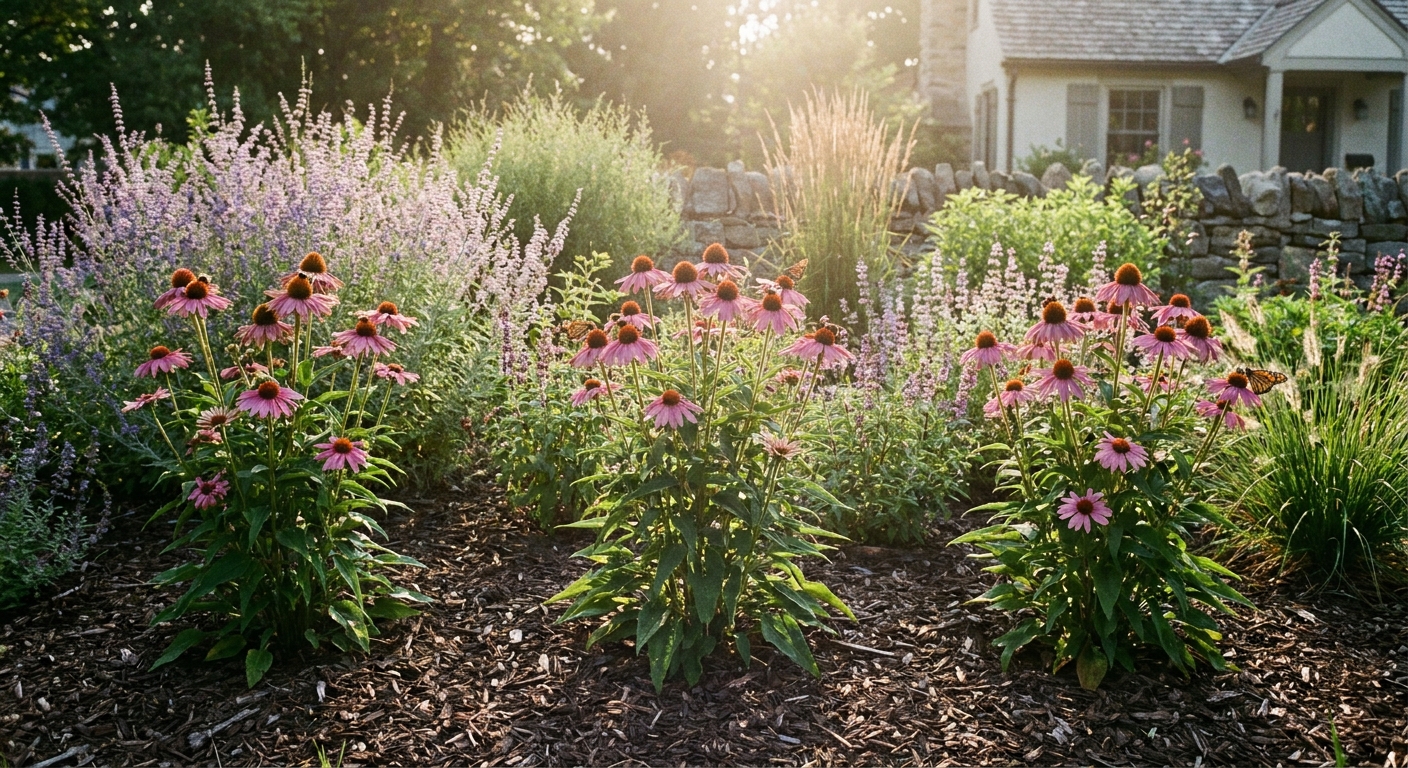
- Most echinacea do best with 18 to 24 inches between plants.
- Give larger types and very vigorous cultivars 24 to 30 inches.
That airflow is not just a neatness thing. It helps reduce powdery mildew and keeps crowns drier.
Deadheading: for looks, for seed, or for rebloom
Deadheading is simply removing spent blooms before they turn into seed. With coneflower, you can use deadheading to steer the plant in different directions depending on what you want most: a tidy display, more blooms, or seed for birds and self-sowing.
Option 1: Deadhead for a clean, polished look
If you like your border looking freshly buttoned-up, snip off fading flowers as soon as petals start to droop or turn brown. This keeps the plant from looking tired, especially in mixed plantings where coneflower sits near more “refined” neighbors like salvia or catmint.
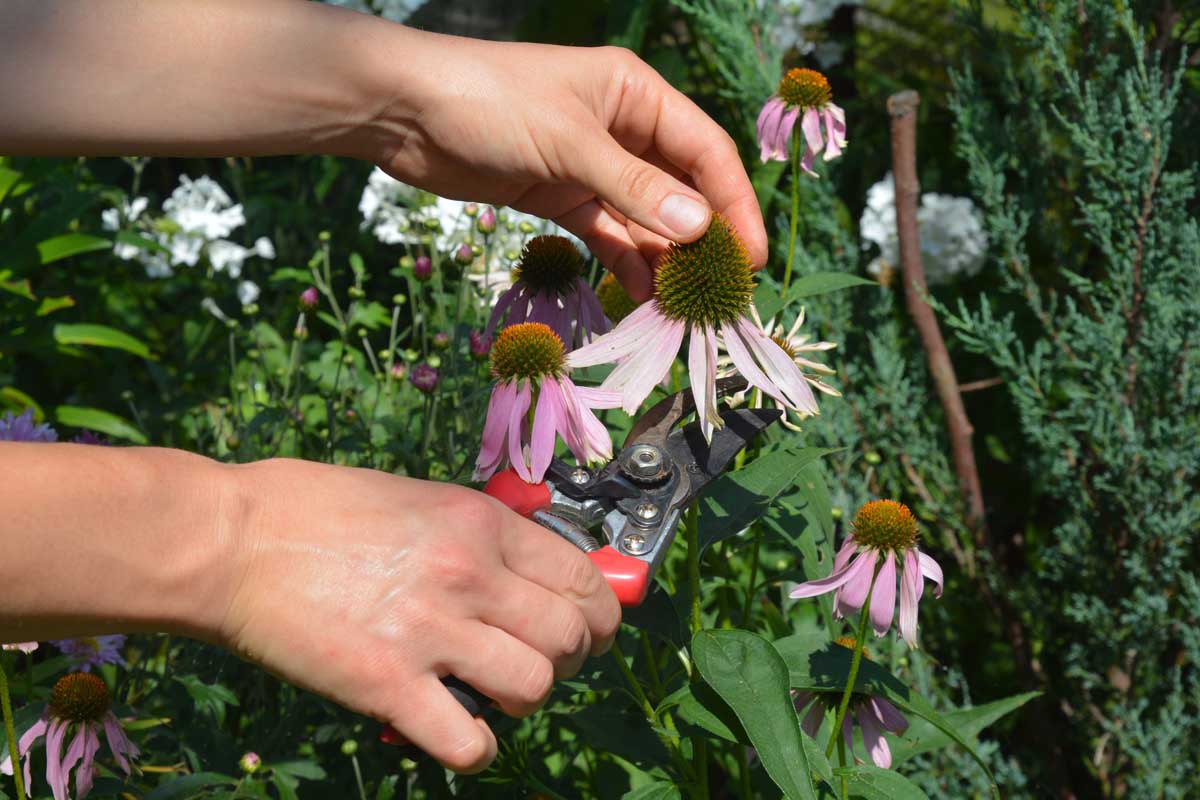
- Where to cut: follow the flower stem down to the next set of leaves or a visible side bud, then cut just above it.
- Tool tip: sharp pruners make cleaner cuts than pinching, especially on thicker stems.
Option 2: Deadhead to encourage reblooming
This is the big one. Many echinacea will throw additional blooms after deadheading, especially during early to mid-season.
- Best timing: start deadheading once the first flush is fading, usually mid to late summer depending on your region.
- How it helps: the plant redirects energy away from seed production and into new flower buds.
- Be realistic: rebloom is often lighter than the first flush, but still well worth it.
My small-but-mighty trick: deadhead consistently for two to three weeks, then pause and let a few heads mature. That way you get a second wave of blooms and some seed heads for fall texture.
Option 3: Leave seed heads for birds and winter beauty
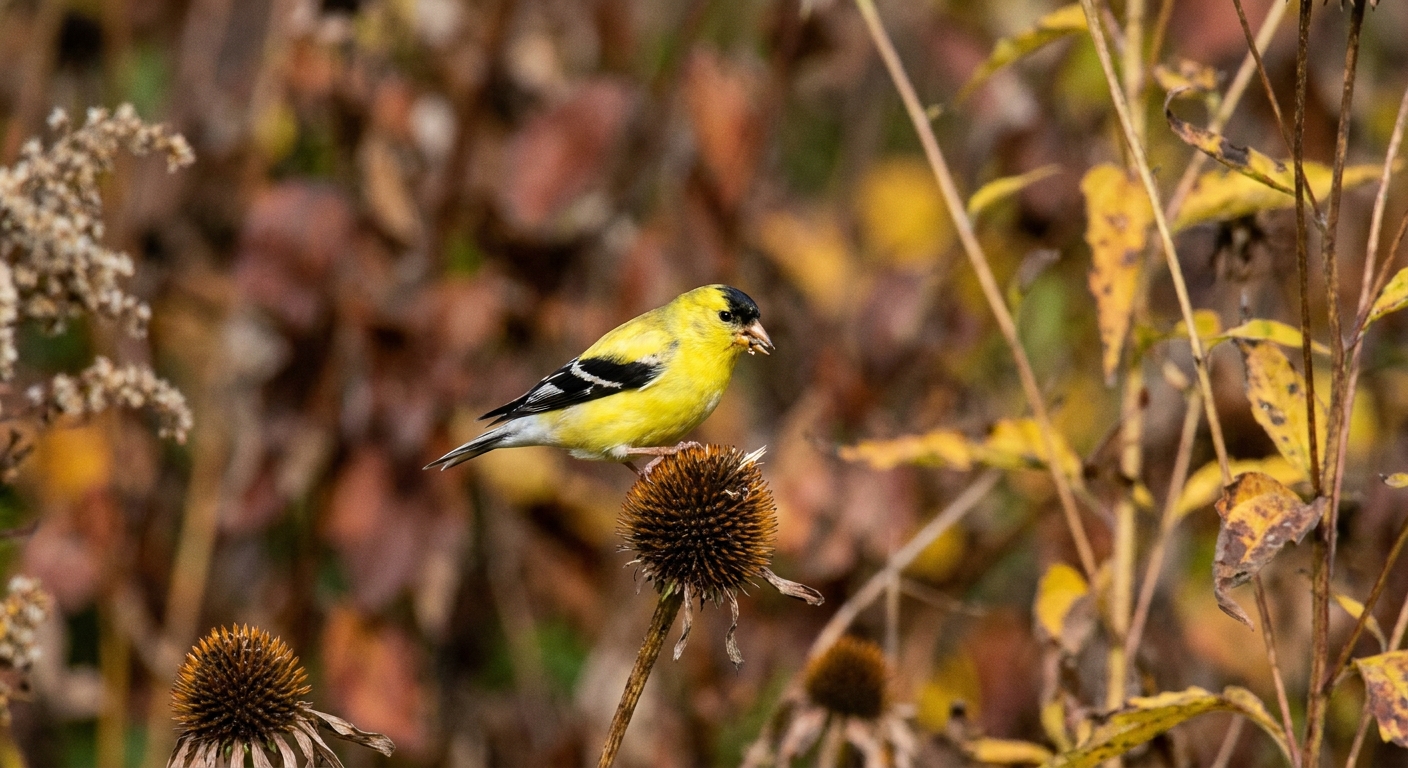
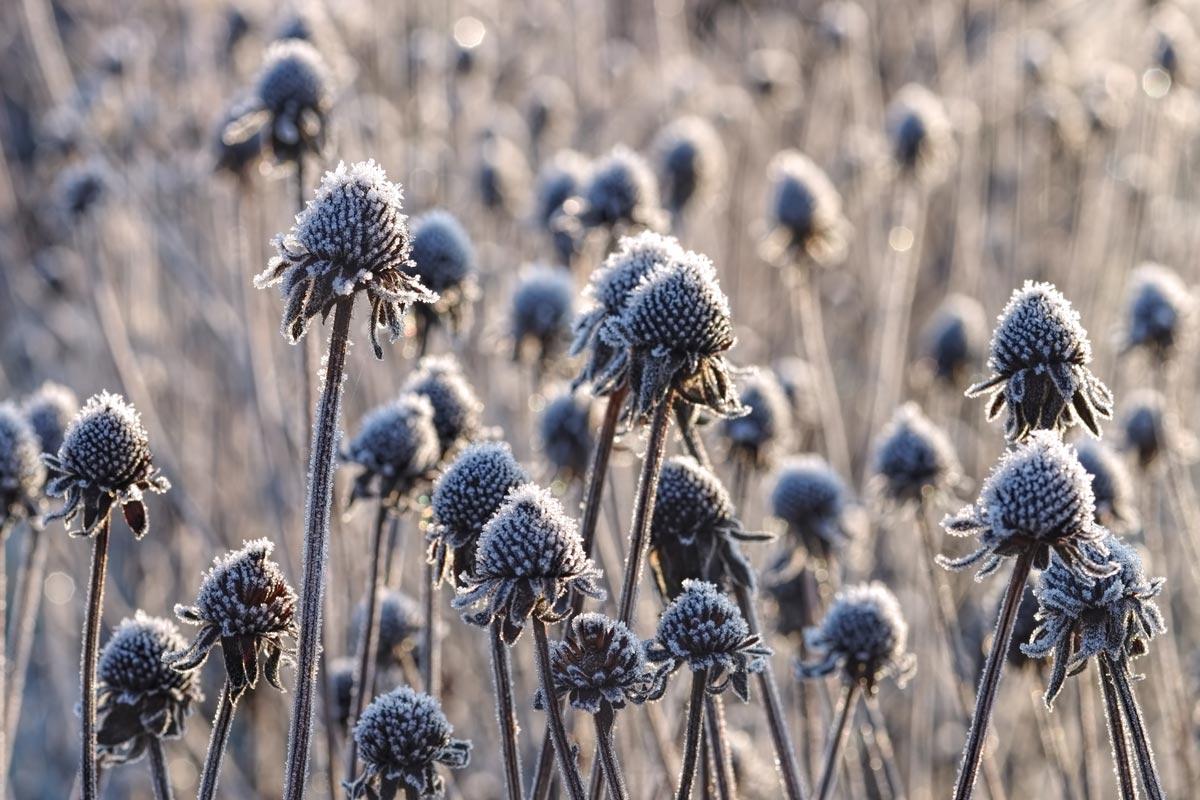
If you garden with wildlife in mind, let late-season blooms dry into seed heads. Goldfinches and other birds adore them, and the dried cones add gorgeous structure once frost hits.
- When to stop deadheading: late summer into early fall is a good cutoff if you want seed heads. In many gardens, that is about 6 to 8 weeks before your first hard frost.
- Bonus: leaving some seed heads can encourage a few volunteer seedlings next spring, which is either delightful or mildly chaotic depending on your personality.
Deadheading steps
- Check the bloom. If petals are fading and the center cone is firming up, it is ready.
- Find the next node. Look down the stem for a set of leaves or a side shoot.
- Cut above the node. Aim for a clean cut, slightly angled, without leaving a long stub.
- Repeat weekly. A quick walk-through once a week keeps plants blooming and neat.
If you are dealing with a lot of plants, bring a small bucket. Toss spent blooms in, then compost them unless you suspect disease.
Division: when to do it and when to skip it
Here is the twist: unlike some perennials (I am looking at you, daylilies ), echinacea does not always love frequent division. Many types form a taproot and can sulk if disturbed too often.
When to divide coneflower
- Divide if the center is thinning, bloom size has noticeably decreased, or the clump has outgrown its space.
- Do not divide just because it has been three years. If the plant is thriving, let it be.
Best seasons
- Early spring (as shoots emerge): my favorite time. Temperatures are gentle, and the plant has a full season to settle in.
- Early fall (6 to 8 weeks before hard frost): works well in many climates, but avoid very cold regions where winter arrives quickly.
How to divide
- Water the day before. Hydrated roots handle stress better.
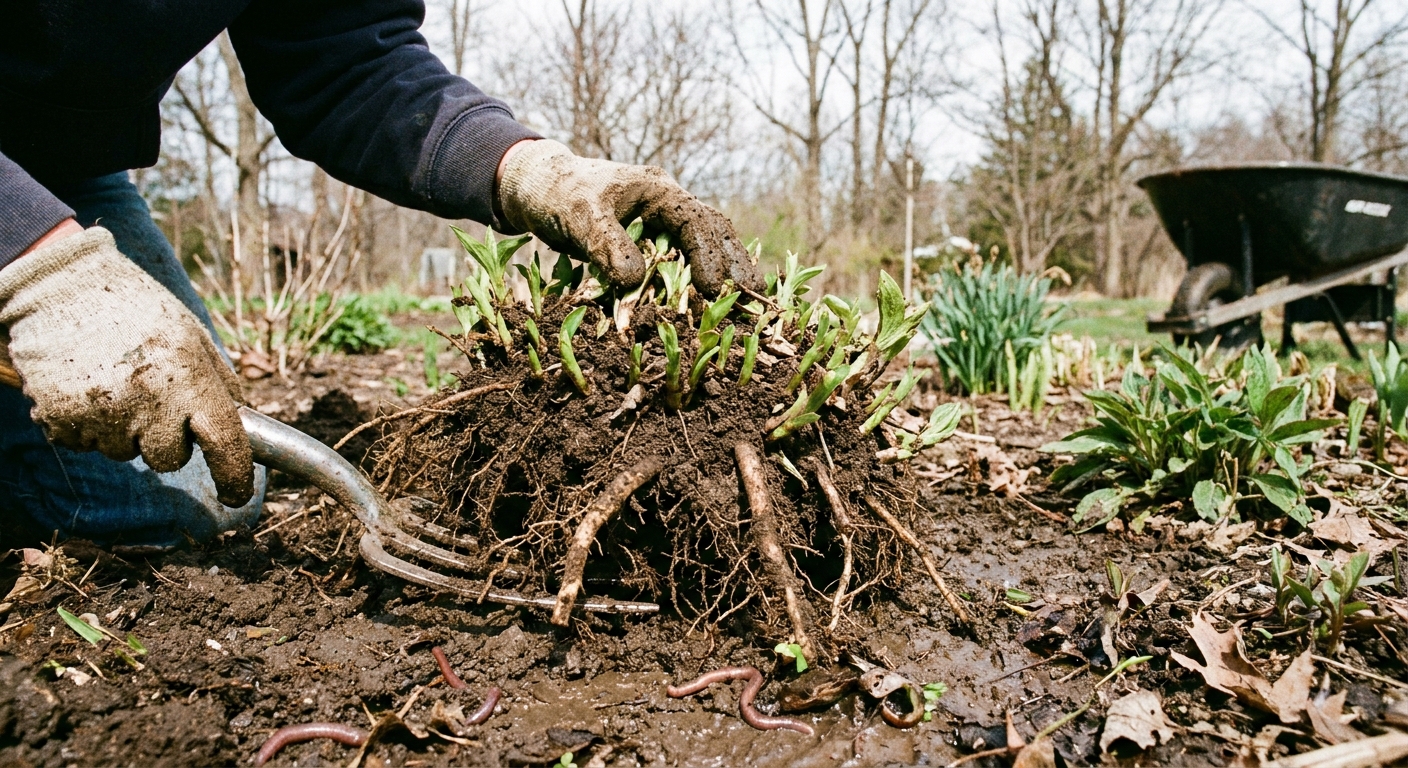
- Dig wide. Start several inches outside the crown to preserve as much root as possible.
- Lift and inspect. Shake off loose soil so you can see natural separation points.
- Split into large divisions. Aim for sections with multiple shoots or buds and a healthy chunk of roots. Tiny pieces are slower to rebound.
- Replant immediately. Set the crown at the same soil level as before.
- Water deeply. Keep evenly moist for the first couple of weeks, then taper to normal watering.
Short-lived cultivars
If you have ever had a gorgeous coneflower cultivar that looked amazing for two summers and then quietly vanished, you are not imagining things.
Some modern echinacea cultivars are shorter-lived than the straight species (Echinacea purpurea) and may behave more like a 2 to 4 year perennial, especially in challenging conditions like heavy clay, winter wet, or intense heat with poor irrigation habits.
Why it happens
- Clonal habits: many named cultivars are propagated to keep their color and flower form consistent. Some simply do not have the long-lived sturdiness of the species.
- Crown rot in winter: wet soil plus freezing temperatures can damage crowns.
- Overly rich soil: fast, soft growth can be less resilient.
- Too much shade: plants weaken and are more prone to decline.
Keep favorites going
- Prioritize drainage. If you fix one thing, fix winter wet.
- Let some seed set on species types to get long-lived seedlings that adapt to your yard.
- Take divisions only when vigorous. Do not divide a struggling plant.
- Plant a mix. I love pairing reliable classics like ‘Magnus’ with newer colors like ‘Cheyenne Spirit’ or a soft white like ‘White Swan’. If one fizzles, the others carry the show.
Quick cultivar note: double-flowered and heavily ruffled types can be a bit less appealing to pollinators than single, open-centered blooms. If wildlife support is a top goal, tuck at least a few classic single forms into the patch.
Encourage reblooming
Deadheading is the main lever, but a few other choices can help coneflower keep pushing blooms.
Water wisely
- First year: water regularly while roots establish. Deep watering is better than frequent sprinkles.
- After establishment: coneflower is drought tolerant, but moderate moisture during active blooming helps keep flowers coming.
Light feeding, if any
If your soil is extremely lean, a thin layer of compost in spring is plenty. Avoid high-nitrogen fertilizers that encourage leafy growth at the expense of blooms.
Pinching is optional
In late spring, you can pinch back a few stems by a couple of inches to stagger bloom time. You will get slightly later flowers on those stems, which can stretch the overall season. I do this only if plants are sturdy and well-established.
Simple winter care
Coneflower winter care is blissfully low drama, with one important caveat: keep the crown from staying soggy.
Cut back or leave standing
- Leave stems standing if you want bird food and winter structure. Many gardeners cut back in early spring instead.
- Cut back in late fall if you prefer a tidy look, or if you had disease issues and want to remove old material.
Mulch lightly
- Apply 1 to 2 inches of mulch after the ground begins to cool, especially in colder zones.
- Keep mulch off the crown by an inch or two to reduce rot risk.
Quick troubleshooting
Lots of leaves, few flowers
- Too much shade, too much fertilizer, or soil that is overly rich.
- Move to more sun or stop feeding and let the plant settle into average soil.
Floppy stems
- Often from shade or rich soil.
- Give more sun, reduce nitrogen, and consider nearby support plants like ornamental grasses.
Decline after winter
- Most commonly drainage related.
- Improve soil structure, plant on a slight mound, and keep winter mulch away from the crown.
A gentle coneflower philosophy
If you take nothing else from me, take this: echinacea thrives when you do a little less. Give it sun, give it drainage, then use deadheading strategically depending on whether you want nonstop color or seed heads for the birds.
And if a fancy cultivar turns out to be a bit short-lived in your garden, that is not a failure. It is just information. Plant something sturdier nearby, tuck compost into the soil, and try again. Gardening is a long conversation, and coneflower is one of the friendliest voices in it.