
Easter Lily After Easter

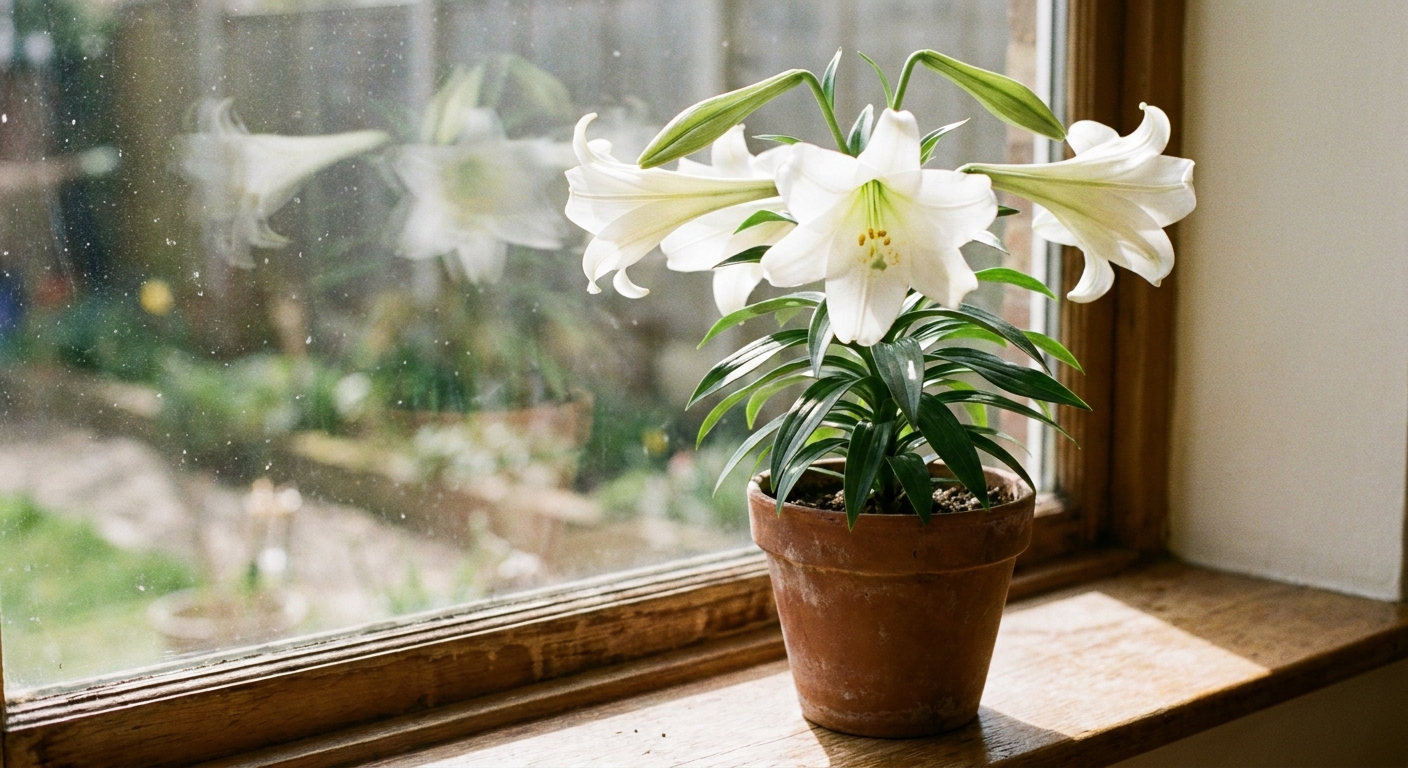
Easter lilies have a way of showing up when we most need a little brightness. And then, just as quickly, they fade and we are left staring at a pot of leaves wondering: is this a living garden plant, or basically a floral arrangement with better manners?
Good news: an Easter lily (Lilium longiflorum) is a true bulb plant. With the right timing and a little patience, you can move it outdoors and keep it going for years in many climates. The more realistic news: it may not bloom again right away, and the bloom timing outdoors usually shifts away from Easter.

First: what to do after bloom
If your lily is still blooming, enjoy it. Once the blooms start to brown, you can tidy it up without hurting the bulb.
Deadhead spent blooms
- Snip off each faded flower (or the whole flower stalk tip) to prevent seed formation.
- Leave as much green stem and all leaves intact as possible. Those leaves are solar panels feeding the bulb for next year.
Optional: remove the anthers indoors
- If your blooms still have pollen, gently pinch off the orange anthers. This reduces pollen stains on furniture and can help the flowers look fresher longer.
- Cat safety: this does not make lilies safe for cats. Any part of the plant can be dangerous.
Keep it bright indoors for a few weeks
- Place it near a bright window with bright light, including a few hours of gentle direct sun if possible (morning sun is ideal).
- Turn the pot every few days so it grows evenly.
- Keep it away from heat vents and fireplaces, which can dry it out quickly.
Water thoroughly, then let it drain
- Water when the top inch of soil feels dry.
- Let excess water drain, then empty the saucer after 10 to 15 minutes .
- If the pot is wrapped in foil, make sure there are drainage holes and empty any trapped water.
Can you plant it outside?
Often, yes. Easter lilies can be perennial outdoors in many parts of the U.S., but success depends on your USDA hardiness zone, winter soil conditions, and how well the plant transitions from cozy indoor life to real weather.
Outdoor zone basics
- Best chance of perennial success: roughly USDA Zones 5 to 8 (some gardeners have success in Zone 4 with excellent drainage and winter protection, and in parts of Zone 9 with afternoon shade and consistent moisture).
- Coldest zones (Zone 4 and below): the bulb may not survive winter outdoors reliably without extra protection. Some people treat it as seasonal.
- Warmest zones (Zone 9 to 11): heat and lack of winter chill can make long-term performance inconsistent. It may grow foliage but bloom poorly.
If you are not sure of your zone, look it up using your zip code before you commit to planting it in your favorite spot.
When to move it outside
Timing matters more than people think. Your lily has been greenhouse-grown for spring bloom, which means it is not automatically ready for chilly nights and wind.
Best timing
- Wait until danger of hard frost has passed .
- If nights are still consistently below about 45°F, hold off or be ready to protect it.
- In many areas, this is a mid to late spring project.
If it is already warm where you live, you can start the acclimation process sooner.
How to harden it off
This is the step that turns “I planted it and it melted” into “it actually looks happier out here.” Hardening off is simply introducing your plant to outdoor light, wind, and temperature gradually.
- Days 1 to 3: Set the pot outside in bright shade for 2 to 4 hours, then bring it back in.
- Days 4 to 7: Increase outdoor time, still avoiding harsh afternoon sun and strong wind.
- After a week: Leave it out all day, and eventually overnight if temperatures are mild.
Keep the soil lightly moist during this transition. Wind and sun dry pots fast.
Where to plant
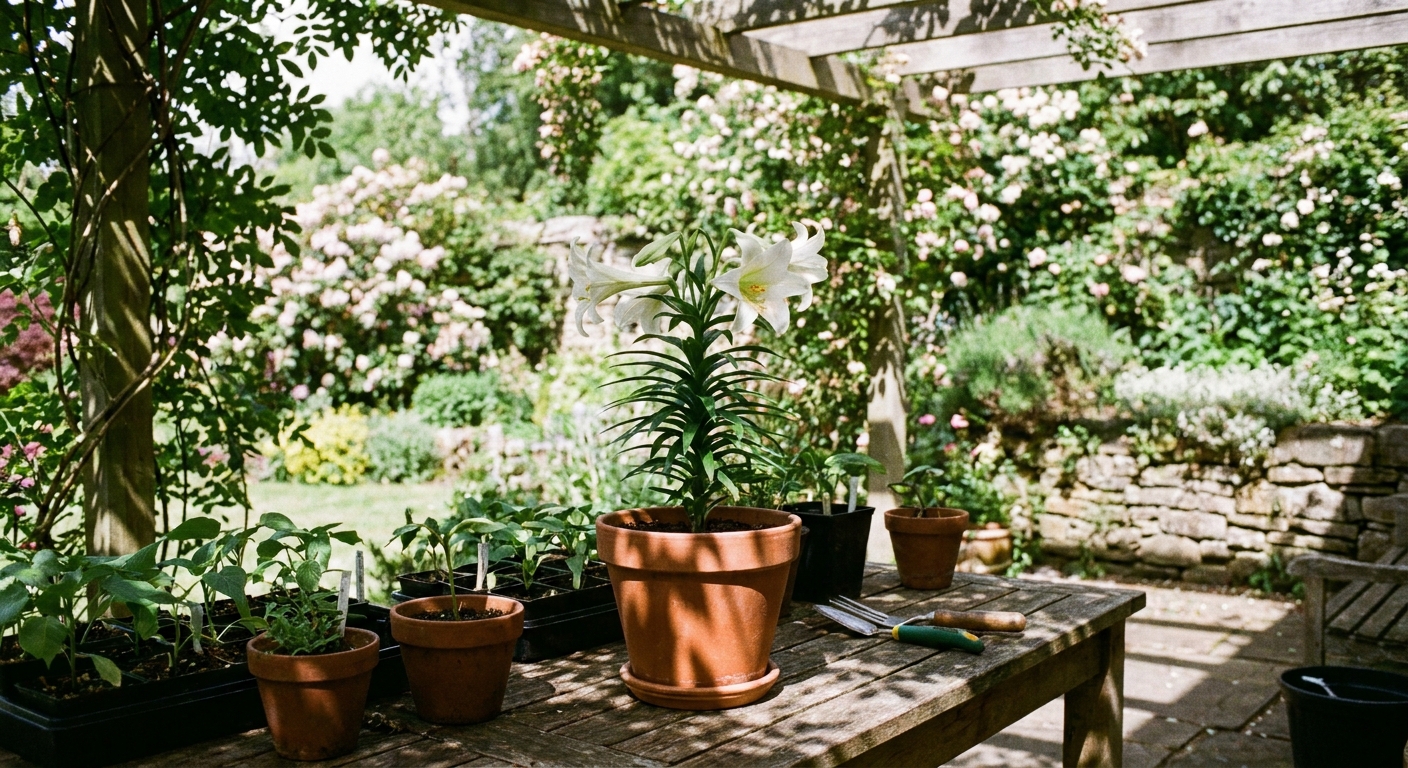
Easter lilies want the classic lily setup: sunshine on top, cool roots below, and soil that drains well.
Sun
- Ideal: morning sun with afternoon shade, or bright dappled light.
- Too much hot sun: can scorch leaves, especially in warmer Zones.
- Too much shade: leads to floppy growth and fewer blooms.
Soil
- Drainage is everything. Bulbs rot in soggy soil, especially over winter.
- Aim for loose, crumbly soil amended with compost.
- If your soil is heavy clay, plant on a slight mound or in a raised bed and mix in compost plus a bit of fine bark for structure.
Spacing and support
- Lilies appreciate breathing room. Good airflow helps reduce fungal issues later in the season.
- If your gift lily is tall and top-heavy, add a small stake at planting time so wind does not snap the stem.
How to plant outdoors
Once the plant is hardened off and the weather is settled, planting is straightforward. The main trick is planting depth and gentle handling.
- Choose the spot with good drainage and at least a half day of sun.
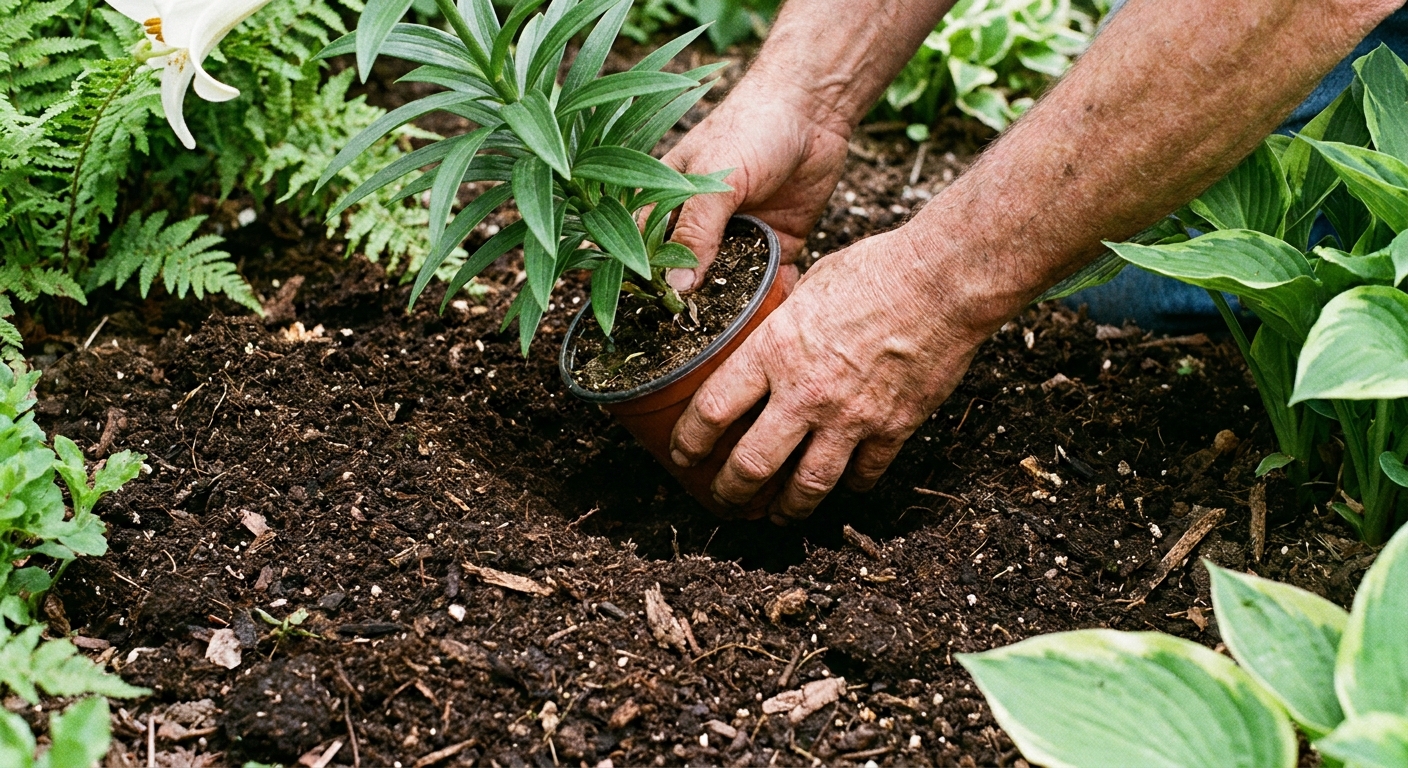
- Dig a hole wide enough for the root ball and a bit deeper than the pot height.
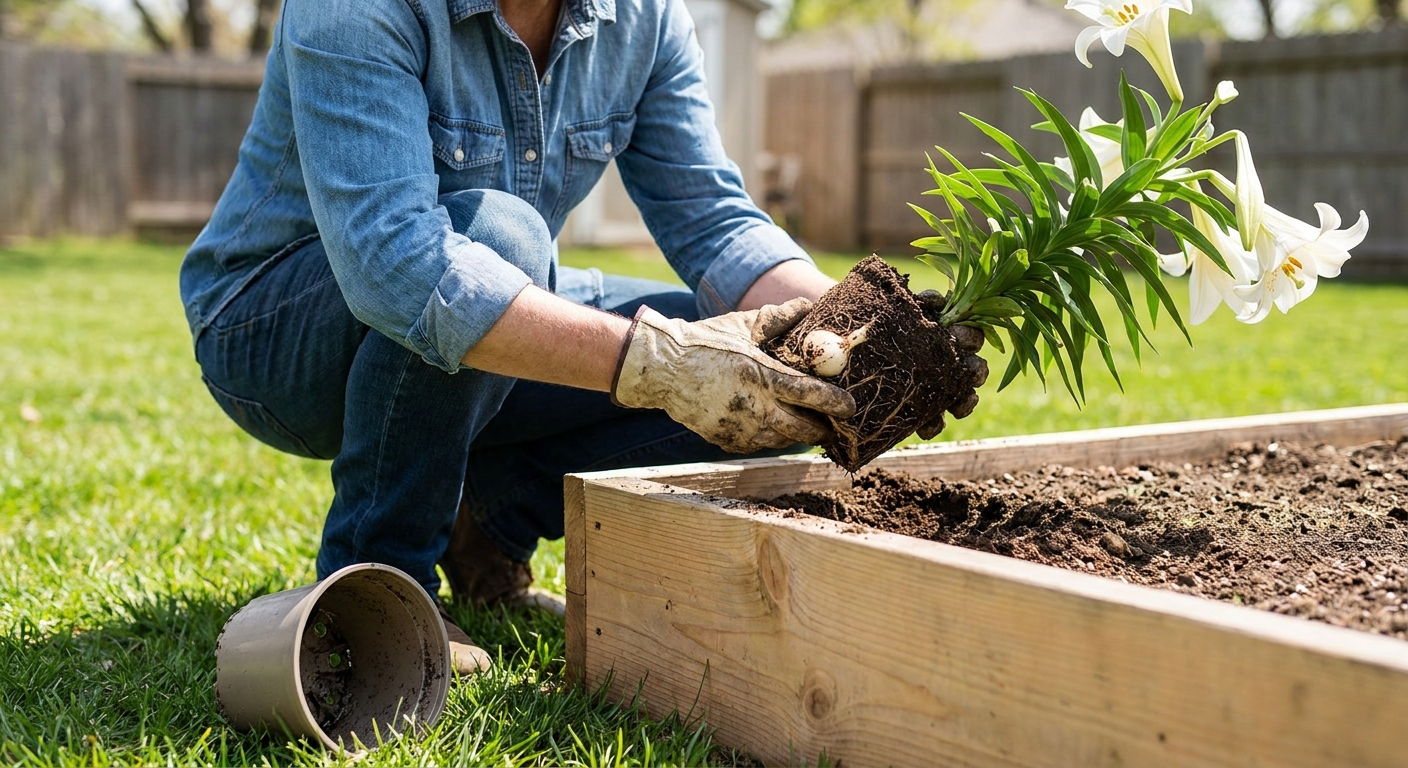
- Loosen the roots if they are circling the pot.
- Set the plant so the bulb ends up about 6 inches deep when practical, or roughly 3 times the bulb’s height. If the stem is very long and leggy, plant slightly deeper if you can, but do not bury leaves that will be trapped and rot.
- Backfill with soil mixed with compost, firm gently, and water deeply.
- Mulch lightly with shredded leaves or fine bark to keep roots cool and moisture even.
If you cannot get the bulb that deep without burying lots of leafy stem, plant it at the same depth as the pot for now. As the plant dies back later, you can top-dress with compost to gradually build soil over the bulb.
Care through spring and summer
Water
- For the first few weeks after planting, water when the top inch of soil dries out.
- After it is established, water deeply during dry spells rather than frequent shallow sips.
- Avoid consistently wet soil. Lilies like moisture, not swamp.
Feed
Your gift lily has already spent a lot of energy blooming. Helping it rebuild the bulb makes a huge difference for future flowering.
- In spring after planting, scratch in a small amount of compost or an organic bulb fertilizer.
- Stop fertilizing by mid to late summer so the plant can naturally prepare for dormancy.
Do not cut leaves early
This is the hardest part for tidy gardeners. Keep the foliage until it turns yellow on its own. That slow fade is the bulb recharging.
- When most leaves are yellow, you can cut the stem down to a few inches above soil level.
Winter protection
If your lily is in a perennial-friendly Zone and your soil drains well, it often needs very little fuss. The main winter threat is not cold, it is cold plus wet.
Protect the bulb
- After the top dies back in fall, add 2 to 4 inches of mulch (shredded leaves, pine needles, or straw).
- Pull mulch back a bit in early spring so the new shoots do not struggle under soggy cover.
- If your winter soil stays wet, consider moving the bulb to a better-drained spot or growing in a raised bed.
What about a pot outdoors?
Pots freeze harder than the ground. In colder Zones, an outdoor pot can kill the bulb even when the same plant would survive in soil.
- If you must keep it in a container, use a large pot with excellent drainage and consider overwintering it in an unheated garage or shed once dormant.
Will it bloom again?
This is where I like to gently reset expectations. Gift Easter lilies are forced to bloom indoors for the holiday. Outdoors, they return to a more natural rhythm.
Typical rebloom timeline
- Sometimes blooms the next summer: if the bulb is strong and the plant settles in quickly.
- Often takes a full year to recover: you may get foliage the next season and blooms the following year.
- Bloom time shifts: outdoors, Easter lilies typically bloom in summer (often July to August), not in early spring.
Why it might not rebloom
- The bulb was depleted by forced blooming and needs time to rebuild.
- Too much shade or too much nitrogen can produce lots of leaves and few flowers.
- Bulb rot from poor drainage, especially over winter.
- Extreme heat or inconsistent moisture during summer stress.
How long will it last?
- In a good spot, bulbs can live for years and may slowly form small clumps.
- If the clump gets crowded or flowering declines, you can divide in fall after the foliage dies back, then replant bulbs right away.
Even if it never reblooms, you still did something meaningful by trying. Gardening is a long conversation with the seasons, and sometimes the soil answers in its own time.
Common problems
Yellow leaves soon after Easter
- Most likely: natural post-bloom slowdown, low light, or inconsistent watering.
- Try: brighter light, steady moisture, and remove faded blooms so energy returns to the bulb.
Floppy stems outdoors
- Most likely: too much shade, too much fertilizer, or wind.
- Try: stake it, and move to more sun next season. Use compost instead of heavy feeding.
Chewed leaves and buds
- Lilies can attract pests like aphids and, in some regions, lily leaf beetles (especially parts of the Northeast and Upper Midwest).
- Hand-pick pests when possible and use insecticidal soap for aphids.
- Deer and rabbits also enjoy lilies. If browsing is common in your area, consider a cage or repellents.
Important safety note
Easter lilies are extremely toxic to cats. Even small amounts of pollen or leaf material can cause severe illness. If you have cats, keep lilies out of your home and consider planting outdoors only if your cat cannot access them.
If you cannot plant it outside
Not everyone has a yard, and not every climate cooperates. You still have options.
Option 1: Grow it as a patio bulb
- Move it to a larger pot with fresh, well-draining mix.
- Feed lightly through early summer and let it die back naturally.
- Overwinter the dormant pot in a cool, dry place that stays above deep-freeze temperatures.
Option 2: Let it go
If you cannot keep it safe from cats, cannot provide the winter conditions it needs, or simply do not have the bandwidth, it is okay to let it go. Compost it if you compost ornamental plants, or use municipal yard waste. If you are concerned it was recently treated with chemicals and you do not want that in home compost, dispose of it in yard waste or trash according to local guidance.
Quick checklist
- Deadhead flowers, keep leaves.
- Bright indoor light, including some sun if possible.
- Water thoroughly, then drain and empty the saucer after 10 to 15 minutes.
- Harden off gradually before planting outside.
- Plant in well-drained soil with sun and cool roots.
- Stake if top-heavy.
- Let foliage yellow naturally before cutting back.
- Mulch for winter, especially where freeze-thaw cycles are rough.
- Expect rebloom in summer, sometimes not until the following year.