
Desert Rose (Adenium) Care

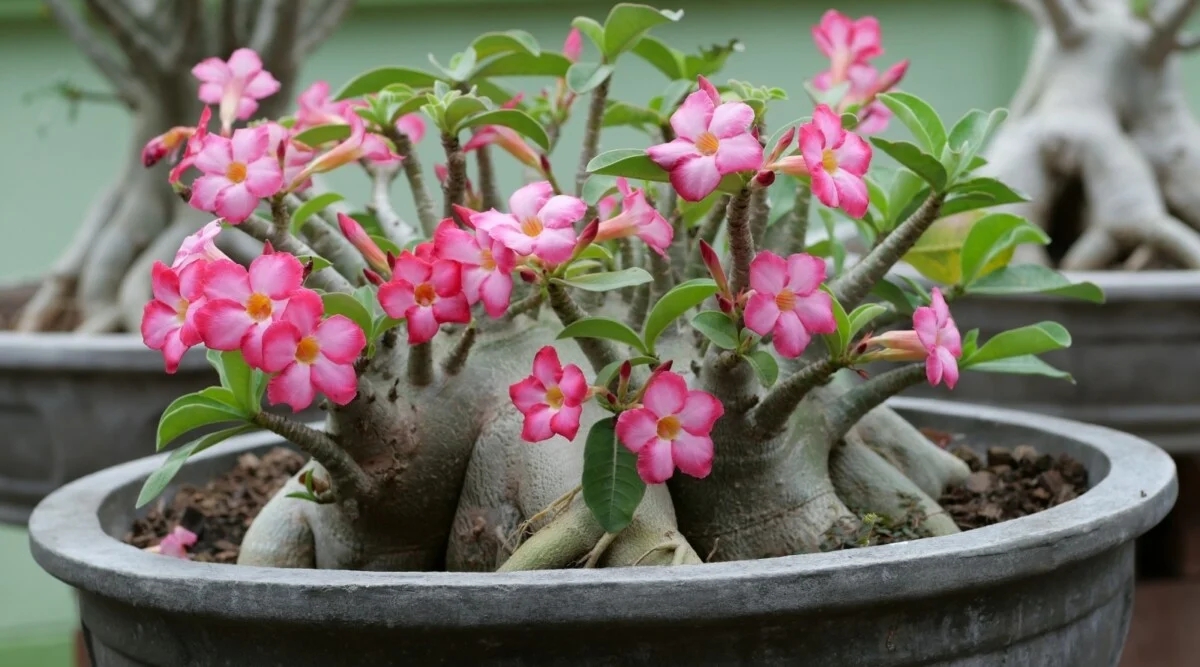
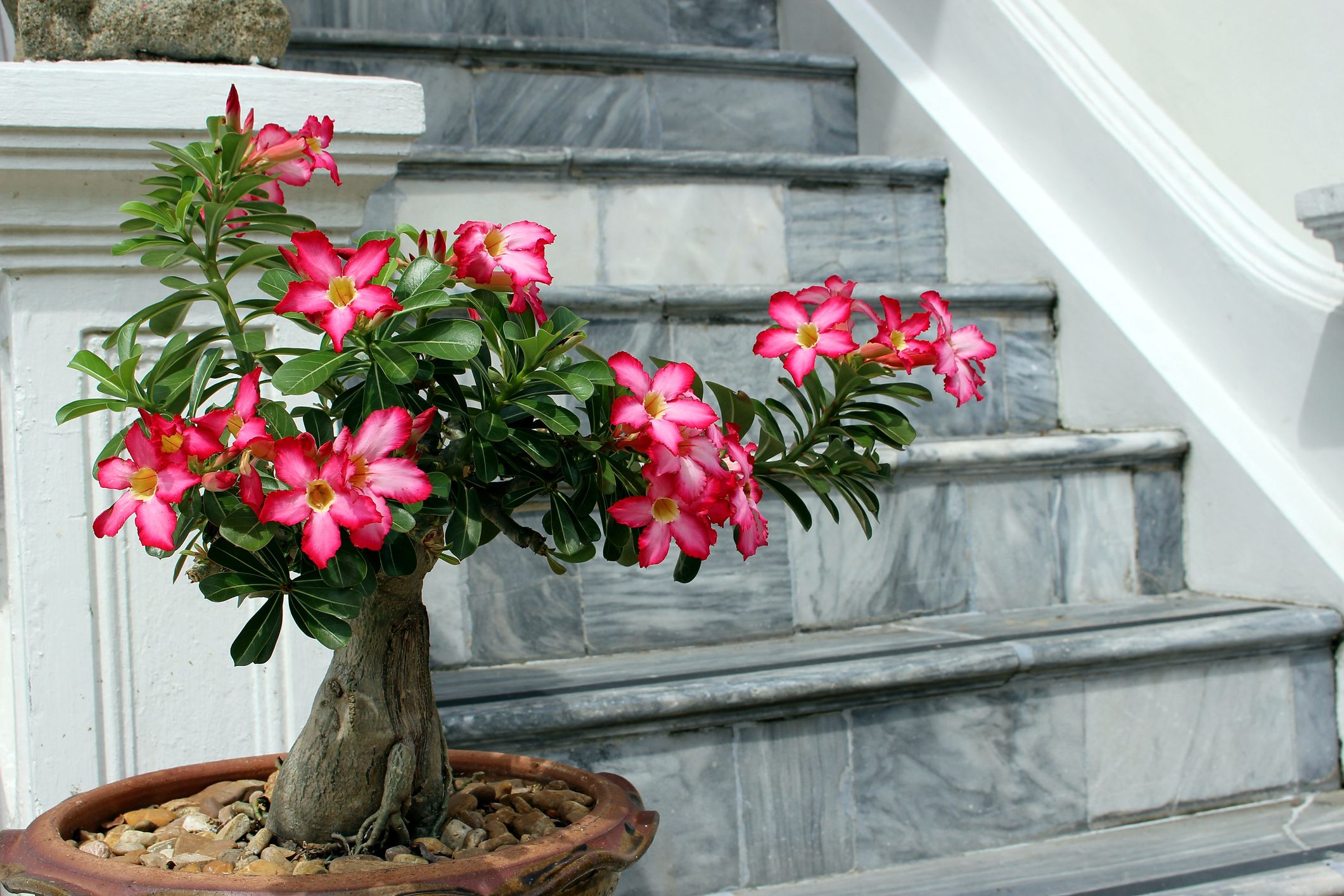
Desert rose (Adenium) is one of those plants that looks like a tiny, sculptural tree that wandered in from a dream, then decided to bloom like it owns the place. It is a caudiciform succulent, which is a fancy way of saying it stores water in that swollen base (the caudex). Your job is simple: give it bright sun, a fast-draining mix, and a watering rhythm that matches its seasons.
If you are growing indoors or on a patio, the biggest beginner mistakes are loving it with too much water and not giving it enough light. We can fix both.

Quick start checklist
- Light: Outdoors, 6 to 8+ hours of direct sun is ideal. Indoors, give it as much direct sun as you can in your brightest window. In winter or low-light homes, a grow light often makes the difference between “alive” and “blooming.”
- Soil: A gritty, fast-draining mix that dries in a reasonable time.
- Pot: Must have drainage holes. Terracotta is beginner-friendly.
- Water: Water thoroughly, then let it dry down close to completely. Much less in cool, low-light weather.
- Temperature: Warmth makes it happy. Protect below about 55°F/13°C, and never expose it to frost.
- Airflow: Average indoor humidity is fine, but good airflow helps prevent rot and pests.
- Safety: Sap is irritating and toxic if ingested. Wear gloves when pruning and keep it away from kids and pets who nibble.
Light: the bloom-maker
When someone tells me their adenium is “alive but sulky”, nine times out of ten it is light. Desert rose is a sun lover. More light equals tighter growth, thicker stems, and better flowering.
Indoors
- Put it in the brightest window you have, ideally south-facing (north-facing in the southern hemisphere).
- Know that sun through glass can be weaker than outdoor sun. If it is not blooming or it is stretching, add a grow light, especially in winter.
- Rotate the pot every week or two so it grows evenly instead of leaning.
- If it stretches with long gaps between leaves, it needs more light.
On a patio
- Acclimate gradually if it is moving from indoors to full sun. Start with morning sun for a few days, then increase. Sudden all-day sun can scorch leaves.
- In extreme heat, some afternoon shade can prevent leaf scorch, but do not baby it into low light.
The right gritty mix
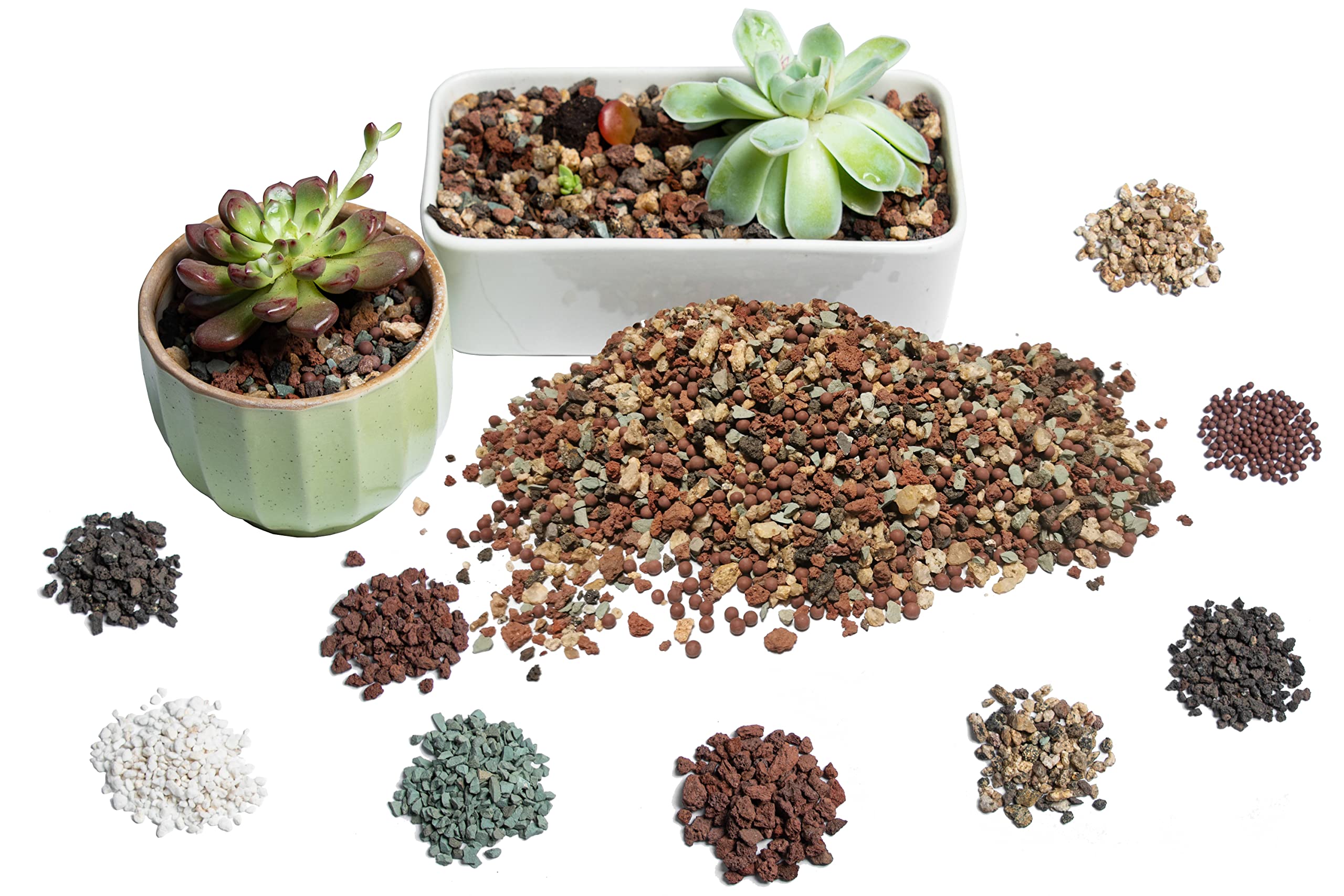
Adenium roots want oxygen and quick dry-down. Regular potting soil holds water too long and invites rot, especially indoors where airflow is lower. Think “cactus mix”, but faster draining.
An easy beginner mix
- 50% cactus and succulent mix (or a peat-free potting base)
- 25% pumice or perlite
- 25% coarse sand, small lava rock, or fine orchid bark
As a guideline, you want the mix to dry most of the way within about 3 to 7 days in the growing season. Cooler temps, low light, and plastic pots can stretch that timeline. If it stays wet for a week or more in your conditions, add more grit and consider terracotta.
Pot choice
Choose a pot with drainage holes, always. Terracotta helps the mix dry faster. A slightly snug pot is fine, but do not cram the caudex into a tiny container where the roots cannot breathe.
Watering rhythm: soak, dry, repeat
Desert rose does not want frequent sips. Water thoroughly, then allow a near-complete dry-down. The caudex is your plant’s water tank, so it is built to handle drought better than constant dampness.
During active growth (often spring through early fall)
- Water until it runs out the drainage holes.
- Wait until the mix is mostly dry before watering again. For many indoor growers, that is every 7 to 14 days, but your light and temperature decide.
- If in doubt, wait an extra day. Adenium forgives dry. It does not forgive soggy.
In cooler, low-light weather (often dormancy)
- Reduce watering drastically.
- If the plant drops leaves and stops growing, water just enough to prevent extreme shriveling. In many homes that is every 3 to 6 weeks, sometimes even less.
- Cool plus wet is the danger combo.
A simple “finger and lift” test
- Stick a finger 2 inches into the mix. If it feels cool or damp, wait.
- Lift the pot. A light pot usually means it is time.
Dormancy: the quiet season
Leaf drop in fall or winter can be totally normal. Adenium often goes semi-dormant or fully dormant when days are shorter and temperatures drop. If your plant lives in consistently warm, bright conditions, it may slow down only a little, or not at all.
What to do in dormancy
- Keep it bright, even if it is leafless.
- Keep it warm. Aim to stay above about 55°F/13°C, and avoid cold drafts.
- Water sparingly.
When dormancy is not normal
If leaf drop happens in warm, bright conditions, or the caudex feels soft, treat it as a signal to check roots and adjust watering and soil.
How to get blooms
Desert rose blooms are a reward for meeting its basics consistently. There is no secret potion. There is sun, warmth, and a plant that is not drowning.
Bloom helpers that work
- Strong light: The number one trigger.
- Warmth: Growth and bud formation improve in warm conditions.
- Dry-down cycles: Letting the mix dry between waterings encourages healthy roots.
- Feeding, lightly: In spring and summer, use a balanced fertilizer at half strength every 2 to 4 weeks, or a gentle slow-release option. “Bloom” formulas are fine, but you do not need to go heavy on phosphorus to get flowers.
Age and variety matter
A young plant grown from seed may take a couple of years to bloom. Many grafted plants bloom sooner. If yours is healthy and still not flowering, light is usually the missing piece.
Pruning and blooms
Pruning can encourage branching, and more branches can mean more bloom sites. Prune in warm weather when the plant is actively growing, and always use clean tools. Expect a pause while it regrows.
Common issues
Leaf drop
- Most common causes: Seasonal slowdown, sudden change in light, overwatering, or cold drafts.
- What to do: Check soil moisture, increase light, and keep temperatures steady. If it is winter, reduce watering and let it rest.
Soft caudex (squishy base)
A firm caudex is a happy caudex. A soft one is your plant waving a red flag.
- If the caudex is soft and the soil is wet: Suspect root rot.
- If the caudex is slightly soft and the soil is bone dry: It may simply be thirsty.
What to do if you suspect rot
- Stop watering immediately.
- Unpot the plant and gently remove soil.
- Inspect roots. Healthy roots are firm. Rotten roots are mushy or smell foul.
- Trim away rot with a sterilized blade.
- Let cuts callus in a dry, airy spot until the cut surface is dry and sealed. This can take 2 to 7 days depending on cut size and humidity.
- Repot into a drier, grittier mix and wait about a week before watering lightly.
Yellow leaves
- Often from overwatering or low light.
- Also normal when older leaves age out, especially during seasonal transitions.
Pests (indoors especially)
- Spider mites: Fine webbing, stippled leaves.
- Mealybugs: White cottony clusters on stems and leaf joints.
- Treatment: Isolate the plant, wipe pests off, then use insecticidal soap or horticultural oil, repeating weekly until resolved.
Safe handling
Adenium sap is irritating and toxic if ingested. Treat it with respect, especially if you have kids or pets who like to nibble.
- Wear gloves when pruning or repotting.
- Avoid touching your eyes or mouth while working.
- Wash hands and tools after.
- Keep fallen leaves and prunings away from pets.
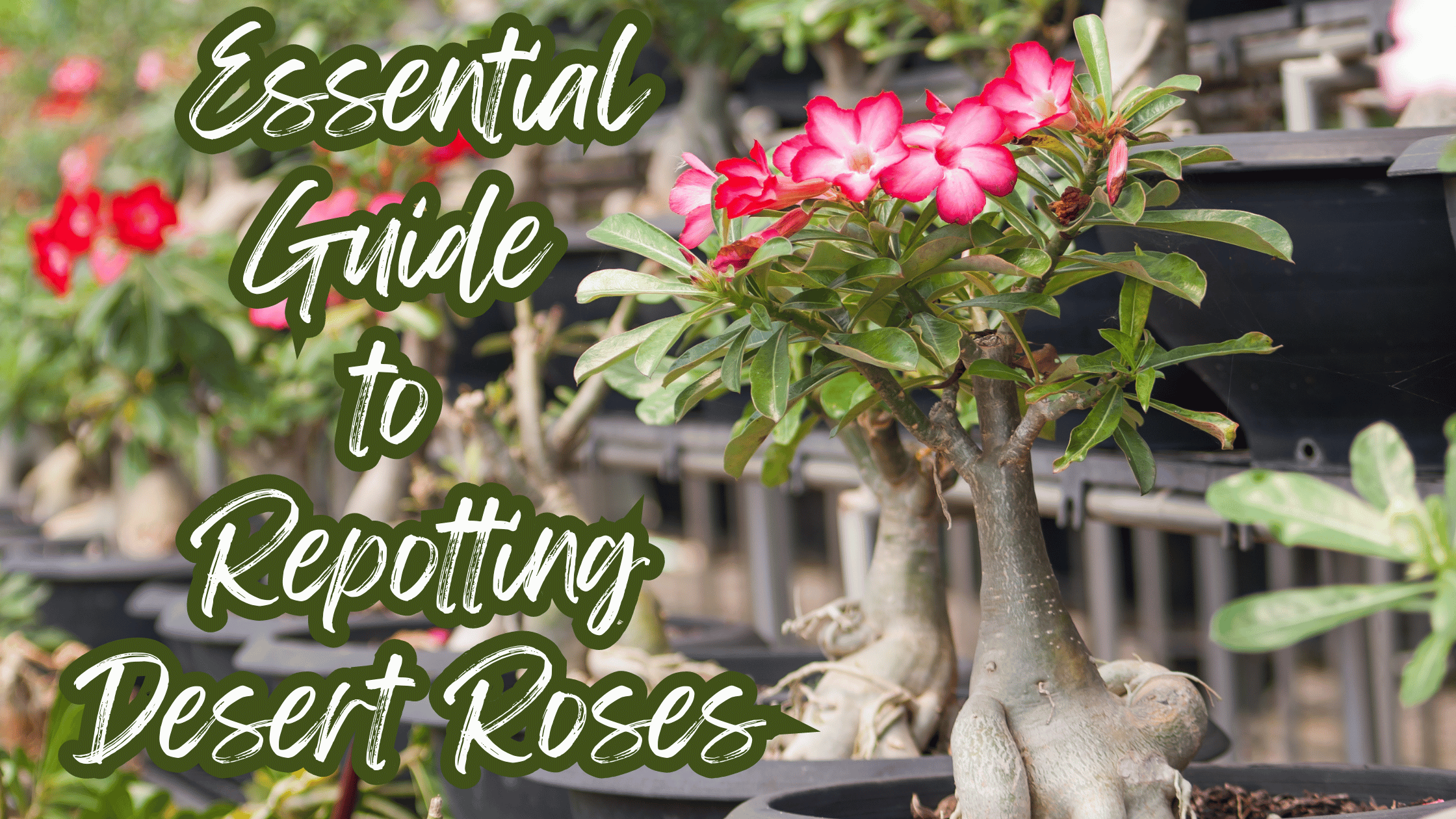
Repotting basics
Repot in late spring or early summer when the plant is actively growing. That timing helps it recover quickly.
- Choose a pot only slightly larger, with excellent drainage.
- Use a dry-to-slightly-damp gritty mix. Avoid soaking the soil at repot time.
- After repotting, wait 5 to 7 days before watering to let any root nicks callus.
If you want to show off the caudex, you can gradually raise it a little higher over multiple repots. Go slowly so the plant stays stable and roots adjust.
Beginner FAQs
How often should I water my desert rose?
In warm, bright growth periods: water deeply, then wait until the mix is mostly dry. In dormancy or cool, low-light weather: water very little, sometimes only once a month or less. Let the plant and the pot weight guide you, not a calendar.
Can desert rose live indoors year-round?
Yes, if it gets strong direct light. Many indoor growers use a bright south window, and some add a grow light in winter to prevent stretching and support blooming.
Why is my adenium not blooming?
Usually it needs more light. Second most common is a plant that stays too wet or too cool. Increase light, keep it warm, and let the mix dry between waterings.
Is a wrinkled caudex always bad?
Not always. A slightly wrinkled caudex can mean it is using stored water, especially in dormancy. A soft caudex combined with wet soil is more concerning and may indicate rot.
A gentle final note
Desert rose looks exotic, but its care is wonderfully logical. Sun. Grit. Dry-down. Warmth. Once you start matching your watering to its growth cycle, the plant stops being mysterious and starts being downright cooperative.
And if you mess up, you are still a gardener. You are just learning this plant’s language. Adenium is surprisingly forgiving when you correct course and let its roots breathe again.