
Dendrobium Orchid Care for Beginners

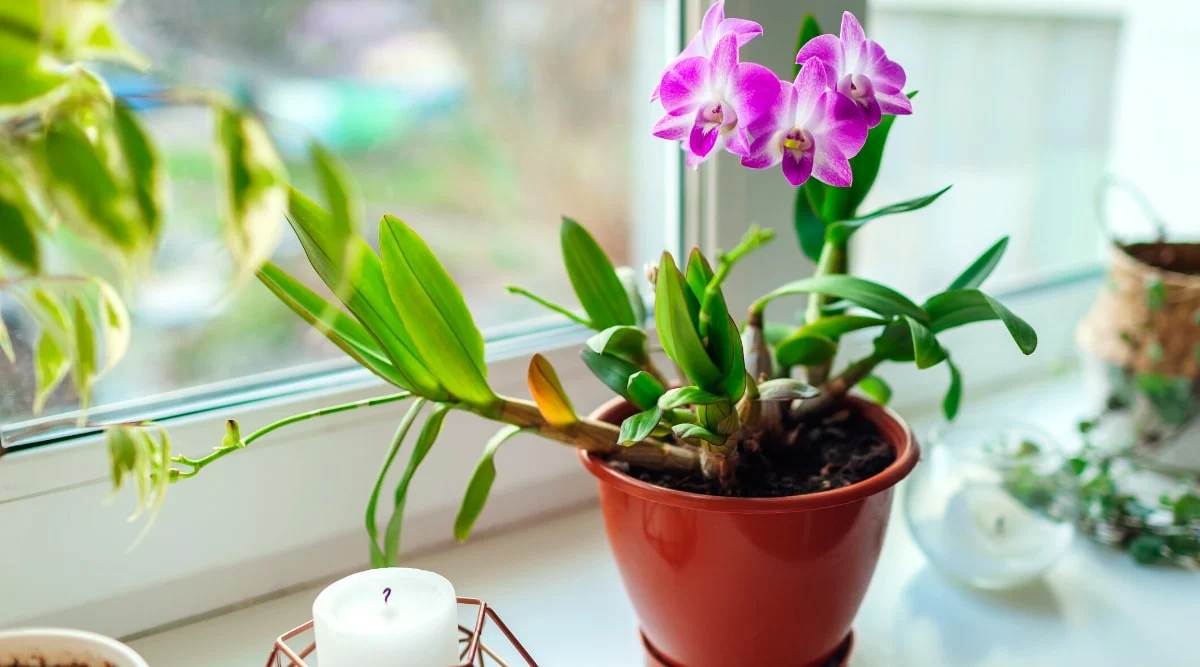
Dendrobium orchids have a reputation for being “fussy,” but I have found the opposite is true once you understand their rhythm. Many common cane-type Dendrobiums grow like little canes, store water in those canes, and follow a seasonal pattern: a push of growth, then a quieter rest. When beginners struggle, it is usually because they treat a Dendrobium exactly like a Phalaenopsis. These two orchids want different light and a different watering schedule.
Let’s make it simple, sustainable, and very doable in an average home.

Know your type
There are many Dendrobium species and hybrids, but for home care, two broad groups explain most of the confusion:
- Nobile-type Dendrobiums: often benefit from a cooler, drier rest to bloom well. Flowers commonly line the canes, and some are partly deciduous (they may drop leaves before blooming).
- Den-Phal (Phalaenopsis-type) Dendrobiums: prefer warmer, steadier conditions and bloom more like a Phalaenopsis, often on longer flower spikes.
If your plant tag says Dendrobium nobile or shows flowers all along the cane, lean toward the “cooler rest” approach. If it is labeled Den-Phal or the blooms look moth-orchid-like, keep it warmer and do not force a cold rest.
Light
Most Dendrobiums want bright light and will sulk in the softer light that makes Phalaenopsis happy. Think “sunny room” rather than “shady corner.”
Best window options
- East window: a favorite for many homes. Gentle morning sun, bright the rest of the day.
- South window: excellent if you use a sheer curtain or keep the plant slightly back from the glass.
- West window: can work, but watch for hot afternoon sun that can burn leaves.
How to read the plant
- Too little light: dark green leaves, weak new canes, reluctant blooming.
- Good light: medium green leaves, firm canes, steady growth in season.
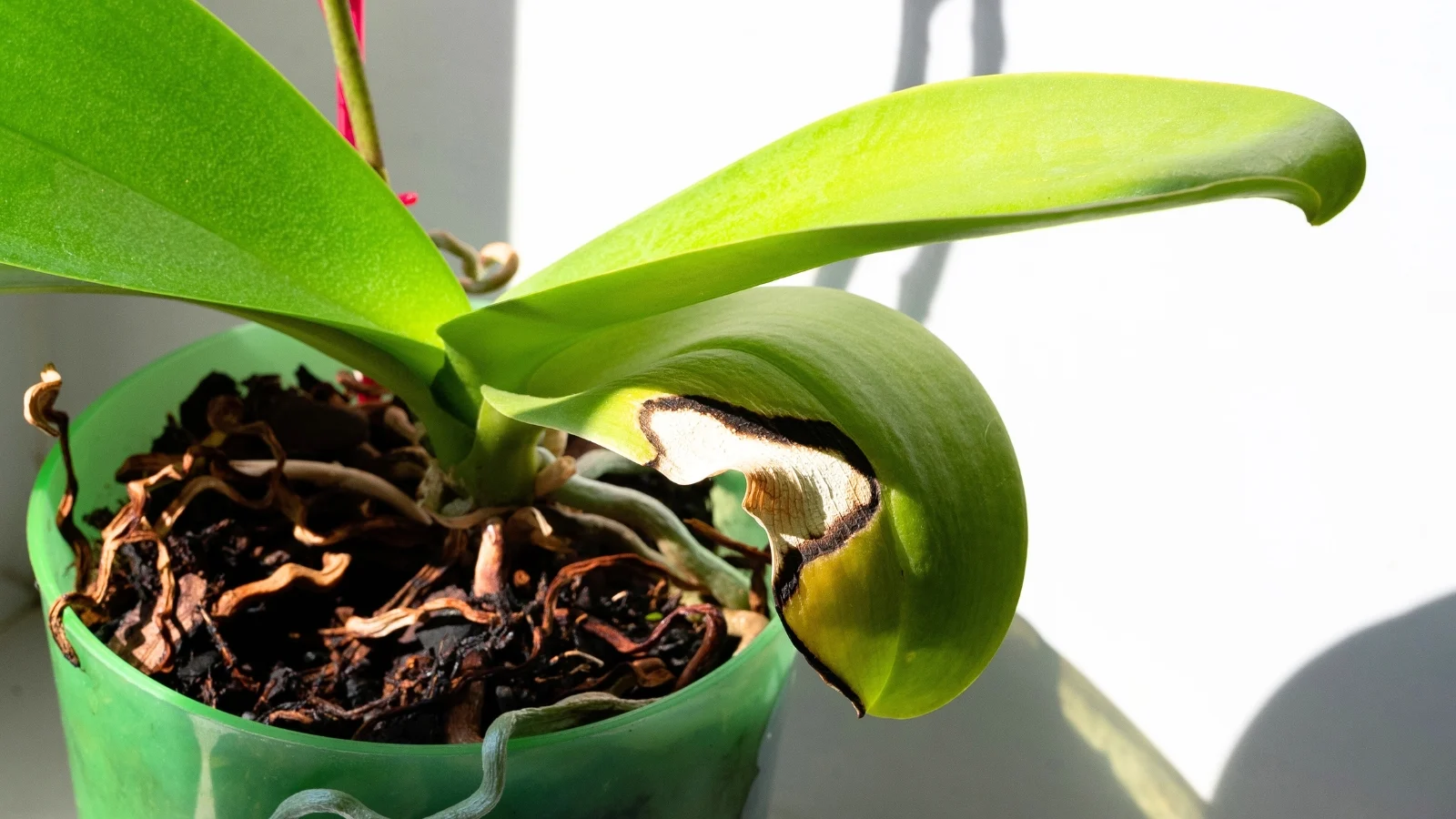
- Too much light: yellowing, bleached patches, crispy edges, or sunburn spots.
Tip from my own windowsill jungle: rotate the pot a quarter turn every week or two so new growth stays straight and balanced.
Watering
This is the heart of Dendrobium success. Many cane-type Dendrobiums want a wetter growth season and a drier rest. The goal is not to “stress” your orchid. The goal is to match what it is built to do. Some warm-growing types (including many Den-Phals) do not have a strong rest, so let the plant’s growth cues and your home conditions guide the intensity.
Spring to summer (active growth)
When you see new shoots, new leaves, and fresh root tips, your Dendrobium is working hard.
- Water thoroughly until water runs through the pot, then let it drain completely.
- Water again when the potting mix is nearly dry. In bark, that often means the top looks dry and the pot feels noticeably lighter.
- In warm weather with good light, this may be every 4 to 7 days indoors, sometimes faster in small pots.
Fall (slowing down)
As days shorten, many Dendrobiums slow. You may notice the plant is not drinking as quickly.
- Begin stretching the time between waterings.
- Keep canes firm, but avoid keeping the mix constantly damp.
Late fall to winter (rest for many nobile types)
For many nobile-type Dendrobiums, winter is a rest that supports future blooms. How dry you go depends on the hybrid, your home humidity, and whether the canes have finished maturing. The best rest is the one that keeps the plant healthy while still letting it “pause.”
- Water sparingly, often as light sips, just enough to prevent severe shriveling.
- Let the mix dry more fully between waterings.
- Reduce or pause fertilizer (more on that below).
- Keep light bright, even in winter, since buds often set under bright conditions.
Important: If you have a warm-growing Den-Phal, keep watering more consistent. Still let the mix approach dryness, but do not force a cold, dry rest.
A gentle rule that prevents root rot
If you are choosing between watering today or waiting one more day, wait. Dendrobium canes can store water. Soggy roots are the faster route to trouble.
Temperature and humidity
Most beginner-friendly Dendrobiums do well in typical home temperatures, but they appreciate a little structure.
Temperature
- Daytime: roughly 70 to 85°F (21 to 29°C) during growth is a happy range for many types.
- Night: a small nighttime drop helps across the board. For many nobile types, cooler fall and winter nights are especially useful for bloom initiation. If you can manage it, aim for about 50 to 60°F (10 to 15°C) at night for a few weeks, with bright days. If you cannot, do not panic. Increase light and improve the watering shift, and you can still get blooms.
Avoid placing your orchid directly in the path of heating vents, fireplaces, or blasting air conditioners. Dry, forced air can dehydrate canes fast.
Humidity
Aim for 40 to 60 percent if you can. If your home is dry, you have a few low-fuss options:
- Group plants together to create a small humid microclimate.
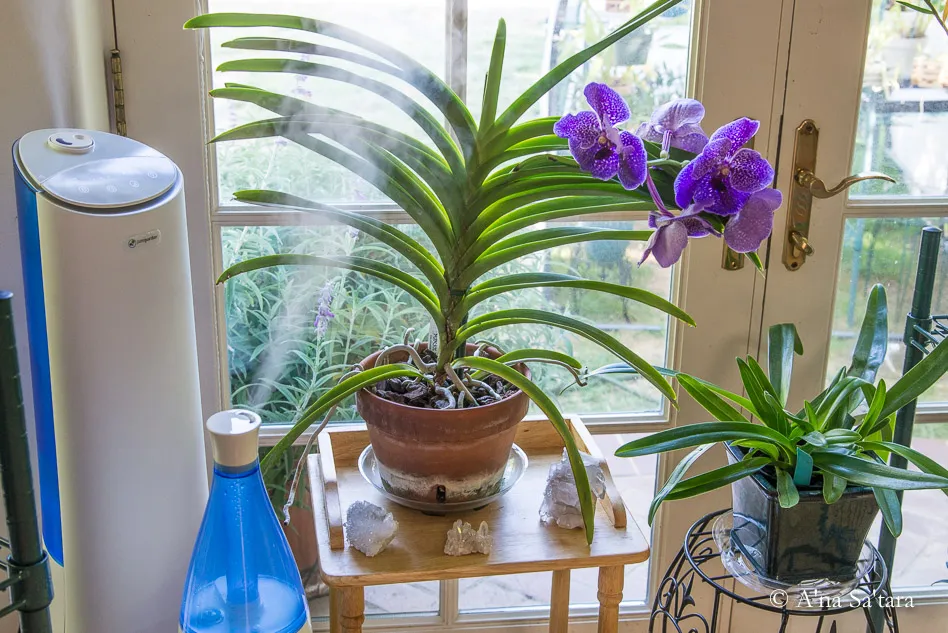
- Use a humidifier nearby (my favorite for consistency).
- Set the pot on a pebble tray with water below the pot level (helpful, but modest).
Whatever you choose, pair humidity with air movement. Stagnant, humid air is when fungal issues like to move in.
Water quality and airflow
Two quiet factors make a big difference over time: water quality and air movement.
- Water quality: If you have very hard water, salts can build up and stress roots. Rainwater, distilled, or RO water can be helpful if available. Avoid softened water (the kind treated with salts) since it can be rough on orchids.
- Airflow: Gentle airflow helps prevent rot and spotting. If you see black spots, mushy areas, or a “wet” look that spreads, reduce wetness on leaves, increase airflow, and let the mix dry more between waterings.
Potting media
Dendrobiums want oxygen around their roots. Most beginners succeed with a chunky, well-draining mix.
Beginner media choices
- Medium bark mix (often with perlite and charcoal): classic, forgiving, and breathable.
- Sphagnum moss: can work, especially in very dry homes, but it is easier to overwater because moss holds moisture longer.
If you are new to orchids and you tend to water “just in case,” pick bark. If you forget to water and your home is dry, moss can be helpful, but use it lightly and keep it fluffy, not packed tight.
Pot choice
- Clear plastic pots with side holes make it easier to see root health and moisture level.
- Clay pots breathe, but they dry faster and can cling to roots.
Feeding
Dendrobiums respond well to gentle feeding during active growth. You are not trying to “force” the plant. You are supporting steady, healthy tissue that can bloom later.
Simple routine
- Spring through summer: fertilize every 2 to 4 weeks at 1/4 to 1/2 strength using a balanced orchid fertilizer.
- Fall: reduce frequency as growth slows.
- Winter: for nobile types in rest, pause or feed very lightly, especially if you are watering less. For Den-Phals, keep light feeding if the plant is still growing.
Once a month, water with plain water to help flush out fertilizer salts, especially if you use tap water or your mix dries slowly.
Repotting
Dendrobiums usually prefer being a bit snug in their pot, so do not repot just because you bought it. Repot when the plant gives you a reason.
Safe cues
- The potting mix breaks down and looks fine-textured, sour, or stays wet too long.
- Roots are struggling: mushy, hollow, or consistently dying back.
- The plant is physically unstable, tipping, or climbing out of the pot.
- You see new root tips starting, which is the best time for many Dendrobiums because they recover faster.
Best timing
- Best: spring into early summer, as active growth begins.
- Avoid when possible: deep winter rest, or when in full spike and bloom, unless the media is rotting and you must act.
Gentle steps
- Water the plant the day before so roots are more flexible.
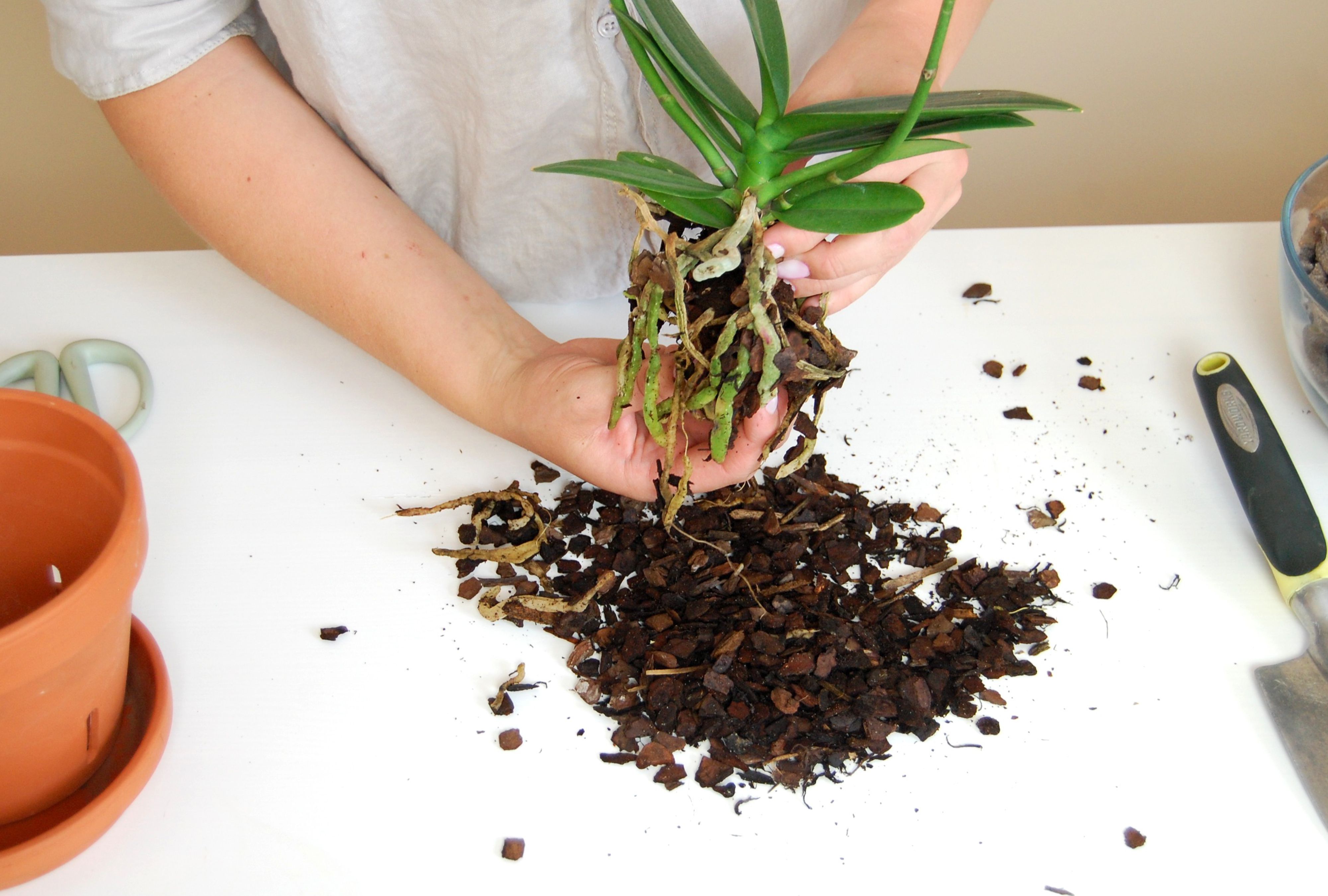
- Slide it out and tease away old mix slowly. Do not rip roots free like you are pulling weeds.
- Trim only dead roots: mushy, hollow, or papery. Firm roots stay.
- Choose a pot only 1 to 2 inches wider than the root mass.
- Hold the plant so the newest growth has room to expand, then tuck bark around roots without packing it tight.
- After repotting, keep the mix slightly on the drier side for about a week, then resume normal watering for the season.
Common setbacks
If you have grown a Phalaenopsis, you already have good plant instincts. You just need to aim those instincts a little differently.
1) Wrinkled canes
What it means: mild wrinkling can mean thirst, low humidity, or roots that are not working well. During a winter rest, some slight shrivel can be normal, especially on older canes.
- Check roots and media first. If roots are compromised, more water will not help until the root zone is fixed.
- During growth season, increase watering frequency slightly and boost humidity.
- During rest, give small sips rather than full soakings if your type is meant to be drier.
2) Yellow leaves
What it means: one older leaf yellowing can be normal. Multiple yellowing leaves can signal too much water, low light, or temperature stress.
- Compare to Phalaenopsis: Phals often tolerate lower light and steadier moisture. Dendrobiums want brighter light and a drier rhythm between waterings.
- Make sure water is draining fast and the plant is not sitting in a cachepot of water.
3) No blooms
Most common causes: insufficient light, constant warmth at night, or skipping the seasonal shift (especially for nobile types).
- Increase light first, safely.
- For nobile types, aim for cooler nights in fall and winter (if possible) and reduce watering once canes mature. The exact rest intensity varies by hybrid and home conditions, so use cane firmness as your guide.
4) Bud blast
Triggers: sudden temperature swings, drafts, very dry air, or moving the plant repeatedly.
- Keep blooming plants away from exterior doors and heating vents.
- Stabilize humidity and avoid rotating or relocating once buds form.
Pests
Pests happen, even in clean homes. Catching them early is half the battle.
Common culprits
- Mealybugs: white, cottony clusters in leaf joints and along canes.
- Scale: small, hard bumps on leaves or canes, sometimes with sticky residue.
- Spider mites: fine webbing and stippled, dusty-looking leaves, often in dry air.
Simple first response
- Isolate the plant for a couple of weeks.
- Wipe pests off with cotton swabs dipped in isopropyl alcohol (test a small area first).
- Rinse the plant and repeat weekly until you see no new pests.
- If an infestation is persistent, use an orchid-safe insecticidal soap or horticultural oil according to the label.
Seasonal timeline
If you only remember one thing, remember this: many Dendrobiums like a yearly pattern. Here is a beginner-friendly version that works for many common hybrids.
Spring
- New growth begins: increase watering, begin gentle feeding.
- Brighten light gradually after winter.
- Repot if needed when you see new root tips.
Summer
- Peak growth: water thoroughly as mix approaches dryness.
- Fertilize lightly and consistently.
- Provide airflow and watch for heat stress near sunny windows.
Fall
- Growth slows: reduce fertilizer and stretch watering intervals.
- For nobile types, aim for cooler nights if possible.
Winter
- For nobile types: drier rest, cooler nights, bright light. Some leaf drop can be normal and can be part of the lead-up to blooming.
- For Den-Phals: keep warm, keep a steadier watering routine, just slower than summer.
FAQ
How do I get my Dendrobium to bloom again?
Start with brighter light. Then match watering and feeding to the season. If you have a nobile-type Dendrobium, give it a cooler, drier rest in fall and winter with bright light. Many plants set buds when nights are cooler and watering is reduced.
Do Dendrobiums bloom on old canes or new canes?
Often both, depending on type. Nobile types commonly bloom along mature canes. Some types bloom from the tops of canes or on spikes from newer growth. Do not cut canes just because they finished blooming. Green canes still store energy and support the plant.
Why is my Dendrobium dropping leaves?
Some seasonal leaf drop can be normal, especially for nobile types heading into rest, and it can happen right before blooming. If leaf drop is rapid or paired with yellowing and soft canes, check for overwatering and root problems. If leaves drop after a cold draft or heat blast, it may be environmental stress.
Should I cut back the cane after flowering?
Usually no. Only remove a cane when it is fully brown, dry, and clearly dead. Green canes are valuable storage, even if they look a bit plain after the flowers fade.