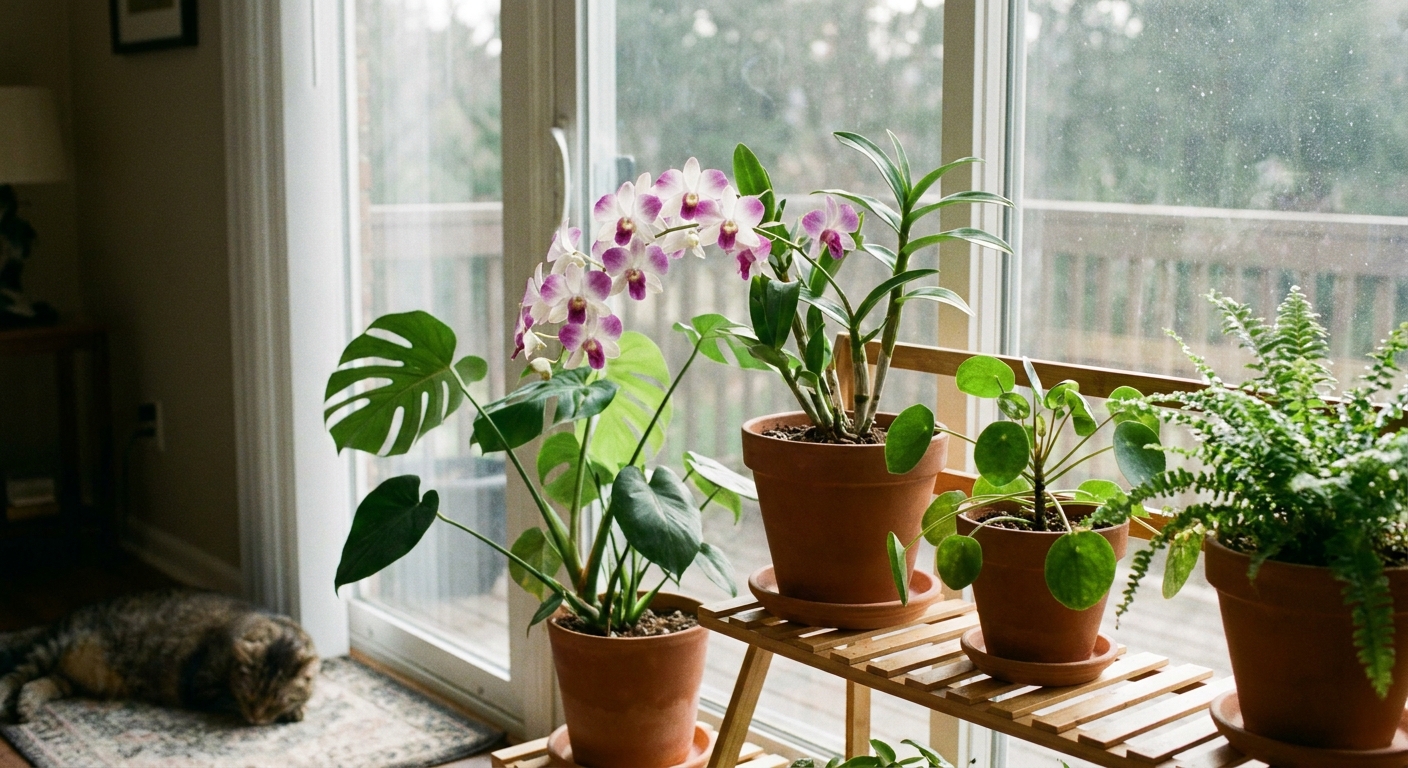
Dendrobium Orchid Care

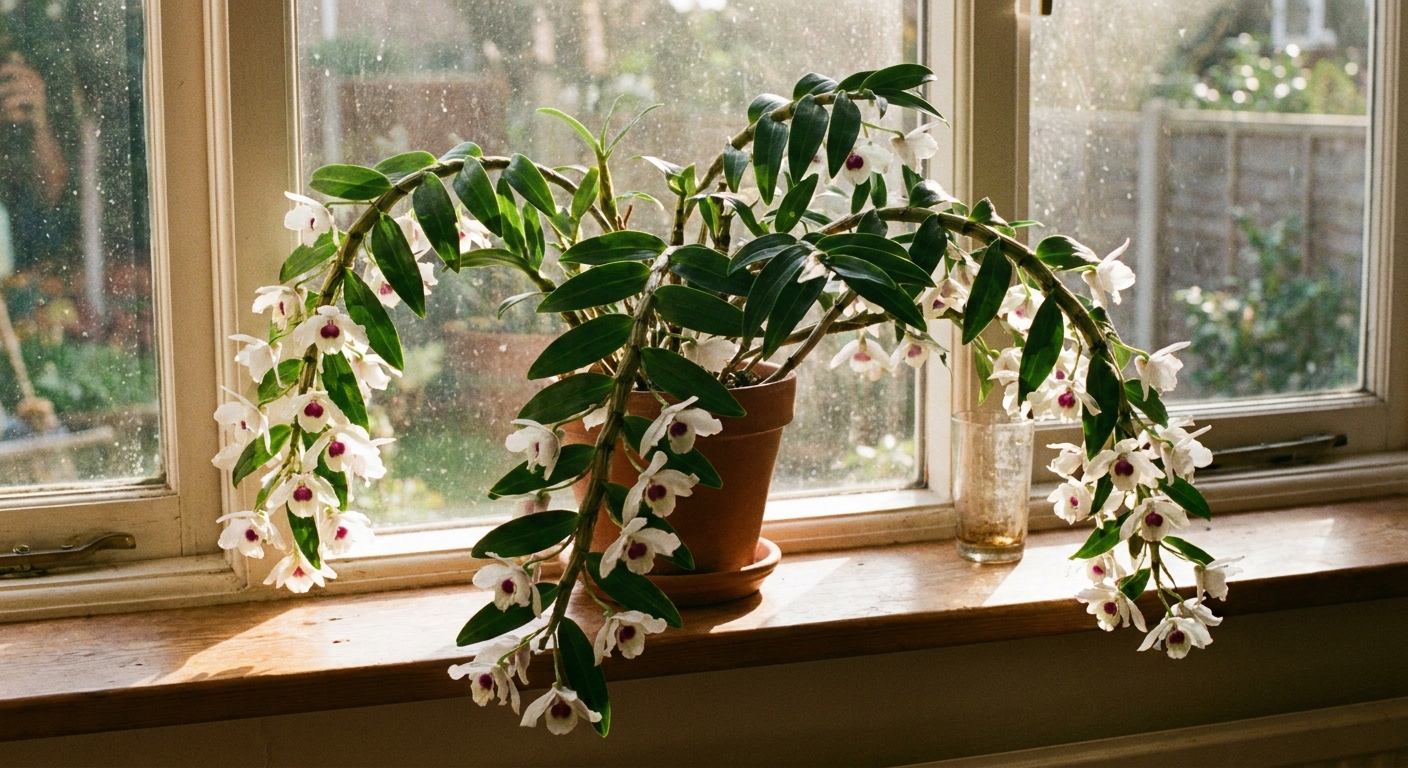
Dendrobium orchids are the kind of plant that can make you feel like a botanical wizard one week and a nervous beginner the next. I have been there. The good news is that most Dendrobiums are not “difficult,” they are just specific. Once you match the care to the type you have, they settle in and start behaving like the resilient plants they are.
This guide will help you (1) figure out what style of Dendrobium you are growing, (2) dial in the few care details that matter most, and (3) get those blooms back on schedule.

Meet the Dendrobium family
“Dendrobium” is a big orchid group with many species and hybrids. In everyday houseplant life, many of us are growing one of two very common styles, and they want slightly different seasons. That said, plenty of widely sold hybrids fall into other groups (like spatulata or “antelope” types) that may want brighter light and different temperature cues, so if your plant refuses to match the patterns below, it might simply be a different branch of the family.
Type 1: Den-Phal (Phalaenopsis-type Dendrobium)
These have evergreen leaves on upright canes and tend to bloom from the upper nodes of mature canes (often near the top half). They usually like warm, steady conditions year-round and do not require a cool rest to flower.
Type 2: Nobile-type Dendrobium
These often have canes that can shed leaves in fall or winter. They typically bloom from many nodes along the sides of mature canes, and many need a brighter, cooler, drier winter rest to trigger buds.
If you are not sure which you have, look at where it bloomed (mostly on upper nodes versus along many nodes), whether the plant drops leaves in winter, and what your tag says. When in doubt, start with the warm-growing basics, then experiment with a gentle winter rest only if your plant refuses to rebloom.
Light: the make-or-break ingredient
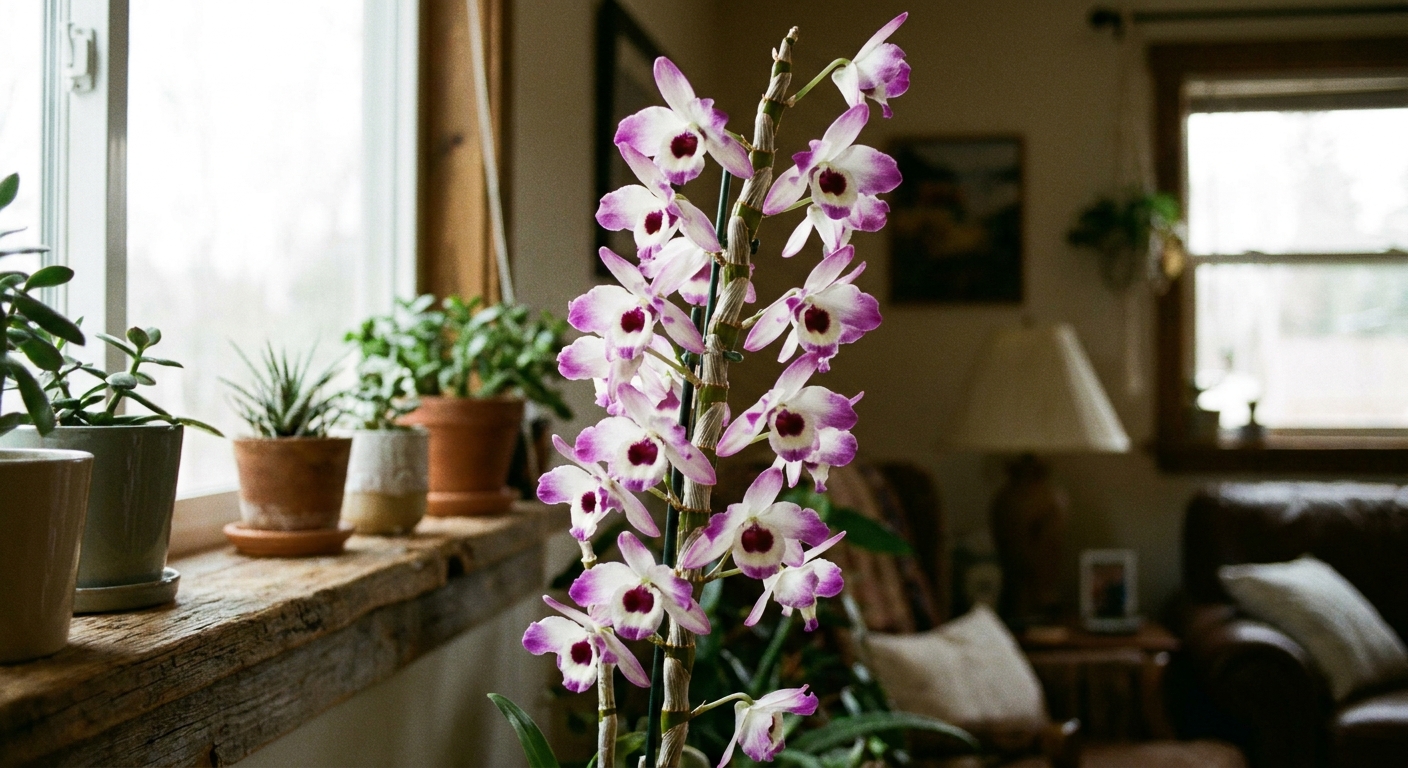
Dendrobiums want bright light. Not “dim corner by the bookshelf” light. Bright.
- Best indoor placement: An east window (gentle morning sun) or a bright south or west window with light filtering if the sun is intense.
- What good light looks like: Leaves are medium green, canes are firm, and new growth is sturdy, not floppy.
- Too little light: Dark green leaves, weak thin canes, slow growth, and lots of “healthy plant, zero flowers.”
- Too much light: Yellowing or bleached patches, crisp edges, or sunburn scars.
My favorite trick is to slowly increase light over 10 to 14 days, moving the plant closer to the window a little at a time. Orchids love gradual changes. Sudden changes make them sulk.
Temperature: steady vs seasonal
You do not need a greenhouse to get this right. You just need the right “vibe” for your type.
Den-Phal
- Comfort zone: Typical home temps are fine, roughly 65 to 85°F.
- What matters most: Consistency plus bright light. Avoid cold drafts and chilly window glass in winter.
Nobile-type
- Growing season: Comfortable home temps are fine with bright light and regular watering.
- Winter rest cue: Cooler nights than summer, plus very bright light. Many classic nobile hybrids set buds best with nights roughly 45 to 60°F (depending on the hybrid and what you can manage), with a noticeable day to night drop.
Practical note: “Cool and bright” beats “cool and dim” every time for nobile-types. The light still does a lot of the heavy lifting.
Watering: soak, drain, repeat
Dendrobiums like a thorough watering, then they want to breathe. Think “rainstorm and breeze,” not “wet feet.”
How to water
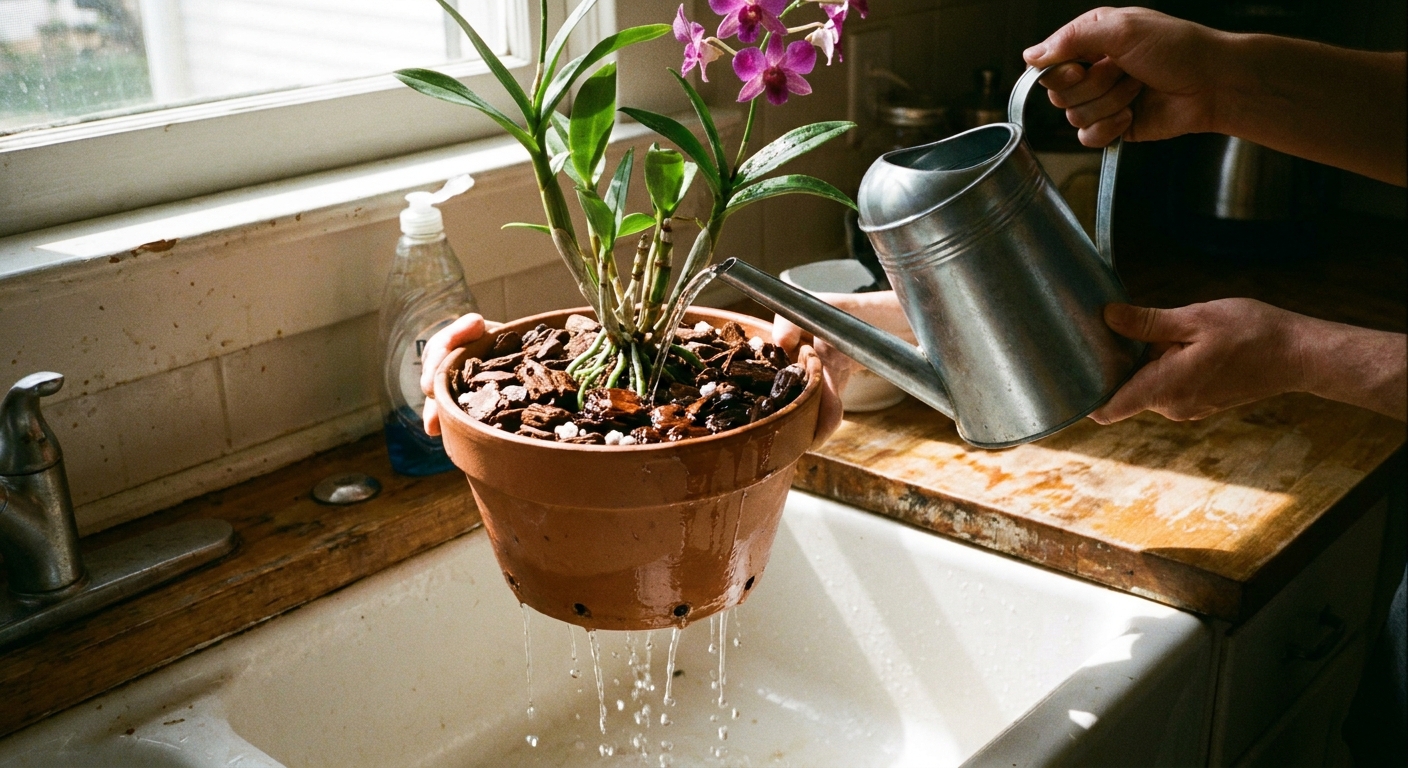
- Take the pot to the sink.
- Water generously until it runs freely from the drainage holes.
- Let it drain completely. No standing water in a cachepot or saucer.
- Return it to its spot.
How often
Frequency depends on light, temperature, pot size, and medium. Use these as starting points and always adjust to how fast your mix dries in your home.
- Spring and summer: Water when the top of the medium is dry and the pot feels lighter. Often every 4 to 7 days.
- Fall and winter (Den-Phal): Water a bit less often, usually every 7 to 12 days.
- Fall and winter (many nobile-types): Reduce watering significantly once canes mature and temperatures drop. The goal is not bone-dry for months, but noticeably drier than summer. Resume more regular watering when you see buds or new growth.
If you are stuck between “too wet” and “too dry,” choose slightly drier. Dendrobium roots hate staying soggy.
Humidity and airflow
Dendrobiums come from places with moving air and regular humidity. You can mimic that at home without turning your living room into a swamp.
- Humidity target: Roughly 40 to 60 percent is comfortable for most homes and for many Dendrobium hybrids.
- Easy humidity: Group plants together, run a small humidifier nearby, or use a pebble tray (pot sits above the waterline, not in it).
- Airflow: Gentle airflow helps prevent fungal problems. A small fan on low across the room is often enough.
Potting mix and pots
Most Dendrobiums do best in a chunky, fast-draining orchid mix. Many are grown in bark, sometimes with a little perlite, charcoal, or sphagnum mixed in depending on your home’s dryness.
What to use
- Chunky bark mix: Great for most homes and most Dendrobiums.
- More sphagnum added: Helpful if your air is very dry or you forget to water.
- Less sphagnum, more bark: Better if you tend to overwater or your space is cool.
Pot choice
Use a pot with lots of drainage. Clear plastic orchid pots inside a decorative outer pot work nicely because you can check roots and moisture. Clay pots breathe well but dry faster.
When to repot
- Every 1 to 2 years, or when the mix breaks down and stays wet too long.
- When new roots are just starting, often in spring as new growth begins.
How to repot (quick and gentle)
- Slide the plant out and tease away old mix.
- Trim dead roots (mushy, hollow, or papery). Keep firm roots.
- Set the plant so the base is stable and the canes are not buried too deep.
- Fill with fresh mix and tap the pot to settle it. Do not pack it tight.
- Water lightly at first, then return to normal watering as new roots grab on.
One gentle reminder: Dendrobiums can be snug in their pots. “Slightly tight” is often perfect.
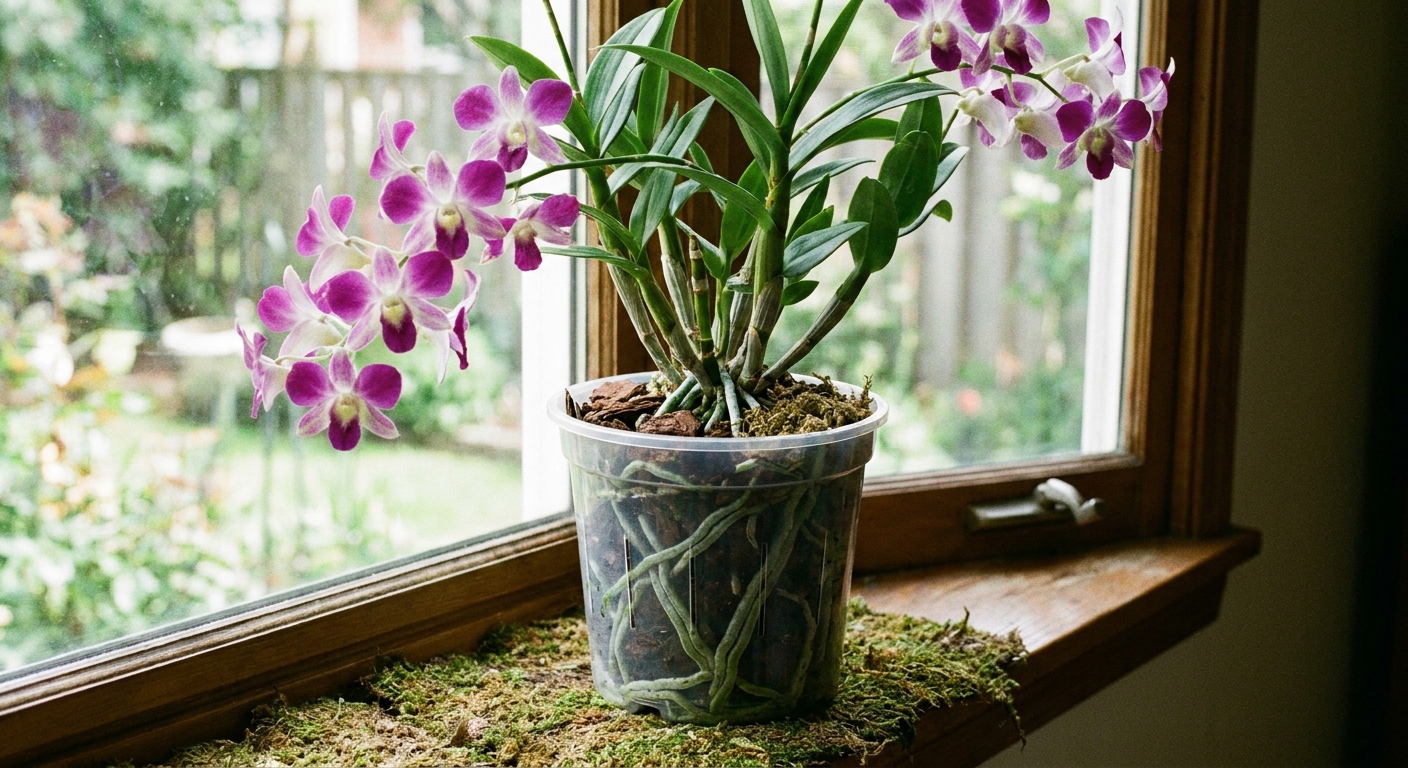
Feeding: small snacks
Dendrobiums respond beautifully to light, consistent fertilizing during active growth.
- During spring and summer: Fertilize every 2 to 4 weeks at quarter to half strength using a balanced orchid fertilizer.
- Flush monthly: Water thoroughly with plain water to rinse out salts, especially if you use tap water.
- In winter: Reduce fertilizer. For nobile-types in rest, you may stop feeding until new growth resumes.
If your plant is not actively growing, feeding more will not force it. It will just stress the roots.
How to get reblooms
This is the part everyone wants, and I do not blame you. Those flowers are pure joy.
For Den-Phal
- Bright light is key. Many “won’t bloom” cases are simply not enough sun.
- Let canes mature. Blooms come from mature canes. New canes grow first, then bloom later.
- Do not cut green canes. Even after flowering, green canes keep feeding the plant and may bloom again.
For nobile-types
- Give a cool, bright rest. In fall to winter, aim for cooler nights than summer plus very bright light.
- Water less. Keep the plant on the dry side once growth has matured.
- Hold the fertilizer. Pause feeding during the rest period.
When you see buds swelling along the cane, gradually resume normal watering. If you see little green points that look like tiny leaves instead of buds, those are often keikis (baby plants). Keikis can be associated with warmer temps, extra nitrogen, and a too-wet rest, but some plants simply do it more than others, and stress can trigger them too.
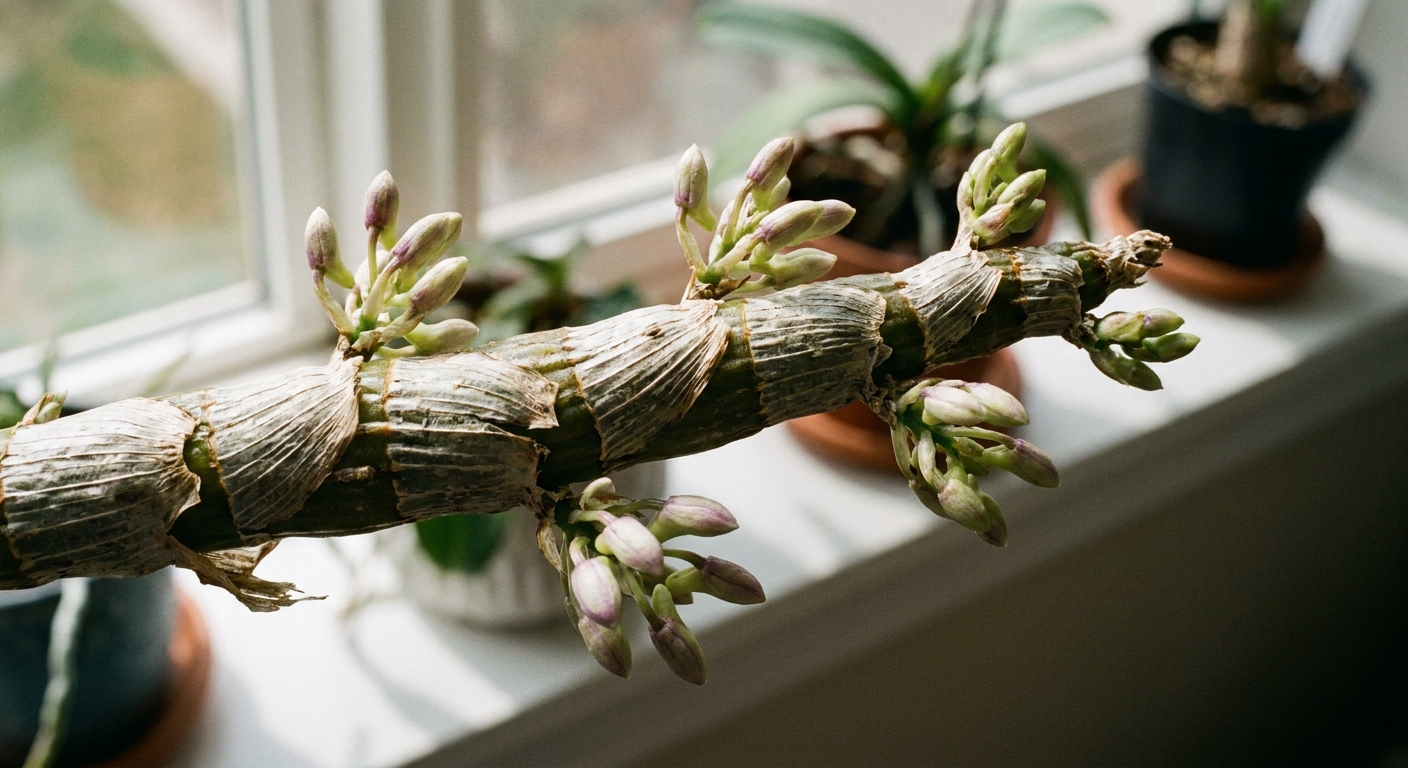
Pruning and after-bloom
Dendrobiums do not follow the “cut the spike” rules you might know from Phalaenopsis orchids.
- Spent flowers: Snip off the dried flower stem portions if they look messy, but keep the cane if it is green and firm.
- Old canes: Only remove canes when they are fully shriveled, brown, and clearly done. Old canes act like pantry storage, and some types can bloom from older canes more than once.
- Leaf drop: For nobile-types, some winter leaf drop can be normal. Even leafless canes can still bloom if they are plump and healthy. Do not panic-prune a healthy cane.
Common problems
Wrinkled canes
Most common cause: Dehydration, often from underwatering or damaged roots.
- Check roots. Healthy roots are firm and pale green or silvery when dry.
- Water more thoroughly, not more often. Make sure the mix actually gets soaked.
- If roots are mushy or the mix is broken down, repot.
Yellow leaves
- One or two older leaves yellowing: Often normal aging.
- Many leaves yellowing fast: Check for soggy mix, root issues, or too much hot sun.
Bud blast (buds fall off)
Dendrobium buds can drop when conditions change quickly.
- Avoid drafts from heating vents or cold windows.
- Keep watering consistent while buds develop.
- Try not to move the plant around once buds set.
No blooms
- Increase light gradually.
- Confirm your type. Nobile-types often need that cool, bright winter rest.
- Be patient with new canes. Many bloom only after fully maturing.
Pests: quick action
If your Dendrobium is struggling and the care basics look right, check for pests. The usual suspects are sneaky.
- Mealybugs: White cottony clusters in leaf joints or along canes. Remove with a cotton swab dipped in isopropyl alcohol, then repeat weekly until gone.
- Scale: Small tan or brown bumps that do not wipe off easily. Gently scrape off, then treat with horticultural oil or insecticidal soap (test a small area first).
- Spider mites: Fine webbing and stippled, dull leaves, often in dry air. Rinse the plant, increase humidity a bit, and treat with soap or miticide if needed.
Whatever you use, follow the product label and keep the plant out of direct sun until sprays dry.
Pet safety
Orchids are generally considered non-toxic to cats and dogs, and many pet owners keep them without issue. Still, every pet is an individual, and chewing any plant can cause stomach upset. If your pet has eaten part of your orchid and seems unwell, contact your veterinarian.
Weekly checklist
- Light: Bright spot near a window, with gentle acclimation if you increase sun.
- Water: Soak and drain when the pot feels light and the top is dry.
- Roots: Peek for firmness and color changes.
- Growth: New cane forming? Great. Support with a stake if needed.
- Pests: Check undersides of leaves and cane joints for scale or mealybugs.
Use the cues above to identify your type, then follow the matching care plan for a few months before you change too many variables at once. With Dendrobiums, steady effort beats constant tinkering.