
Dendrobium Nobile Winter Rest

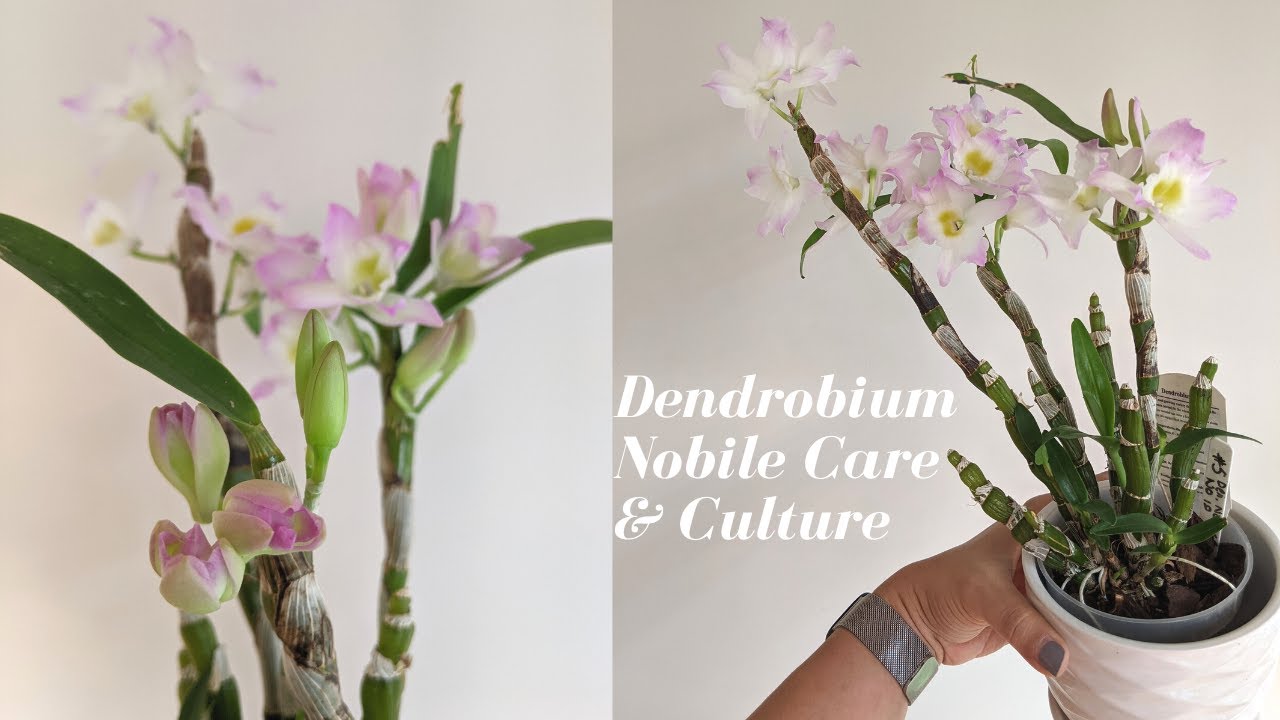
Nobile-type dendrobiums have a funny little secret: they often bloom best when you stop babying them for a while. If you have a Dendrobium nobile or a nobile-type hybrid (those chunky canes with lots of nodes), winter is not business as usual. It is the season of cooler temperatures, brighter light, and much less water. That “rest” is what tells the plant to set flower buds instead of pumping out leafy growth.
In this guide, I will walk you through what winter rest actually looks like, how to water without rotting anything, and how to know your orchid is on track for those glorious spring blooms.

What winter rest means
In habitat, many nobile-type dendrobiums experience a cool, dry winter followed by warmer, wetter weather in spring. They respond by slowing down, dropping leaves on mature canes, and preparing buds along the nodes. At home, we mimic that pattern.
Dormancy vs rest
You will see both words used. For nobile-types, winter is often a rest period rather than a total shutdown. The plant is alive and ticking, but it is not trying to grow new canes. Your job is to keep it hydrated enough to avoid severe shriveling, while still keeping it dry enough to cue blooming.
Why rest triggers flowers
When nights are cool and watering is reduced, the plant shifts hormones and energy toward flower bud initiation on mature canes. If it stays warm and wet all winter, it is more likely to make keikis (baby plants) or leafy growth instead of flowers.
Confirm it is nobile-type
“Dendrobium” is a big, chaotic family. The winter-rest advice on this page is for nobile-type dendrobiums, which are usually deciduous or semi-deciduous.
Signs of a nobile-type
- Thick, upright canes that look like little bamboo stalks (these canes function like pseudobulbs, storing water and energy).
- Flowers emerge along the sides of the cane (from nodes), often in spring.
- Many varieties drop some or most leaves in fall or winter, though some hybrids keep more foliage.
Quick contrast: Den-Phals
Evergreen dendrobiums sometimes sold as “Den-Phals” hold their leaves and act more like a warm-growing houseplant orchid. They generally do not want a true cool, dry rest. Instead, they prefer steady warmth, regular watering, and bright, filtered light year-round.
If your dendrobium never drops leaves and blooms from the top portion of newer canes like a spray, you may have an evergreen type. Do not force a hard rest on those.
When to start rest
Timing depends on your home and your plant’s growth cycle, but this is the pattern I look for:
- New canes finish growing and the top leaves look mature and firm.
- The plant naturally slows down in fall.
- Nights in your area start cooling (even indoors, window areas cool a bit).
For many growers in the Northern Hemisphere, that means easing into rest from late fall through winter. The big mistake is cutting water too early while the newest canes are still actively elongating.
How long rest lasts
Most nobile-types need a sustained stretch of cool nights and drier conditions to set buds. In many homes that works out to roughly 6 to 10 weeks, sometimes longer. Practically speaking, you stay in “rest mode” until you see buds forming and starting to swell at the nodes, then you ease up the water a bit.
Watering during rest
I know. “Water less” sounds simple until you are staring at a cane and wondering if it is thirsty or just being dramatic.
The goal
Keep the plant on the dry side while preventing severe dehydration. During rest, nobile-types should not be kept evenly moist. That tends to encourage keikis and can contribute to rot when temperatures are cooler.
A practical approach
- As the newest cane matures: taper fertilizer first, then begin spacing waterings farther apart.
- In deeper winter: water only when the potting mix is fully dry and the canes show mild wrinkling.
- Match your media: in moss, larger pots, or cool rooms, “fully dry” can take much longer. In a very dry home with brisk air movement, it can be shorter.
How often is that? It can range from every 10 to 21 days indoors, sometimes longer in a cool room, especially in moss or oversized pots. Your pot size, media (bark vs moss), airflow, and humidity matter more than the calendar.
Small drinks vs real watering
When I say “small drinks,” I mean less often and with care, not frequent little sips every few days. A light sip that only wets the top can leave salts behind. If you need to water, it is usually better to water the media evenly, then let it dry all the way again. If your home is very cool and your pot takes forever to dry, keep that watering modest and make sure there is no standing water in the cachepot or saucer.
What too dry looks like
- Canes become deeply accordion-wrinkled, not just lightly lined.
- Canes feel soft and deflated instead of firm.
If you see that, give a more thorough watering, then let it dry again. Think of it like keeping a canteen half-full, not running a constant drip line.
What too wet looks like
- Potting mix stays damp for days and days.
- Roots look brown and mushy.
- Keikis pop up along the canes (this can be a clue the plant stayed too warm, too wet, too well-fed with nitrogen, or just genetically eager).
If the plant stays wet and cool, rot risk jumps. If your mix holds water, consider improving airflow, moving to a slightly warmer spot, or repotting in spring into a chunkier bark blend.
Temperature
For many nobile-types, a nighttime temperature drop is the bloom switch. You do not need to turn your home into a mountain cabin, but you do want cooler nights than summer.
Day and night difference
- Days: bright and comfortable room temps are fine.
- Nights: often around 50 to 60°F (10 to 16°C) depending on the hybrid. Many bloom well in the mid to upper 50s°F, while some respond best closer to about 50 to 55°F for several weeks. The real goal is a clear, consistent night drop.
If you can manage cooler nights near a window, in a sunroom, or in a spare bedroom that runs cooler, that often helps a lot.
Important: Avoid freezing temperatures and cold drafts that hit the plant directly. Cool is helpful. Icy is not.
Light in winter
During rest, nobile dendrobiums still want strong light. In nature, winter can be bright even when it is dry and cool. Indoors, this usually means your brightest window, with a little caution.
Indoor light targets
- East or south window is often ideal (south may need slight filtering in very sunny climates).
- Leaves (if present) should be a healthy medium green, not deep forest green.
- Supplemental grow lights can be helpful, especially in short-day winters.
If your plant is leafless, do not panic. The canes still photosynthesize a bit, and the brighter light supports bud development.
Humidity and airflow
Winter is tricky because indoor air often gets dry just as you are watering less. Keeping decent ambient humidity helps the canes avoid severe shriveling while you maintain the drier rest.
- Aim for comfortable household humidity if you can (many growers do well around 40 to 60 percent).
- Use a humidity tray or a small humidifier nearby, but keep air moving so the pot does not stay cold and wet.
- Think “humid air, dry roots” during rest.
Fertilizer
During winter rest, fertilizing is usually not needed and can push the plant toward growth rather than flowering.
- In fall as growth finishes: taper fertilizer down.
- During rest: hold fertilizer.
- When buds, new roots, or new growth begin in late winter or spring: resume gentle feeding.
When you restart, I prefer a diluted, balanced fertilizer and a good flush with plain water occasionally to prevent salt buildup.
Signs it is working
The most exciting sign is small bumps forming at the nodes. This is where a little patience pays off, because buds and keikis can look similar at first.
Bud vs keiki
- Flower buds tend to look like compact, rounded nubs that stay close to the cane.
- Keikis usually elongate and begin showing tiny leaves and eventually roots.
If you are seeing keikis everywhere, it is often a clue that the plant stayed too warm, too wet, too dark, overfed with nitrogen, or some combination of the above. Sometimes it is also just genetics doing their thing.
When to water more
Once buds are clearly forming and starting to swell, you can increase watering slightly. The key word is slightly.
A gentle ramp-up
- Move from occasional tiny drinks to a moderate watering when dry.
- Keep light bright and temperatures steady.
- Avoid big swings like soaking the pot after weeks of bone-dry conditions.
Sudden changes in moisture, temperature, or drafts can contribute to bud blast, where buds yellow and drop. Very low humidity can also play a role, and so can ethylene exposure from ripening fruit (yes, really), plus sudden heat spikes. Treat swelling buds like a promise: stable conditions help the plant keep it.
Common mistakes
Mistake: “It lost leaves, so it is dying”
Leaf drop on mature canes is normal for many nobile-types. Focus on cane firmness and root health.
Mistake: Watering on a schedule
Instead, water based on dryness and cane condition. In winter, drying time changes week to week.
Mistake: Too warm at night
If possible, provide cooler nights. Even a few degrees can make a difference.
Mistake: Too little light
Bright light is part of the blooming recipe. Move closer to the window or add a grow light.
Mistake: Repotting mid-rest
Try to repot after flowering when new roots begin, usually spring. Winter repotting can stress the plant and interrupt bud development.
After flowering
Once your nobile-type dendrobium blooms, keep up bright light and water when approaching dry. When you see fresh growth and new roots, that is your cue to move back into the growing-season routine with regular watering and light feeding.
And a gentle reminder from someone who has absolutely fussed too much over orchids: do not cut old canes just because they look bare. Mature canes store energy for future growth and flowering, even when they have dropped their leaves. Only remove canes that are truly dead (brown, hollow, and fully dried out).
Quick checklist
- Cooler nights with a noticeable day and night difference.
- Bright light all winter.
- Water sparingly, only after the mix dries fully, adjusting for media and pot size.
- No fertilizer during the core rest period.
- Decent humidity with good airflow to limit shriveling without keeping roots wet.
- Watch the nodes for swelling buds, then gently increase water.
If you are reading this on a site with comments or a way to reply, share your plant label and your winter setup (window direction, approximate night temps, and potting media). Those details make it much easier to fine-tune a rest routine that actually works in your home.