
Cyclamen Care for Beginners

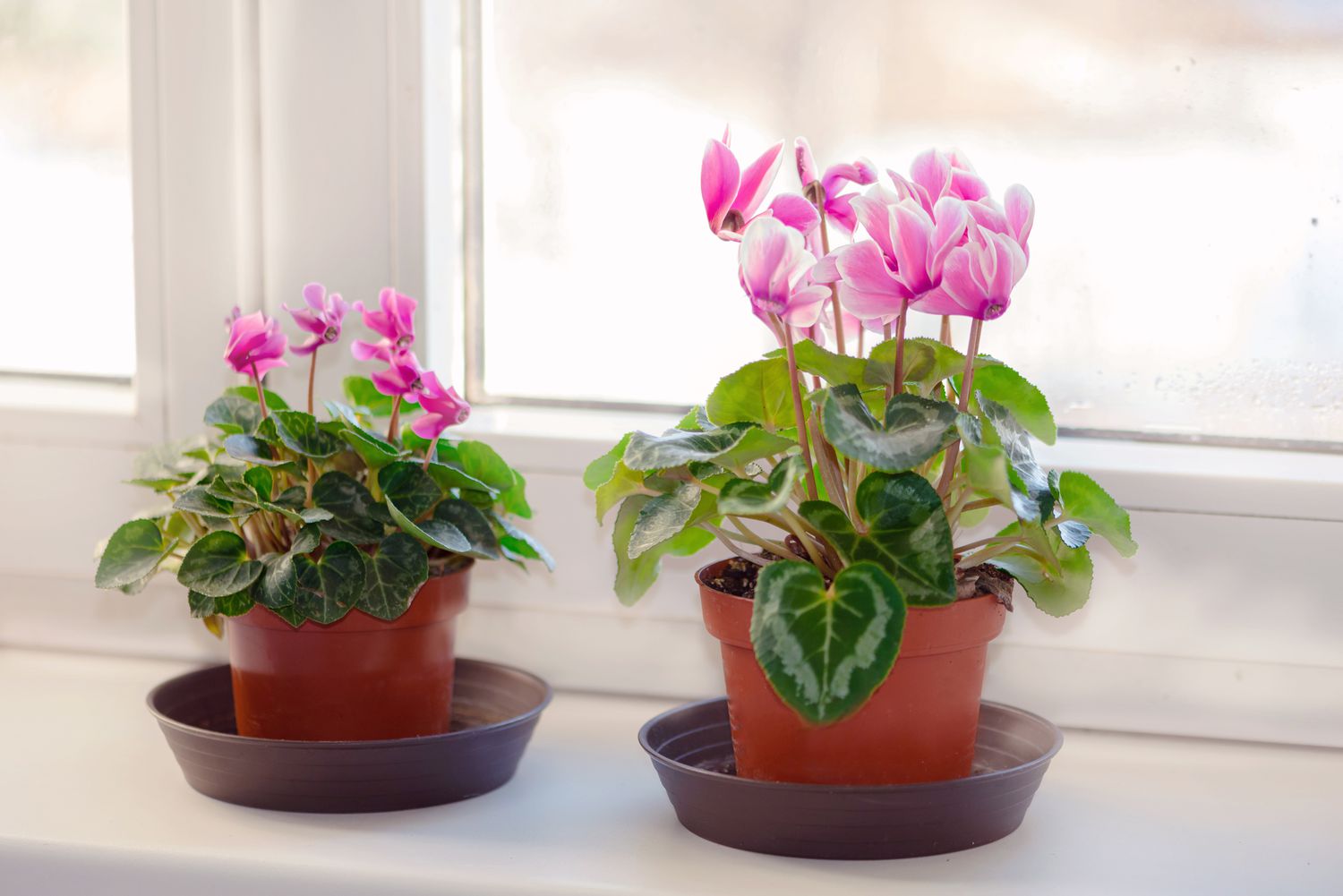
If you have ever brought home a cyclamen because the flowers looked like little butterflies, then watched it sulk a few weeks later, you are not alone. Cyclamen is one of the most misunderstood flowering houseplants because it can run on a reverse schedule. While many plants are waking up in spring, cyclamen is often gearing up for its nap.
The good news is that cyclamen is not “fussy” so much as “very specific.” Give it cool air, bright light, and the right kind of watering, and it will bloom its heart out through fall and winter.
Meet cyclamen: a winter-growing houseplant
Most indoor cyclamen sold as houseplants are Florist’s cyclamen (Cyclamen persicum). It grows from a rounded storage organ called a tuber, which is basically a little pantry of energy. That tuber is why cyclamen can bloom heavily, then disappear for a while, then come back again.
The reverse cycle in plain English
- Fall through spring (typically): Active growth. Leaves and blooms appear and the plant drinks more.
- Late winter through summer (often): Slowdown or dormancy. Leaves yellow, fade, and the plant rests. Water needs drop dramatically.
- Early fall: New growth restarts when temperatures cool, especially if the tuber stayed healthy.
If you remember just one thing, let it be this: cyclamen hates hot, stuffy rooms. Heat is the fastest way to turn a cheerful plant into a yellow-leafed mess.
Quick-start care checklist
Use this as your “nursery tag” guide.
- Light: Bright, indirect light. Gentle morning sun is great.
- Temperature: Cool. Aim for 55 to 65°F (13 to 18°C). Cooler nights help. If you can hit 50°F (10°C) at night, even better, but most homes will not.
- Water: Keep soil lightly moist while blooming, then reduce as it heads toward dormancy.
- How to water: Bottom watering is recommended, but careful top watering around the rim works too.
- Humidity: Average home humidity is fine, with good airflow.
- Soil: Loose, well-draining potting mix in a pot with a drainage hole.
Right after you buy one
Most cyclamen problems start in the first week at home. A quick setup makes a big difference.
- Remove any decorative foil or sleeve: It can trap water against the pot and keep the mix soggy.
- Confirm drainage: Make sure there is a real drainage hole, and that water can freely run out.
- Place it in a cool, bright spot: A bright east window is ideal.
- Clean it up: Twist off spent blooms and any yellowing leaves.
- Check moisture before watering: Many store plants are already damp. Water only if the top inch is dry.
Light: bright, not blazing
Think “bright winter window, not hot summer sun.” Cyclamen appreciates strong light during its active season because that is what fuels those steady blooms.
Best spots indoors
- East-facing window: My favorite for beginners. Bright with soft morning sun.
- North-facing window: Works if it is truly bright and not shaded by buildings or trees.
- South or west window: Possible, but keep it back from the glass or filtered with a sheer curtain so it stays cool.
If your cyclamen is making lots of leaves but very few flowers, it may need more light. If leaves look pale or scorched, it is getting too much direct sun or too much heat from the window.
Temperature: the secret to long blooms
Cyclamen is at its happiest when your house feels a little too cool for bare feet. In nature, this plant is built for Mediterranean winters.
- Ideal range: 55 to 65°F (13 to 18°C)
- Nighttime coolness helps: A cooler night temp often extends bloom time.
- Avoid: Heat vents, radiators, fireplaces, and the top of warm appliances.
One of my favorite tricks is to keep cyclamen in a bright room that runs cool, or even in a lightly heated sunroom. If you only have a warm home, place it in the coolest bright window you have and keep it out of heat drafts.
Watering: a beginner-safe approach
Cyclamen is prone to crown issues if water sits where the leaves meet the tuber. That area is called the crown. Keeping it from staying wet helps prevent rot.
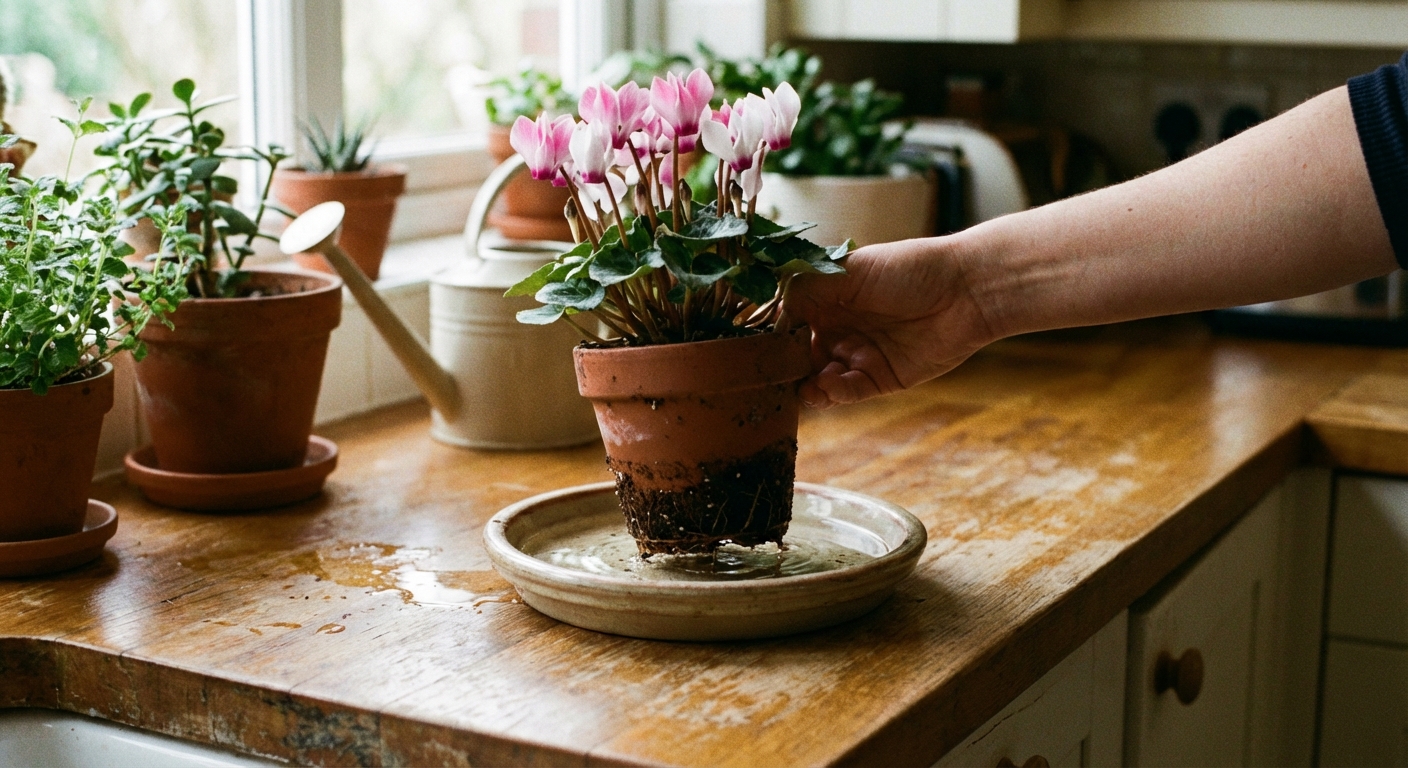
Bottom watering keeps moisture where it belongs, in the root zone. It is my go-to recommendation, though you can also top-water carefully around the edge of the pot if you keep the crown dry.
How to bottom water
- Fill a saucer or bowl with 1 to 2 inches of room-temperature water.
- Set the pot in the water for 15 to 30 minutes.
- Check the top of the soil. It should feel evenly damp, not soggy.
- Lift the pot out and let it drain completely before returning it to its spot.
Water again when the top inch of soil feels dry, or when the pot feels noticeably lighter. During active growth, cyclamen likes consistent moisture, but it still needs oxygen around the roots. No swampy soil.
Soil and pot: drainage matters
Cyclamen tubers rot quickly in heavy, wet soil. Choose a pot with a drainage hole and a mix that drains fast.
What to look for
- Pot: A nursery pot inside a decorative cachepot is fine, as long as you always drain it and never let it sit in water.
- Soil: High-quality potting mix cut with perlite for extra airflow. Aim for “fluffy and crumbly.”
- Fit: Slightly snug pots are okay. Oversized pots hold extra wet soil and invite rot.
Repotting and tuber depth
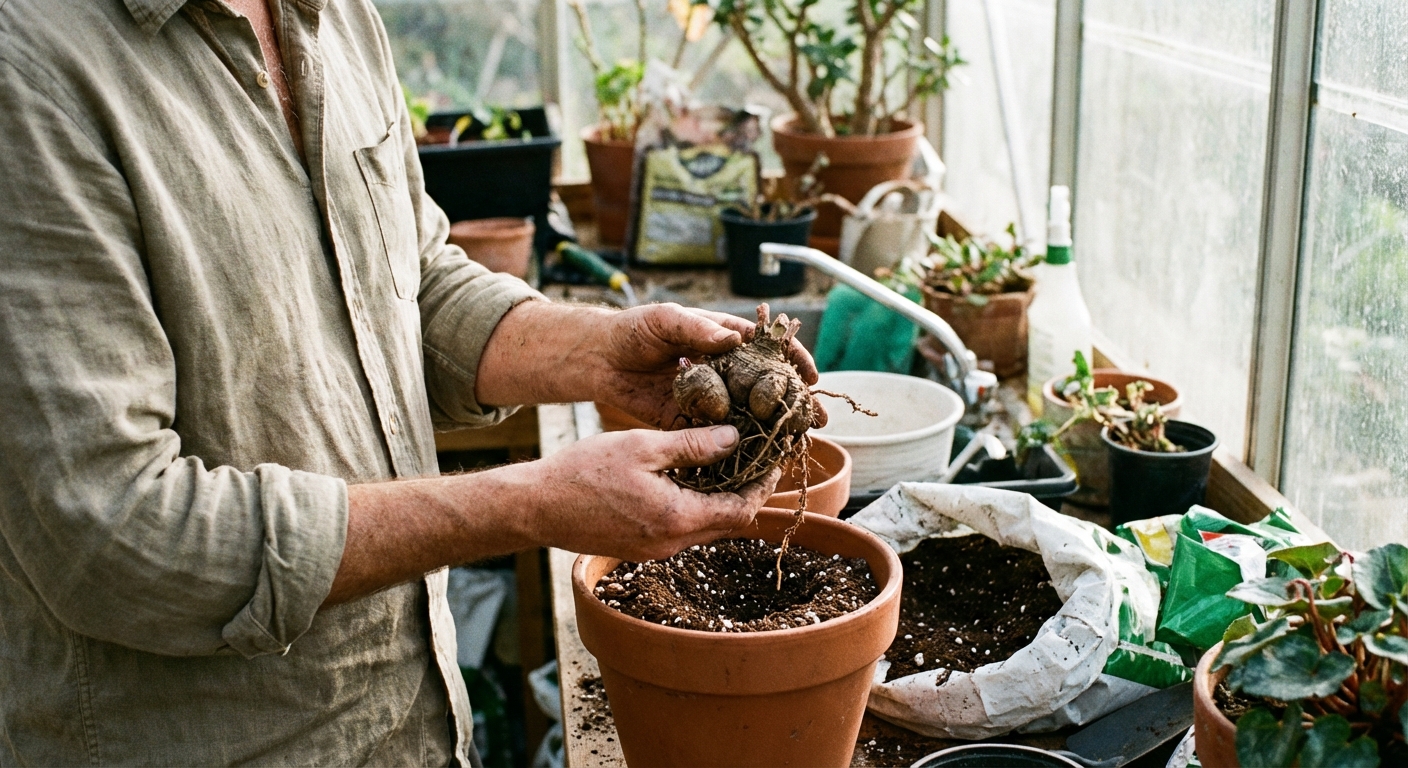
If your cyclamen came in compacted soil, has a funky smell, or keeps staying wet for days, a repot can save it. The best time is usually when new growth is starting (often early fall), but an emergency repot is worth it if rot is brewing.
How deep to plant the tuber
- Do not bury it too deeply: For Cyclamen persicum, the tuber is commonly set with the top of the tuber slightly above the soil line, or at least not smothered.
- Keep the crown clear: Make sure the leaf stems emerge from an area that is not packed with wet soil.
This one detail prevents a lot of crown rot and “mystery collapse.”
Feeding: a little goes a long way
During active growth, cyclamen appreciates gentle nutrition, especially if you want it to rebloom next season.
- When: While it has healthy leaves and is actively growing, usually fall through early spring.
- What: A balanced liquid houseplant fertilizer at half strength.
- How often: Every 3 to 4 weeks is plenty.
Stop feeding as the plant heads into dormancy and the leaves begin to fade.
Deadheading: keep blooms coming
Cyclamen is a “tidy it as you go” plant. Removing spent blooms helps keep energy moving into new flowers instead of seed production.
How to remove flowers and yellow leaves
Instead of snipping, gently twist and pull the flower stem (or yellow leaf stem) down at the base. It should come away cleanly from the tuber. If it resists, do not yank. Try again from a slightly different angle.
Keeping the crown area clean and dry is also one of the simplest ways to prevent rot.
Understanding dormancy
At some point, often in late winter or spring, your cyclamen will start to look tired. Leaves may yellow. Blooming slows. Some plants go fully dormant, while others just take a long pause if they are kept cool. Either way, this is not failure. It is the plant following its seasonal rhythm.
What it can look like
- Leaves gradually yellow and die back
- Flowering stops
- The pot stays moist longer because the plant is not drinking much
Once the plant is clearly heading into rest mode, shift from “houseplant care” to “tuber care.”
How to get cyclamen to rebloom
Reblooming is all about keeping the tuber healthy through the warm months and then inviting it back when the air cools.
Step-by-step routine
- As leaves yellow, reduce watering. Do not keep the soil evenly moist once the plant is shutting down.
- Let the foliage die back naturally. Remove fully yellow leaves with a gentle twist.
- During dormancy, keep the mix barely dry. Water only when the mix is very dry and the tuber begins to look slightly shriveled. If it is still firm, do not “water on a schedule.”
- Keep it cool and out of harsh sun. A shaded, airy spot indoors is usually fine.
- In early fall, restart care. When nights cool, bring it back to bright light and begin watering more regularly.
- Refresh the pot if needed. If the soil is compacted or the plant struggled with rot, repot at the start of the new growth cycle and avoid burying the tuber too deeply.
When new leaves appear, you are back in business. Resume bottom watering and light feeding, and be patient. Buds can take a few weeks to show.
Common problems (and fixes)
Yellowing leaves
Yellow leaves can mean a few different things with cyclamen, so look for clues.
- Too warm: The most common culprit. Move to a cooler spot away from heat sources.
- Overwatering: If soil stays wet and leaves yellow quickly, let it dry slightly and improve drainage. Switch to bottom watering or top-water carefully around the rim.
- Seasonal slowdown or dormancy: If it is late winter through spring and the plant has been blooming for months, yellowing may be normal. Reduce water and let it rest.
- Low light: Leaves can yellow and weaken if the plant is in a dim corner. Increase light gradually.
Crown rot and tuber rot
This is the big one to prevent. Rot usually shows up as collapsing leaves, mushy stems at the base, a sour smell, or a soft tuber.
- Causes: Water sitting in the crown, soggy soil, poor drainage, warm temperatures combined with wetness, or a foil sleeve trapping runoff.
- Prevention: Keep the crown dry, use a draining mix, never leave the pot standing in water, avoid burying the tuber too deeply, and keep it cool.
- What to do: If you catch it early, remove affected stems, let the soil dry, and improve airflow. If the tuber is soft and mushy, the plant may not be salvageable.
Drooping leaves or flowers
- Thirst: If the plant perks up after watering, it simply dried too far.
- Heat stress: If it droops in a warm room even with moist soil, cool it down.
- Root issues: Persistent droop with wet soil can signal root rot.
Gray fuzzy mold (Botrytis)
Cool temps plus damp, still air can encourage fungal issues.
- Fix: Remove affected flowers and leaves, improve airflow, and avoid wetting foliage. Keep the plant from touching cold, wet window glass.
Pests
Cyclamen can occasionally get aphids or mites indoors.
- Signs: Distorted new growth, sticky residue, tiny insects, or stippling on leaves.
- First step: Isolate the plant. Rinse leaves gently and treat with insecticidal soap as needed, following the label.
- Special note: If new growth is tightly curled, stunted, or oddly deformed, cyclamen mites are a possibility. They are tough to eliminate at home. If damage is severe, it may be kinder to replace the plant.
Beginner FAQs
How long do cyclamen blooms last indoors?
In cool conditions, cyclamen can bloom for weeks to months, often from late fall through early spring. Warm rooms shorten the show.
Should I mist cyclamen?
I skip misting. It can encourage fungal problems around the crown and flowers. If your air is extremely dry, use a pebble tray or a small humidifier nearby, not aimed directly at the plant.
Can I put cyclamen outside?
In many climates, Florist’s cyclamen can enjoy a sheltered porch during cool weather. Think roughly 40 to 65°F (4 to 18°C), bright shade, and protection from heavy rain. Protect it from frost, and do not leave it in warm, wet conditions.
(Hardy garden cyclamen are different species with different outdoor tolerance.)
Is cyclamen toxic to pets?
Yes. Cyclamen is considered toxic to cats and dogs, especially the tuber. Place it out of reach if you have curious nibblers.
A gentle pep talk
Cyclamen teaches a lovely lesson: not every plant is meant to look perfect all year. If yours rests in spring or summer, it is not giving up on you. It is simply taking a well-earned nap. Keep it cool, water with intention, and you will be rewarded with those bright winter blooms when you need them most.
If you want, tell me what your cyclamen looks like right now, blooms, leaves, and where it is sitting in your home. I can help you fine-tune the next step.