Crepe Myrtle Care and Pruning for More Blooms

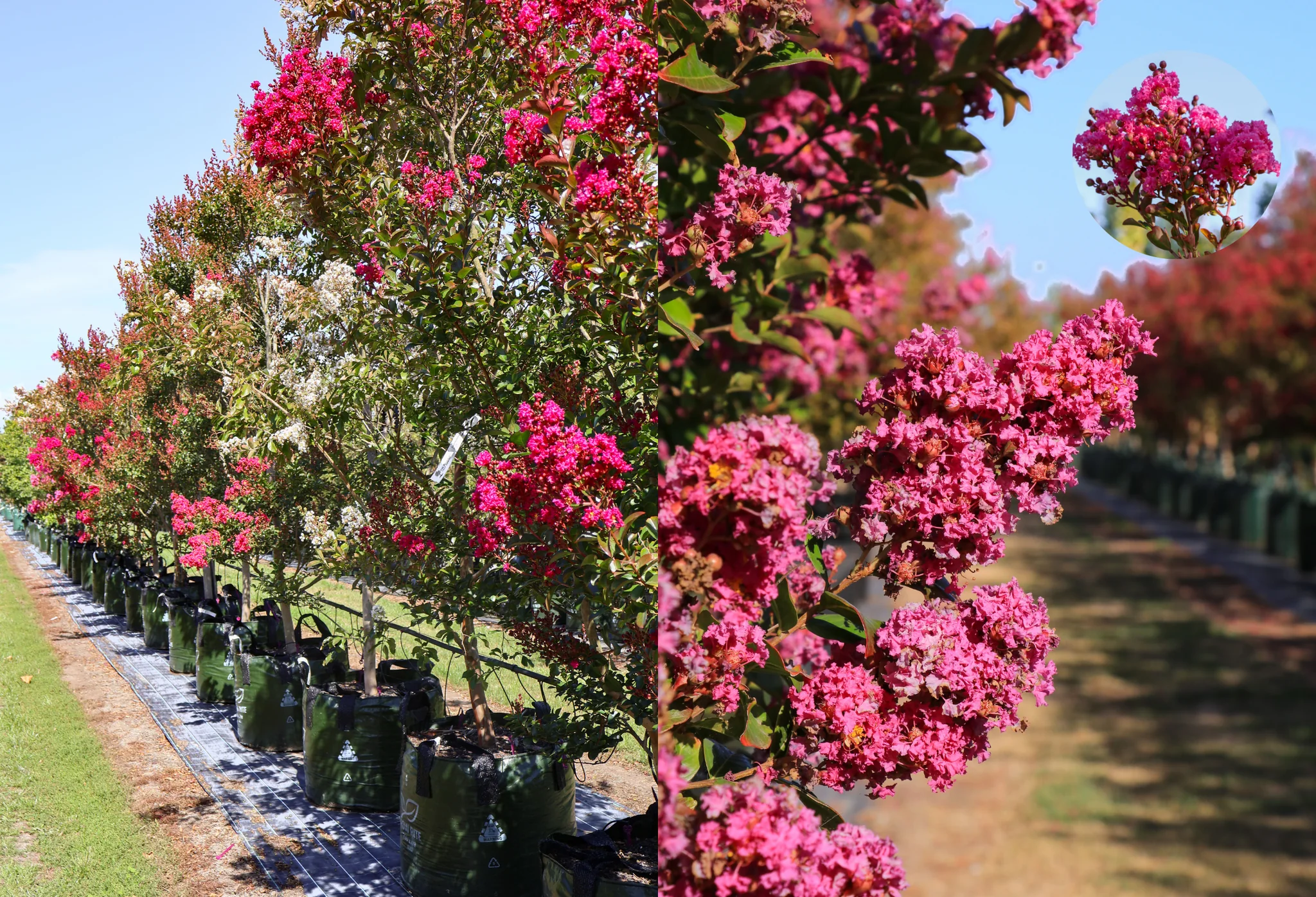
Crepe myrtles are the kind of shrubs that make you slow down on a summer walk. Those ruffled flower clusters, the peeling bark, the way they keep blooming when everything else looks tired. They’re also famously misunderstood, mostly because of one pruning habit that gets passed down like a family recipe.
Quick note for search sanity: you’ll see this plant spelled crape myrtle and crepe myrtle. Both refer to Lagerstroemia, and both spellings show up in nurseries and extension resources, with “crape myrtle” being especially common in the U.S. I’ll use “crepe myrtle” most of the time here, but if you searched “crape myrtle pruning,” you’re in exactly the right place.

Choose the right size first
The best pruning is the pruning you don’t have to do. Most crepe myrtle heartbreak starts with planting a variety that wants to be 20 feet tall in a spot that only has room for 8.
Common size groups
- Dwarf (about 2 to 5 feet): perfect for foundation beds, low hedges, and big containers.
- Intermediate (about 6 to 12 feet): great for small yards, along fences, or as a flowering screen.
- Tree form (about 15 to 30+ feet, depending on cultivar and climate): best as a specimen, street tree, or shade accent.
If your plant is already “too big,” you can still improve it with smart thinning and selective height reduction, but you’ll be fighting its genetics forever. When you can, match the mature size to the space and your future self will thank you.
Sun, soil, and planting basics
Sunlight
Crepe myrtles bloom best in full sun, meaning 6 or more hours of direct light. They’ll live in part shade, but blooms thin out and powdery mildew is more likely. If mildew’s been an issue in your area, it’s worth seeking out mildew-resistant cultivars too.
Soil
They’re adaptable, but they strongly prefer:
- Well-drained soil (roots hate staying soggy)
- Slightly acidic to neutral pH (roughly 5.5 to 7.0 is a comfortable range)
- Moderate fertility (too much nitrogen can mean lush leaves and fewer flowers)
If your soil is heavy clay, plant a little higher than grade and focus on building soil structure over time with compost and mulch, rather than creating a “pot” of amended soil that holds water.
Mulch and spacing
Mulch is a crepe myrtle’s quiet best friend. Keep a 2 to 3 inch layer over the root zone, and keep it a few inches away from the trunk. Give plants enough elbow room for airflow and their natural shape.
Watering for strong growth
Once established, crepe myrtles handle heat well, but regular watering in the first couple of years makes a huge difference in root development and bloom power.
Newly planted (first season)
- Water deeply 1 to 2 times per week, depending on heat and soil drainage.
- Aim for slow soaking at the root zone, not quick sprinkles.
Established plants
- Water during droughts, especially when buds are forming and blooming peaks in summer.
- Thirst signals often include mid-day wilting that improves by evening, crispy leaf edges, scorched leaves, and buds that abort or blooms that fizzle early.
Tip from the dirt: if you’re watering often but the plant still looks stressed, check drainage. Roots sitting in water can look like drought stress because they can’t breathe.
Bloom timing matters
Crepe myrtles bloom on new growth, meaning the stems that grow in spring and early summer. That’s why pruning in late winter or very early spring works so well. The plant hasn’t started pushing new growth yet, and you’re not cutting off developing flower clusters.
The most common bloom mistake I see is heavy pruning late in spring after new growth has already started. You can still get flowers, but the plant has to regrow the wood that would’ve bloomed, which delays and reduces the show.
Best time to prune
For most gardeners, the sweet spot is:
- Late winter to early spring, after the coldest weather has passed but before buds swell and break.
That’s often:
- South and warm coastal areas: January to February
- Mid-South, lower Midwest, mid-Atlantic: February to March
- Colder edges of their range: March to early April, once you can better see winter dieback
If you only do one thing, do this: wait until you can identify what’s alive and what’s winter-killed, especially in colder regions. Cutting too early can invite more dieback on tender tips.
How to prune
My goal with crepe myrtle pruning is always the same: open, airy structure plus healthy new shoots that can carry flowers without flopping.
Tools
- Hand pruners for pencil-size shoots
- Loppers for thumb-size branches
- A pruning saw for larger limbs
Use sharp tools and make clean cuts just above a bud or branch collar. If you’re moving between plants, or pruning anything that looks diseased, clean tools between plants.
Step-by-step pruning (my calm-hand method)
- Remove dead, damaged, and crossing wood. Start with what clearly doesn’t belong.
- Thin crowded interior branches. Choose a few to remove at their origin so light and air can move through.
- Remove low, twiggy growth. Clean up the base and lower trunk area if you want a tree form.
- Reduce height selectively, if needed. Cut back to a side branch that’s at least one-third the diameter of the limb you’re cutting. This keeps the shape natural and prevents ugly knuckles.
- Leave strong, well-spaced main trunks. Many gardeners keep 3 to 7 main stems depending on the plant’s mature size and style.
If you’re pruning for maximum blooms, the secret isn’t “more cutting.” It’s better structure. A crepe myrtle with good airflow and balanced branches puts energy into vigorous new shoots, and those shoots are bloom machines.
One more thing: skip pruning paint or wound sealer. Healthy crepe myrtles seal their own cuts.
Avoid topping
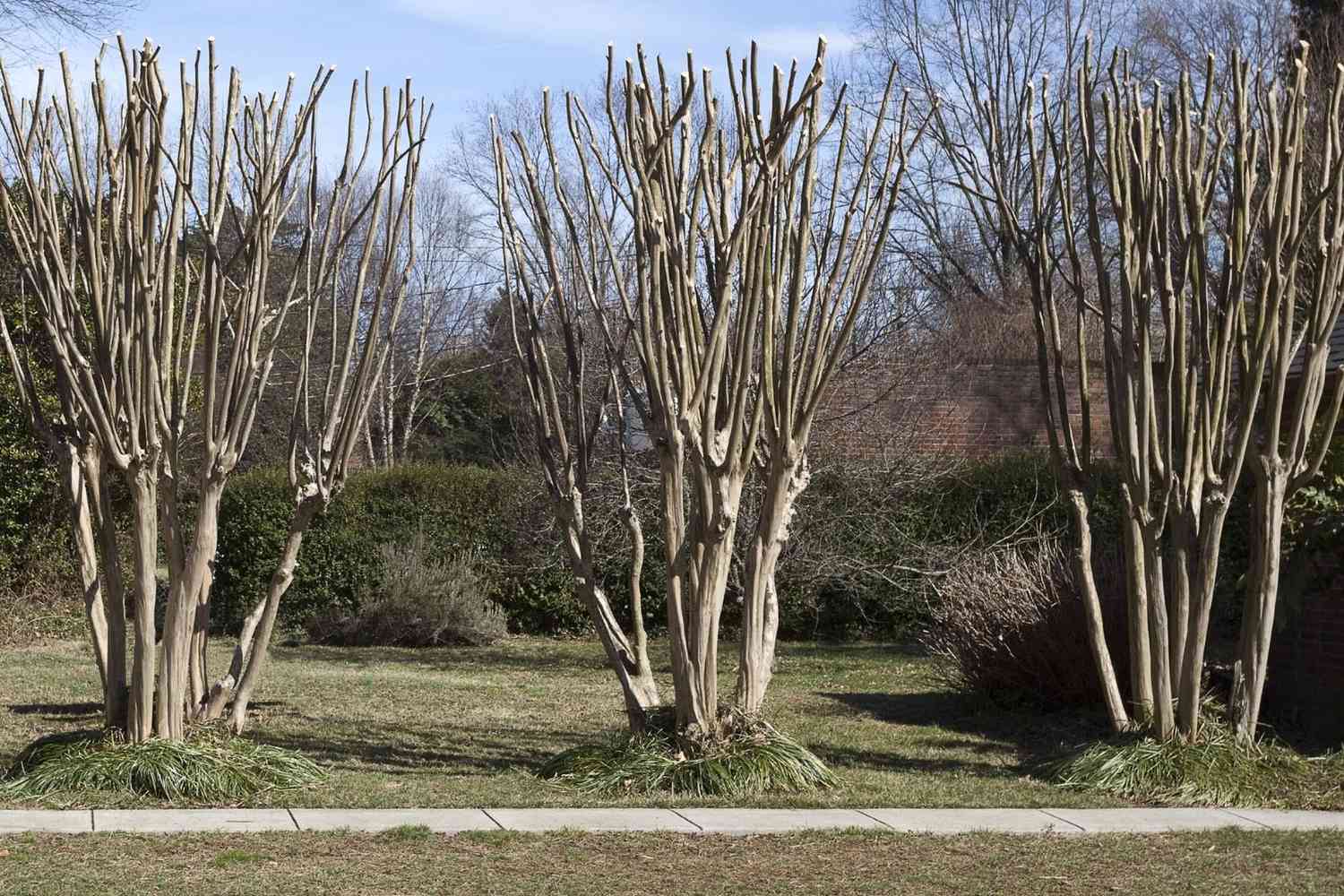
You’ve probably seen it: crepe myrtles chopped to thick stubs every year. This is often called crepe murder, and it causes a few predictable problems:
- Weak new shoots that grow fast and flop under bloom weight
- Large, ugly pruning knobs that never really heal well
- More suckers and messy regrowth
- Delayed blooms in some years because the plant is busy rebuilding wood
If your crepe myrtle has been topped for years, you can improve it gradually by selecting a few strong shoots each year and removing the rest, then reducing height by cutting back to side branches rather than to stubs. Think of it like restoring a hairstyle, not giving a buzz cut.
Suckers and shoots
Crepe myrtles often send up suckers from the base or roots, especially if the plant’s stressed, over-pruned, or naturally vigorous.
When to remove suckers
- Any time you notice them, but they’re easiest to remove while small.
- Check a few times in spring and early summer, then again after heavy rain if your plant responds with new growth.
How to remove them
- Cut as low as possible, right at the point of origin.
- If you can gently pull soil back and see where the sucker attaches, make a clean cut there.
- Avoid repeated shearing at ground level, which can encourage more shoots.
If you want a multi-trunk tree, you can choose a few well-placed basal shoots to become future trunks. Just be intentional and remove the rest so the plant doesn’t turn into a thicket.
Young vs. mature plants
Crepe myrtles are easiest to “set up” when they’re young.
- Years 1 to 3: focus on training. Choose the trunks you want (often 3 to 7), remove weak extras, and do light thinning for spacing.
- Mature plants: keep it simple. A yearly clean-up (dead wood, rubbing branches, a little thinning) is usually plenty.
Feeding without overdoing it
Crepe myrtles aren’t heavy feeders. In fact, too much fertilizer can be the sneaky reason you’ve got gorgeous leaves and disappointing flowers.
- Compost first: Top dress with compost in spring to support soil life and steady nutrition.
- Go easy on nitrogen: If you fertilize, choose a balanced, slow-release option and apply lightly.
- Mulch matters: A consistent mulch layer keeps moisture even and supports root health, which supports blooms.
If your crepe myrtle blooms poorly in full sun, check pruning timing, water stress, and excess fertilizer before you blame the plant.
Deadheading (optional)
You don’t have to deadhead crepe myrtles, but on some varieties it can encourage a second flush of blooms. If you do it, snip off spent flower clusters just above a set of leaves or a side shoot. Don’t turn it into a full summer haircut.
Cold and winter dieback
Crepe myrtles are generally reliable in warmer climates, but in colder areas, winter changes how you care for them.
What cold does
- In mild winters, plants keep their above-ground structure and bloom normally.
- In colder winters, stem tips can die back.
- In very cold conditions, plants may die back to the ground and regrow from the roots. They can still bloom, but later, and the plant may behave more like a shrub than a tree.
Tips for cold climates
- Choose cold-hardy varieties available in your region.
- Plant in a sunny, sheltered spot out of harsh wind.
- Keep mulch over the root zone going into winter, but don’t pile it against the trunk.
- Prune later, once you can see what survived.
If you’re not sure whether your plant is alive after winter, be patient. I’ve watched “dead” crepe myrtles push new shoots once the soil warms, like they were just waiting for a cue.
Quick troubleshooting
- Lots of leaves, few flowers: too much shade, too much nitrogen, or late heavy pruning.
- Flowers but they flop: topped in the past or too much fast, weak regrowth. Thin and restore structure gradually.
- Many suckers: stress, heavy pruning, or natural vigor. Remove early and improve overall care.
- White powder on leaves: powdery mildew, often worse with shade and poor airflow. Increase sun and airflow, avoid overhead watering late in the day, and consider resistant cultivars.
- Sticky leaves or black coating: aphids can lead to sooty mold. A strong spray of water or insecticidal soap can help, and beneficial insects often show up once you stop broad-spectrum spraying.
- Dieback each winter: cold exposure, variety not hardy enough, or pruning too early. Prune later and consider a hardier cultivar.
A simple yearly routine
If you like gardening plans that fit on a sticky note, here you go:
- Late winter or early spring: prune for structure, remove dead wood, thin crowded branches.
- Spring: compost top dressing, refresh mulch, water during dry spells.
- Summer: deep water during extended heat, remove suckers, enjoy blooms.
- Fall: stop fertilizing early, keep watering if droughty so the plant goes into winter hydrated.
Crepe myrtles don’t need perfection. They need sunlight, decent soil drainage, and a gardener who prunes with a calm hand. Do that, and they’ll pay you back with months of color and that dreamy, peeling bark when the flowers are gone.