
Crabgrass: Prevention, Identification, and Natural Control

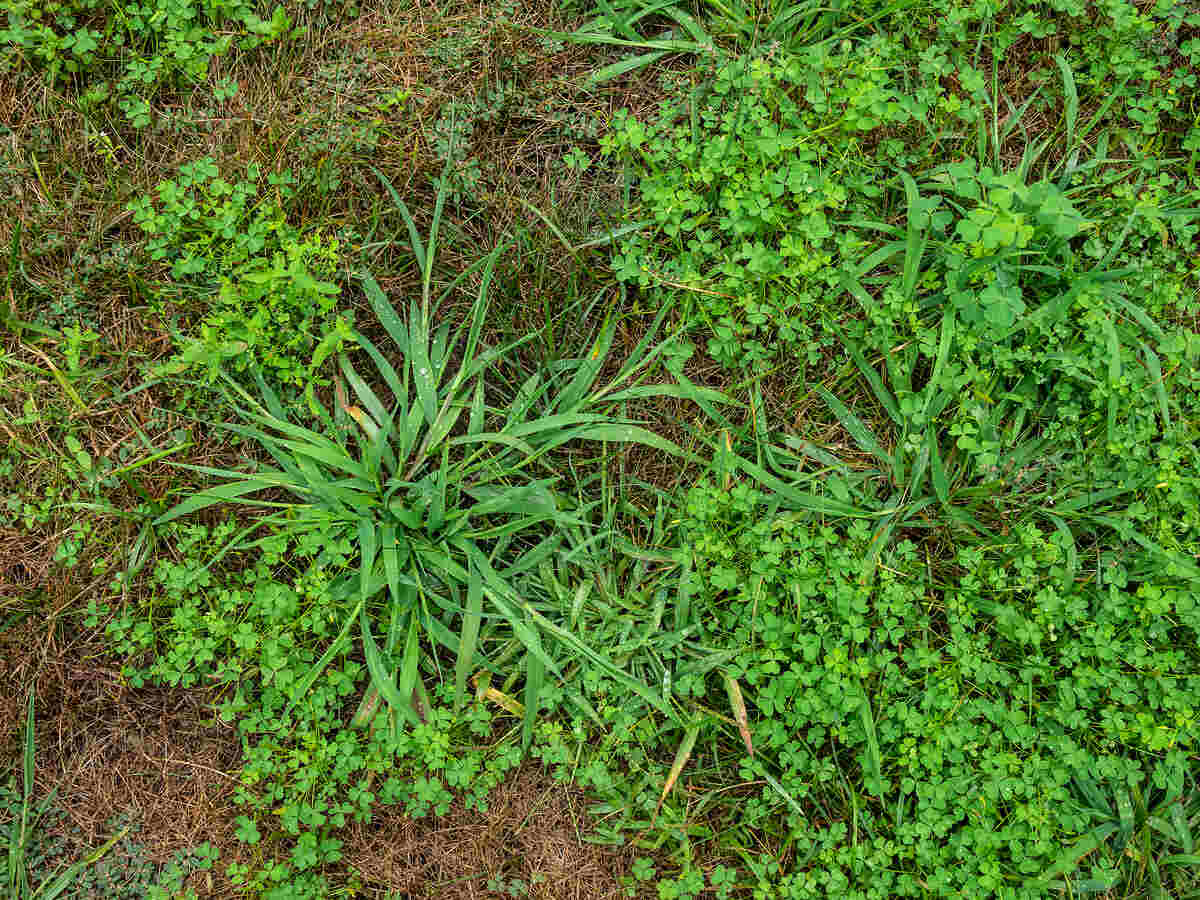
Crabgrass has a talent for showing up exactly when you want your lawn to look its best. It creeps in along sidewalks, pops up in thin sunny spots, then suddenly it feels like it’s everywhere. The good news is crabgrass is predictable. When you understand its timing and the conditions it loves, you can prevent most of it and manage the rest without turning your yard into a chemical test site.
This page will help you identify crabgrass, understand its lifecycle, nail pre-emergent timing in plain language, and use cultural practices and organic knockdown options that actually match real-world expectations.

Crabgrass identification
Crabgrass is an annual grassy weed. It does not come back from roots the next year. Instead, it returns because last year’s plants dropped a whole lot of seeds. Most crabgrass in home lawns is either large crabgrass (Digitaria sanguinalis) or smooth crabgrass (Digitaria ischaemum). You do not need to know which one you have to control it, but it helps to recognize the growth pattern.
What it looks like
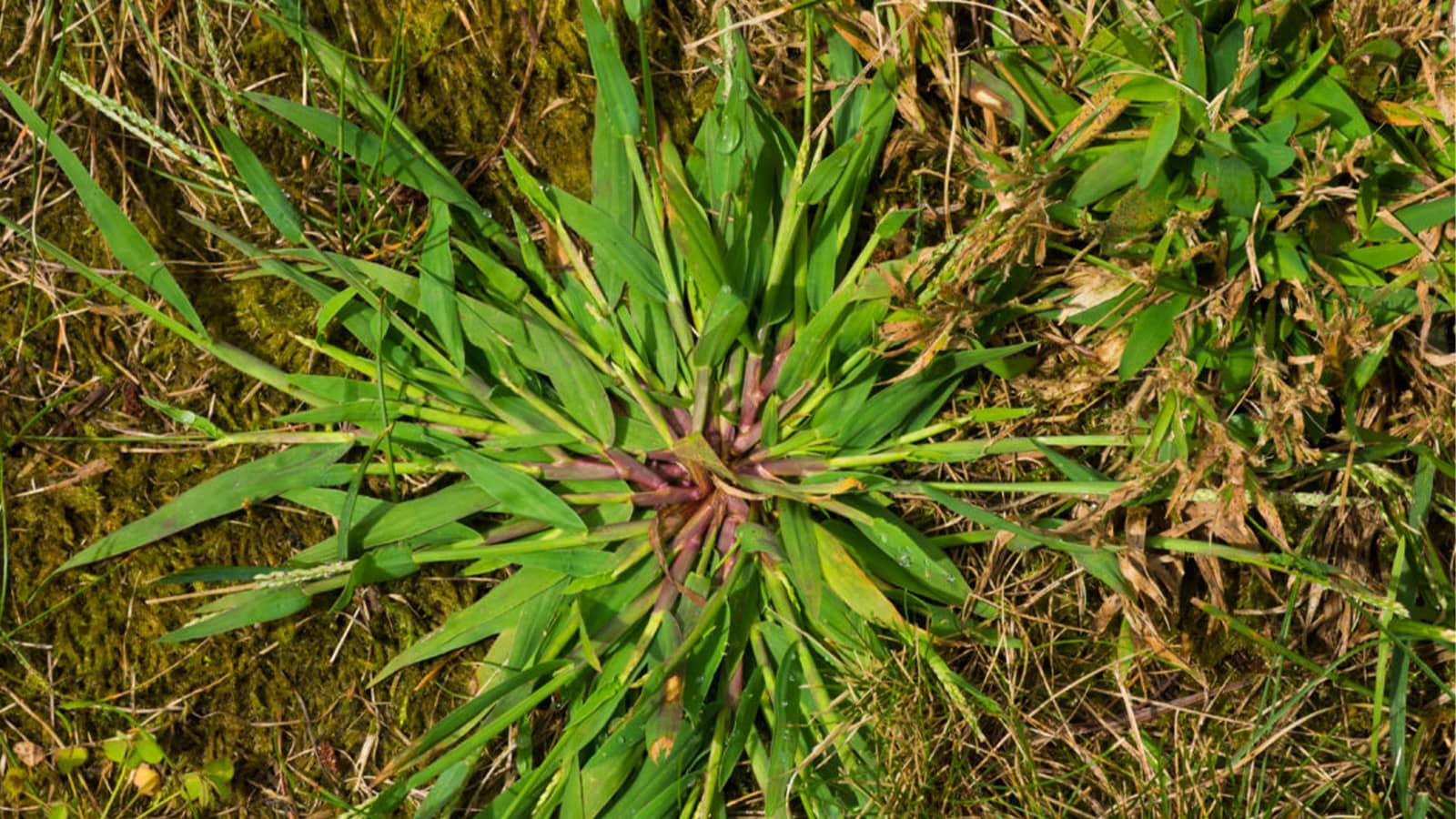
- Color and texture: usually lighter green than turfgrass and noticeably coarser.
- Growth habit: low and sprawling. Stems radiate outward like a star, then root at nodes where they touch soil.
- Leaves: wider than many lawn grasses, often with a slightly “crinkled” look. Large crabgrass can have fine hairs on leaves and stems, while smooth crabgrass is more hairless.
- Seedheads: several thin spikes (like fingers) at the top of a stem once it matures.
Early-season lookalikes
In spring, tiny crabgrass seedlings can be mistaken for young desirable grass. Two clues help:
- It hugs the ground. Turfgrass seedlings tend to grow more upright.
- It loves bare spots. If a “grass” is appearing mostly in thin areas, along pavement, or where the dog runs, crabgrass is a prime suspect.
Lifecycle in plain language
If crabgrass feels unstoppable, it is usually because it is winning the timing game. Here is the whole cycle, start to finish, like a simple seasonal timeline:
Late winter to early spring
Seeds are resting in the soil. They are waiting for warmth and light. Thin turf and bare soil are basically an invitation.
Spring (when soil warms)
Seeds sprout. This is when pre-emergent helps most, because it inhibits root and shoot development in newly germinated seedlings so they cannot establish.
Early summer
Plants spread outward. Crabgrass starts filling space fast, especially in hot, compacted, or dry areas where lawn grass struggles.
Mid to late summer
Seedheads form. Once you see seedheads, you have missed most of the prevention window for this season. Your mission shifts to limiting seed production and strengthening the lawn for next year.
Fall (first hard frost)
The plant dies. Crabgrass is frost-killed, but its seeds remain behind. A single plant can drop thousands of seeds, which is why even “a few clumps” matter.
Winter
Seeds wait again. They can persist for several years depending on conditions, but the seed bank declines over time when you prevent new plants from setting seed.
Know your lawn type
A lot of crabgrass advice is universal, but your lawn type affects the details.
- Cool-season lawns (Kentucky bluegrass, fescue, rye): usually fight crabgrass by mowing higher, watering smart, and overseeding in late summer to fall.
- Warm-season lawns (Bermuda, zoysia, centipede, St. Augustine): often compete well in summer once they are thick, but crabgrass can still invade thin edges and stressed spots. Timing for seeding, plugging, and major renovation shifts later into spring and summer.
Pre-emergent timing
Pre-emergent does not kill existing crabgrass. It prevents new crabgrass seedlings from establishing. The trick is applying it before most seeds sprout, but not so early that it wears off too soon.
The simple rule
Apply in early spring mode, right as lawns start waking up and you are doing the first real mowing. If you wait until you clearly see crabgrass, you missed the prevention window for those plants.
The clearer rule (soil temperature)
Crabgrass germinates when the top 1 to 2 inches of soil stays at about 55°F for a few days (some areas see a wider range as spring ramps up). If you like tidy timing, a basic soil thermometer makes this easy.
Split applications often work better
In many climates, especially where summers stretch on, a split application can reduce “late” crabgrass:
- First application: early spring, right before germination kicks in.
- Second application: 4 to 6 weeks later to extend coverage.
Always follow label directions, especially around reseeding and maximum yearly rates.
If you plan to seed soon
Most pre-emergents also inhibit grass seed germination. If spring seeding is on your calendar, either delay pre-emergent or look for a product specifically labeled as compatible with seeding.
Organic or lower-toxicity options
For a more organic-leaning approach, corn gluten meal is the best-known option. It can suppress some germination when timed correctly, but results are variable in research and real lawns. Think of it as a supporting actor, not the hero.
- Realistic expectation: modest reduction at best, strongest when paired with thick turf and consistent use over multiple seasons.
- Important note: corn gluten meal can also suppress germination of desirable grass seed. Do not apply it right before overseeding.
Cultural practices that prevent crabgrass
If I could only pick one long-term crabgrass strategy, it would be this: grow a lawn so dense crabgrass cannot find sunlight. Crabgrass is an opportunist. It thrives where turf is stressed, thin, or scalped.
Mow higher
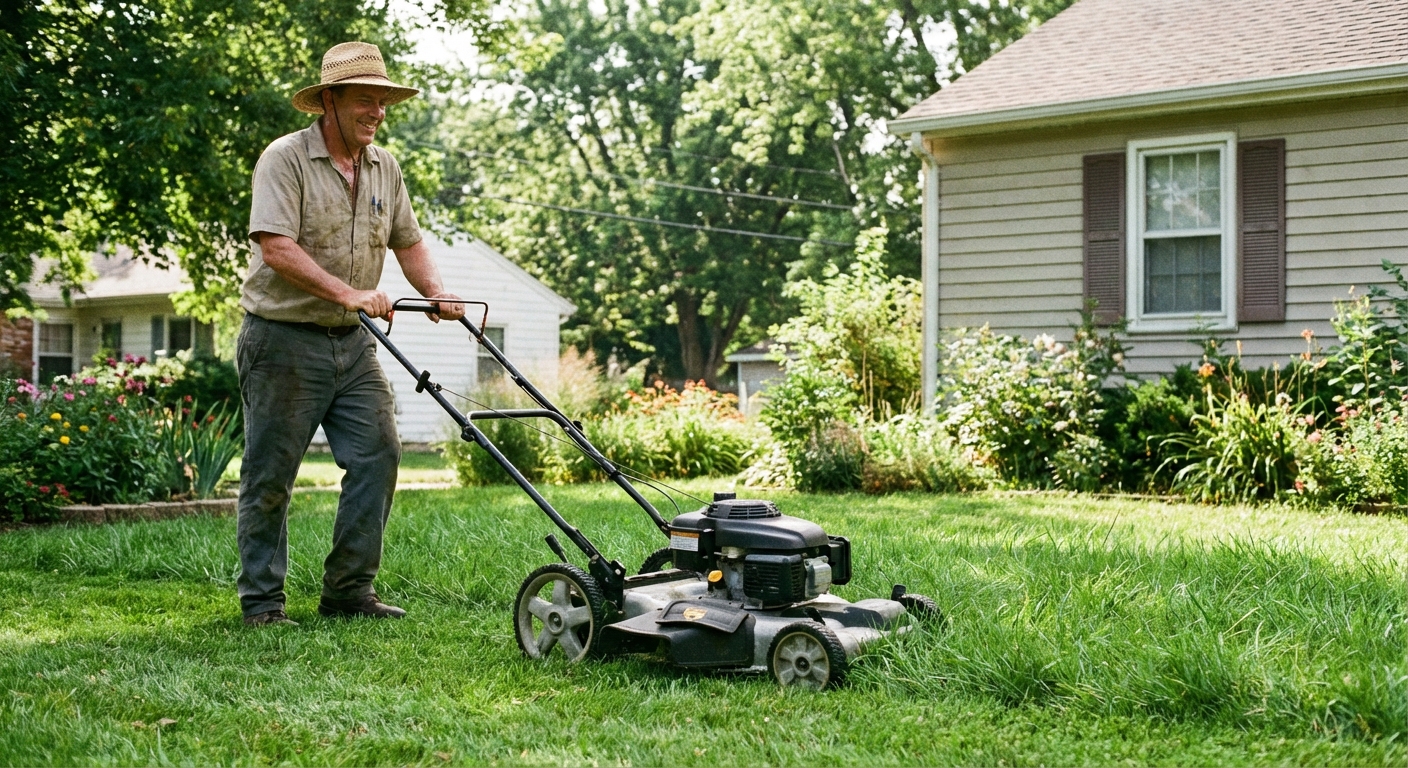
Short mowing opens the canopy and lets sunlight hit the soil surface, which helps crabgrass seeds germinate. For many cool-season lawns, a mowing height around 3 to 4 inches is a strong crabgrass deterrent. Warm-season lawns often do well at their recommended heights too. The big takeaway is to avoid scalping and keep the canopy thick.
- Do not scalp. Never remove more than about one-third of the blade length at once.
- Leave clippings. Mulching clippings returns nitrogen and helps shade soil.
Water deeply, not constantly
Frequent shallow watering encourages shallow turf roots and creates stress in heat. Aim for deeper, less frequent watering so turf roots go down and compete better.
- A useful benchmark: many lawns do well with about 1 inch of water per week including rainfall, adjusted for your soil, heat, and local restrictions.
- Early morning watering is best for lawn health.
- Spot-fix dry zones near pavement or slopes where crabgrass often starts.
Feed the soil
Crabgrass loves compacted, nutrient-poor, stressed areas. A soil-first routine strengthens turf naturally.
- Get a soil test every few years if you can. It prevents random fertilizing.
- Topdress with compost in thin areas to improve microbial life and moisture retention.
- Aerate compacted lawns (especially high-traffic zones) to improve rooting and reduce stress.
Overseed to fill gaps
Overseeding is your best non-chemical way to outcompete crabgrass long-term. A thicker lawn shades soil and crowds out seedlings.
- Cool-season lawns: seed in late summer to early fall for the best establishment.
- Warm-season lawns: seed or plug during late spring to early summer when the turf is actively growing.
Timing conflict to know: most pre-emergents can prevent grass seed from sprouting too. Plan overseeding and pre-emergent so they do not overlap unless you are using a product specifically labeled as compatible with seeding.
Natural control: once crabgrass is up
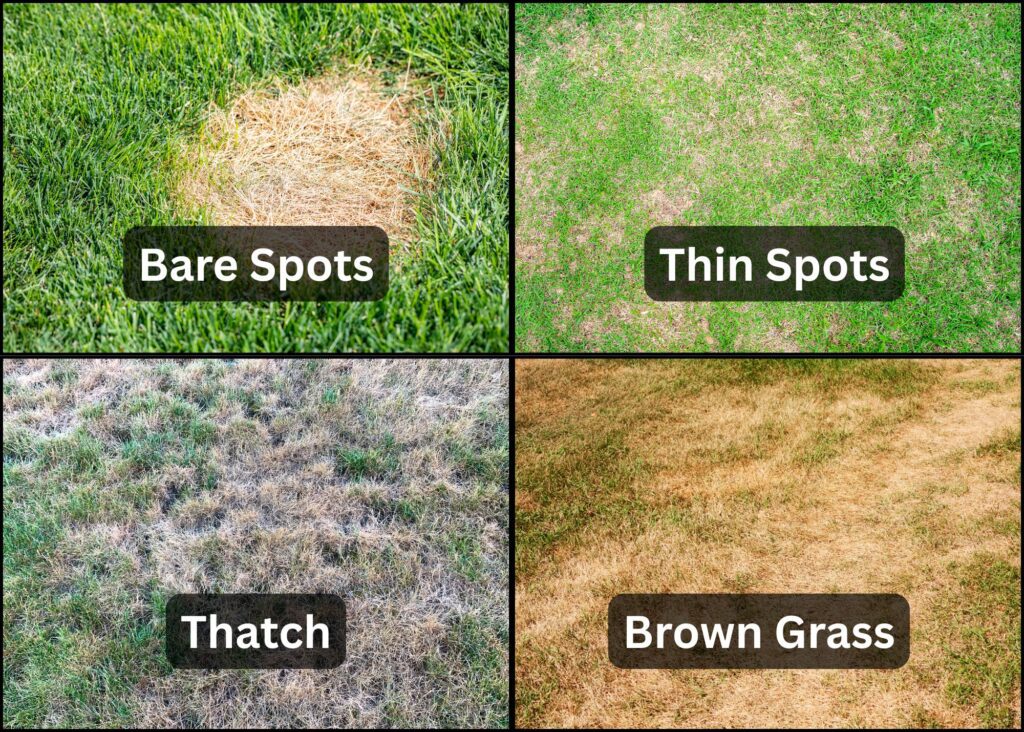
Once crabgrass is growing, prevention is no longer the tool. Now you are choosing between removal, knockdown, and limiting seed production, while keeping your turf as healthy as possible.
Note: There are effective synthetic post-emergent herbicides for crabgrass, but this guide focuses on cultural and organic-leaning options and what to realistically expect from them.
Hand pulling (best for small patches)
If the soil is moist, crabgrass pulls more cleanly, roots and all. This is genuinely effective when you catch it early.
- Pull before seedheads. This reduces next year’s problem dramatically.
- Fill the hole. Add a pinch of compost and seed or patch with turf so you do not leave a bare spot for the next wave.
Smothering small areas
For a concentrated patch you do not want to spray, you can smother it for a few weeks with cardboard topped with mulch, or an opaque tarp that blocks light.
- Best use: along edges, side yards, or renovation spots.
- Tradeoff: it also suppresses turf, so plan to replant afterward.
- Note: “Breathable” landscape fabric does not always block enough light to reliably kill established crabgrass. If you are smothering, darker and more opaque usually works better.
Organic knockdown sprays (realistic expectations)
There are organic herbicide options that can burn back crabgrass foliage. Most are contact herbicides, meaning they damage what they touch but do not travel deep into the plant the way some synthetic products do.
Common active ingredients in organic products include:
- Ammonium nonanoate
- Fatty acid soaps
- Clove oil or citrus oils (varies by product)
What to expect:
- They work best on young crabgrass.
- You will likely need repeat applications.
- They can also burn desirable grass if oversprayed.
- They do not erase the seed bank. Think “management,” not “one-and-done.”
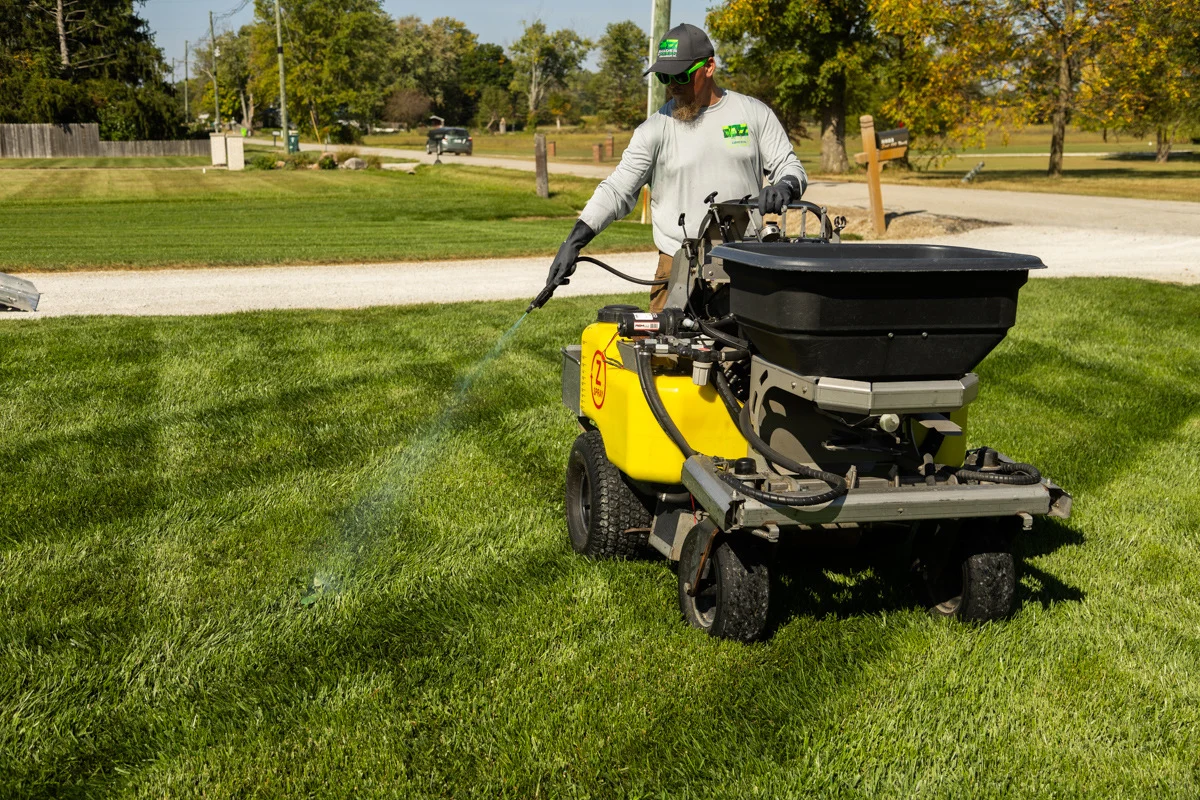
How to use them well: spot spray on a warm, dry day, aim carefully, and avoid windy conditions. If you are treating within turf, it helps to accept a little cosmetic damage, then overseed or patch afterward.
Edges, cracks, and driveways
Crabgrass loves heat and hard surfaces. Sidewalk seams and driveway edges warm up earlier in spring, and those tiny cracks hold just enough dust and soil for seeds to sprout.
Simple habits that help
- Edge neatly so turf is dense right up to hardscapes.
- Fill cracks in pavement where possible.
- Keep borders mulched in garden beds so seeds cannot easily germinate.
Natural option for hardscapes
For crabgrass in sidewalk cracks, boiling water can knock it back. It is simple and chemical-free, but it is also non-selective, and it often takes multiple treatments. Do not pour it where you want plants to live.
What not to do
- Do not mow super low to “cut it out.” Low mowing weakens turf and helps crabgrass.
- Do not wait for seedheads before acting. Prevention and early removal are far easier.
- Do not leave bare soil after pulling or spraying. Bare soil is crabgrass real estate.
- Do not assume one season fixes it. Because seeds can persist, steady annual prevention and thick turf are the winning combo.
A simple seasonal plan
Early spring
- Mow at a taller height once growth starts.
- Apply pre-emergent at the right time for your area.
- Fix drainage and compaction issues if you can.
Late spring to early summer
- Scout thin areas weekly and pull young crabgrass.
- Water deeply and avoid frequent light watering.
Mid to late summer
- Spot treat or pull before seedheads where possible.
- Plan fall overseeding for cool-season lawns.
Fall
- Overseed and topdress thin spots.
- Keep mowing high until growth slows.
- Rake heavy leaf cover so turf is not smothered.
If you take nothing else from this: crabgrass is a symptom as much as it is a weed. Each time you thicken turf, improve soil, and keep the canopy tall, you are quietly closing the door on next year’s invasion.
Quick FAQ
Will crabgrass die on its own?
Yes. Crabgrass dies with the first hard frost. The problem is the seeds it leaves behind, which is why prevention and stopping seedheads matter.
Can I compost pulled crabgrass?
If it has no seedheads, hot composting is usually fine. If it is full of seeds, I play it safe and bag it or keep it out of compost, unless you are confident your pile reliably heats up.
Is crabgrass a sign I have bad soil?
Not always, but it often points to thin turf, compaction, heat stress, or inconsistent watering. Improving those conditions reduces crabgrass pressure over time.