
Coreopsis Care and Deadheading


Coreopsis is one of those perennials that feels like bottled sunshine. Give it the right light, keep its feet on the dry side, and it will repay you with a long parade of daisy-like blooms that look good in borders, cottage gardens, and even patio pots.
Hardiness note: Many coreopsis are reliably perennial in USDA Zones 4 to 9, but exact hardiness varies by species and cultivar. If your winters are wet, drainage matters as much as temperature for overwintering success.
The secret to “summer-long” coreopsis is not complicated, but it is specific: choose the right type for your space, plant it in sun with sharp drainage, and use smart deadheading or a midseason shear to trigger a fresh flush. In many gardens, “summer-long” looks like two strong waves with a short green breather in between.

Types: what you are actually growing
“Coreopsis” is a whole genus, so different plants get sold under the same friendly common name. In nurseries you will often see two broad looks that behave a little differently, plus a handful of other popular species and modern hybrids.
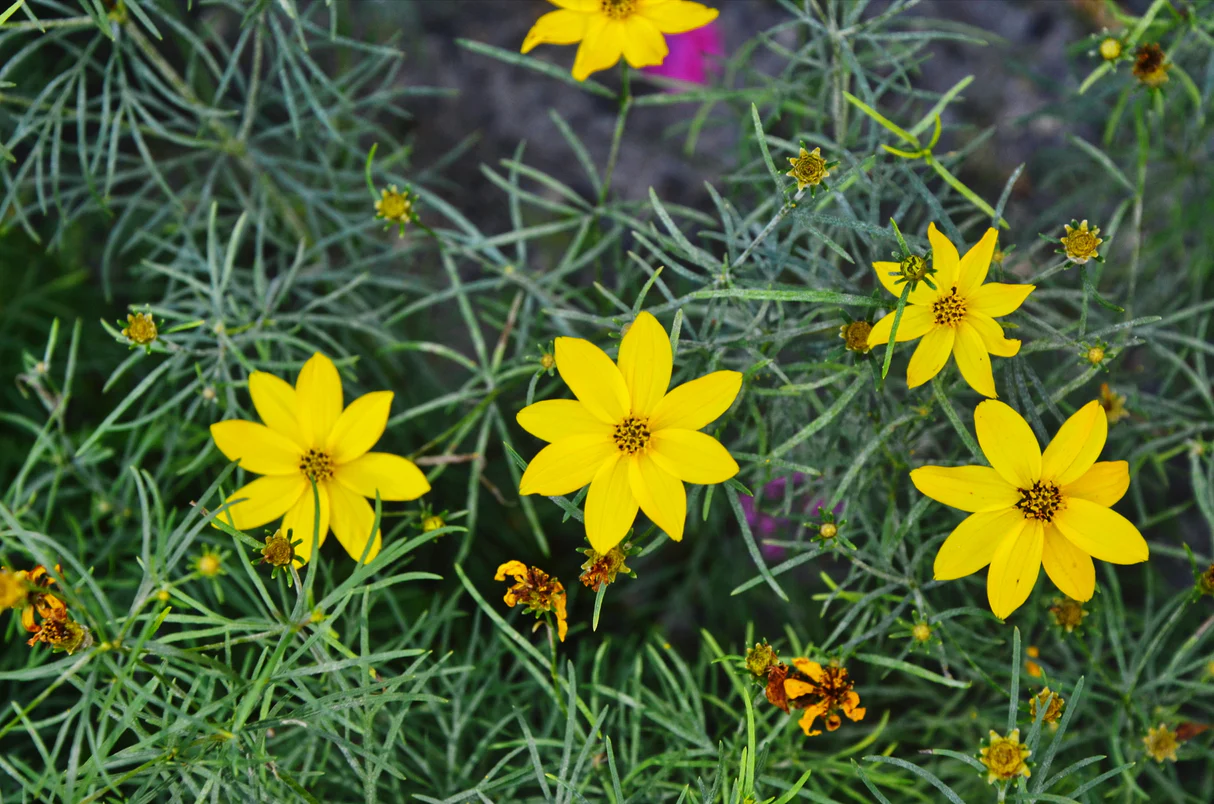
Threadleaf coreopsis (Coreopsis verticillata)
This is the airy, fine-textured type with soft, needle-like foliage that looks almost ferny from a distance. It makes tidy mounds and plays beautifully with grasses and salvias.
- Look: Wispy foliage, lots of small blooms that read as a cloud of color.
- Habit: Mounding and generally well behaved in borders and pots.
- Bloom: Often a big early-summer flush, then a repeat if sheared or deadheaded.
Cultivars you may see: ‘Moonbeam’, ‘Zagreb’.
“Tickseed” types (often grandiflora/lanceolata-style and hybrids)
Tickseed is a common name used for multiple Coreopsis species, so it can get a little fuzzy on plant tags. Many nursery “tickseed” are Coreopsis grandiflora, Coreopsis lanceolata, and their hybrids. These tend to have broader leaves and larger flowers. They can be a little more leggy if they are pampered with rich soil or too much fertilizer, but they are gorgeous and generous bloomers.
- Look: Bigger daisy flowers, foliage is less fine and more leafy.
- Habit: Can sprawl a bit after heavy rain or rich feeding, especially in part shade.
- Bloom: Heavy early bloom, then a strong second round after shearing.
Cultivars you may see: ‘Early Sunrise’, ‘Sunray’ (availability varies by region).
Other common coreopsis you might run into
- Pink coreopsis (Coreopsis rosea): Airy, pink-flowering options that often appreciate a bit more consistent moisture than the drought-tough yellow types.
- Modern hybrids: Lots of new colors and patterns, sometimes with slightly different habits and hardiness, so the plant tag matters.
Quick buying tip: If you want a neat edging plant, threadleaf cultivars are often easier to keep compact. If you want bold, high-impact blooms for cutting and bouquets, many grandiflora or lanceolata-style tickseed types shine.
Sun and drainage: the non-negotiables
Coreopsis is forgiving, but it has two core needs that determine whether it thrives or sulks.
Light
Plant coreopsis in full sun for the most blooms and the tightest growth. It will often tolerate light afternoon shade, especially in hotter climates, but too much shade usually means fewer flowers and floppier stems.
Soil and drainage
Coreopsis likes soil that drains well. In heavy clay or constantly damp beds, it is more likely to decline over winter or develop disease issues.
- If your soil is heavy: Think bigger than the planting hole. Improving the whole bed with organic matter, planting on a slight mound, or using a raised bed helps more than spot-amending (which can sometimes create a soggy “bathtub” effect). Save grit and gravel for raised beds and containers where drainage is easier to control.
- If your soil is sandy: You are already close to ideal. Add compost to help hold a bit of moisture during heat waves.
Watering rhythm: Water deeply to establish the first season. Once rooted, coreopsis is fairly drought tolerant, but it blooms best with occasional deep watering during prolonged dry spells.
Deadheading vs shearing
This is where coreopsis goes from “nice” to “wow, it never stops.” You have two main tools, and which you use depends on how many plants you have and how tidy you want the border to look.
Deadheading (best for a few plants, or tidy pots)
Deadheading means removing spent flowers so the plant puts energy into new buds instead of seed.
- What to cut: Snip each faded bloom back to the next set of leaves or a side bud.
- How often: A quick pass once or twice a week during peak bloom keeps plants looking crisp.
- Best for: Containers, front-of-border clumps, and any spot where you see the flowers up close.
Self-seeding note: Many coreopsis (especially the bigger-flowered tickseed types) will readily self-seed if you let late-season blooms go to seed. This can be charming in a relaxed, meadowy border, or annoying if you want things strictly in bounds. Deadheading later in the season is your control knob.
Shearing after the first flush (best for big drifts)
When coreopsis finishes its first big burst, deadheading individual flowers can feel like brushing a golden retriever. That is when shearing is your friend.
Timing: Shear when roughly 50 to 70 percent of the flowers are fading and the plant starts to look tired or floppy.
How to shear:
- Use clean garden shears.
- Cut the plant back by about one-third. For very lanky plants you can go to one-half, as long as you leave plenty of healthy green growth.
- Avoid cutting into a tough, woody crown if your plant has one. You want to leave active foliage so it can rebound quickly.
- Water once after shearing if conditions are dry, and top-dress with a thin layer of compost if your soil is lean.
What to expect: You will have a brief “green phase,” then a fresh mound of foliage and a second flush of blooms a few weeks later (faster with warmth and steady moisture, slower in cool spells or drought).

Keeping plants compact
Coreopsis is naturally breezy, but you can absolutely keep it from flopping or swallowing its neighbors. Think of it like a haircut schedule, not a strict rulebook.
Pinch early (optional, effective)
When plants are about 6 to 10 inches tall in late spring, pinch or snip the top inch or two of growth. This encourages branching and a fuller, sturdier plant. It can delay flowering slightly, but often increases the total number of blooms.
Skip high-nitrogen fertilizer
Too much nitrogen makes lush leaves and fewer flowers, and it can cause taller, weaker stems. If you feed at all, choose compost or a balanced, slow-release fertilizer used lightly.
Give it breathing room
Crowded coreopsis stretches for light and airflow. Space plants according to the tag, and if you are planting in a border, resist the urge to cram. Your future self will thank you when deadheading season arrives.
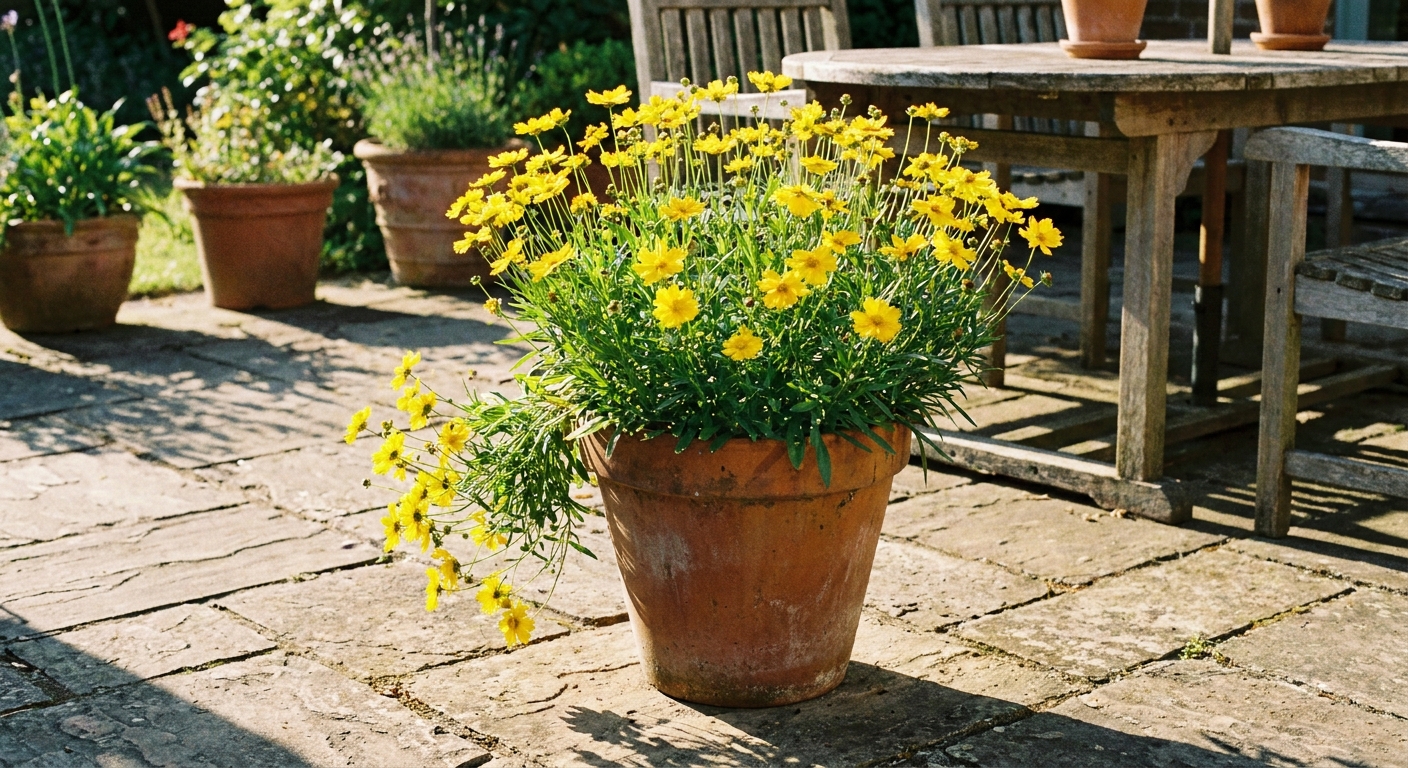
Pot tips for tidy containers
- Container size: Use at least a 12-inch pot for one plant, larger for a mixed planting.
- Soil: A high-quality potting mix with added perlite helps prevent soggy roots.
- Water: Let the top inch of mix dry, then water deeply until it drains.
- Support: If a cultivar is prone to flopping, a small ring support hidden early is more graceful than staking later.
Dividing crowded clumps
Coreopsis can form dense clumps over time. When the center starts to thin, flowering drops, or the plant looks cramped, division is the reset button.
When to divide
- Best time: Early spring as new growth begins, or early fall when heat eases.
- How often: Every 2 to 4 years is common, but follow the plant. Some stay tidy longer, others bulk up quickly.
How to divide
- Water the plant the day before to reduce stress.
- Dig around the clump and lift it with as much root as possible.
- Use a sharp spade or knife to split into smaller sections. Aim for divisions with healthy roots and several shoots.
- Replant at the same depth in well-draining soil, water in, and mulch lightly (keep mulch off the crown).
A gentle warning: If you have a shorter-lived type (some grandiflora selections behave this way), dividing can be less beneficial than simply replacing plants every few years. If your coreopsis never seems to settle in long term, treat it like a cheerful “semi-perennial” and keep fresh plants in the pipeline.
Powdery mildew prevention
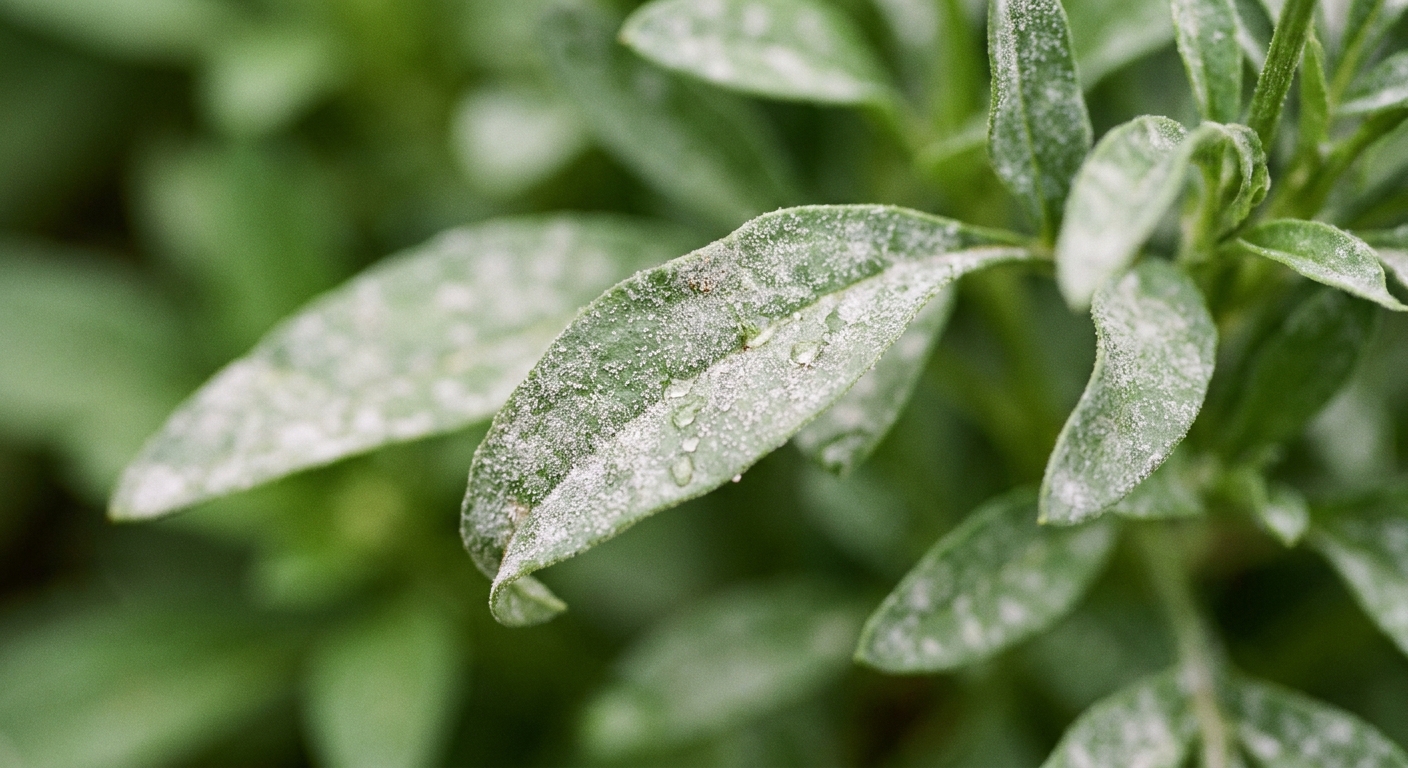
Powdery mildew shows up as a white, dusty coating on leaves, often later in the season when nights are cooler and plants are crowded. Coreopsis is not the most mildew-prone plant in the garden, but it can happen, and some cultivars are more susceptible than others.
Prevention that works
- Plant in full sun: Shade and still air are mildew’s favorite roommates.
- Space for airflow: Avoid letting neighboring plants smother coreopsis foliage.
- Water the soil, not the leaves: Drip irrigation or a watering wand at the base keeps foliage drier.
- Mulch thoughtfully: A thin mulch layer reduces soil splash without trapping damp around the crown.
- Shear when shabby: A midseason shear removes older, stressed foliage that is more likely to show mildew.
If you already have it
Remove the most affected leaves, improve airflow, and avoid heavy nitrogen feeding. In many gardens, coreopsis still blooms well even with minor mildew. If the problem repeats yearly, consider trying a different cultivar or giving the plant a sunnier, breezier spot.
Seasonal care checklist
Spring
- Cut back old stems if you left them for winter interest.
- Divide crowded clumps if needed.
- Light compost top-dress, especially in lean soils.
Early summer
- Enjoy the first flush.
- Deadhead regularly, or plan your shear after peak bloom.
Midsummer
- Shear back by one-third after the first big bloom for rebloom.
- Water deeply during extended drought.
Late summer into fall
- Continue deadheading for a clean look, or leave a few seedheads if you want a more natural garden feel (and do not mind a little self-seeding).
- Watch for crowding and mildew, and thin or shear if needed.
Winter
- In many gardens, leaving stems can add texture and provide a little habitat.
- Avoid heavy, wet mulch piled on crowns.
Common questions
Will deadheading make coreopsis bloom all summer?
It usually extends bloom significantly, but the real magic is deadheading early plus a shear after the first flush. That combination is what pushes many varieties into a strong second wave. Some climates and cultivars will flower more continuously, but most appreciate that midseason reset.
Why is my coreopsis floppy?
Most often it is one of these: not enough sun, soil that is too rich, too much fertilizer, or the plant is simply past its first flush and needs a shear. Cutting back by one-third usually tightens it up.
Can I grow coreopsis in pots?
Yes. Choose a compact cultivar when possible, use a well-draining potting mix, and deadhead more frequently since container plants are front-and-center.
Does coreopsis help pollinators?
Yes. Coreopsis is a reliable nectar and pollen plant for bees and other beneficial insects, and it is a nice way to keep the garden busy in early and midseason.
Any pests to watch for?
Coreopsis is usually low drama, but you may occasionally see aphids or leaf spot. A strong spray of water, better airflow, and avoiding overfeeding solves most minor issues.