
Compost Tea for Plants

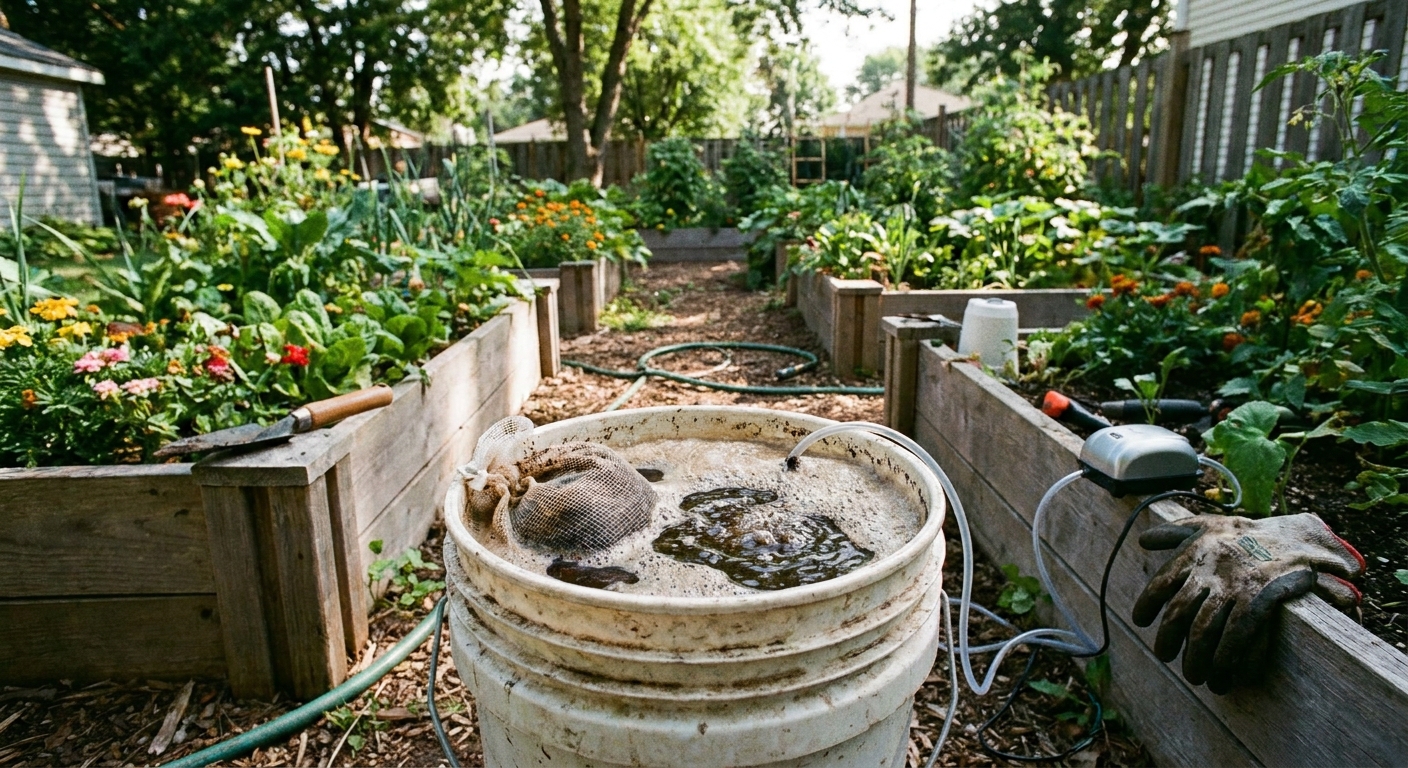
Compost tea is one of those garden topics that gets a little… fizzy. Some folks talk about it like it’s a miracle tonic that fixes everything from yellow leaves to world peace. In reality, compost tea is simply compost extracted into water, then used as a soil drench or, less often, as a foliar spray.
When it’s made thoughtfully, compost tea can be a gentle way to add a small pulse of nutrients and biology to your soil, especially in containers or tired beds. When it’s made carelessly, it can turn into a smelly bucket of questionable microbes that you don’t want splashing around your food garden.
Let’s keep it simple, safe, and genuinely useful.

Compost tea vs. compost
Compost belongs on the soil as finished, earthy, crumbly organic matter. That’s where it shines, building structure, feeding worms, and slowly releasing nutrients.
Compost tea is a short-term extract. It’s not a replacement for:
- Topdressing with compost for long-term soil building
- Mulch for moisture and weed suppression
- Balanced organic fertilizers when plants truly need nutrients
Think of tea as a quick sip, not a full meal. Also, keep expectations realistic: tea nutrient levels are usually low and variable, so it’s not the tool for a precise, measurable NPK fix.
Two types of tea
1) Simple steep (bucket method)
This is the most beginner-friendly approach. You steep compost in water like a giant garden “tea bag.” It can help extract soluble nutrients and some biology, but it’s also easier to over-steep and go anaerobic, especially in warm weather.
Best for: houseplants, containers, and gardeners who want a low-fuss soil drench.
2) Aerated tea (ACT)
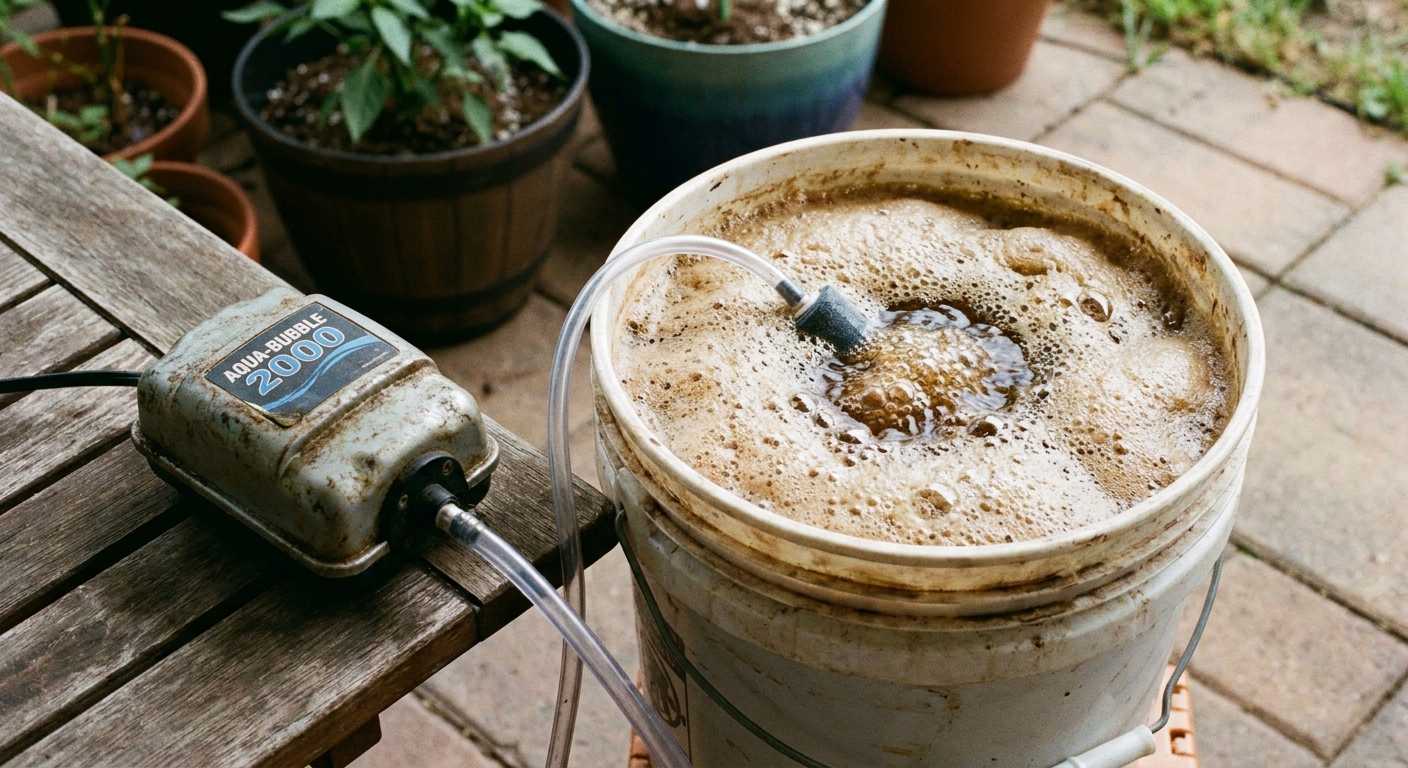
Aerated compost tea uses an air pump and air stone to keep oxygen moving through the brew. In practice, that bubbling usually reduces stink and helps the brew stay more aerobic.
Important: aeration isn’t a “sanitizer.” If your compost inputs are risky, or it’s too warm, or the brew goes too long, aerated tea can still grow microbes you don’t want.
Best for: folks who plan to make tea regularly and want tighter control over odor and brew conditions.
What you need
Compost tea is one place where clean matters. You’re encouraging microbial growth in warm water, so start with clean equipment.
- Finished compost that smells like soil, not ammonia or rot
- Water (rainwater is lovely; tap water can work if dechlorinated)
- A 5-gallon bucket or larger container
- Mesh bag (paint strainer bags work well) or you can strain later
- Stir stick dedicated to garden use
If you’re doing aerated tea, add:
- Aquarium air pump strong enough for your bucket size
- Air stone and tubing
Water tip: If your tap water uses free chlorine, letting it sit out 24 hours or bubbling it for a few hours can help. If your utility uses chloramine, it won’t off-gas reliably. In that case, consider rainwater, reverse osmosis, or a carbon filter rated for chloramine. Local water treatment and chlorine levels vary, so this is one of those “know your water” moments.
Simple steep method
This method is forgiving as long as you don’t push the brew time too long.
Basic recipe
- Compost: 1 to 2 cups finished compost per gallon of water
- Water: room temperature if possible
Steps
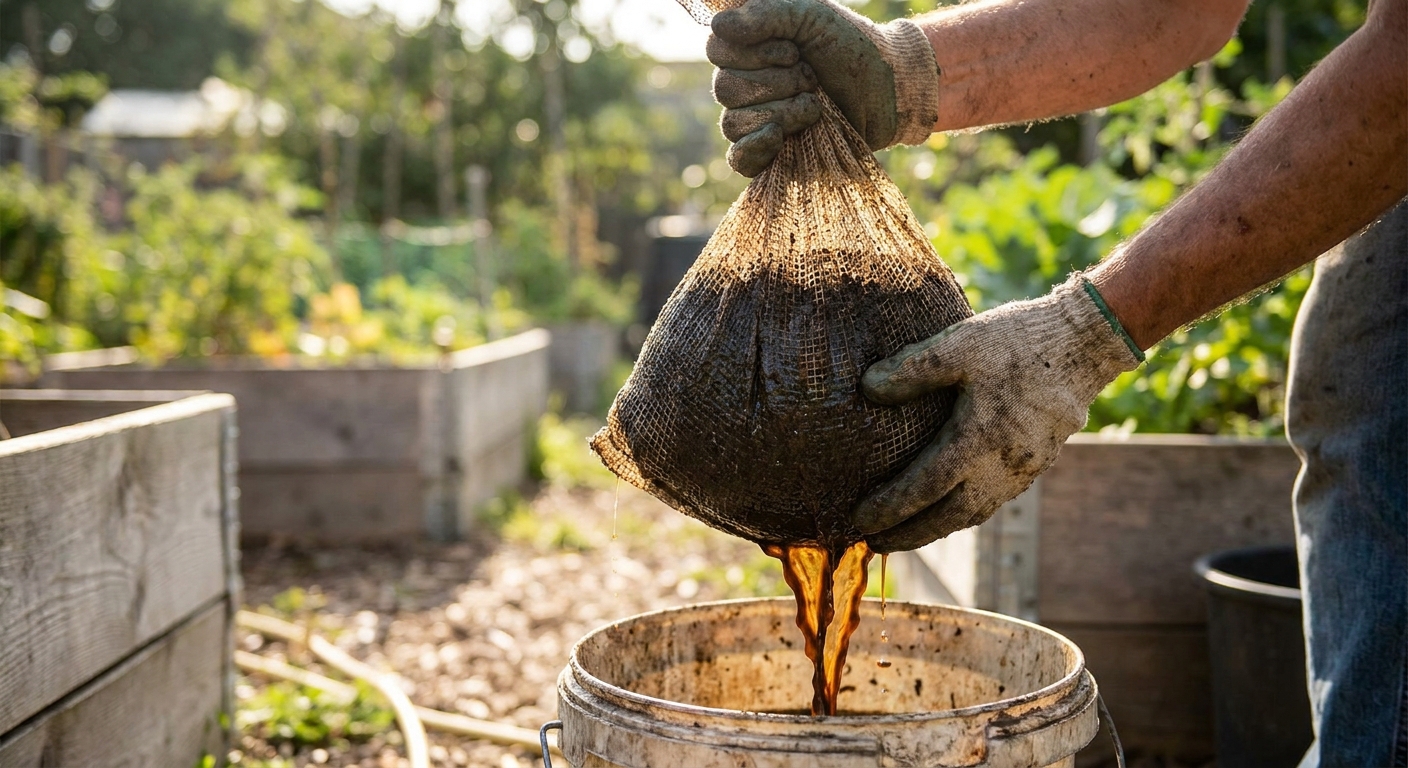
Bag the compost in a mesh bag, or plan to strain later.
Submerge and steep in the bucket.
Stir a few times during the day to keep things moving.
Steep time: 12 to 24 hours is a solid range for most gardens. If it’s hot out, go shorter.
Strain if needed, then dilute and use the same day.
Rule of thumb: If it starts smelling like rotten eggs, sewage, or sour garbage, don’t use it on plants. That’s your nose waving a red flag.
Aerated tea method
Aeration helps keep oxygen levels up, which usually keeps odors down and supports a more aerobic brew. Still, results vary with temperature, compost quality, and oxygen levels.
Basic recipe
- Compost: 1 to 2 cups finished compost per gallon of water
- Aeration: steady bubbling the entire brew
Steps
Fill the bucket with dechlorinated water.
Start the air pump and confirm you have vigorous bubbling.
Add compost in a mesh bag, or add loose compost and plan to strain well.
Brew time: many hobby recipes land around 18 to 36 hours, but it’s not a universal standard. Brew shorter when it’s warm, and don’t stretch it “just because.”
Use immediately after brewing. Once the air turns off, the brew can shift fast.
Do you need additives like molasses? Many recipes add a small amount of unsulfured molasses as microbe food. It can boost microbial activity, but it also raises the stakes if conditions go sideways. If you’re new, skip the sugars. Good compost and good oxygen are plenty.
Time and temperature
Compost tea is most stable when you keep the brewing window short and conditions reasonable.
- Warm temperatures speed everything up, including the growth of microbes you don’t want.
- Long steeps encourage anaerobic conditions, especially with no aeration.
- Stagnant buckets get funky. Movement matters, either by stirring (simple steep) or bubbling (aerated).
A practical rule: brew shorter in summer, longer in cool weather, and always trust your nose.
Straining
If you plan to use a watering can, fine. If you plan to use a hose-end sprayer or pump sprayer, strain like you mean it.
Easy options
- Mesh bag from the start: simplest, least clogging later
- Paint strainer bag over a second bucket
- Old t-shirt or burlap (only if it’s clean and you don’t mind staining)
Tip: If you’re using tea as a soil drench only, you can strain more casually. For foliar spray, strain very well and clean the sprayer immediately after.
Dilution
Finished compost already has nutrients bound in organic matter. Tea pulls out a smaller, more available portion. That’s why dilution matters, especially for containers where salts can build up faster.
Garden beds (soil drench)
- Typical dilution: 1:1 (one part tea to one part water)
- Gentle option: 1:2 if your compost is very rich or you’re cautious
Containers and houseplants (soil drench)
- Safer dilution: 1:3 to 1:5
- Frequency: every 3 to 6 weeks during active growth is plenty for most plants
Foliar spray (optional)
- Dilution: 1:5 or weaker
- Timing: early morning so leaves dry quickly
- Food safety: foliar spraying edible leaves (especially greens) carries higher risk. If it’s a food garden, the safest move is to keep tea on the soil, not on the parts you eat.
If you’re ever unsure, weaker is better. You can always apply again later. You can’t un-burn a plant.
How to apply
Where it helps
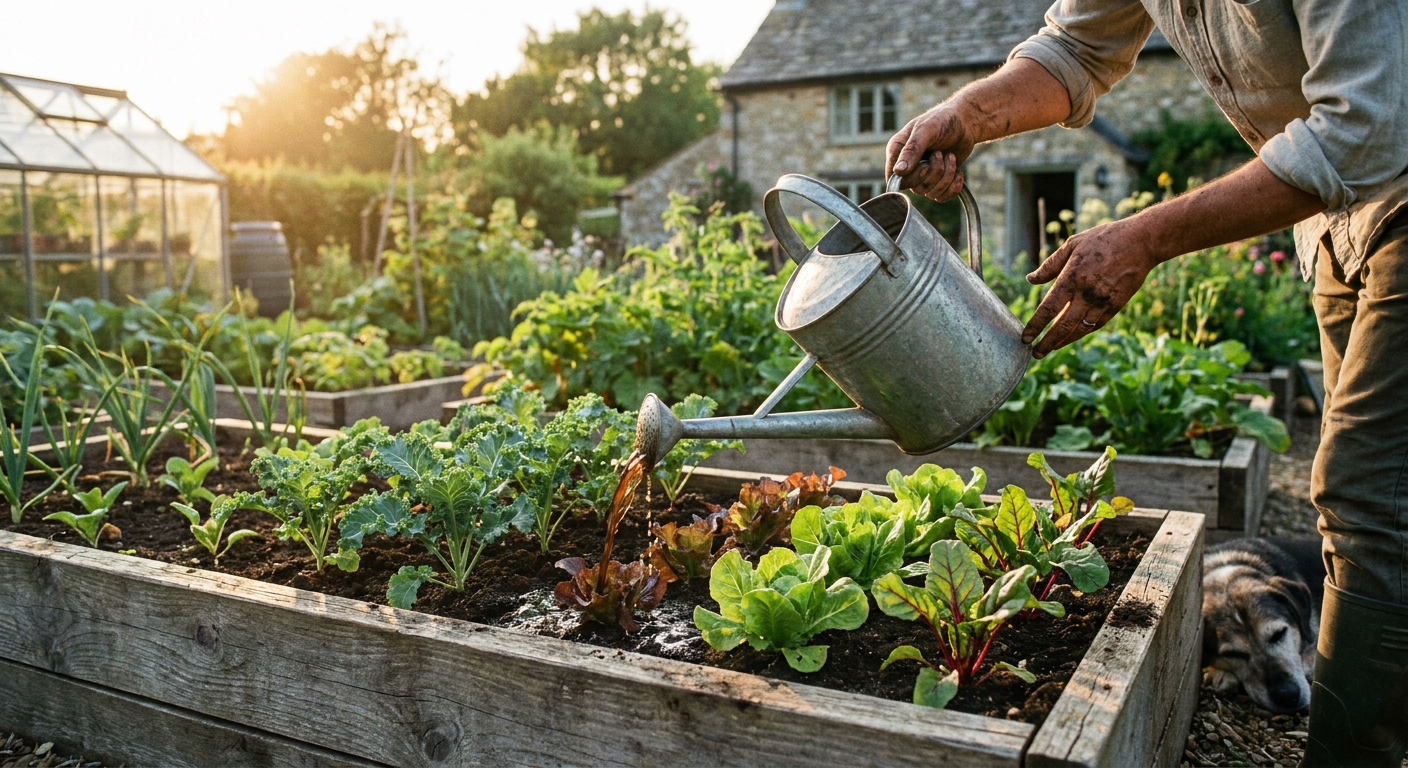
- Soil drench around the root zone for seedlings, transplants, and actively growing plants
- Containers that need a gentle boost between regular fertilizing routines
- Recently disturbed beds after planting, to reintroduce biology
How much to use
- Small pots (4 to 6 inch): a few tablespoons to 1/4 cup, like a normal watering
- 1 to 3 gallon containers: about 1 to 2 cups
- 5 gallon containers: about 1/2 to 1 quart
- Garden beds: roughly 1 to 2 gallons of diluted tea per 10 square feet as an easy starting point
You’re aiming to moisten the root zone, not flood the place. If the soil is bone dry, water first with plain water, then apply tea.
Where it’s not the answer
- Severely nutrient-deficient plants that need a measurable dose of NPK
- Chronic watering issues like root rot or hydrophobic potting mix
- Pest infestations that need actual pest management
Compost tea supports a healthy system. It’s not an emergency room.
Odor and safety
I love a good garden experiment, but compost tea isn’t the place for mystery ingredients. A few cautions keep it truly garden-friendly.
Don’t use unfinished compost
If your compost is still heating, looks slimy, or smells sharp, don’t brew with it. Use mature compost that smells like forest soil.
Manure inputs: be extra cautious
Properly composted manure can be great in the soil. But turning compost into a tea, and especially spraying it, can increase exposure risk in ways that are harder to control. If you grow leafy greens or anything you eat raw, consider sticking to plant-based compost or worm castings from a reliable source for brewing, and use tea as a soil drench only.
Skip scraps, oils, dairy, and ferments
Those belong in a managed compost pile, not a brew bucket. They increase odor, attract pests, and can support unwanted microbial growth.
Trust your nose
- Earthy smell: normal
- Swampy, sour, rotten egg smell: dump it into an ornamental area or back into the compost pile, then clean your gear
Food garden best practice: apply as a soil drench, not on edible parts, and avoid applying close to harvest. Wash produce as usual.
Evidence and expectations
Compost tea can be a helpful tool, but it’s not magic. Research on yield boosts and disease suppression is mixed, and results can be inconsistent because inputs and brewing conditions vary so much.
Here’s what it can realistically do:
- Provide a mild nutrient boost, especially micronutrients and small amounts of readily available nitrogen
- Moisten and distribute microbes around the root zone, depending on compost quality and brewing conditions
- Support soil life when used alongside compost, mulch, and gentle fertilizing
Here’s what it probably won’t do:
- Replace compost as your primary soil builder
- Fix poor drainage or compacted soil on its own
- Cure plant diseases reliably
If you want the biggest, most consistent payoff, put most of your energy into great compost, steady mulching, and not over-tilling. Then compost tea can be a nice extra.
Troubleshooting
My tea smells bad
- Likely cause: too long, too warm, not enough oxygen
- Fix: shorten brew time, aerate, keep the bucket shaded, use finished compost only
My sprayer keeps clogging
- Likely cause: not strained enough
- Fix: use a mesh bag and strain again through a finer cloth before filling the sprayer
I don’t see any difference
- Likely cause: tea is subtle, or the limiting factor is light, watering, or nutrients
- Fix: check the basics first, then use tea as a gentle supplement rather than your main strategy
White crust on pot soil
- Likely cause: commonly mineral salt buildup from compost, fertilizers, or hard water
- Fix: dilute more, apply less often, and flush containers with plain water occasionally
Storage and cleanup
Compost tea is best fresh. Don’t store it for later. Use it the same day, and if you’ve got leftovers, pour them onto ornamental beds or back into the compost pile.
Afterward, wash buckets, bags, and sprayers with soap and water and let them dry. If you want to be extra cautious (especially with sprayers), a mild bleach solution can be used for sanitizing, then rinse well and dry.
A simple routine
If you want compost tea to be part of your organic rhythm without taking over your weekend, try this:
- Spring: topdress beds with compost, then use a diluted tea drench at planting time
- Summer: one tea drench mid-season for heavy feeders like tomatoes, peppers, squash
- Containers: a weak tea (1:5) about once a month, alternating with your usual fertilizer plan
And then, truly, go enjoy the garden. The best soil amendments are the ones that fit your life.