
Coconut Coir vs Peat Moss

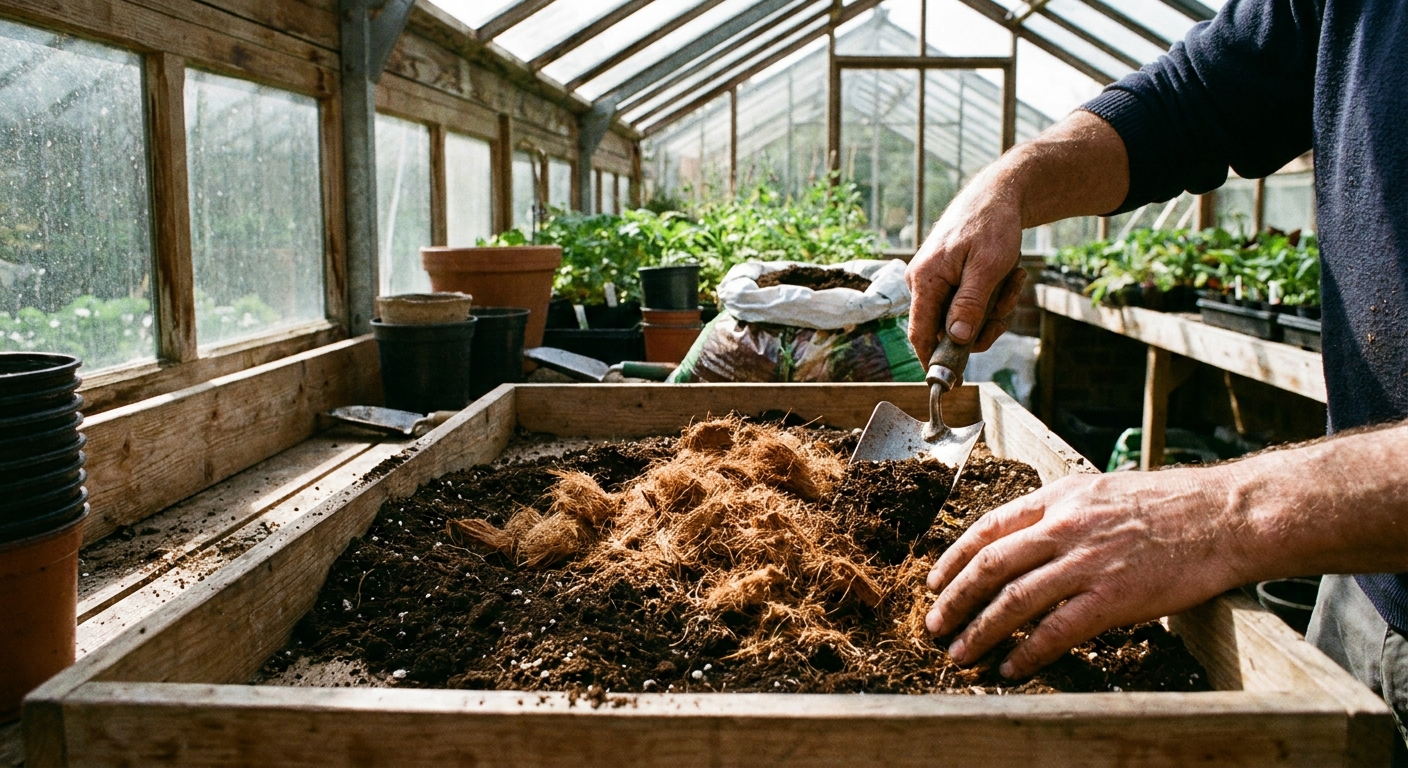
I’ve got a soft spot for any growing medium that makes people feel brave enough to try again. If you’ve ever watched a seed tray dry out in one afternoon, or wrestled a crusty brick of potting mix that refuses to absorb water, you already know the coir vs peat question isn’t just about sustainability. It’s about how your plants actually live day to day.
Both coconut coir and peat moss are used to hold moisture and create air space in potting mixes. They behave differently once wet, they age differently in a pot, and they come with different environmental baggage. Let’s sort it out in plain language, with practical blends you can scoop and mix today.

Quick takeaway
- Choose peat if you need a consistent, fine-textured base for tiny seeds, or you live in a very dry climate and want water-holding that often runs a bit higher in many mixes.
- Choose coir if you want a renewable byproduct option with great rewetting, good structure, and you’re willing to buy quality rinsed and buffered coir or rinse it yourself.
- Most home gardeners do best with a blend: coir or peat plus compost, plus perlite for air, plus a little nutrition.
How they handle water
Water retention
Peat moss holds a lot of water. That’s why it’s a classic for seed starting and moisture-loving plants. The flip side is that mixes heavy in peat can stay wet for a long time in cool, low-light conditions, which is where damping off and fungus gnats like to party.
Coconut coir holds water too, but many gardeners find coir-based mixes feel a touch springier and drain a bit more freely at the same apparent moisture level. In other words, coir often gives you a nice balance of moisture and air, especially when paired with perlite.
Rewetting after drying out
This is the moment where coir usually wins hearts.
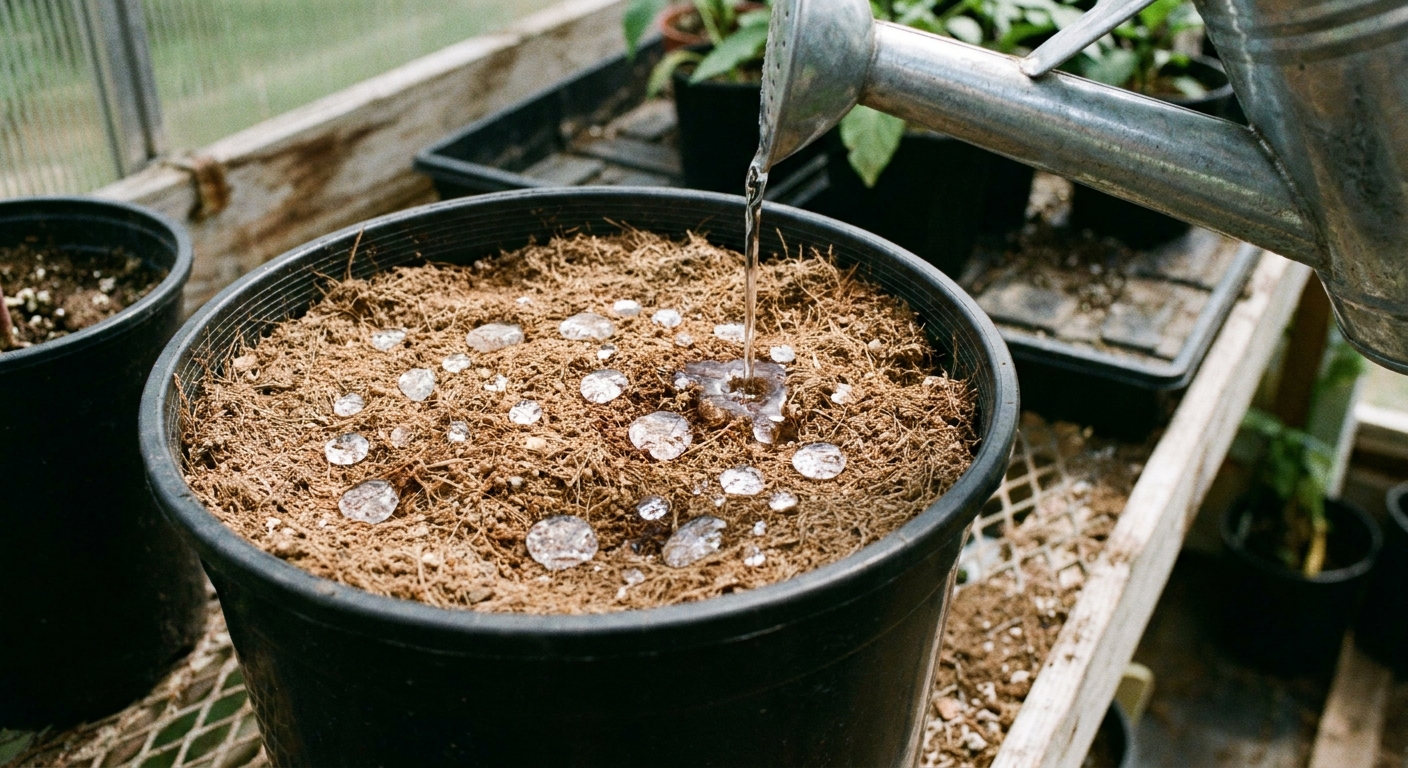
- Peat can become hydrophobic if it dries out, meaning water beads up and runs down the sides of the pot. You can fix it, but it takes time: slow watering, bottom watering, or adding a drop of mild, plant-safe surfactant.
- Coir rewets more easily after a dry spell. If you’re a “sometimes I forget for two days” plant parent, coir is more forgiving.
How they age in a pot
This doesn’t get talked about enough, but it matters for houseplants and long-season containers.
- Peat can shrink as it dries and rewets, and repeated dry downs can make it more prone to that hydrophobic “brick” behavior over time. In a potting mix that’s short on chunky aeration (perlite, bark, pumice), peat-heavy blends can also settle and hold onto water longer than you planned.
- Coir tends to rewet more consistently over time, and many people find it keeps a springy structure. That said, fine coir pith can still settle and compact if it’s the main ingredient. Coir chips or a bit of bark can help keep air pockets in mixes meant to last.
If your potting mix looks lower in the pot six months later, or it suddenly holds water longer than it used to, that’s your cue to refresh it with aeration and nutrients rather than blaming your plant.
Salts and quality in coir
Coir is made from coconut husks. Depending on how and where it’s processed, it may contain excess salts (often sodium and potassium) or be unbuffered, which can cause calcium and magnesium issues for plants.
What the salt issue looks like
- Seedlings that stall, with leaf edges browning early
- White crust on the soil surface
- Plants that look thirsty even though the mix is damp
How to buy better coir
- Look for coir labeled rinsed and ideally buffered (often buffered with calcium to reduce nutrient tie-up).
- Choose reputable brands that publish EC (electrical conductivity) or salt testing, if available.
- Match particle size to the job: fine coir pith for seed starting, coir chips (or a pith and chip blend) for chunky aroid-style mixes.
How to rinse coir at home
If you’ve got coir bricks or bales and you aren’t sure about quality, you can do a simple rinse. Just know that very salty coir may need more than a quick pass.
- Hydrate the coir fully with clean water.
- Drain it through a colander or a mesh bag.
- Repeat 1 to 2 times, and more if the runoff still feels “minerally” or you’re growing sensitive seedlings.
If you can measure, the gold standard is rinsing until the runoff EC is close to your source water. For salt-sensitive seedlings, buying pre-rinsed and buffered coir is often more reliable than trying to rescue a questionable brick.
Environmental tradeoffs
I care a lot about soil and ecosystems, so I’ll be gentle but honest here.
Peat moss
Peat comes from peatlands, which are slow-forming wetland ecosystems that store enormous amounts of carbon. Harvesting peat can damage habitats and release stored carbon. Some regions manage peat extraction with restoration plans, but peat still carries a heavier climate and habitat footprint than most gardeners expect. Also, peat can be more locally sourced in some regions, which may lower shipping impacts compared to imported products.
Coconut coir
Coir is a byproduct of the coconut industry, so it’s often framed as renewable. That’s mostly fair. The tradeoffs are processing, washing, wastewater handling, and shipping. Coir frequently travels long distances, and washing can involve a lot of water. Quality controls vary widely by producer, and “renewable” doesn’t automatically mean low-impact.
My sustainability-minded compromise: use the least high-impact medium you can for the job, stretch it with compost, and reuse what you can by refreshing pots with aeration and nutrients rather than tossing everything.
How they mix with compost and perlite
Neither peat nor coir is a complete “soil” on its own. They’re sponges and structure. They need partners.
With compost
- Compost adds nutrition and microbes, but too much compost can make a seed mix heavy and too wet.
- For houseplants, compost helps reduce how often you need to fertilize and improves structure over time.
With perlite
- Perlite adds air and prevents soggy roots, especially in peat-heavy mixes.
- Coir plus perlite is a great combo for people who tend to overwater because it stays evenly moist without turning into a swamp.
Best blend ratios
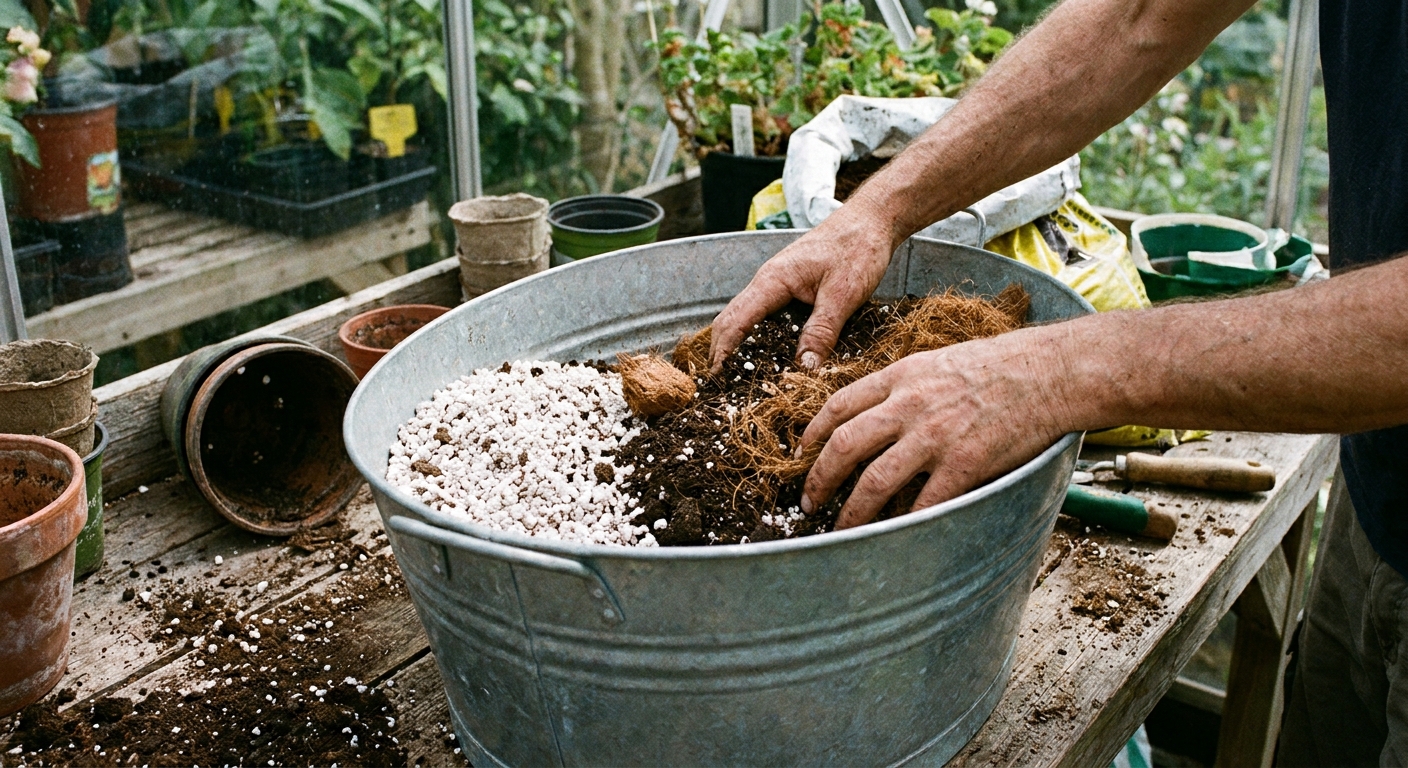
These blends are simple, reliable, and easy to tweak. Measurements are by volume, so use a scoop, a yogurt container, whatever you’ve got.
Seed starting mix
- Option A, coir-based: 60% coir + 30% perlite or vermiculite + 10% sifted compost or worm castings
- Option B, peat-based: 60% peat + 30% perlite or vermiculite + 10% sifted compost or worm castings
Notes from my seed tray corner: keep compost low for tiny seeds to reduce fungus pressure. If you skip compost entirely, plan to begin a very dilute fertilizer once seedlings have their first true leaves (think 1/4 strength balanced fertilizer).
All-purpose houseplant mix
- Coir version: 40% coir + 30% compost + 30% perlite
- Peat version: 40% peat + 30% compost + 30% perlite
This lands in the sweet spot for pothos, philodendrons, spider plants, and the usual windowsill crew.
Moisture-loving plants
- 50% peat or coir + 35% compost + 15% perlite
If you’re prone to overwatering, use coir and bump perlite to 20%. To keep the math clean, drop compost to 30%.
Succulents and cacti
- 20% coir or peat + 20% compost + 60% perlite or gritty pumice
Yes, that’s a lot of air. Your succulents will thank you by not rotting.
Aroids and chunky roots
- 30% coir or peat + 20% compost + 30% perlite + 20% orchid bark
This is where structure matters as much as moisture. Coir often shines here because it rewets nicely in a chunky mix.
pH and nutrients
Peat is naturally acidic (often around pH 3.5 to 4.5), so many commercial peat mixes include lime to bring pH into a plant-friendly range. If you’re mixing your own with straight peat, you may need a small amount of garden lime to avoid overly acidic conditions for many houseplants and vegetables. Also note: bagged peat-based mixes can include wetting agents and starter fertilizer, so “peat-based” doesn’t always mean “neutral and empty.”
Coir is closer to neutral (often around pH 5.5 to 6.8), which makes it easier to work with for many plants. The catch is buffering. Unbuffered coir can swap out calcium and magnesium, so coir users often do better with a fertilizer that includes Ca and Mg (or an occasional Cal-Mag supplement) if plants start looking pale or growth stalls.
Both are low in nutrients. Compost, worm castings, and a steady fertilizer plan do the heavy lifting.
Which one should you use?
Go with peat when
- You want a fine, consistent base for seed starting and propagation
- You’re growing salt-sensitive seedlings and don’t want to rinse anything
- Your environment is hot and dry and you need extra water-holding
Go with coir when
- You want easier rewetting and a forgiving medium for busy weeks
- You prefer a renewable byproduct option and can source high-quality coir
- You’re building chunky mixes where even moisture matters
Use a blend when
- You want to reduce peat use but still want the predictability peat often brings
- You’re experimenting and want a middle path while you learn your watering rhythm
Common mistakes
- Mix stays soggy: add more perlite, improve drainage holes, and reduce compost slightly.
- Mix dries into a brick (often peat): bottom water, then mix in coir next batch or add a bit more compost and perlite to improve structure.
- Seedlings struggle in coir: rinse coir more thoroughly or buy buffered coir next time, and consider a fertilizer that includes calcium and magnesium.
- Fungus gnats: let the top inch dry, bottom water, and reduce compost in seed mixes.
Pick in 30 seconds
If you’re standing in a garden center aisle and overthinking it, here’s my gardener-to-gardener shortcut:
- Seed starting for vegetables and flowers: a peat-based seed mix (often limed and pre-wetted) or a high-quality buffered coir mix, plus perlite.
- Houseplants you sometimes forget: a coir-based mix with perlite.
- You want the greenest option you can manage: coir plus compost, and stretch it with reusable ingredients like bark and pumice. If peat is locally produced where you live and coir is shipped halfway around the world to reach you, it’s okay to factor that in too.
Whatever you pick, remember this: the best mix is the one that matches your watering habits and gives roots both moisture and air. Plants are wildly forgiving when we give them those two basics.