
Chrysanthemum Care for Fall Blooms and Rebloom

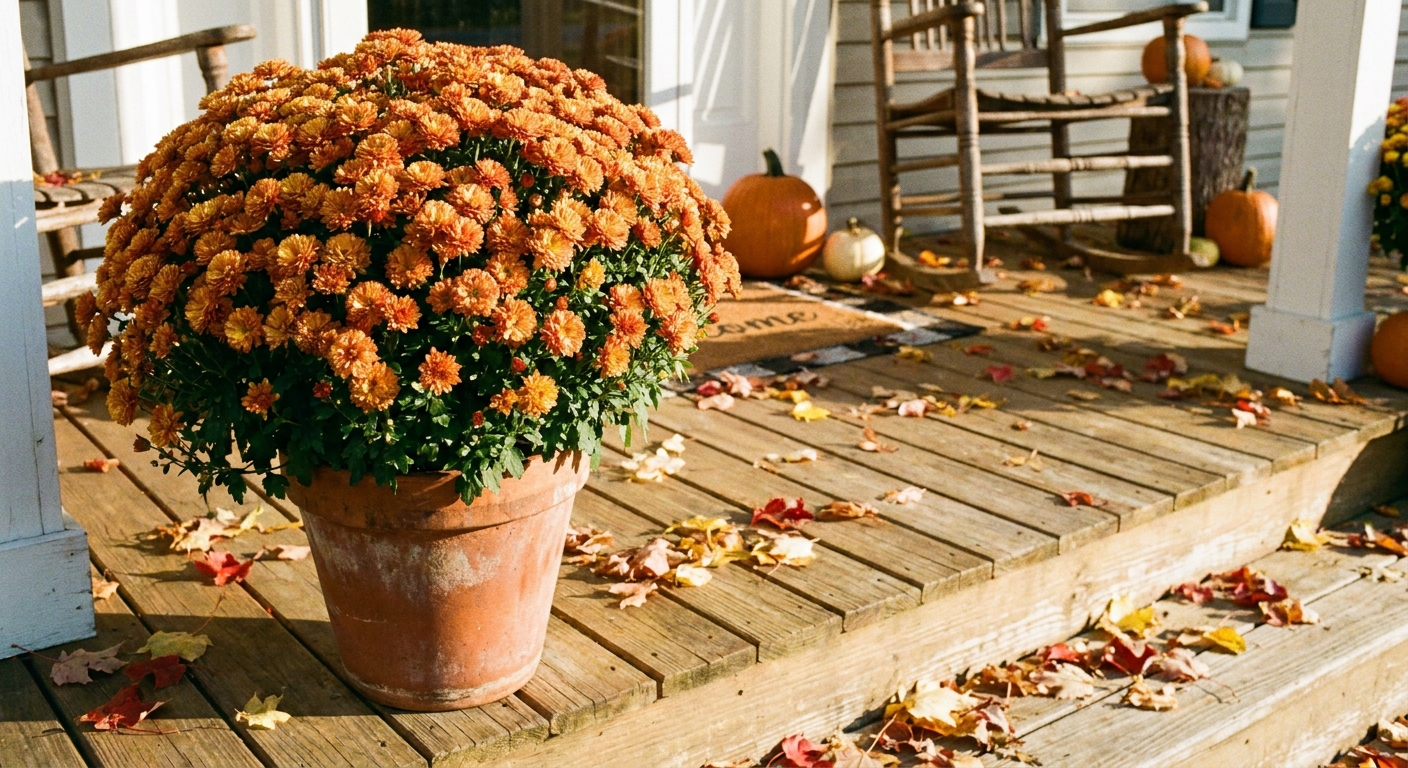
Chrysanthemums are the cozy sweater of the garden world. When so much else is fading, mums show up with fireworks in bronze, butter yellow, ruby, and wine. The trick is knowing what kind of mum you brought home and what season the plant was grown for (and what you're asking it to do). A fall mum in full bloom is already at the finish line, while a garden mum planted in spring is just warming up.
Below you'll find the simple, practical steps I use to keep mums blooming longer in fall, and to give hardy garden mums their best shot at coming back and reblooming next year.

Choose a mum that lasts
A little choosing at the store goes a long way toward a longer show at home.
- Look for buds: pick a plant with lots of tight or just-opening buds, not one that's fully open all over. You'll get more days of color.
- Check the leaves: aim for deep green foliage with no white powder (mildew), heavy spotting, or lots of yellowing at the base.
- Mind the pot: if roots are circling or poking out the bottom, it'll dry faster. That's not a deal-breaker, it just means you'll be watering more often.
Garden mums vs florist mums
Mums are often sold under the same friendly name, but there are two common types with very different goals.
Garden mums (hardy mums)
- Best for: planting outdoors in the ground, returning each year in many climates.
- Hardiness: cultivar-dependent, but many garden mums are most reliable roughly in USDA Zones 5 to 9 with good siting and winter protection.
- Typical label clues: “hardy mum,” “garden mum,” “perennial,” a zone range, or a botanical name like Chrysanthemum × morifolium (names vary by grower).
- Rebloom expectation: realistic if planted early enough to establish roots and cared for through the season.
Florist mums
- Best for: temporary indoor decor or porch displays.
- Typical label clues: sold in gift foil, decorative baskets, or as a centerpiece plant that's meant to be perfect right now.
- Rebloom expectation: possible, but usually not worth stressing over. Getting an indoor florist mum to rebloom takes very bright light, careful timing, and patience.
If you're unsure what you have, don't rely on the tag alone. Check for a hardiness zone on the label, look up the variety name if it's listed, or ask the retailer or grower. In colder zones, it's safest to treat unknown mums as tender and enjoy them as seasonal color unless proven hardy.
Pots vs in-ground
Keeping potted mums happy
Most fall mums are root-packed by the time we buy them. That's not a failure on your part. It just means water management is the whole game. Rootbound pots dry fast, and a bone-dry rootball can be stubborn about wetting evenly again.
- Choose the right pot: drainage holes are non-negotiable. If it came in a decorative cachepot, lift the nursery pot out to water, then let it drain fully.
- Give them space: tuck them where they get bright light and some airflow. Crowding pots together looks cute but can invite mildew.
- Protect from hard cold: a light frost is often fine, especially for tight buds, but repeated hard freezes can turn open blooms to mush fast.
Planting mums in the garden
If you want a mum to come back, getting it into the ground at the right time matters more than any fertilizer.
- Best planting window: spring to early summer is ideal for long-term hardy mums.
- Can I plant in fall? Yes, but it's a gamble in colder zones because roots may not establish before deep freezes. If you plant in fall, mulch after the ground starts to cool.
- Soil and siting: well-draining, compost-enriched soil beats fancy products. Avoid low, wet spots where winter water sits. Mums hate wet feet in winter.
- Spacing: give them room for airflow. It helps cut down on mildew and makes for sturdier plants.

Light needs
Mums bloom best with plenty of sun, especially in fall when the days are already shorter.
- Outdoors: aim for at least 6 hours of sun. Morning sun with a little afternoon shade can help blooms last longer if your fall days run warm.
- Indoors: put them in the brightest window you've got, ideally with a few hours of direct sun. A dim room is the fastest way to watch buds stall and flowers fade.
One more mum quirk: chrysanthemums are “short-day” (long-night) plants. They set buds when nights are long and, most importantly, uninterrupted. Even brief light at night can delay or disrupt bud set. Outdoors, fall handles this naturally. Indoors, nearby lamps and kitchen lights can confuse the timing, which is one reason rebloom is tricky.
Watering through bloom
If I could tape one note to every fall mum at the nursery it would say: “Don't let me dry out.” A mum that dries to the point of wilting often drops buds and looks tired even after you water.
For potted mums
- Check daily: in windy fall weather, pots can dry fast.
- Water deeply: water until it runs out the drainage holes, then let it drain fully.
- Use the finger test: if the top inch of soil is dry, it's time.
- Avoid soaking blooms: water at soil level to reduce rot and help flowers stay fresh.
For in-ground mums
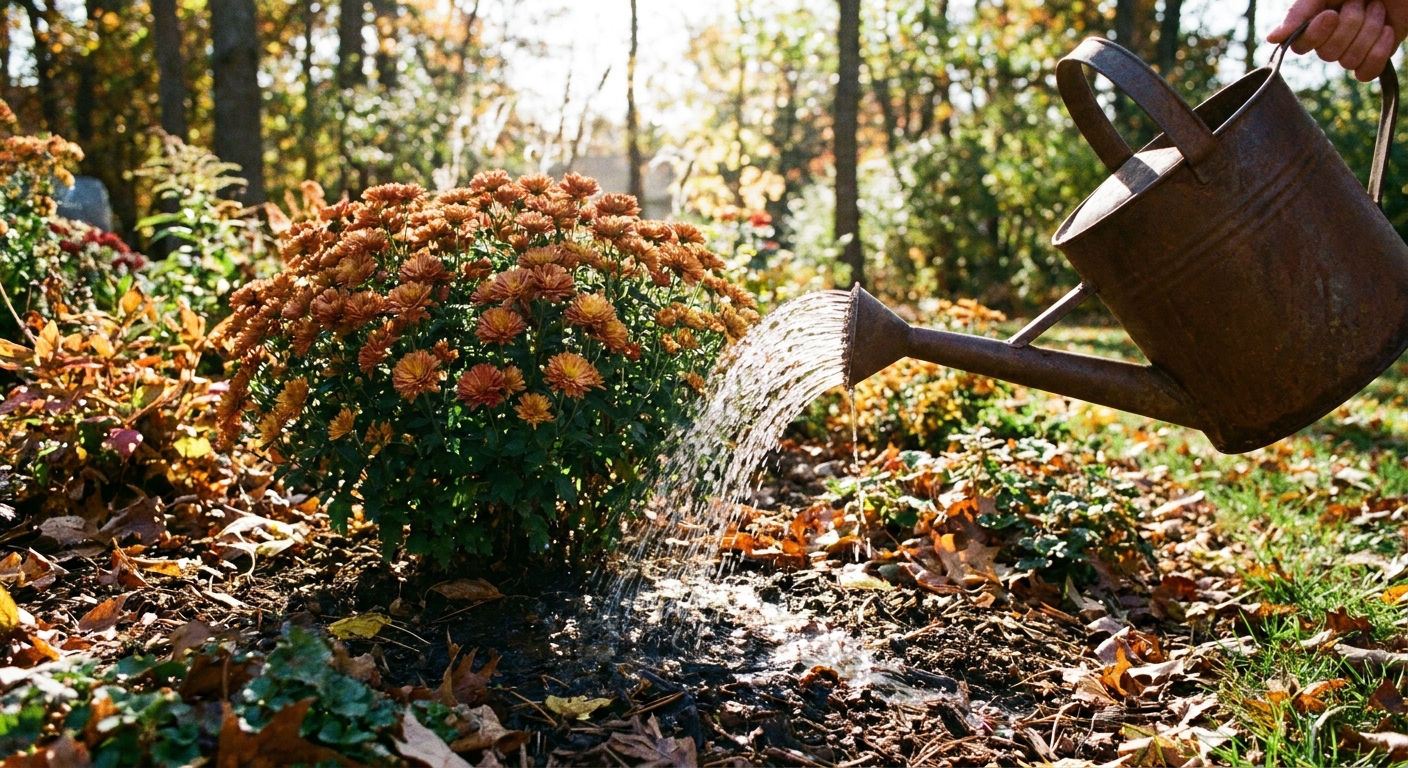
- Water schedule: roughly 1 inch per week from rain or irrigation during active growth, establishment, and bloom, adjusting for your soil and the weather. In cool or rainy periods, they may need less.
- Mulch helps: a 2 to 3 inch layer of shredded leaves or fine bark keeps moisture more even and supports soil life.
Feeding mums
For fall mums already in flower, less is more. Heavy feeding late in the season can encourage soft growth that flops or struggles as temperatures drop.
- Fall, in bloom: skip fertilizer or use a very light dose once if the plant is pale and you've been watering frequently.
- Spring to mid-summer (garden mums): a balanced organic fertilizer or compost top-dressing supports bushy growth that will carry more buds later.
Pinching for bushier blooms
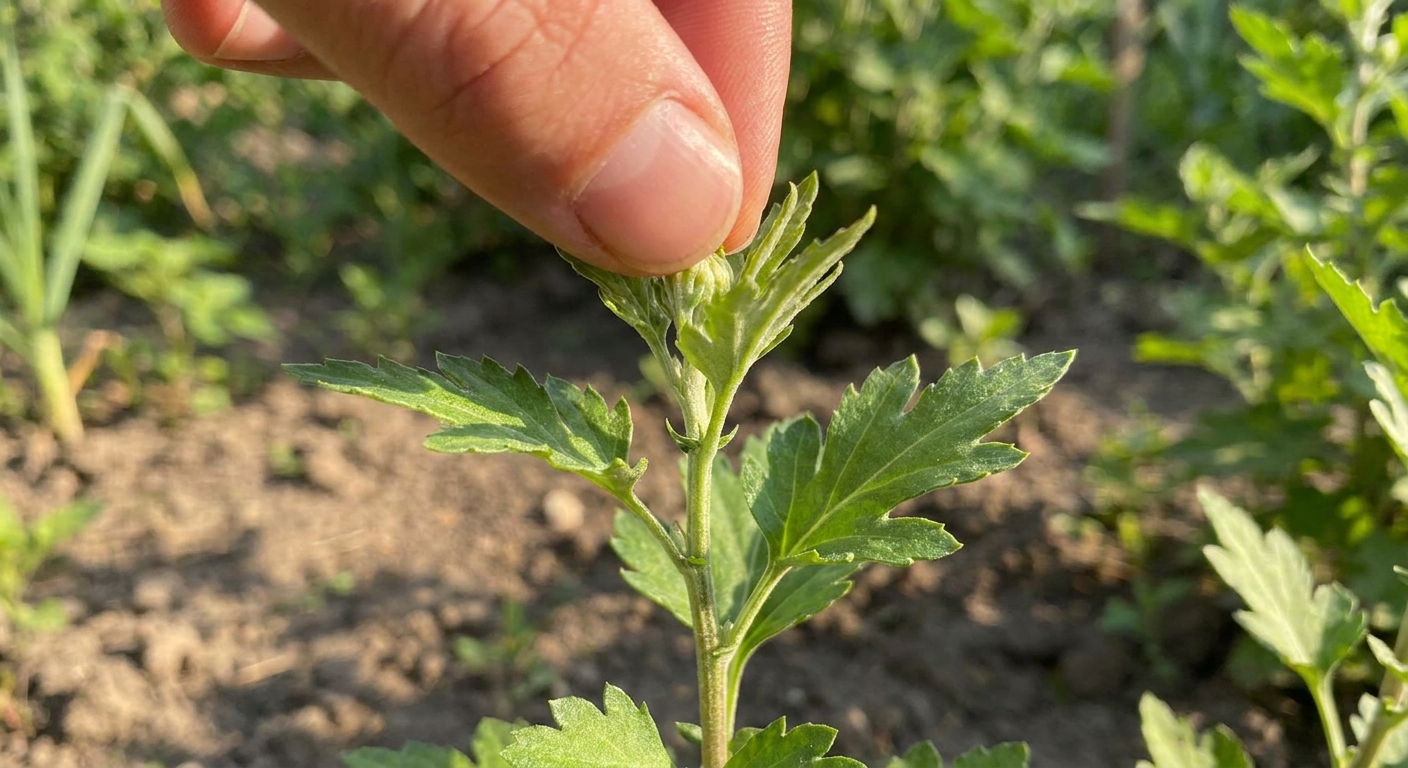
Pinching is the not-so-secret move that turns a leggy mum into a rounded, bloom-packed dome. You're simply removing the growing tip so the plant branches.
When to pinch
- Start: when new growth is 4 to 6 inches tall in spring.
- Repeat: every 2 to 3 weeks by pinching back the top 1 to 2 inches of each stem.
- Stop: around early July in colder zones, and no later than mid-July in many temperate areas. Stopping gives the plant time to set buds for fall.
If you buy mums already budding or blooming in late summer or fall, don't pinch. Let them do their thing this year.
Deadheading and grooming
As flowers fade, you've got two good options: tidy for looks, or let the plant coast.
- For a cleaner look: snip off spent blooms just above a set of leaves.
- For simplicity: gently pull off brown petals and leave the rest. This works well for porch pots.
In fall, deadheading won't reliably trigger a whole new flush of blooms outdoors because the plant is responding to day length and temperature. It will, however, keep the display fresher and reduce rot.
Rebloom expectations
Let's set expectations kindly. A mum that was forced into perfect bloom for a fall display may not have the energy or timing to do it again soon.
Reblooming garden mums outdoors
This is the most realistic path. If you plant a hardy mum in the ground, keep it watered its first season, pinch on schedule next spring, and give it sun, you can expect fall blooms again.
Reblooming florist mums indoors
Possible, but fussy. Indoor rebloom attempts usually fail for three reasons: not enough light, inconsistent watering, and nighttime light interrupting the long dark period needed for bud set.
- After flowering: cut stems back to 4 to 6 inches once most blooms fade.
- Light: give the brightest light you can manage. A sunny south or west window helps, and a grow light can make the difference.
- Temperature: cooler rooms are better than hot, dry air near a vent.
- Photoperiod: in late summer and fall, the plant typically needs long, uninterrupted nights for weeks to form buds. Many varieties respond best to roughly 12 to 14 hours of darkness nightly for about 6 to 8 weeks, but this varies by cultivar.
Even if it doesn't rebloom, you didn't fail. You simply enjoyed a plant at its peak, which is exactly what florist mums are bred to do.
Dividing crowded clumps
Hardy garden mums get woody and crowded over time. Dividing refreshes them and often improves blooming.
When to divide
- Best time: spring, just as new shoots appear.
- How often: every 2 to 3 years, or whenever the center looks sparse and the edges look thick.
How to divide
- Water the plant the day before so the roots are hydrated.
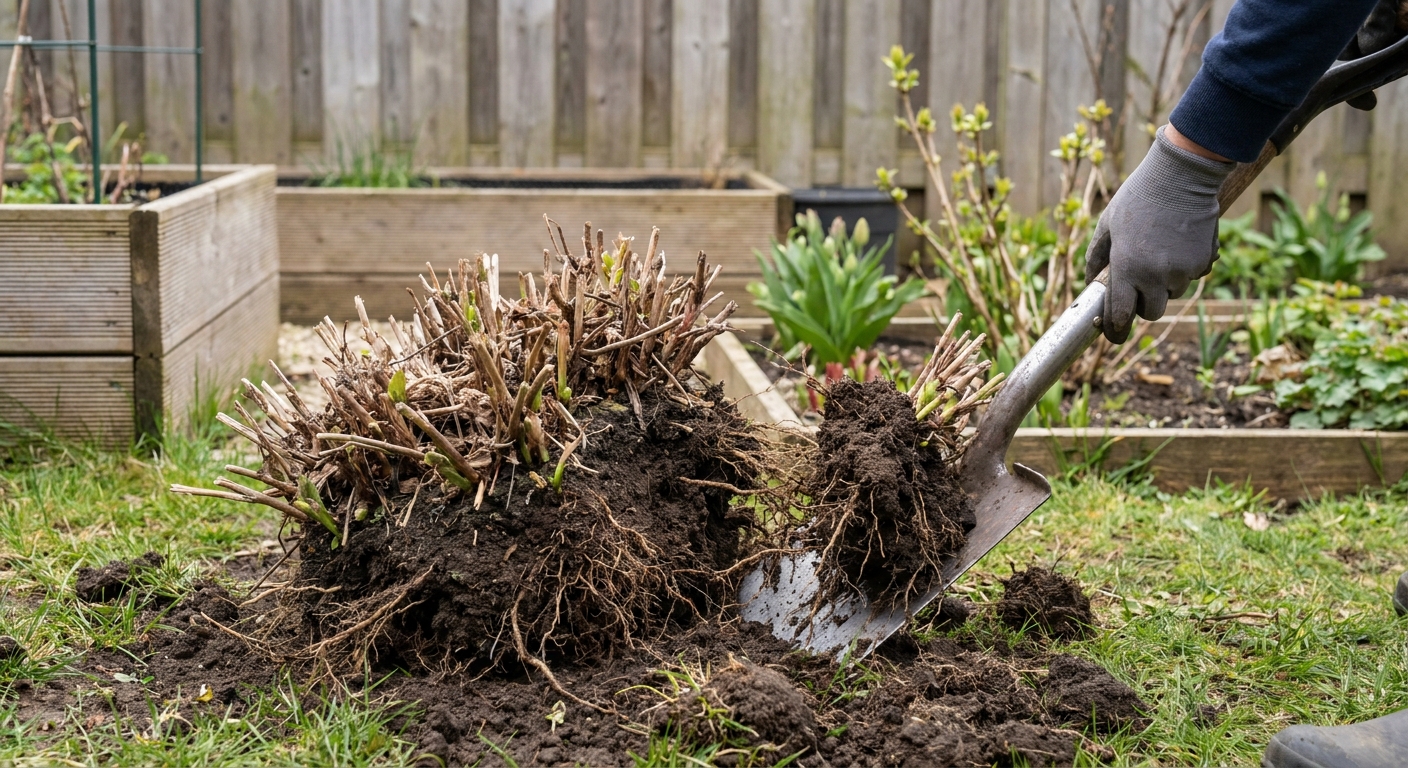
- Dig up the clump with a spade, lifting as many roots as you can.
- Split into sections using your spade or a garden knife. Look for pieces with healthy roots and several shoots.
- Replant immediately at the same depth, in compost-amended soil.
- Water well and mulch lightly.
After frost and winter care
Once a hard frost hits, mums usually turn brown and collapse. What you do next depends on whether your goal is winter protection or tidy beds.
For hardy mums in the ground
- Leave stems until spring if you can: they catch leaves and snow, which helps insulate the crown.
- Mulch after the ground cools: add 3 to 4 inches of shredded leaves or straw once you're consistently seeing cold nights. Mulching too early can keep things too warm and soggy.
- Avoid freeze-thaw stress: a steady blanket of mulch in colder areas helps reduce heaving and crown damage.
- Cut back in spring: trim dead stems to a few inches when you see new growth.
For potted mums
- Seasonal decor route: compost the plant after frost. Totally acceptable.
- Overwinter attempt: only worth trying if it's a hardy variety. After bloom, cut it back to a few inches and move the pot to an unheated garage or sheltered spot where it stays cold. Keep it just barely moist (not wet) and protect it from repeated freeze-thaw. Water lightly every few weeks if the soil dries out.
Remember, roots in pots experience colder temperatures than roots in the ground. Overwintering in a container is always harder.
Troubleshooting
Wilting even though you watered
- In pots, water may be running down the sides if the rootball is very dry. Soak the pot in a bucket for 10 to 20 minutes, then drain well.
- Check drainage holes. If water sits, roots can suffocate and wilt.
Yellow leaves at the bottom
- Often normal aging during bloom, especially if the plant is root-bound.
- Also common with inconsistent watering. Aim for even moisture.
Powdery mildew
- Improve airflow and avoid wetting leaves late in the day.
- Remove the worst affected leaves and keep the area around the plant tidy.
Common pests
- Aphids: rinse with a strong spray of water or use insecticidal soap, especially on tender new growth.
- Spider mites (often indoors): look for fine webbing and stippled leaves. Increase humidity a bit and rinse leaves, then treat if needed.
Seasonal checklist
Fall (bloom time)
- Full sun where possible
- Consistent watering, especially in pots
- Deadhead for a cleaner look
- Protect open blooms from hard freezes if you want the display to last
Spring and early summer (for next year)
- Divide crowded clumps
- Top-dress with compost
- Pinch regularly, then stop by early to mid-July
Late fall and winter
- Mulch hardy mums after the ground cools
- Leave stems for insulation, then cut back in spring
If you take nothing else from this page, take this: mums aren't “hard,” they're just honest. Give them sun, steady water, and good soil, and they'll do the rest. And if a gift mum only lasts the season, that's not a black thumb. That's just a plant doing what it was bred to do.