
Cattleya Orchid Care for Beginners

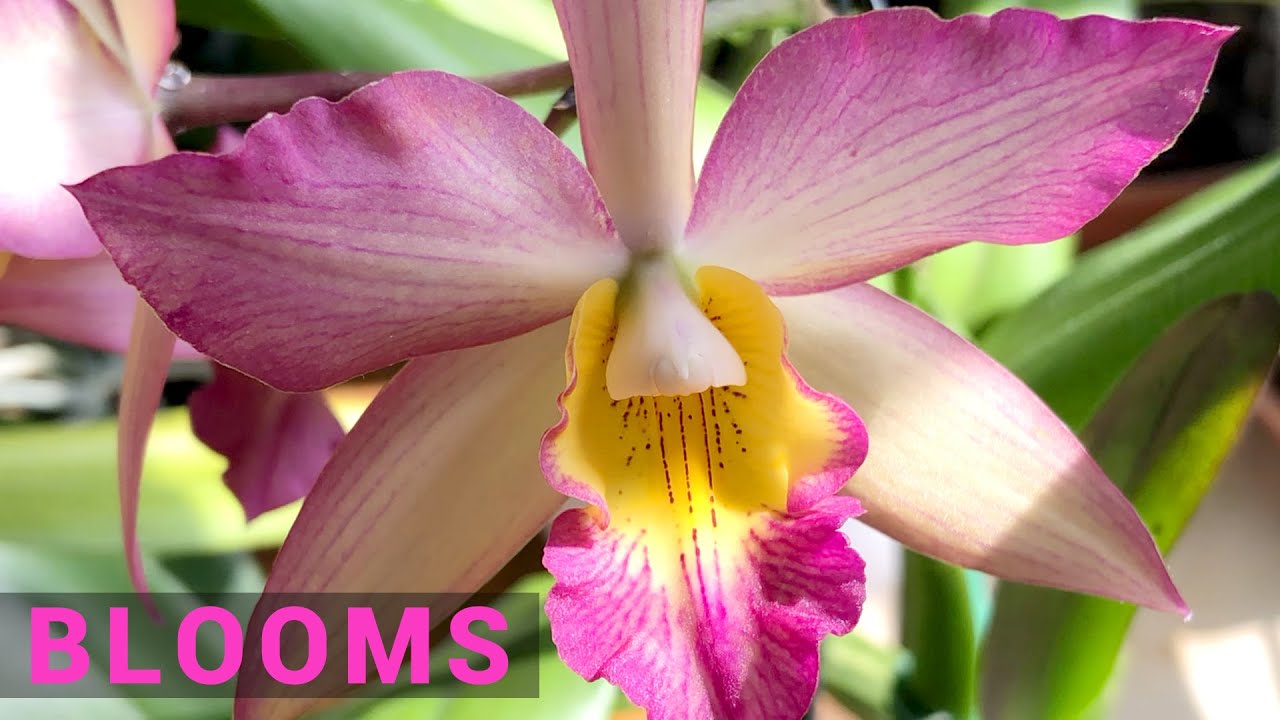
Cattleyas are the orchids that made me fall in love with orchids all over again. They are bold, fragrant, and a little opinionated in the best way. If you have kept a Phalaenopsis alive on a windowsill and you are ready for your next step, Cattleya is a perfect upgrade.
The big shift is this: Cattleyas like a brighter spot and a clearer wet to dry rhythm. They store water in their chunky pseudobulbs, so they do not want constantly damp roots. Give them air, light, and a little temperature swing, and they will reward you with blooms that feel almost unreal.

Meet your Cattleya
Before we talk care, it helps to know the parts that matter for beginners.
- Pseudobulbs: the thickened stems that look like little canes or bulbs. This is Cattleya’s water and energy storage. Plump is good. Wrinkly can mean it has been too dry for too long or roots are struggling. Also, older bulbs can look a bit wrinkled even when the plant is otherwise fine.
- Rhizome: the “creeping” base that sends out new growths. Cattleyas expand sideways, so they need room to march forward.
- New growth: fresh green shoots that appear at the base of the newest pseudobulb. This timing matters a lot for repotting.
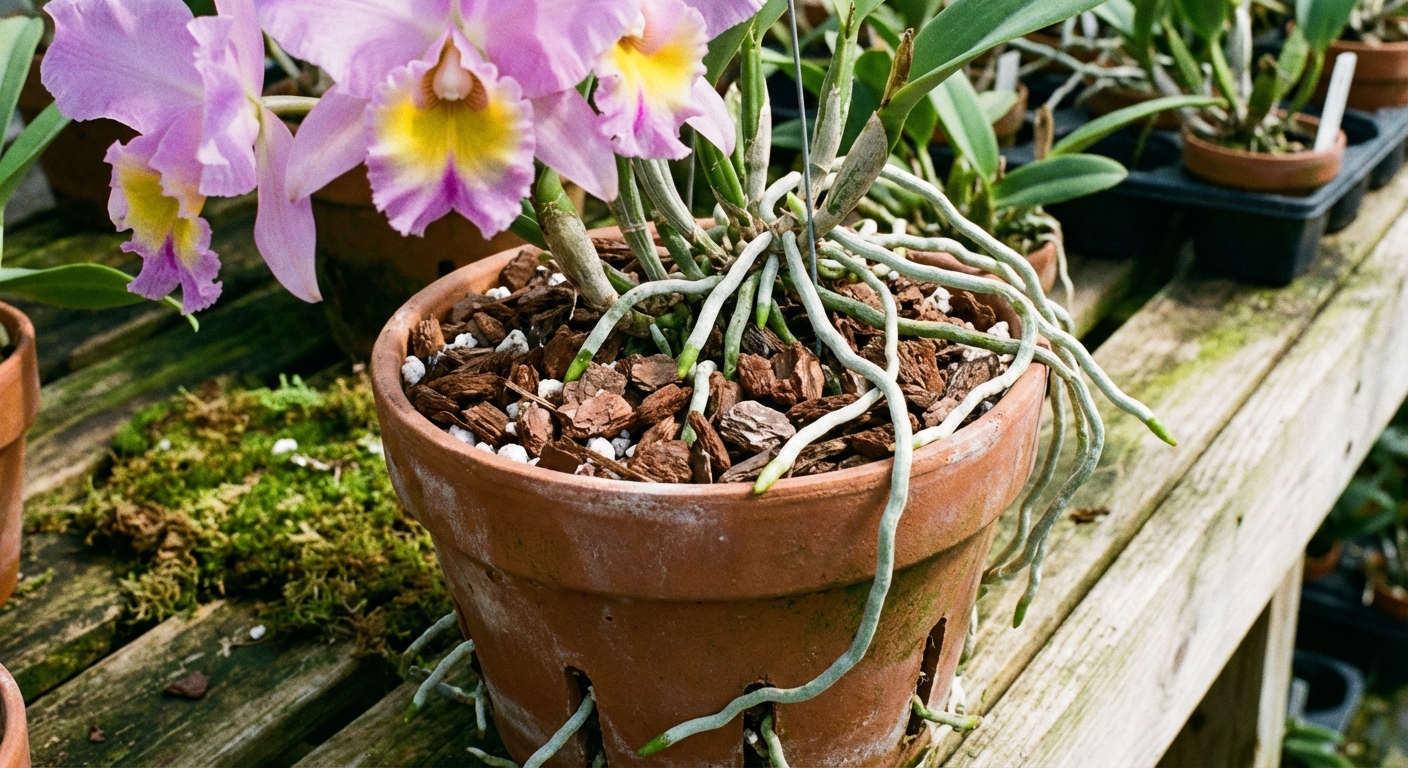
- Roots: thick, pale roots that want air. Healthy roots are firm, not mushy.
Light
If there is one lever that changes everything with Cattleyas, it is light. Most do best in bright light, and many Cattleya alliance hybrids can handle (and even prefer) more direct sun than the average house orchid, especially morning sun and gentle late-afternoon sun.
The trick is acclimation. Increase light gradually over 1 to 2 weeks so leaves do not burn.
Beginner window targets
- East window: one of the easiest places to start. Morning sun is usually ideal.
- South or west window: can work beautifully. Start with a sheer curtain or pull the plant back from the glass, then inch it brighter as it adjusts. If the leaves heat up to the touch, it is too close.
- North window: typically too dim for reliable blooming unless you add a grow light.
How to “read” the leaves
- Deep dark green: usually too little light, especially if it never blooms.
- Medium green: often the sweet spot.
- Yellowing patches or crispy areas: sunburn. Back it off, then reintroduce brighter light more slowly with better airflow.
Compared to Phalaenopsis: Phals prefer gentler light and will often sunburn quickly in a bright south window. A Cattleya usually wants that brighter seat at the table, with a sensible ramp-up.
Watering rhythm
Cattleyas thrive when you water thoroughly and then let the potting mix dry out significantly before watering again. The most common beginner mistake is “tiny sips” every few days. That keeps the center damp and the roots unhappy.
A simple watering routine
- Take the plant to the sink.
- Run water through the pot for 15 to 30 seconds, or until the media is fully saturated and water pours freely from the bottom.
- Let it drain completely. No standing water in a cachepot.
- Water again only when the media is dry or nearly dry and the pot feels noticeably lighter.
How often is “normal”?
It depends on light, temperature, airflow, pot size, and media. Many home growers land somewhere around:
- Every 5 to 10 days in active growth (spring to summer), sometimes more often in very bright, warm conditions.
- Every 10 to 14 days in cooler, darker months, especially if growth slows.
Use those as starting points, not a calendar rule. Always confirm with pot weight and media dryness.
Compared to Phalaenopsis: Phals usually like to approach dryness between waterings, but not as hard or as long as a Cattleya. They are generally happier with more even moisture than Cattleyas, without staying soggy.
Quick checks that prevent root trouble
- Lift test: learn the “just watered” weight and the “ready to water” weight.
- Skewer test: slide a wooden skewer into the mix. If it comes out cool and damp, wait.
- Pseudobulb look: slight accordion wrinkling can happen if it went dry. Persistent shriveling, especially on newer bulbs, usually points to root trouble.
Potting media
Cattleyas want oxygen at the roots. Think of their media as a loose basket, not a sponge. Most beginners do well with a bark-based orchid mix.
Easy starter mix
- Medium-grade fir bark as the main ingredient
- A little perlite or pumice for extra air
- Optional: a small amount of sphagnum moss only if your home is very dry
If you tend to overwater, go lighter on moss and heavier on chunky bark. If you forget to water, you can add a little more moisture-holding material, but keep it fluffy, never packed tight.
Pot choice
- Clear plastic pots with lots of holes make it easier to monitor roots and moisture.
- Slotted orchid pots increase airflow and reduce rot risk.
- Clay pots dry faster and can be great for heavy-waterers, but you will water more often.
Temperature and airflow
Cattleyas generally enjoy warm days and slightly cooler nights. That day to night change is often part of what helps them set buds.
Beginner-friendly targets
- Day: about 70 to 85°F (21 to 29°C)
- Night: about 55 to 65°F (13 to 18°C)
Many warm-growing Cattleya alliance hybrids prefer nights in the low to mid 60s°F (around 16 to 18°C). Try to avoid prolonged nights below 55°F (13°C) unless you know your plant is a cooler-tolerant type.
You do not need a laboratory. A windowsill that cools off at night, or a plant that spends late spring through early fall outdoors in bright shade, often gets enough of a natural swing.
Compared to Phalaenopsis: Phals are more strictly warm-growing house orchids and dislike chilly nights. Many Cattleyas tolerate and even appreciate cooler nights, especially in fall, as long as you do not push them too cold for too long.
Airflow matters
Bright light plus still air can mean fungal spots. A small fan on low, not blasting the plant, is one of the simplest upgrades you can make.
Humidity, feeding, and water quality
Humidity
Aim for 40 to 60 percent humidity if you can. Many homes sit around 30 to 40 percent in winter, which can still work if you water well and keep roots healthy. If you use a humidity tray, keep the pot above the waterline so roots are never sitting in water.
Fertilizer
Cattleyas are not heavy feeders, but they do like consistency during active growth.
- Use a balanced orchid fertilizer at 1/4 to 1/2 strength.
- Feed every 2 to 4 waterings during spring and summer.
- Flush with plain water about once a month to prevent mineral buildup.
If your tap water is hard or leaves crusty deposits, mineral salts can build up faster. Flushing helps, and some growers switch to rainwater, distilled, or RO water (then fertilize appropriately) if buildup becomes a recurring issue.
When to repot
Repotting timing is where beginners accidentally set Cattleyas back. The best moment is usually when new growth starts and new roots are just beginning. That way, the plant can immediately anchor into fresh media.
Signs it is time
- Media is breaking down and staying wet too long.
- Roots look dark, mushy, or sparse.
- The plant has marched to the edge of the pot and new growth has nowhere to go.
Simple repot steps
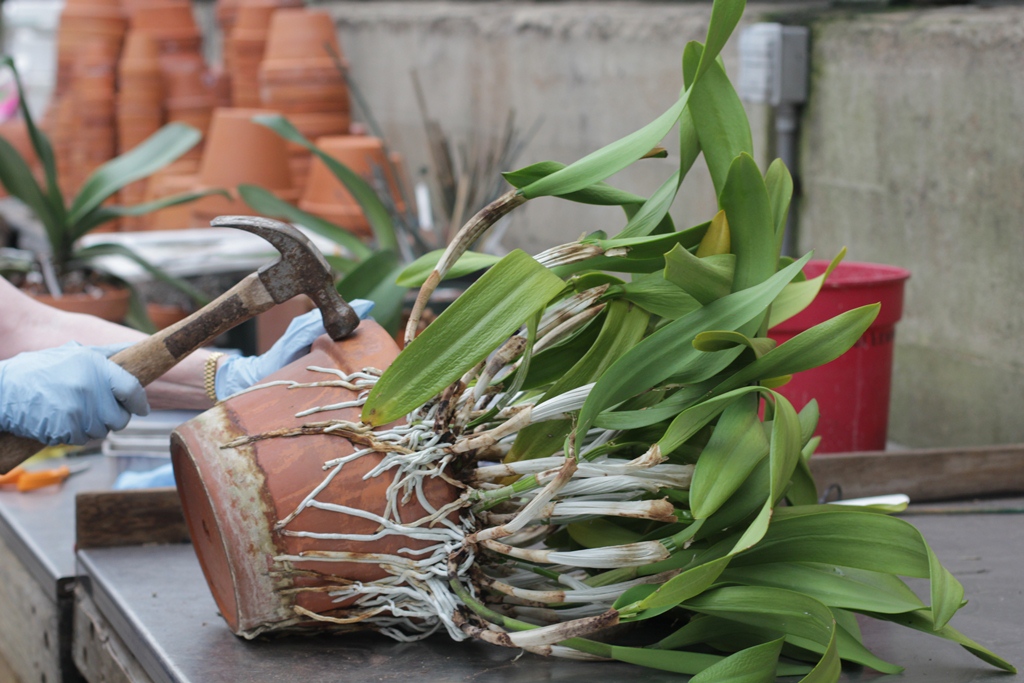
- Water the day before to soften roots.
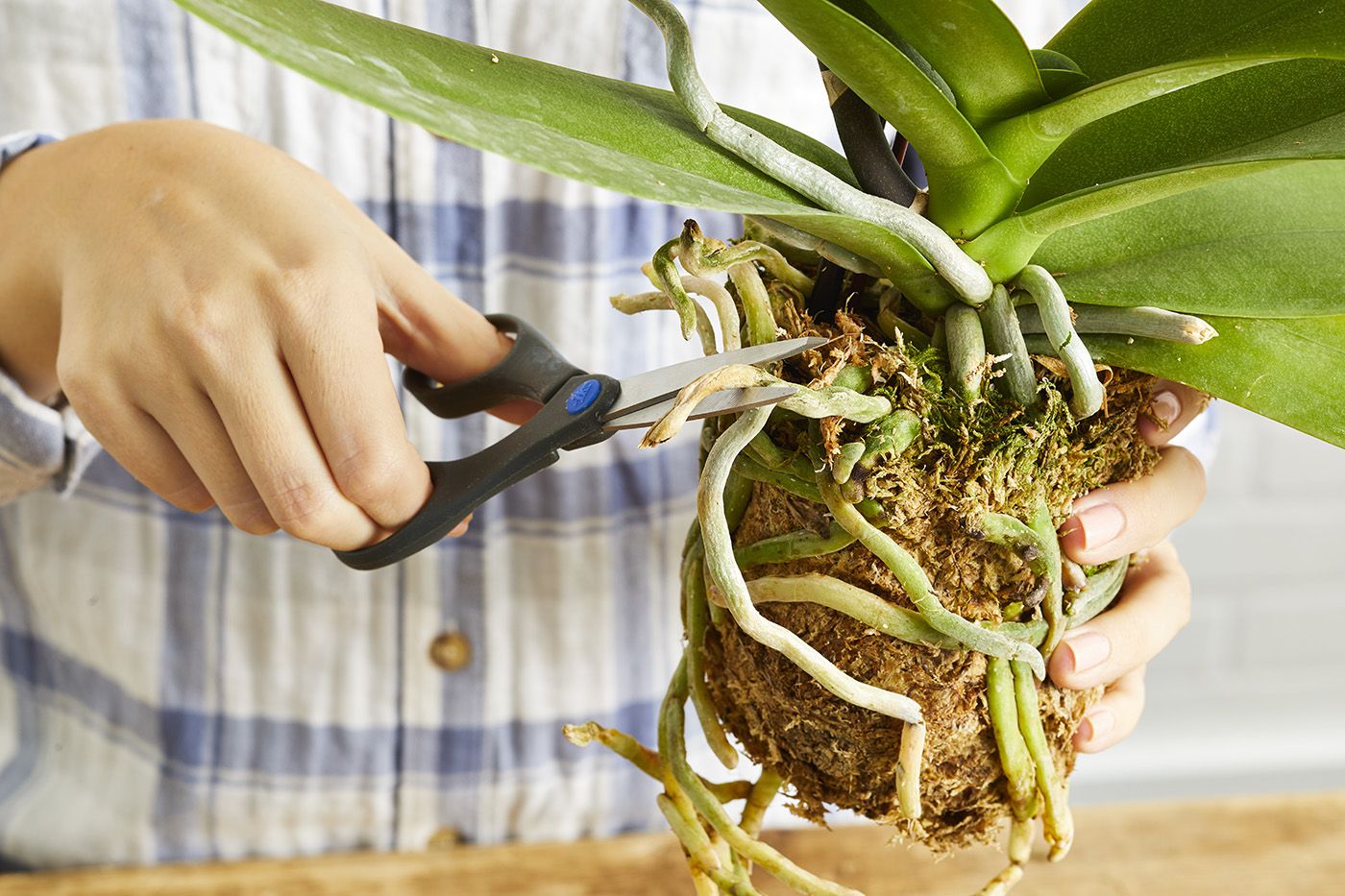
- Gently remove old media and trim dead roots (mushy, hollow, or black).
- Choose a pot that gives 1 to 2 years of forward space, not a huge jump in size.
- Position the oldest pseudobulbs near one side so new growth has room to advance.
- Fill with chunky mix, tapping the pot to settle it lightly. Do not pack it tight.
- After repotting, keep slightly drier for about a week if many roots were disturbed, then resume normal watering.
Blooming expectations
Cattleyas usually bloom from mature growths. Some types bloom once a year, others can bloom more often. Many form a papery sheath at the top of a pseudobulb before flowers appear. That sheath can sit there for weeks or months, so do not panic.
Why a healthy plant will not bloom
- Not enough light (most common indoors).
- No day to night temperature change, especially in late summer to fall.
- Overpotting into a large pot that stays wet.
- Old, broken-down media that suffocates roots.
- Too much nitrogen with low light, leading to leaves but no flowers.
Pests to watch for
Cattleyas are tough, but pests love a stressed plant. A quick weekly check saves a lot of drama.
- Mealybugs: white cottony clusters in leaf joints and around sheaths. First response: isolate the plant, dab pests with isopropyl alcohol on a cotton swab, then recheck every few days.
- Scale: tan or brown bumps that do not wipe off easily, often on undersides of leaves. First response: scrape gently with a fingernail or soft tool, wipe with alcohol, then monitor and repeat.
- Spider mites: fine stippling on leaves and faint webbing, often in dry air. First response: rinse the plant well, increase humidity a bit, and consider an appropriate mite treatment if they persist.
- Slugs and snails (outdoor summering): chewed root tips and new growth. First response: night checks with a flashlight, bait or traps, and keeping pots off the ground.
Seasonal notes
Many common Cattleya alliance hybrids grow actively in spring and summer, then slow down in winter. That usually means less frequent watering and lighter feeding, not a bone-dry rest.
Some species and their hybrids have stronger dry-rest preferences. If your plant is a labeled species (or came with “dry winter rest” instructions), follow that tag. When in doubt, keep it on the drier side in winter, but do not desiccate the roots.
Troubleshooting
Wrinkled pseudobulbs
First check roots. If roots are healthy, increase watering frequency slightly during active growth. If roots are rotting, repot into airy mix and adjust watering. Remember that older bulbs can wrinkle a little with age.
Black spots on leaves
Often it is moisture sitting on leaves with low airflow, or sunburn that later turns necrotic. Improve airflow, avoid wetting leaves late in the day, and keep it out of harsh midday sun.
If spots spread quickly, look wet or oozing, smell off, or the leaf turns yellow fast around the spot, treat it like a possible bacterial or fungal issue: isolate the plant, keep water off the leaves, and consider removing affected tissue with a sterile tool.
Roots dying after repotting
Usually repotted at the wrong time or kept too wet in fresh media. Next time, wait for new growth and early root tips. Keep the mix airy and let it dry most of the way between waterings.
Cattleya vs. Phalaenopsis
- Light: Cattleya wants brighter light and often some sun. Phalaenopsis prefers gentler light.
- Watering: Cattleya likes a stronger dry-down. Phalaenopsis usually likes to approach dryness between waterings, but not as hard or as long.
- Structure: Cattleya has pseudobulbs that store water. Phalaenopsis does not.
- Potting: Cattleya needs very airy media and often smaller pots. Phalaenopsis tolerates a bit more moisture retention.
- Bloom triggers: Cattleya often benefits from day to night temperature swings. Many Phalaenopsis bloom in response to cooler nights too, but they generally want warmer overall conditions.
A simple beginner routine
If you want the simplest plan, start here and adjust slowly:
- Place your Cattleya in a bright east window, or bright south or west light with a sheer curtain while it acclimates.
- Water deeply, then wait until the pot is dry or nearly dry before watering again.
- Keep it in chunky bark mix in a snug, well-ventilated pot.
- Feed lightly during active growth, and flush monthly.
- Repot only when new growth begins and roots are starting, or when the mix breaks down.
- If you summer outdoors, introduce sun gradually and watch for slugs and snails.
And yes, talk to it if you want. My ferns and I will not judge.