
Catmint (Nepeta) Care: Shearing, Bloom Flushes, and Stopping the Flop

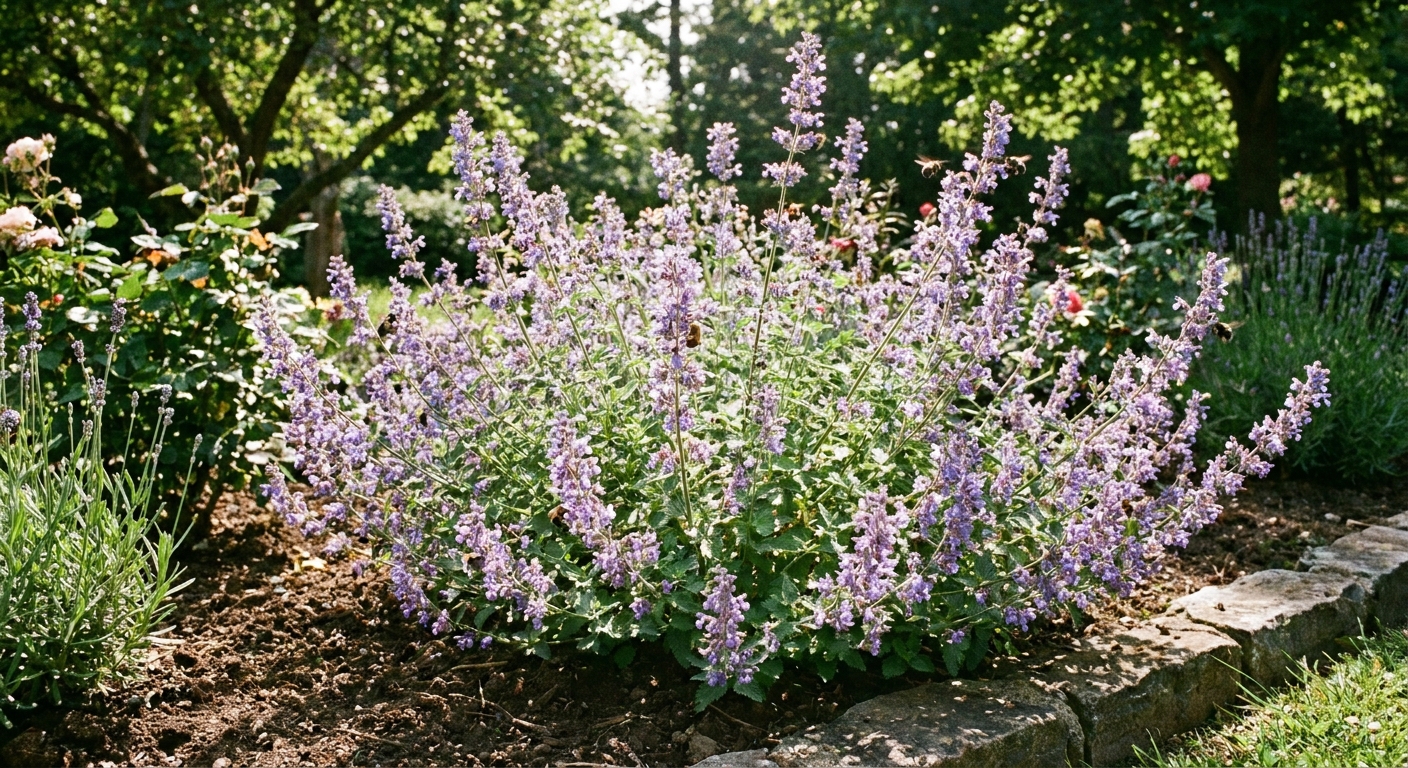
Catmint is one of those plants I recommend to almost everyone who whispers, “I kill everything.” It is tough, pollinator-magnetic, and forgiving in a way that feels like a deep exhale. The only catch is that catmint has a habit of throwing itself a little sprawl party after its first big bloom. The good news is you can guide it back into a tidy, blooming mound with one simple trick: shearing.

Quick picks at the garden center
If you are standing in front of a plant bench trying to choose, here are a few common, reliable options:
- ‘Walker’s Low’: a classic, vigorous mound with a long bloom season. Despite the name, it is not the lowest.
- ‘Cat’s Pajamas’: compact and tidy, with flowers that stack nicely from the base up. Great for edging.
- ‘Junior Walker’: a smaller, neater cousin of ‘Walker’s Low’ for tighter spaces and containers.
Tip for the “no drama” crowd: more compact cultivars usually flop less and need less support.
Pick the right spot: sun, airflow, and drainage
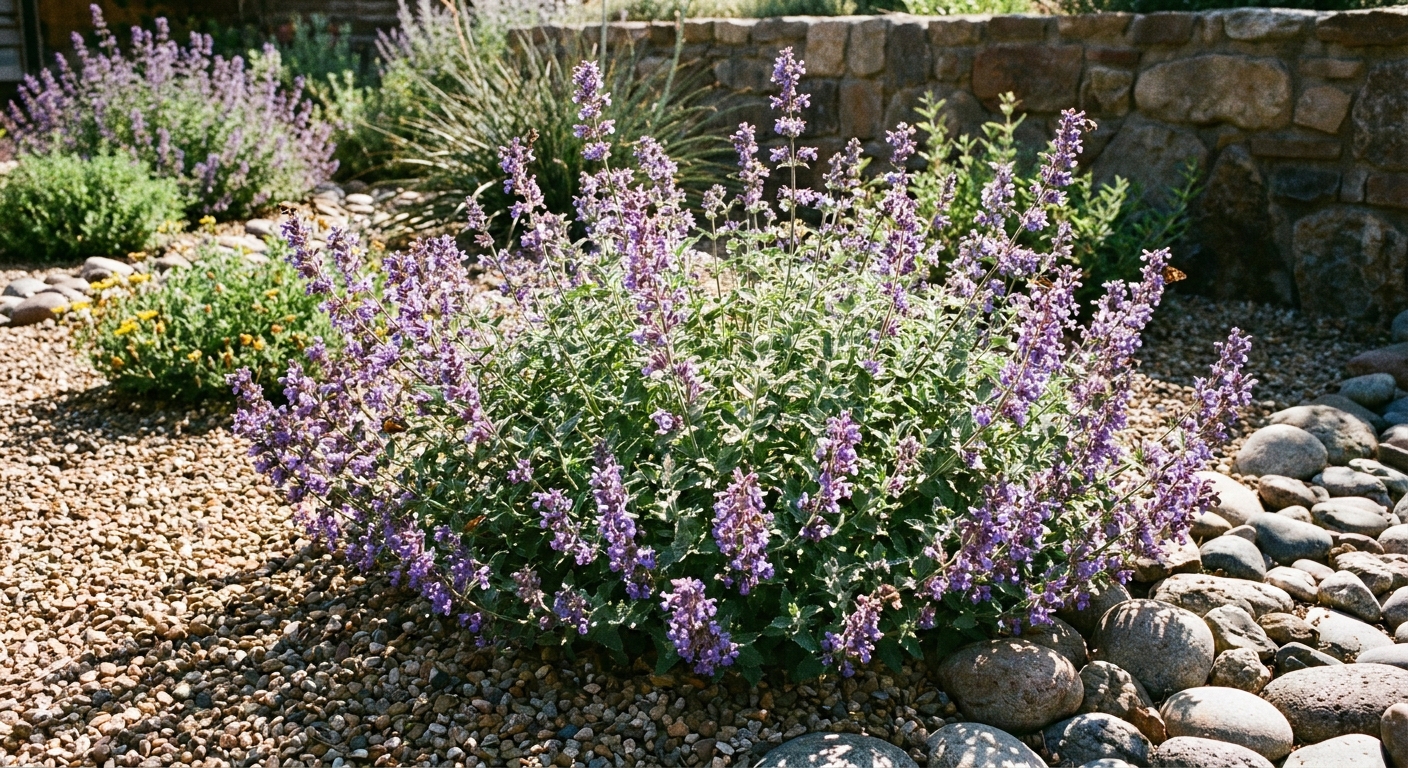
If catmint could fill out a dating profile, it would say: “Full sun, low drama, excellent drainage.” It thrives in a wide range of soils, but it truly shines when conditions are bright and on the dry side.
Light
- Best: Full sun (6+ hours) for sturdy stems and the biggest bloom flush.
- Works: Part sun, especially in hot climates where a little afternoon shade can prevent stress.
- Watch for: Too much shade often equals longer, floppier growth and fewer flowers.
Soil and drainage
Catmint is happiest in soil that drains well and is not overly rich. In heavy clay, it often survives but tends to splay and open up. If you want that neat, cushiony look, drainage is your best friend.
- In clay soil: Plant on a slight mound, amend with grit or small gravel, and avoid low spots where water lingers.
- In containers: Use a fast-draining mix and a pot with generous drainage holes.
- Mulch thoughtfully: A thin layer of compost is fine, but skip thick, moisture-holding mulch piled against the crown.
Spacing
You will see spacing tags that range all over the place because cultivar size varies. As a practical rule:
- Compact types: about 12 to 18 inches apart.
- Medium to large types: about 18 to 30 inches apart.
Give it room to be a mound, not a tangled mat.
The first big bloom: what to expect
Most catmints put on their main show from late spring into summer, depending on your variety and climate. You will see clouds of lavender-blue flower spikes and gray-green aromatic leaves that look soft enough to pet. This is the moment bees and butterflies arrive like you sent invitations.
After that first flush, many gardeners assume the plant is “done” or that it is falling apart. In reality, it is simply ready for a reset. After flowering, stems can get lanky and the clump can open up. Removing spent blooms encourages fresh growth and a tidier shape. Your cue is to shear.
Shearing: the secret to a second bloom flush
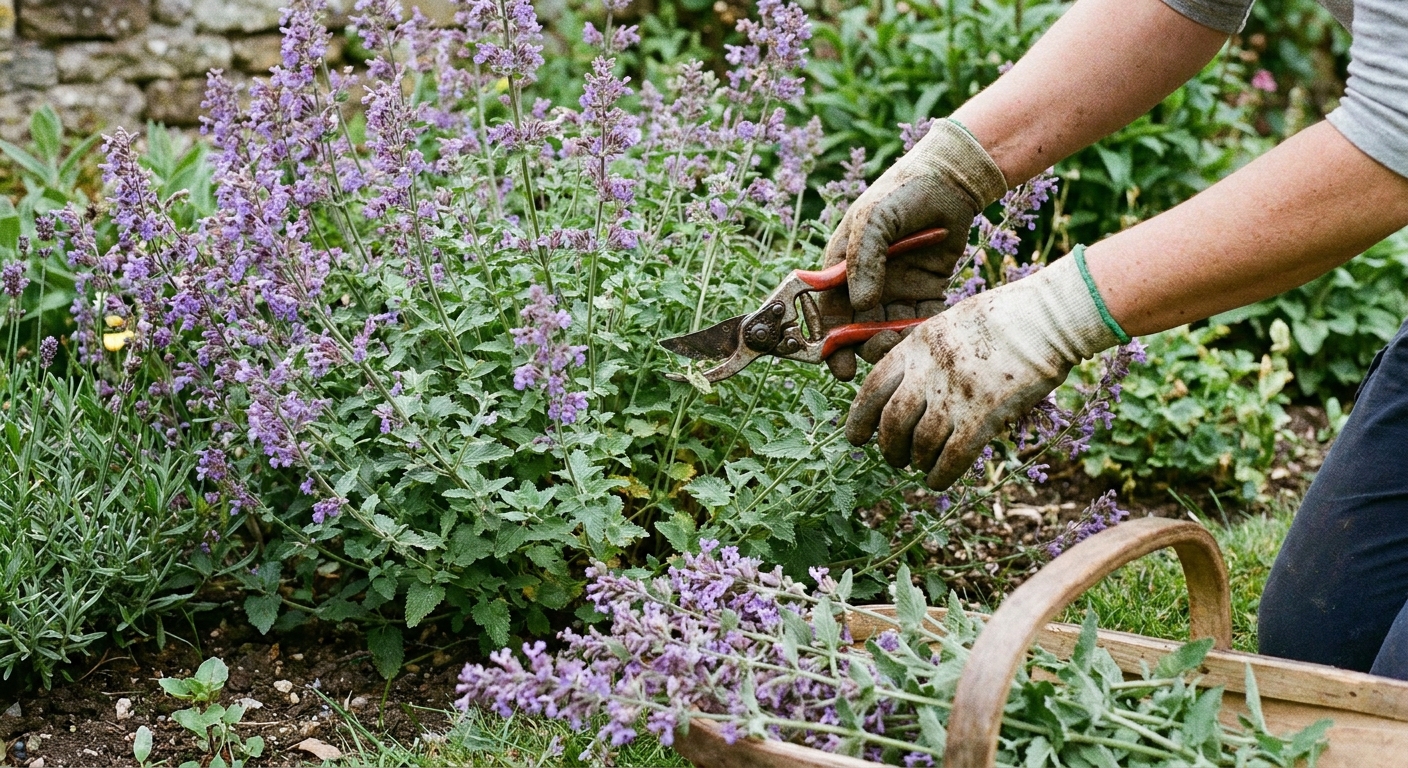
Shearing catmint is not fussy pruning. It is more like giving the whole plant a haircut so it can regrow fresh, tidy stems and set new blooms.
Keep this on a sticky note: shear when the first flush is fading, and do not cut below healthy leafy growth.
When to shear
- Best timing: Right after the first big bloom starts to fade, when about half to two-thirds of the spikes look tired and the plant begins to loosen or flop.
- Typical window: Late spring to mid-summer, depending on your climate and variety.
- Do not wait too long: If you let it fully sprawl and set lots of seed, the plant often rebounds more slowly and looks messier longer.
How much to cut back
You can be brave here. Catmint responds beautifully to a substantial cut, as long as you leave active growth.
- Standard shear: Cut the whole plant back by about one-third to one-half.
- If it is really flopping: Shear to about 6 inches tall, or a few inches above fresh basal leaves. Avoid cutting into bare, leafless stems.
- In hot or very dry weather: Go a touch higher and plan on one deep watering after the cut.
- Goal: A rounded mound shape, not a flat-top buzz cut.
Step-by-step shearing (my no-drama method)
- Pick a dry day if possible, so stems are easier to handle.
- Use clean shears or hedge clippers for speed on big clumps.
- Cut spent flower spikes and leafy stems together, shaping the plant into a dome.
- Rake out the cuttings so air can reach the crown.
- Water deeply once if your soil is bone dry. Then let it settle back into its drought-tolerant rhythm.
Within a couple of weeks you should see fresh, tight growth. A second bloom flush usually follows, often smaller than the first but still wonderfully showy and long-lasting.
Timing shears for rebloom
Catmint is generous, but it still runs on plant physics. If you shear at the right time, you redirect energy into new stems and more flower spikes. If you shear at the wrong time, you might still get a tidy plant, but less rebloom.
A simple timing guide
- Shear right after the first flush fades: Best chance for a solid second bloom.
- Light deadheading only: Gives a slower, softer rebloom and does not always prevent flop.
- Late-season hard shearing: Fine for cleanup, but do it early enough that the plant can regrow before frost in colder regions.
If you are unsure, look at the plant’s posture. When the mound starts opening in the center or leaning outward like it is trying to nap, it is haircut time.
Stopping the flop: support, spacing, and soil tricks
“Flop” is not a moral failing. It is usually a mix of enthusiastic growth, heavy bloom spikes, and conditions that encourage soft stems. Here is how to keep catmint standing proud.
1) Do not overfeed
Rich soil or heavy fertilizer pushes lush, floppy growth. Catmint prefers lean conditions. If your garden is compost-rich, that is fine, but skip high-nitrogen fertilizer.
2) Give it enough sun
Less sun equals longer stems reaching for light. Full sun builds sturdier, more compact plants.
3) Space for airflow
When plants are crowded, they stretch and lean. Follow spacing recommendations for your variety, and resist the urge to cram “just one more” perennial in front of it. Catmint wants to be a mound, not a tangled mat.
4) Use discreet support when needed
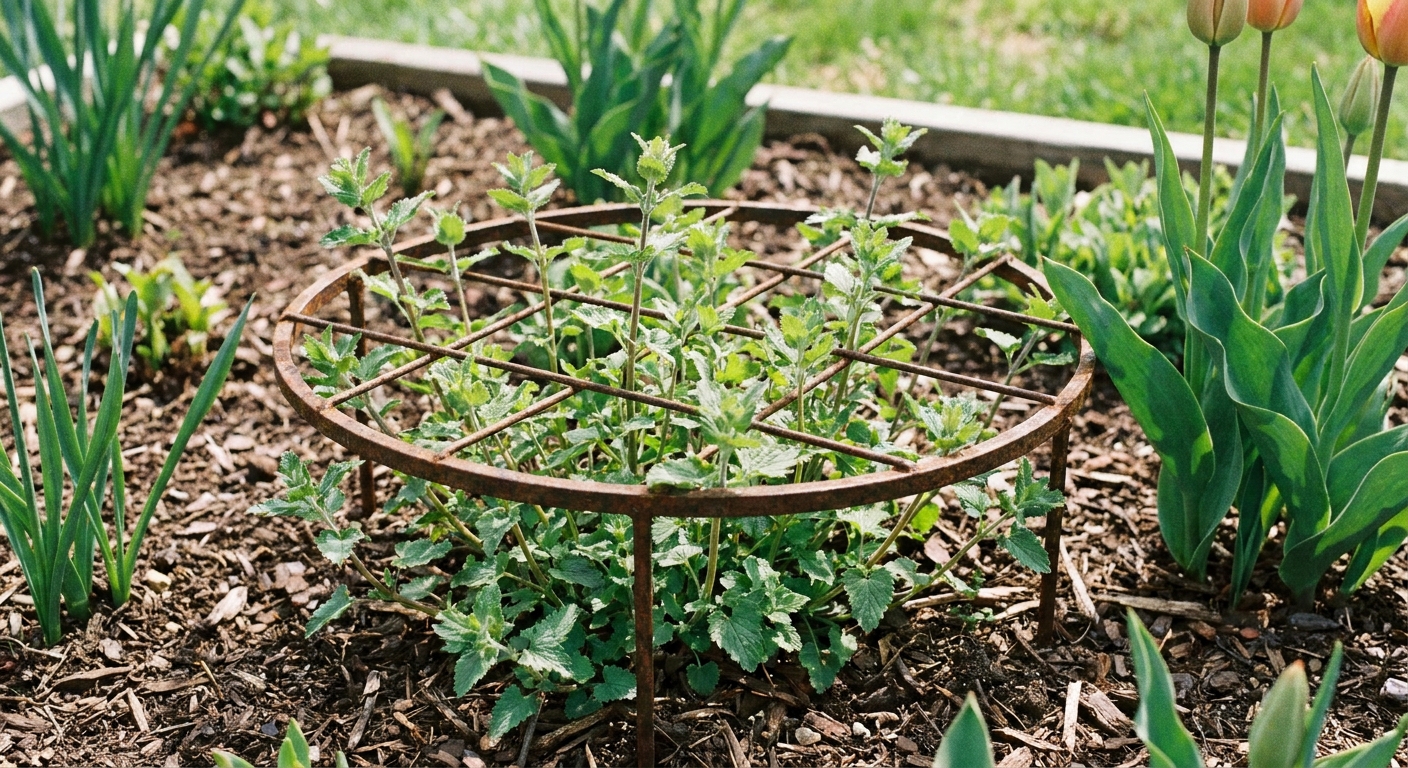
Some taller varieties benefit from a little help, especially in windy sites or in very fertile beds.
- Best option: A low, circular grow-through support placed early in spring, before stems get tall.
- Quick fix: A few bamboo stakes and soft garden twine loosely corralling the outer stems.
- My honest favorite: Shearing after the first flush. It is the simplest way to reset the whole shape.
Deer and rabbits: yes, it helps
Catmint is strongly deer and rabbit resistant. It is not a magical force field (a hungry enough animal will sample anything), but the aromatic foliage makes it a reliably “usually left alone” plant. If your yard is basically a salad bar with legs, catmint is one of the safest bets.
The “cat” in catmint
Let us address the whiskered elephant in the room. Catmint (ornamental Nepeta) is closely related to catnip (Nepeta cataria), but they are not the same plant.
- Catnip is the famous one for feline euphoria.
- Ornamental catmints are bred more for tidy growth and long bloom, and many are less irresistible to cats.
That said, some neighborhood cats may still roll in your plant like it is their personal spa appointment. If that becomes a problem, a small wire cloche or short edging fence while the plant establishes can help. Also, you are allowed to laugh. Gardening hands you stranger plot twists.
Catmint versus lavender: same vibe, different rules
In the garden, catmint and lavender often get paired because they both love sun, attract pollinators, and bring that calming, aromatic feel to a border. Their care rhythms are not identical, though.
- Catmint is an herbaceous perennial that happily regrows after a mid-season shear and often gives you a clear second flush of bloom.
- Lavender is a woody shrub that is usually shaped more carefully.
Light shaping lavender after flowering is fine, but avoid cutting into old woody stems that do not have leaves. Catmint, on the other hand, is your confidence builder. It is the friendly plant that says, “Go ahead, try the haircut.”
Watering: enough to establish, then hands-off
Newly planted catmint needs consistent moisture while it roots in. After that, it is impressively drought tolerant.
- First season: Water when the top couple inches of soil are dry, especially during heat waves.
- Established plants: Water only during prolonged dry spells.
- Avoid: Constantly damp soil, which can shorten lifespan and encourage crown issues.
Division to keep plants vigorous
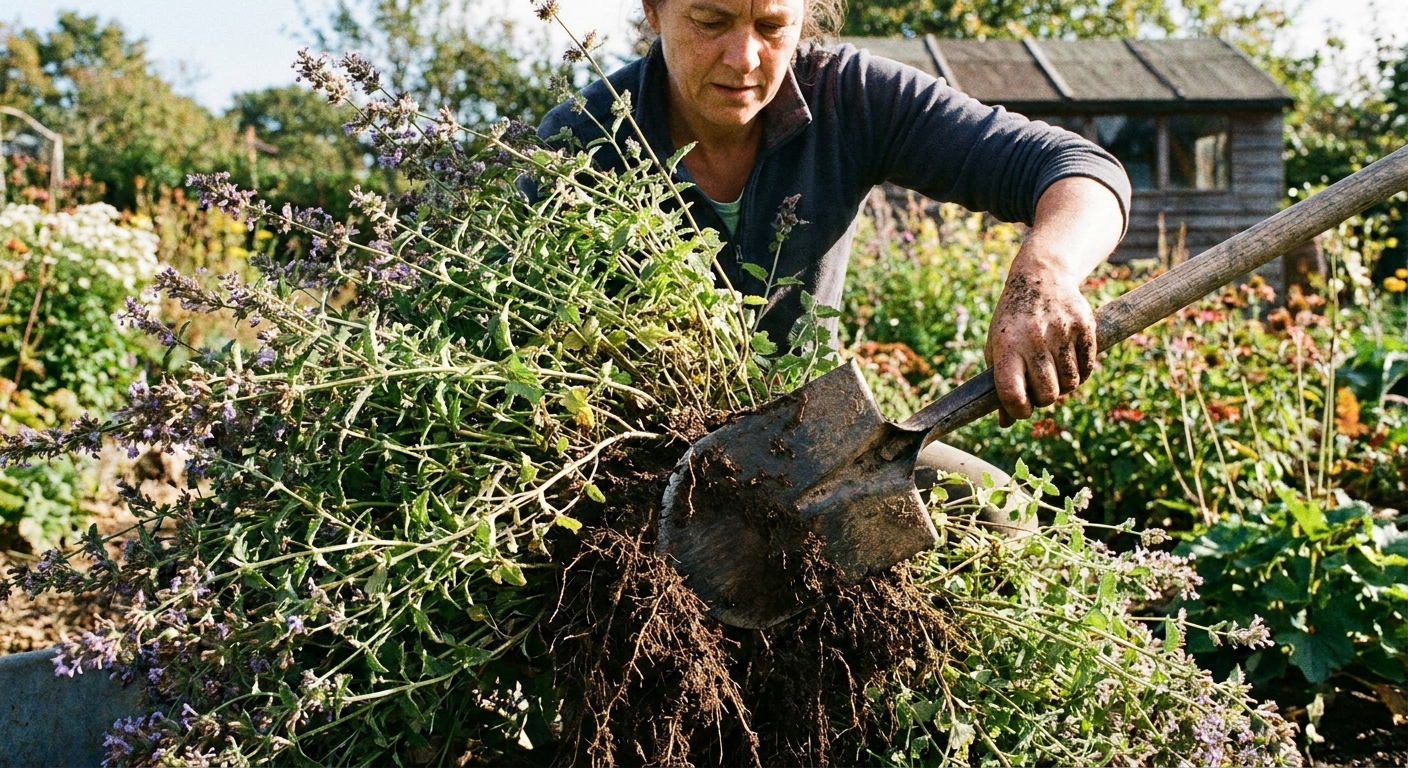
Catmint can live for years, but older clumps sometimes get woody at the center or sprawl wider than you want. Division is the simplest refresh, and it is also the fastest way to get more plants for free. My favorite kind of math.
When to divide
- Best: Early spring as new growth is emerging.
- Also works: Early fall in mild climates, giving roots time to settle before winter.
How to divide catmint
- Water the day before if the soil is dry.
- Lift the clump with a spade, keeping as many roots as possible.
- Split into sections using your spade or a sturdy knife. Aim for divisions with healthy roots and several shoots.
- Replant immediately at the same depth in well-drained soil.
- Water in and keep lightly moist for a couple of weeks.
Winter and spring cleanup
This is the part people always wonder about: do you cut it down in fall or wait.
- Colder regions: I like to leave the stems up through winter (they help mark the plant and catch a little insulation), then cut back in early spring as new growth starts.
- Mild regions: You can do a light tidy in fall if it looks rough, but save the real cutback for spring so you are not forcing tender new growth right before a cold snap.
Either way, think “cleanup,” not “surgery.” Catmint does not need a lot of fuss to come back strong.
Quick troubleshooting
It flopped early and never looked neat again
- Likely cause: Too much shade, rich soil, crowding, or waiting too long to shear.
- Try: Move to more sun, reduce feeding, give it space, and shear promptly after the first flush.
It looks great but barely rebloomed after shearing
- Likely cause: Sheared very late, or drought stress slowed regrowth.
- Try: Shear earlier next year (when about half to two-thirds of spikes fade), and give one deep watering after the cut if conditions are very dry.
It is huge and woody in the middle
- Likely cause: Age and natural spreading.
- Try: Divide in spring and replant the healthiest outer sections.
A simple seasonal routine
- Early spring: Cut back old stems, place a support ring if you use one, and let it grow.
- Late spring into summer: Enjoy the main bloom and the pollinator parade.
- After the first flush fades: Shear by one-third to one-half, keeping cuts above leafy growth.
- Late summer into fall: Enjoy the second flush, then do light cleanup if needed.
If you do nothing else, do the mid-season shear. It is the difference between “pretty for a few weeks” and “reliable color for months.” And if you feel a little weird talking to your catmint while you trim it, just know you are in good company. My ferns have heard far stranger.