
Cactus Care for Beginners

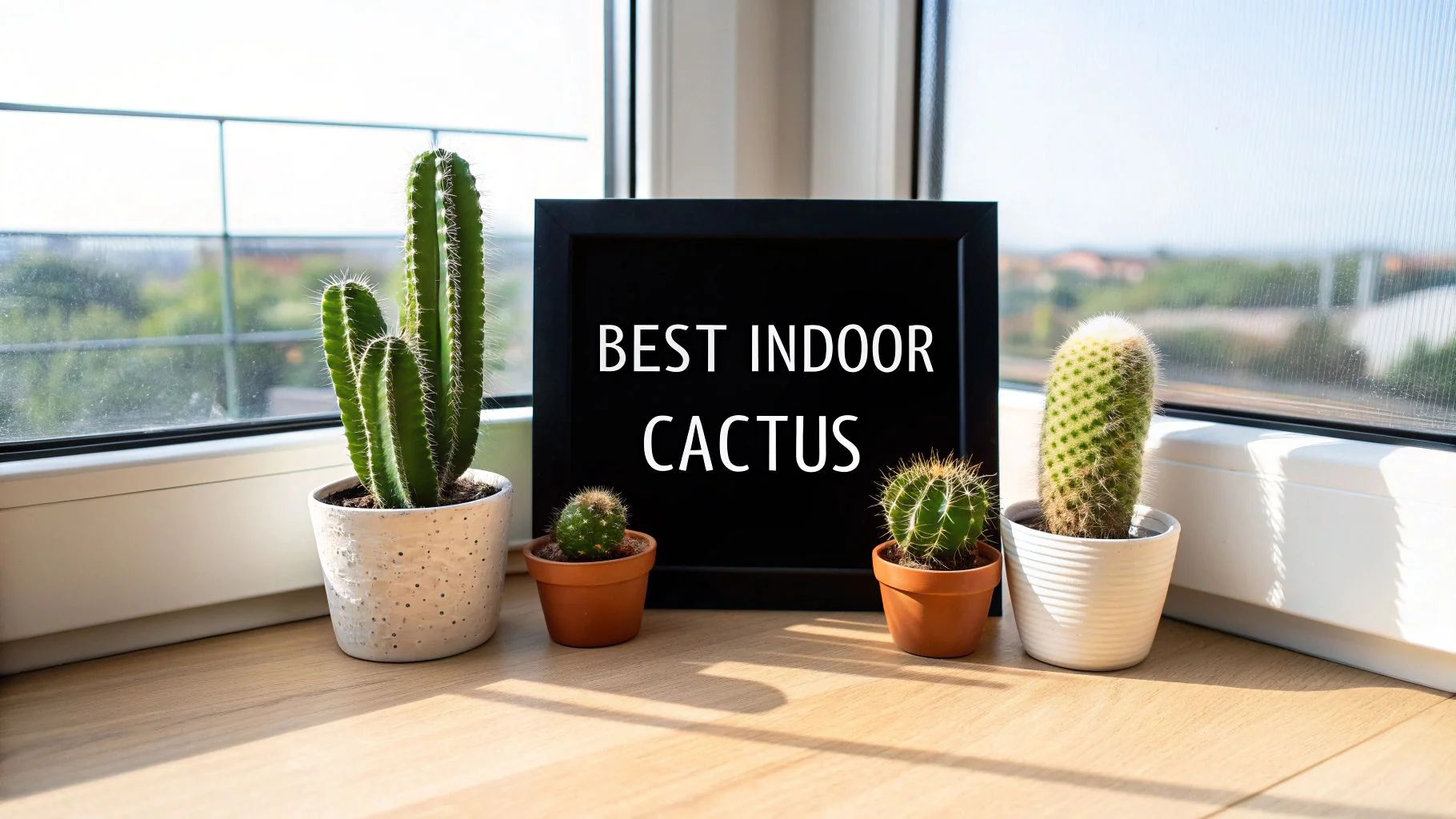
Cacti get a reputation for being “unkillable,” but most beginner heartbreak happens for one simple reason: we love them too much with water. If you can learn when to water, use a fast-draining mix, and respect their seasonal rest, you are most of the way to a happy cactus.
Let’s walk through cactus care like we’re standing together in a sunny nursery aisle, spines and all.

Is it a true cactus or a lookalike?
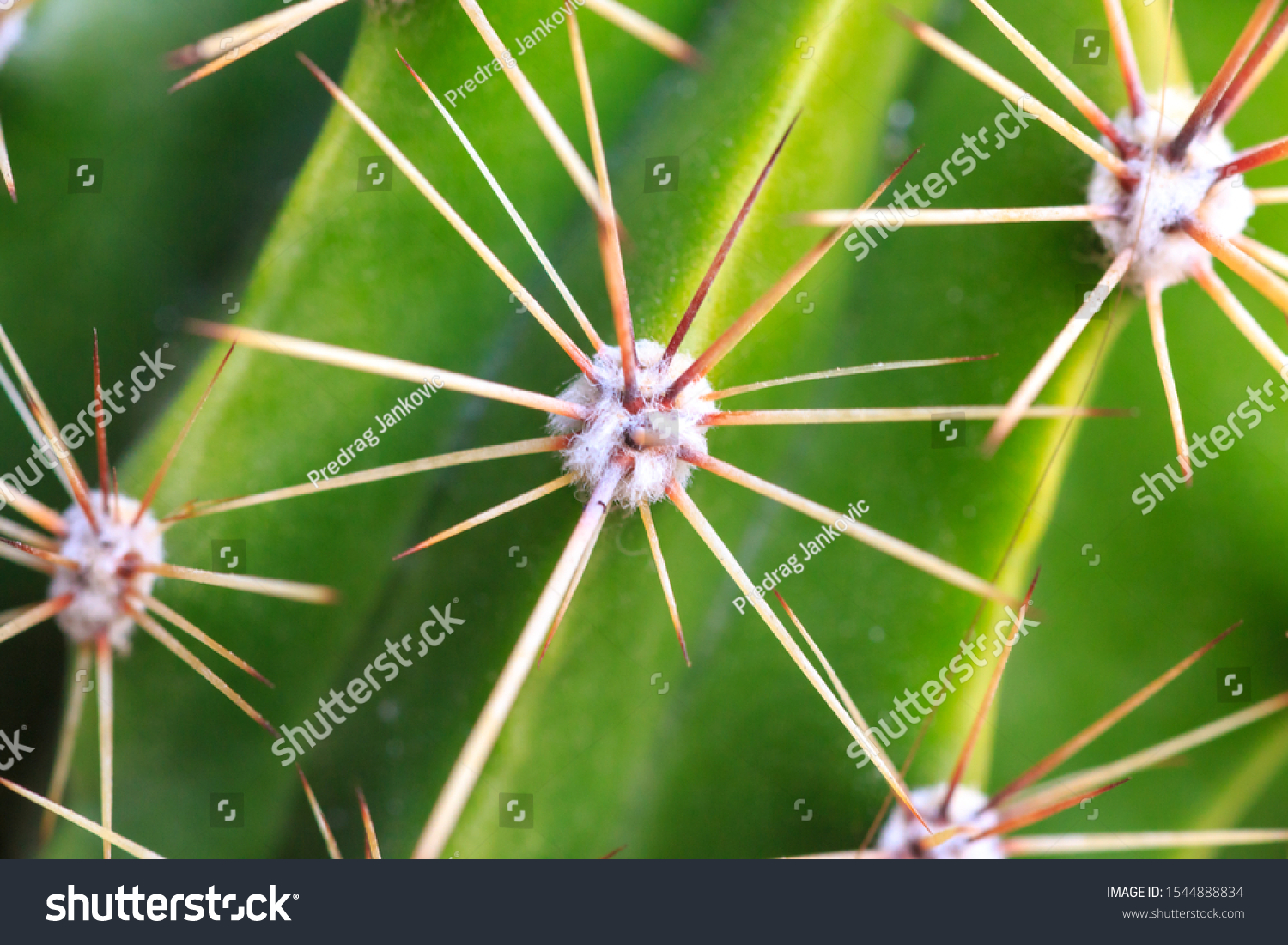
Plenty of plants get labeled “cactus” at big box stores. Some are close cousins, and some aren’t even in the same neighborhood. True cacti belong to the family Cactaceae. The easiest beginner-friendly clue is a tiny structure called an areole.
The areole test
- True cacti have areoles, little fuzzy, felted, or bump-like pads where spines, flowers, and new growth emerge.
- Lookalikes usually don’t. They may have thorns, but the thorns come directly from the stem without that distinct areole pad.
In practice, areoles are the hallmark of true cacti. If you can spot them, you’re almost certainly looking at a cactus.
Common cactus lookalikes
- Euphorbia (often sold as “candelabra cactus”): Looks cactus-like, but it’s a spurge. It has milky white sap that’s toxic and can cause severe irritation and dangerous eye injury. Wear gloves when handling, keep it away from kids and pets, and wash hands immediately if you get sap on your skin. Many euphorbias have often paired spines and no fuzzy areoles.
- Agave and aloe: Rosette succulents with toothed leaves, not cacti. They store water in leaves rather than in thick stems.
- Haworthia and gasteria: Small, striped, or speckled succulents that like a little more shade than most sun-loving cacti.
Cactus care basics
Give your cactus bright light, plant it in gritty fast-draining soil, water deeply but rarely, and let it rest cooler and drier during dormancy.
Light
Most indoor cactus problems look like watering issues, but light is often the real culprit. In low light, cacti stretch and weaken, and then they rot the first time you water “normally.”
Best windows for most cacti
- South or west window: Usually ideal for desert types like barrel cactus, golden ball, and many mammillarias.
- East window: Great for bright light with gentler morning sun, especially if your home runs hot.
- North window: Typically not enough for true desert cacti long-term.
Signs your cactus wants more light
- New growth is pale, narrow, or elongated (etiolation)
- Plant leans hard toward the window
- Spines are smaller or more widely spaced than older growth
Grow light tips
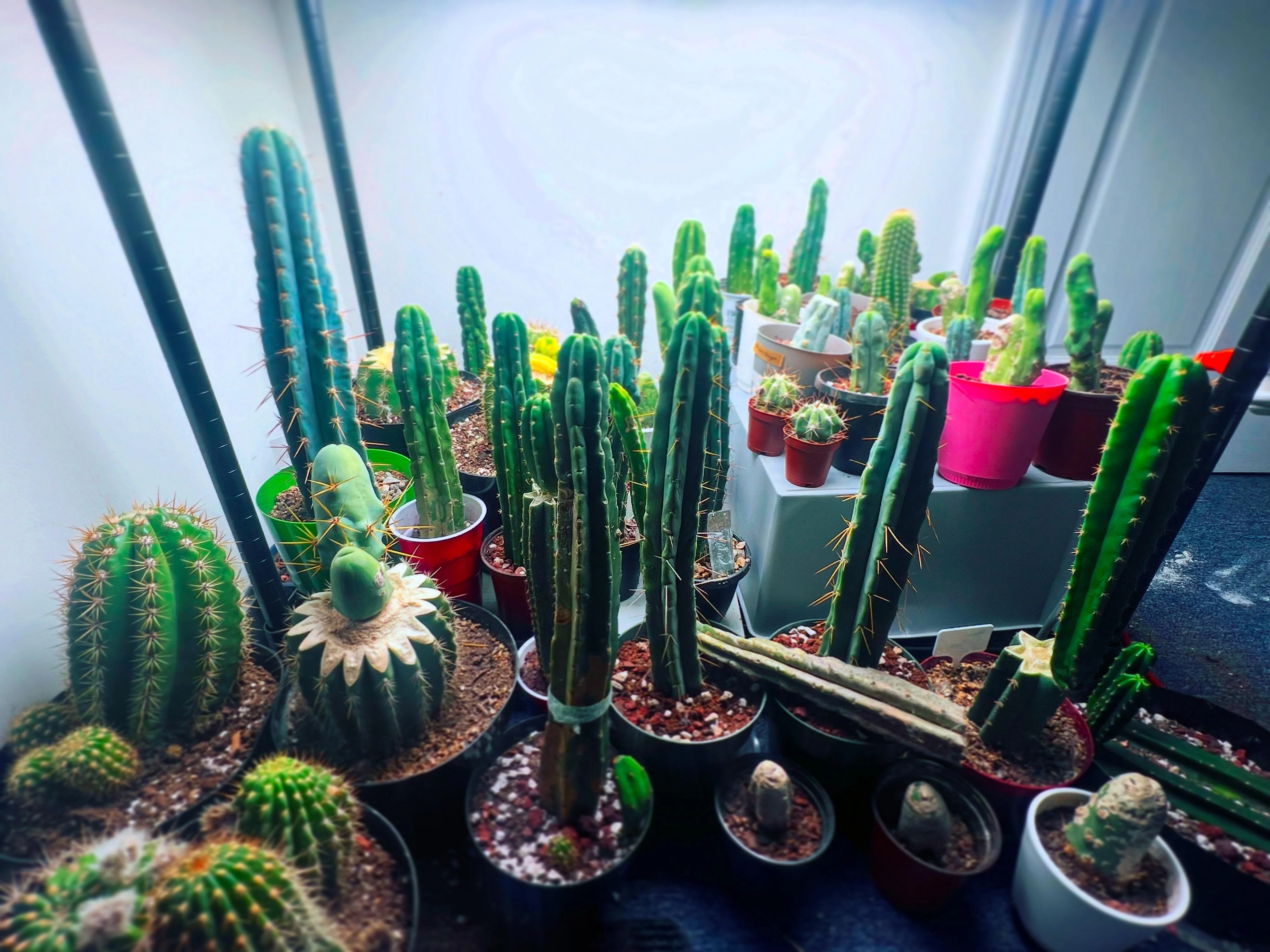
If your windows are limited, a grow light can be your cactus’s little slice of desert sun.
- Choose a full spectrum LED grow light.
- Start with 10 to 14 hours per day, adjusting based on growth and color.
- Keep the light fairly close to prevent stretching. Most setups land somewhere in the 6 to 18 inch range, depending on fixture strength.
- Increase intensity gradually over 1 to 2 weeks so you don’t sunburn the plant.
Sun acclimation
Moving a cactus from a dim shelf to direct sun is like taking your skin from winter to beach day. Do it gradually over 1 to 2 weeks, especially if you’re moving it outdoors or to a hotter window.
Soil
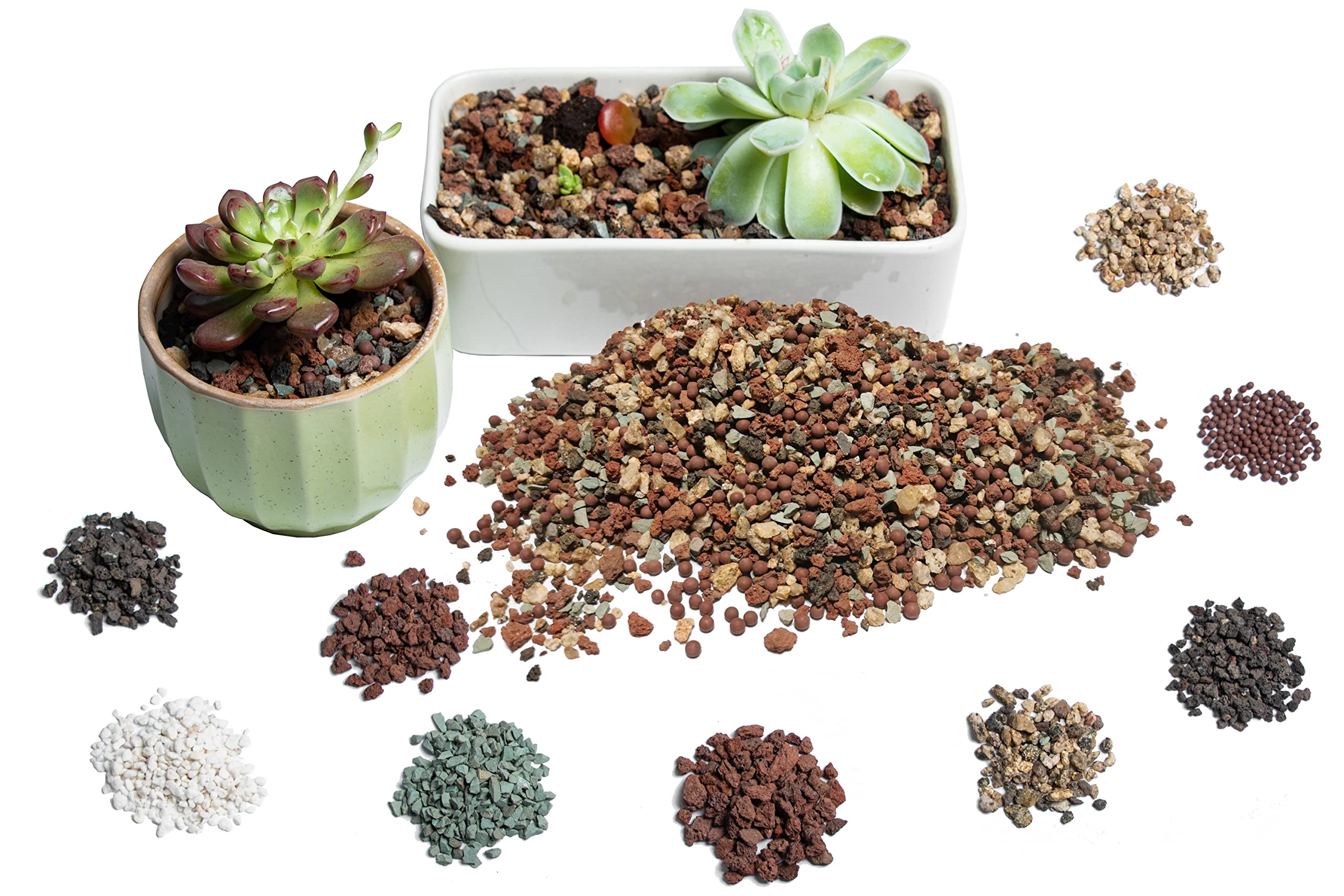
Cacti don’t want “rich” soil. They want air, drainage, and a mix that dries in a reasonable time. A good cactus soil feels almost like you’re potting in tiny pebbles with a little composty binder.
What a good cactus mix should do
- Drain quickly and never stay soggy
- Dry out often within about 5 to 10 days indoors in a smaller pot with bright light and decent airflow
- Stay slightly structured, not collapsing into mud after a few waterings
Easy gritty mix recipes
Recipe A: Beginner upgrade for bagged cactus soil
- 2 parts bagged cactus and succulent mix
- 1 part pumice or perlite
- 1 part crushed lava rock, granite grit, or coarse sand (not play sand)
Recipe B: Extra fast-draining for heavy waterers
- 1 part potting soil or coco coir-based mix
- 2 parts pumice (or pumice plus perlite)
- 1 part grit or small lava rock
Recipe C: Mineral-heavy for desert species and humid homes
- 1 part organic component (cactus mix or potting mix)
- 3 parts mineral component (pumice, lava rock, grit)
Pot choice matters
- Terracotta: Breathes and helps soil dry faster. Great for beginners and humid climates.
- Plastic or glazed ceramic: Holds moisture longer. Totally usable, just water less often.
- Always use a drainage hole. No hole means the soil becomes a bathtub, and cacti hate bathtubs.
Watering
Cacti like a pattern that feels counterintuitive at first: water thoroughly, then wait until the mix is dry, then wait a little longer if light is low or temperatures are cool.
How to water the right way
- Check that the mix is dry several inches down. A wooden skewer or chopstick is perfect.
- Water slowly until it runs out the drainage hole.
- Let it drain completely. Empty the saucer.
- Don’t water again until the pot is very light and the mix is dry.
Bottom watering (a beginner saver)
If your cactus came in peat-heavy nursery soil, top watering can bead up and run down the sides like your pot is wearing a raincoat. Bottom watering helps rehydrate that stubborn mix until you can repot.
- Set the pot in a bowl of water for 10 to 20 minutes, then remove it and let it drain fully.
- Don’t leave it soaking for hours. We’re going for “deep drink,” not “overnight bath.”
Seasonal watering rhythm
These ranges are common for indoor desert cacti, but your real boss is always the combo of dryness and firmness, not the calendar.
Spring (wake up): As days brighten, start watering a bit more often. Many indoor cacti land around every 2 to 4 weeks, depending on light, pot size, and mix.
Summer (active growth): In bright light and warmth, some cacti may want water every 10 to 21 days. In lower light, it might still be every 3 to 4 weeks.
Fall (slow down): Stretch the time between waterings. Think “longer naps.”
Winter (rest for many types): Keep much drier. In a cool bright spot, you might water once every 6 to 10 weeks, or even less for some desert species that are truly resting. If your home is warm and bright (especially under grow lights), your cactus may not fully go dormant, and it may need a bit more frequent watering.
Quick caveat: A few cacti and many other succulents are winter growers. If your plant is actively growing in winter, follow the plant’s cues, not the season label.
When “wait longer” is correct
- Low light (short winter days, north window)
- Cool temperatures (below about 65°F (18°C))
- Large pot compared to plant size
- Plastic pot or moisture-retentive mix
Overwatering vs underwatering
Overwatering often shows up as:
- Soft, translucent, or yellowing tissue
- Mushy base or dark spots
- A cactus that looks deflated but also feels soft
Underwatering tends to look like:
- Wrinkling or slight shriveling, but the plant still feels firm
- Soil pulling away from the pot edge
- Slower growth during active season
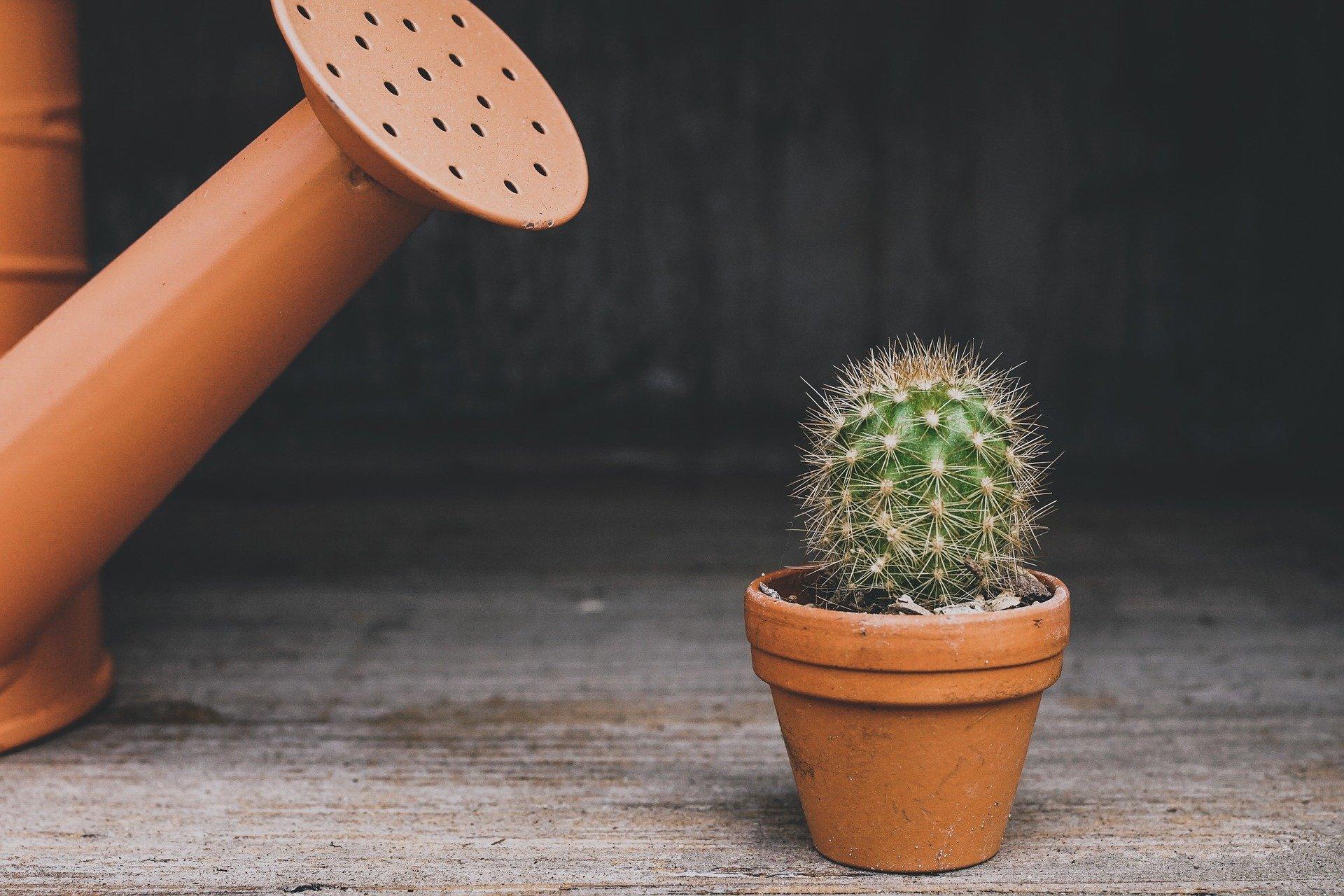
Dormancy
Many desert cacti evolved with a cool, dry season. Indoors, dormancy is why a cactus can sit quietly for months and still be perfectly content. A proper rest can also encourage blooms on some species.
What dormancy looks like
- Little to no visible growth
- Soil dries slowly because the plant isn’t drinking much
- Spines and body stay firm even if the cactus looks slightly less plump
How to support dormancy indoors
- Keep the plant in bright light, but slightly cooler if possible.
- Reduce watering dramatically. The goal is to avoid rot, not to push growth.
- Skip fertilizer until spring.
If your cactus is in a warm room with a strong grow light all winter, it may not fully go dormant. That’s fine, but your watering needs to match the conditions. Warm and bright equals a bit more water. Cool and dim equals almost none.
Fertilizer
Cacti are light feeders. Too much fertilizer can cause weak, fast growth that’s more prone to pests and rot.
- Fertilize only during active growth, usually spring and summer.
- Use a balanced or cactus-specific fertilizer at quarter to half strength.
- Feed about once a month at most, or every other watering if you prefer gentle consistency.
- Don’t fertilize a stressed, freshly repotted, or bone-dry cactus.
Water quality tip
If you have hard water, minerals can build up over time, especially in gritty mixes. Once in a while, water thoroughly so extra salts flush out the drainage hole, and don’t let the pot sit in runoff.
Repotting
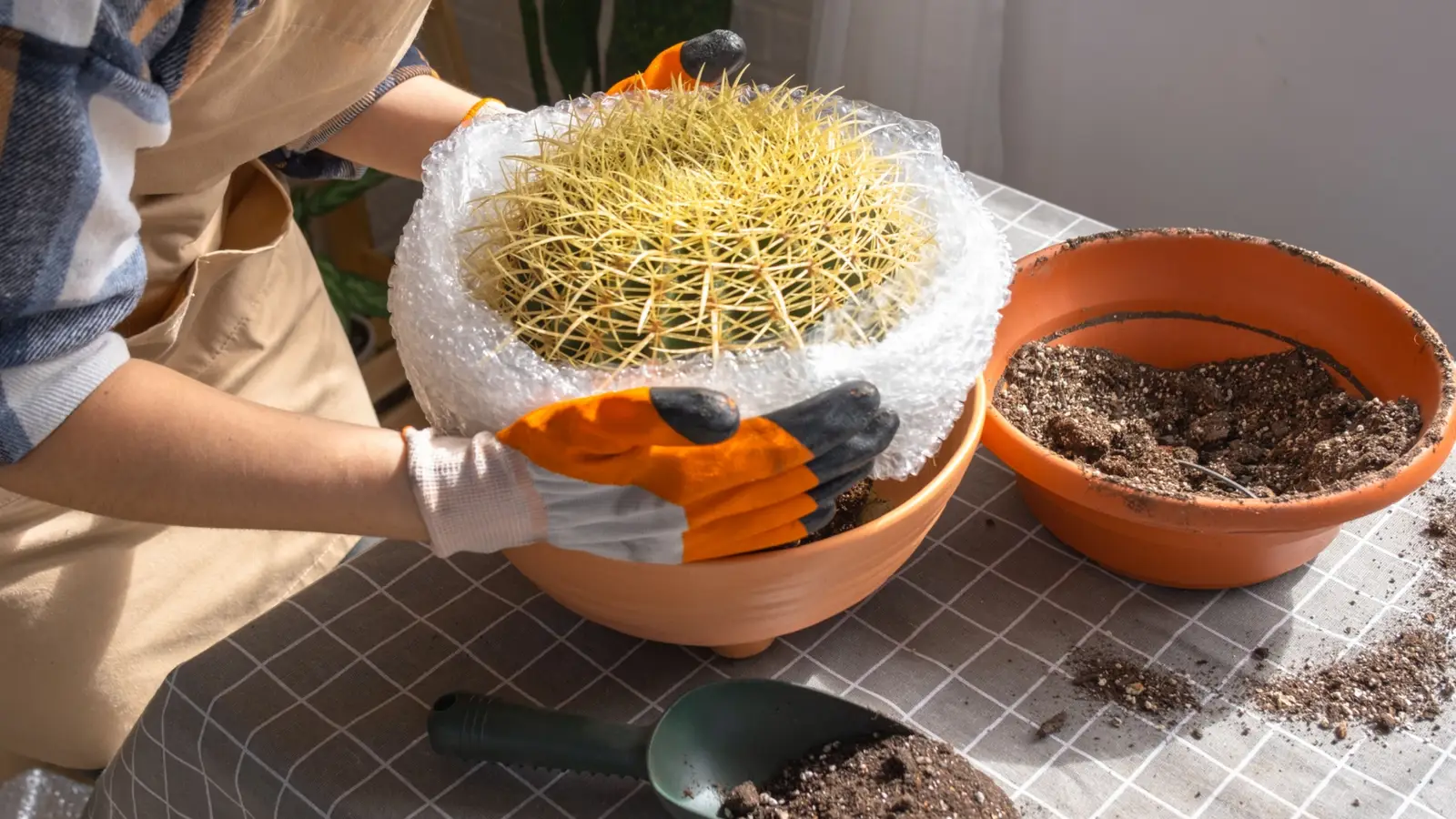
Repotting sounds scary until you’ve got a system. I talk to my ferns, but with cacti I also suit up.
When to repot
- Roots circling tightly or poking out of drainage holes
- Soil that stays wet too long or has broken down into fine sludge
- Plant is top-heavy and tips easily
- You brought it home in dense nursery peat
What to wear and use
- Thick gloves (leather or heavy nitrile plus a towel)
- Rolled newspaper or a folded towel to cradle the cactus
- Clean pot with drainage
- Fresh gritty mix
Step by step
- Pick a pot only 1 to 2 inches wider than the current pot for most indoor cacti.
- Let the cactus dry for several days before repotting. Dry roots handle better.
- Slide the plant out using a towel or folded newspaper as a handle.
- Gently loosen old soil from the outer roots. Trim dead, mushy roots with clean scissors.
- Set the cactus in the new pot at the same depth. Backfill with gritty mix and tap to settle.
- Wait 5 to 10 days before watering so any tiny root breaks can callus.
Holiday cactus vs desert cactus
This is where many beginner guides get messy, so let’s make it crystal clear. Holiday cacti (Christmas cactus, Thanksgiving cactus, Easter cactus) aren’t desert cacti. They’re forest-dwelling epiphytes from Brazil that naturally grow in trees, mossy crevices, and leaf litter.
How holiday cactus care differs
- Light: Bright, indirect light is usually best. Too much hot sun can scorch.
- Soil: Airy but more moisture-retentive than a desert cactus mix.
- Water: Water when the top inch dries, not when the whole pot is bone-dry for weeks.
- Humidity: They appreciate more humidity than desert species.
If your “cactus” has flat segmented stems that drape, it’s likely a holiday cactus, and it wants a gentler routine than a spiny desert type.
Cactus vs succulents
All cacti are succulents, but not all succulents are cacti. The overlap is real: bright light, fast drainage, and careful watering. The difference is that many popular succulents like echeveria, crassula, and haworthia can tolerate slightly more organic soil and slightly more frequent watering than a desert cactus, especially indoors.
When in doubt, treat a new plant like a cactus until you confirm what it is. It’s easier to recover from a little too dry than from rot.
Temperature and placement
- Avoid cold drafts, frost, and chilly windowsills on winter nights.
- Don’t press the pot right up against hot glass in intense summer sun if your window gets scorching.
- Keep cacti a bit away from heaters and vents that blast hot, drying air.
- Airflow helps soil dry evenly, which helps reduce rot risk.
Common problems
1) Soft base or sudden squishiness
This is usually rot. Stop watering immediately. If the base is mushy, you may need to cut above the rot and try to re-root the healthy top, depending on the cactus type.
2) Stretching and leaning
Light is too low. Move closer to a brighter window or add a grow light. Rotate the pot weekly for even growth.
3) White fuzzy spots
Could be mealybugs or could be natural fuzz around areoles. If it looks cottony and spreads, dab pests with isopropyl alcohol on a cotton swab and isolate the plant.
4) Spider mites or scale
Spider mites can show up as fine webbing and a dull, dusty look. Scale looks like small bumps that don’t wipe away easily. Check creases, areoles, and undersides, and isolate new plants for a couple of weeks when you can.
5) Corking at the base
Many cacti develop a woody, tan cork near the base as they age. If it’s firm and not spreading quickly, it’s often normal.
Beginner checklist
- Bright light, ideally a south or west window or a grow light
- Gritty mix with lots of mineral material
- Pot with drainage, terracotta is a friendly choice
- Water deeply only when the mix is fully dry
- Much less water in winter dormancy, unless it’s warm and bright
- Bottom water peat-heavy nursery soil if it’s repelling top watering
- Repot with gloves, wait a week to water afterward
If you take one lesson from me and my long history of learning the hard way, let it be this: cactus care is mostly about restraint. Give them sun, give them grit, then let them be gloriously unbothered.