Butterwort (Pinguicula) Care for Beginners

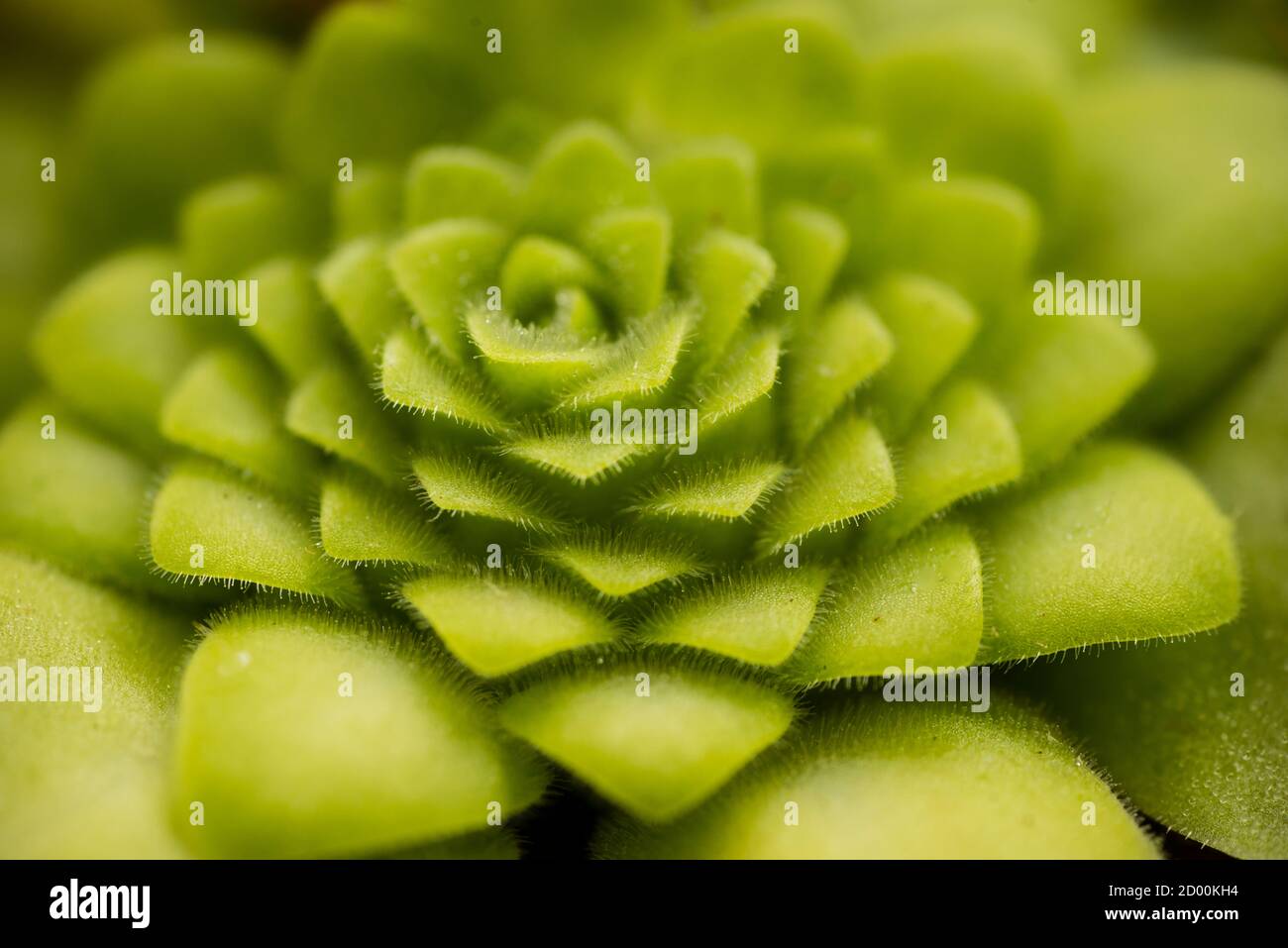
Butterworts (Pinguicula) are the gentle, slightly magical side of carnivorous plants. Their leaves look like little green rosettes dusted with dew, but that shine is actually sticky mucilage that traps fungus gnats and other tiny pests. If you have ever wished your houseplants came with built-in pest control, butterworts are here to grant that wish.
For beginners, the biggest “aha” is this: butterwort care depends on which group you have. Some species are temperate and hardy and usually need a true winter dormancy. Many popular indoor plants are Mexican and other non-hardy types that often shift into a drier, sometimes non-carnivorous winter rosette instead of going fully dormant. Once you know which you own, the rest is straightforward.

Temperate vs Mexican and other non-hardy types
Temperate (hardy) Pinguicula
Temperate species (often from Europe, northern North America, and parts of Asia) are built for seasons. In fall and winter they typically form a tighter, less sticky rosette or a small hibernaculum (a compact winter bud) and slow down.
- Key beginner note: they usually need a cool winter dormancy to thrive long-term.
- Common examples: Pinguicula vulgaris, Pinguicula grandiflora, Pinguicula macroceras, Pinguicula alpina.
Mexican and other non-hardy Pinguicula
Many of the popular houseplant butterworts are Mexican species and hybrids. In warm, brighter months they often grow sticky carnivorous leaves, then switch to a tighter, succulent-like “winter rosette” when days shorten or conditions dry. This is not the same as freezing dormancy, but it does change watering and feeding. Also, “Mexican” is a practical care bucket, not a perfect climate label. Some Mexican species come from higher elevations with cooler nights.
- Key beginner note: most common cultivated Mexican types do well indoors year-round, with a slightly drier winter phase for many.
- Common examples: Pinguicula moranensis, Pinguicula gigantea, Pinguicula esseriana, and many nursery hybrids.
If your plant tag is missing, leaf shape and seasonal changes can offer hints, but they are not foolproof. The most reliable path is to get an ID from the seller, a label, or a clear photo comparison.
Light: bright without scorching
Butterworts want bright light to stay compact, colorful, and willing to flower. Low light usually leads to stretched, pale growth and fewer sticky glands.
Best indoor light
- Bright windows: an east window is beginner-friendly. South or west can work if you watch for overheating and sunburn.
- Grow lights: excellent for consistent results, especially in winter. Aim for a bright setup that keeps the rosette compact.
Outdoor light
Outdoors, most butterworts prefer morning sun and afternoon shade, or bright dappled light. Hot midday sun can cook the leaves in small pots.
Sunburn signs: bleached patches, crispy edges, or sudden collapse after a heat wave. If that happens, move the plant to gentler light and let it regrow from the center.

Water: purity matters more than schedule
Butterworts dislike mineral-heavy water. Minerals build up and can burn roots and leaves over time, even if everything else seems “right.”
Use the right water
- Best: rainwater, distilled water, or reverse osmosis (RO) water.
- If using tap water: test it if you can. A simple guideline is low TDS. Many growers aim for roughly 50 ppm or less for carnivorous plants. If your tap water is higher, use distilled, RO, or rainwater instead.
How to water (tray method basics)
Many butterworts do well with the tray method: set the pot in a shallow saucer and keep a small amount of water available. The important part is matching the season and the type of butterwort.
- During active growth: keep the medium lightly moist, not swampy. A shallow tray with a little water is often fine.
- During winter rosette (many Mexican types): water less and avoid keeping the pot sitting in water. Let the tray go dry. Let the top dry slightly, then re-wet. Think “barely damp” instead of “wet feet.”
- Temperate dormancy: keep just barely moist so the plant does not desiccate, but do not keep it sitting in deep water.
If you are a chronic over-waterer, butterworts can still be your friend. Just avoid stale, soggy conditions that invite rot, especially when the plant is in a tighter winter form.
Media: no fertilizer, no potting soil
Butterworts are not houseplants that want rich compost. In nature they grow in low-nutrient seeps, cliffs, and mossy areas. For beginners, choose a nutrient-poor, airy medium.
Easy mixes for Mexican and other non-hardy types
- Simple beginner mix: 1:1 peat moss and perlite (both unfertilized).
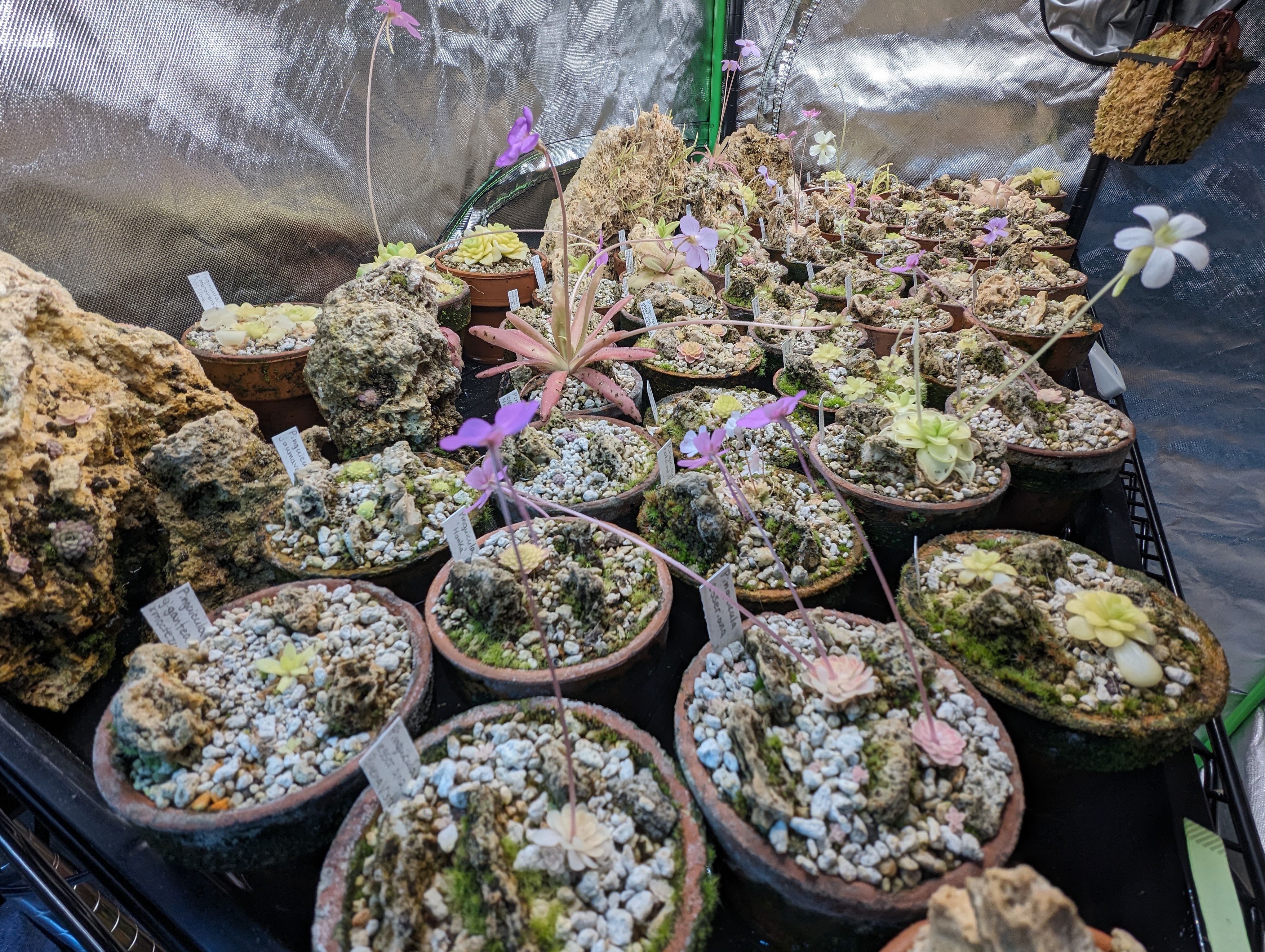
- More mineral, very popular: perlite + pumice + coarse sand (often with a small amount of peat or long-fiber sphagnum).
Mexican butterworts often appreciate extra aeration because many naturally grow on rocky slopes. If your plant stays wet for days, or you have had any hint of crown rot, switch to a more mineral mix at the next repot.
Easy mixes for temperate types
- Classic bog mix: 1:1 peat moss and perlite or silica sand (unfertilized, no additives).
Containers
Plastic pots are beginner-friendly because they do not leach minerals the way some terracotta can. Choose a pot with drainage holes. Butterwort roots are typically fine and shallow, so you do not need a deep pot.
Feeding: optional, small, and gentle
Butterworts catch plenty of tiny prey on their own if they are near gnats, fruit flies, or small insects. Feeding is helpful but not mandatory.
What to feed
- Best: small insects like fungus gnats, fruit flies, or tiny crickets.
- Also works: a pinch of crushed freeze-dried bloodworms or fish food placed sparingly on a leaf (think crumbs, not a pile).
How often
For beginners, feed once every 2 to 4 weeks during active growth if your plant is not catching bugs. If it is catching insects regularly, let it do its thing.
What to avoid
- Anything big enough to rot before the leaf can digest it.
- Fertilizing the soil like a normal houseplant.
If you want to experiment later, some growers use very dilute foliar feeding on a single leaf. For beginners, I recommend letting bugs be the fertilizer. It keeps things simple and clean.
Humidity and airflow
The good news is that most Mexican butterworts are perfectly happy in average indoor humidity. The bigger issue is usually stagnant air plus overly wet media, which can raise rot risk.
- Airflow: gentle airflow helps, especially in winter rosette or if you grow in a more organic mix.
- Humidity: you do not need a sealed terrarium for most types, and sealing them up can backfire if things stay too wet.
Winter phases
This is the part that trips people up, so let us make it plain.
Temperate winter dormancy
Temperate Pinguicula generally want a cool, bright winter rest. If you grow them outdoors in an appropriate climate, nature often handles it. Indoors, it can be trickier.
- Temperature: cool conditions are beneficial for true dormancy.
- Water: keep barely moist, not sitting in water.
- Feeding: stop feeding during dormancy.
- Light: keep bright light available, but growth will slow.
If your temperate butterwort refuses to thrive year after year indoors, lack of dormancy is often the missing piece.
Mexican winter rosette
Many Mexican types shift into a smaller, tighter, often non-carnivorous rosette when days shorten or conditions dry. It can look like a different plant, and that is normal. Some may also appreciate slightly cooler nights, depending on the species.
- Water: reduce watering and keep the tray dry. Keep the medium only slightly damp.
- Feeding: pause feeding, or feed very lightly only if the plant still has sticky leaves.
- Light: keep bright. A sunny windowsill or grow light helps prevent stretching.
When spring light returns, the sticky leaves usually reappear and growth speeds up again.
Butterworts vs sundews
If you have grown sundews (Drosera), you already understand a few carnivorous plant truths: pure water, low-nutrient media, and bright light.
- Light: many common sundews want very bright light and often take more direct sun than butterworts without complaint.
- Water: many common sundews like consistently wetter conditions. Many Mexican butterworts prefer slightly less water, especially in winter rosette.
- Feeding: both benefit from small prey. Sundews often show a more dramatic “curl” around food, while butterworts digest more quietly.
- Mess factor: butterwort leaves are sticky and can trap bits of lint or soil. Keep them clean and avoid splashing media onto leaves.
In a sunny kitchen window, a butterwort can be the calmer, tidier cousin to a sundew, especially if you want something that handles indoor life gracefully.
Repotting and routine care
When to repot
- Mexican and other non-hardy types: every 1 to 2 years, or when the medium compacts and drains slowly.
- Temperate types: also every 1 to 2 years, ideally timed to their growth cycle.
How to repot
Butterwort roots are fine and not meant to be tugged. Tip the plant out gently, remove only what falls away easily, and re-set the rosette at the same height in fresh medium. Try not to bury leaves, since trapped moisture can encourage rot.
Cleaning leaves
If soil sticks to leaves, resist rubbing. Instead, use a gentle rinse with pure water or a soft artist brush. Those sticky glands are the whole point, and they are surprisingly easy to damage with rough handling.
Propagation (the fun, easy kind)
Once your butterwort is happy, it often rewards you with offsets. Many Mexican types also propagate readily from leaf pullings.
- Leaf pullings: gently peel a healthy leaf from the base (you want a clean pull), lay it on damp (not wet) medium, and keep it in bright light with good airflow.
- Patience: tiny plantlets usually appear from the leaf base over time.
This is an easy way to build a little cluster of butterworts without buying more plants. Although, fair warning, you still might.
Common problems and quick fixes
Leaves are not sticky
- Most common cause: not enough light.
- Also possible: plant is in winter rosette, or it is stressed from recent shipping or repotting.
Center of the rosette looks mushy
- Likely cause: too wet for the season, too cold, or poor airflow.
- Fix: reduce watering, keep the tray dry (especially for Mexican types in winter), increase airflow, and remove obviously rotting material carefully. Consider switching to a more airy, mineral-heavy mix.
Brown tips and slow decline
- Likely cause: mineral buildup from tap water or fertilized media.
- Fix: switch to distilled, RO, or rainwater and repot into fresh, unfertilized mix.
Fungus gnats everywhere
The good news: your butterwort is about to earn its keep. The better news: letting the top of the medium dry slightly between waterings (for Mexican types) and using yellow sticky traps near other plants often reduces the gnat population fast.
Beginner setup
If you want the least fussy setup that works for most beginner-friendly Mexican butterwort hybrids, here is my go-to:
- Plant: a Mexican Pinguicula hybrid from a reputable nursery
- Pot: small plastic pot with drainage
- Medium: 1:1 peat moss and perlite (unfertilized). If you struggle with rot, switch to a more mineral mix.
- Water: distilled, RO, or rainwater (or low TDS tap water you have tested)
- Light: bright east window or a reliable grow light
- Winter: slightly drier watering when it forms a tight rosette, and keep the tray dry
Once you have kept one butterwort happy through a full year, you will start to see their rhythms. And that is when the real fun begins: flowers, offsets, and that quiet satisfaction of a plant that is both beautiful and useful.