
Blue Star Fern Care Indoors

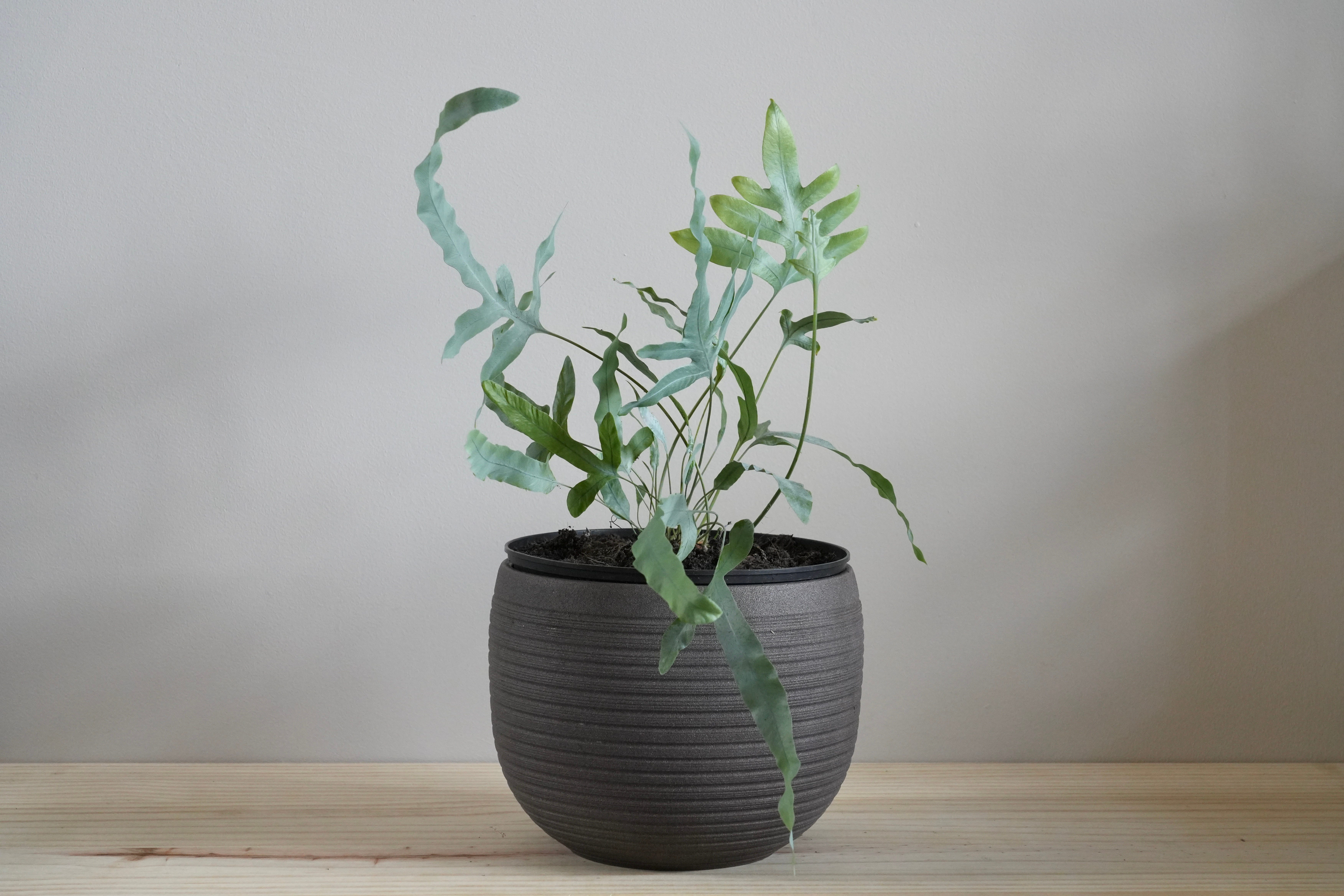
If you have ever wished ferns came with a little more forgiveness, meet the Blue Star Fern (Phlebodium aureum). It has those soft, blue-green fronds that look like they were dusted with seafoam, plus a laid-back temperament compared with fussier fern cousins. I still talk to mine (she seems to like it), but the real secret is simple: steady moisture, gentle light, and air that is not bone-dry.

Below is everything you need to keep a Blue Star Fern happy indoors, including what to do with those fuzzy rhizomes, why fronds get brown, and how to check for pests without stressing the plant.
Quick personality check
Blue Star Fern often grows as an epiphyte in the wild, meaning it can live on trees or rocky surfaces where water drains quickly and air moves freely. Indoors, that translates to a plant that likes:
- Bright, indirect light (it prefers brighter light but tolerates medium light)
- Even moisture (not soggy, not crispy)
- Humidity that helps, but it usually handles average homes better than maidenhair
- Airy potting mix that breathes around the roots and rhizomes
If you want a fern that looks a bit wild and sculptural without demanding constant babysitting, Blue Star is a lovely pick.
Light: the sweet spot
Give your Blue Star Fern bright, filtered light. Think “near a window, but not sunburn territory.” It will usually tolerate medium light too, just with slower growth.
Best indoor placements
- East-facing window: A few hours of gentle morning sun is usually perfect.
- North-facing window: Great in bright rooms, especially close to the glass.
- South or west-facing window: Works well if you use a sheer curtain or keep it a few feet back from the window.
Signs the light is off
- Too much direct sun: pale patches, crispy edges, fronds that look bleached.
- Too little light: slower growth, smaller fronds, a generally dull or limp look even when watered.
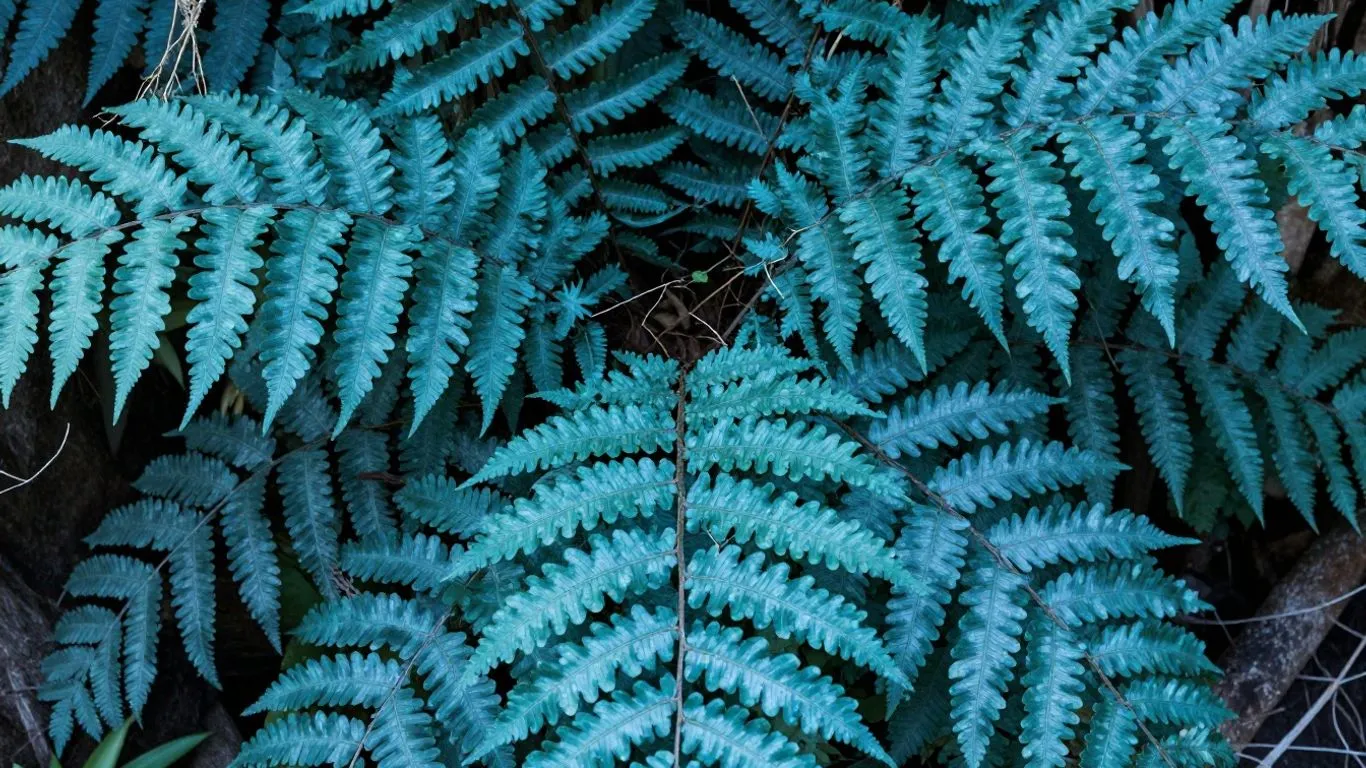
Watering: moist, not marshy
The quickest way to lose fern confidence is guessing at watering. Here is a method that keeps it simple.
My no-drama watering routine
- Check the pot with your finger.
- When the top 1 inch of soil feels dry to the touch, water thoroughly.
- Let excess water drain fully. Do not leave the pot sitting in water.
Blue Star Fern does not want to dry out completely, but it also hates the feeling of heavy, airless soil. If you only remember one phrase, make it this: evenly moist with good drainage.
Seasonal tweaks
- Spring and summer: You may water more often as it actively grows.
- Fall and winter: Slow down. Growth pauses, and wet soil lingers longer.
Tip from my windowsill jungle years: If your pot feels light when lifted, it is usually time to water. If it still feels heavy, wait a day or two and re-check.
Humidity: helpful, not hysterical
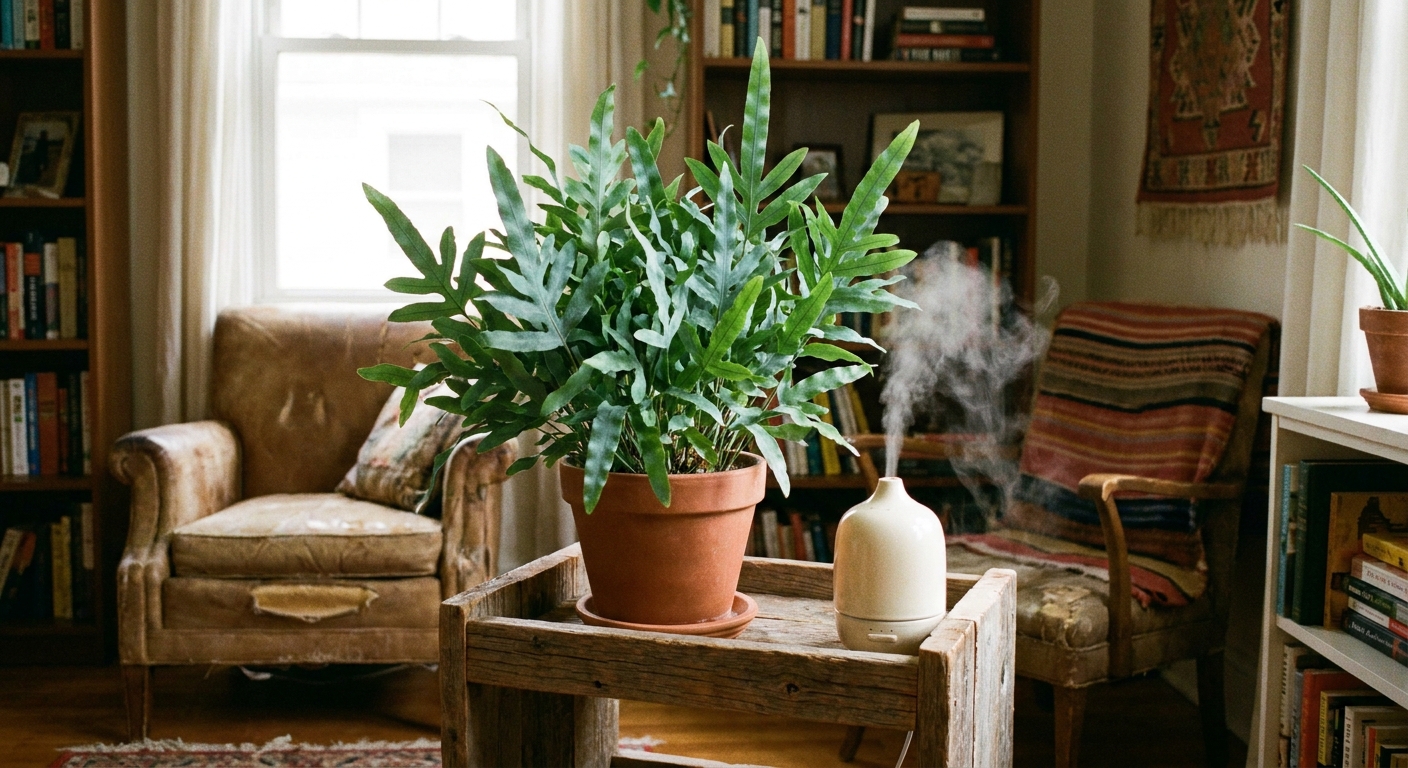
Blue Star Fern appreciates humidity, but it is usually more tolerant than maidenhair fern. If your home sits around average indoor humidity, it can still do well. Aim for 50 to 60 percent for that extra-lush look, with about 40 percent as a practical minimum.
Easy ways to bump humidity
- Group plants together: A little microclimate magic.
- Use a pebble tray: Keep the pot above the waterline so roots are not soaking.
- Run a humidifier: Especially in winter heat or summer AC.
- Bathroom placement: If the room has good light, it is fern heaven.
Misting can feel satisfying (I get it), but it is usually short-lived. If you mist, do it in the morning and focus on improving overall room humidity for lasting results.
Soil and pot: airy and fast-draining
Because Blue Star Fern often grows in airy situations in nature, it does best in a potting mix that drains well while still holding some moisture.
A simple mix that works
- 2 parts high-quality houseplant potting mix (or a coco-coir-based mix)
- 1 part orchid bark (for airflow)
- 1 part perlite or pumice (for drainage)
Choose a pot with drainage holes. If you love cachepots, keep the fern in a nursery pot inside your pretty pot so you can drain it properly after watering.
Repotting: respect the rhizomes
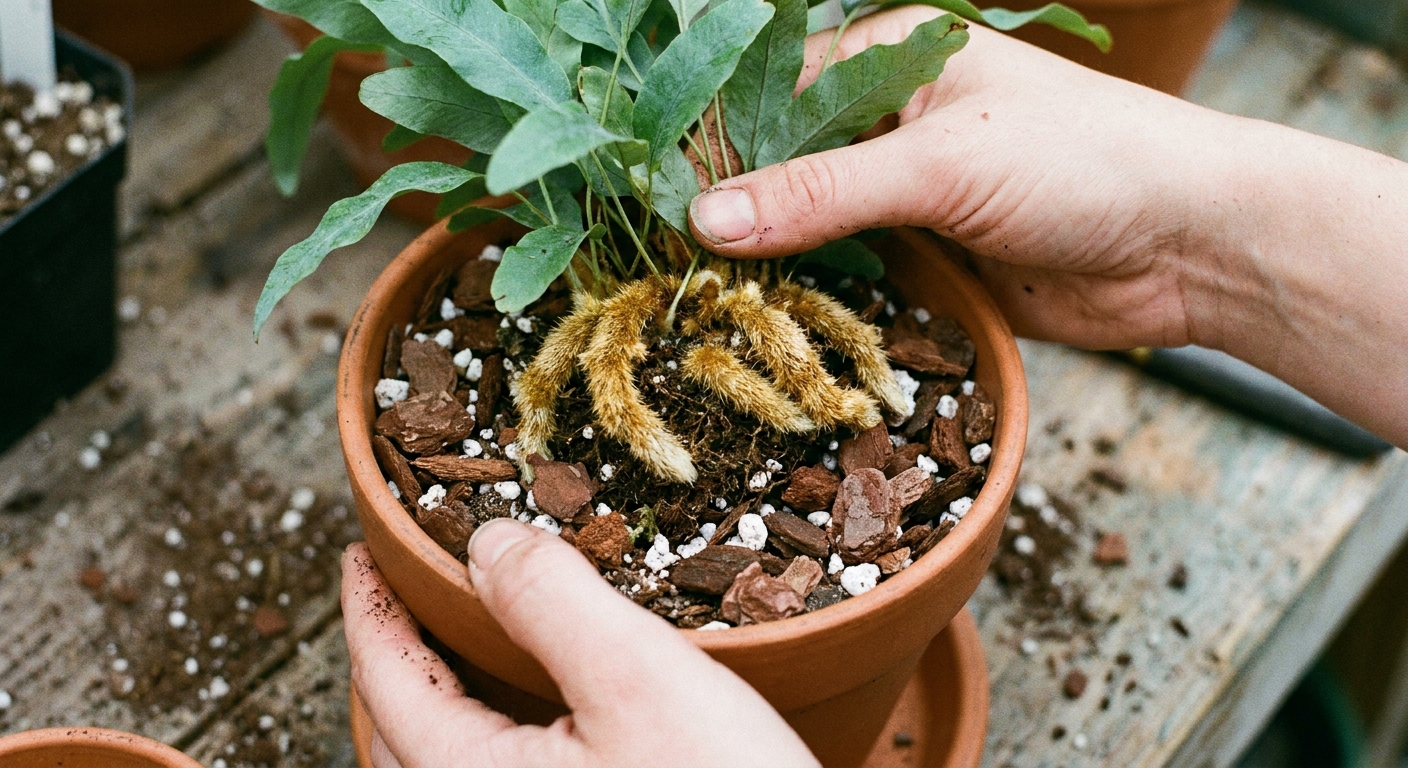
The Blue Star Fern’s rhizomes are one of its quirkiest and cutest features. They are thick, fuzzy, and tend to creep along the soil surface. New plant parents sometimes try to bury them like normal stems. Resist that urge. Those fuzzy rhizomes are normal, and you generally do not want to cut them off unless a section is clearly rotting.
How often to repot
- Typically: every 1 to 2 years
- Sooner if: it is obviously root-bound or drying out unusually fast
When to repot
- Roots circling the pot or poking from drainage holes
- Water rushing through because the pot is root-bound
- Rhizomes climbing over the rim and the plant feeling top-heavy
How to repot without upsetting it
- Choose a pot 1 to 2 inches wider, not a giant jump.
- Add a base layer of your airy mix.
- Set the fern so rhizomes sit at or just above the soil line.
- Backfill gently, firming lightly without compacting.
- Water in and let it drain completely.
Rhizome rule: Keep those fuzzy runners exposed to air. They can rot if buried too deeply in consistently wet mix.
Temperature and airflow
Blue Star Fern is happiest in typical home temperatures: 65 to 80°F (18 to 27°C). Keep it away from:
- Heating vents and radiators
- Drafty winter windows
- Blasting AC
A gentle, steady environment helps the fronds stay lush. Sudden hot or cold air often shows up as crispy tips or patchy browning.
Why fronds turn brown
Brown fronds are your fern’s way of sending a polite but firm email. The trick is figuring out which issue is most likely in your home.
Most common causes
- Underwatering: fronds dry and crisp, soil pulling away from the pot.
Fix: water thoroughly, then keep to a steady rhythm. If the soil is very dry and water runs off, soak the pot in a bowl for 15 to 20 minutes, then drain. - Low humidity: brown tips, edges go papery.
Fix: humidifier, plant grouping, move away from heat sources. - Too much direct sun: bleached patches that later crisp.
Fix: shift to filtered light or back from the window. - Overwatering or soggy soil: browning plus limpness, sometimes a musty smell.
Fix: let the top inch dry, ensure drainage, consider repotting into an airier mix if soil stays wet for many days. - Mineral buildup from tap water or fertilizer: tip burn and dull fronds over time.
Fix: flush the pot with plenty of water every 1 to 3 months depending on water hardness and how often you fertilize. Filtered water or rainwater can also help. - Normal aging: older fronds near the base yellow then brown.
Fix: snip them off cleanly at the base and celebrate the new growth.
When you trim, use clean scissors. If most of a frond is brown, cut the whole thing at the base. If it is just a few crispy tips, you can trim the tips for looks, but know they will not turn green again.
Feeding: light snacks
Blue Star Fern is not a heavy feeder. Too much fertilizer can scorch delicate roots.
- When: spring through early fall
- How often: every 4 to 6 weeks
- What: balanced liquid fertilizer at 1/4 to 1/2 strength
If you repot into fresh mix, you can often skip feeding for a month or two.
Safe pest checks
Ferns can occasionally host a few unwelcome visitors, especially in dry indoor air. A quick, gentle inspection every couple of weeks prevents small issues from becoming a saga.
What to look for
- Spider mites: tiny speckling on fronds, fine webbing, worse in dry rooms
- Scale: small brown bumps along stems and undersides
- Mealybugs: cottony clusters in frond joints
- Thrips (less common): silvery scarring, tiny insects that dart when disturbed
How to check without harming fronds
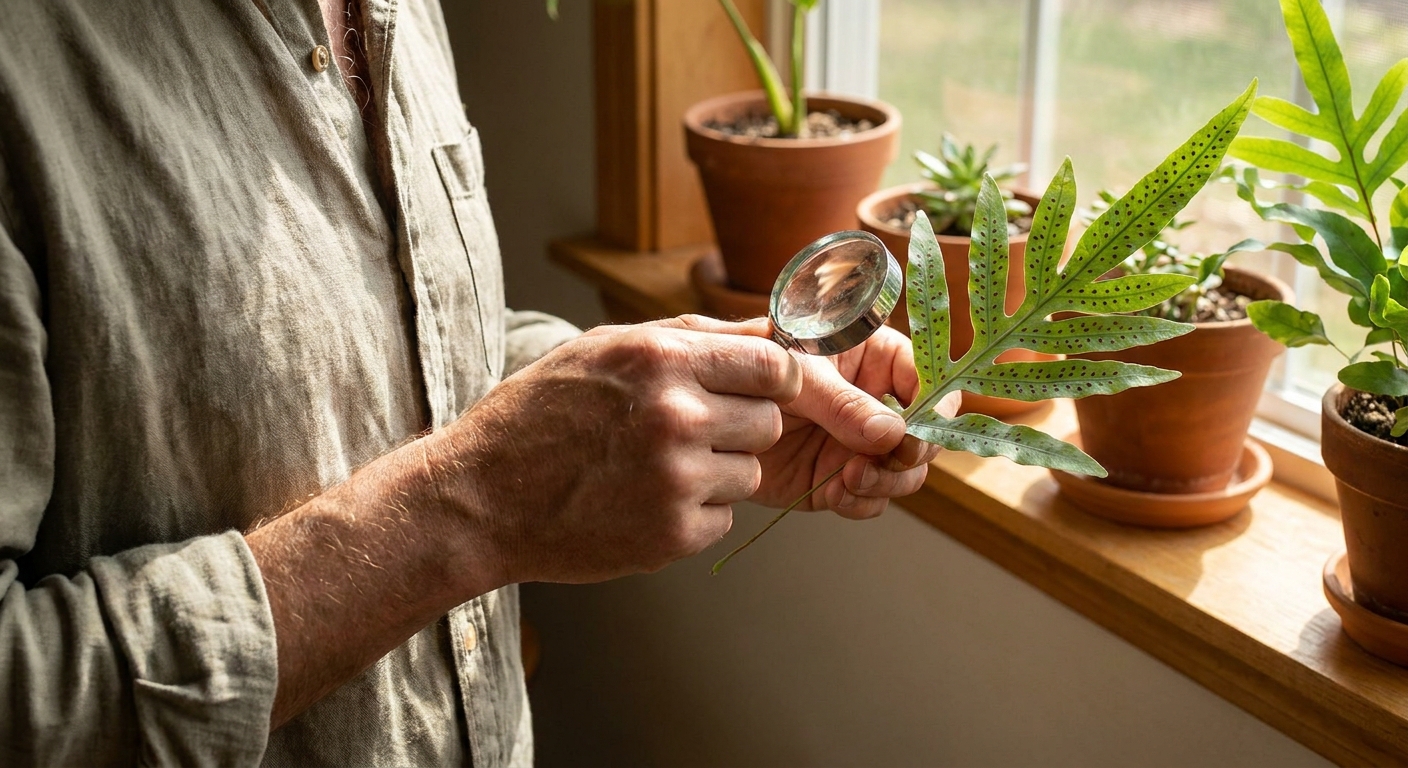
- Use a bright light and look at the undersides of fronds.
- Wipe gently with a damp, soft cloth or cotton pad.
- Rinse in the shower with lukewarm water, supporting the fronds with your hand.
If you find pests
Start with the gentlest option first: rinse thoroughly, then repeat every few days. If needed, use insecticidal soap, testing on a small area first. Avoid heavy oil treatments on ferns in bright light, as fronds can be sensitive.
Propagation
The easiest way to propagate Blue Star Fern is by division during repotting. If your plant has multiple clumps or rhizome sections with their own roots, you can gently separate them, pot them up in the same airy mix, and keep the new divisions evenly moist while they settle in. Go slow and handle the rhizomes like the fuzzy little VIPs they are.
Pet safety
Blue Star Fern is generally considered non-toxic to cats and dogs. That said, any plant can cause mild tummy trouble if a pet turns it into a salad bar, so it is still worth placing out of reach if your pets like to sample greenery.
Fern comparisons
If you have been exploring ferns, here is where Blue Star fits in the lineup.
- Compared with Boston fern: Blue Star is usually less messy and a bit more tolerant of average humidity. Boston fern can grow bigger and thirstier.
- Compared with maidenhair fern: Blue Star is the calmer friend. Maidenhair wants consistently high humidity and very even moisture, and it sulks fast when conditions swing.
- Compared with bird’s nest fern: Both handle indoor life well, but Blue Star has creeping rhizomes and more divided fronds, while bird’s nest has broad, glossy fronds and a central rosette. With bird’s nest, avoid letting water sit in the crown for long periods.
If you want that classic fern vibe without the constant drama, Blue Star is often a sweet middle ground.
Troubleshooting cheat sheet
- Crispy tips: humidity up, move away from vents, check watering rhythm
- Yellowing fronds: often overwatering or low light, check drainage and placement
- Limp fronds: could be thirsty or waterlogged, feel the soil before reacting
- Slow growth: more light, fresh mix, or a small feeding in spring
Most fern problems are not black thumb problems. They are environment problems, and those are fixable with tiny, steady adjustments.
My favorite setup
If you want one simple setup that tends to work in real homes: place your Blue Star Fern near an east window, pot it in an airy mix with orchid bark, and run a small humidifier during the driest months. Water when the top inch of soil dries, and let those fuzzy rhizomes lounge on the surface like they own the place.
They kind of do.