Bleeding Heart Plant Care

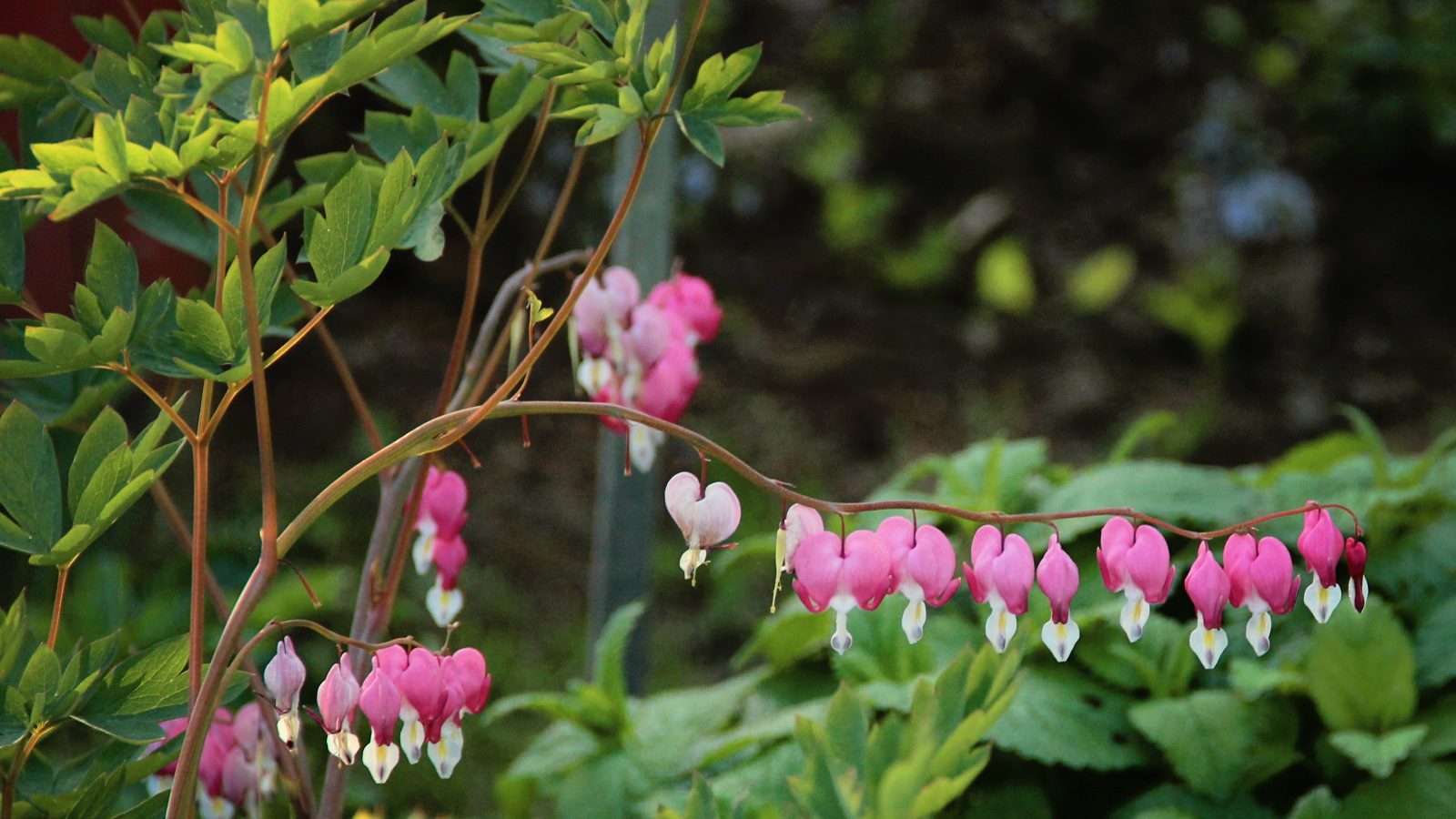
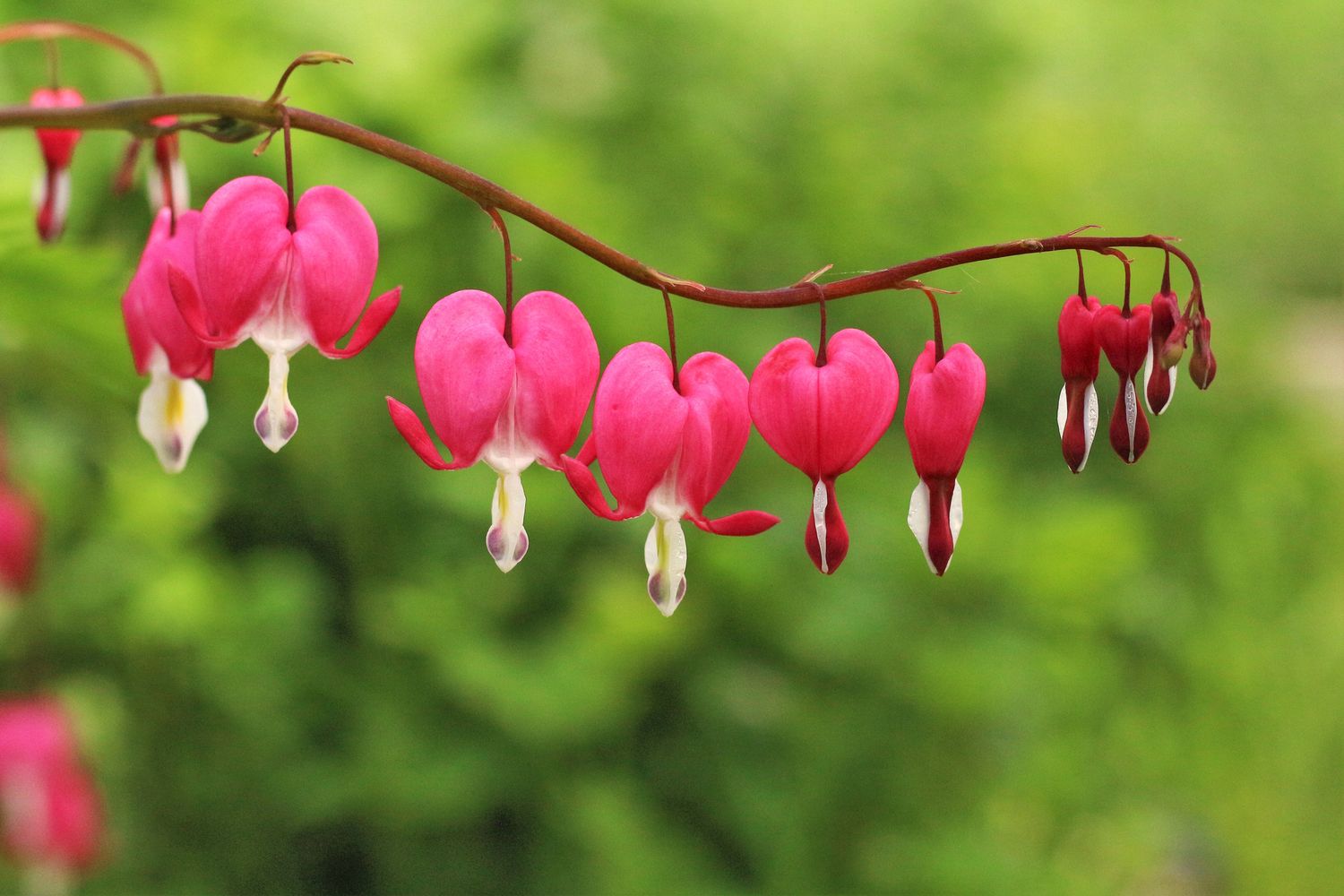
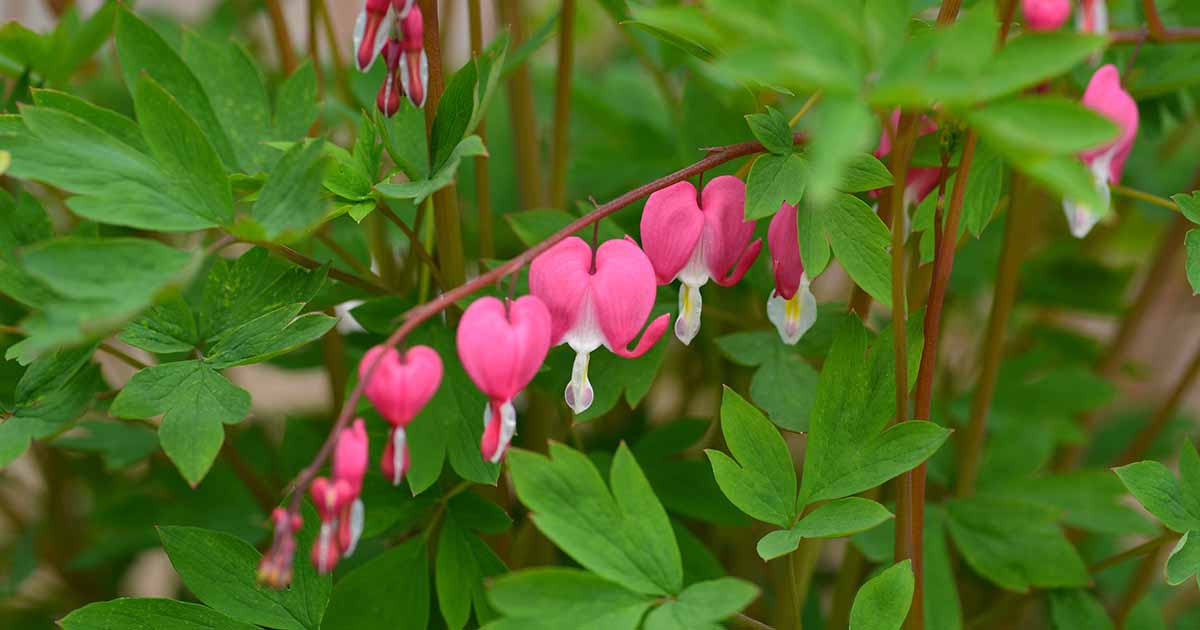
Bleeding heart (Dicentra) is one of those spring perennials that feels like it was designed to soften a shady corner. Those arching stems and heart-shaped blooms show up right when we are all desperate for color, then the plant quietly bows out when summer heat settles in. If you have ever panicked when the leaves turn yellow in July, you are not alone. That is often normal dormancy, not failure.
This care guide will help you give bleeding heart what it actually wants: cool roots, steady moisture, rich soil, and a little patience for its seasonal rhythm.

Know your bleeding heart type
Most gardeners mean the classic old-fashioned bleeding heart, Dicentra spectabilis (now often listed as Lamprocapnos spectabilis). It blooms in spring and frequently goes dormant by mid to late summer, especially in warm climates or dry shade.
You may also run into two close cousins that behave a bit differently:
- Fringed bleeding heart (Dicentra eximia): finer foliage, longer bloom season, often stays attractive longer into summer with consistent moisture.
- Western bleeding heart (Dicentra formosa): similar to fringed; great for woodland gardens and can rebloom.
The basics are the same, but the classic old-fashioned type is the most likely to yellow and disappear when heat arrives.
Ideal light: bright shade, not deep gloom
Bleeding heart loves partial shade. Think morning sun with afternoon shade, or dappled light beneath high tree canopies.
- Best: 2 to 4 hours of gentle sun (morning is perfect) plus shade the rest of the day.
- Okay: full shade if the spot is not bone-dry. Blooms may be fewer, but foliage is often lush.
- Risky: hot afternoon sun. It can scorch leaves and push the plant into dormancy earlier.
If you are planting near a wall or fence, east-facing exposures tend to be kinder than west-facing ones.
Moisture: steady, cool, and never soggy
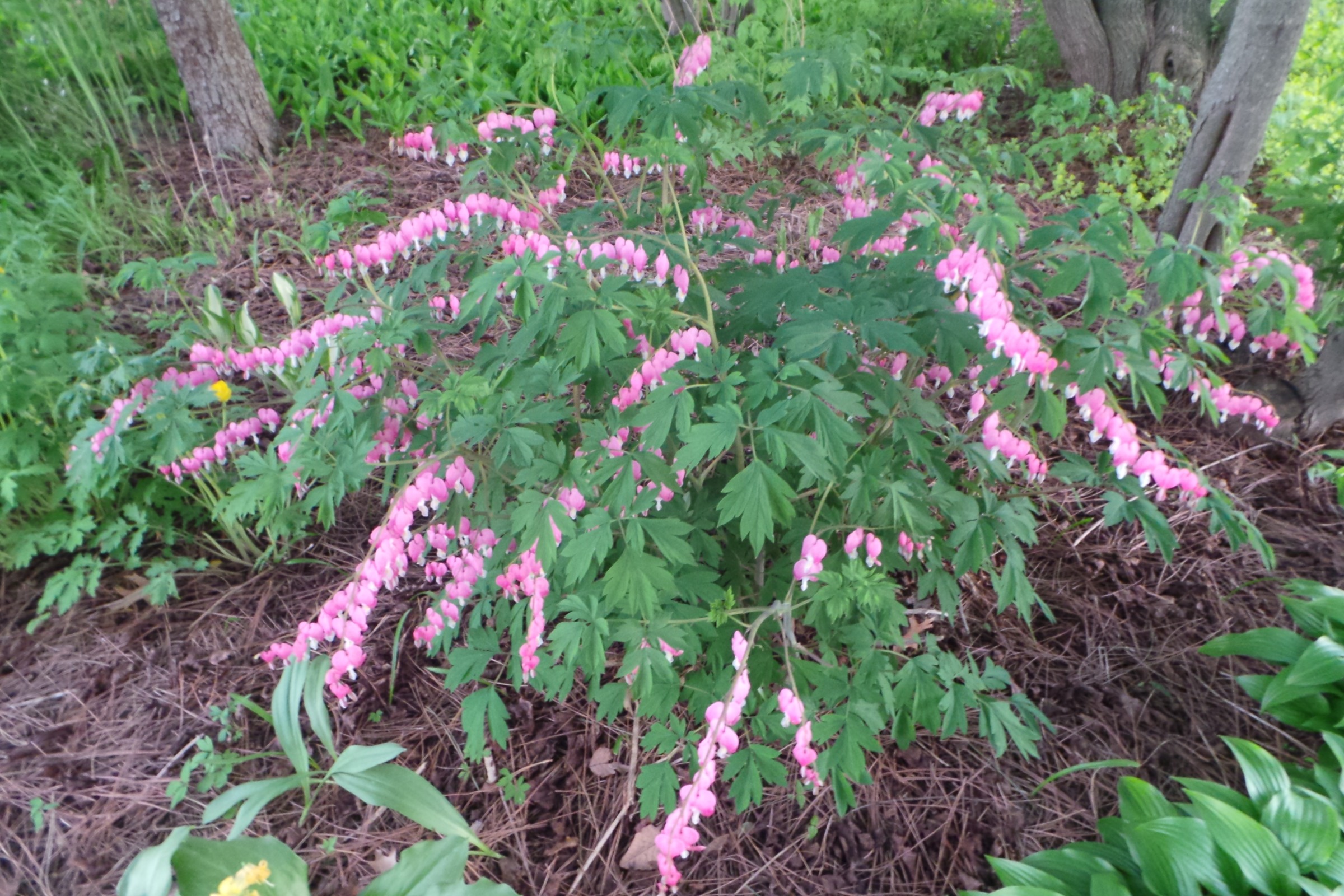
If bleeding heart could write a wishlist, it would start with “please do not let my roots bake.” These plants naturally grow in forest edges and woodland soils that stay evenly moist in spring.
Watering tips that actually work
- Water deeply when the top 1 to 2 inches of soil feel dry, especially in spring while it is actively growing and blooming.
- Mulch 2 to 3 inches with shredded leaves, compost, or fine bark to keep roots cooler and reduce evaporation. Keep mulch a couple inches back from the crown.
- Avoid standing water. Wet feet can invite crown rot, especially in heavier soil.
In many gardens, bleeding heart needs the most water from emergence through bloom, then less as it naturally starts winding down.
Soil prep: feed the soil, not the drama
Bleeding heart is at its happiest in rich, humusy, well-draining soil. If your shade bed is full of thirsty tree roots, soil prep matters even more than fertilizer.
Before planting
- Loosen soil 8 to 12 inches deep.
- Mix in 2 to 4 inches of compost or leaf mold. This improves moisture-holding while still draining well.
- If you have heavy clay, add compost generously and consider planting on a slight mound to help excess water move away from the crown.
Soil pH
Bleeding heart is adaptable, but generally prefers slightly acidic to neutral soil (roughly pH 6.0 to 7.0).
Fertilizing
If your soil is compost-rich, you may not need much. A light top-dressing of compost in early spring is usually plenty. If growth is weak, use a balanced, gentle organic fertilizer in spring, following label rates. Overfeeding can encourage floppy stems and softer growth that pests enjoy.
Planting basics for long-lived clumps
Plant bleeding heart in spring or early fall when temperatures are mild.
- Depth: Set the crown so it sits at the same level it was in the pot. For bare roots, follow the supplier’s guidance, generally with buds just below the surface.
- Spacing: Give plants room for airflow. Many old-fashioned types want about 24 to 30 inches of space.
- After planting: Water in thoroughly and mulch.
One practical tip from years of “where did it go?”: mark the spot with a small plant label or stone. Once it goes dormant, it is easy to accidentally dig into it while planting summer annuals.
Supports for taller types: stake early, not after the flop
Old-fashioned bleeding heart can reach 2 to 3 feet tall, and those bloom-laden stems can lean, especially after rain.
Simple support options
- Peony ring or grow-through support: Place it in early spring when shoots are 4 to 6 inches tall so the plant grows up through it.
- Discreet bamboo stakes and soft ties: Use a few stakes around the clump and loosely corral stems.
- Let neighboring plants help: Planting near hostas or ferns can provide gentle “shoulder support” later in spring, as long as airflow stays decent.
If you wait until the plant has already collapsed, it is harder to lift without snapping brittle stems.
Summer yellowing and die-back: what it means (and what to do)
This is the moment most people assume they have a black thumb. In reality, many bleeding hearts are simply cool-season perennials. As days heat up, the foliage can yellow, brown at the edges, and fade away.
Normal dormancy signs
- Leaves gradually yellow from the bottom up after flowering.
- Growth slows, stems look tired, and the whole plant retreats.
- By midsummer, the plant may vanish completely.
What you should do
- Do not keep flooding it in a panic. Slightly reduce watering as it dies back, unless your weather is extremely dry.
- Wait to cut back until foliage is yellowing and easy to remove. Then snip stems near ground level with clean pruners.
- Keep the area mulched and avoid digging where the crown sits.
When yellowing is not normal
If leaves yellow while the plant is still in active spring growth, check for:
- Too much sun (leaf scorch and quick decline).
- Water stress (wilting, crisp edges, dry soil).
- Poor drainage (yellowing with limp stems, sour-smelling soil).
If you can, provide afternoon shade and improve soil structure with compost rather than chasing the problem with heavy fertilizer.
Division and transplanting: be cautious and time it right
Bleeding heart can live for years without division, and it often prefers to be left alone. If your clump has outgrown its space, is crowding neighbors, or is blooming less, division can help, but timing matters.
Best times to divide
- Early spring as new growth is just emerging.
- Early fall after heat has broken, while soil is still workable.
Avoid dividing in the peak of summer heat. If the plant is fully dormant in summer, it can be tempting to dig, but you are more likely to damage the crown because there is no top growth to guide you and the soil may be dry and compacted.
How to divide with less heartbreak
- Water the plant well the day before.
- Dig wide around the clump to protect brittle roots.
- Use a sharp knife or spade to split into sections with at least one healthy crown and roots.
- Replant immediately at the same depth, water in, and mulch.
Expect the plant to take a season to fully settle back in. Like many woodland perennials, it rewards gentle handling.
Pests and diseases: the short list to watch
Bleeding heart is generally low-drama, but a few common garden issues can pop up in shady beds.
Aphids
- Signs: curled new growth, sticky residue, clusters of small insects on stems.
- What to do: rinse with a firm spray of water; encourage ladybugs; use insecticidal soap if needed.
Slugs and snails
- Signs: ragged holes, shiny slime trails, especially on young spring growth.
- What to do: hand-pick at dusk, use iron phosphate bait, reduce hiding places like wet boards and dense debris.
Powdery mildew
- Signs: white dusty coating on leaves, more common in still air and crowded plantings.
- What to do: thin nearby plants for airflow, water at the soil line, remove badly affected foliage.
Crown rot and root rot
- Signs: sudden collapse, yellowing with mushy crown, consistently wet soil.
- What to do: improve drainage, avoid overwatering, replant in a better-draining spot if necessary.
Most problems ease up when you get the fundamentals right: moisture that is steady but not swampy, and shade that is bright but not baking.
Design tips: make dormancy look intentional
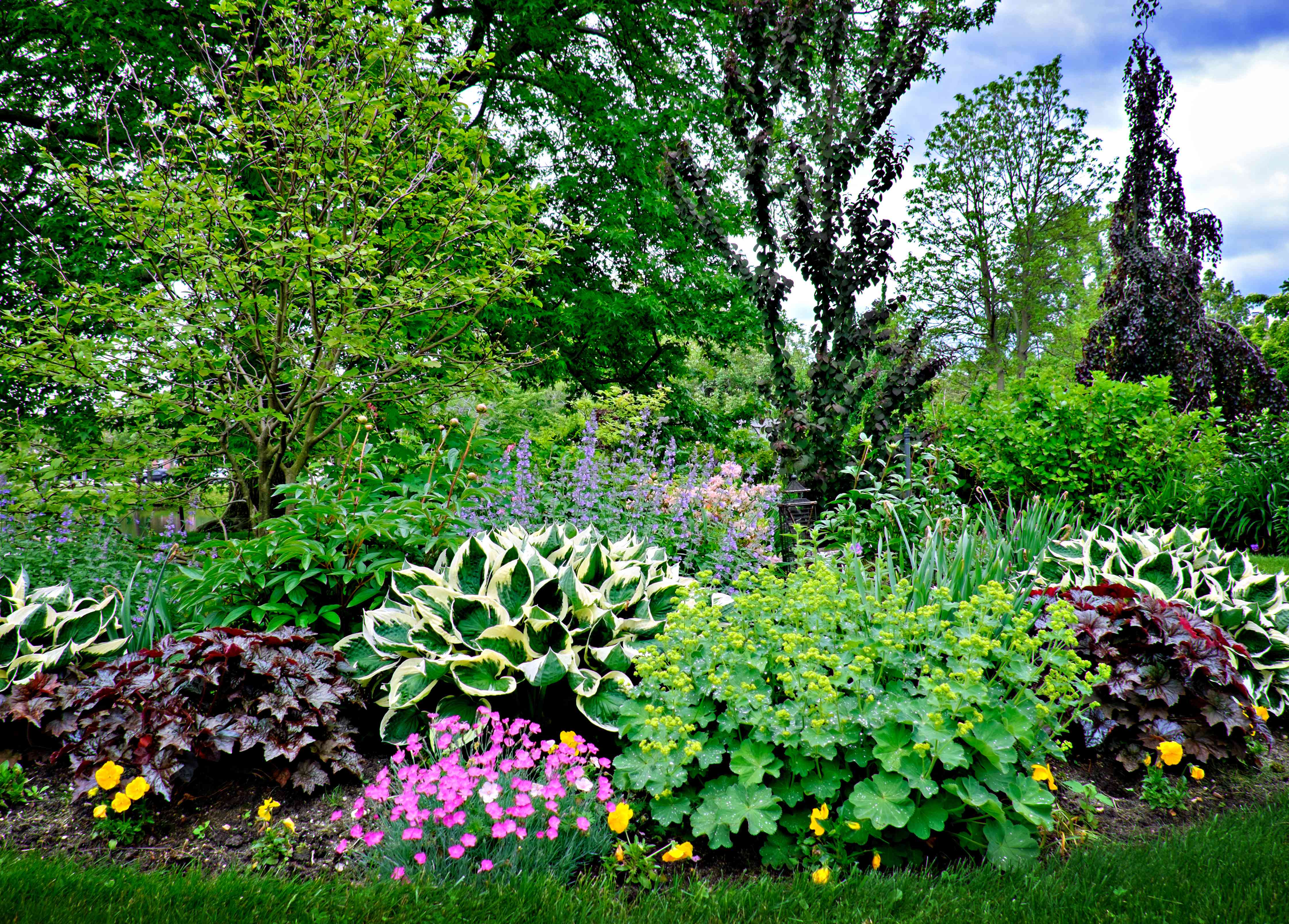
Because many bleeding hearts disappear by midsummer, pairing them with the right neighbors makes your garden look full all season.
Great companions for shade
- Hostas to fill in after bloom time.
- Ferns for texture and a woodland feel.
- Heuchera (coral bells) for long-lasting color.
- Brunnera for silver foliage and spring flowers.
- Astilbe for summer plumes once bleeding heart fades.
Plant companions close enough to cover the gap, but not so close that the bleeding heart crown is smothered.
Quick care checklist
- Light: partial shade, ideally morning sun and afternoon shade
- Soil: rich, compost-amended, well-draining
- Water: keep evenly moist in spring; reduce slightly as it goes dormant
- Mulch: 2 to 3 inches to keep roots cool
- Support: use a grow-through ring early for tall types
- Cutback: after foliage yellows
- Division: early spring or early fall, handle gently
If you take one thing from this page, let it be this: bleeding heart has seasons. When it bows out in summer, it is not quitting on you. It is just resting, gathering strength underground, and getting ready to charm you all over again next spring.