
Beneficial Nematodes for Grubs and Garden Pests

There is a particular kind of gardening relief that comes from solving a pest problem without waging chemical war on your whole yard. Beneficial nematodes are one of my favorite “quiet helpers” for that. They are microscopic, living organisms that hunt specific soil-dwelling pests. After the job is done, their numbers typically drop as hosts disappear or conditions change, and the rest blend back into the soil ecosystem.
If you are dealing with white grubs in the lawn , flea larvae in shady pet hangouts, or certain caterpillars and cutworms that spend time in the soil, nematodes can be a smart, organic tool. The trick is timing and technique. These are living critters, not a sprinkle-and-forget product.

What beneficial nematodes are and how they work
Beneficial nematodes are tiny roundworms that naturally occur in soils. The types sold for pest control are entomopathogenic, meaning they parasitize insects. They move through thin films of moisture between soil particles, locate a host insect, enter it, and release symbiotic bacteria that quickly kill the pest. The nematodes then reproduce inside the host and spread out to find more.
That sounds intense, but it is also wonderfully targeted. They are considered safe for people, pets, birds, and plants when used as directed. The main limitation is that they need the right conditions to stay alive long enough to work.
Pick the right species for the job
Nematodes are not one size fits all. If you buy the wrong type, you can do everything else right and still feel like “well, that was a waste.” Here are the most common garden-use options and what they are typically used for.
Quick caution: Availability and strains vary by region, and some labels only list a genus or “Steinernema spp.” If the exact species is not listed, check the product page, call the supplier, or choose a brand that clearly names the species.
Heterorhabditis bacteriophora (Hb): the classic grub hunter
- Best for: White grubs (Japanese beetle, June beetle, masked chafer) and other soil-dwelling beetle larvae.
- Why it is popular: Hb actively searches through the soil and is widely recommended for lawn grub control.
- Where it shines: Turfgrass and garden beds where pests are feeding on roots.
Steinernema carpocapsae (Sc): ambush specialist
- Best for: Cutworms, armyworms, sod webworms, and some caterpillars that spend time near the soil surface.
- How it hunts: More of an “ambush” style, waiting near the surface for a host to pass by.
- Where it shines: Beds with cutworm damage, seedlings being clipped overnight, or surface-active larvae.
Steinernema feltiae (Sf): cool season and fungus gnat support
- Best for: Fungus gnat larvae and some soil-dwelling stages of other pests.
- Where it shines: Greenhouses, seed-starting setups, houseplant collections, and cool, moist soil conditions.
About fleas: Many products marketed for yard flea control rely on Steinernema species (often Sc and/or Sf). Fleas are tricky because adults live on pets and larvae develop in protected, organic-rich spots outdoors. Nematodes can reduce larvae in soil and debris, but results vary outdoors due to dryness and UV exposure. For best odds, focus on moist, shaded, organic zones where pets rest. You will still want a whole plan: pet treatment, vacuuming indoors, and yard habitat tweaks.
Tip from the nursery aisle: Always check the label for the Latin name. “Beneficial nematodes” is like saying “vegetables.” Helpful, but not specific enough.
When to apply nematodes for best results
Timing is the difference between a satisfying win and a shrug.
Target young pests, not big mature ones
Nematodes work best when the pest is in a susceptible life stage, usually small to medium larvae. For white grubs, that often means:
- Late summer to early fall: Freshly hatched grubs are feeding near the surface.
- Spring: You can get some suppression, but many grubs are larger and harder to control. Still worth it if you missed fall and you are seeing damage.
If you already have skunks rolling up your lawn like a carpet buffet, you likely have a hefty grub population. Nematodes can help, but you may need patience and a second application.
Soil temperature matters more than the calendar
Nematodes are living and temperature sensitive. As a general rule, applications tend to perform best when:
- Soil is consistently above about 55°F (13°C)
- Many species do well in roughly 60 to 80°F (16 to 27°C)
But the real answer is species and strain specific. Check your supplier label for the recommended temperature range, especially if you are using Sf in cooler conditions or Hb during hot spells. Below the workable range, they slow down. Above it, they can die off faster, especially if soil dries out.
Choose a low stress day for living organisms
- Apply in the early morning or evening.
- Avoid hot afternoons and full sun.
- Plan for a stretch where you can keep soil evenly moist for at least a week.
How to apply beneficial nematodes
This is the part where I get a little bossy, lovingly. Nematodes are not hard to apply, but they are easy to accidentally kill.
1) Prep the area
- Water the lawn or bed first so the soil is damp. Moisture helps nematodes move.
- Mow turf if it is tall. You want the solution to reach the soil, not sit on leaf blades.
- Clear thick thatch or leaf mats in hotspots if you can, especially in flea zones where larvae hide in organic debris.
2) Use the right amount
Nematodes are sold by the million or billion, and coverage matters. Match the product size to your square footage and target pest. Follow the label rate. Under-dosing is one of the most common reasons people feel like nothing happened.
3) Mix correctly
- Use cool to lukewarm water, not hot.
- If your water is heavily chlorinated, consider letting it sit out for a while before mixing, or use dechlorinated water if that is practical for you.
- Mix in a bucket first, then pour into a sprayer or hose-end applicator if your product allows it.
- Agitate gently and often. Nematodes settle.
Equipment note: If you use a sprayer, remove fine filters and avoid very small nozzles that can clog. You want a coarse spray that gets them onto the soil.
Tank-mix note: Do not mix nematodes with pesticides, fungicides, or fertilizers in the tank unless the nematode supplier explicitly says it is compatible.
4) Apply to soil, not just foliage
- For lawns, spray evenly over the target area.
- For beds, drench around the base of plants where larvae are feeding.
- For flea hotspots, focus on shaded, moist areas where pets rest and where organic debris collects.
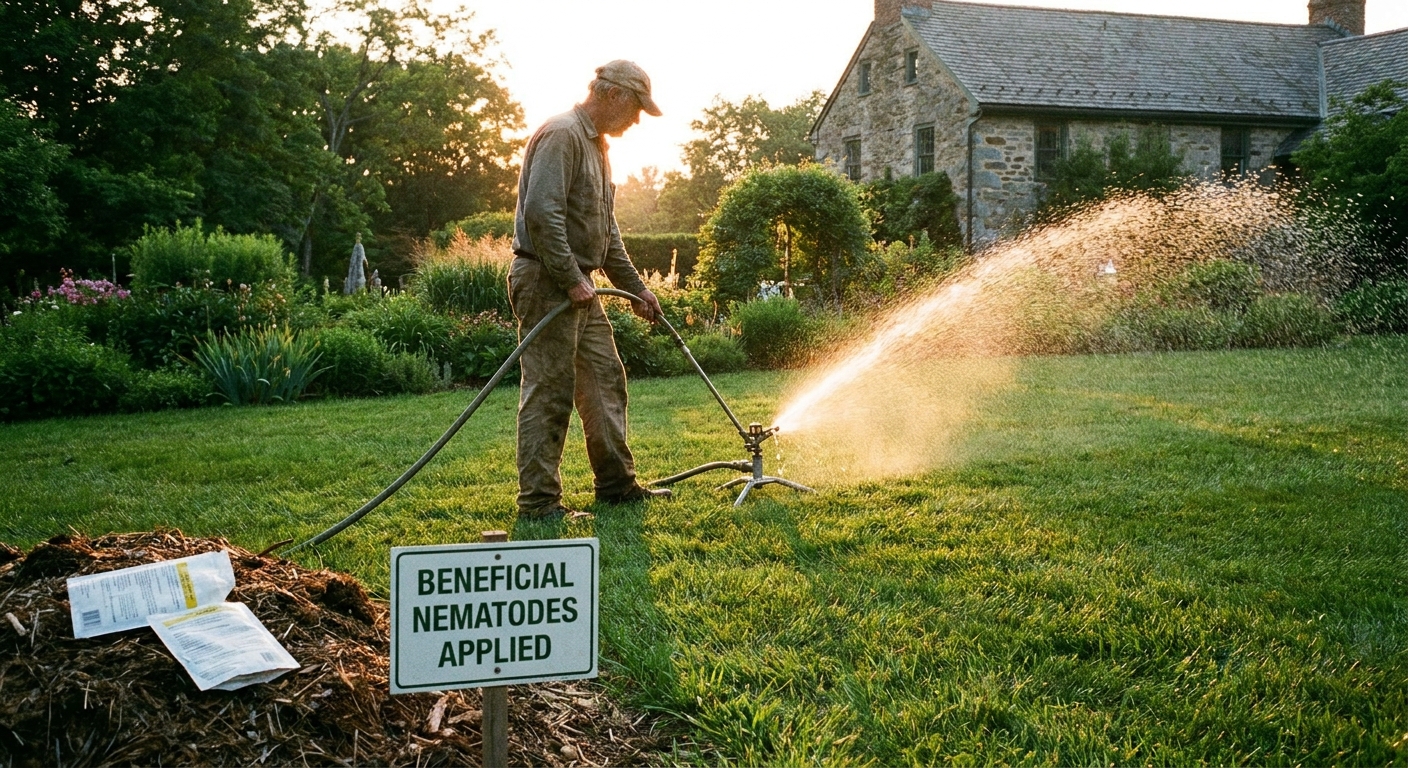
5) Water them in right away
This is nonnegotiable. You are washing them off leaves and into the soil where they work.
- Light irrigation right after application. Many labels suggest something like 1/4 to 1/2 inch, but use the product guidance and your soil type as the final word.
- Then keep the soil consistently moist (not swampy) for 7 to 14 days, or for the duration your supplier recommends.
6) Be gentle for a couple of weeks
- Avoid letting the area dry out.
- Postpone heavy dethatching or aggressive cultivation right after application.
Quick checklist
- Apply at dusk or dawn
- Pre-water so soil is damp
- Use the label rate for your square footage
- Mix with cool water, agitate often
- Use a coarse nozzle, remove fine filters
- Get it onto the soil
- Water in immediately
- Keep soil evenly moist for at least a week
Nematodes and chemicals
Nematodes can play nicely in an integrated pest management plan, but you need to be mindful of what else is in your soil.
Avoid broad-spectrum insecticides around application time
Some soil insecticides can reduce nematode survival. The safest approach is:
- Do not apply nematodes at the same time as a lawn insecticide unless the nematode supplier specifically says it is compatible.
- If you recently treated with an insecticide, wait for the product’s label window to pass before applying nematodes.
Fertilizers and compost are usually fine
In my experience, compost topdressing and gentle organic fertilizers are nematode friendly, especially since they support a living soil food web. Just avoid applying anything that will dry or burn the soil surface.
About grub preventers
If you are used to a conventional “grub preventer” schedule, nematodes are more like a targeted biological tool when grubs are present and conditions are right. If you want a deeper look at the grub life cycle and what causes outbreaks, this page pairs well with our lawn grub coverage on Leafy Zen, especially if you are trying to decide whether you are dealing with grubs or something else entirely.
Realistic expectations
I wish I could promise a single application will make every pest vanish. Gardening is rarely that tidy.
What success looks like
- Grubs: Fewer live grubs when you check small test spots 10 to 21 days later, and gradual improvement in turf vigor if watering and mowing are solid.
- Cutworms and soil caterpillars: Less new damage to seedlings and fewer nighttime “mystery bites.”
- Fleas: Reduced pressure outdoors, especially in shaded pockets, but usually not a standalone cure.
When nematodes struggle
- Soil that dries out quickly or bakes in sun.
- Cold soil where pests and nematodes are sluggish.
- Heavy infestations where multiple generations are present.
My honest rule of thumb: If you can commit to moisture and good timing, nematodes are often worth it. If you cannot water, wait until you can. Droughty soil is a nematode graveyard.
Storage and handling
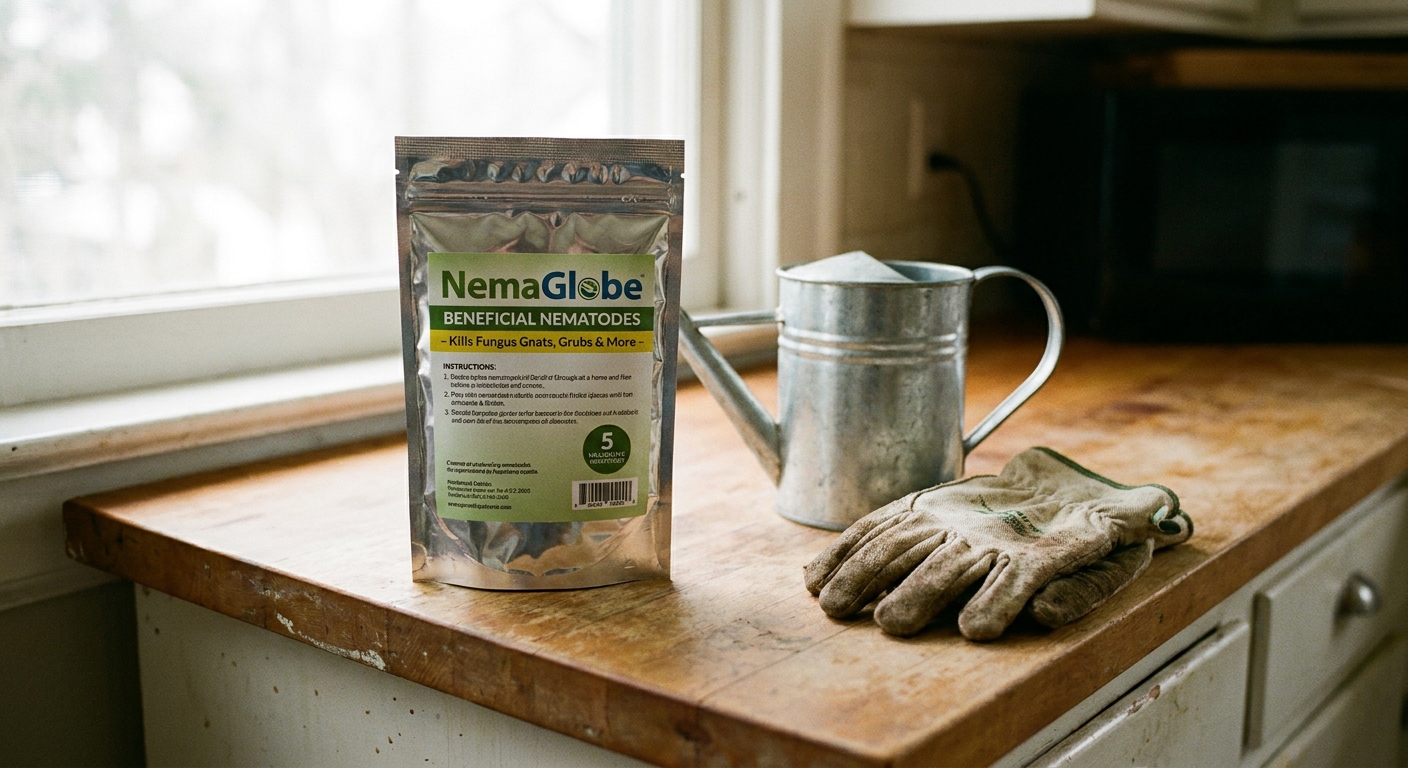
Nematodes are alive when you buy them, and that means storage matters.
Buy smart
- Purchase from reputable suppliers, and opt for cold shipping when temperatures are high.
- Order close to your application date so they spend less time waiting on you in the fridge.
Do
- Refrigerate as directed, usually around 40°F (4°C) but not freezing.
- Use them by the expiration date. Sooner is better.
- Keep the package out of sunlight and hot cars.
Do not
- Do not freeze unless the product explicitly says it is okay.
- Do not leave them on a porch in summer heat.
- Do not mix and then let the solution sit for hours. Apply soon after mixing.
If your shipment arrives warm or the pack looks compromised, contact the seller. Reputable suppliers expect this question and will help.
Troubleshooting
The soil dried out
This is the top reason. If you can only water once, water right after application. If you can water for a week, you will see much better results.
You applied at the wrong time
For grubs, early fall is often the sweet spot. For cutworms, it is when larvae are active near the soil surface. If you are unsure, do a quick scouting check before you buy.
Wrong species or unclear label
Double check the Latin name on your package and match it to your target pest. If the label is vague, ask the supplier what species is in the package.
UV exposure
Sunlight is harsh on nematodes. Apply in low light and water them in quickly.
A simple plan for lawn grubs
If your main battle is grubs, here is a gentle, effective sequence:
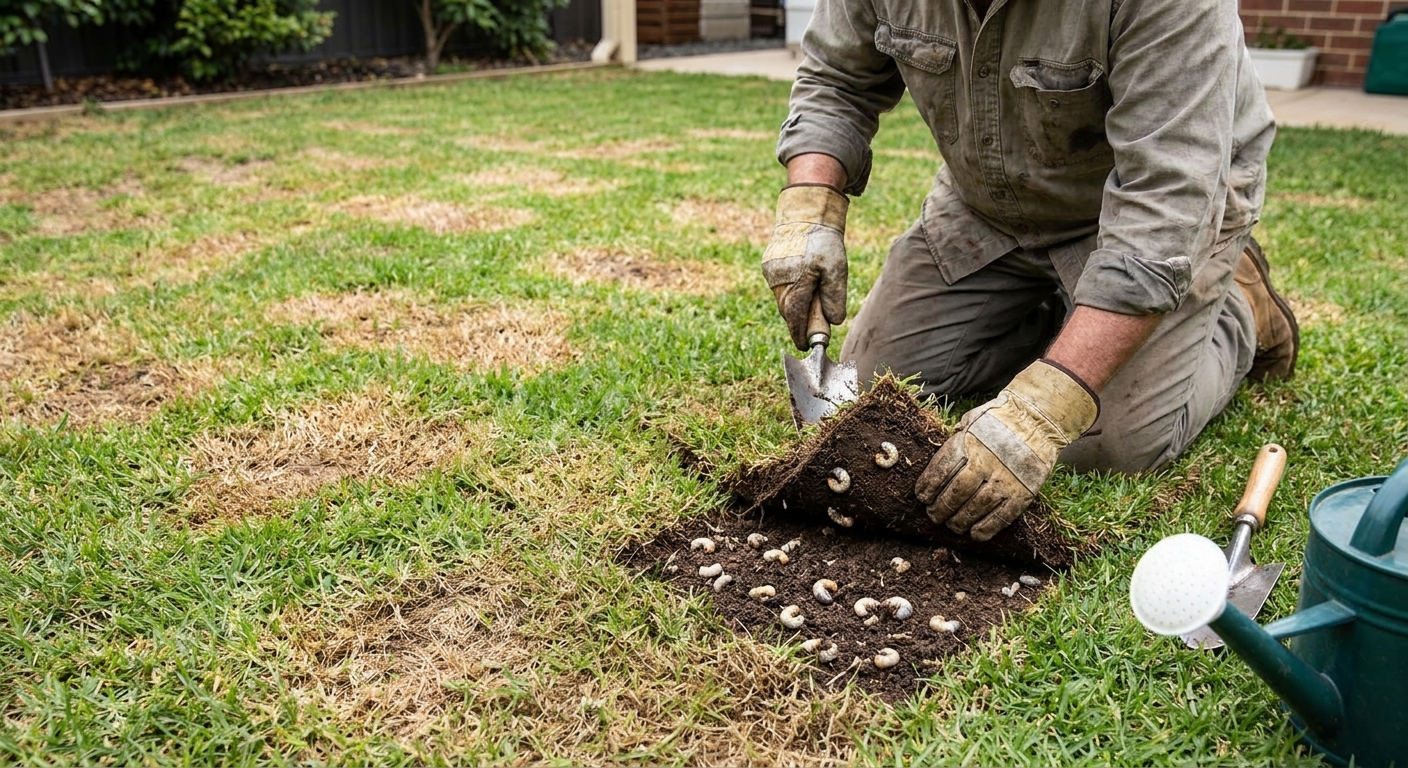
- Confirm the problem. Peel back a small square of turf and count grubs. Finding a few is normal. Finding many in a small area points to pressure worth treating.
- Time it to soil temps. Aim for soil above 55°F, and use your Hb supplier’s label for the best range.
- Apply Hb nematodes at the label rate. Water the lawn first, apply in evening, water in.
- Keep soil evenly moist. At least 7 days, and longer if the label recommends it.
- Recheck in 2 to 3 weeks. If pressure is still high, consider a second application.
And if you want to go deeper on grub damage patterns and recovery tips, keep exploring our grub-focused content on Leafy Zen. The better you understand the life cycle, the easier it is to treat at the right moment.

Quick FAQ
Are beneficial nematodes safe for pets and kids?
When used as directed, beneficial nematodes sold for pest control are generally considered safe around people and pets. They target insects, not mammals. Still, store packages out of reach and follow label instructions.
Can I apply nematodes with a hose-end sprayer?
Often yes, if the product label allows it. Use a coarse setting, remove fine filters, keep the mixture agitated, and water in immediately.
How long do nematodes last in the soil?
They can persist for a while if conditions stay moist and hosts are present, but do not assume they will establish permanently. Think of them as a timed biological treatment, not a forever resident.
Will nematodes kill earthworms?
Entomopathogenic nematodes target insects and are not known to harm earthworms under normal garden use.