
Begonia Care for Beginners

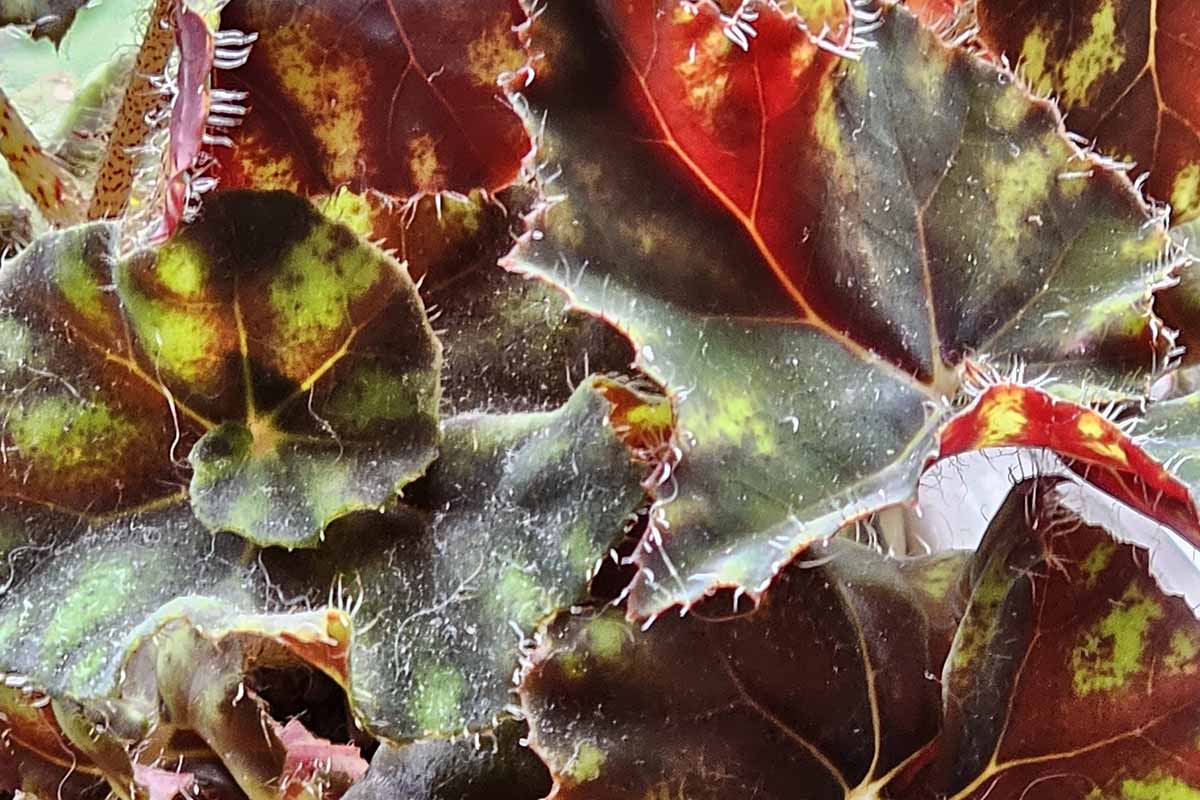
Begonias are the kind of plants that make you stop mid-aisle at the nursery. Some look like stained glass (hello, rex), some are dotted with polka dots (angel wings), and some bloom like they are trying to outshine summer itself (tuberous begonias). The best part is that beginner begonia care is not fussy once you match the right type to the right spot.
In this guide, I will walk you through the four most common beginner-friendly begonia groups, how to care for them indoors and outdoors, and how to troubleshoot the usual hiccups like powdery mildew or that sad, leggy stretch toward the window.
Meet the main begonia types
Begonias are a big family, but most home gardeners run into these four groups. If you know which one you have, everything else becomes easier.
Rex begonias (Begonia rex-cultorum)
Grown mostly for dramatic foliage. Rex begonias are typically indoor plants, and they can be a little particular about watering and humidity.
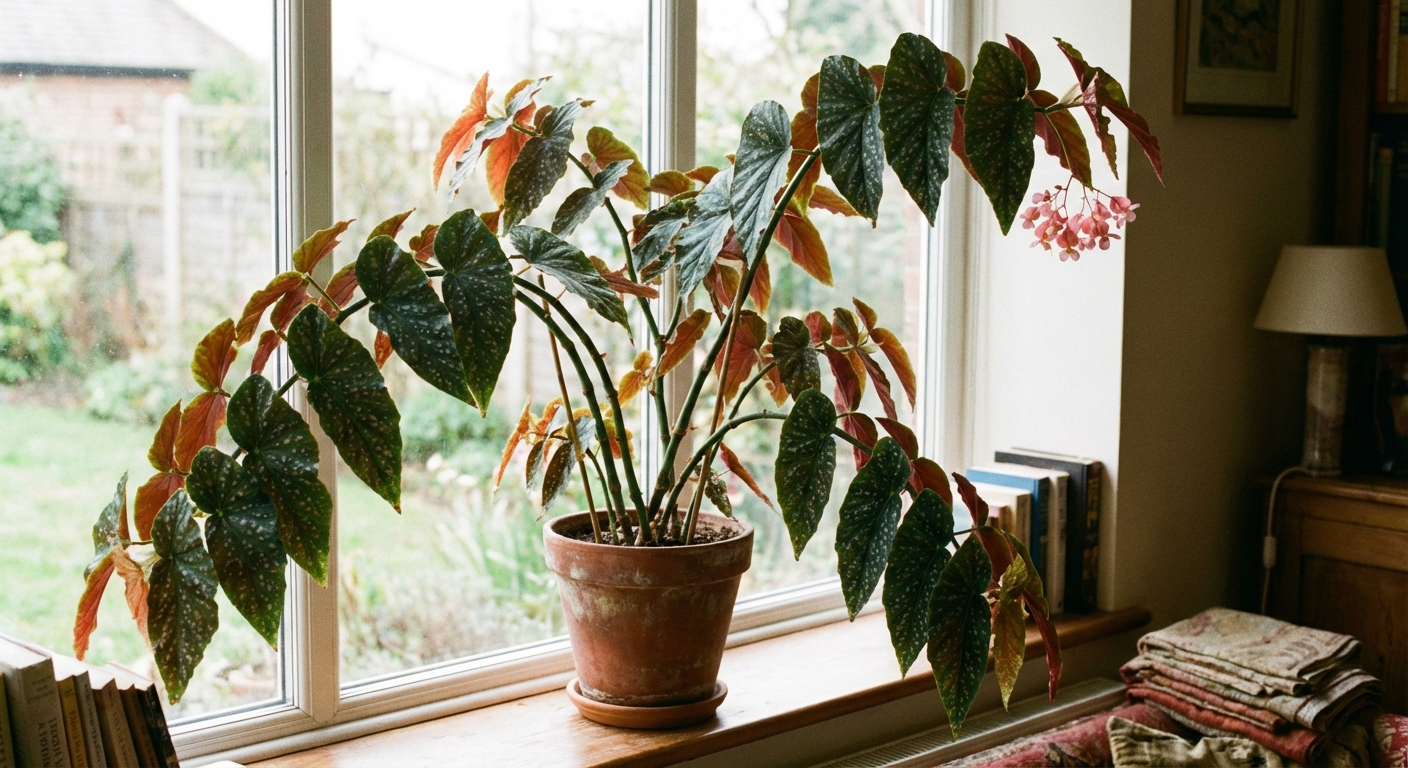
Angel wing begonias (cane begonias)
Tall, upright plants with bamboo-like stems and wing-shaped leaves, often with spots. Many bloom indoors with enough light. These are some of the easiest begonias to keep long-term.
Wax begonias (Begonia semperflorens-cultorum)
Common bedding plants for shade to part sun. They handle outdoor conditions better than many begonias and bloom steadily through warm months.
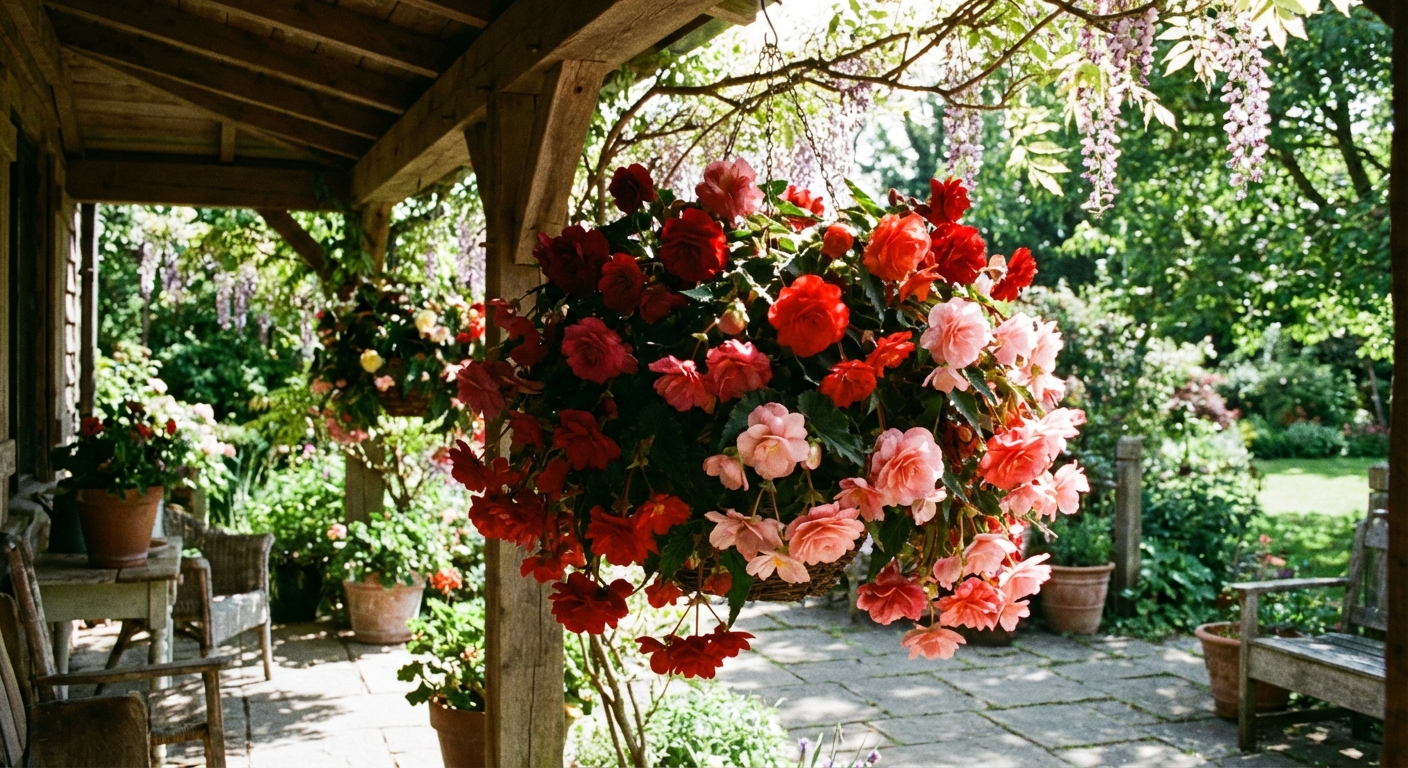
Tuberous begonias (Begonia × tuberhybrida)
Showy, rose-like blooms. These are often grown outdoors in containers or shaded beds in summer, then the tubers are stored dormant over winter in cold climates.
Picking a healthy plant
If you want the easiest begonia experience, the real secret is starting with a healthy plant.
- Look for: firm stems, crisp leaves, and new growth.
- Avoid: mushy stems, lots of yellow leaves, or spotting that looks like it is spreading.
- Do a quick pest check: flip a few leaves over and peek at the stem joints. If you see webbing, cottony clumps, or tiny moving dots, pick a different plant.
Light: compact growth and blooms
Many begonia problems start with light that is either too harsh or too dim. Think bright but gentle, like morning sun through a sheer curtain.
Indoors
- Best general spot: bright, indirect light near an east or north window, or a few feet back from a sunny south or west window.
- North window note: a north window can be perfect in summer, but it can get dim in winter (especially at higher latitudes). If growth slows to a crawl or stems stretch, a simple grow light can help.
- Rex begonias: prefer bright shade. Too much direct sun can scorch leaves and fade the patterns.
- Angel wing begonias: can take more light than rex and often bloom with several hours of bright light, including mild morning sun.
Outdoors
- Wax begonias: part shade is ideal, but many modern varieties tolerate more sun if kept evenly moist.
- Tuberous begonias: bright shade or filtered light. Hot afternoon sun can crisp the petals and leaves.
Quick clue: If stems are stretching and leaves are spaced far apart, your begonia wants more light. If leaf edges look bleached or crispy, it wants less sun or more consistent moisture.
Watering: moist, not soggy
Begonias like a steady rhythm. The goal is lightly, evenly moist soil with plenty of oxygen around the roots. Standing in water is where trouble begins.
How to water (the beginner-proof method)
- Check the soil with your finger.
- Small pots: if the top 1 inch feels dry, water.
- Larger pots: if the top 2 inches feel dry, water.
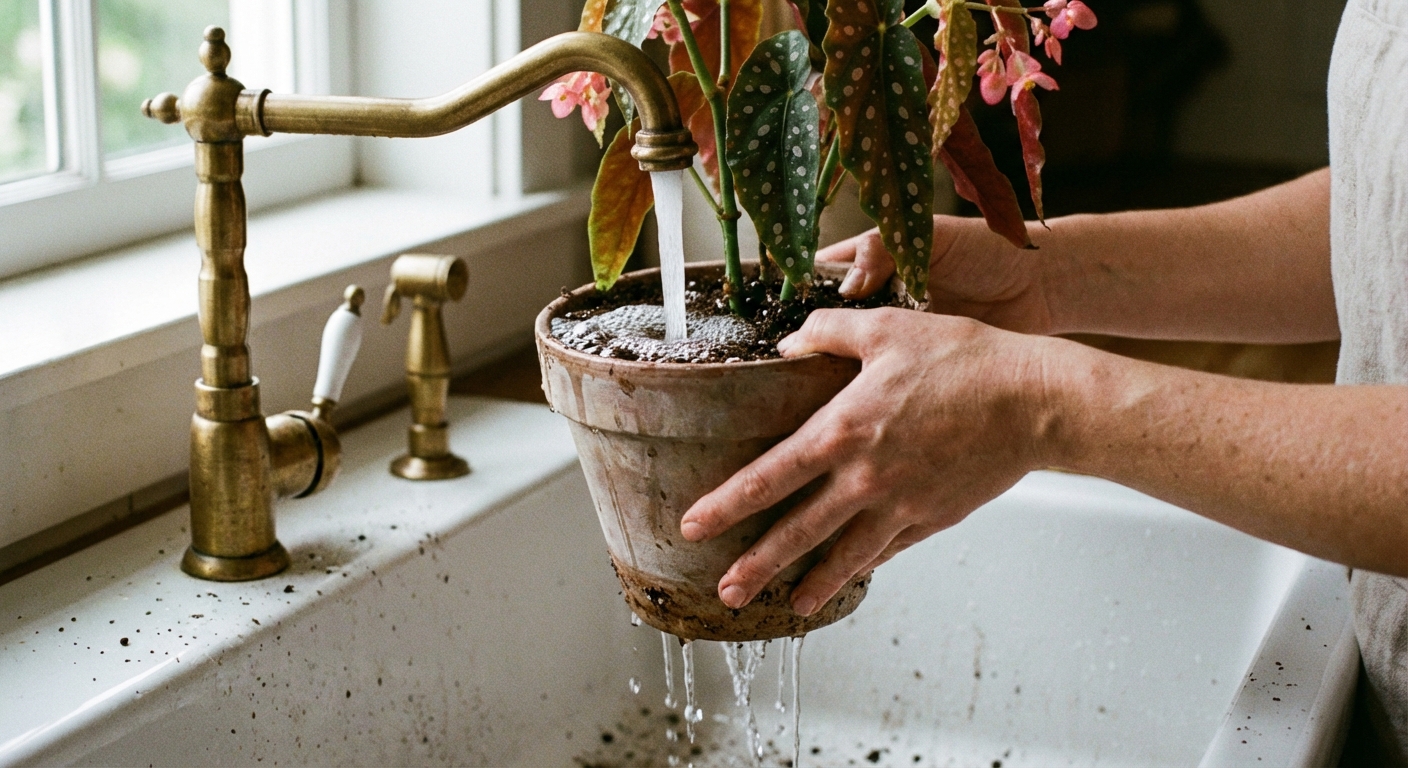
- Water thoroughly until excess drains from the bottom.
- Empty saucers or cachepots so roots never sit in water.
Type-by-type watering notes
- Rex begonias: slightly more sensitive to overwatering. Let the surface dry a bit, but do not let the pot go bone-dry for long.
- Angel wing begonias: fairly forgiving, but they still dislike soggy soil. Water when the top inch dries.
- Wax begonias outdoors: water deeply, then let the top layer dry slightly between waterings. In hot spells, containers may need daily water.
- Tuberous begonias: consistent moisture during active growth and flowering. Reduce watering as they naturally slow down in fall.
Seasonal reality check: in lower light and cooler temps, begonias drink less. If your plant is growing slowly, let it dry a touch more between waterings.
My most common fix: If a begonia keeps declining and you are watering “just a little” often, switch to deep watering less frequently. Frequent sips can leave the root zone unevenly moist and low in oxygen.
Humidity and airflow
Begonias generally enjoy moderate humidity, but they also need airflow to prevent fungal issues. That combination is the whole trick.
- Ideal humidity: around 40% to 60% for most indoor begonias.
- Rex begonias: appreciate the higher end of that range, especially in winter heating season.
- Airflow matters: a small fan across the room (not blasting directly) helps discourage powdery mildew and leaf spotting.
Easy humidity boosts
- Group plants together.
- Run a small humidifier nearby (most reliable).
- Use a pebble tray under the pot (modest boost, very local). Make sure the pot sits above the waterline, not in it.
Skip this: Frequent misting can encourage leaf diseases on some begonias, especially if leaves stay wet in cool conditions.
Soil and pots
Begonias want soil that holds some moisture but drains quickly. Think of a fluffy sponge, not wet clay.
Indoor potting mix
A reliable beginner blend is:
- 2 parts quality indoor potting mix
- 1 part perlite or pumice (for air)
- Optional: a small handful of fine orchid bark (for structure)
Always choose a pot with drainage holes. If you love decorative cover pots, use them as a “sleeve” and pull the nursery pot out to water.
Outdoor containers
Use a high-quality container mix, not garden soil. Garden soil compacts in pots and can suffocate roots.
Outdoor bed tips
If you are planting wax or tuberous begonias in the ground, a little prep makes a big difference.
- Drainage first: amend heavy soil with compost and consider a slightly raised area if water sits after rain.
- Spacing: give plants room so leaves can dry and air can move. Crowding is a fast track to mildew and leaf spots.
- Mulch lightly: a thin layer helps even out moisture, but keep mulch off the stems.
- Shady-site alert: slugs and snails love tender begonia leaves. Check at dusk and consider barriers or traps if damage shows up.
Temperature: keep them cozy
- Indoors: most begonias are happiest around 65 to 75°F (18 to 24°C).
- Avoid: cold drafts, heat vents, and windowsills that get icy at night.
- Outdoors: begonias are frost-tender. Bring containers in before sustained nights below about 50°F (10°C), and definitely before frost. Wax begonias often tolerate cooler nights a bit longer than rex and cane types, but none enjoy a freeze.
Feeding: small snacks
Begonias respond well to gentle, consistent feeding during active growth.
- When: spring through early fall, or year-round indoors if the plant is actively growing under good light.
- What: a balanced liquid fertilizer (for example, 10-10-10 or 20-20-20) diluted to half strength.
- How often: every 2 to 4 weeks, depending on growth and light.
Tip for blooming types: If your angel wing or tuberous begonia is leafy but stingy with flowers, increase light first. If you want a second tweak, use a fertilizer formulated for flowering plants and follow the label carefully. More is not better here.
Pruning and pinching
If you want begonias that look full and lush instead of lanky, a little strategic snipping goes a long way.
Angel wing (cane) begonias
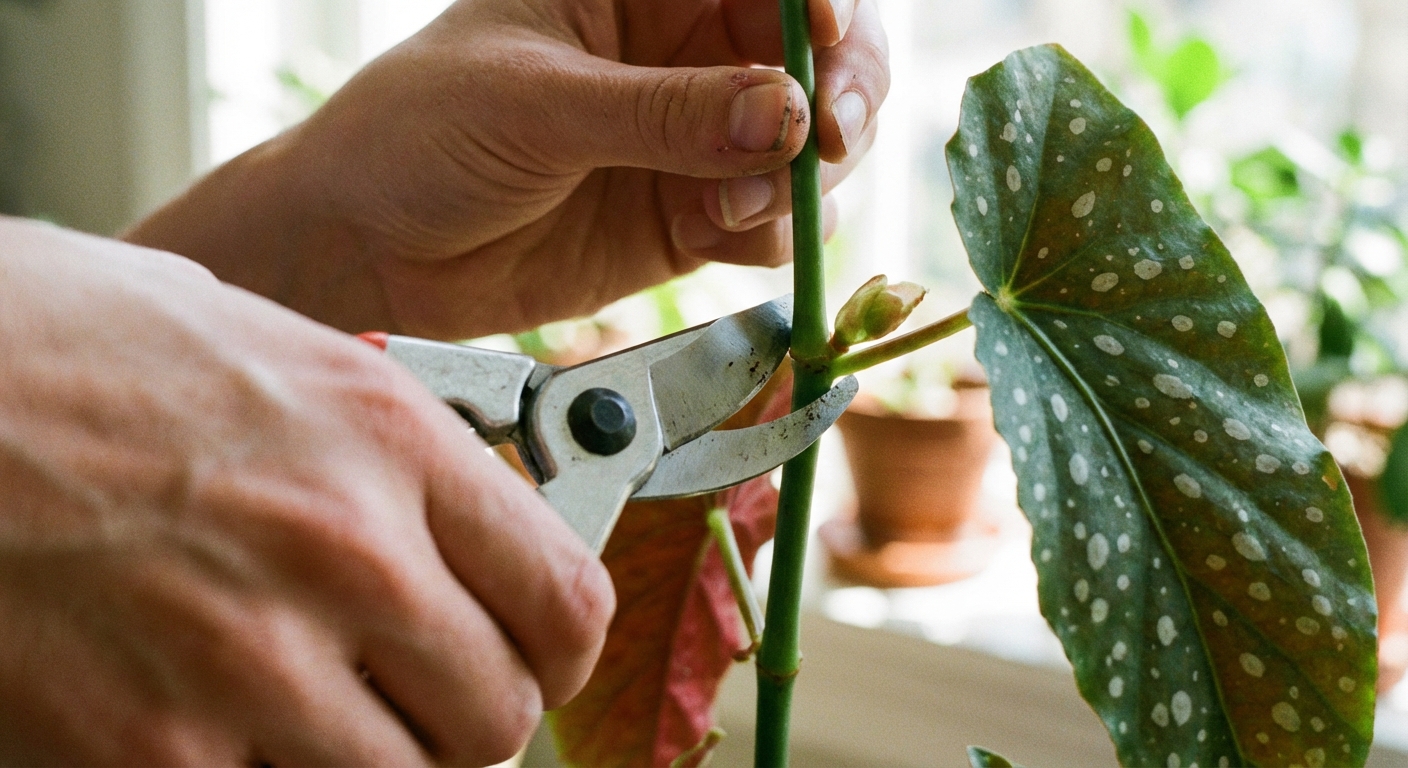
- Pinch or cut back growing tips above a leaf node to encourage branching.
- Use clean scissors and remove no more than about one-third at a time if the plant is stressed.
Rex begonias
- Remove older, tired leaves at the base to encourage fresh growth.
- If it gets leggy, you can refresh it by taking leaf or rhizome cuttings and restarting a fuller plant.
Wax and tuberous begonias outdoors
- Deadhead spent blooms for tidiness and to encourage more flowering.
- Remove yellowing leaves to improve airflow.
Propagation basics
Begonias are wonderfully shareable plants. If you have ever wanted to trade cuttings with a friend or simply make your plant fuller, this is your moment.
Cane begonias (angel wing): stem cuttings
- Cut a healthy stem section with 2 to 3 nodes.
- Remove the lower leaves.
- Root in water or in a moist, airy potting mix.
- Keep warm and in bright, indirect light. Pot up once roots are a couple inches long.
Rex begonias: leaf cuttings
Rex begonias can grow from a single leaf, which feels like garden magic.
- Choose a mature, healthy leaf.
- Place the petiole (leaf stem) into moist mix, or lay the leaf flat and lightly pin veins to the soil surface.
- Cover loosely with a clear dome or bag for humidity, and ventilate daily.
- New plantlets form at the veins.
Tuberous begonias: tubers
- In late winter, start tubers indoors with the hollow side facing up.
- Keep barely moist until sprouts appear, then water more regularly.
- In cold-winter climates, store dormant tubers after frost. Let them cure and dry for about 1 to 2 weeks in a protected, airy spot, then store in a cool, dark place around 45 to 55°F (7 to 13°C). Keep them dry and do not let them freeze.
Dormancy and slowdowns
Begonias are not always “on” year-round, and that is not a personal failure.
- Tuberous begonias: naturally die back as days shorten. As leaves yellow, reduce watering and stop feeding. Once the top growth is done, it is time for tuber storage.
- Rex (and some indoor types): may slow down in winter. Growth can pause and watering needs drop. Keep them in bright shade, water less often, and do not try to force growth with heavy fertilizer.
Common problems and fixes
Begonia issues usually come down to light, watering, and airflow. Here is how to diagnose the usual suspects.
Powdery mildew (white, dusty coating)
- Why it happens: high humidity plus poor airflow, crowded growth, and temperature swings. Leaves do not have to be wet for powdery mildew to show up, which is why it can feel unfair.
- What to do: improve airflow, remove heavily affected leaves, and thin crowded growth. Water at the soil line.
- Organic options: sulfur-based products or potassium bicarbonate sprays can help when used early. Always follow label directions and test on a small area first.
Leaf spots or gray fuzz (leaf spot, botrytis)
- Why it happens: leaves staying wet, splashing water, soggy soil, and cool, stagnant conditions.
- Fix: remove affected tissue, increase airflow, avoid overhead watering, and let the top of the soil dry slightly between waterings.
Leggy growth
- Why it happens: not enough light.
- Fix: move closer to brighter light, rotate the pot weekly, and pinch back tips to encourage branching.
- Bonus: use the cuttings to propagate a new, fuller plant.
Yellow leaves
- Most common causes: overwatering, poor drainage, seasonal slowdown, or natural leaf aging.
- Fix: check drainage holes, let the top inch or two dry before watering, and consider repotting into a lighter mix if soil stays wet for days.
Brown, crispy edges
- Why it happens: dry air, inconsistent watering, or too much sun.
- Fix: stabilize watering, raise humidity modestly, and move out of harsh direct sun.
Pests to watch for
Begonias can be magnets for a few common houseplant pests, especially in dry indoor air.
- Spider mites: fine webbing, speckled leaves. Rinse the plant, raise humidity a bit, and treat with insecticidal soap if needed.
- Mealybugs: white cottony clusters in leaf joints. Dab with rubbing alcohol on a cotton swab, then follow up with soap or horticultural oil.
- Thrips and aphids: distorted new growth or tiny insects on tender tips. Isolate the plant, rinse well, and treat with soap. Repeat treatments weekly for a few rounds.
- Always: isolate new plants for a week or two if you can. It saves so much drama.
Indoor vs outdoor care
Indoors (rex and angel wing are stars here)
- Bright, gentle light
- Even moisture with excellent drainage
- Moderate humidity plus airflow
- Light feeding during growth
Outdoors (wax and tuberous shine)
- Morning sun or filtered light
- Consistent watering, especially in containers
- Space plants for airflow in humid weather
- Protect from frost and hot afternoon sun
A simple weekly routine
If you want a no-stress plan, here is the routine I give beginner gardeners:
- Once a week: check soil moisture, rotate the pot a quarter turn, and inspect undersides of leaves.
- Every watering day: water deeply, then drain completely.
- Every 2 to 4 weeks (growing season): fertilize at half strength.
- As needed: pinch tips for bushiness and remove tired leaves or spent blooms.
And if you mess up, welcome to the club. Begonias are forgiving teachers. Adjust one thing at a time, watch what the plant does, and you will be amazed at how quickly you start reading it like a little green mood ring.
Pet safety
Begonias are commonly considered toxic to pets if chewed or eaten, with tubers often noted as the most concerning part. If you have a dedicated plant snacker, place begonias out of reach and check with your vet if ingestion happens.