
Azalea and Rhododendron Care

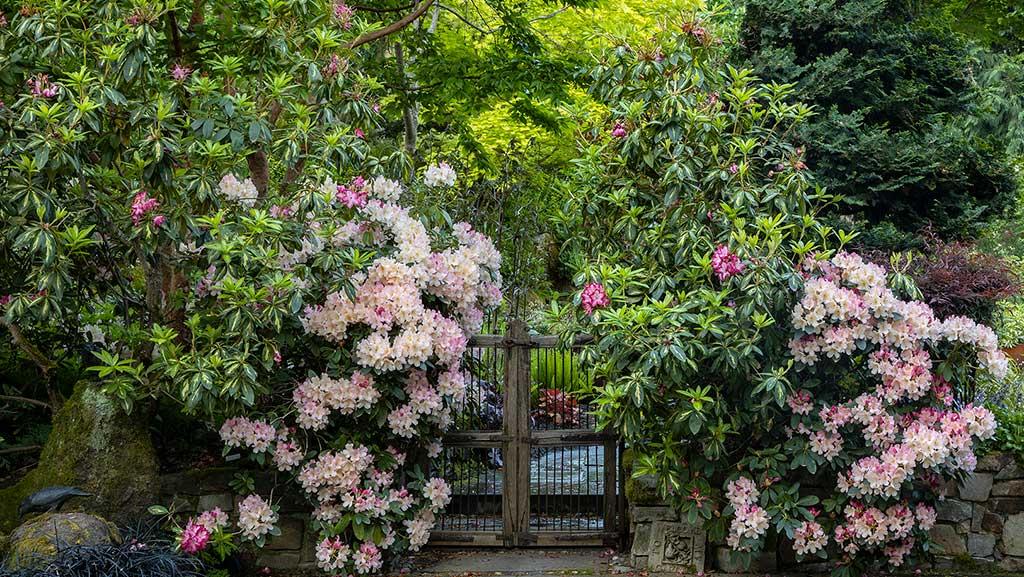
Azaleas and rhododendrons have a reputation for being a little fussy, but I promise they are more predictable than they seem. When these shrubs struggle, it is usually for one of three reasons: the soil is not acidic enough, the roots are swinging between soggy and bone dry, or the plant is sited in the wrong light or exposed to drying winds. Fix those basics (including drainage), and you will be amazed how quickly they settle in and start acting like the show-offs they were born to be.

Azalea vs. rhododendron
Azaleas and rhododendrons are close relatives in the genus Rhododendron. Many care rules overlap because their roots and leaves behave similarly.
- Azaleas tend to have smaller leaves and more delicate, fine branching. Many are evergreen, some are deciduous.
- Rhododendrons usually have larger, thicker leaves and big clusters of flowers. Many common landscape types are evergreen, though deciduous types exist too.
- Both have shallow, fibrous roots that hate drying out and also hate being buried.
Indoor holiday azaleas vs. shrubs
This is where a lot of heartbreak starts, so let's separate them clearly.
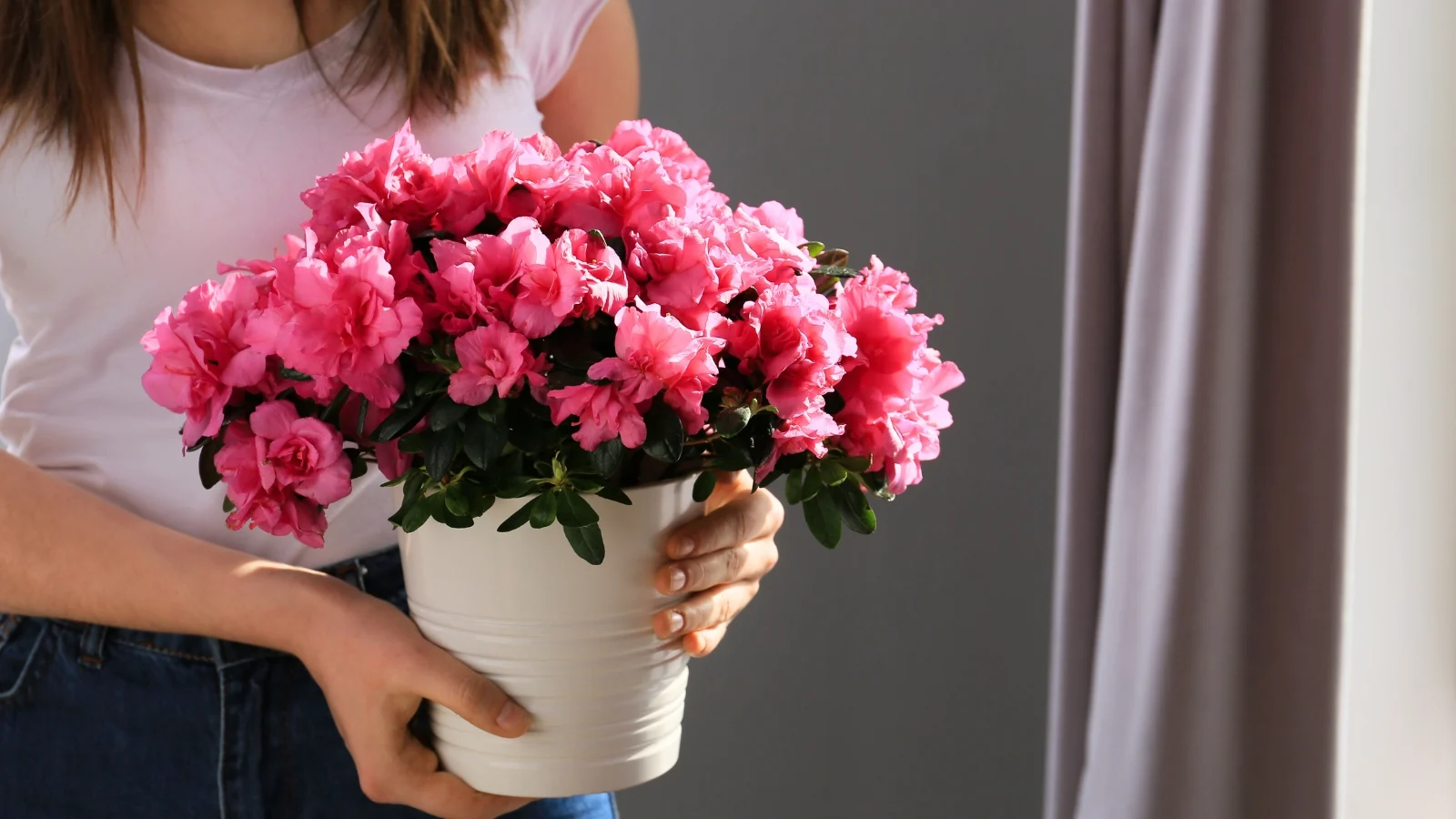
Indoor holiday azaleas (florist azalea)
Florist azaleas are bred to bloom indoors for weeks in bright window light. They usually want cool temperatures, steady moisture, and higher humidity than most homes naturally provide. In many climates they are often not reliable long-term outdoor shrubs, so check the plant tag for species and cold hardiness before you plan to move it outside for good.
- Keep in bright, indirect light near a window.
- Water thoroughly when the surface feels just barely dry, then let excess drain fully. Never let the pot sit in water.
- Avoid heat vents and hot, sunny window glass that can bake buds.
Landscape azaleas and rhododendrons
These are the shrubs you plant in beds. Their long-term success is about soil acidity, mulch, consistent moisture, and protection from harsh afternoon sun and drying winds.
Soil acidity
Azaleas and rhododendrons are classic acid-loving shrubs. They can survive in “okay” soil for a while, but they thrive when the pH keeps key nutrients available, especially iron.
Ideal pH range
- Ideal range: about 4.5 to 5.5
- Often tolerated: up to about 6.0
- Where trouble often starts: above about 6.2 to 6.5, especially in calcareous or limy soils
How to check and adjust pH
Start with a soil test. If your pH is too high, the long game is building an acidic, organic-rich root zone rather than dumping quick fixes.
- Planting mix and amendments: incorporate pine bark fines, composted leaves, and other acidic organic matter to improve structure and gently support acidity.
- Elemental sulfur: a common acidifying tool for landscapes, but it works slowly and should be applied based on soil test guidance.
- Avoid: lime, most wood ash, and overusing high-calcium materials near the root zone.
If your tap water is very hard, it can gradually nudge pH upward. In stubborn cases, it can help to look into irrigation water alkalinity (bicarbonates), since that can keep pushing pH up even when you do everything else right. Rainwater, where practical, can be a kinder option for containers and sensitive sites.
Drainage and soil structure
These shrubs want even moisture in well-drained soil. The magic combination is air plus water, not one or the other. Heavy clay that stays wet after rain is a fast track to root problems.
- Best soil feel: loose, crumbly, and rich in organic matter.
- If water sits: consider planting on a slight mound, improving the bed with bark and leaf compost, or using a raised bed for problem sites.
- Container reminder: drainage holes are non-negotiable.
Mulch the forest way
These shrubs evolved with a steady rain of leaves and needles, so think “soft blanket,” not “buried trunk.” Their feeder roots live close to the surface, and mulch is your best tool for keeping them cool and evenly moist.
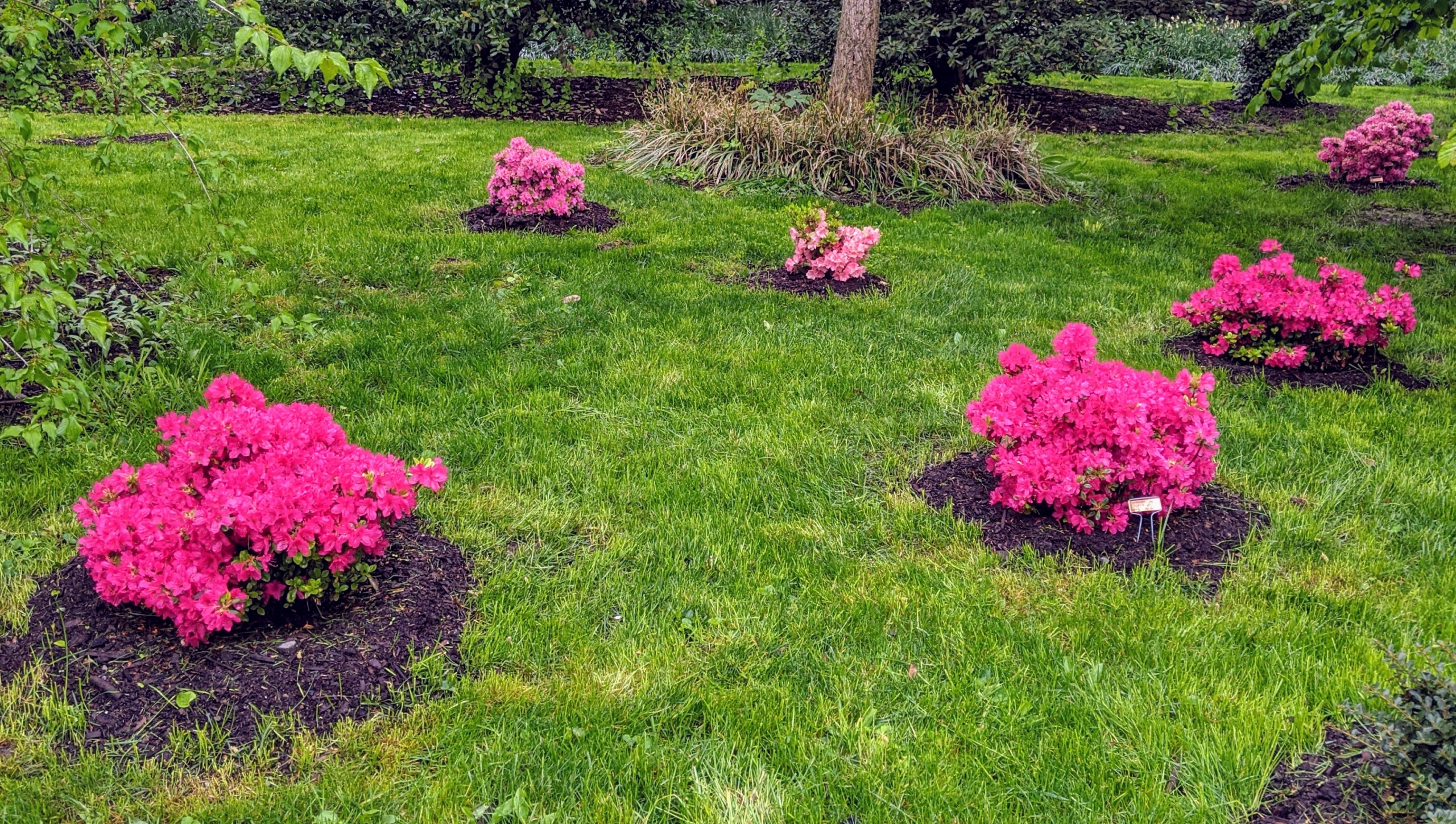
- Use 2 to 3 inches of mulch such as pine bark, pine needles, or shredded leaves.
- Keep mulch pulled back a few inches from the main stems to prevent rot and pest problems.
- Top up lightly as it breaks down. Decomposing mulch is not failure, it is soil-building.
Watering consistency
If I could tape one note to every new azalea and rhododendron, it would say: “I am shallow-rooted, please do not roller-coaster my water.” Drought stress can scorch leaves and abort buds, while soggy soil can invite root rot.
What “consistent” looks like
- Soak the whole root zone: water slowly so the entire root area is evenly moist, then wait until the top couple inches begin to dry.
- Morning watering: helps foliage dry faster and reduces disease pressure.
- First year matters most: new plants need the most attention while roots expand into the native soil.
Container notes
In pots, they dry out faster. Choose a container with excellent drainage, use a mix formulated for acid lovers, and expect to water more often in warm weather.
Sun and wind
Most azaleas and rhododendrons bloom best with gentle light and protection. Too much hot sun can bleach leaves and crisp the edges. Too much shade can reduce flowering.
- Best placement: morning sun with afternoon shade, or dappled light under high tree canopies.
- Variety note: sun tolerance varies. Some deciduous azaleas handle more sun if moisture is steady, while broadleaf evergreens usually appreciate more protection.
- Wind protection: evergreen types can suffer winter burn in exposed sites. A spot sheltered by a fence, hedge, or building can help, as long as it still has airflow.
- Avoid: windy corners that dry soil quickly, and south or west-facing walls that radiate heat in summer and winter.
Fertilizing basics
If your soil is already acidic and rich in organic matter, these shrubs are not heavy feeders. When they do need a boost, a light hand is the secret.
- When: feed in early spring as growth begins, or right after flowering.
- What: choose a fertilizer labeled for azaleas, rhododendrons, or other acid-loving plants.
- How much: follow the label and err on the low side. Overfertilizing can burn shallow roots.
- When to stop: avoid fertilizing in late summer or fall, since it can push tender growth before cold weather.
Pruning timing
Azaleas and rhododendrons set next year’s flower buds surprisingly soon after blooming. Prune at the wrong time and you can unintentionally snip off your future flowers. This is the number one reason people say, “It never blooms anymore.”
When to prune
- Right after flowering: the safest window for shaping, thinning, and reducing size.
- Deadheading: snapping off spent flower clusters (especially on rhododendrons) can tidy the plant and direct energy back into growth.
When not to prune
- Late summer, fall, and winter: you risk removing formed buds and triggering tender new growth before cold.
How to prune gently
Start with dead, damaged, or crossing branches. If a plant is overgrown, do a gradual renovation over a couple seasons rather than a single drastic cut, unless you are prepared to sacrifice blooms temporarily.
Common issues
Chlorosis
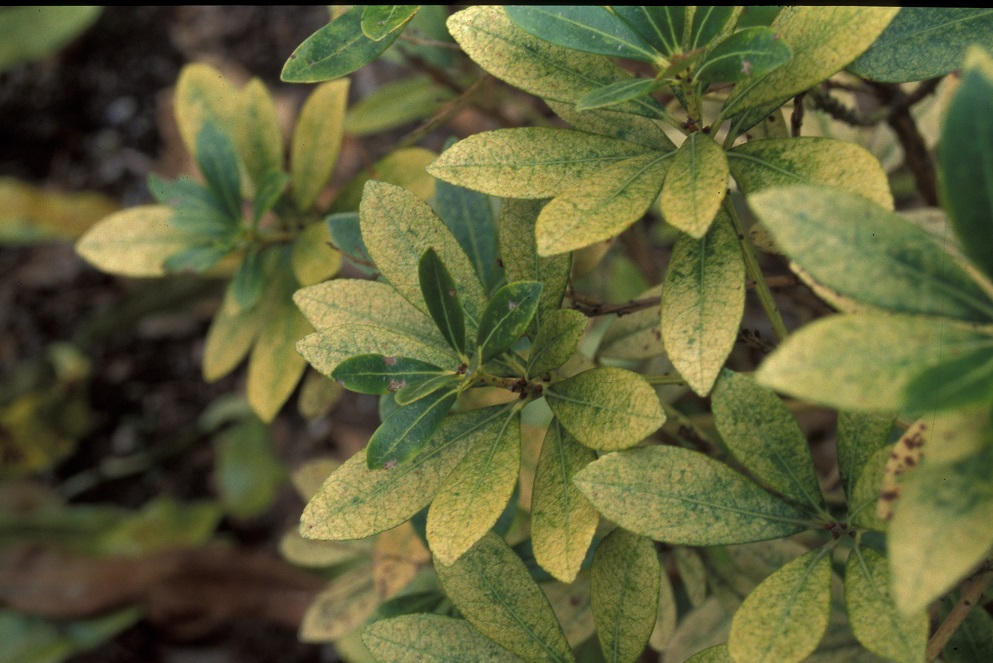
If newer leaves turn yellow while veins stay green, that is often iron chlorosis. It usually shows up when pH is too high, roots are stressed, or soil is cold and waterlogged.
- Confirm with a soil test, especially pH.
- Improve drainage and avoid overwatering.
- Long-term fix is adjusting root-zone conditions. Quick iron products can help temporarily, but they do not solve the underlying cause if pH is the problem.
Lace bugs
Azalea lace bugs feed on the underside of leaves, creating pale speckling or a silvery, stippled look on top. You might also see dark, varnish-like spots underneath from their droppings.
- They are often worse in hot, sunny, stressed plantings.
- Start with cultural fixes: more shade in the hottest part of the day, consistent watering, and checking leaf undersides early in the season.
- A firm water spray to the leaf undersides can knock down populations on small shrubs.
Bud blast and poor blooming
If buds turn brown and fail to open, think stress: drought swings, late cold snaps, harsh wind exposure, or pruning too late. Sometimes it's simply that the plant is settling in after planting, especially if it was root-bound in the pot.
Root rot and blights
If the plant looks wilted despite wet soil, or declines quickly after a stretch of soggy weather, suspect root rot (often associated with poor drainage). In rainy bloom seasons, flowers can turn brown and mushy from petal blight.
- Prevention: prioritize drainage, avoid overwatering, and give plants enough spacing and airflow.
- Sanitation: remove fallen, infected petals and old blooms from the bed during wet springs.
Planting tips
- Do not plant too deep: set the root ball slightly high so the top is just above the surrounding soil. These shrubs hate suffocating roots.
- Loosen circling roots: gently tease or slice the outer roots if the plant is pot-bound so it can grow outward.
- Make the bed wide: roots spread outward more than they go deep. A broad amended area beats a narrow, deep hole.
- Mulch immediately: it stabilizes moisture and temperature right away.
Seasonal rhythm
Spring
- Enjoy blooms, then deadhead and lightly prune right after flowering if needed.
- If you fertilize, do it in early spring or right after flowering.
- Check for lace bugs early by flipping leaves over.
Summer
- Prioritize consistent watering, especially during heat waves.
- Refresh mulch if it has thinned.
Fall
- Stop pruning and let buds rest.
- Water deeply before the ground freezes in dry climates to reduce winter stress.
Winter
- In windy or sunny winter exposures, evergreens can benefit from a windbreak or burlap screen in harsh climates.
- Let snow be a blanket when it arrives. Shaking heavy snow off branches gently can prevent breakage.
Remember these five
- Give them acidic soil, and test before you chase symptoms.
- Mulch 2 to 3 inches, but keep it off the stems.
- Water consistently, especially in the first year.
- Site for morning sun, afternoon shade, and shelter from drying wind.
- Prune right after flowering or be prepared to lose next year’s blooms.
Want to fine-tune your setup? Use your USDA zone, your plant’s label (especially for hardiness), and whether it is in-ground or container-grown to dial in the best light, watering, and winter protection for your site.