
Asparagus Beetles: Protect Your Spears Naturally

If you grow asparagus, you know the feeling: you walk out with a bowl for harvesting, already tasting buttery spears, and then you spot them. Tiny beetles clinging to the tips like they own the place.
The good news is you do not need harsh chemicals to win this battle. Asparagus beetles are very manageable with sharp observation, consistent hand-picking, and a few smart timing tricks. Think of it as staying one step ahead of their life cycle.

Meet the culprits
Common asparagus beetle (Crioceris asparagi)
This is the classic asparagus pest. Adults are slender, about 1/4 inch long, with a dark body and cream to yellow markings that form a tidy, checkered look. They show up early and love tender spears and the feathery fern growth.
- Damage: feeding scars on spears, crooked tips, and later, defoliation of ferns that weakens next year’s harvest.
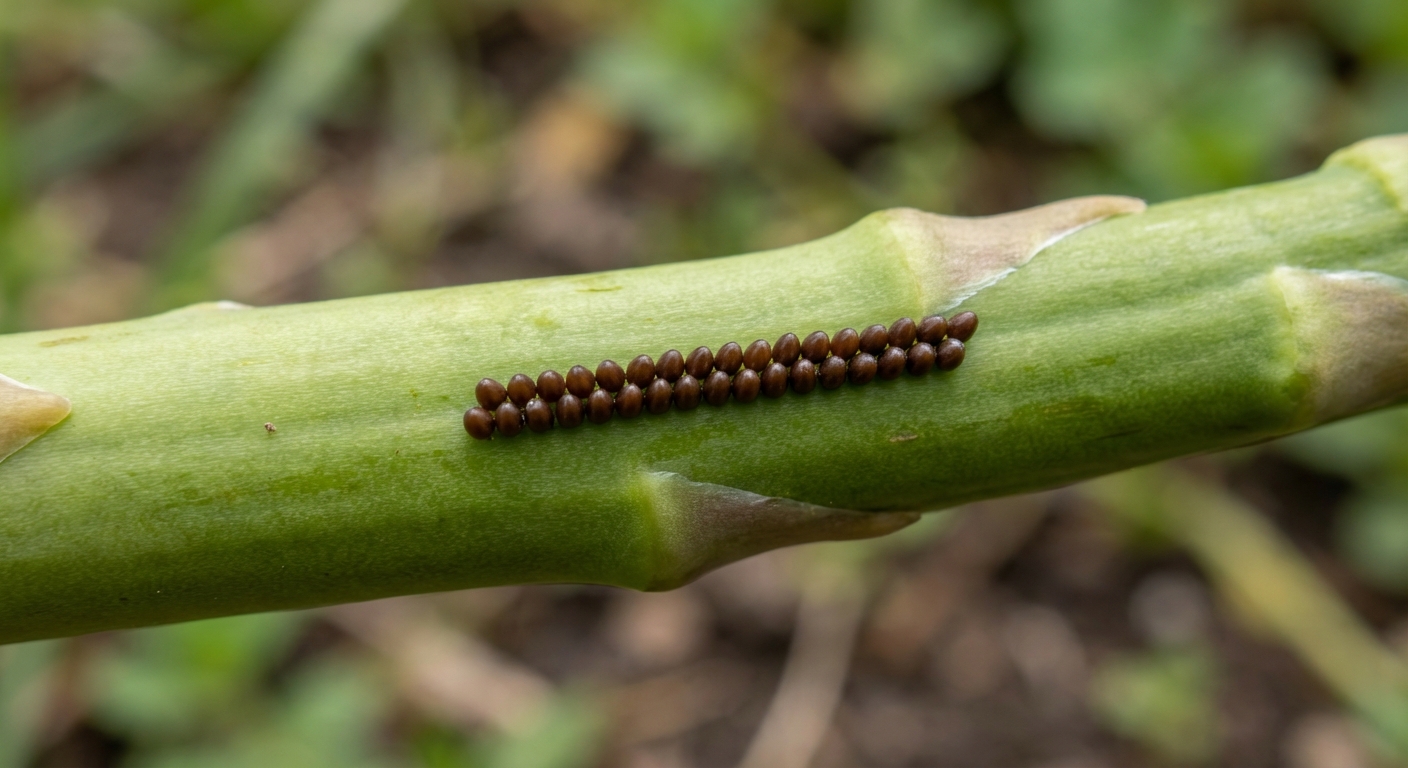
- Eggs: tiny, dark, oval to bullet-shaped eggs laid singly or, more often, in short rows or lines on spears and stems.
Spotted asparagus beetle (Crioceris duodecimpunctata)
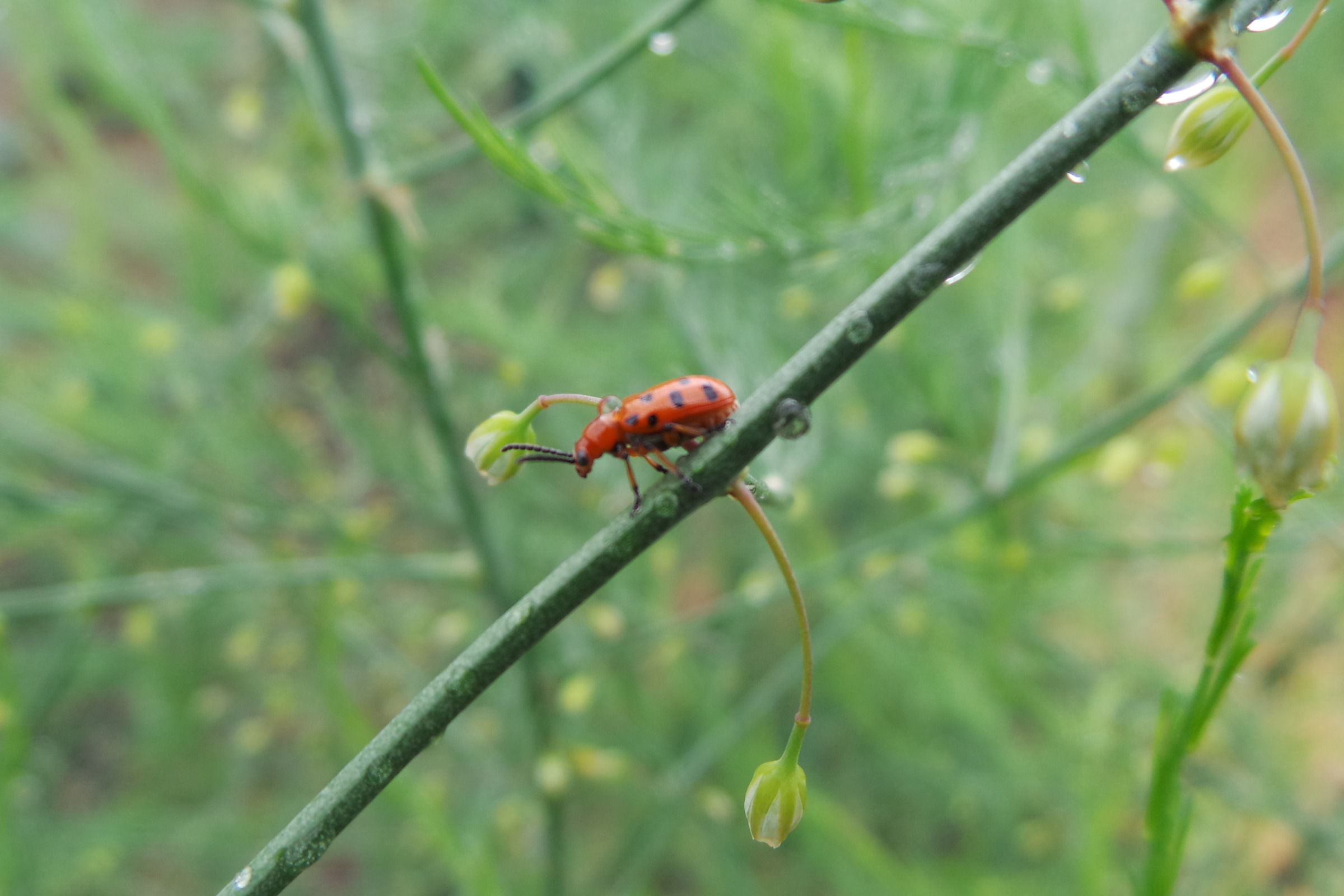
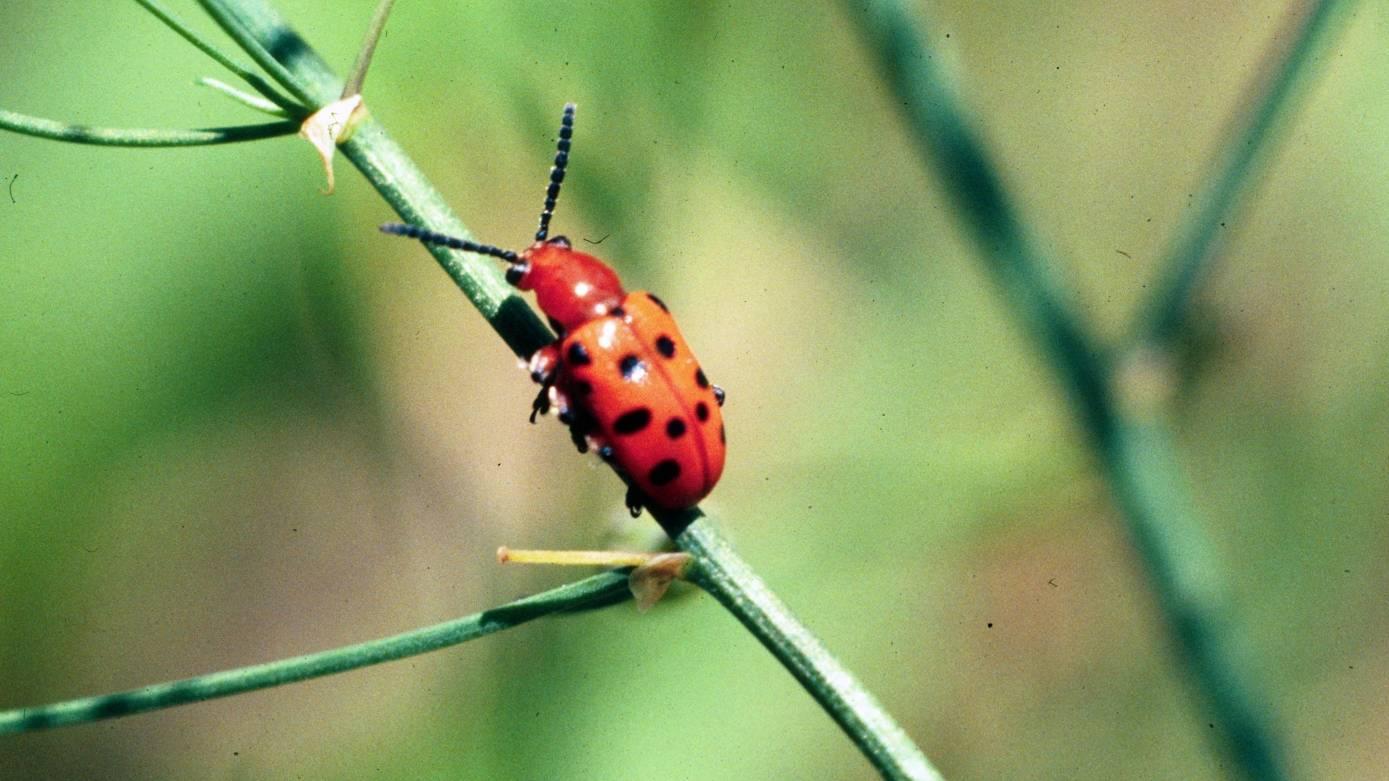
Spotted asparagus beetles are usually orange to reddish with distinct black spots. They tend to appear a bit later than the common asparagus beetle.
- Damage: adults nibble foliage, but larvae often focus on the berries of mature asparagus plants.
- Eggs: mostly laid on ferns and stems rather than on spears (though you may spot a few elsewhere).
Life cycle: timing is everything
Knowing what happens when is half the battle, because asparagus beetles are most vulnerable when you catch them early and often.
- Overwintering adults: Beetles hide in plant debris, mulch, and nearby edges, then emerge in spring as spears start pushing.
- Egg laying: Common asparagus beetles lay eggs on spears and young stems soon after emergence. Each egg you remove is one less larva chewing later.
- Larvae: soft-bodied larvae feed for about 10 to 14 days, temperature-dependent, then drop to the soil to pupate.
- Multiple generations: Warm weather can mean several waves through summer, especially if ferns are lush and unmanaged. Your local extension office often has the most accurate timing for your region.
Leafy Zen rule of thumb: if you only have time for one weekly chore, make it a quick beetle check during spear season. Consistency beats intensity.
Fast ID guide
What to look for on spears
- Adults tucked into spear tips or along the side of the spear
- Short lines of dark eggs glued to spears like tiny grains
- Scarred, rough patches that make spears look “sandpapery”
What to look for on ferns
- Larvae that look like small, dark gray to olive “slugs,” often slightly hump-backed with visible segments (common asparagus beetle larvae)
- Chewed needles and thinning, browned fronds
Natural control that works
1) Hand-picking and egg wiping
This is the simplest, most effective organic method during harvest season, and it is oddly satisfying once you get a rhythm.
- When: morning is best, when beetles are a bit slower.
- How: drop adults and larvae into a jar of soapy water.
- Eggs: pinch them off or wipe them with your gloved fingers. Eggs are the easiest stage to stop.
Tip from my own beds: bring your harvest bowl in one hand and a small “beetle jar” in the other. You will catch problems before they spread.
2) Clean cultivation and debris removal
Beetles love shelter. A tidy asparagus bed is not about being fussy, it is about removing overwintering hideouts.
- In late fall or very early spring, cut down old ferns and remove them from the bed.
- Keep weeds down along edges where beetles can hide.
- Use compost thoughtfully. A thin layer is fine, but avoid creating a thick, cozy blanket right at crown level during peak beetle season.
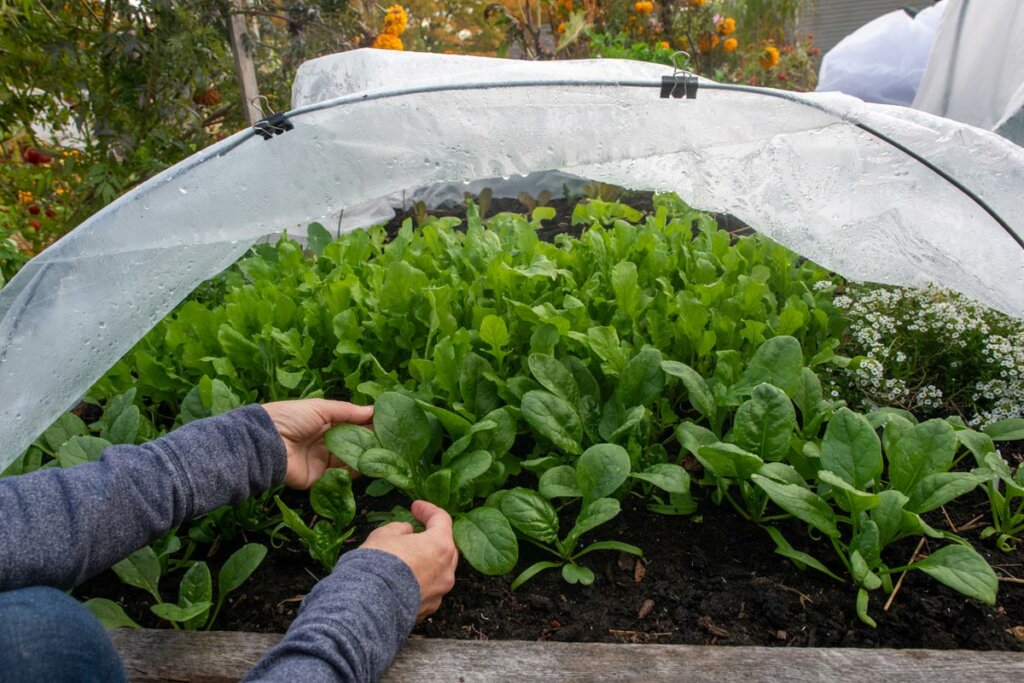
3) Row covers, timed correctly
Row covers can be fantastic, but only if you use them with intention. If you trap beetles under the cover, you have basically thrown them a private dinner party.
- Best use: cover beds early in spring right as spears begin to emerge, before you see adults.
- Seal edges: weigh down with soil, boards, or sandbags so adults cannot crawl underneath.
- During harvest: you can lift covers to pick daily, then re-secure them. If that feels like too much, focus on hand-picking instead.
- Heat note: on sunny days, covers can warm up fast. If your bed feels steamy, vent it a bit.
- When to stop: once beetles are already active in your patch, row covers are less helpful unless you first knock populations down.
Neem and insecticidal soap
During spear season, I treat sprays as a last resort. You are eating what you are protecting, often within days.
Before you spray, try this sequence
- Hand-pick adults and larvae.
- Remove eggs you can find.
- Only then consider a targeted, minimal spray on ferns, not on spears.
Important: even “gentle” products have rules. Always follow the label for your specific product and crop, including whether asparagus is listed and what the pre-harvest interval is.
Neem oil
Neem can reduce feeding and disrupt growth in soft-bodied stages, but it is not a magic eraser. It also has a stronger odor and can affect beneficial insects if sprayed broadly.
- Best time: after harvest when ferns are growing, and you can spray foliage without worrying about residue on spears.
- Avoid: spraying in hot sun, which can stress plants.
- Always: follow the label for dilution and pre-harvest interval if spears are present.
Insecticidal soap
Soap works on contact and is most effective on larvae. It must hit the pest directly, so thorough coverage matters.
- Best time: evening or early morning to reduce leaf burn risk.
- Avoid: repeated heavy spraying on delicate new growth.
- Near harvest: be extra cautious. If you choose to use it, keep sprays off spears and follow label directions carefully.
My gentle gardener reminder: if you are harvesting daily, physical control is usually the cleanest solution. Save sprays for the fern stage when you have breathing room.
About spinosad (the option you will hear about)
Some gardeners use spinosad for asparagus beetle larvae, and it can be effective. It can also harm beneficial insects, so I treat it as a careful, last-resort tool.
- Use it only if asparagus is on the label, and follow all directions and pre-harvest intervals.
- Spray in the evening, avoid open blooms nearby, and keep applications targeted to the fern growth where the larvae are feeding.
Encourage helpful predators
Asparagus beetles have enemies, and you can invite them in by making your garden feel like a good neighborhood.
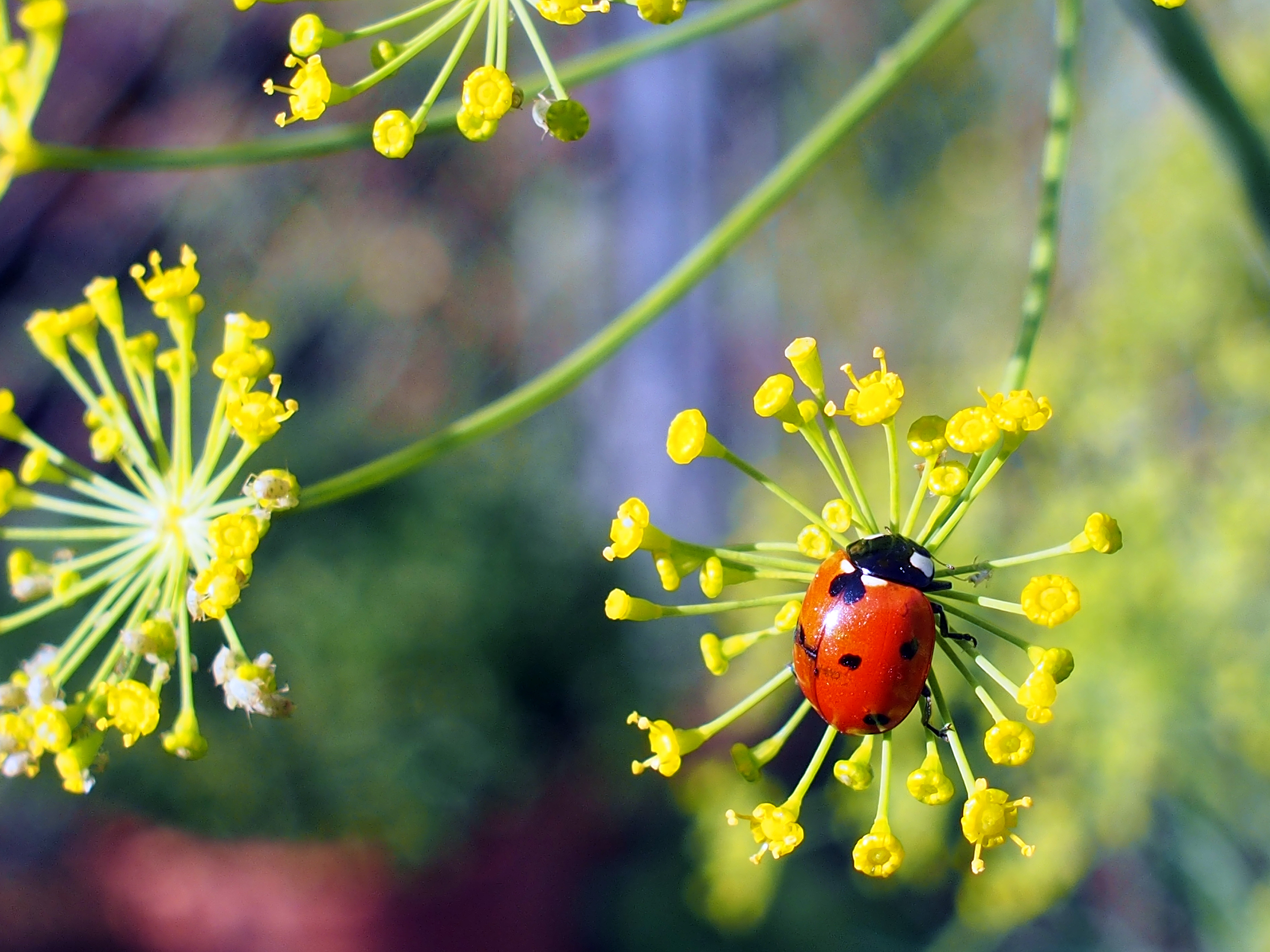
- Lady beetles and lacewings: often feed on eggs and small larvae.
- Parasitic wasps and tachinid flies: can knock populations back behind the scenes when you avoid broad-spectrum sprays.
- Ground beetles: hunt larvae and pupae in soil. Keep some mulch and diverse plantings nearby, but do not let the asparagus bed become a thicket.
- Birds: may help once ferns are tall, but think of them as occasional helpers rather than your main strategy. A small birdbath nearby does not hurt.
- Flowering companions: like dill, yarrow, alyssum, and calendula can support beneficials. Place them near, but not choking, the asparagus row.
Prevention and long-term strategy
Asparagus is a perennial, so “rotation” looks different than it does for tomatoes or squash. You are not moving your crowns every year. But you can still break the beetle cycle and reduce pressure over time.
Practical ideas for perennial beds
- Rotate annuals around the bed: keep the perimeter diverse and avoid repeating the same host plants right next to asparagus year after year.
- Rest and reset new plantings: if you are starting a new asparagus patch, choose a location that has not had asparagus recently, and avoid placing it right beside an old, heavily infested bed.
- Edge management: since adults overwinter in nearby debris, rotate where you keep compost piles, brush piles, and tall weedy borders if possible.
- Fall cleanup: remove old fern debris so fewer adults survive winter.
How much damage matters?
During spear season, even light feeding can make spears look rough, so that is when I take action quickly. After harvest, a little nibbling on ferns is often tolerable in an established bed, as long as the plants stay leafy and green overall. If you are seeing lots of eggs, clusters of larvae, or noticeable fern thinning, it is time to step in before the plant’s energy bank gets drained.
If beetles are relentless
In severe infestations, consider a one-season “hard reset” approach: be extra strict about egg removal during harvest, then protect ferns with targeted controls through summer so plants can store energy for next year. Keep it steady and practical. A healthier, well-fed asparagus crown can tolerate a lot more nibbling without losing productivity.
A simple weekly plan
- During spear season: check spears every 1 to 2 days while harvesting, hand-pick adults and larvae, wipe eggs.
- After you stop harvesting: let ferns grow, keep the bed weeded, and scout weekly.
- If you see larvae on ferns: consider a targeted insecticidal soap spray on foliage only, in cool parts of the day, and repeat only as needed. If you go beyond soap, check local extension guidance and always follow the label for asparagus and timing.
- Late season: keep ferns as healthy as possible, then remove and dispose of dead fern material after frost or in early spring.
Asparagus teaches patience. If you keep showing up, even for five minutes at a time, you can keep beetles from turning your patch into their nursery.
Quick FAQ
Are asparagus beetles harmful to people?
No, they do not bite or sting. They are just very determined snackers of your plants.
Can I eat spears that had beetles on them?
Yes. Rinse well. If a spear tip is badly scarred or bent, I compost it and harvest another. In a mature patch, plants can usually spare a few.
Do I need to treat if I only see a few?
With asparagus beetles, “a few” can turn into “a lot” quickly. Early hand-picking and egg removal is usually enough to prevent a bigger problem.