Artillery Fungus in Mulch: Black Spots on Siding

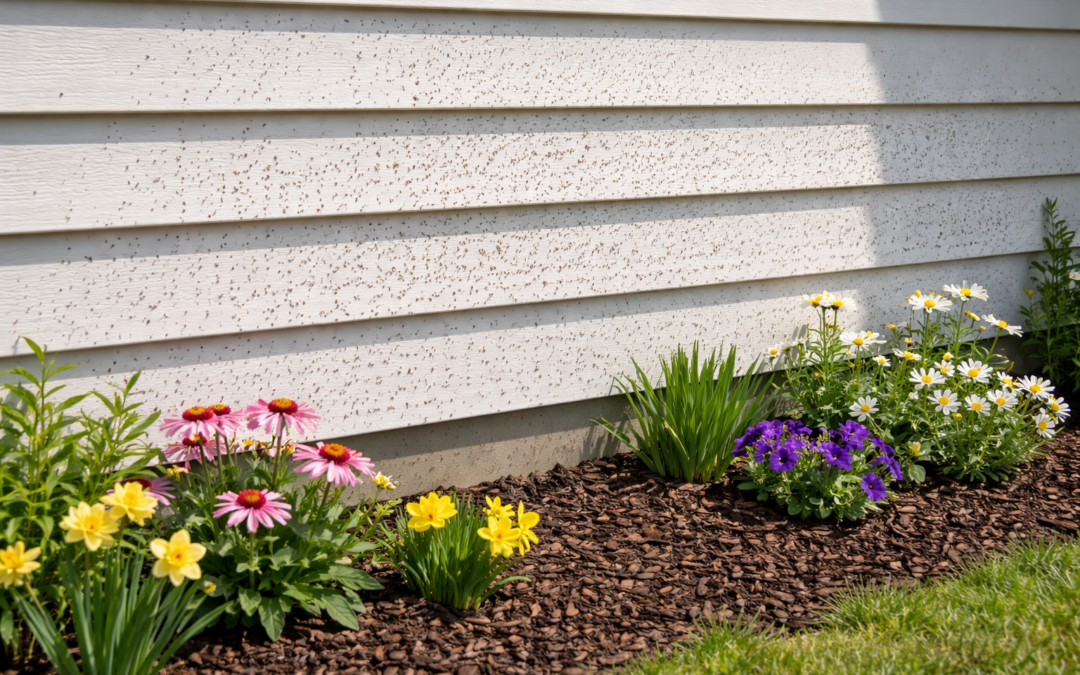
The first time I saw them, I thought a neighbor had been spray painting and the wind carried overspray onto my house. Dozens of tiny black dots, each one like a pinhead of tar, peppered along the lowest course of siding near a fresh mulched bed. They did not rinse off. They did not scrub off. And within a week, there were more.
If you are dealing with black specks on siding, fence panels, outdoor furniture, or even your car parked beside a mulched bed, there is a good chance you have artillery fungus, most commonly Sphaerobolus species. The frustrating part is that cleaning existing spots is a different problem than preventing the next volley. Let’s tackle both, calmly and methodically.

What it is and why it shoots
Artillery fungus is a wood-decay fungus that lives in wood mulch and decaying organic matter. It earns its dramatic name because it produces tiny cup-like structures that can launch a sticky spore mass outward. That spore mass is dark, tacky, and it cures into a stubborn little dot that bonds to whatever it lands on.
It also has a light-seeking tendency (phototropism). In plain English, the fungus tends to aim toward light, which means bright, reflective, sunlit surfaces often get hit. Unfortunately, the most common bright surfaces around a home are exactly what you care about: white or light-colored siding, soffits, garage doors, fences, and cars.
Why mulch makes it worse
- Fresh wood mulch is food. The fungus thrives in decomposing wood chips, especially bark and shredded hardwood.
- Moisture plus mild weather encourages fruiting. Think spring and fall, or any wet stretch where mulch stays damp.
- Sunlight matters. Many gardeners notice heavier spotting on the sunniest wall or the most reflective surface nearby.
Artillery fungus is usually an aesthetic and property-maintenance problem, not a health emergency. Still, if you are sensitive to mold or dust, wear gloves and consider a mask when you disturb old, decomposing mulch.
How to identify it
Artillery fungus spots tend to be:
- Tiny, usually 1 to 2 mm across, like poppy seeds or pepper grains.
- Raised or slightly domed when fresh, then flattening as they weather.
- Very dark brown to black, with a tarry look.
- Stuck hard. They resist hose spray and casual scrubbing.
- Clustered on lower walls within a few feet of mulched beds, often in a splatter pattern.
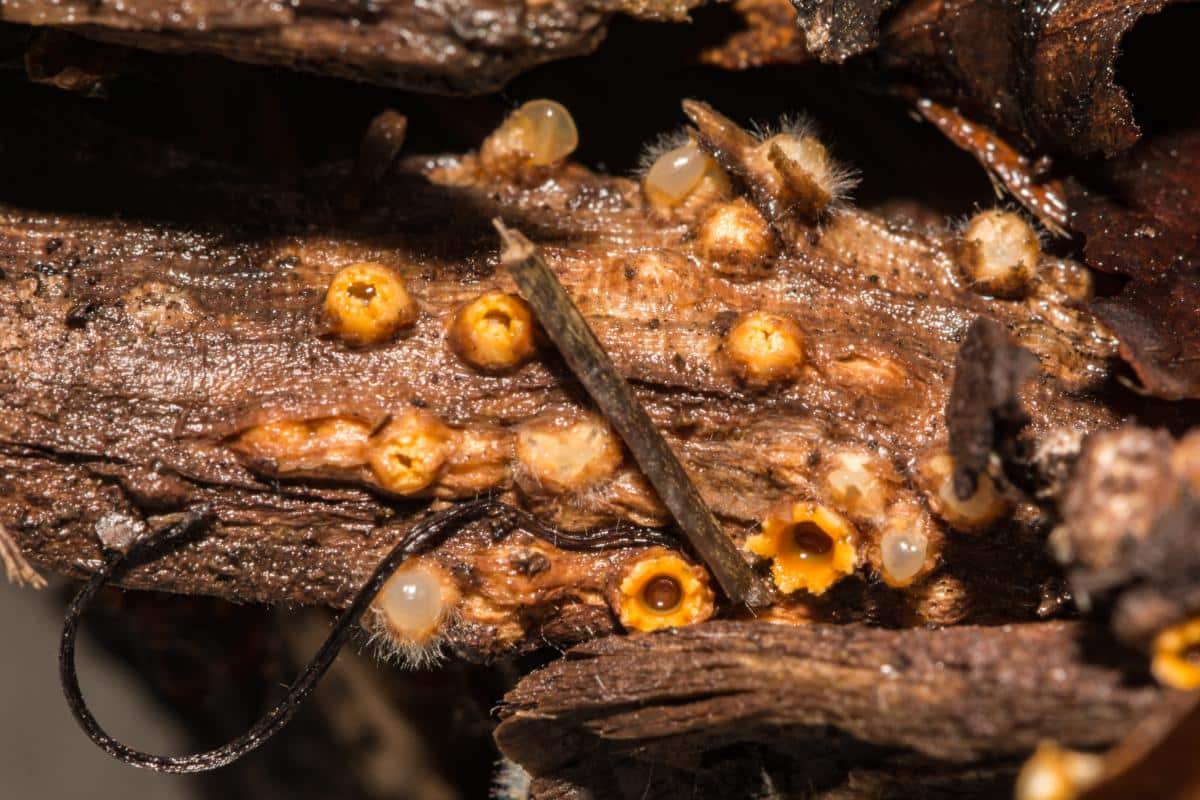
If you look closely at the mulch itself, you may spot tiny tan, orange-brown, or cream “cups” or button-like structures on wood chips when conditions are right. They are small and easy to miss.
Why the spots are so stubborn
Each black speck is a spore packet coated in a natural adhesive. On porous surfaces like unfinished wood, it can sink in. On vinyl, painted trim, and cars, it clings and then hardens in sun and weather.
That is why so many “miracle” cleaners disappoint. Plenty of products can wash the wall, but fewer can release the dot without scuffing or dulling the surface underneath.
How to remove existing spots
There is no single remover that is perfect for every surface. The most reliable approach is least-to-most aggressive: start with washing, then try to soften the edge, then lift the dot with gentle mechanical removal, and finish with a rinse.
Before you start
- Do not power wash aggressively on vinyl siding. It can force water behind panels, loosen seams, and create a much bigger headache than spots.
- Do not use metal scrapers or razor blades on vinyl, painted trim, or auto paint. They can gouge, scratch, and leave shiny scars you will see forever.
- Test first in an inconspicuous area, especially on painted surfaces, stained wood, and composite decking.
- Work in the shade when possible. Cleaners dry too fast on hot siding and can leave streaks.
- Wear gloves and eye protection. Scraping overhead is a great way to learn how much you value your eyeballs.
Vinyl siding and painted trim
Best bet: Soften around the dot, then lift it carefully.
- Step 1: Wash first. Use warm water with a little dish soap to remove surface grime, so you are not grinding dirt into the siding.
- Step 2: Try a mild cleaner for slip, not magic. Some homeowners get a little extra “give” from a household cleaner or a diluted vinegar solution. Do not expect it to dissolve the dot. You are mainly trying to soften the edge so it releases more cleanly when you lift it.
- Step 3: Short dwell time. Let it sit about 1 to 3 minutes, and do not let it dry on the siding.
- Step 4: Gently scrape. Use a plastic putty knife or an old plastic card held nearly flat. You are trying to pop the dot off, not gouge the siding.
- Step 5: Wash again. Rinse well to avoid streaks.
Reality check: On older spots, you may remove the raised spore packet but still see a faint shadow or stain, especially on textured vinyl. Sometimes that shadow is permanent.
Wood, composite fencing, and painted wood
On wood, the spores can stain as they age. Your goal is to remove the raised speck without shredding fibers.
- Start with soap and water and a soft brush.
- Then use a plastic scraper for individual dots.
- If staining remains on painted wood, a gentle spot clean may help, but sometimes the only true fix is touch-up paint after the spore packet is removed.
Cars and outdoor furniture
For painted car panels, treat the specks like stubborn road tar:
- Wash the car first.
- Use a tar remover designed for automotive paint, following label directions exactly.
- If specks remain, a detailer may use a clay bar carefully. Go slowly and do not grind the dots across the clear coat.
Avoid harsh solvents and abrasives unless you are certain they are safe for the finish. If the dots have been on your car for a while, professional detailing or paint correction may be the safest option.
Brick, stucco, and masonry
These surfaces are tricky because they are porous and textured. Gentle scraping is harder, and harsh chemicals can discolor mortar.
- Start with water and a stiff nylon brush.
- Then work dot by dot with careful picking and repeated rinsing.
- On stubborn areas, a local masonry professional can recommend surface-safe methods for your specific material.
Timing matters: The sooner you remove artillery fungus spots, the better your odds of removing them cleanly. Fresh dots are dramatically easier than ones that have weathered for months.
When to call a pro
- You have widespread spotting on brick, stucco, or historic masonry.
- The affected surface is expensive, newly painted, or under warranty and you do not want to risk damage.
- Your vehicle needs clear-coat-safe removal and you are seeing etching or staining.
- You tried gentle methods and now have scuffing, ghosting, or paint loss starting.
How far it can shoot
It can travel surprisingly far. Many extension resources cite distances up to about 20 feet (around 6 meters) under the right conditions. Plenty of cases are shorter. The practical takeaway is that if you have mulch near the house, anything within a one-car-length radius is fair game.
How to stop the next round
This is the part most people skip, then they feel like the fungus “came back.” It never left. If the mulch bed stays favorable, it will keep fruiting and shooting.
Option 1: Remove and replace the mulch
If artillery fungus is active and close to the house, the most effective prevention is also the least fun: remove the affected mulch.
- Rake out and bag the wood mulch that is within firing range of siding, fences, and driveways.
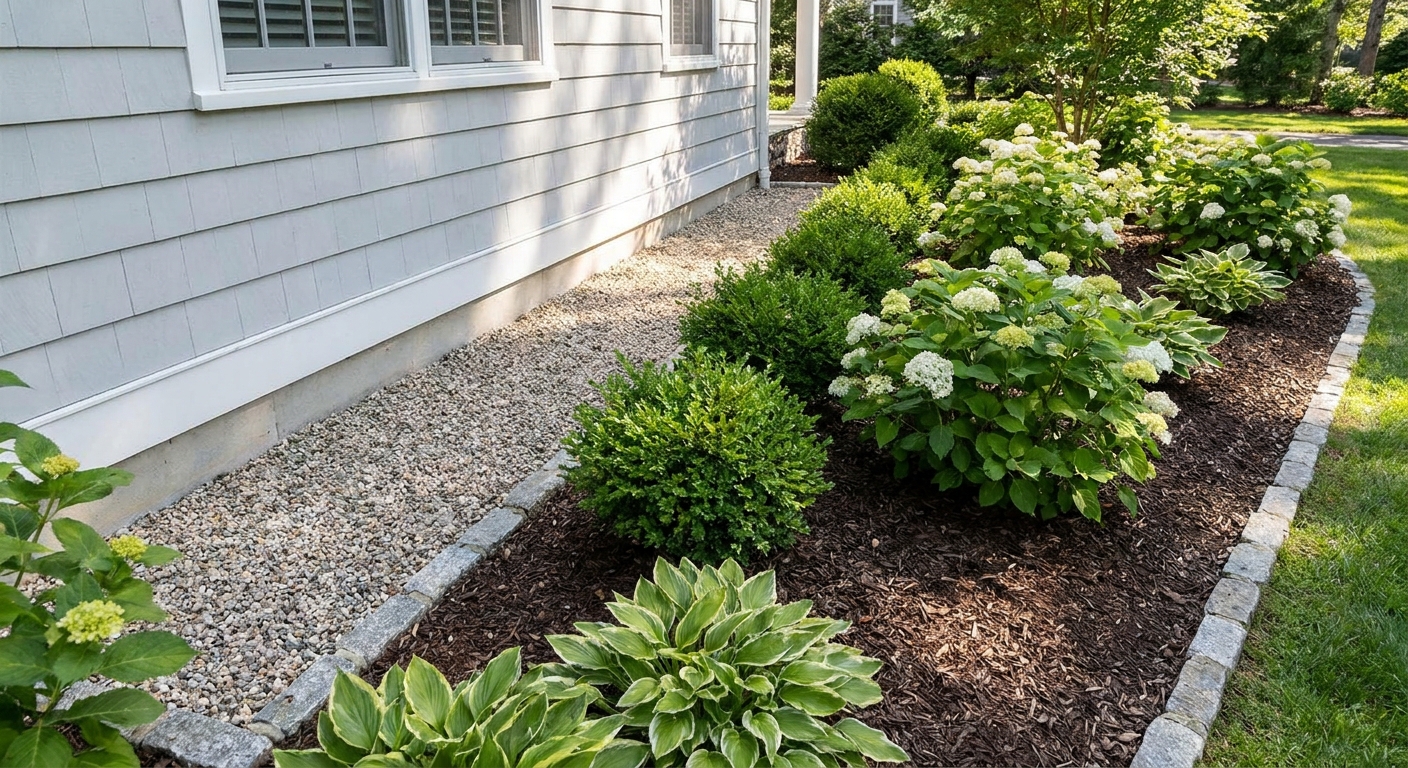
- Replace with a material less friendly to the fungus, such as stone or gravel, especially in narrow foundation beds.
- If you prefer organic mulch, choose well-aged or composted mulch rather than fresh shredded wood. It is not a guarantee, but it is generally less hospitable than fresh chips.
Skip rubber mulch unless you already wanted it for other reasons. It is not wood, so it is less “food,” but it can run hotter, move around, and it is not everyone’s favorite for plants or long-term landscaping. Stone and composted mulch are usually easier to live with.
When you remove mulch, do not toss it into a neat pile beside the driveway if you still care about the driveway. Move it away from structures and parked cars.
Option 2: Add a buffer strip
If you love the look of mulch beds, a compromise that helps a lot is a 12 to 24 inch strip of stone or gravel directly along the foundation, with wood mulch starting beyond that strip. This reduces the odds that spores reach the wall and lowers splash-back from rain.
Option 3: Keep it thinner and drier
- Do not over-mulch. Aim for about 2 to 3 inches, not a deep, soggy blanket.
- Water plants, not the bed. Drip irrigation or soaker hoses keep the surface drier than overhead sprinklers.
- Lightly disturb the surface. Raking can knock back developing fruiting bodies in the short term, but it can also shuffle colonized chips around. If you keep seeing new spots, replacement and distance from the house is more reliable than constant turning.
Option 4: Change mulch type and timing
Artillery fungus is often associated with certain wood mulches, especially those heavy in bark or hardwood chips. If you have had repeated problems:
- Try switching suppliers or mulch type.
- Choose mulch that is clearly aged or composted.
- For organic-mulch lovers, consider experimenting with different organics in beds farther from the house, such as pine-based products or pine straw, and keep any wood-based mulch back from siding with a buffer strip.
- Apply mulch when conditions are less favorable for fungal activity in your area, and avoid laying it down right before a long wet spell if you can help it.
I know that last one is not always possible. Weather loves to ignore our plans.
Do fungicides help?
For artillery fungus in mulch, fungicides are usually a disappointment for homeowners. The fungus lives throughout the mulch layer, and surface applications rarely reach what they need to reach for reliable control. Even when a product suppresses fruiting briefly, it often does not solve the underlying issue, which is a moist, wood-based habitat right next to your house.
In other words, fungicides may reduce some new spots for a short window, but they do not remove existing spots, and they are not a tidy long-term strategy for a bed you plan to keep mulched year after year.
Common lookalikes
It is easy to lump all “weird fungus stuff” together, but these behave differently:
- Lawn mushrooms and fairy ring mushrooms pop up in turf and usually signal organic matter and moisture. They do not shoot tar spots onto siding.
- Stinkhorns often emerge from mulch too, but they are tall, smelly, and obvious. They attract flies and disgust humans, but they are not the source of peppered black dots on walls.
- Slime mold (like the yellow “dog vomit” blob) can show up on mulch after rain. It looks dramatic but wipes away and does not leave glued-on black specks.
- Yellow pot mushrooms are common in houseplants and greenhouse soils. Different habitat, different problem.
If your main symptom is tar-like specks stuck to nearby surfaces, artillery fungus jumps to the top of the list.
Prevention checklist
- Keep wood mulch back from the wall or install a stone buffer strip.
- Use 2 to 3 inches of mulch, not more.
- Switch to aged or composted mulch if you can.
- Avoid constant overhead watering of mulch beds.
- Remove spots as soon as you notice them.
- If the problem is chronic, consider gravel or stone in foundation beds.
FAQ
Will artillery fungus damage my house?
It typically does not damage siding structurally, but it can stain surfaces and be extremely difficult to clean if left in place. In worst cases, staining can be permanent and the only clean-looking fix is repainting, replacing a board, or living with faint shadows.
Will the spots go away on their own?
No. The spore packets are designed to stick. Weathering may dull them, but most remain visible until removed.
Is it safe to compost the mulch I remove?
If you compost it, keep the pile well away from buildings and parked cars, and expect the fungus may persist until the material fully breaks down. Many gardeners choose to dispose of heavily affected mulch rather than risk spreading the nuisance.
If you take one thing from me, let it be this: cleaning the dots is only half the battle. The other half is changing the mulch situation so your siding is no longer a target. Once you do, the whole problem becomes manageable, and your house stops looking like it lost a fight with a pepper shaker.