
Are Snake Plants Toxic to Cats and Dogs?
A little green. A lot of curiosity.
If you share your home with a snake plant and a curious cat or dog, this is the question that matters most: what happens if they take a bite?
Snake plants (often sold as Sansevieria, now commonly classified as Dracaena trifasciata) are considered toxic to cats and dogs if chewed or swallowed. This matches common guidance from veterinary toxicology resources like the ASPCA Animal Poison Control Center and Pet Poison Helpline. The good news is that most cases are mild and limited to stomach upset. The not so fun news is that “mild” can still mean a messy afternoon.

Why snake plants are toxic
Snake plants contain saponins, naturally occurring compounds that help protect the plant from pests and pathogens. When a cat or dog chews the leaves, those saponins can irritate the mouth, stomach, and intestines.
Think of it like the plant’s built-in “please do not eat me” system. Pets do not always take the hint.
Symptoms in cats and dogs
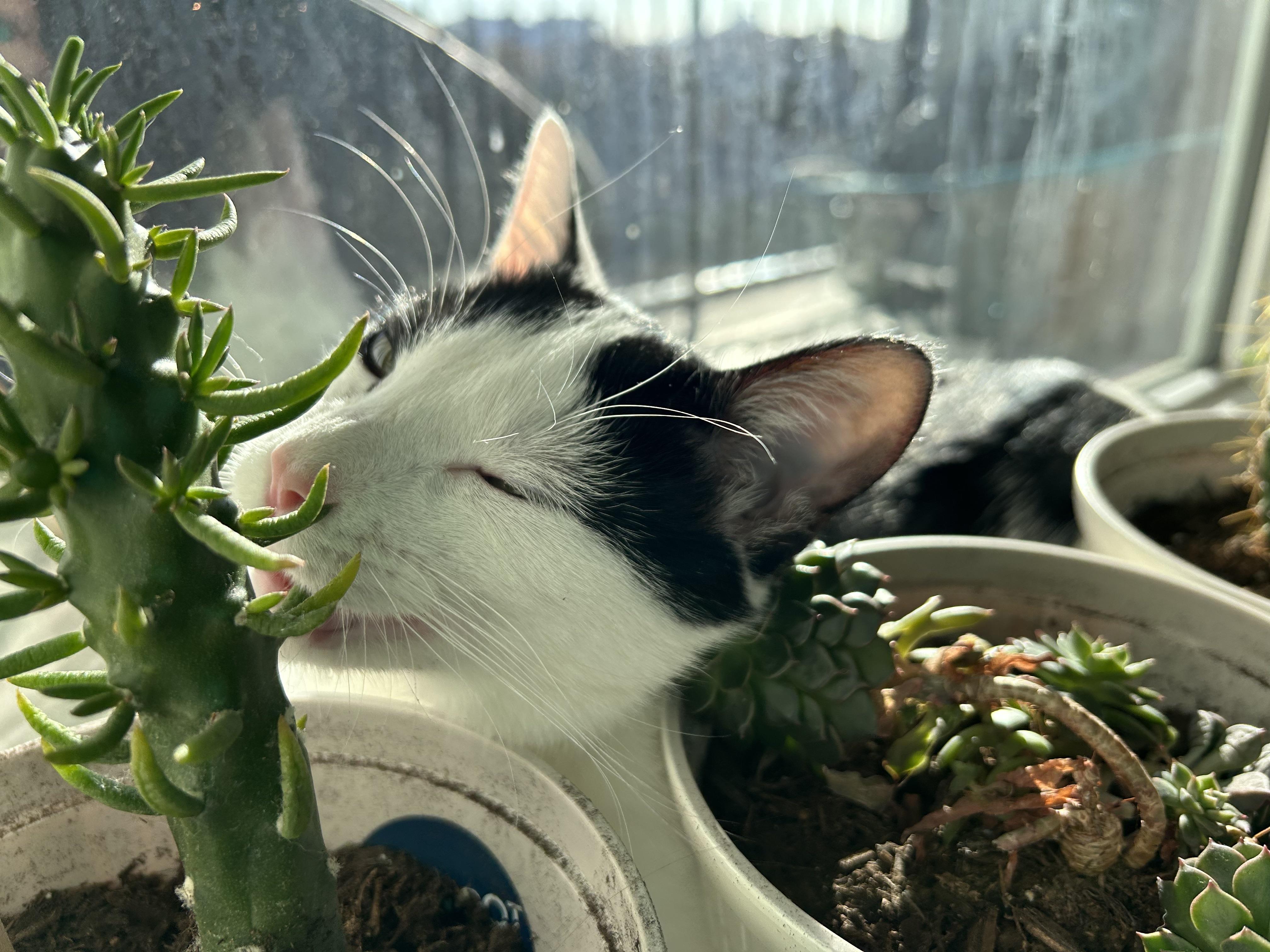
Symptoms can show up soon after chewing, and they often appear within a few hours. The exact intensity depends on how much was eaten, your pet’s size, and individual sensitivity.
Chewing tends to cause more drooling and mouth irritation. Swallowing more plant material tends to cause more vomiting and diarrhea.
Common symptoms
- Drooling or foaming at the mouth
- Vomiting
- Diarrhea
- Decreased appetite
- Pawing at the mouth or lip-smacking (mouth irritation)
- Lethargy or acting “off”
Most pets recover with simple supportive care, but it is still worth taking symptoms seriously, especially for kittens, puppies, seniors, and pets with existing health issues.
What to do right away
When a pet chews a plant, the best next step is calm, practical triage. Here’s a safe, simple sequence.
- Remove access. Move the plant out of reach so the nibbling does not continue.
- Check your pet’s mouth. If you can do so safely, gently look for leaf pieces stuck to the gums, tongue, or lips.
- Wipe and rinse. Use a damp cloth to wipe the lips and mouth area. You can offer a small amount of water to drink. Do not force water.
- Save a sample. If there is a chewed piece, keep it. Knowing what and how much was eaten helps a vet.
- Monitor symptoms. Watch for drooling, vomiting, diarrhea, and changes in behavior for the rest of the day.
Do not induce vomiting unless a veterinarian specifically tells you to. Also skip home remedies like milk, oil, or human medications unless your vet recommends them. The safest plan depends on the pet and the situation.
When to call for help
If you are unsure how much was eaten, or your pet is showing symptoms, it is appropriate to call for professional guidance. Start with your regular veterinarian if they are open. If not, call an emergency vet or a pet poison hotline such as ASPCA Animal Poison Control or Pet Poison Helpline. You know your animal best. If something feels wrong, trust that instinct.
Call right away if you notice
- Repeated vomiting or inability to keep water down
- Diarrhea that is severe, persistent, or contains blood
- Marked lethargy, weakness, or collapse
- Signs of dehydration (dry gums, sunken eyes, very low energy)
- Any symptoms in a very small pet (kittens, puppies, toy breeds)
- Underlying health conditions that make dehydration riskier (kidney disease, diabetes)
Be ready to share:
- Your pet’s weight, age, and species
- What plant was eaten (snake plant, Sansevieria, Dracaena trifasciata)
- About how much was chewed or swallowed
- Symptoms and when they started
How toxic is it?
Snake plant exposure usually causes mild gastrointestinal irritation, like drooling, vomiting, or diarrhea. More serious cases are uncommon, and they are more likely when a pet eats a larger amount or when the pet is small, older, or medically fragile.
That said, “mild” does not mean “ignore it.” Vomiting and diarrhea can become a bigger issue if they lead to dehydration, especially in small pets.
Keeping pets safe
I like a peaceful home ecosystem: plants thriving, pets snoozing, nobody making questionable salad choices. If your pet is a known plant-chewer, you have a few solid options.
Place it out of reach
- Use a high shelf that a cat cannot easily jump to and a dog cannot reach.
- Try a hanging planter with a stable hook and plenty of clearance from nearby furniture.
- Put it in a closed room like a home office, if that fits your household flow.
Add a barrier
- Use a plant stand inside a larger decorative planter so the leaves sit higher and the pot is heavier.
- Place the pot behind a sturdy plant screen or inside a wire plant cabinet with airflow.
Make it less tempting
- Offer safe chewing alternatives for cats, like cat grass.
- Provide more enrichment: toys, scratching posts, window perches, sniff walks.
- Keep fallen leaf bits picked up. They are basically plant chips on the floor.
Skip sprays unless your vet approves
Some bitter sprays are marketed for pets, but not every product is a good fit for every animal, and some can cause their own irritation. If you want to use a deterrent, check with your veterinarian first.
Plant ID quick check
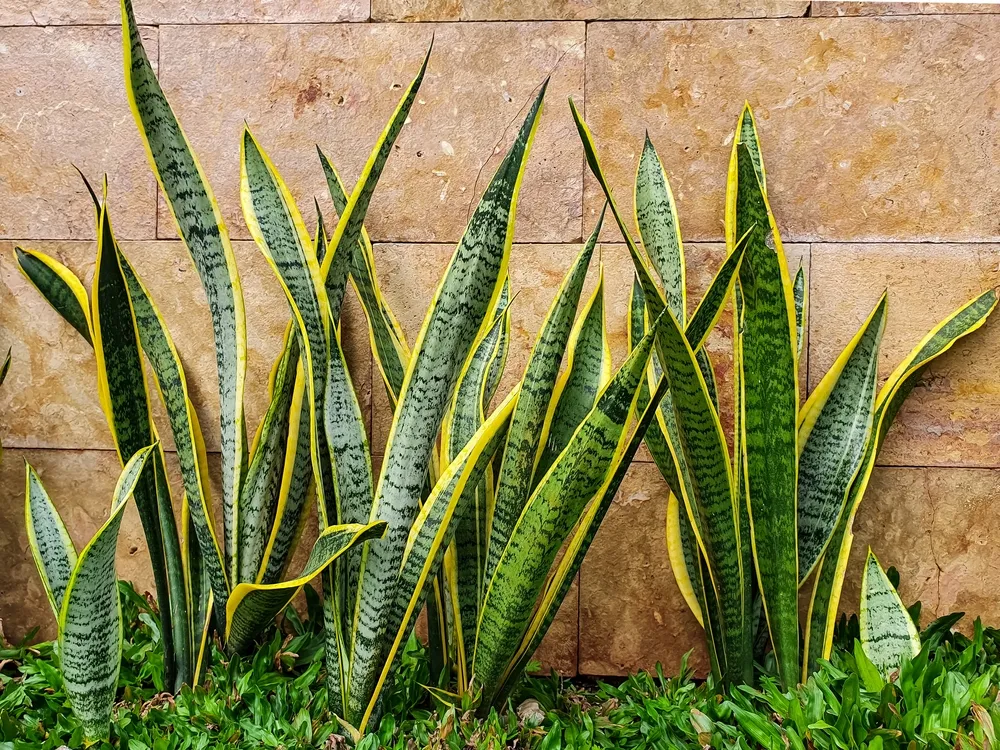
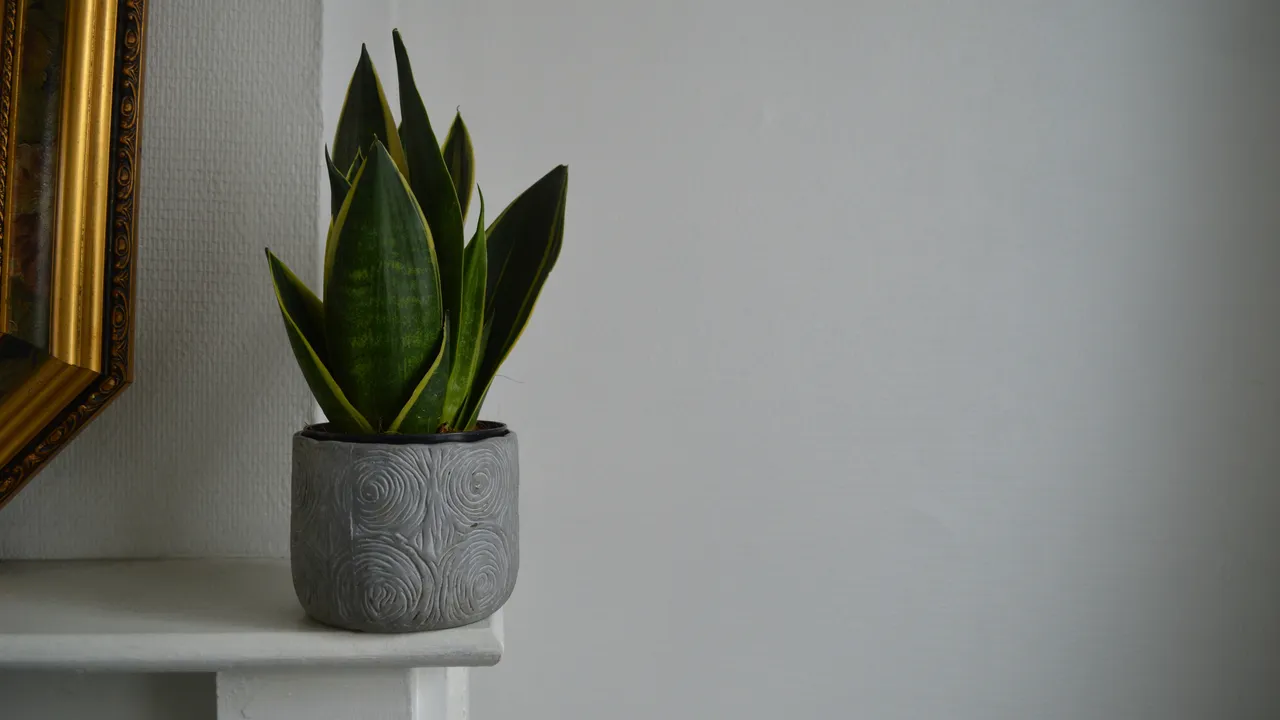
Most snake plants have stiff, upright, sword-like leaves. Many varieties have green banding, and some have yellow edges. If you are unsure what plant you have, take a photo and ask your vet or a poison hotline. It also helps to know that other Dracaena species are commonly considered toxic to pets, too.
Safe to touch?
For most households, casual contact is not the issue. The main risk is chewing or swallowing. Skin irritation is uncommon, but if you have sensitive skin, you might prefer to wear gloves when pruning any houseplant, then wash your hands afterward. For pets, focus on preventing bites.
FAQ
More dangerous for cats than dogs?
Both cats and dogs can get sick from chewing snake plant leaves. Cats are sometimes more persistent nibblers, while dogs may take bigger bites. Either way, the typical concern is drooling, vomiting, and diarrhea.
What if my pet only licked it?
A quick lick is less concerning than chewing. Wipe the mouth area with a damp cloth if needed, offer water, and monitor. Call your vet if any symptoms develop.
What part is toxic?
The leaves are the most common problem because they are what pets can reach and chew. Any swallowed plant tissue can irritate the digestive tract due to saponins.
Should I rehome my snake plant?
Not necessarily. If your pets ignore plants, you may be fine with smart placement. If you have a dedicated chewer, consider moving the plant to a pet-free room or choosing non-toxic houseplants instead.
Bottom line
Yes, snake plants are toxic to cats and dogs if chewed, thanks to saponins that can trigger drooling, vomiting, and diarrhea. If a bite happens, remove access, wipe and rinse, and monitor. Call a veterinarian, emergency clinic, or a pet poison hotline if symptoms are significant, persistent, or your pet is small or medically vulnerable.
Your snake plant can still be part of a calm, leafy home. It just needs a spot where curious mouths cannot reach.