
Are Lawn Mushrooms Poisonous to Dogs and Cats?

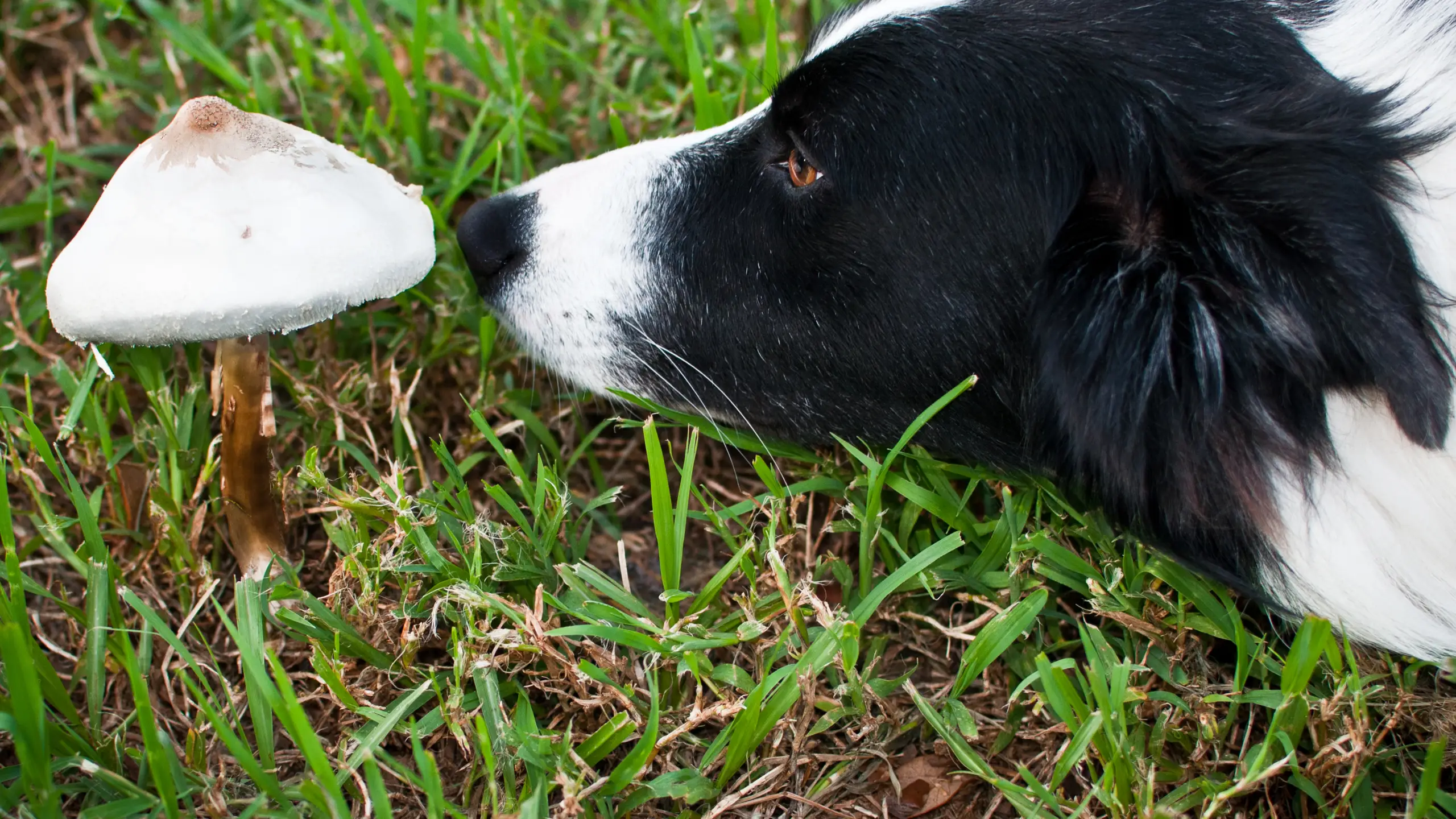
If you have a dog that hoovers up “mystery snacks” or a cat that samples anything new, lawn mushrooms are one of those backyard surprises that can turn your stomach in a second. The honest answer is this: some lawn mushrooms are poisonous to dogs and cats, and it is not possible to reliably tell safe from dangerous by appearance. Because of that, the safest approach is to treat all mushrooms in your yard as unsafe for pets to eat.

Quick answer: should you worry?
Yes, if your dog or cat might eat them. Some common yard mushrooms may only cause mild stomach upset, but others can cause severe poisoning, organ damage, seizures, or worse. Effects vary widely by species, dose, and the size and health of your pet. Since different species can pop up in the same yard over the course of a season, and since toxic and non-toxic mushrooms can look very similar, pet safety is the priority.
Separate the issues like this:
- Pet safety problem: your pet ate a mushroom, might have eaten one, or is showing symptoms.
- Turf problem: mushrooms keep appearing because of moisture and decaying organic matter. That is usually not “bad grass,” but it is a management issue if pets are at risk.
If your dog or cat may have eaten one
What to do right away
- Remove your pet from the area so they cannot eat more.
- Check the mouth and gently remove any visible bits you can safely reach.
- Save a sample of the mushroom if possible. Use a glove or baggie, and include the cap, stem, and any pieces your pet chewed. If there are multiple mushrooms, sample a few.
- Take clear photos in place before picking: top of cap, underside (gills or pores), stem, and the base where it meets the soil. A photo of the whole cluster in the lawn helps too.
- Contact professional help immediately if you suspect ingestion, even if your pet looks fine right now.
Who to contact: your veterinarian, an emergency vet, or ASPCA Animal Poison Control (APCC) or Pet Poison Helpline. (These poison hotlines may charge a consultation fee, but they can be lifesavers when time matters.)
Do not induce vomiting unless a veterinary professional tells you to. Inducing vomiting can increase the risk of aspiration, and it can be unsafe for certain toxins, breeds, or medical conditions.
If you cannot reach anyone quickly: head to an emergency vet. Bring your mushroom sample and your photos with you. Treatment decisions should not wait for a perfect ID.
When it’s an emergency
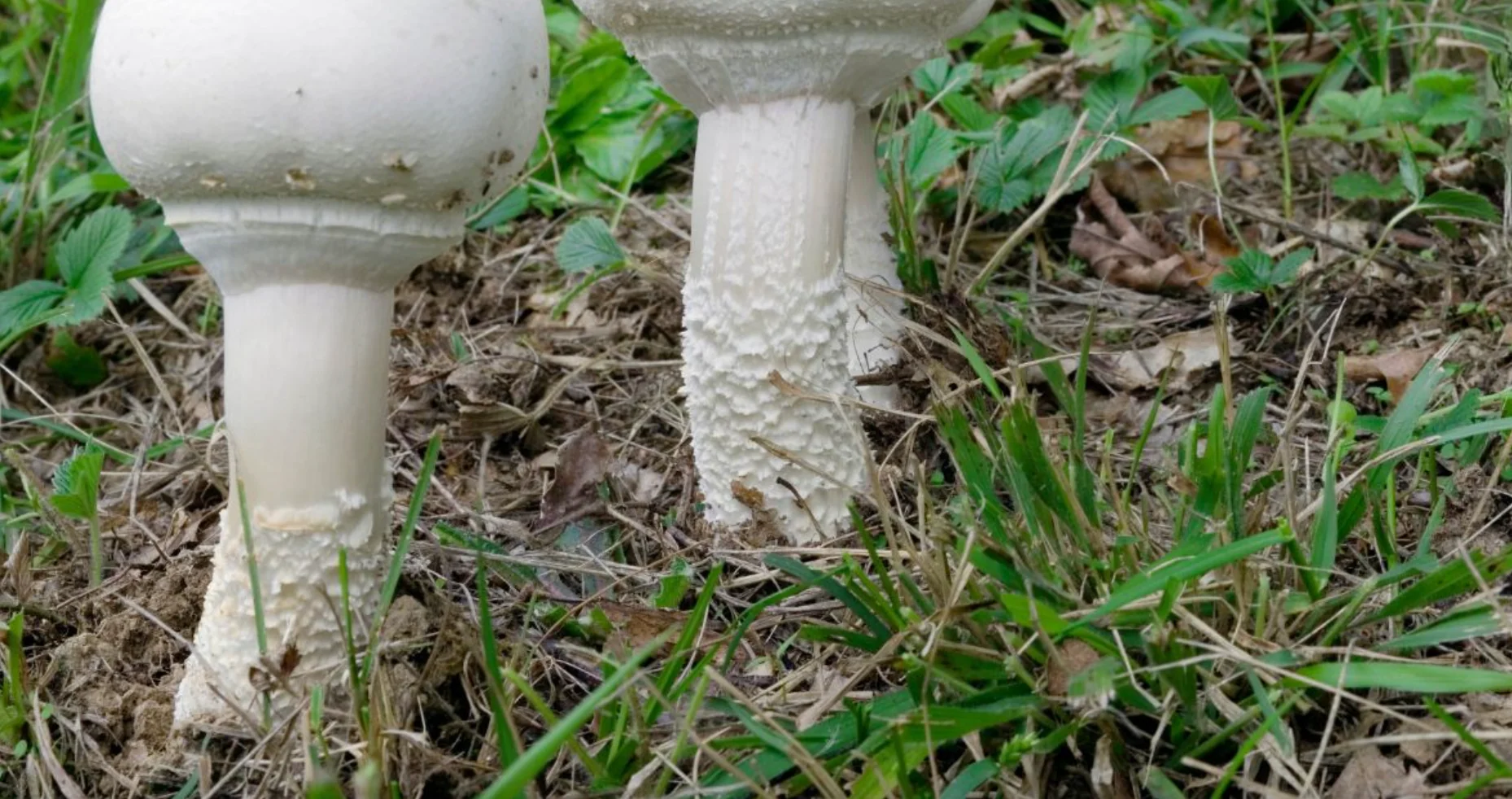
Mushroom toxins vary. Some cause fast stomach upset. Others can have a delayed, dangerous phase where a pet seems to improve before serious organ injury shows up. One well-known example is amatoxin poisoning, associated with some mushrooms in groups like Amanita, Galerina, and Lepiota. Because you cannot identify risk by symptoms alone, possible ingestion is enough reason to seek urgent guidance.
Go to an emergency vet now if:
- Your pet is having seizures, tremors, or severe weakness
- There is collapse, trouble breathing, or extreme lethargy
- There is repeated vomiting or vomiting with blood
- There is severe diarrhea or diarrhea with blood
- You see yellowing of gums, whites of eyes, or skin (jaundice)
- Your pet seems disoriented, uncoordinated, or unusually agitated
- You know your pet ate a mushroom and you cannot get rapid guidance by phone
Do not “wait and see” if a mushroom was likely eaten. Early decontamination and supportive care can be lifesaving.
Symptoms in dogs and cats
Symptoms can begin within minutes, or they can be delayed for hours depending on the species and toxin. Contact your vet or poison control if you see any of the following after possible exposure:
- Drooling, lip smacking, pawing at the mouth
- Vomiting, diarrhea, abdominal pain
- Excessive thirst, dehydration
- Weakness, wobbliness, tremors
- Hyperactivity, confusion, or unusual sleepiness
- Slow heart rate or rapid heart rate
- Seizures
One more detail that matters: cats often hide illness. If a cat may have eaten a mushroom, I treat that as urgent even if they are acting normal.
Why mushrooms pop up in grass
My gardener brain wants to reassure you: mushrooms in grass are usually a sign of moisture and decaying organic material, not a sign that your yard is “dirty” or failing. Fungi are decomposers. They show up after rain, heavy watering, humid weather, or when there is buried wood, old roots, thatch, or mulch mixing into turf.
For pet owners, the key takeaway is simpler: conditions that make mushrooms likely can persist for weeks, which means you may need a routine for checking and removing them during wet spells. Also, mushrooms vary by region and season. Treat any unknown mushroom as potentially toxic.
Reducing risk in a pet yard
You do not need to turn your lawn into a sterile zone. You just need to reduce access.
Pet-safe prevention and cleanup
- Do daily scans during wet weather, especially morning and evening. Mushrooms can appear overnight.
- Pick mushrooms promptly using gloves or a bag turned inside out like a mitt. Remove what you can see and dispose of it in a sealed bag.
- Use sealed disposal so a curious pet cannot grab them later. Do not toss pulled mushrooms into an open pile, and do not leave them on the lawn after you pick.
- Leash or supervise dogs in mushroom-prone areas until things dry out.
- Teach “leave it” for dogs, and use a basket muzzle if your dog is a dedicated forager (ask your vet or trainer for fit and training help).
- Keep grass picked up after mowing. Clumps can hold moisture that encourages fungal fruiting bodies.
- Limit overwatering. Water deeply and less often when possible, and aim for morning so the lawn dries faster.
A note on chemicals: quick-fix treatments aimed at “killing mushrooms” are usually not a reliable pet-safety solution. The mushrooms you see are only the fruiting bodies, and fungicides are typically not recommended solely for lawn mushrooms. If you use any lawn chemical where pets have access, follow the label exactly and ask your veterinarian about exposure risk.
What not to do
- Do not rely on an app or a quick online guess to decide a mushroom is safe.
- Do not let pets “self-test” by nibbling while you watch.
- Do not compost pulled mushrooms in a place pets can access.
Common questions
Are the little brown mushrooms poisonous?
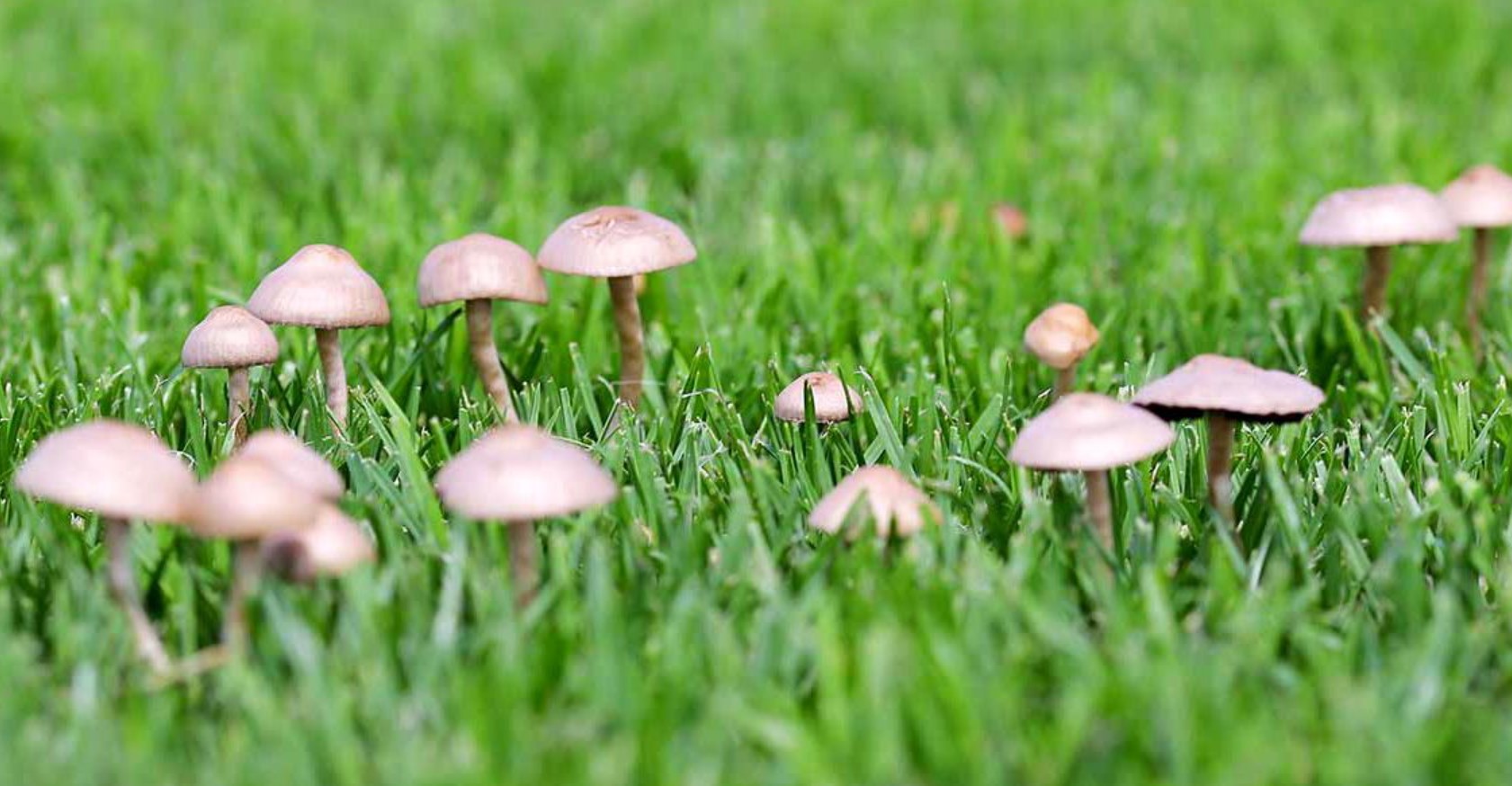
Some are harmless, some are not, and many look alike. Do not use color or size as a safety test. Treat them all as unsafe for pets to eat.
If my pet only took one bite, is it still dangerous?
It can be. Toxicity depends on the mushroom species, the amount eaten, and your pet’s size and health. Contact your vet or poison control with the details. One bite is enough to justify a call.
My dog vomited after eating a mushroom. Are they okay?
Not necessarily. Some toxins cause early stomach upset. Others cause delayed, more serious effects. Vomiting does not rule out danger. Still seek guidance.
Can I send a picture to identify the mushroom?
Photos help, but identification can be tricky even for experienced folks. If ingestion happened, your safest route is medical guidance first. If someone asks for photos, take multiple angles including the underside and the base.
Are mushrooms more dangerous for dogs than cats?
Dogs are exposed more often because they are more likely to gulp yard finds. Cats can still be poisoned, and because they may hide symptoms, I take any suspected ingestion seriously.
A gentle gardener’s bottom line
I love fungi for what they do in healthy soil, but I do not love them as an unsupervised snack bar for pets. If you see mushrooms in the lawn and you share that lawn with a curious dog or cat, think of it as a simple safety routine: pick them, bag them, supervise, and get help fast if a bite happens. You can keep your yard natural and your pets safe at the same time.